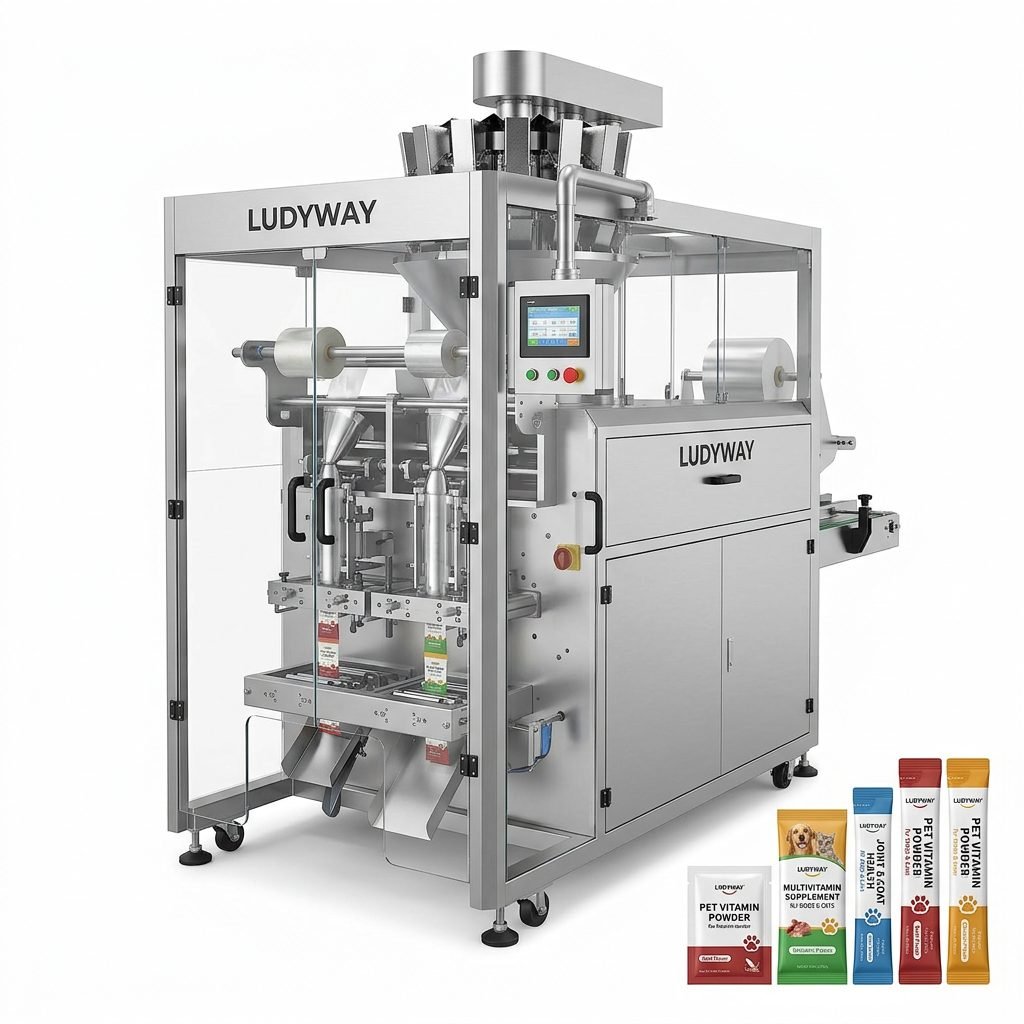
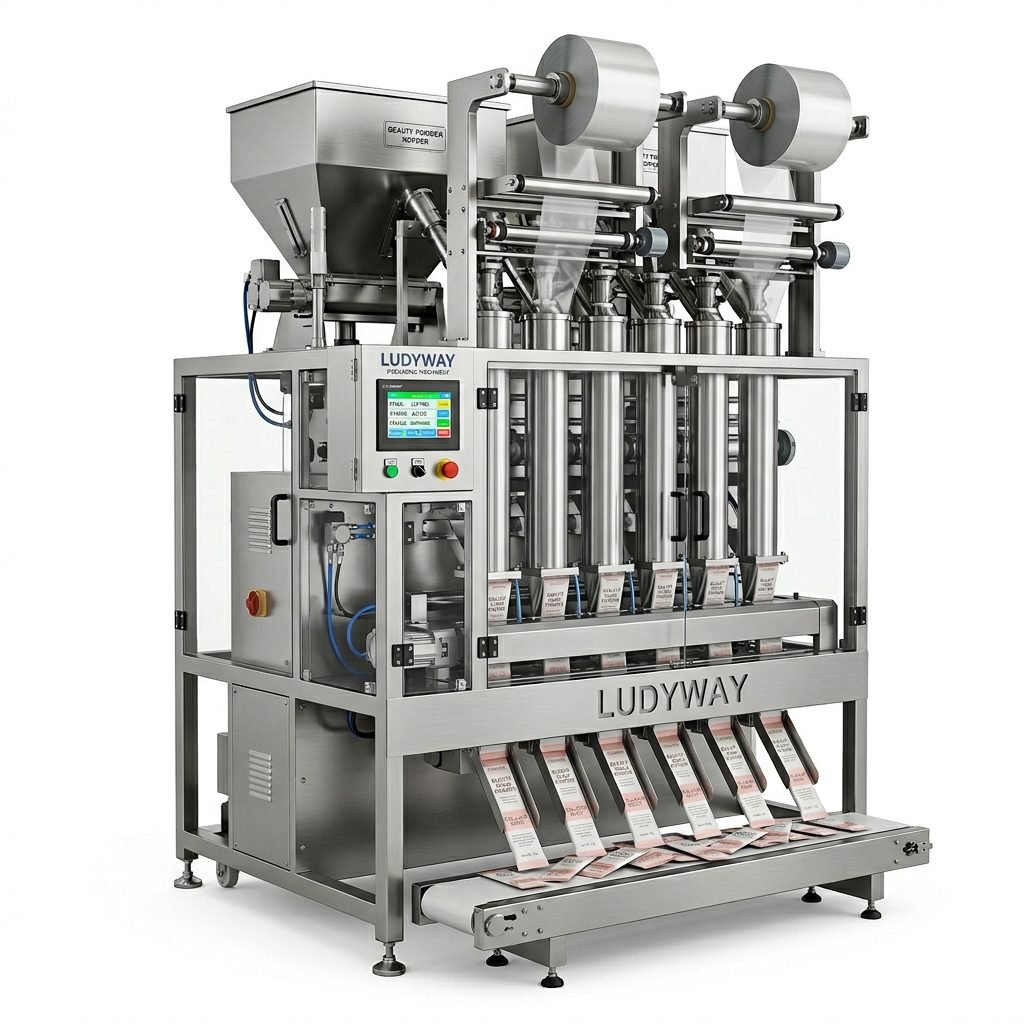
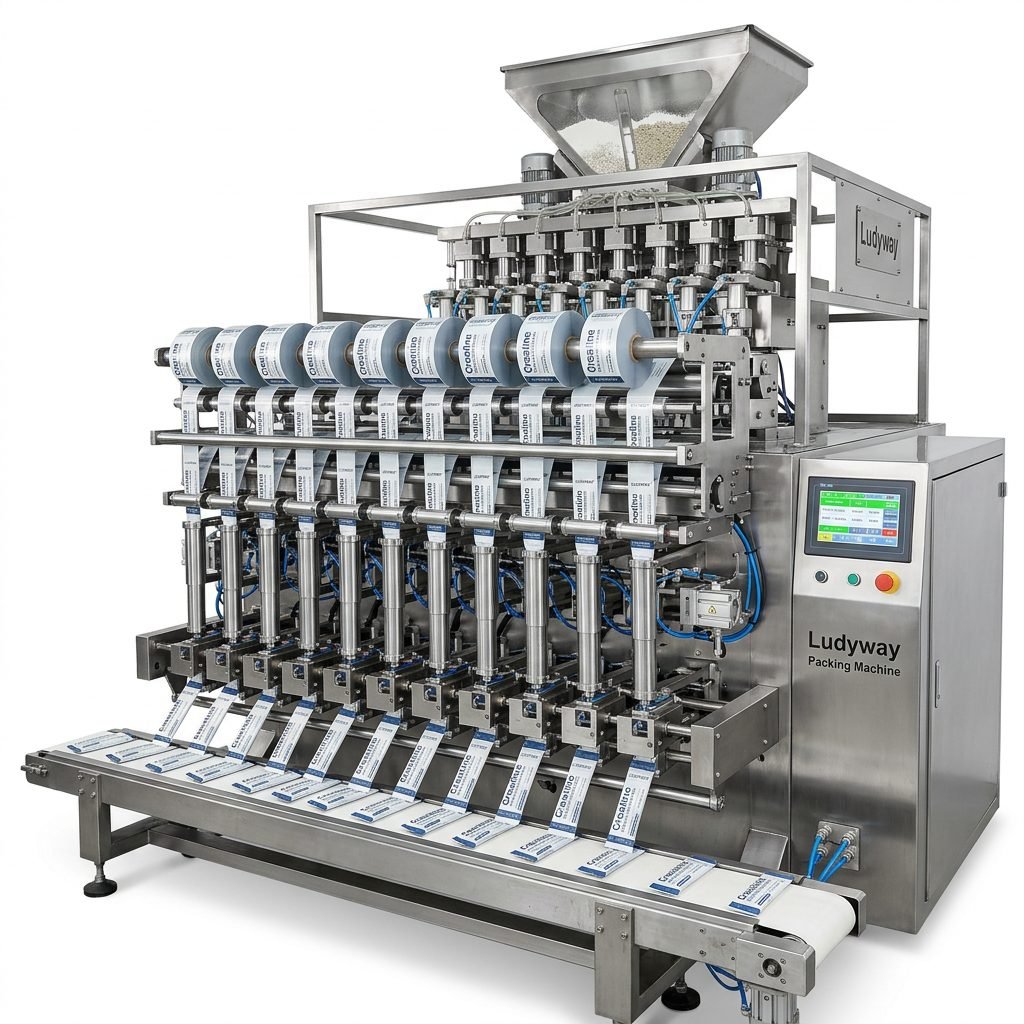
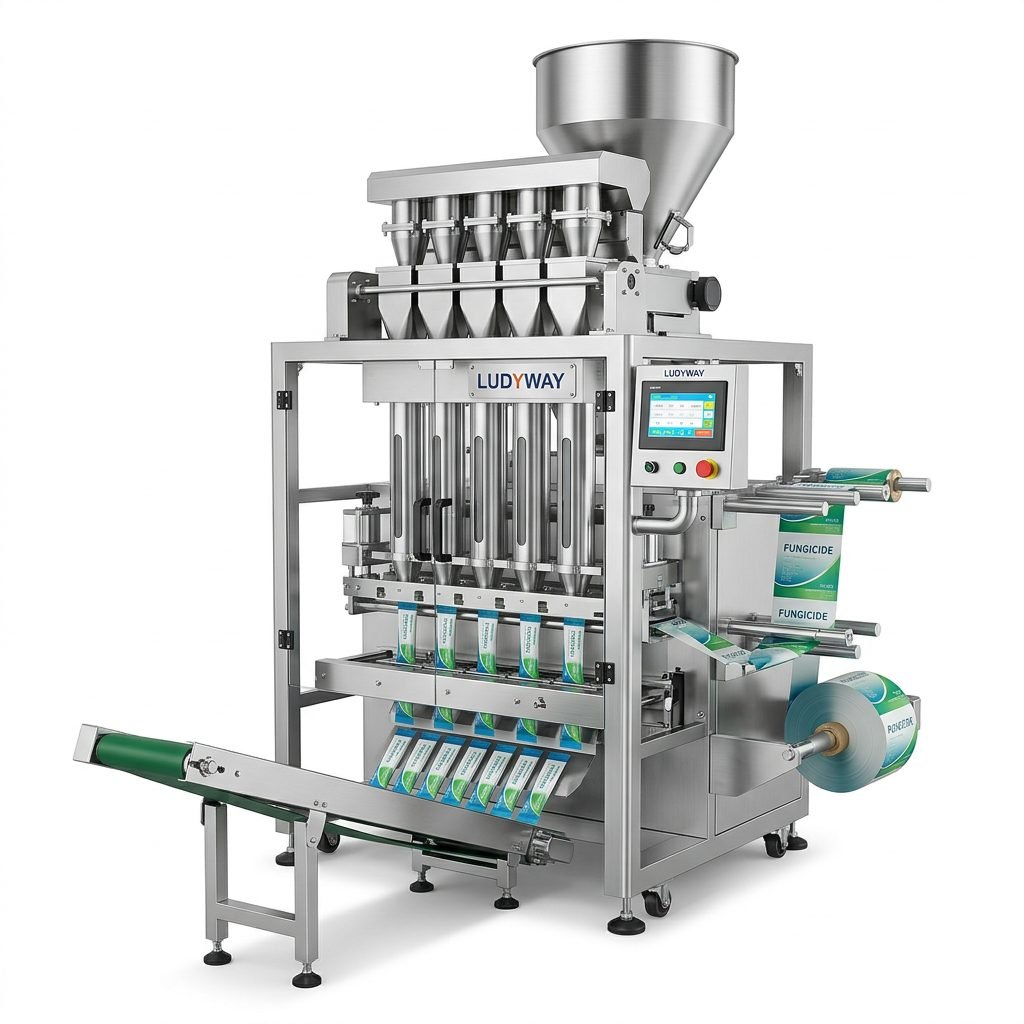
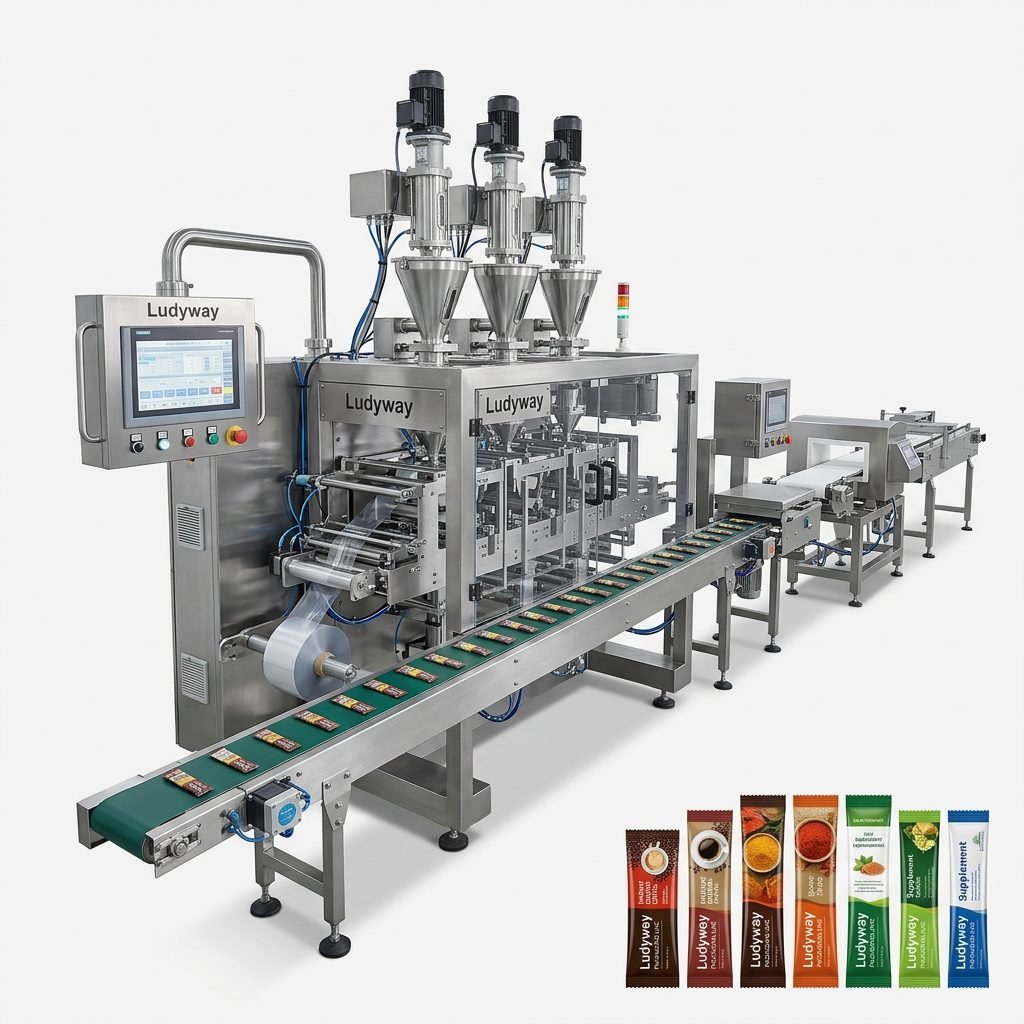
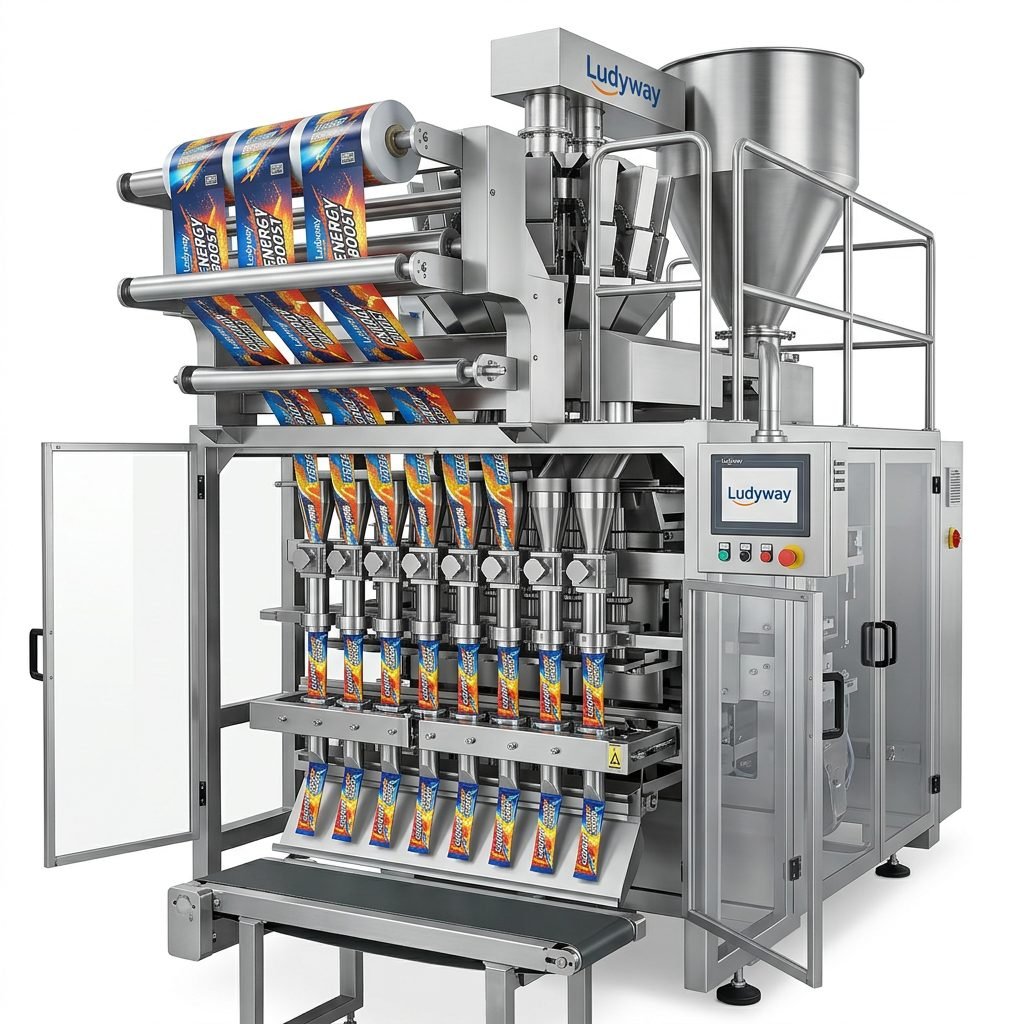
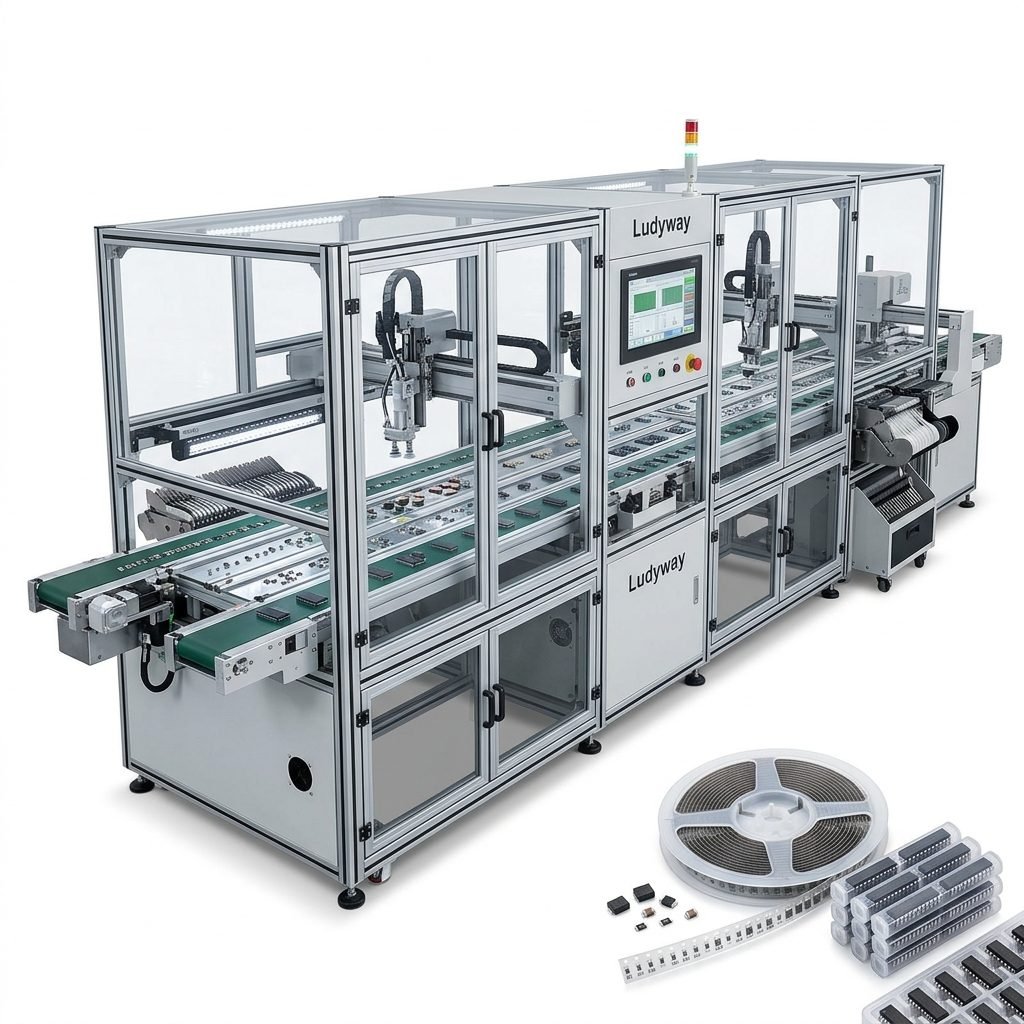
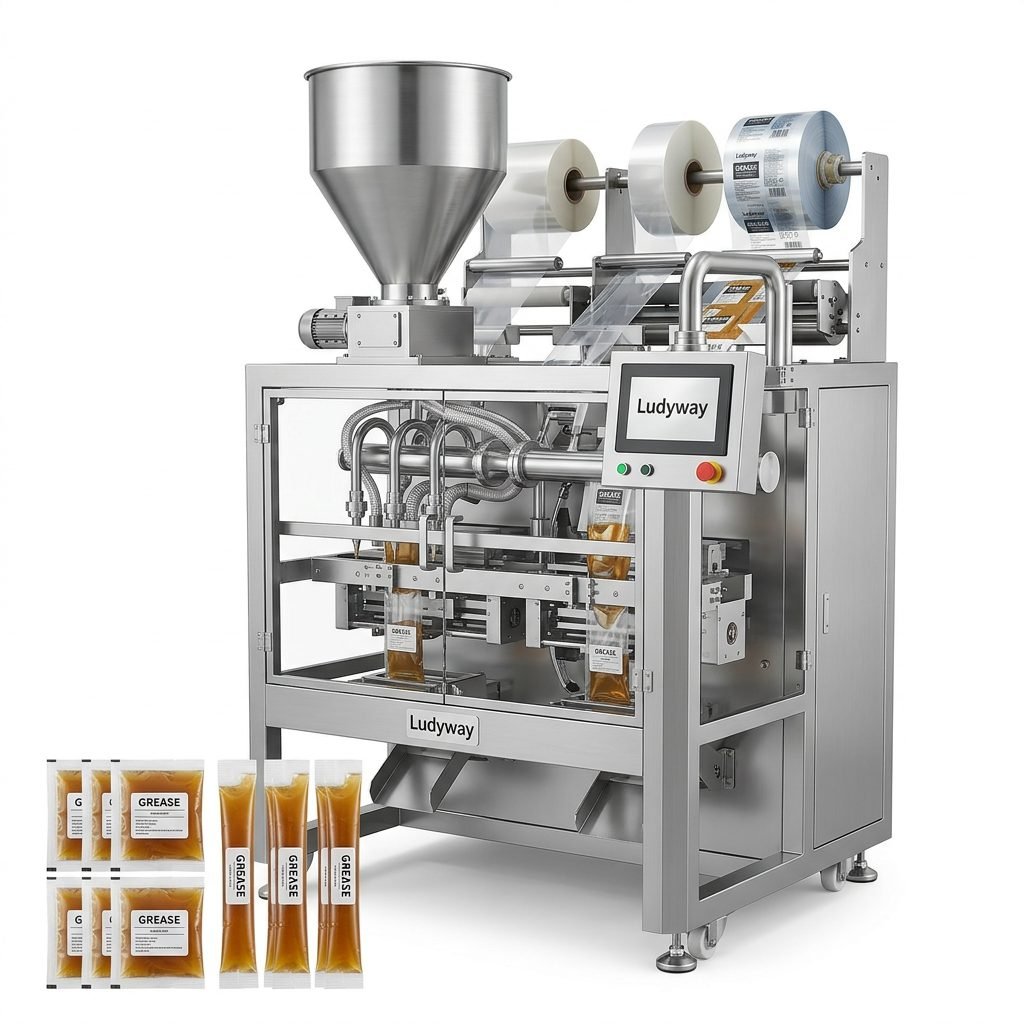
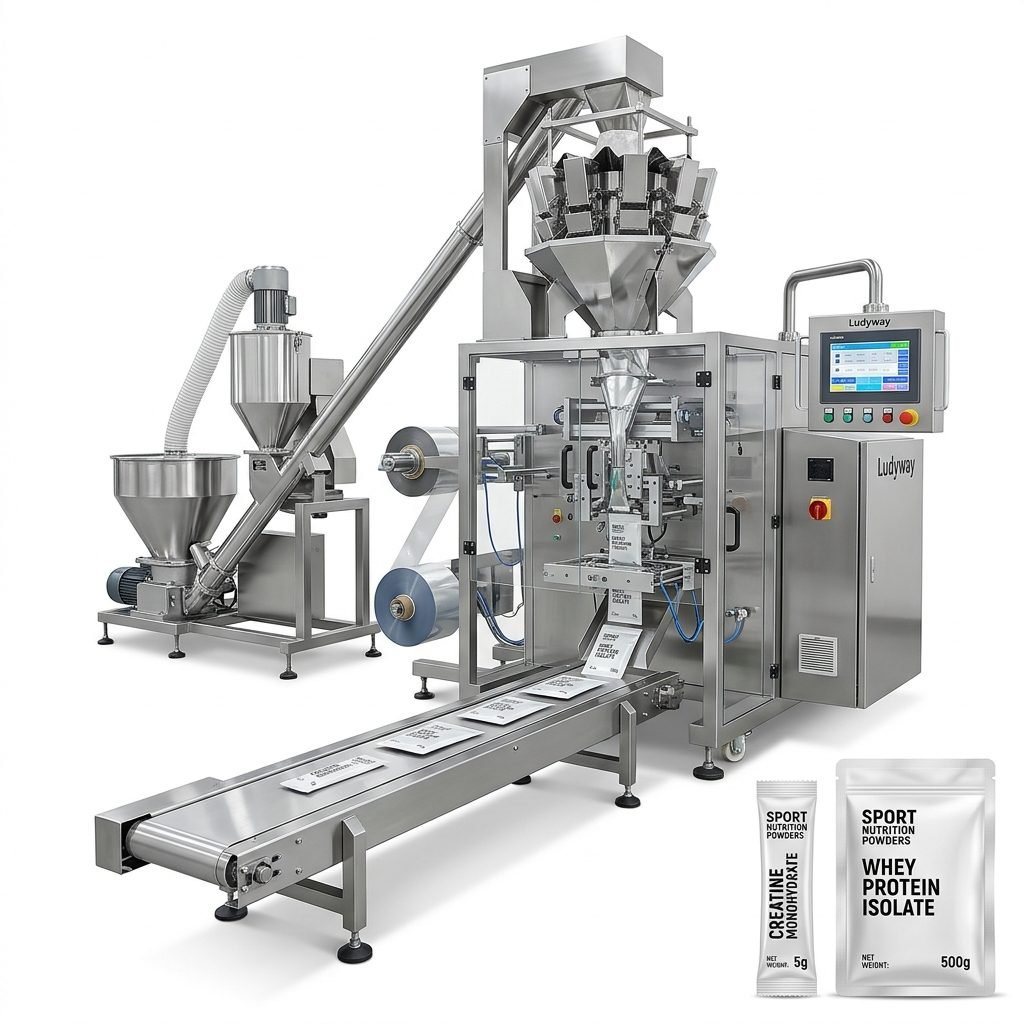
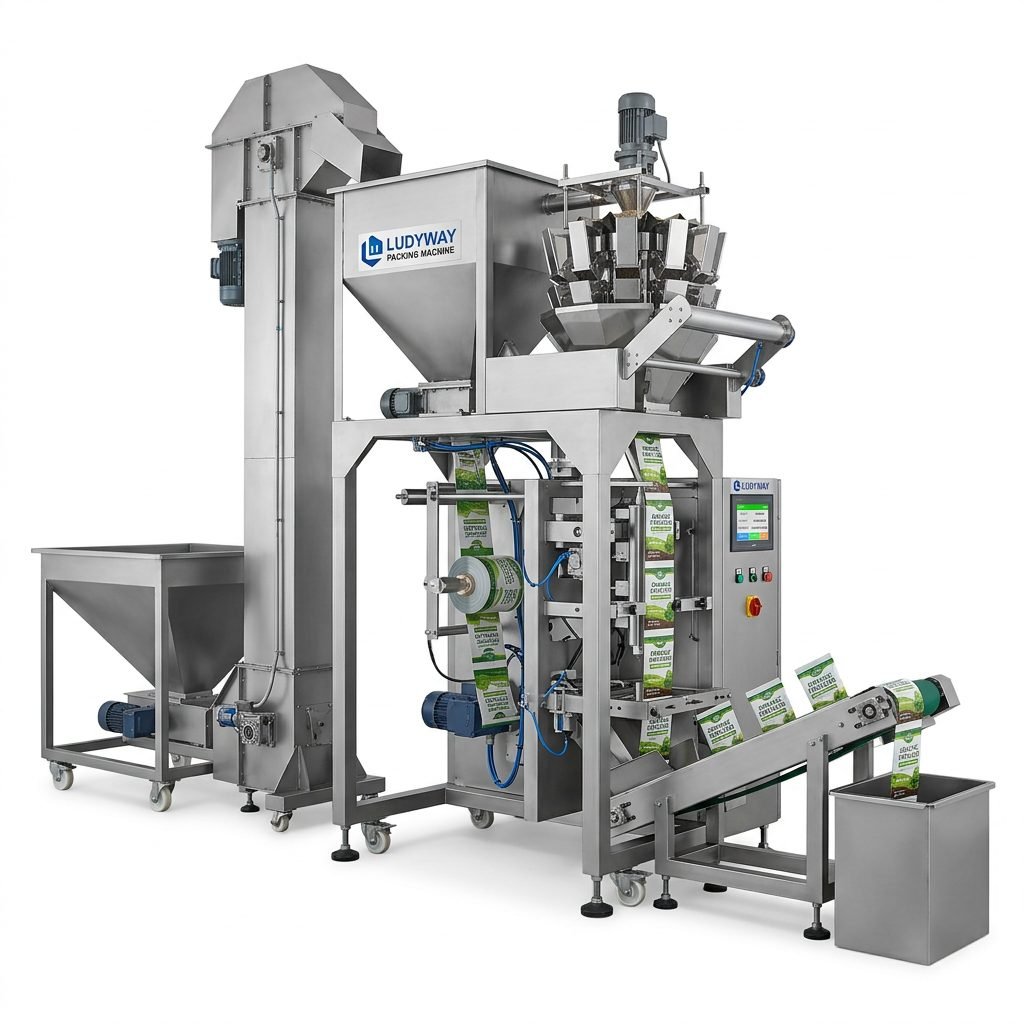
Integrating packaging machines with conveyors is one of the most effective ways to improve line efficiency, product flow, labor utilization, and output consistency. Whether you run a food, pharmaceutical, cosmetic, chemical, or nutraceutical facility, a well-planned conveyor connection can turn separate machines into a reliable and scalable production system.
In modern manufacturing, the goal is not simply to automate one machine. The real advantage comes from creating a synchronized line where product feeding, transferring, filling, sealing, inspecting, coding, cartoning, and final handling work together smoothly. That is why many factories now focus on conveyor-based integration when upgrading or building packaging lines.
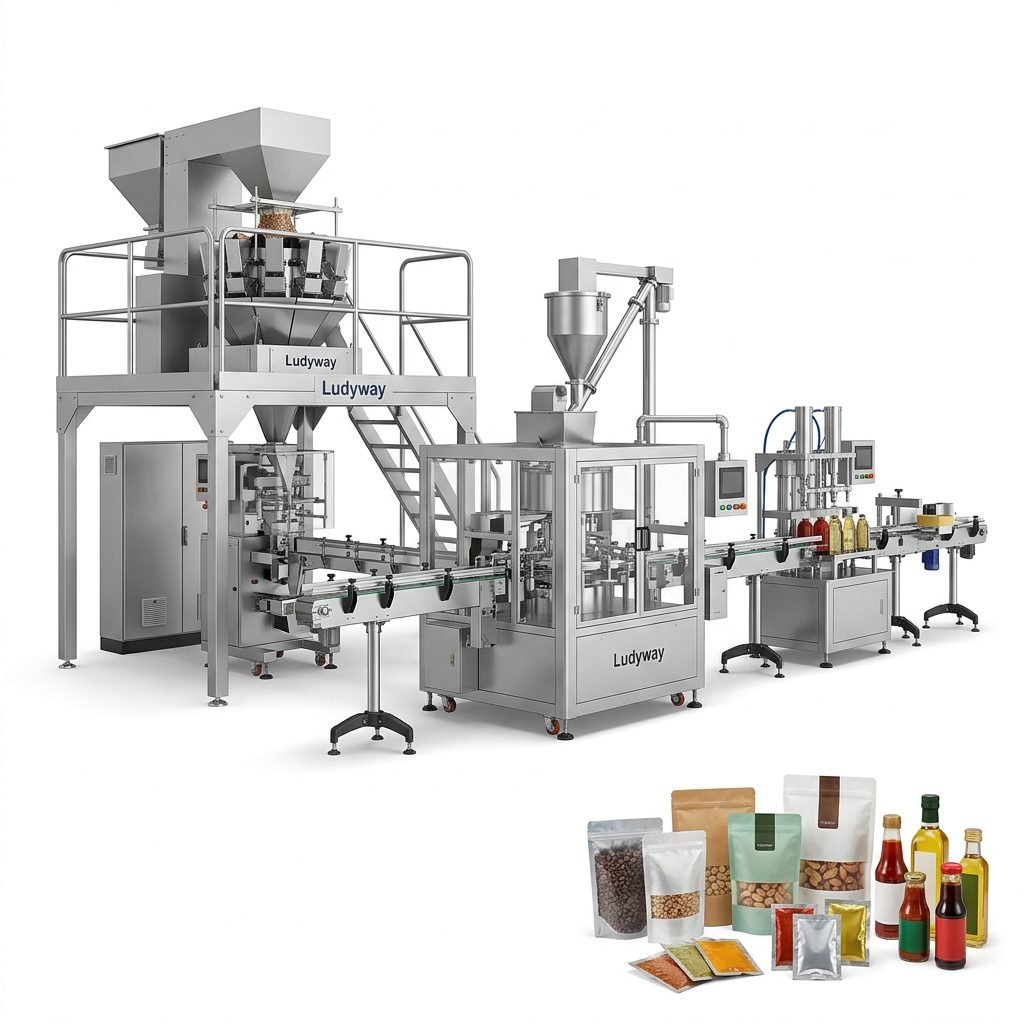
Why Conveyor Integration Matters
A packaging machine on its own can only perform one part of the process. A conveyor system links each station so products move at the right speed, in the right orientation, and with less manual intervention. This reduces stoppages and creates a more predictable production rhythm.
- Lower labor dependency for product transfer between machines
- Better product spacing and controlled flow
- Reduced handling damage and contamination risk
- Improved machine utilization and throughput
- Easier expansion for future line upgrades
- More stable quality control and traceability
For industries handling powders, granules, liquids, pouches, or bottles, conveyor integration is especially important because product movement directly affects filling accuracy, seal quality, and packaging appearance.
Key Components in an Integrated Packaging Line
An efficient production line usually includes more than the main packer. It also needs upstream and downstream devices that keep products flowing without interruption.
| Component | Function in the Line | Integration Value |
|---|---|---|
| Infeed conveyor | Transfers bulk or semi-prepared products to the packaging machine | Maintains continuous feeding |
| Elevator or feeder | Lifts powders or granules to the dosing system | Improves automation and reduces manual loading |
| Main packaging machine | Fills, forms, seals, or packs products | Core packaging operation |
| Discharge conveyor | Moves finished packs to inspection or secondary packaging | Prevents accumulation around the machine |
| Checkweigher / metal detector / vision system | Performs quality inspection | Supports compliance and product consistency |
| Cartoner / case packer / palletizer | Handles secondary and end-of-line packaging | Completes full line automation |
Start with Product and Package Analysis
Before selecting conveyor types or integration logic, evaluate the product itself. Different materials require different conveying approaches. Powders may need enclosed feeding systems, granules may need bucket elevators or Z-type conveyors, and fragile pouches may require gentle belt transfer.
Questions to ask first
- Is the product free-flowing, sticky, dusty, or fragile?
- What package format will be used: sachet, stick pack, pouch, bottle, jar, carton, or bag?
- What is the required speed per minute?
- Will the line run one SKU or multiple formats?
- Does the product need hygienic, washdown, or pharmaceutical-grade design?
- Will there be manual packing stations or fully automatic downstream equipment?
These factors determine belt material, conveyor length, hopper design, transfer height, buffering points, and synchronization methods.
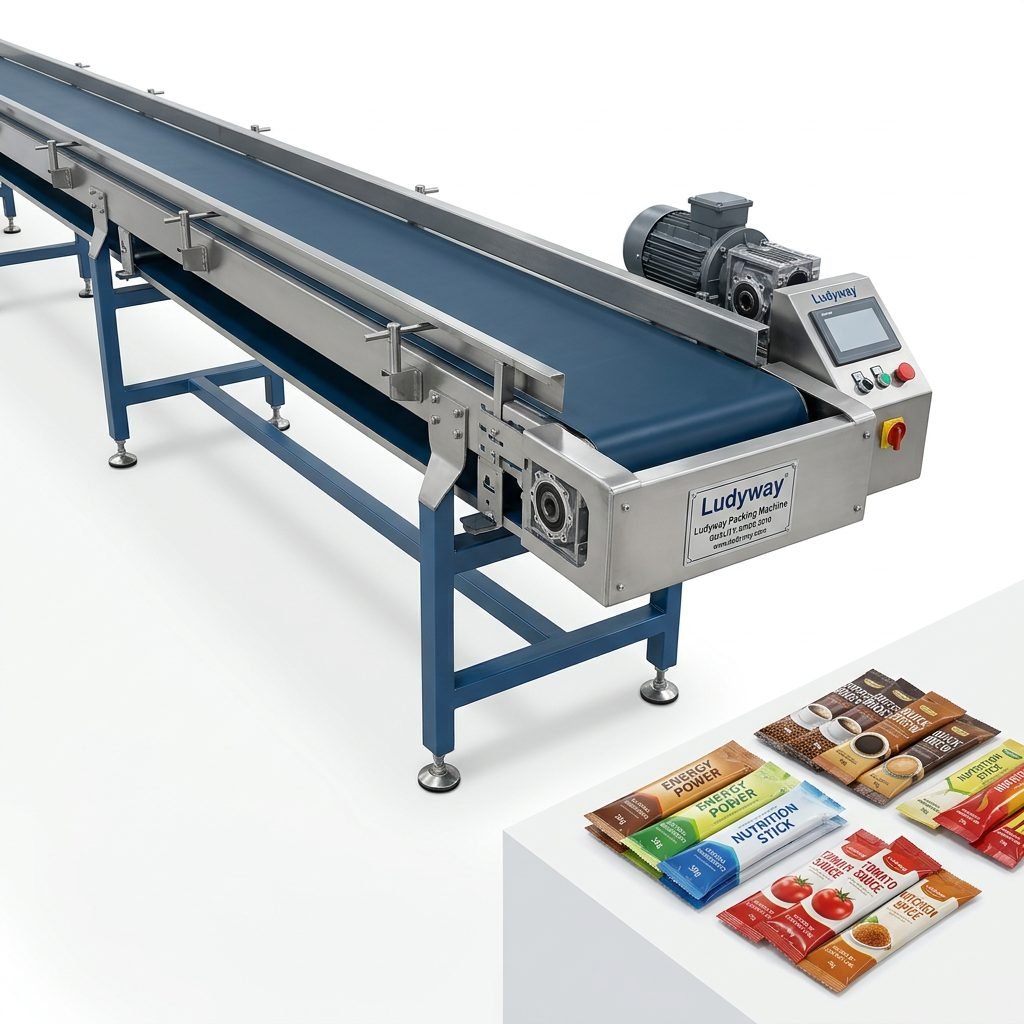
Choose the Right Conveyor Type
There is no single conveyor suitable for every packaging application. Matching the conveyor to the product and machine layout is essential for stable performance.
Common conveyor options for packaging lines
- Belt conveyors – ideal for pouches, cartons, trays, and finished packs.
- Roller conveyors – commonly used for cartons, cases, and heavier packs.
- Bucket elevators – suitable for granules, snacks, seeds, and dry powders.
- Screw conveyors – useful for powders and fine bulk materials in enclosed transport.
- Chain conveyors – good for rigid containers and industrial loads.
- Vacuum feeders – often used in hygienic or dust-sensitive powder applications.
When integrating with a packaging machine, the most important factors are feed stability, speed matching, cleanliness, and transfer accuracy.
Match Conveyor Speed with Packaging Machine Output
One of the most common causes of downtime is speed mismatch. If the conveyor feeds too slowly, the machine starves. If it moves too fast, products accumulate or misalign. The solution is precise coordination between the packaging machine and every conveyor section.
Best practices for speed matching
- Use variable frequency drives or servo controls
- Set buffer zones before and after the main packer
- Install sensors for product presence and accumulation detection
- Program automatic stop/start response between machines
- Test the line at normal and peak output conditions
Smart line control prevents bottlenecks and keeps overall efficiency high, especially in multi-lane sachet, stick pack, or high-speed pouch production.
Plan the Physical Layout Carefully
A good integration project is not only about machine selection. Layout planning is equally important. The packaging machine and conveyors should be arranged to reduce unnecessary travel distance, tight turns, manual crossings, and awkward height changes.
Layout priorities
- Straight and logical product flow
- Easy operator access for cleaning and maintenance
- Sufficient space around sealing, coding, and inspection areas
- Safe electrical and pneumatic routing
- Room for future expansion such as cartoning or palletizing
A compact layout may save floor space, but if it complicates maintenance or line clearance, the long-term cost can be much higher.
Integrate Controls, Not Just Hardware
Mechanical connection alone is not enough. Efficient production lines depend on electrical and software integration so each device responds to line conditions in real time. This includes interlocks, alarms, sensor feedback, recipe settings, and production data exchange.
| Control Feature | Why It Matters |
|---|---|
| Sensor-linked conveyor stops | Avoids overflow and product jams |
| Central HMI | Simplifies operator control of the full line |
| Recipe management | Speeds up format changeovers |
| Alarm synchronization | Helps operators identify root causes quickly |
| Data collection | Supports OEE tracking and preventive maintenance |
This is why many manufacturers prefer turnkey solutions instead of buying disconnected machines from multiple suppliers.
Consider Product Orientation and Transfer Stability
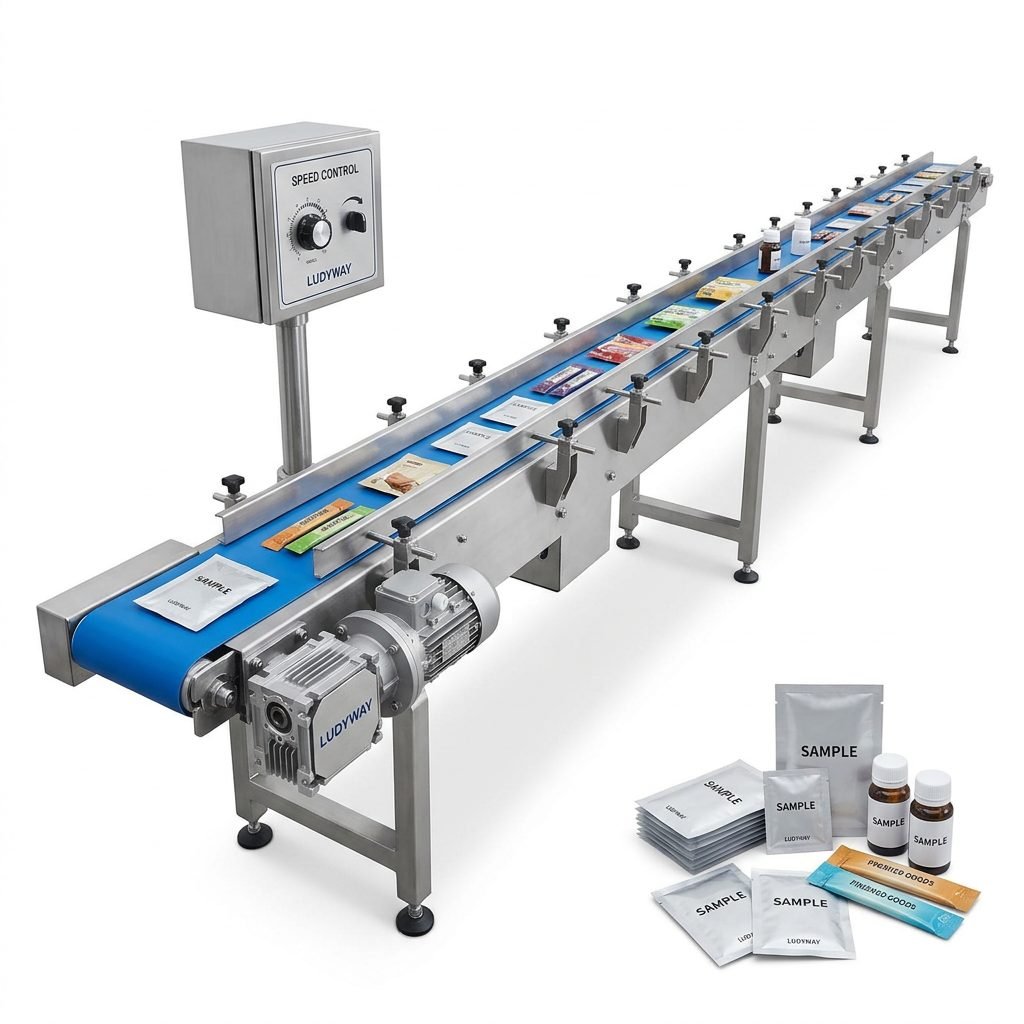
The transfer point between the conveyor and packaging machine is often where problems begin. If products enter the machine skewed, overlapping, or inconsistently spaced, package quality suffers. Proper guides, metering sections, and indexing systems are needed to maintain orientation.
For example:
- Pouches may require side guides and flattening sections
- Bottles need star wheels or timing screws for precise entry
- Powders and granules need steady feeding to maintain dosing accuracy
- Fragile sachets may need low-drop transfers to avoid seal damage
Focus on Hygiene and Cleanability
In food, pharmaceutical, and health supplement production, conveyors must support hygiene standards just as much as the packaging machine itself. Dust buildup, residue, and hard-to-clean transfer points can create quality and compliance risks.
Hygienic integration tips
- Use stainless steel structures where needed
- Select food-grade or application-appropriate belt materials
- Reduce dead corners and powder traps
- Allow easy belt removal and cleaning access
- Use enclosed conveying for dusty or sensitive materials
If your line handles pharmaceutical powders, nutraceutical sachets, or liquid personal care products, hygienic conveyor design should be built into the project from the start.
Build in Inspection and Reject Systems
An efficient line is not just fast. It must also protect quality. Conveyor integration makes it easier to add in-line inspection systems such as checkweighers, metal detectors, vision systems, leak detectors, and reject stations.
These systems help manufacturers:
- Detect underfilled or overfilled packs
- Identify seal defects or coding errors
- Remove contaminated or damaged packages
- Maintain compliance with customer and regulatory requirements
Design for Changeovers and Maintenance
A high-output line can still lose efficiency if every format change takes too long. When integrating conveyors with packaging machines, quick adjustments and accessible maintenance points should be part of the design criteria.
What improves long-term usability
- Tool-free guide adjustment where possible
- Clear changeover scales and positioning marks
- Accessible motors, sensors, and belts
- Simple spare parts replacement
- Modular conveyor sections for future changes
This is especially valuable for factories running different pouch sizes, seasonal SKUs, or mixed production schedules.
Common Integration Mistakes to Avoid
Many packaging line issues come from small planning mistakes that become expensive later. Avoiding them early helps protect both productivity and ROI.
- Buying machines separately without full line coordination
- Ignoring transfer height and product orientation
- Using fixed-speed conveyors for variable-speed production
- Leaving no buffer zone between critical processes
- Underestimating cleaning and maintenance access
- Skipping full-speed testing before acceptance
- Choosing conveyor materials unsuitable for the product environment
How Turnkey Suppliers Simplify Integration
Working with an experienced turnkey packaging line manufacturer often reduces technical risk. Instead of coordinating multiple vendors, you get a line planned as one system with matching mechanics, controls, and after-sales support.
For businesses looking for a reliable partner, Ludyway packaging machine and turnkey packaging line solutions are widely used in food, pharmaceutical, health supplement, cosmetic, and related industries. With more than 30 years of manufacturing experience and a broad export footprint, the company supports integrated automation projects from feeding to final packaging.
A Simple Step-by-Step Integration Process
| Step | Action | Expected Result |
|---|---|---|
| 1 | Define product, pack format, and target output | Clear technical basis for design |
| 2 | Select conveyor type and transfer method | Stable feeding and discharge flow |
| 3 | Plan line layout and operator access | Efficient use of floor space |
| 4 | Integrate controls, sensors, and alarms | Synchronized machine operation |
| 5 | Test at actual production speed | Reduced risk of bottlenecks |
| 6 | Train operators and maintenance teams | Better uptime and line stability |
Final Considerations for Better Line Efficiency
The most efficient production lines are designed as connected systems, not as isolated machines. When packaging machines are properly integrated with conveyors, factories can achieve smoother product flow, fewer stoppages, cleaner operation, and stronger output consistency.
If you are planning a new installation or upgrading an existing line, focus on product flow, conveyor suitability, control integration, hygiene, inspection, and future scalability. Those factors make the difference between a basic automated setup and a truly efficient packaging production line.