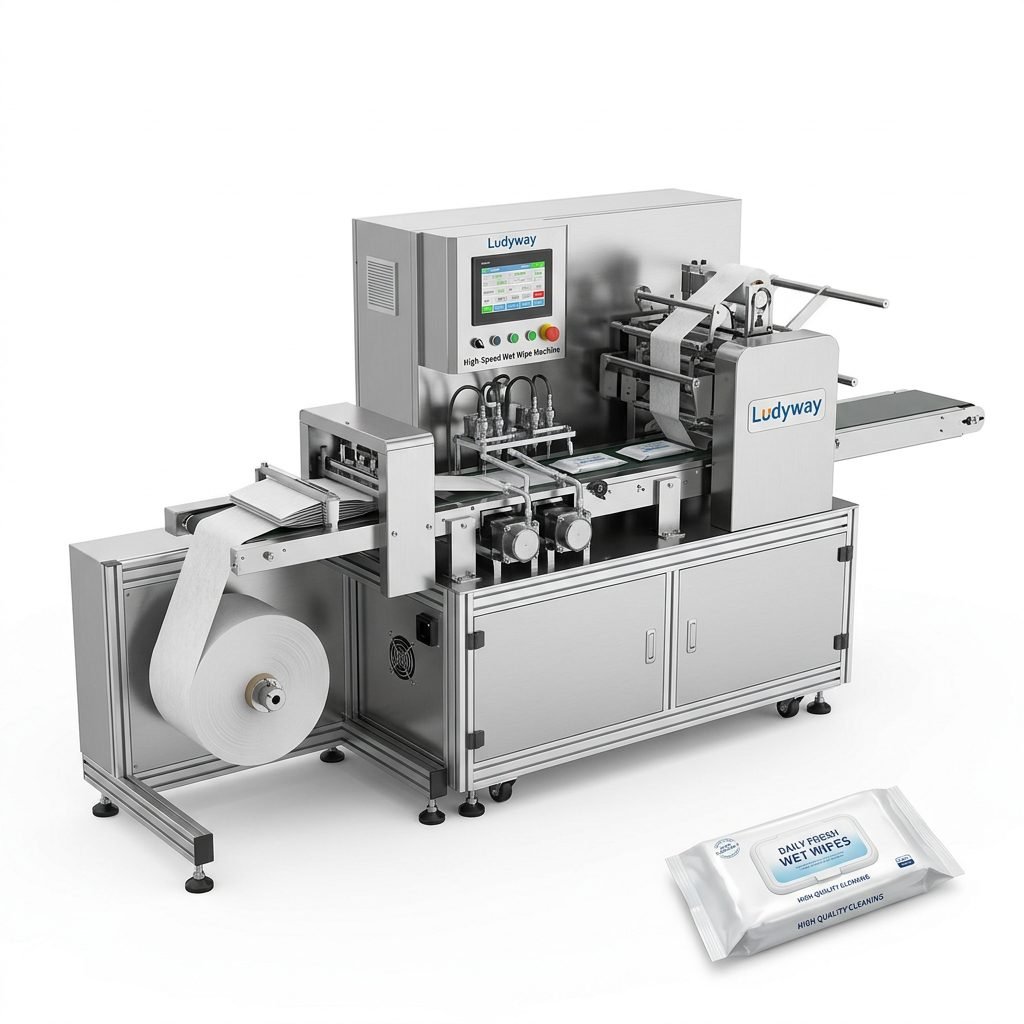
In today’s fast-paced manufacturing environment, efficiency, accuracy, and product integrity are paramount. Smart packaging equipment has emerged as a critical component for businesses looking to streamline operations, reduce waste, and meet evolving consumer demands. This technology goes beyond simple containment, integrating automation, data intelligence, and flexibility to transform production lines.
Understanding the Core Types of Smart Packaging Systems
The landscape of smart packaging is diverse, with systems designed for specific product forms and production scales. Choosing the right type is the first step toward automation.
Primary Categories by Product Form
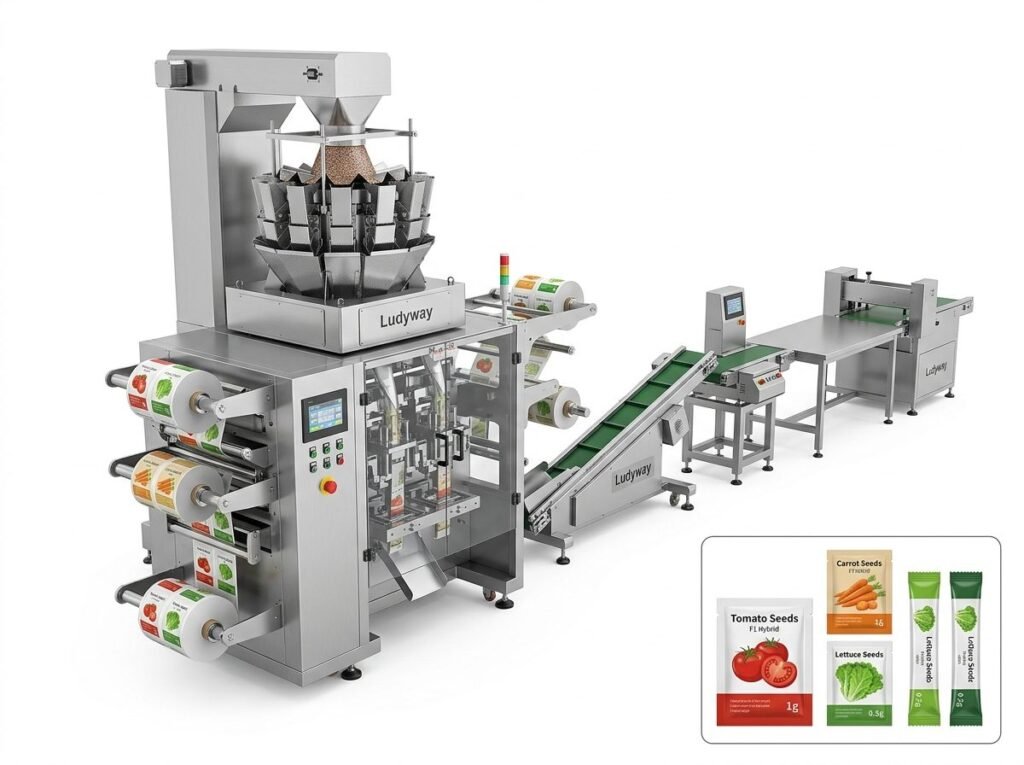
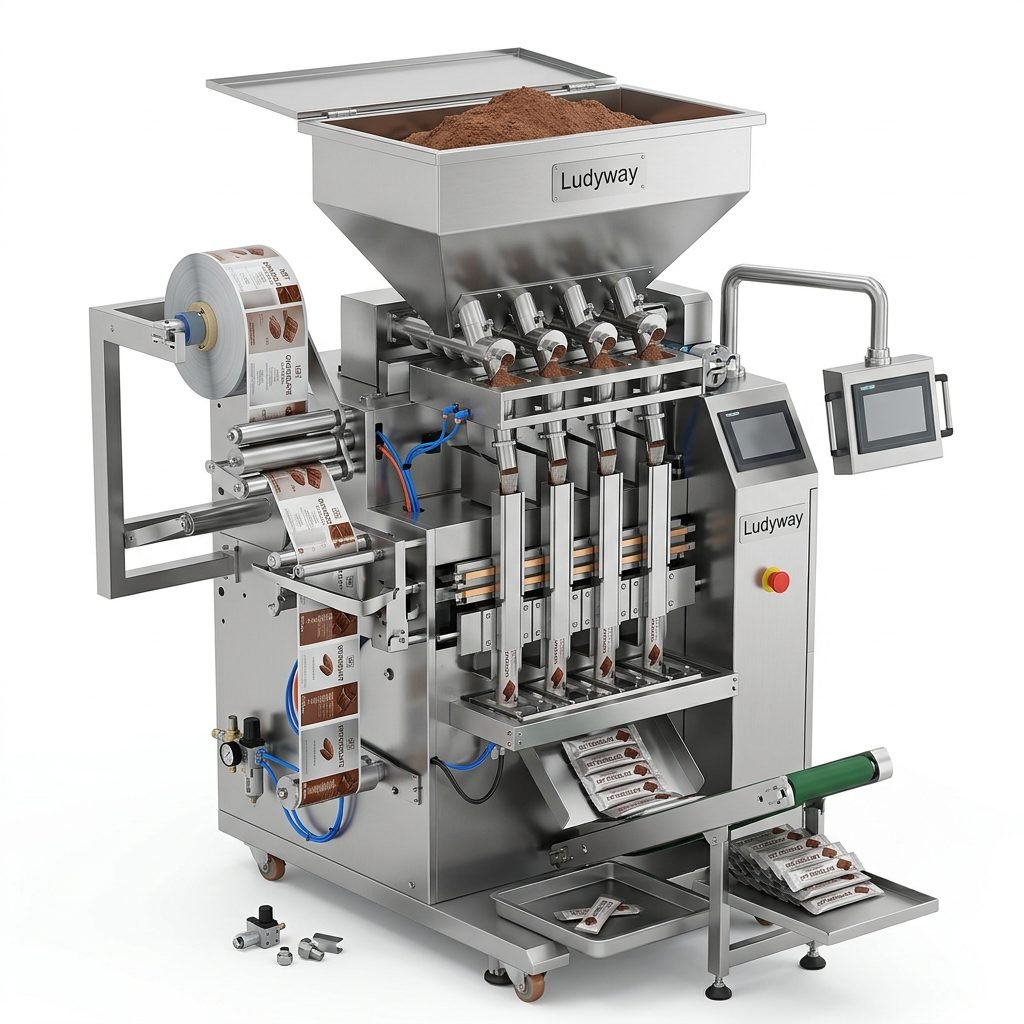
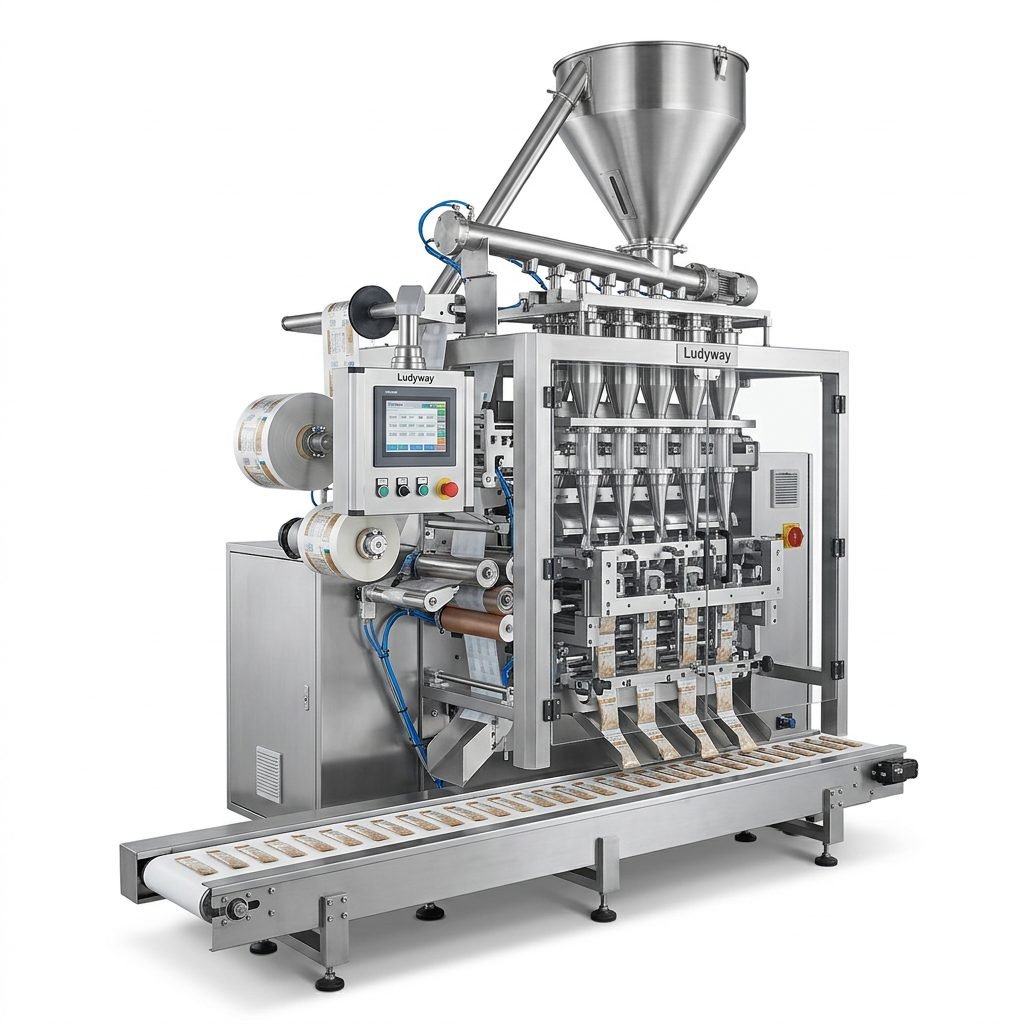
Granule & Powder Packers: These systems are engineered for precision dosing of free-flowing materials like coffee, sugar, spices, and protein powders. Advanced models feature multi-head weighers and vibrating feeders for high-speed, accurate filling, minimizing giveaway.
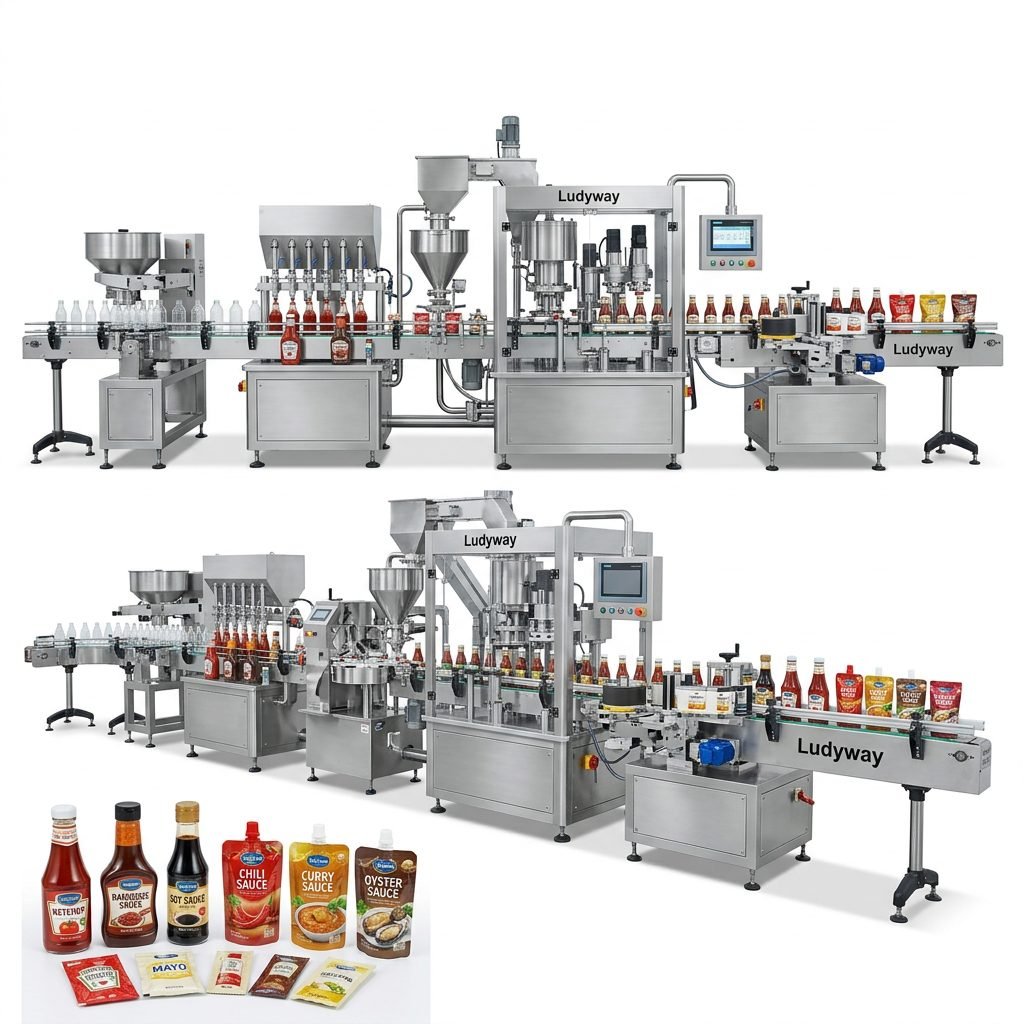
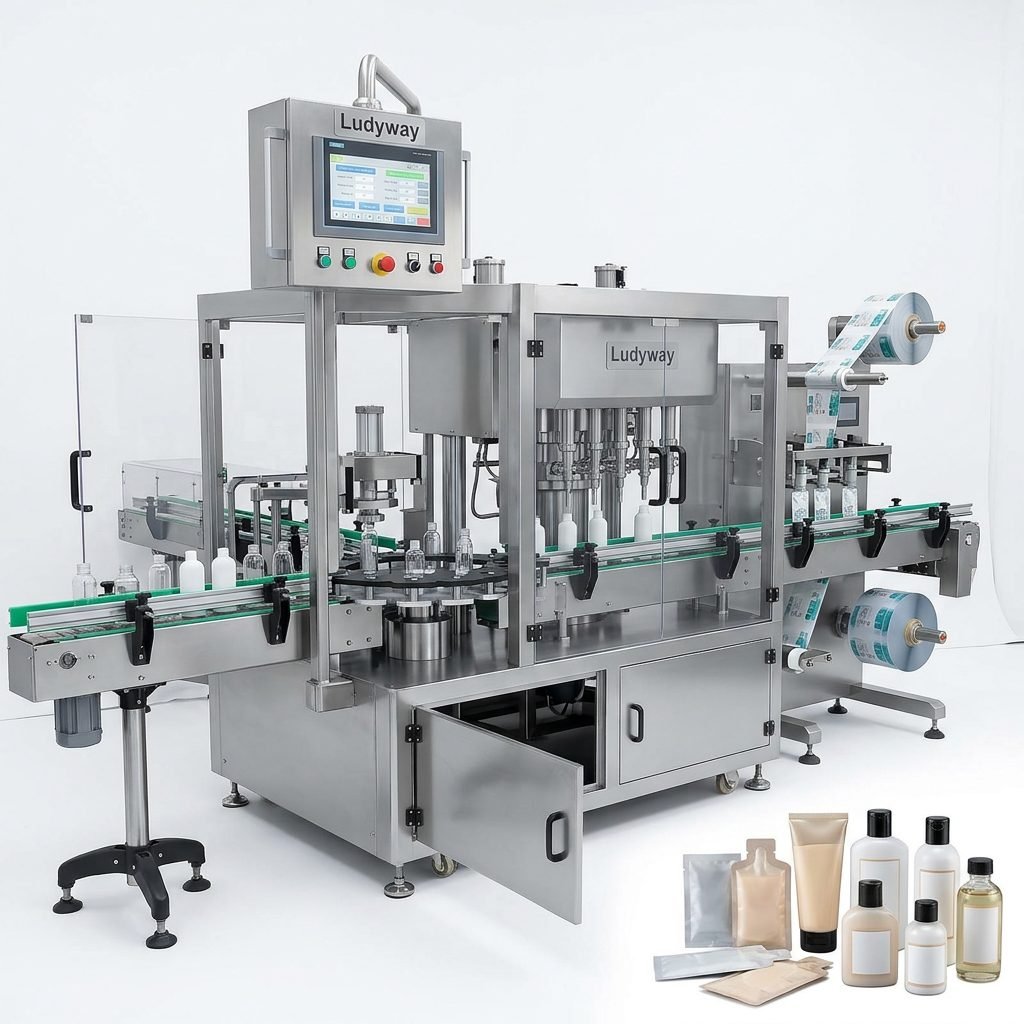
Liquid & Paste Fillers: Utilizing piston, pump, or gravity-fill technology, these machines handle products ranging from water and sauces to creams and oils. Key considerations include viscosity control, drip-free nozzles, and compatibility with various container types.
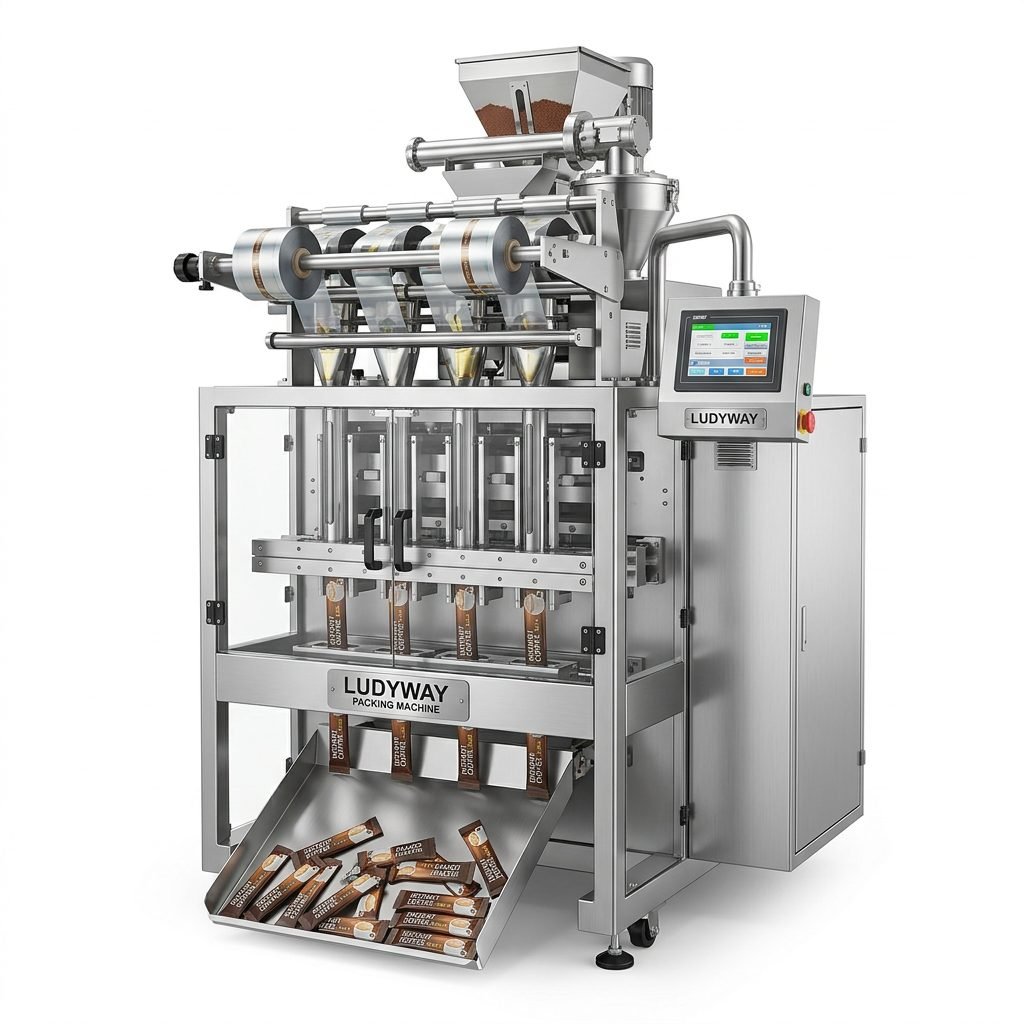
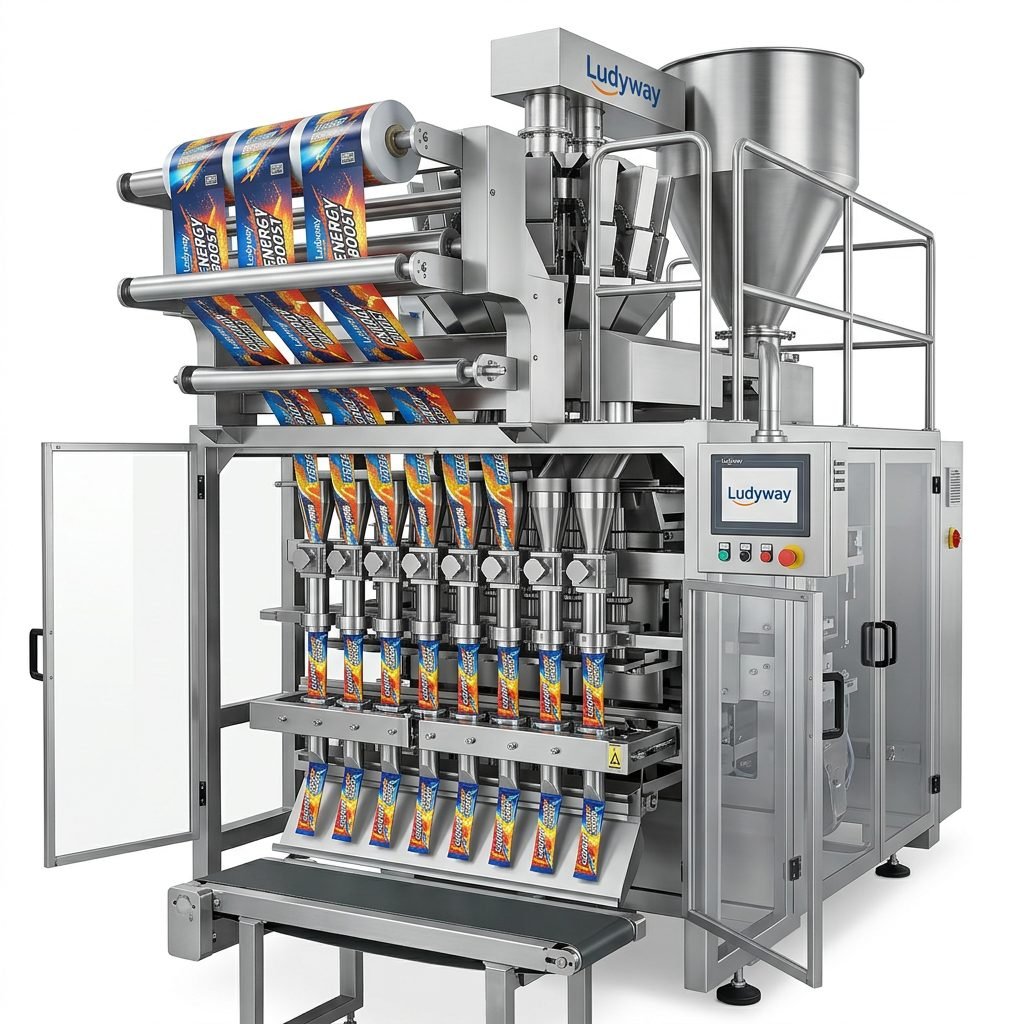
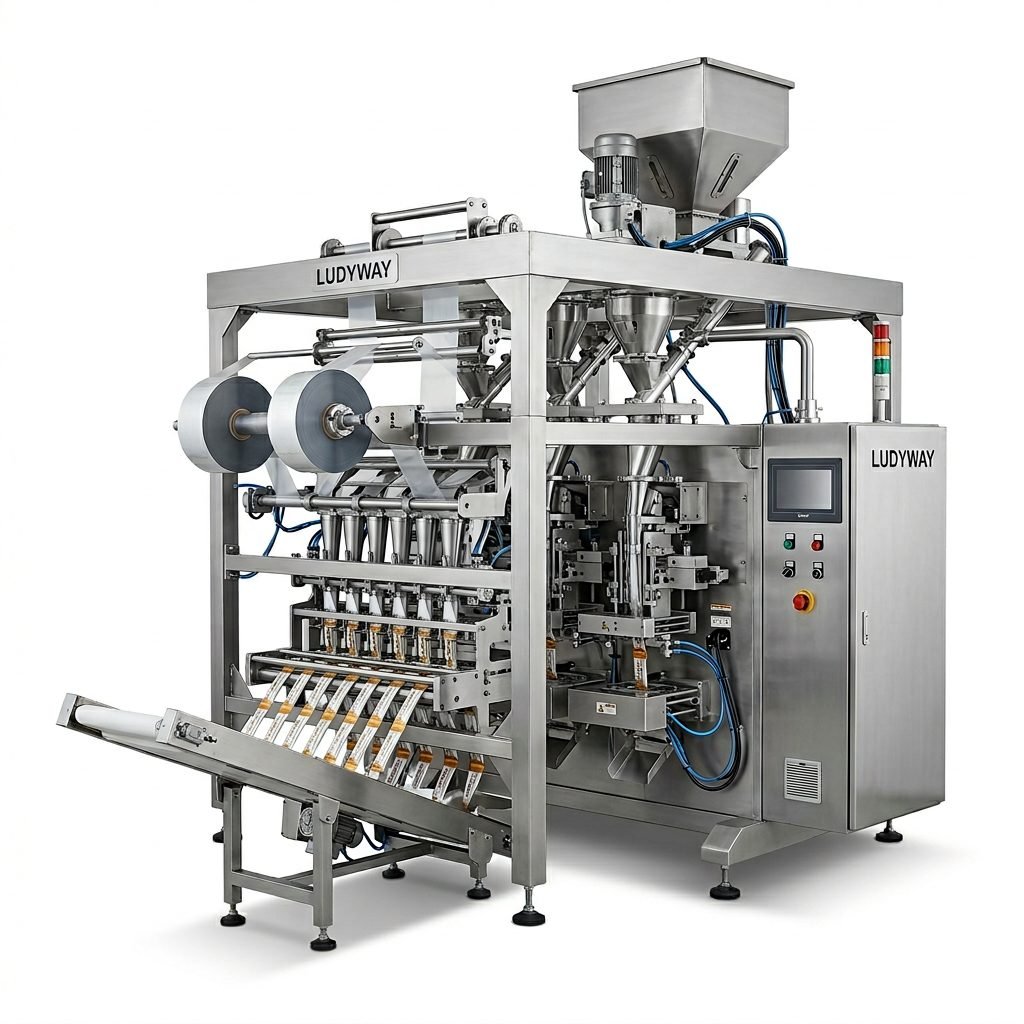
Stick Pack & Sachet Machines: Ideal for single-serve portions, these machines form, fill, and seal packets from a roll of film. They are highly popular in the food, pharmaceutical, and condiment industries for their consumer convenience and material efficiency.
Automation Level and Configuration
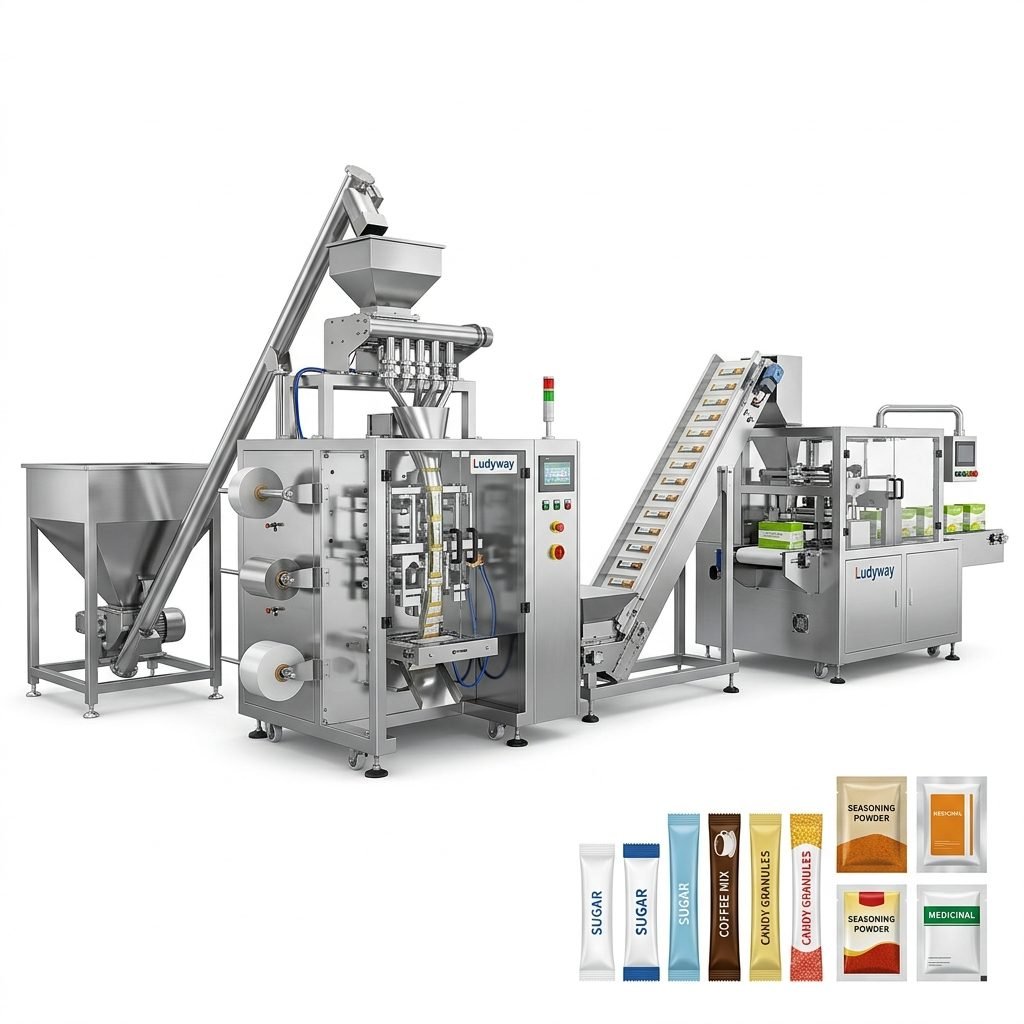
Systems range from semi-automatic machines, which require some operator intervention, to fully integrated turnkey lines. A turnkey solution might include a bag maker, multi-lane filler, checkweigher, and cartoner, all synchronized and controlled from a central Human-Machine Interface (HMI). Companies like Ludyway Machinery specialize in designing such complete lines, ensuring all components work in harmony.
The Multifaceted Benefits of Upgrading Your Line
Investing in smart packaging technology delivers a compelling return on investment across several operational dimensions.
Operational & Financial Advantages
Dramatically Increased Output: Automated systems can operate continuously at high speeds, far surpassing manual or semi-automatic methods. This directly boosts production capacity.
Unmatched Consistency and Accuracy: Smart machines eliminate human error in dosing and sealing. Every package meets exact weight and quality specifications, reducing product giveaway and ensuring compliance.
Significant Labor Savings: Automation reduces reliance on manual packing labor, allowing staff to be redeployed to more value-added tasks like quality control and machine supervision.
Enhanced Traceability and Data Insights: Modern equipment collects real-time data on production counts, downtime, and efficiency (OEE). This data is crucial for process optimization, predictive maintenance, and quality assurance reporting.
Product Protection and Sustainability: Advanced sealing technologies and controlled environments extend shelf life by protecting contents from moisture, oxygen, and contaminants. Furthermore, precise dosing minimizes material waste, and many systems can efficiently handle recyclable or compostable films, supporting corporate sustainability goals.
How to Choose the Right System for Your Production Line
Selecting the optimal smart packaging system requires a thorough analysis of your current and future needs. A methodical approach prevents costly mismatches.
Step 1: Conduct a Detailed Product and Output Analysis
Start with the product itself. Document its physical characteristics (form, density, flowability, abrasiveness) and any special handling requirements (hygienic, aseptic, nitrogen flushing). Next, define your required output in packages per minute/hour/shift. Remember to account for future growth—choose a system with 20-30% spare capacity to handle demand spikes without immediate reinvestment.
Step 2: Evaluate Integration and Footprint
The machine must fit into your existing workflow. Assess the available floor space and the compatibility with upstream (mixers, processors) and downstream (labelers, case packers) equipment. A reputable supplier with extensive industry experience can provide invaluable guidance on seamless integration and layout planning.
Step 3: Prioritize Key Technical Features
🔹 Changeover Flexibility: How quickly and easily can the machine switch between different package sizes or products? Look for features like tool-less change parts and recipe storage on the HMI.
🔹 Control System & HMI: The interface should be user-friendly, intuitive, and capable of detailed data logging and reporting. Remote monitoring capabilities are a major plus.
🔹 Hygiene and Cleanability: For food or pharmaceutical applications, ensure the design meets relevant standards (e.g., FDA, GMP) with smooth surfaces, easy disassembly, and appropriate material grades.
🔹 Supplier Support: This is critical. Evaluate the vendor’s reputation for technical support, training, spare parts availability, and service response times. A partner like Ludyway, with deep engineering expertise, ensures long-term reliability.
Step 4: Consider Total Cost of Ownership (TCO)
Look beyond the initial purchase price. Calculate TCO by factoring in energy consumption, expected maintenance costs, required consumables (like sealing jaws), and potential costs for future upgrades. A slightly higher initial investment in a robust, efficient, and serviceable machine often leads to much lower long-term costs.
Implementation and Future-Proofing Your Investment
Successful implementation involves careful planning. Schedule a factory acceptance test (FAT) to see the machine run with your product samples before installation. Plan for thorough operator and maintenance technician training. Finally, consider technologies that offer scalability, such as modular designs or software-upgradable controls, to protect your investment against future technological shifts.
By understanding the types, benefits, and selection criteria for smart packaging equipment, you can make an informed decision that enhances your production line’s efficiency, quality, and profitability for years to come.
Frequently Asked Questions (FAQs)
1. What is the typical payback period for a smart packaging machine?
Payback periods vary based on output, labor savings, and material waste reduction. For many medium-to-high-volume operations, a well-chosen system can achieve a return on investment within 12 to 24 months through increased productivity and reduced operational costs.
2. Can one machine handle different types of products, like powders and granules?
Some versatile machines are designed with interchangeable filling systems (e.g., switching from a auger filler for powders to a cup filler for granules). However, this often requires a changeover process. It’s crucial to discuss your specific product range with the supplier to ensure the chosen system can handle all required variants efficiently.
3. How important is after-sales service and support?
It is absolutely critical. Reliable technical support, readily available spare parts, and prompt service minimize costly downtime. Always choose a supplier with a proven track record of strong customer support and a global service network if your operations are international.
4. What are the key maintenance requirements for automated packaging lines?
Regular preventive maintenance is essential. This typically includes daily cleaning, lubrication of moving parts as per the manual, inspection of seals and wear parts (like filling nozzles and cutting blades), and calibration of scales and sensors. A good supplier will provide a detailed maintenance schedule and training.
5. How do I ensure the packaging machine meets my industry’s safety and hygiene regulations?
Clearly communicate your industry (food, pharmaceutical, etc.) and the specific regional regulations (FDA, EC, etc.) to the machine manufacturer. Reputable suppliers design machines to meet these standards, using compliant materials (e.g., food-grade stainless steel) and offering documentation like machine risk assessments and certificates of conformity.