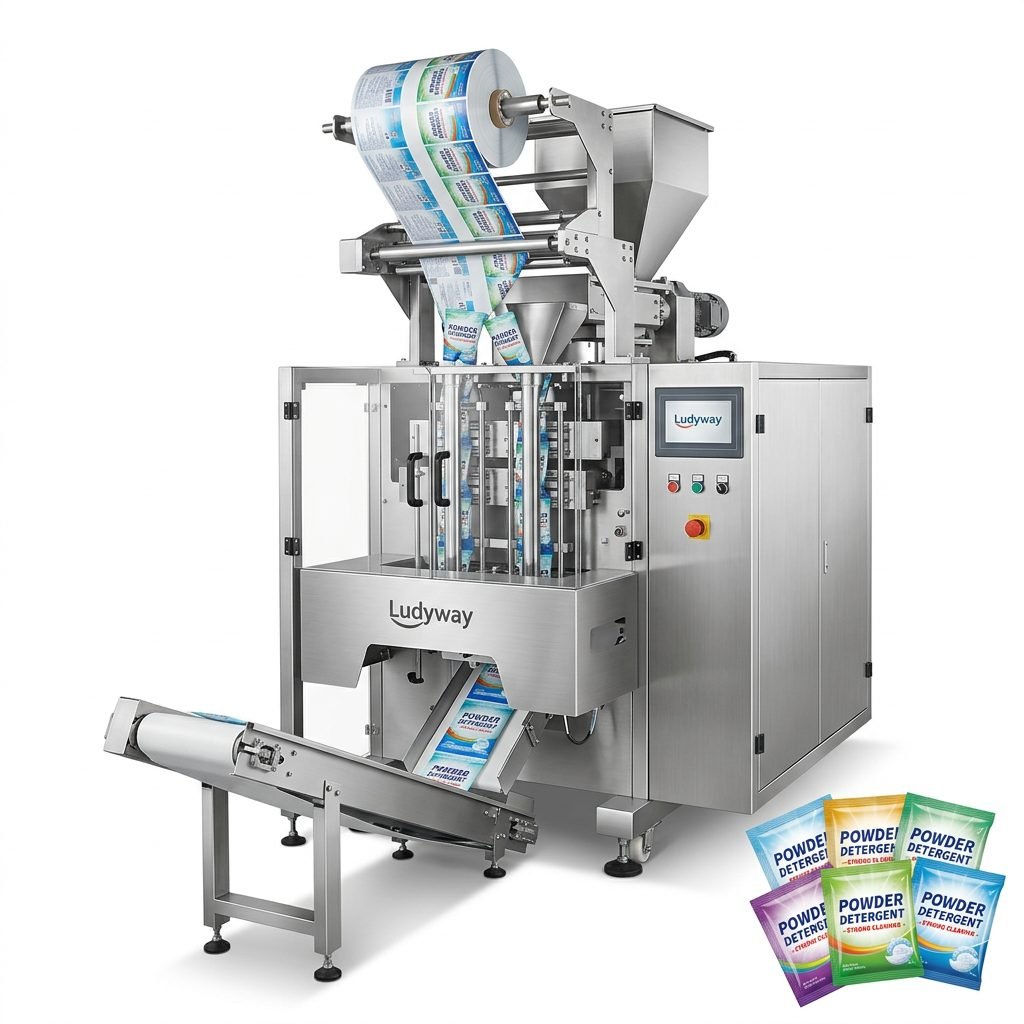
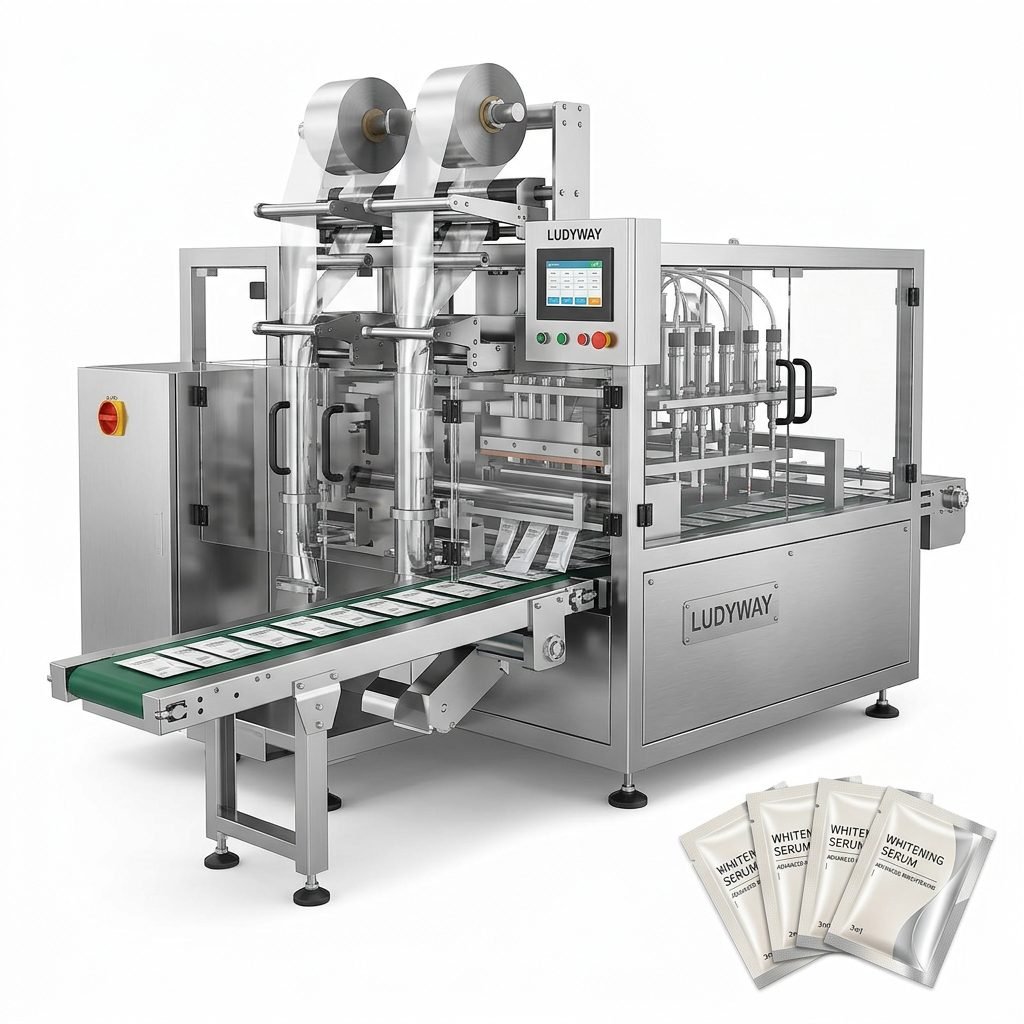
Selecting the right cooked food packaging machine is a critical decision for any food manufacturer, processor, or kitchen operation. The right equipment preserves freshness, enhances shelf appeal, ensures safety, and optimizes production efficiency. This comprehensive guide explores the different types of packaging machines available, outlines their key benefits, and provides a practical framework to help you choose the perfect solution for your specific needs.
Understanding the Different Types of Cooked Food Packaging Machines
The packaging landscape for cooked foods is diverse, with machines designed for various product forms, production scales, and packaging materials. Understanding the core types is the first step toward an informed decision.
Primary Packaging Systems
These machines handle the direct contact packaging that contains the food product itself.
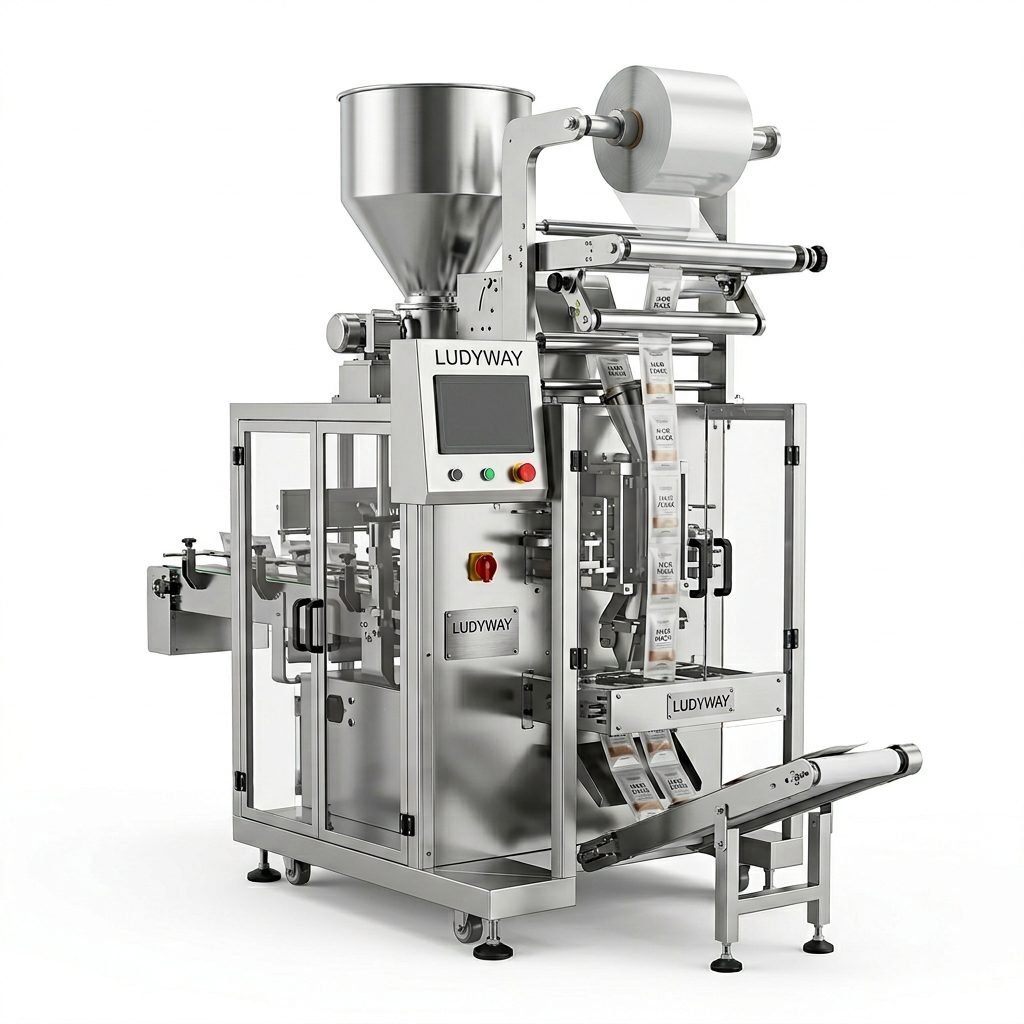
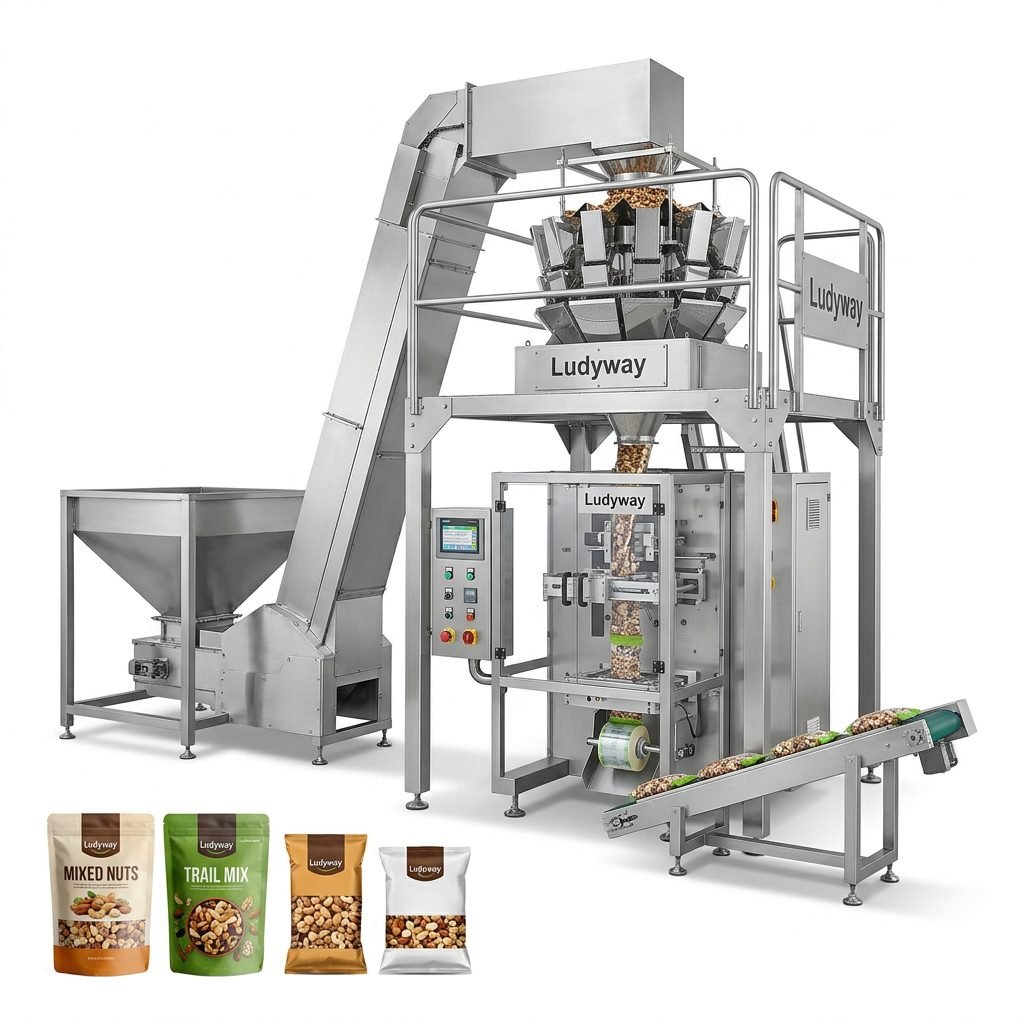
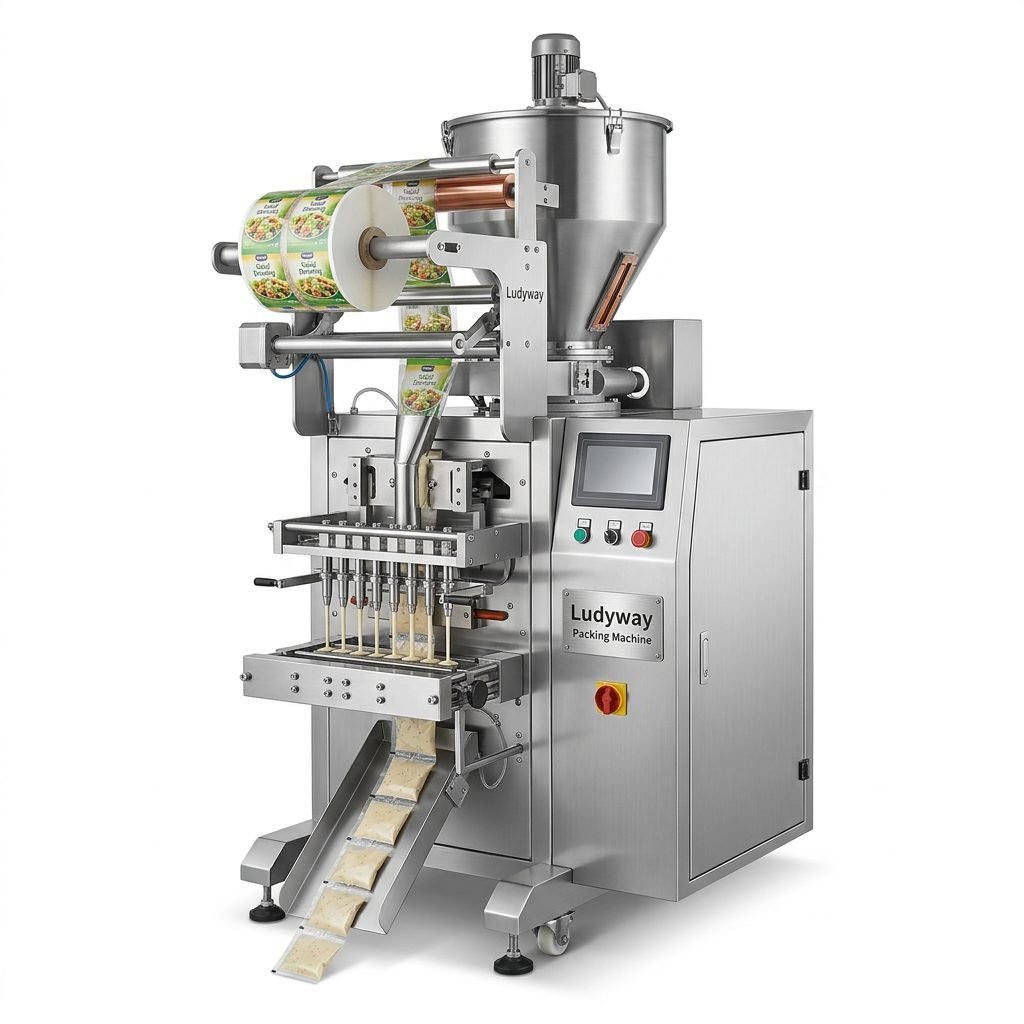
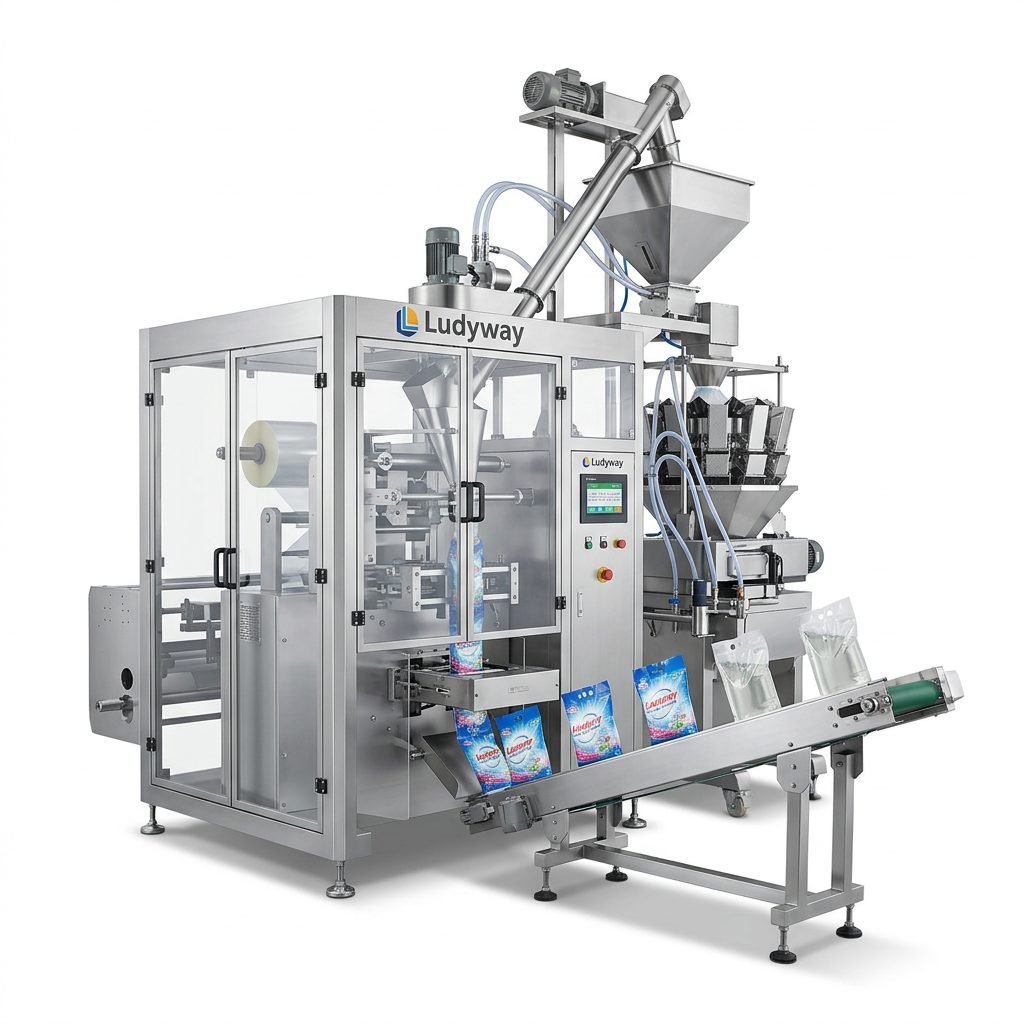
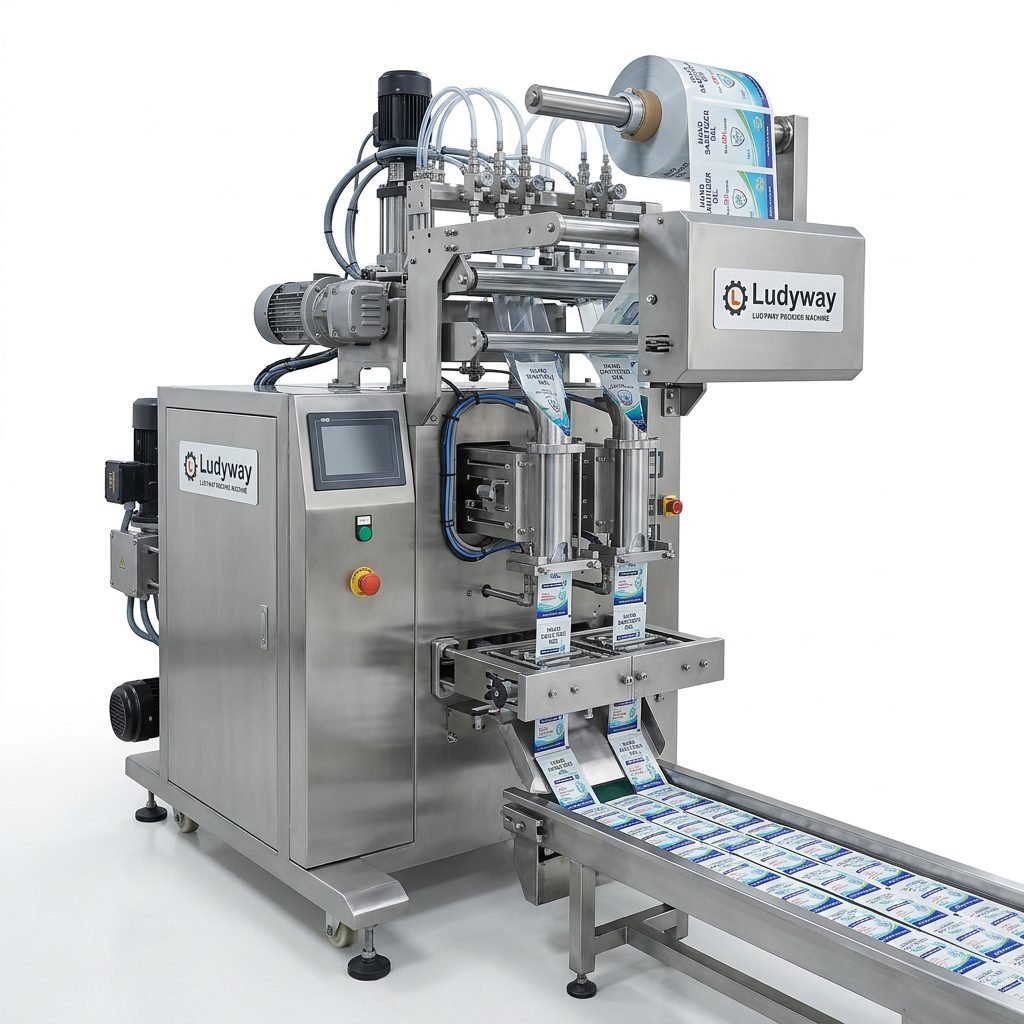
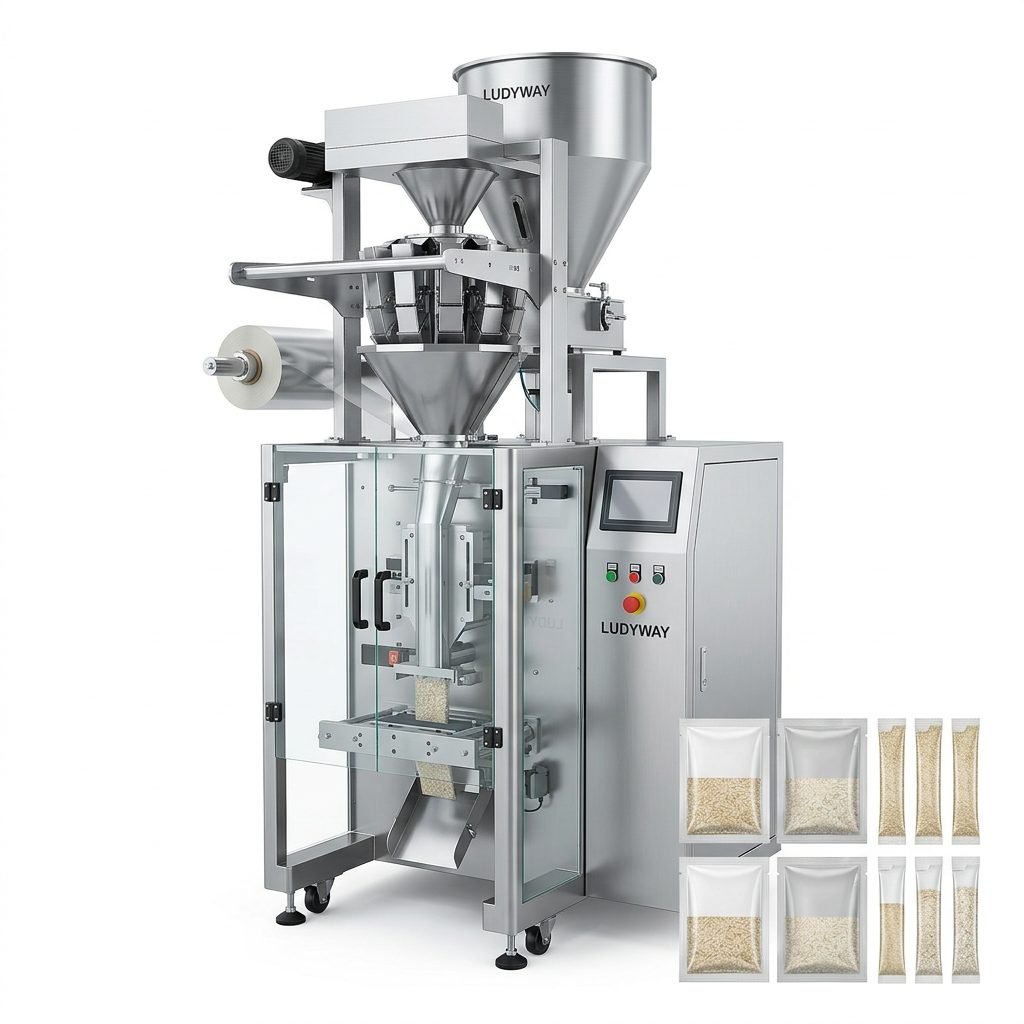
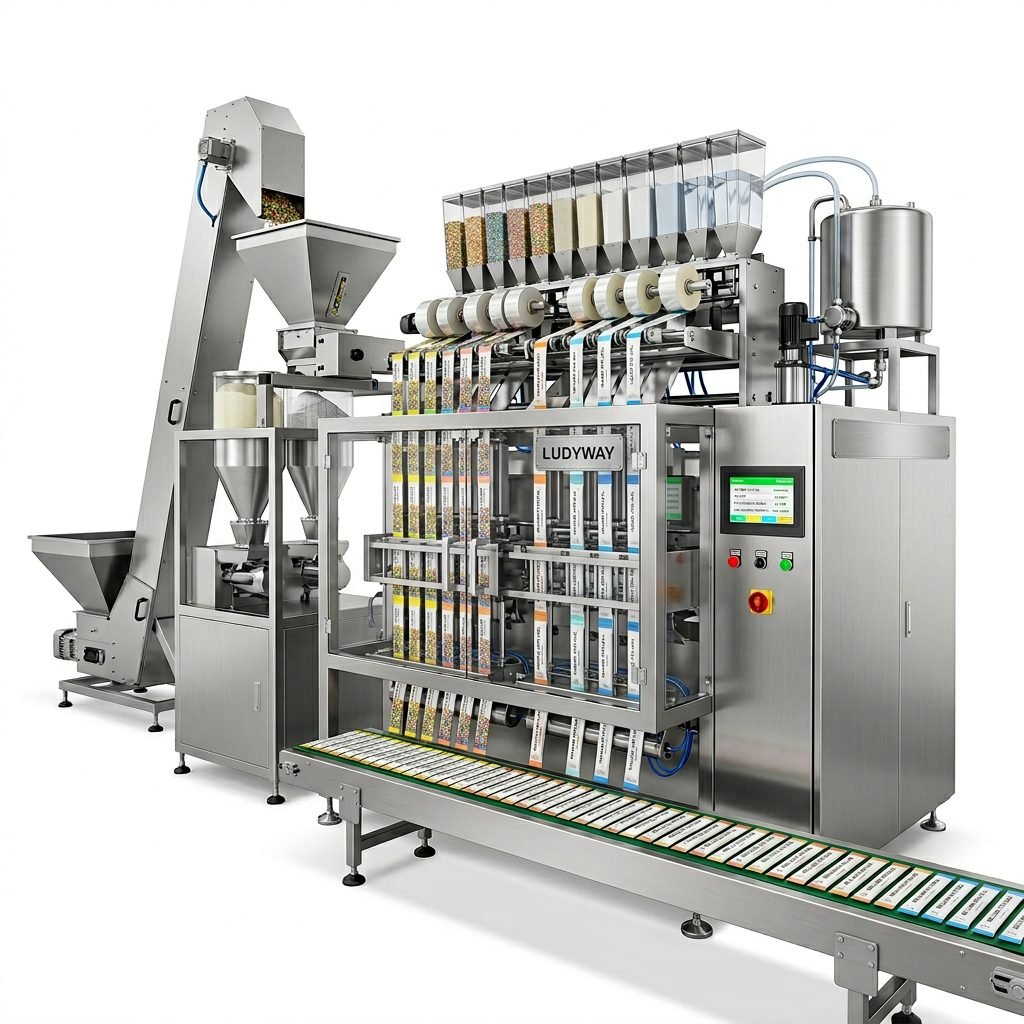
- Vertical Form-Fill-Seal (VFFS) Machines: Ideal for granules, powders, and small pieces like rice, beans, or chopped vegetables. They form a bag from a roll of film, fill it, and seal it in one continuous operation. They are highly versatile and efficient for medium to high-volume production.
- Horizontal Form-Fill-Seal (HFFS) Machines: Best suited for shaped products, trays, and multi-component meals. They form packages horizontally, often using pre-printed film, and are excellent for creating attractive retail-ready packs like ready meals or protein packs.
- Thermoforming Machines: These use heat to form plastic sheets into trays or cavities, which are then filled with product (e.g., curries, stews, sauces) and sealed with a lidding film. They offer excellent product presentation and are common for modified atmosphere packaging (MAP) to extend shelf life.
- Vacuum and Gas Flushing Sealers: Essential for products like cooked meats, smoked fish, or prepared salads. They remove air from the package (vacuum) or replace it with a protective gas mix (like nitrogen or CO2) before sealing, dramatically slowing spoilage and preserving texture and flavor.
↻ Secondary & End-of-Line Packaging
After primary packaging, products often need to be grouped, labeled, or boxed for shipping.
Cartoning Machines: Automatically erect, load, and close cartons around primary packages.
Case Packers and Palletizers: Handle the high-speed grouping of packages into shipping cases and the stacking of cases onto pallets, crucial for large-scale operations.
Key Benefits of Automated Cooked Food Packaging
Investing in automated packaging goes beyond just wrapping food. It delivers tangible operational and commercial advantages.
Extended Shelf Life & Enhanced Safety: Automated systems enable consistent, reliable application of preservation techniques like vacuum sealing and MAP. This reduces oxygen exposure, inhibits microbial growth, and minimizes the risk of contamination compared to manual handling, ensuring safer products for consumers.
Dramatically Increased Production Efficiency: Machines operate at constant, high speeds, significantly outpacing manual labor. This allows you to scale production to meet demand spikes, fulfill larger orders, and reduce labor costs associated with repetitive packaging tasks.
Improved Product Consistency & Brand Image: Every package is sealed with identical tension, placement, and appearance. This professional consistency builds consumer trust and strengthens your brand’s reputation for quality on the retail shelf.
Reduced Material Waste & Operational Costs: Precision-controlled film feeding and sealing minimize material overuse and product giveaway. Over time, these savings on packaging film and reduced product loss contribute substantially to a healthier bottom line.
How to Choose the Right Packaging Solution: A Step-by-Step Guide
Navigating the selection process requires a structured approach focused on your specific product and business goals.
Step 1: Analyze Your Product and Production Needs
Start with a deep understanding of what you are packaging and how much.
- Product Characteristics: Is it solid, liquid, viscous, oily, or fragile? What is its temperature at the point of packaging?
- Required Shelf Life & Preservation Method: Do you need simple sealing, vacuum, or gas flushing?
- Production Volume & Speed (Output): Calculate your required packages per minute/hour to match machine capability.
- Packaging Material: Determine the film, pouch, or tray type (e.g., multilayer barrier films for MAP).
Step 2: Evaluate Machine Features and Technology
Look beyond the basic type to the specific functionalities that matter.
Key features to compare include:
✔ Accuracy of Filling: Weight-based vs. volumetric filling for cost and precision.
✔ Sealing System: Type of seal (impulse, constant heat) and its reliability.
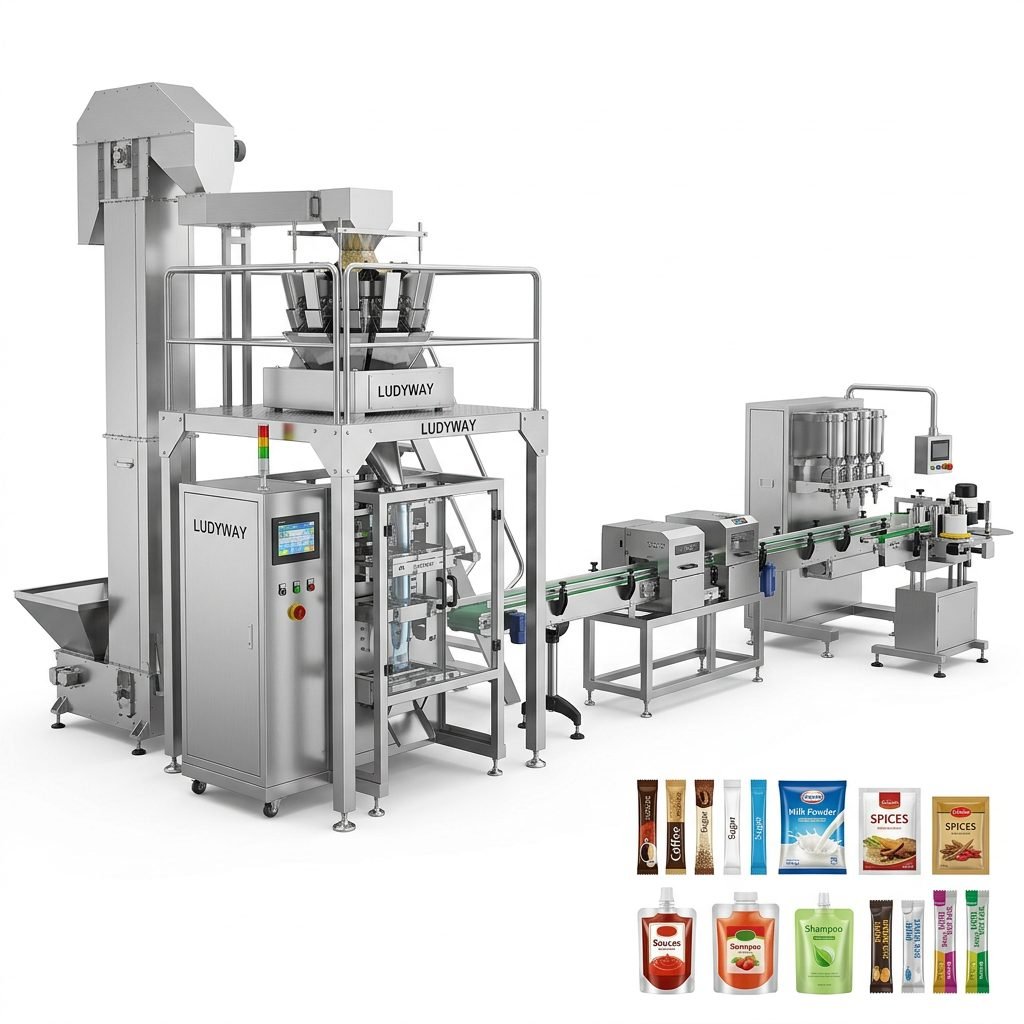
✔ Automation Level & Integration: Ease of connecting to upstream (cooking) and downstream (cartoning) lines.
✔ Changeover Flexibility: How quickly can you switch between different package sizes or products?
✔ Hygienic Design: Easy-to-clean surfaces, protection from contaminants.
Step 3: Consider Supplier Support and Long-Term Value
The machine is part of a long-term partnership. The supplier’s reliability is paramount.
Choose a partner with proven industry experience and a strong track record. Ensure they offer comprehensive training, local technical support, and readily available spare parts. Review their service agreements and warranty terms carefully. A supplier that provides customized solutions and acts as a true partner will add far more value than just selling a machine.
For businesses looking to build or upgrade a complete line, exploring turnkey production solutions from a single, experienced provider can streamline integration, improve compatibility, and simplify ongoing support.
Frequently Asked Questions (FAQs)
What is the most important factor when choosing a packaging machine for cooked food?
The compatibility between your specific product characteristics (texture, temperature, preservation needs) and the machine’s capabilities is the most critical factor. A machine perfect for dry snacks will fail with a wet, oily curry.
Can one machine handle different types of cooked food products?
Many machines offer flexibility through quick changeover kits, allowing you to run different package sizes or similar product types (e.g., different grain mixes). However, switching between vastly different formats (e.g., liquids to solids) often requires a dedicated machine or significant reconfiguration.
How does Modified Atmosphere Packaging (MAP) extend the shelf life of cooked meals?
MAP works by replacing the air inside the package with a controlled mixture of gases (like nitrogen and carbon dioxide). This inhibits the growth of spoilage bacteria and oxidation, keeping cooked meals fresher, preserving color and flavor, and extending shelf life by several days or even weeks compared to air-packed products.
What is the typical payback period for an automated packaging machine investment?
The payback period varies based on machine cost, labor savings, production volume, and reduced waste. For small to medium operations, it typically ranges from 1 to 3 years. A detailed ROI analysis considering all operational savings is essential before purchase.
How critical is after-sales service and technical support?
Extremely critical. Packaging machines are complex and require maintenance. A supplier with responsive, expert technical support and readily available spare parts minimizes costly downtime, ensures long-term machine reliability, and protects your production investment. Always prioritize suppliers with a strong service reputation.