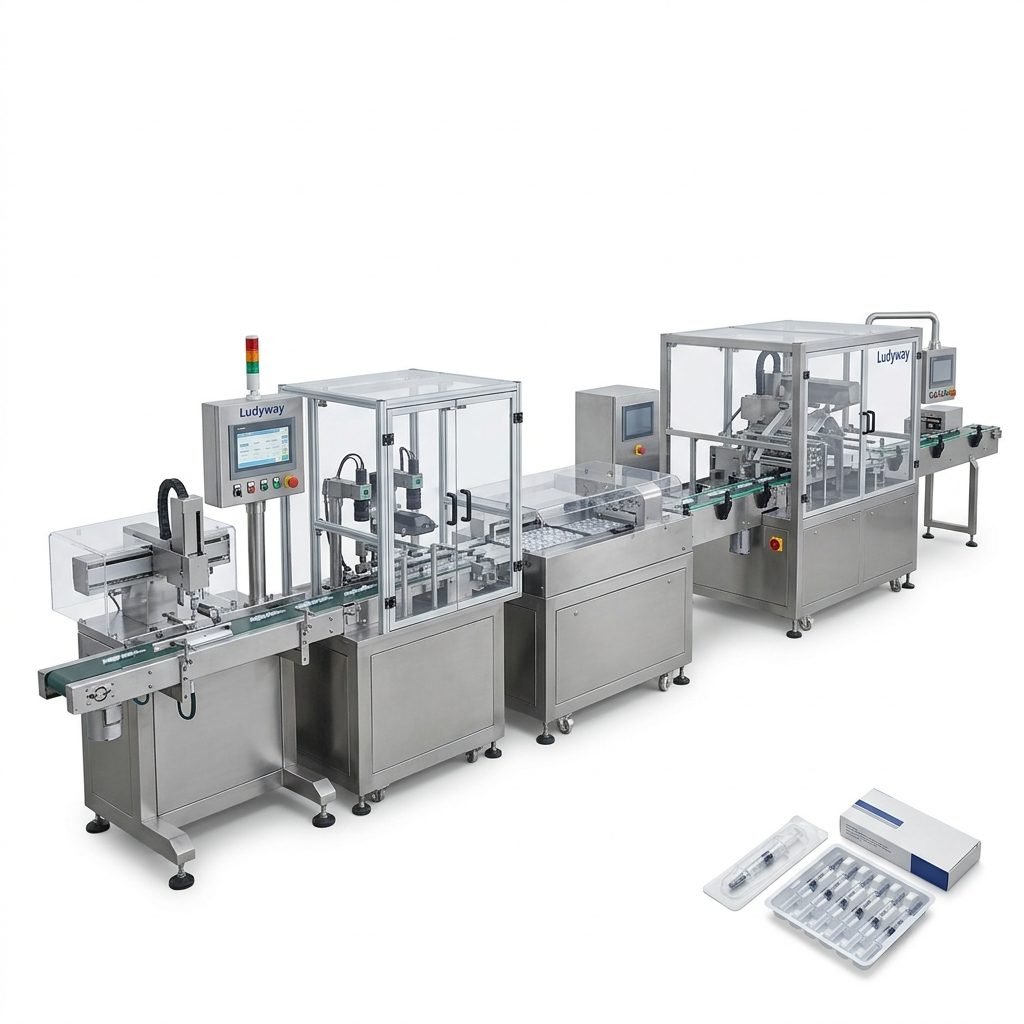
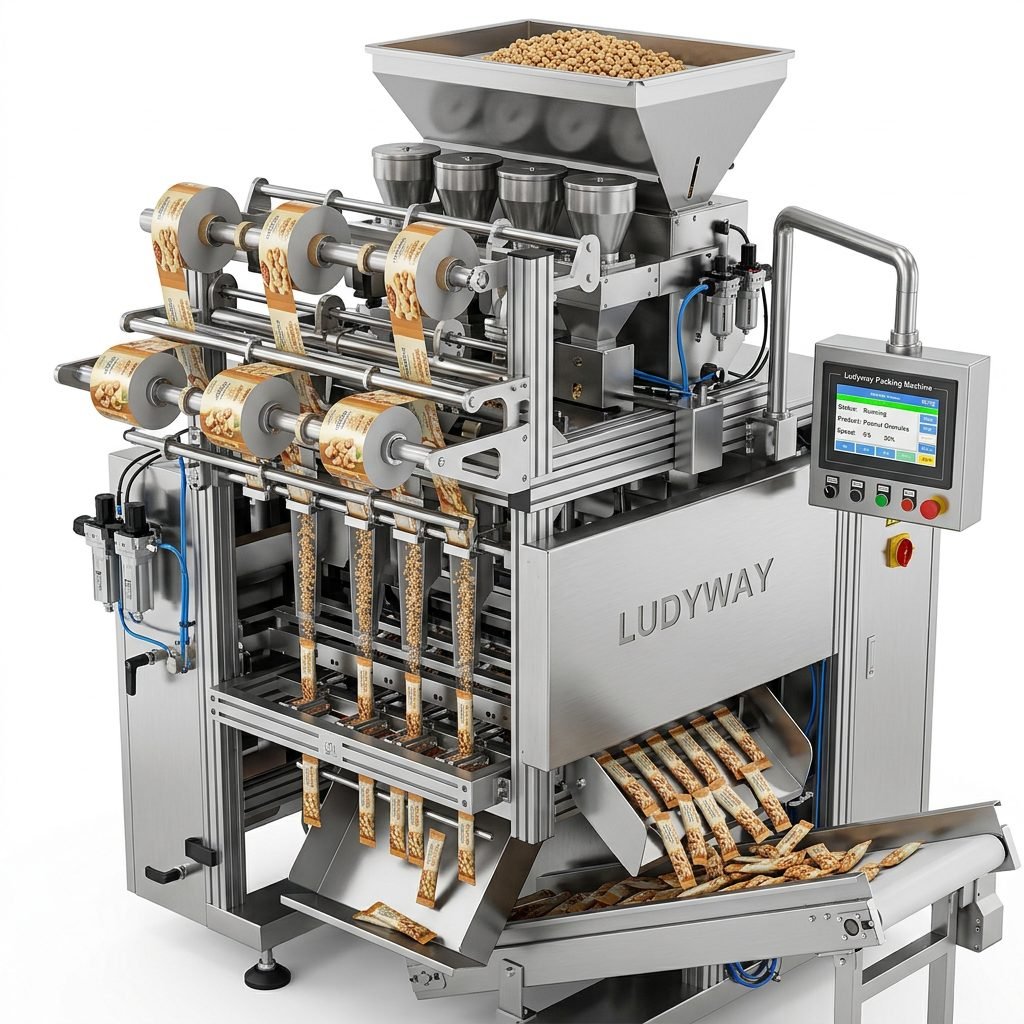
Thermoforming food packaging equipment plays a vital role in modern food production, offering versatility, efficiency, and high-quality product presentation. This guide explores the various types of thermoforming machines, their working processes, and key factors to consider when selecting the right equipment for your packaging needs.
Understanding Thermoforming Food Packaging
Thermoforming is a manufacturing process where a plastic sheet is heated to a pliable forming temperature, formed to a specific shape in a mold, and trimmed to create a usable product. In food packaging, this process creates protective, sealed containers that extend shelf life, maintain freshness, and provide excellent visual appeal for consumers.
Key Advantage: Thermoformed packaging offers superior barrier properties against moisture, oxygen, and contaminants, making it ideal for preserving food quality and safety throughout the supply chain.
Types of Thermoforming Food Packaging Equipment
The market offers several types of thermoforming machines, each designed for specific production requirements and packaging formats.
1. Roll-Fed Thermoforming Machines
These continuous motion machines use rolls of plastic film that are fed through heating stations, formed, filled, and sealed in one integrated process. They’re ideal for high-volume production of items like yogurt cups, pudding containers, and single-serve portions.
Production Speed: Capable of producing 20-50 cycles per minute, making them suitable for mass production environments.
Material Efficiency: Minimizes material waste through precise web control and optimized forming processes.
2. In-Line Thermoforming Systems
In-line systems integrate forming, filling, and sealing operations in a sequential arrangement. They offer flexibility for medium to high production volumes and can handle various container sizes and shapes within the same production run.
3. Cut-Sheet Thermoforming Machines
These machines use pre-cut plastic sheets rather than continuous rolls, making them perfect for lower volume production, prototyping, and creating thicker-walled containers. They’re commonly used for premium food products, medical packaging, and specialized applications.
4. Pressure Forming Equipment
Pressure forming uses compressed air to push heated plastic into molds, creating containers with sharper details, undercuts, and textured surfaces. This method produces high-quality packaging with excellent visual appeal for gourmet foods and premium products.
The Thermoforming Working Process
Understanding the thermoforming process helps in selecting equipment that matches your specific production requirements and quality standards.
Step 1: Material Feeding and Heating
The process begins with plastic sheets or rolls being fed into the machine. The material passes through heating stations where infrared heaters or ceramic elements raise the temperature to the forming range (typically 150-200°C for food-grade materials).
Step 2: Forming Phase
Once heated to the proper temperature, the pliable plastic sheet is positioned over a mold. Depending on the machine type, either vacuum pressure, compressed air, or mechanical pressure forms the plastic into the desired container shape.
Forming Methods:
Vacuum Forming: Uses suction to draw plastic into molds; cost-effective for simple shapes
Pressure Forming: Applies air pressure for detailed, high-quality containers
Mechanical Forming: Uses matched molds for precise thickness control
Step 3: Cooling and Trimming
After forming, containers cool rapidly to maintain their shape. Automated trimming systems then separate individual containers from the web or sheet, with scrap material typically recycled back into the production process.
Step 4: Filling and Sealing
In integrated systems, containers move directly to filling stations where precise amounts of food product are deposited. Lidding material (often foil or multi-layer films) then seals the containers, creating airtight packaging that protects contents.
How to Choose the Right Thermoforming Machine
Selecting appropriate thermoforming equipment requires careful consideration of multiple factors to ensure optimal performance and return on investment.
1. Production Volume Requirements
Evaluate your current and projected production needs. High-volume operations (50,000+ units daily) typically require roll-fed continuous motion machines, while lower volumes or frequent product changes may benefit from cut-sheet or in-line systems.
2. Container Specifications
Consider the size, shape, and depth of containers you need to produce. Deep-draw containers (height-to-width ratio exceeding 1:1) require specialized equipment with sufficient forming pressure and draw depth capabilities.
Material Considerations:
• Food-grade PP, PET, PS, or APET for different barrier requirements
• Multi-layer materials for extended shelf life products
• Recyclable or biodegradable options for sustainability goals
3. Integration with Existing Lines
Determine whether you need a standalone thermoformer or a complete integrated system with filling and sealing capabilities. Consider how the new equipment will interface with your current production line in terms of material handling, control systems, and workflow.
4. Automation and Control Features
Modern thermoforming machines offer various automation levels. Look for features like touchscreen interfaces, recipe storage, remote monitoring capabilities, and integration with factory management systems for optimal efficiency.
5. Maintenance and Support
Consider the manufacturer’s reputation for reliability, availability of spare parts, and technical support services. Equipment from established suppliers like Ludyway Packing Machine typically offers better long-term support and service networks.
6. Budget and ROI Analysis
Beyond initial purchase price, calculate total cost of ownership including energy consumption, material waste rates, maintenance costs, and potential productivity gains. Higher-quality machines often provide better long-term value through reduced downtime and higher efficiency.
Advanced Features in Modern Thermoformers
Contemporary thermoforming equipment incorporates numerous technological advancements that enhance performance, flexibility, and efficiency.
Intelligent Control Systems
Modern machines feature PLC-based controls with intuitive interfaces, allowing operators to monitor all process parameters, adjust settings in real-time, and store recipes for different products. Some systems include predictive maintenance alerts and remote diagnostics capabilities.
Energy Efficiency Technologies
Advanced heating systems with zonal temperature control, efficient servo motors, and heat recovery systems reduce energy consumption by 20-40% compared to traditional equipment. These features significantly lower operating costs while supporting sustainability initiatives.
Quick Changeover Systems
For manufacturers running multiple products, quick-change tooling and automated adjustment systems minimize downtime between production runs. Some machines can complete mold changes in under 30 minutes, dramatically improving production flexibility.
Industry Insight:
Leading packaging equipment providers offer comprehensive solutions including machine installation, operator training, and ongoing technical support. Companies with extensive experience, such as those with 30+ years in packaging machinery, typically provide more reliable equipment and better project implementation support.
Quality Assurance Integration
Integrated vision inspection systems, weight checkers, and leak detection devices ensure consistent package quality. These systems automatically reject defective containers, maintaining high quality standards while minimizing material waste.
Applications in Food Packaging
Thermoforming equipment serves diverse food packaging applications across multiple industry segments.
Dairy Products
Yogurt cups, butter containers, and cheese packaging benefit from thermoforming’s excellent barrier properties and cost-effectiveness for high-volume production.
Ready-to-Eat Meals
Microwaveable trays, meal kits, and prepared food containers utilize thermoformed packaging for its durability, heat resistance, and ability to create compartmentalized designs.
Confectionery and Snacks
Chocolate trays, cookie packages, and snack containers leverage thermoforming for attractive presentation, product protection, and efficient production speeds.
Fresh Produce and Meat
Modified atmosphere packaging (MAP) trays for fresh meats, fruits, and vegetables use thermoformed containers with specialized films to extend shelf life while maintaining product visibility.
Future Trends in Thermoforming Technology
The thermoforming industry continues to evolve with several emerging trends shaping equipment development and application.
Sustainable Materials Focus
Increasing demand for eco-friendly packaging drives development of machines capable of processing recycled content, biodegradable materials, and mono-material structures that improve recyclability.
Industry 4.0 Integration
Connectivity with factory networks, data analytics for predictive maintenance, and artificial intelligence for process optimization represent the next frontier in thermoforming equipment intelligence.
Customization and Personalization
Equipment capable of producing small batches of customized packaging supports growing consumer demand for personalized products and limited-edition offerings.
Expert Recommendation:
When investing in thermoforming equipment, consider partnering with suppliers offering complete solutions including turnkey production lines and comprehensive support services. This approach ensures seamless integration and optimal performance from project inception through long-term operation.
Frequently Asked Questions
What is the typical lifespan of thermoforming food packaging equipment?
Well-maintained thermoforming machines from quality manufacturers typically operate for 15-20 years. Regular maintenance, proper operation, and timely replacement of wear parts significantly extend equipment life. Many reputable suppliers provide service contracts and spare parts support throughout the machine’s operational life.
How much floor space is required for a thermoforming packaging line?
Space requirements vary significantly based on machine type and integration level. A basic standalone thermoformer might need 20-40 square meters, while complete integrated lines with feeding, forming, filling, and sealing stations can require 80-150 square meters. Always consult with equipment suppliers for precise layout planning based on your specific configuration.
What training is required for operating thermoforming equipment?
Most equipment suppliers provide comprehensive operator training covering machine operation, basic maintenance, troubleshooting, and safety procedures. Training duration typically ranges from 3-10 days depending on machine complexity. Many manufacturers also offer advanced training programs and online resources for ongoing skill development.
Can thermoforming machines handle different materials without major modifications?
Modern thermoformers designed for material flexibility can process various plastic types with minimal adjustments. However, significant material changes (like switching from PP to PET) may require heating profile adjustments, different forming parameters, and potentially modified tooling. Consult with your equipment supplier about material flexibility when selecting a machine.
What are the most common maintenance requirements for thermoforming equipment?
Regular maintenance includes daily cleaning, lubrication of moving parts, inspection of heating elements, calibration of temperature sensors, and checking of vacuum/pressure systems. Preventive maintenance schedules vary by manufacturer but typically include monthly inspections and annual comprehensive servicing. Proper maintenance reduces downtime and extends equipment life significantly.