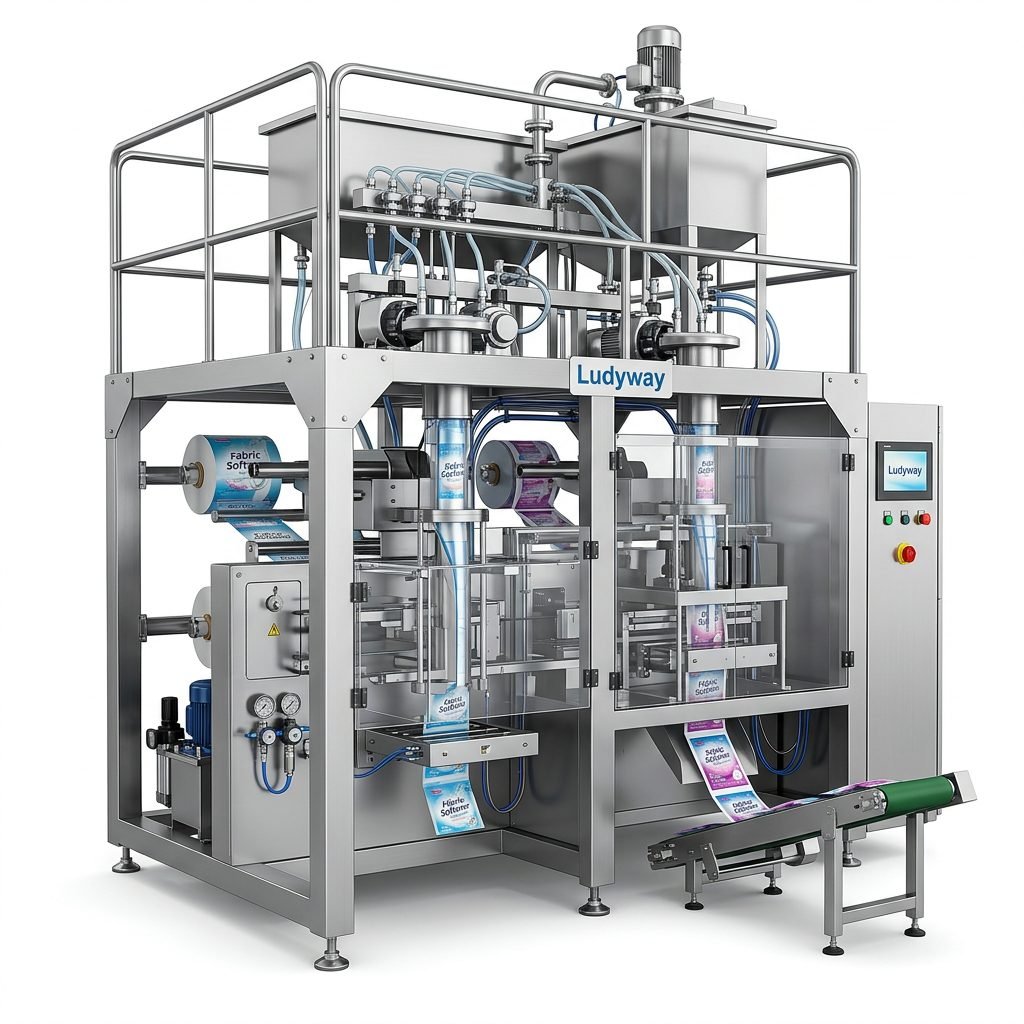
The global vacuum packaging equipment market is experiencing a significant transformation, driven by evolving consumer demands, technological advancements, and stringent regulatory requirements. This dynamic sector plays a critical role in extending shelf life, preserving product quality, and enhancing the safety of a wide range of goods, from perishable foods to sensitive pharmaceuticals and industrial components. As industries worldwide strive for greater efficiency and sustainability, vacuum packaging solutions have become indispensable.
Key Market Trends Shaping the Industry
Several prominent trends are currently defining the trajectory of the vacuum packaging equipment market. A primary driver is the relentless pursuit of automation and Industry 4.0 integration. Modern facilities are increasingly adopting smart machines equipped with IoT sensors, real-time data monitoring, and predictive maintenance capabilities. This shift not only boosts production throughput but also minimizes human error and operational downtime.
Furthermore, there is a growing emphasis on sustainability and eco-friendly materials. Manufacturers are under pressure to reduce plastic waste and carbon footprint. Consequently, the development of equipment compatible with mono-material, recyclable, or biodegradable films is gaining momentum. This trend aligns with global environmental policies and the rising consumer preference for green packaging.
Demand for Flexibility and Customization
The market is moving away from rigid, single-purpose machines. Today’s end-users, especially in sectors like e-commerce and prepared foods, require equipment that can handle diverse product sizes, shapes, and packaging formats with quick changeovers. Modular and customizable vacuum packaging systems that can adapt to varying production runs are becoming the standard, offering businesses the agility needed in a fast-paced market.
Primary Growth Drivers
The expansion of the market is underpinned by several robust growth drivers. The most significant is the burgeoning food processing and packaging industry. As urban populations grow and lifestyles become busier, the demand for convenience foods, ready-to-eat meals, and preserved ingredients skyrockets. Vacuum packaging is essential for maintaining the freshness, flavor, and nutritional value of these products during storage and distribution.
🔍 Pharmaceutical and Medical Applications
Stringent regulations regarding sterility and shelf-life extension in the pharmaceutical and medical device sectors provide a major impetus for market growth. Vacuum packaging ensures the integrity of sterile barriers, protects sensitive components from moisture and oxidation, and is critical for single-use medical kits and implantables. This segment demands high-precision, cleanroom-compatible equipment.
Another crucial driver is the global rise in online grocery shopping and direct-to-consumer food delivery. These logistics chains require packaging that is exceptionally durable, leak-proof, and capable of withstanding longer transit times. Vacuum-sealed products offer superior protection against physical damage and spoilage, making them ideal for e-commerce fulfillment.
Lucrative Market Opportunities
Emerging economies present a vast, untapped opportunity for vacuum packaging equipment suppliers. As disposable incomes rise and retail infrastructures modernize in regions like Asia-Pacific, Latin America, and Africa, the consumption of packaged goods is increasing rapidly. Local food processors and manufacturers are investing in automation to meet both domestic demand and export standards, creating a surge in equipment needs.
Technological Innovation as a Frontier
Innovation remains a key avenue for growth. Opportunities abound in developing advanced gas flushing (Modified Atmosphere Packaging – MAP) systems integrated with vacuum technology. There is also significant potential in creating compact, cost-effective, and energy-efficient machines tailored for small and medium-sized enterprises (SMEs), allowing them to access benefits previously available only to large corporations.
Furthermore, the integration of artificial intelligence and machine vision for quality control opens new frontiers. Equipment that can automatically detect seal integrity, proper vacuum levels, and packaging defects in real-time ensures zero-defect output and reduces waste, offering a compelling value proposition.
The Role of Specialized Providers
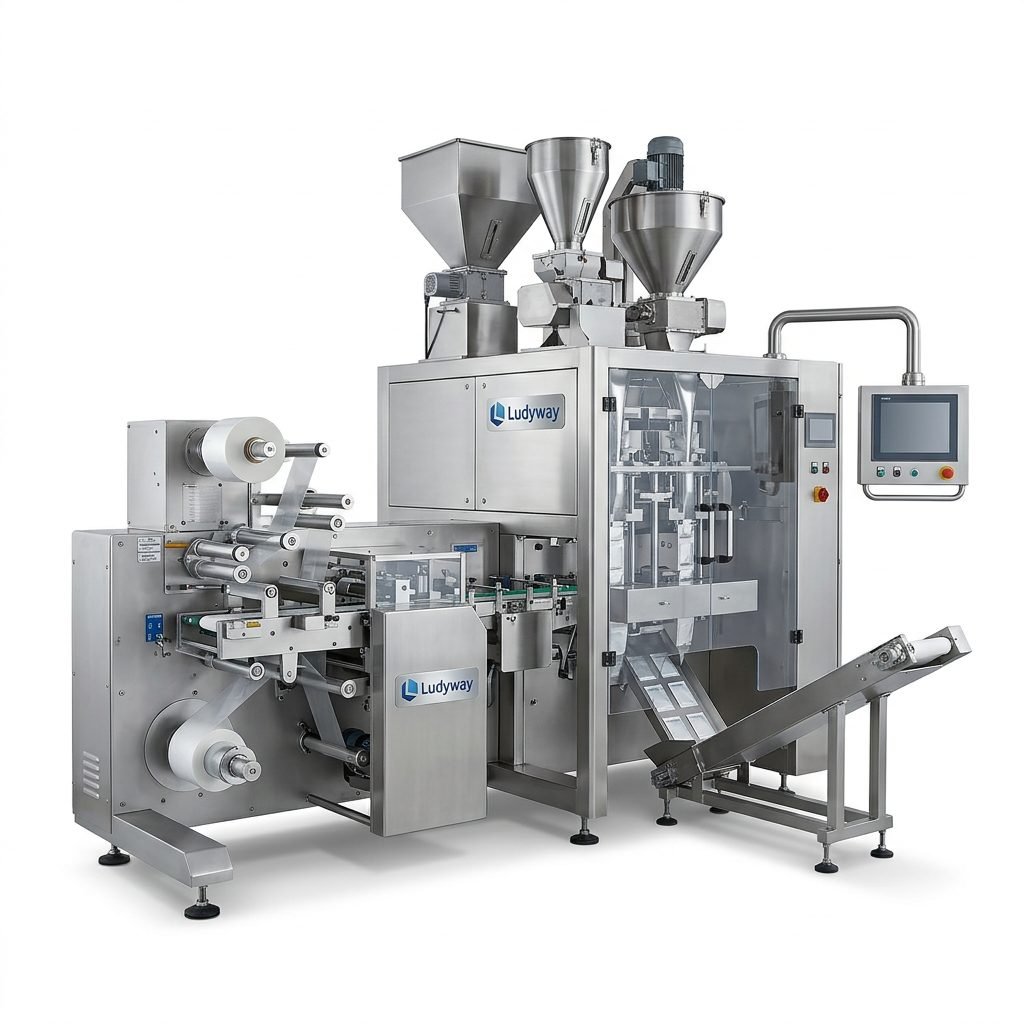
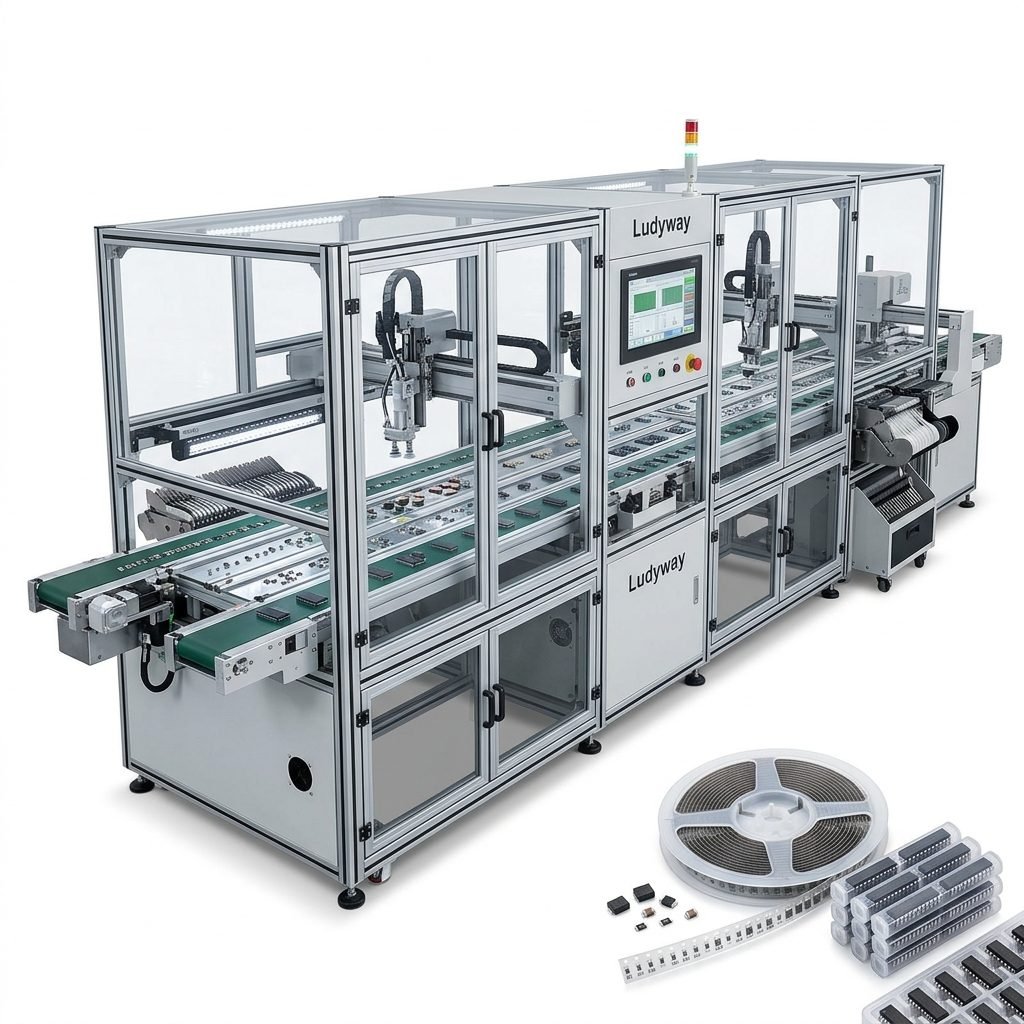
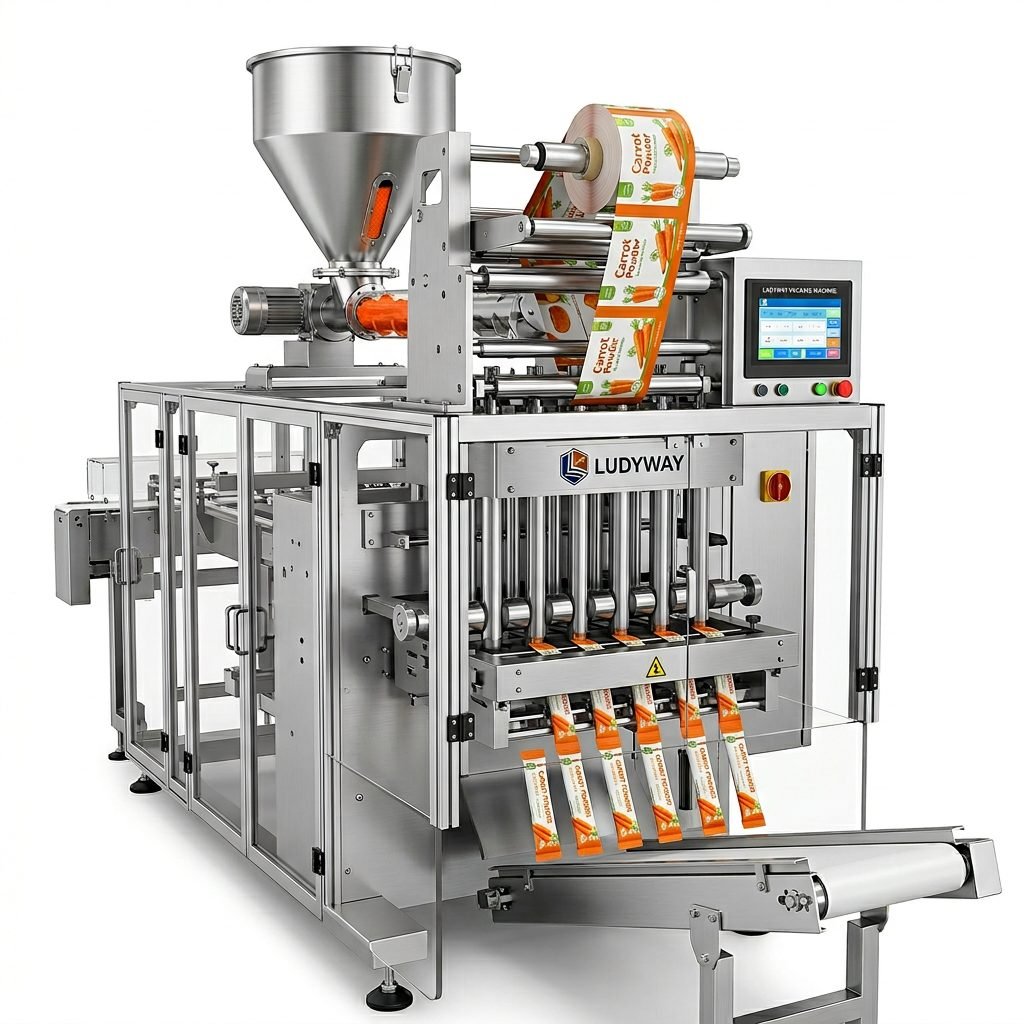
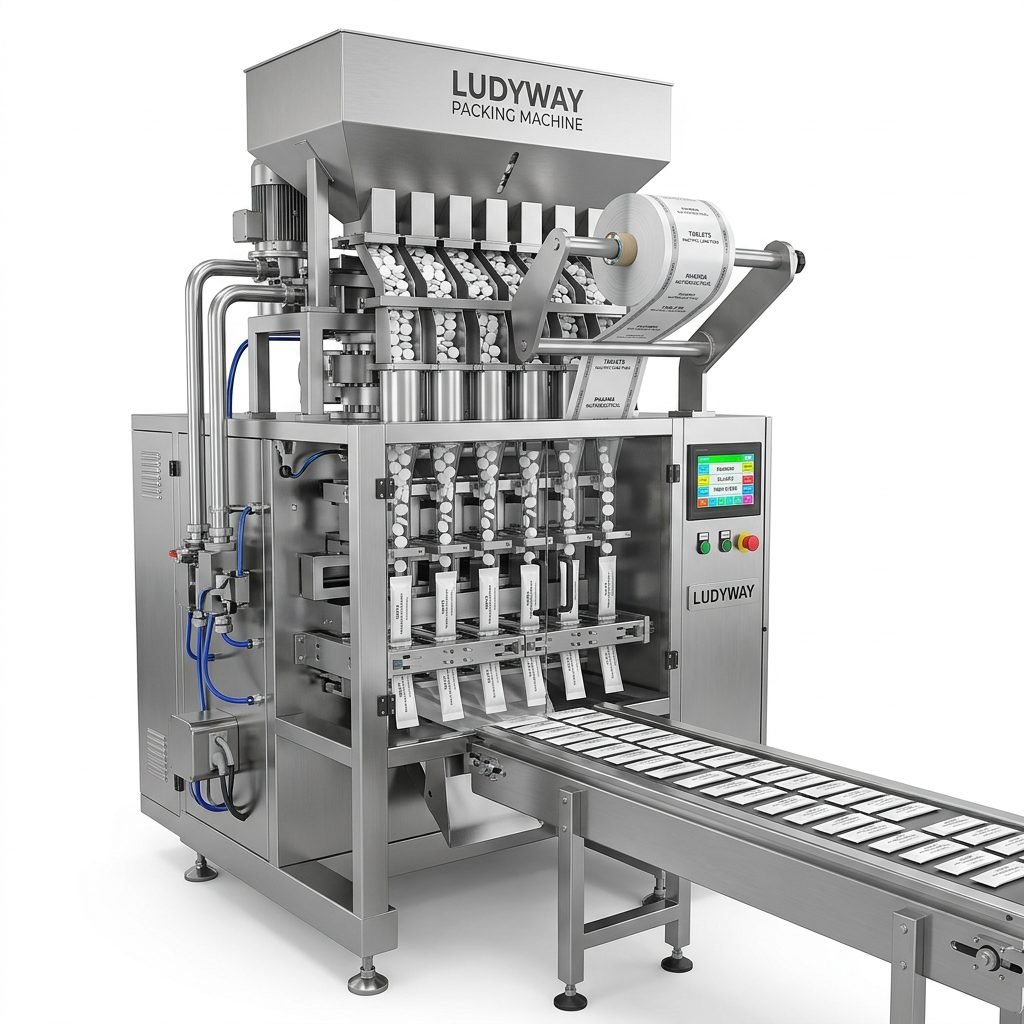
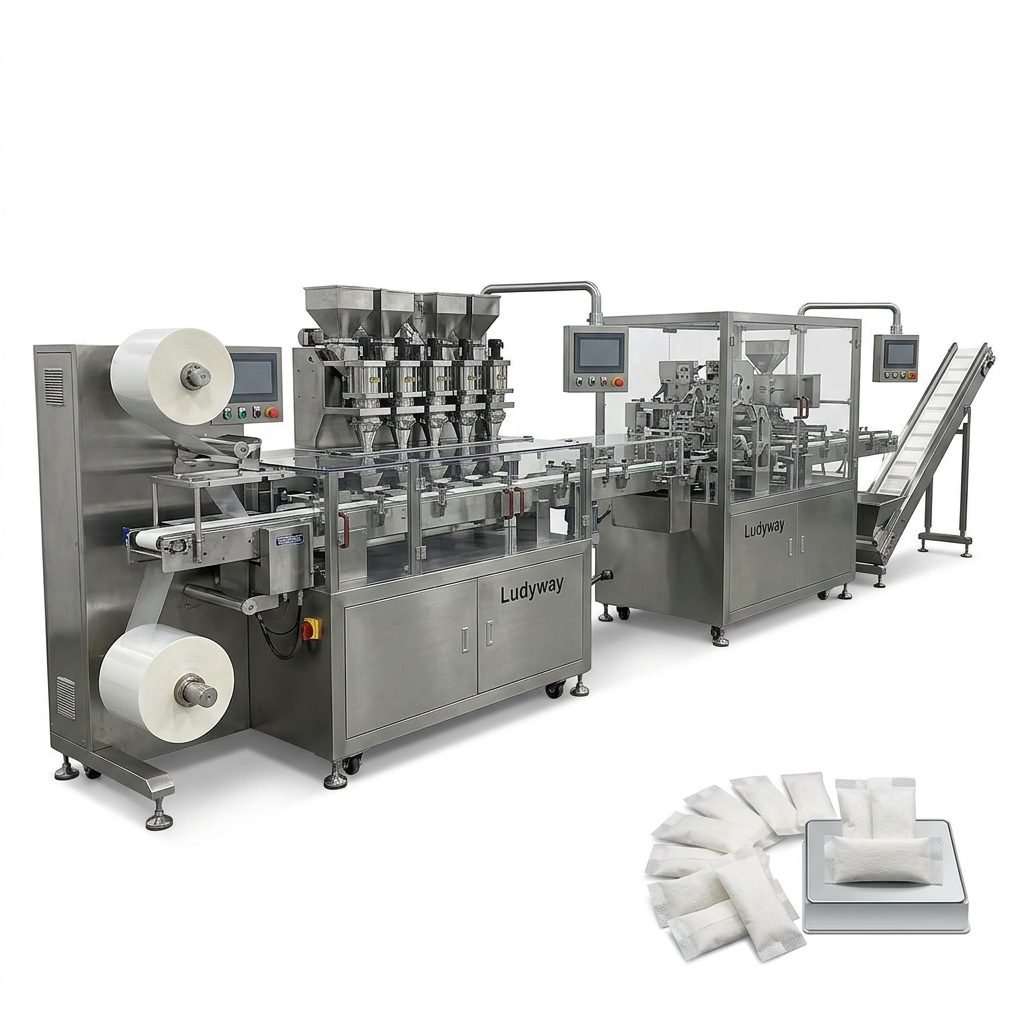
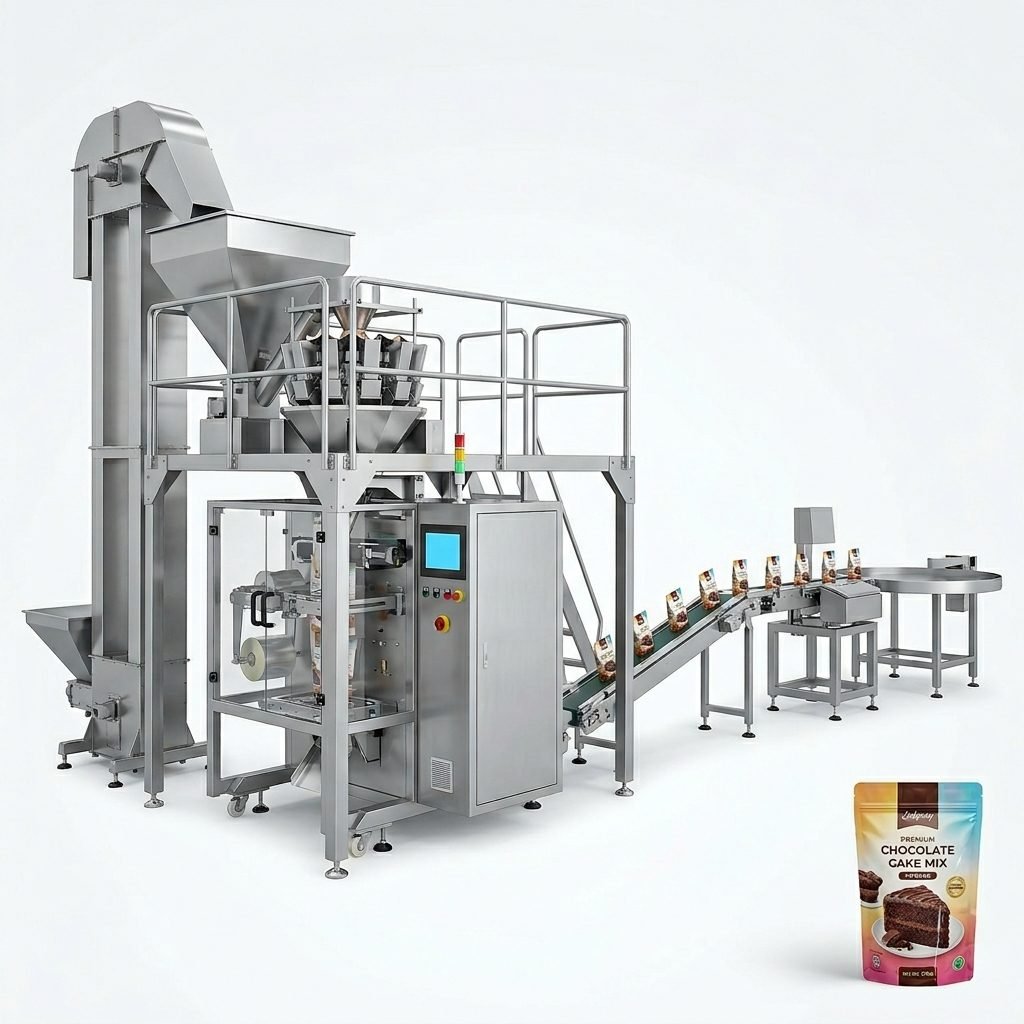
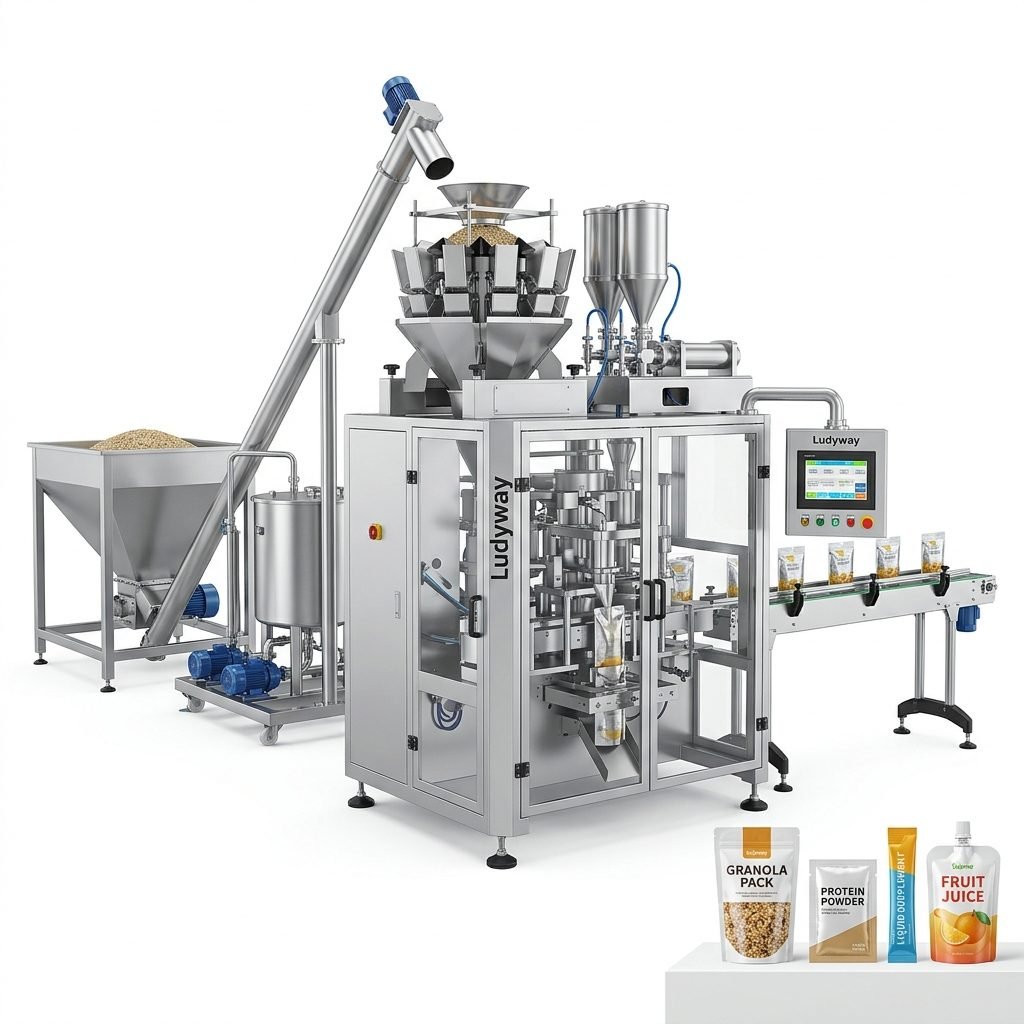
Navigating this complex market requires expertise and reliable technology. Companies like Ludyway Machinery, with decades of focused experience, are pivotal. They bridge the gap between advanced engineering and practical application by offering a diverse portfolio of intelligent packaging solutions. From high-speed multi-lane stick pack machines for portion-controlled products to robust sachet packaging systems for powders and granules, such specialists provide the tailored automation that modern industries depend on. Their global service and support networks ensure that complex production lines, including complete turnkey solutions, operate seamlessly anywhere in the world.
The future of the vacuum packaging equipment market is inextricably linked to broader trends in automation, sustainability, and global supply chain optimization. As consumer expectations for quality and convenience continue to rise, and regulations become more stringent, the innovation cycle in this sector will only accelerate. Businesses that invest in flexible, smart, and efficient packaging technology today will be well-positioned to secure a competitive advantage in the marketplace of tomorrow. For those seeking to enhance their packaging operations, exploring the solutions offered by experienced partners in the field is a critical first step.
Frequently Asked Questions (FAQs)
What are the main benefits of vacuum packaging for food products?
The primary benefits include significantly extended shelf life by inhibiting the growth of aerobic bacteria and fungi, prevention of freezer burn, preservation of flavor and nutritional content, and reduction of product shrinkage. It also improves hygiene and provides a tamper-evident seal.
Can vacuum packaging equipment handle liquids or moist products?
Yes, specialized liquid filling and vacuum packaging systems exist. They often employ techniques like “deep-draw” vacuum sealing or pre-freezing liquids to prevent them from being sucked into the pump. It’s crucial to choose equipment specifically designed for liquid or high-moisture applications.
What is the difference between vacuum packaging and Modified Atmosphere Packaging (MAP)?
Vacuum packaging removes almost all air from the package. MAP, often used in conjunction with an initial vacuum, replaces the air inside a package with a protective gas mix (like nitrogen and carbon dioxide). MAP is often preferred for fragile or easily crushed products where a full vacuum might damage them.
How important is maintenance for industrial vacuum packaging machines?
Regular preventive maintenance is critical for consistent performance, seal quality, and longevity. This includes daily cleaning of sealing bars and chambers, checking and replacing vacuum pump oil, inspecting and replacing sealing gaskets, and ensuring all sensors are clean and calibrated. A good maintenance schedule prevents costly unplanned downtime.
What should I consider when choosing a vacuum packaging equipment supplier?
Key factors include: the supplier’s industry experience and reputation, range of available machines and customization options, quality of after-sales service and technical support, availability of spare parts, compliance with relevant safety and hygiene standards (like USDA, FDA, CE), and the ability to provide complete production line solutions if needed.