In today’s fast-paced manufacturing environment, efficiency is paramount. High-speed packaging machines are no longer a luxury but a necessity for businesses aiming to scale production, reduce labor costs, and maintain consistent product quality. Adco packaging machines have emerged as a prominent name in this sector, known for their reliability and speed. This comprehensive guide will delve into the world of high-speed Adco packaging machines, exploring their various types, key features, and providing a detailed framework to help you select the perfect model for your production line’s unique demands.
Understanding High-Speed Adco Packaging Machines
High-speed packaging machinery refers to automated systems designed to package products at exceptionally rapid rates, often exceeding hundreds of units per minute. Adco machines are engineered to meet these rigorous demands, integrating robust mechanics with precise control systems. The core advantage lies in their ability to transform packaging from a bottleneck into a seamless, high-throughput component of your operation. This is crucial for industries like food and beverage, pharmaceuticals, and nutraceuticals, where market demands can be volatile and production windows are tight.
→ Key Benefit: The primary value proposition of a high-speed Adco machine is its Return on Investment (ROI). While the initial capital outlay may be significant, the dramatic increase in output, reduction in packaging material waste, and decreased reliance on manual labor typically lead to a swift payback period and long-term cost savings.
Core Types of High-Speed Adco Packaging Systems
Adco and similar advanced manufacturers offer a range of machines tailored to different packaging formats and product types. Choosing the right type is the first critical step.
Vertical Form-Fill-Seal (VFFS) Machines
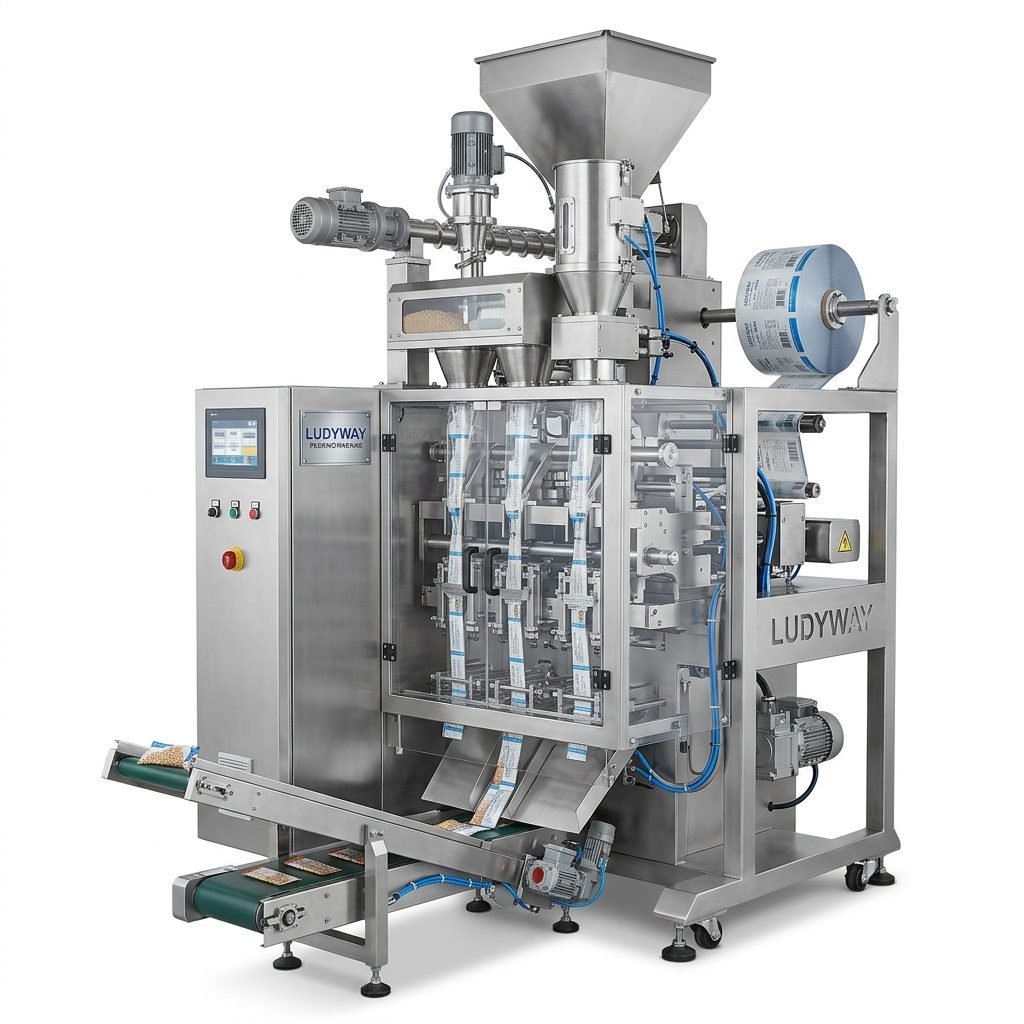
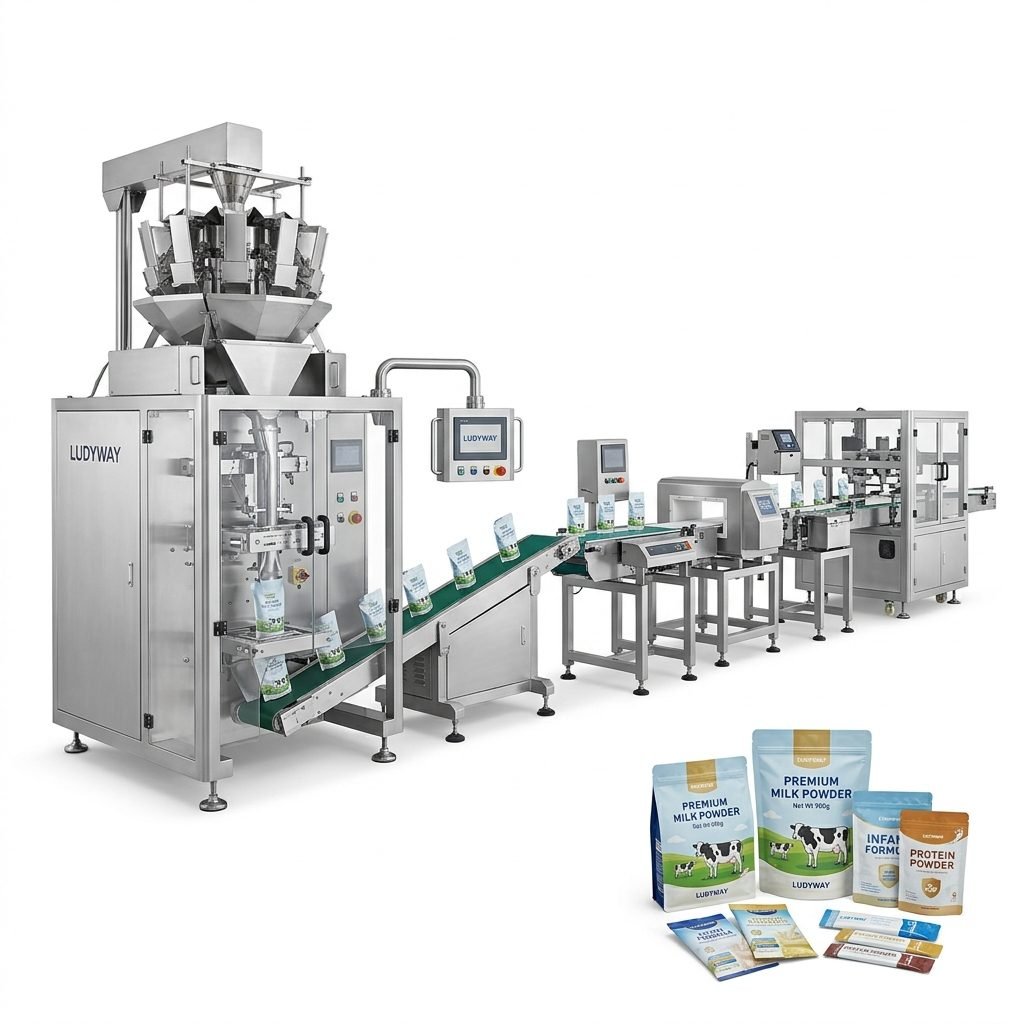
These are the workhorses of the packaging industry. A VFFS machine forms a bag from a roll of flat film, fills it with your product, and seals it—all in a continuous vertical motion. High-speed Adco VFFS models are ideal for granules, powders, seeds, and small hardware items. They are incredibly versatile and can produce various bag styles like pillow bags, gusseted bags, or block-bottom bags.
Horizontal Form-Fill-Seal (HFFS) Machines
Where VFFS machines operate vertically, HFFS machines work on a horizontal plane. They are typically used for more complex packaging, such as flow-wrapping individual bars, biscuits, or multiple items into a tray. High-speed Adco HFFS systems excel at creating sleek, professional-looking packages with high integrity seals, perfect for retail-ready products.
Stick Pack and Sachet Packaging Machines
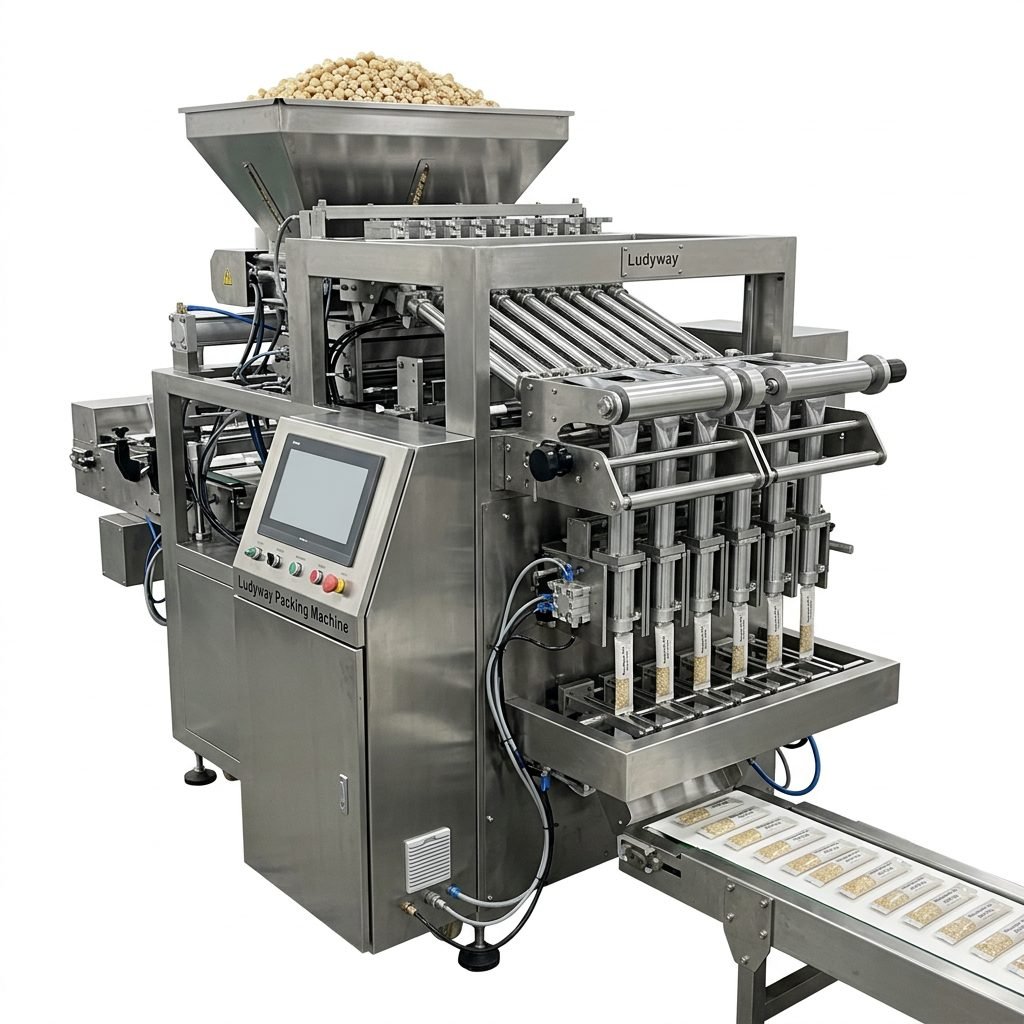
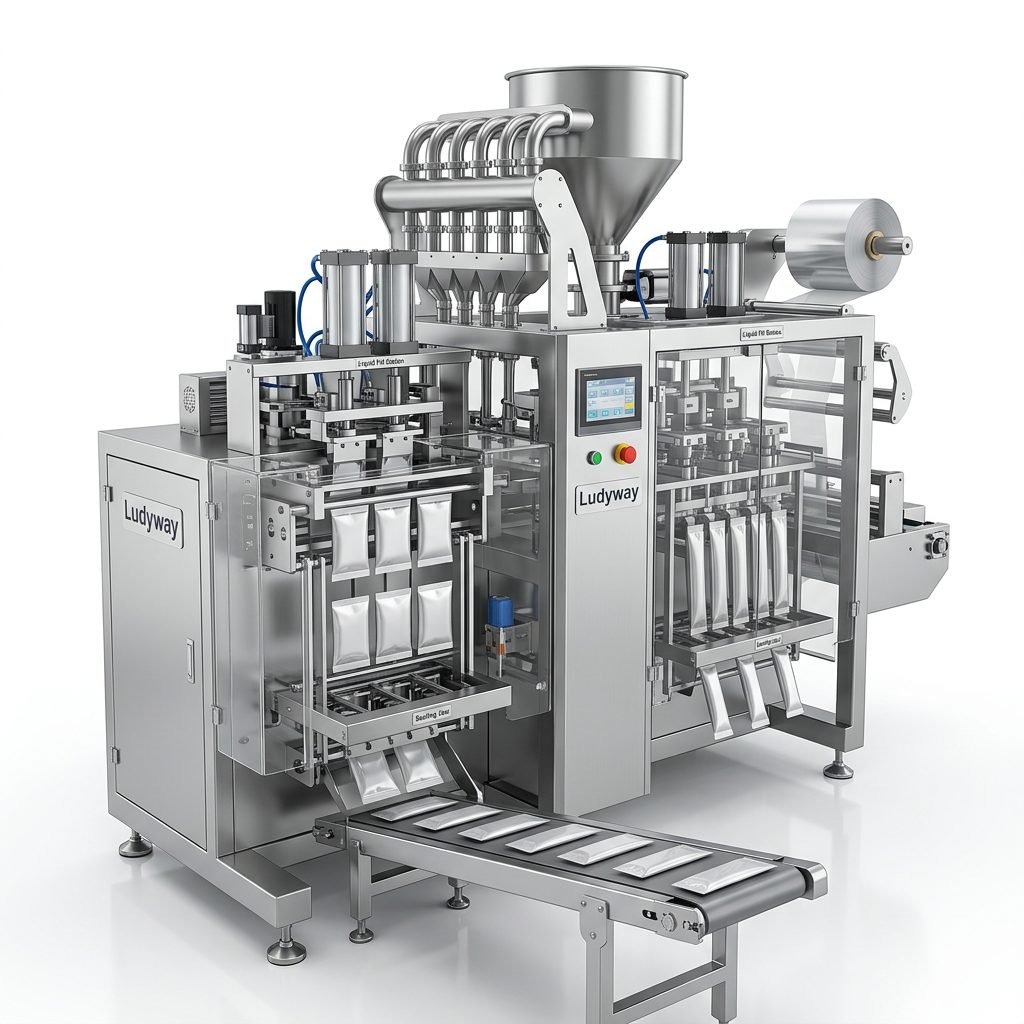
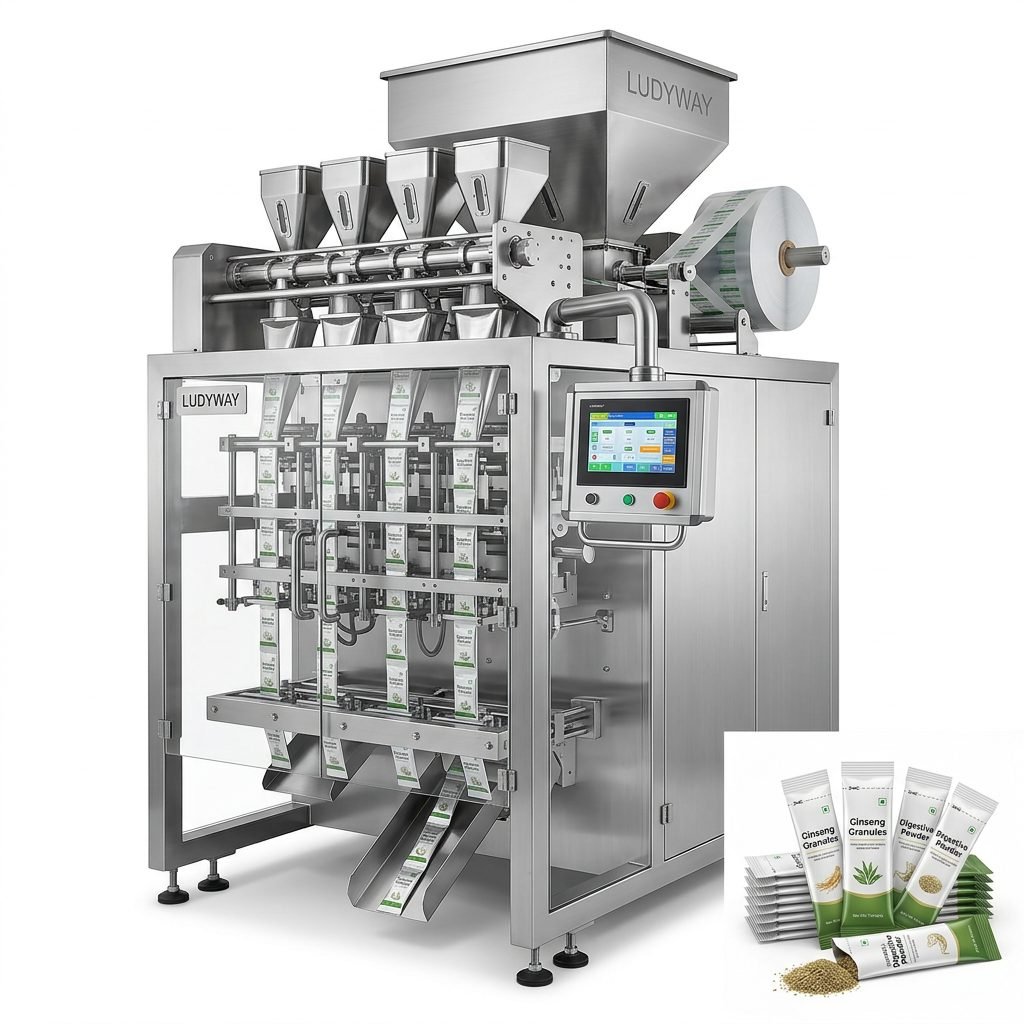
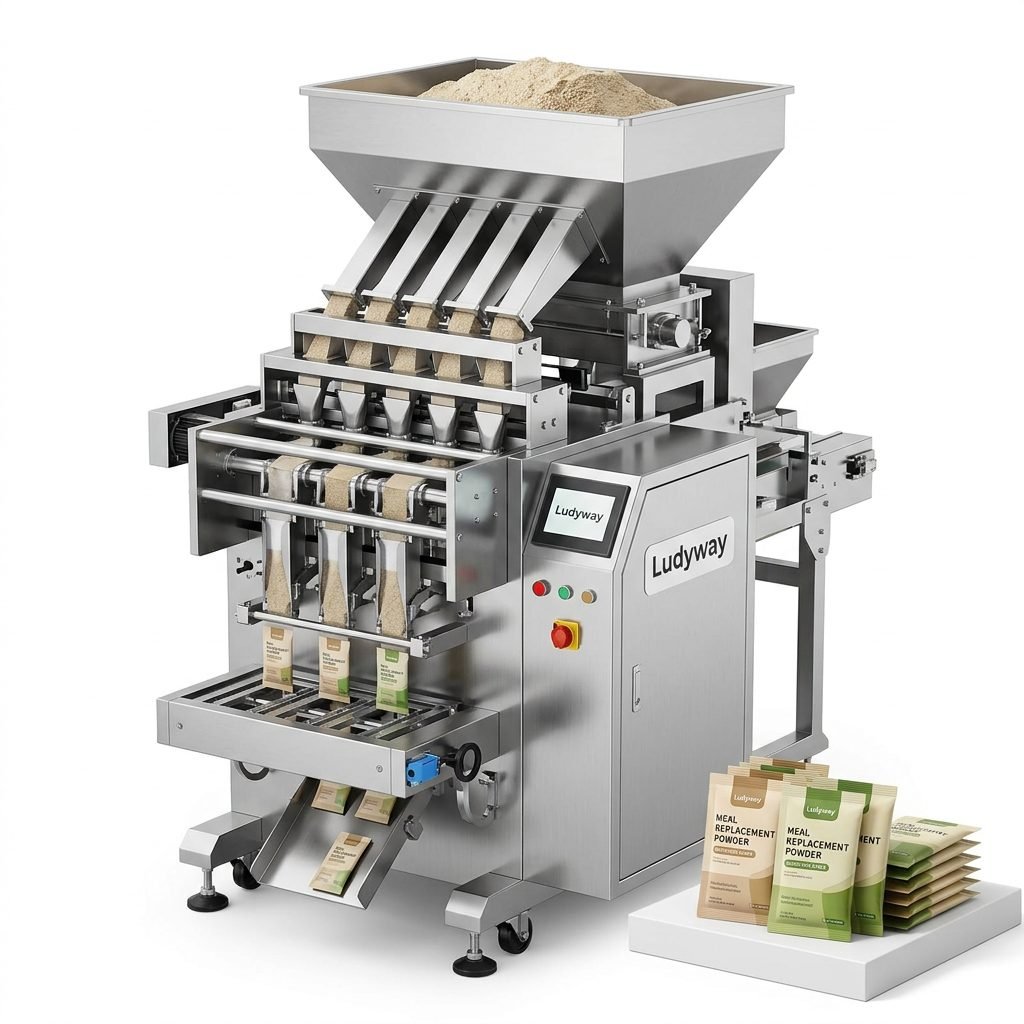
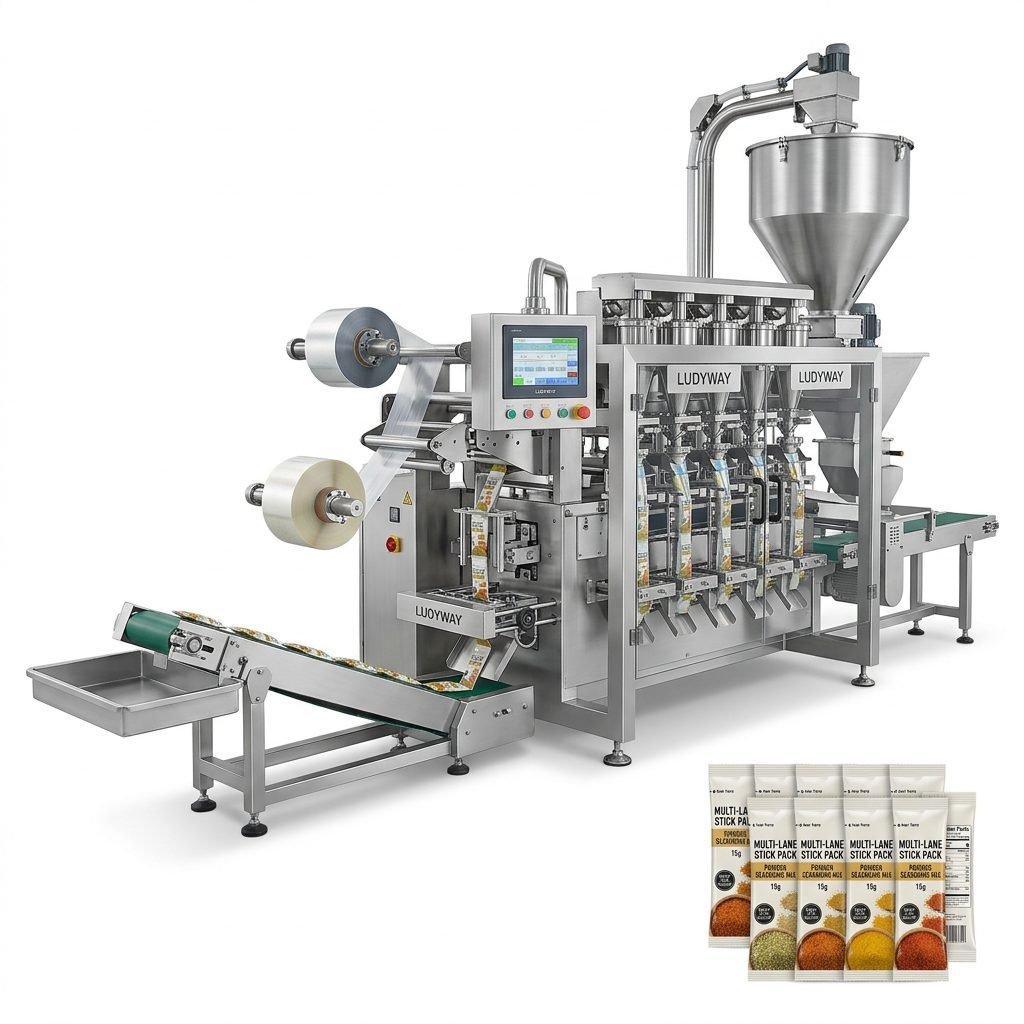
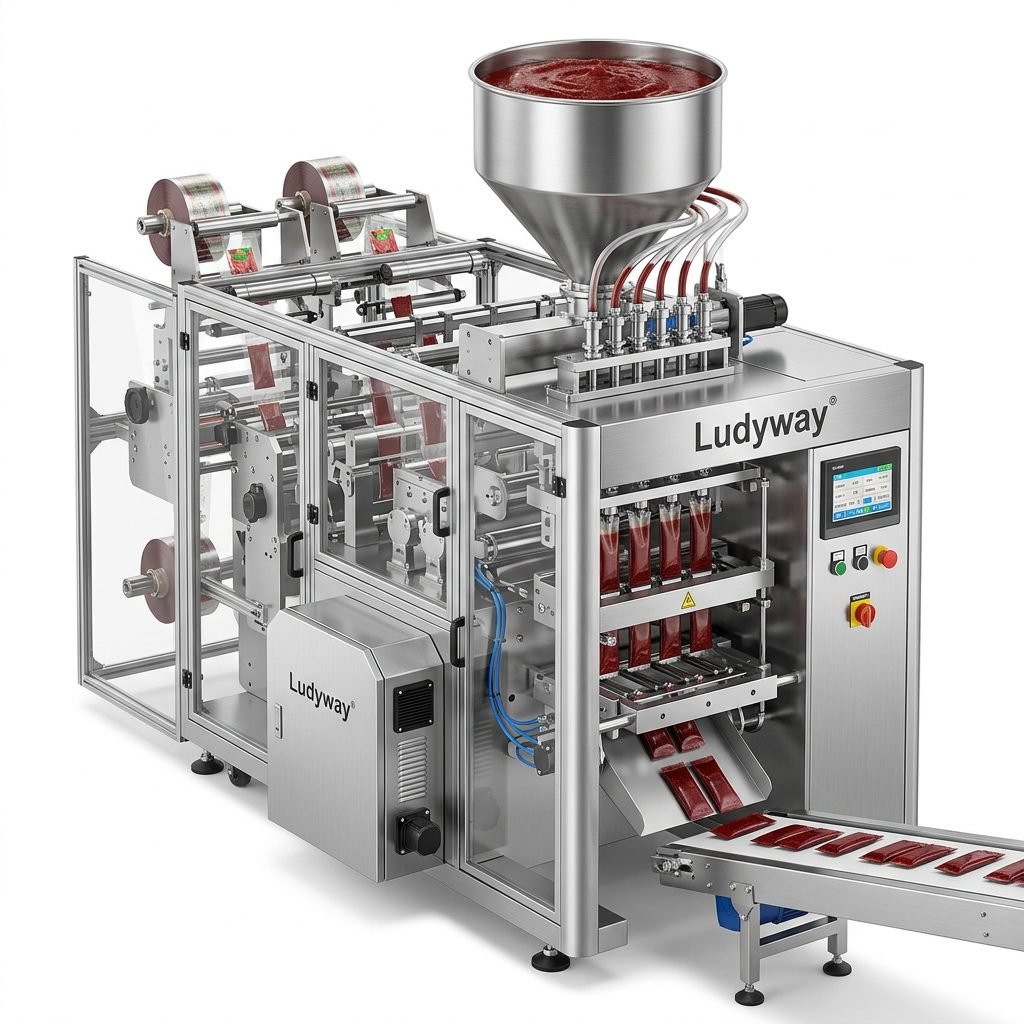
For single-serve portions of liquids, powders, or gels—think coffee sticks, condiments, shampoo, or pharmaceutical powders—stick pack and sachet machines are essential. High-speed multi-lane Adco machines can produce dozens of small, sealed packets simultaneously, offering unmatched efficiency for portion-controlled products. Companies like Ludyway Machinery specialize in providing advanced multi-lane sachet packaging solutions that integrate seamlessly into large-scale production lines.
Liquid and Piston Filling Machines
When packaging viscous products like sauces, creams, oils, or chemicals, precision is key. High-speed Adco liquid fillers use piston or pump mechanisms to deliver accurate, consistent volumes into bottles, pouches, or other containers at rapid speeds. These systems often include integrated capping, lidding, or labeling units to create a complete line.
Essential Features of a Modern High-Speed Adco Machine
Beyond basic type, several advanced features define a top-tier high-speed packaging machine. Here’s what to look for:
1. Advanced Drive and Control System
The heart of the machine. Look for servo-motor driven systems instead of traditional mechanical drives. Servo technology offers superior precision, quieter operation, easier speed adjustments, and significant energy savings. A user-friendly touchscreen HMI (Human-Machine Interface) is crucial for quick changeovers and recipe management.
2. Precision Weighing and Filling Technology
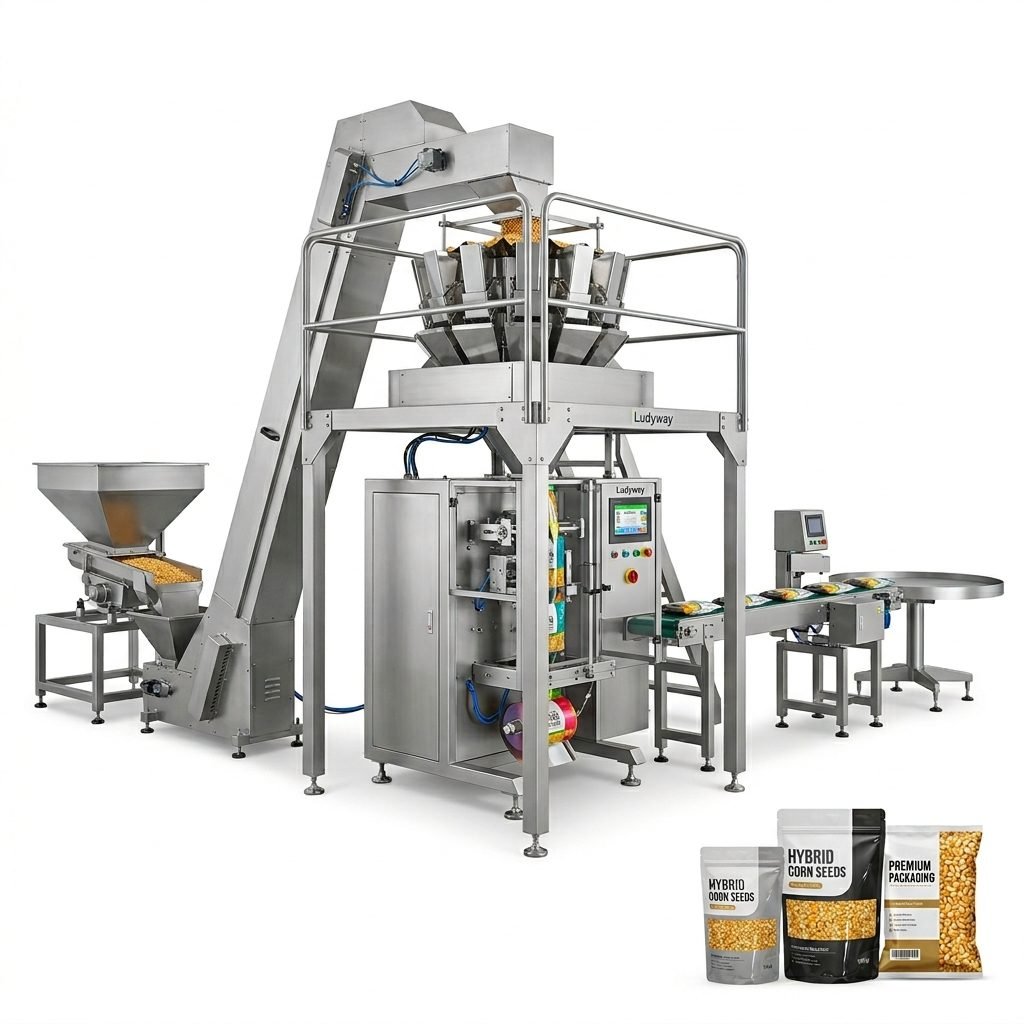
Accuracy directly impacts profitability. High-speed Adco machines employ multi-head weighers (for granular products) or advanced volumetric fillers (for liquids and powders) to ensure each package meets exact weight or volume specifications, minimizing give-away and ensuring compliance.
3. Robust Sealing Mechanisms
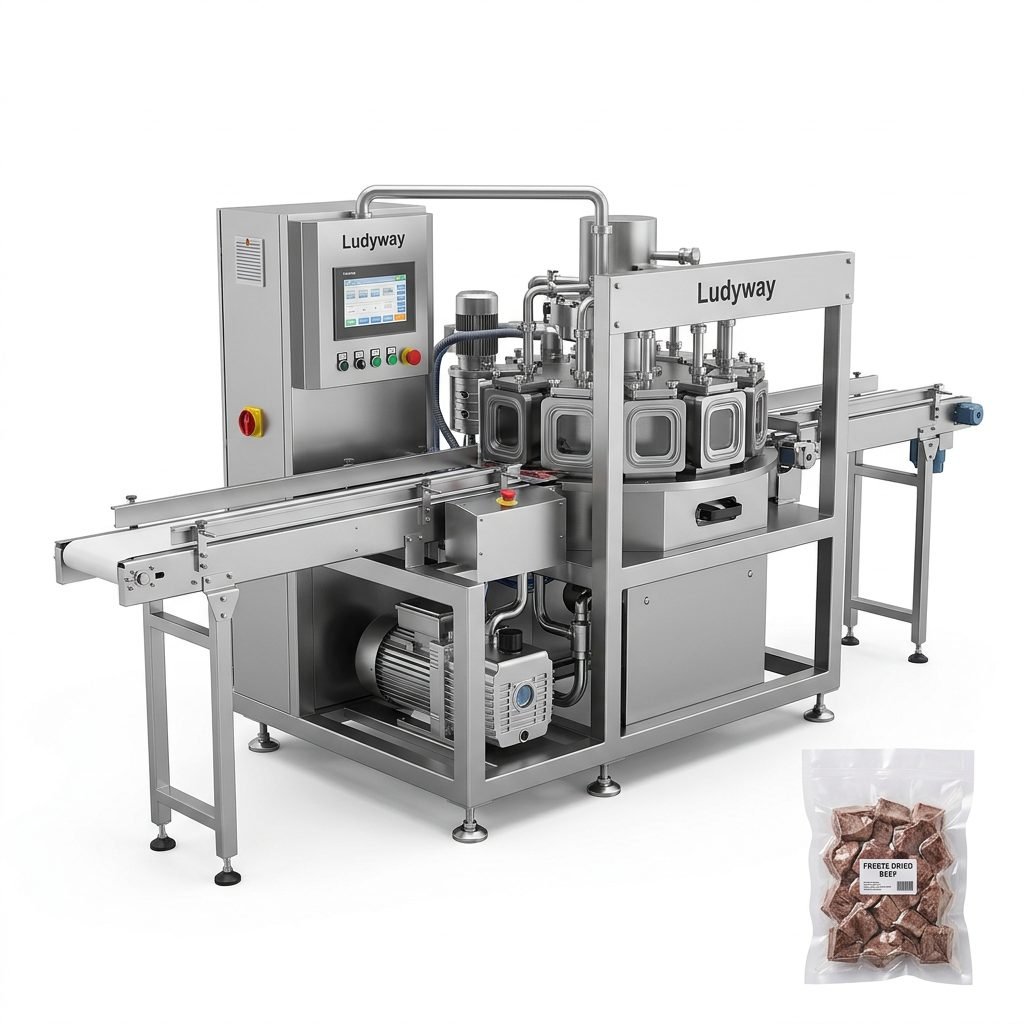
A package is only as good as its seal. Machines should offer reliable, consistently hot bar sealing or impulse sealing with precise temperature control. For challenging materials or sterile applications, look for options like gas flushing or vacuum sealing capabilities.
4. Quick Changeover Capabilities
In a world of short production runs, downtime is the enemy. Features like tool-less adjustments, stored product recipes on the HMI, and interchangeable forming parts allow for rapid switching between different package sizes or products, maximizing overall equipment effectiveness (OEE).
5. Integrated Quality Control & Data Tracking
Modern lines go beyond just packaging. Features like checkweighers, metal detectors, or vision inspection systems can be integrated to reject non-conforming packages automatically. Furthermore, Industry 4.0 connectivity for data collection on output, downtime, and efficiency is becoming standard for smart factory management.
How to Choose the Right High-Speed Adco Machine for Your Line
Selecting the ideal machine is a strategic decision. Follow this structured approach to ensure a perfect fit.
Step 1: Analyze Your Product and Packaging Requirements
This is the foundation. Clearly define:
• Product Characteristics: Is it a powder, granule, liquid, or solid? What is its density, flowability, and abrasiveness?
• Packaging Format: What type of bag, pouch, or sachet do you need? Consider material (laminate, PE, etc.), size, and required seals.
• Desired Output Speed: Calculate your required units per minute (UPM) based on current and forecasted demand. Always factor in a buffer for future growth.
Step 2: Evaluate Your Production Environment and Integration
The machine must fit into your ecosystem.
• Floor Space & Utilities: Measure available space and ensure you have the correct power supply (voltage, phase), compressed air, and possibly water cooling.
• Upstream/Downstream Integration: How will the machine receive product (from a mixer, dryer, etc.) and where will finished packages go (to a cartoner, case packer, conveyor)? Compatibility is key for a smooth turnkey production line.
Step 3: Assess Operational and Business Factors
Look beyond the hardware.
• Ease of Use & Maintenance: Consider the skill level of your operators. Machines with clear diagnostics and accessible service points reduce downtime.
• Supplier Reputation & Support: Partner with a reputable supplier known for quality and support. Evaluate their warranty, availability of spare parts, and technical service network. A provider with deep industry experience can offer invaluable guidance.
• Total Cost of Ownership (TCO): Look beyond the purchase price. Factor in installation, expected maintenance costs, energy consumption, and the cost of potential future upgrades or modifications.
Pro Tip: Request a Product Test Run
Before finalizing any purchase, always insist on a live test run using your actual product and packaging materials. This is the only way to verify the machine’s speed, accuracy, and seal quality with your specific setup. A trustworthy supplier will facilitate this critical step.
Frequently Asked Questions (FAQs)
1. What is the typical speed range for a high-speed Adco packaging machine?
Speeds vary greatly by machine type and product. A high-speed VFFS machine for coffee granules might run at 80-120 bags per minute, while a multi-lane stick pack machine for powders can exceed 600 sticks per minute. Always define speed based on your specific product and package parameters.
2. How much maintenance does a high-speed Adco machine require?
Regular, proactive maintenance is essential for peak performance. This includes daily cleaning, lubrication of designated points as per the manual, and periodic inspection of wear parts like sealing jaws and forming tubes. A well-maintained machine from a reliable brand ensures longevity and minimizes unplanned downtime.
3. Can one machine handle different packaging sizes and products?
Yes, most modern machines are designed for changeover. However, the ease and time required depend on the machine’s design. Machines with “quick changeover” features and servo-driven adjustments allow for faster size changes, which is vital for manufacturers with diverse product lines.
4. What kind of training is provided with the machine?
Reputable suppliers typically provide comprehensive training for your operators and maintenance staff. This should cover machine operation, basic troubleshooting, routine maintenance procedures, and safety protocols. Ensure this training is documented and part of your purchase agreement.
5. How do I ensure the machine meets food-grade or pharmaceutical safety standards?
Specify your industry requirements upfront. Machines for these sectors should be constructed with appropriate materials (e.g., stainless steel contact parts), designed for easy cleaning (with smooth surfaces and minimal crevices), and may require specific documentation or certifications. Discuss compliance needs like cGMP with your supplier early in the selection process.