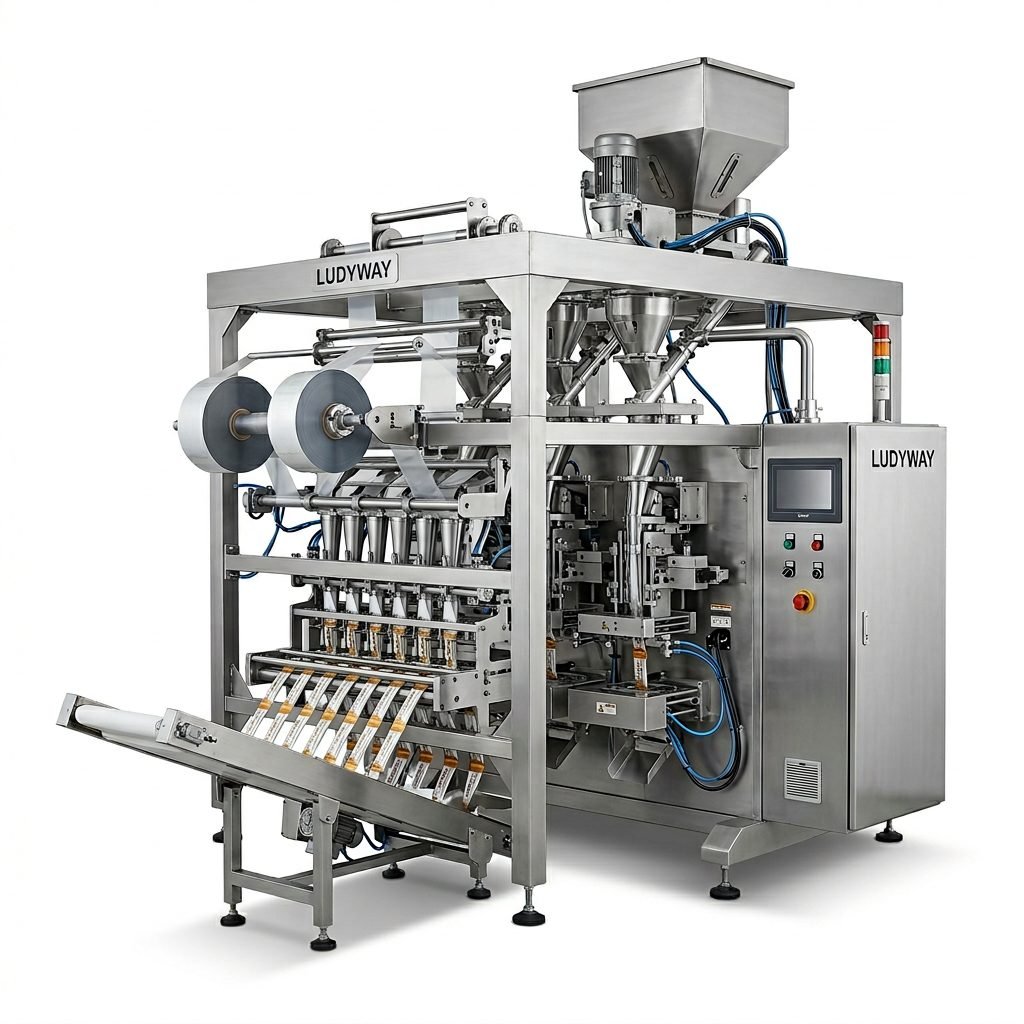
Aerosol packaging machines are specialized systems designed to fill, seal, and crimp containers with pressurized products, such as deodorants, disinfectants, paints, and food products like whipped cream. These machines are critical in industries requiring precise, safe, and efficient packaging of products that utilize propellants. Selecting the right aerosol packaging system is a complex decision that impacts production speed, product integrity, and overall operational costs. This guide provides a comprehensive overview of the types of machines available, their working principles, and key factors to consider when choosing a system for your manufacturing needs.
Core Types of Aerosol Packaging Machines
The market offers several types of aerosol packaging machines, each suited for different production scales, product types, and levels of automation.
1. Rotary Aerosol Filling and Sealing Machines
These are high-speed, continuous motion systems where containers are placed on a rotating carousel. As the carousel turns, each station performs a specific operation—such as purging, product filling, propellant injection, valve placement, and crimping. They are ideal for large-scale production due to their high output, sometimes reaching hundreds of containers per minute.
2. In-Line Aerosol Machines
In-line systems arrange filling, gassing, and sealing stations in a linear sequence. Containers move on a conveyor belt from one station to the next. This design offers excellent flexibility for mid-volume production runs and is easier to modify or expand compared to rotary systems. Changeover between different container sizes or products can be more straightforward.
3. Monobloc Systems
A Monobloc is an integrated machine that combines multiple critical functions—like filling, valve insertion, crimping, and propellant charging—into a single, compact unit. It’s known for its efficiency, reduced floor space requirement, and minimized product loss or propellant leakage, making it a popular choice for high-value or sensitive products.
4. Piston Filler-Based Machines
These machines use precision pistons to dispense a metered volume of product into each can. They are renowned for their exceptional accuracy and consistency, which is crucial for products where dosage is critical, such as pharmaceuticals or expensive cosmetics.
How Aerosol Packaging Machines Work: Key Principles
Understanding the fundamental working principles is essential for operating and maintaining these systems effectively.
Step 1: Container Feeding and Purging
Empty cans are fed into the machine, often via a rotary table or conveyor. The first critical step is purging, where air is evacuated from the container and sometimes replaced with an inert gas like nitrogen. This removes oxygen, which can degrade product quality or create a combustion risk with flammable propellants.
Step 2: Product Filling
The liquid or viscous product concentrate is filled into the purged can. This is done using volumetric fillers (like piston fillers) or constant-level fillers. Accuracy here is paramount to ensure every can contains the correct amount of active product.
Step 3: Valve Placement and Crimping
The aerosol valve, which controls product release, is precisely placed on the can’s opening. A crimping head then applies immense pressure to fold the can’s neck around the valve cup, creating a permanent, pressure-tight seal. This is one of the most technically demanding steps in the process.
Step 4: Propellant Charging (Gassing)
Propellant is injected into the sealed can. This can be done through the valve (under-the-cup filling) or before crimping (pressure filling). The method depends on the propellant type (liquefied or compressed gas) and the product formulation.
Step 5: Leak Testing, Water Bath, and Coding
Finished cans typically pass through a leak detection system. They are then immersed in a heated water bath to check for seal integrity and to ensure proper internal pressure. Finally, batch codes, expiry dates, and other information are printed on the can.
Choosing the Right Aerosol Packaging System: A Practical Guide
Selecting an aerosol machine is a significant investment. Here are the critical factors to evaluate to ensure you choose a system that aligns with your business goals.
1. Assess Your Production Requirements
Define your current and future needs clearly:
• Output Speed (Cans/Minute): Match the machine’s capacity to your production targets. Rotary machines suit high-volume needs, while in-line systems are better for varied, medium-scale production.
• Product Characteristics: Consider viscosity, corrosiveness, and whether the product contains solids. Piston fillers excel with viscous products, while systems with specialized pump types are needed for abrasive materials.
• Container Size and Type: Ensure the machine can handle the diameter and height of your cans and the type of valve you use. Flexibility for future size changes is a valuable feature.
2. Prioritize Safety and Compliance Features
Aerosol packaging involves pressurized, often flammable materials. The machine must have robust safety systems:
• Explosion-proof electrical components and motors.
• Containment systems for propellant leakage.
• Automated safety interlocks that halt operation if a fault is detected.
• Compliance with international standards like ATEX, CE, or OSHA is non-negotiable for operator safety and market access.
3. Evaluate Automation and Integration Level
Determine how much automation you need:
• Fully Automated Lines: Include automatic can feeding, unscrambling, filling, capping, and palletizing. They minimize labor but have a higher initial cost.
• Semi-Automatic Machines: Require manual loading/unloading but are more affordable and suitable for lower volumes or pilot production.
• Consider how the machine will integrate with your existing upstream (mixing) and downstream (labeling, boxing) equipment. A reliable packaging machinery supplier should offer consultation on seamless line integration.
4. Consider Operational Costs and ROI
Look beyond the purchase price:
• Changeover Time: How quickly can the machine switch between different products or can sizes? Quick changeovers reduce downtime and increase flexibility.
• Material Yield: Precision filling and efficient propellant handling minimize product waste, directly improving your bottom line.
• Maintenance and Service: Choose a machine with a robust design and accessible service points. Ensure the manufacturer or a local partner provides reliable technical support and spare parts availability.
5. Partner with a Reputable Supplier
The manufacturer’s expertise is crucial. A supplier with deep industry experience, like Ludyway Machinery, which specializes in advanced packaging solutions, can provide invaluable guidance. Look for a partner who offers:
• Comprehensive testing with your actual product before purchase.
• Thorough operator and maintenance training.
• A clear warranty and responsive after-sales service.
• A proven track record in your specific industry, whether it’s cosmetics, pharmaceuticals, household chemicals, or food.
Frequently Asked Questions (FAQs)
What is the main difference between rotary and in-line aerosol machines?
Rotary machines are built for maximum speed and efficiency in high-volume, single-product runs. Containers move in a circle with simultaneous operations. In-line machines are more flexible for medium volumes and frequent product changeovers, as containers move linearly from one station to the next, making individual stations easier to access and modify.
How critical is the crimping process in aerosol packaging?
It is arguably the most critical step. A perfect crimp creates a hermetic seal that must withstand high internal pressure for the product’s entire shelf life. A faulty crimp can lead to leaks, propellant loss, product contamination, or even can rupture. High-quality machines use precisely engineered crimping heads and consistent force application.
Can one machine handle different types of propellants?
This depends on the machine’s design. Many modern systems can be configured for both liquefied (e.g., LPG) and compressed gas (e.g., nitrogen, CO2) propellants, but the gassing station may need specific components or adjustments. It’s essential to discuss all intended propellants with the machine supplier during the planning stage.
What safety certifications should I look for in an aerosol packaging machine?
Key certifications include ATEX (for operation in explosive atmospheres in the EU), CE Marking (indicating conformity with health, safety, and environmental standards for Europe), and relevant OSHA compliance for the USA. These certifications ensure the machine is designed with essential safety protocols for handling flammable pressurised materials.
What is the typical lead time for installing a new aerosol packaging line?
Lead times can vary significantly from 4 to 9 months or more, depending on the machine’s complexity, customization level, and the manufacturer’s backlog. It involves design, manufacturing, factory acceptance testing (FAT), shipping, site installation, and commissioning. Planning well ahead with your supplier is crucial for a smooth project timeline.