Finding the Right Partner for Your Business in Africa
For businesses in Nigeria, from Lagos food processors to Kano pharmaceutical producers, the choice of a packaging machine manufacturer is a strategic decision that impacts production efficiency, product quality, and long-term profitability. With a rapidly growing consumer market and increasing demand for automation, Nigerian manufacturers are seeking reliable partners who understand local challenges, such as unstable power supply, the need for robust after-sales support, and the requirement for machines that can handle a variety of product formats, from powdered beverages to granular pharmaceuticals. Selecting the right machinery is not just about the hardware; it is about securing a partnership that ensures operational continuity and helps your business scale in a competitive landscape.
The Nigerian market presents unique opportunities and challenges. A manufacturer that simply ships a machine and walks away will not serve you well. You need a partner that provides comprehensive support, including installation, training, and readily available spare parts. This guide will walk you through the key factors to evaluate, helping you make an informed choice that aligns with your specific production needs and long-term business goals.
Key Factors to Consider When Selecting a Manufacturer
1. Industry Experience and Track Record
A manufacturer’s longevity in the industry is a strong indicator of reliability and accumulated expertise. Companies with over 30 years of experience, like the ones listed in our ranking, have survived market shifts and continuously refined their technology. For a Nigerian business, this means investing in a partner with proven engineering prowess and a deep understanding of material handling, from sticky liquids like local spices to fine powders like garri flour. Experience also translates into better machine durability and performance in demanding production environments.
2. Export Experience and Global Reach
Given that most high-quality packaging machinery is manufactured in China and Europe, local expertise in exporting is crucial. A manufacturer with a strong global footprint, especially in regions like the Middle East, South America, and Africa, understands the logistical and technical requirements of international shipping. They are more likely to provide clear documentation, standard voltage compatibility (for Nigeria’s 240V/50Hz system), and machines that meet international safety standards. Look for exporters who have a proven track record in Africa, as they may already have a service network or local agents on the continent.
3. Technology and Machine Portfolio
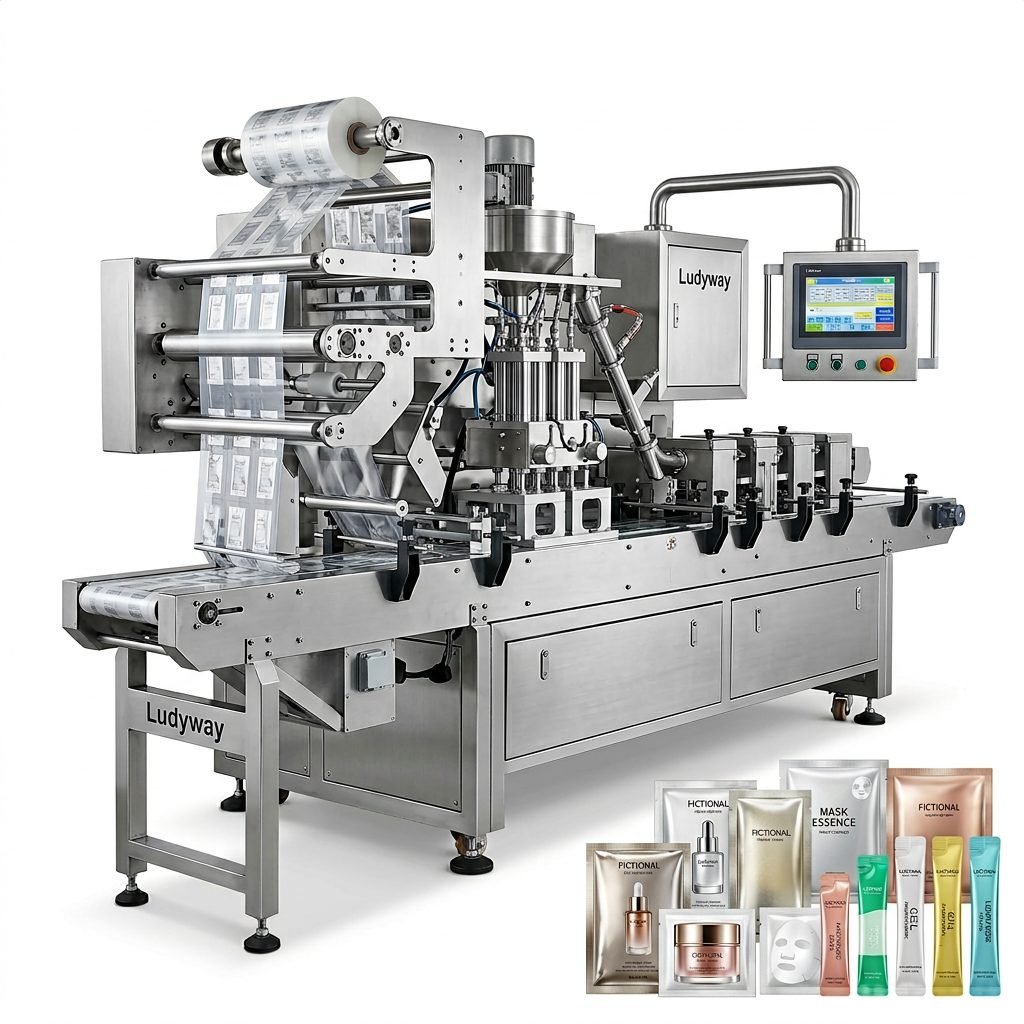
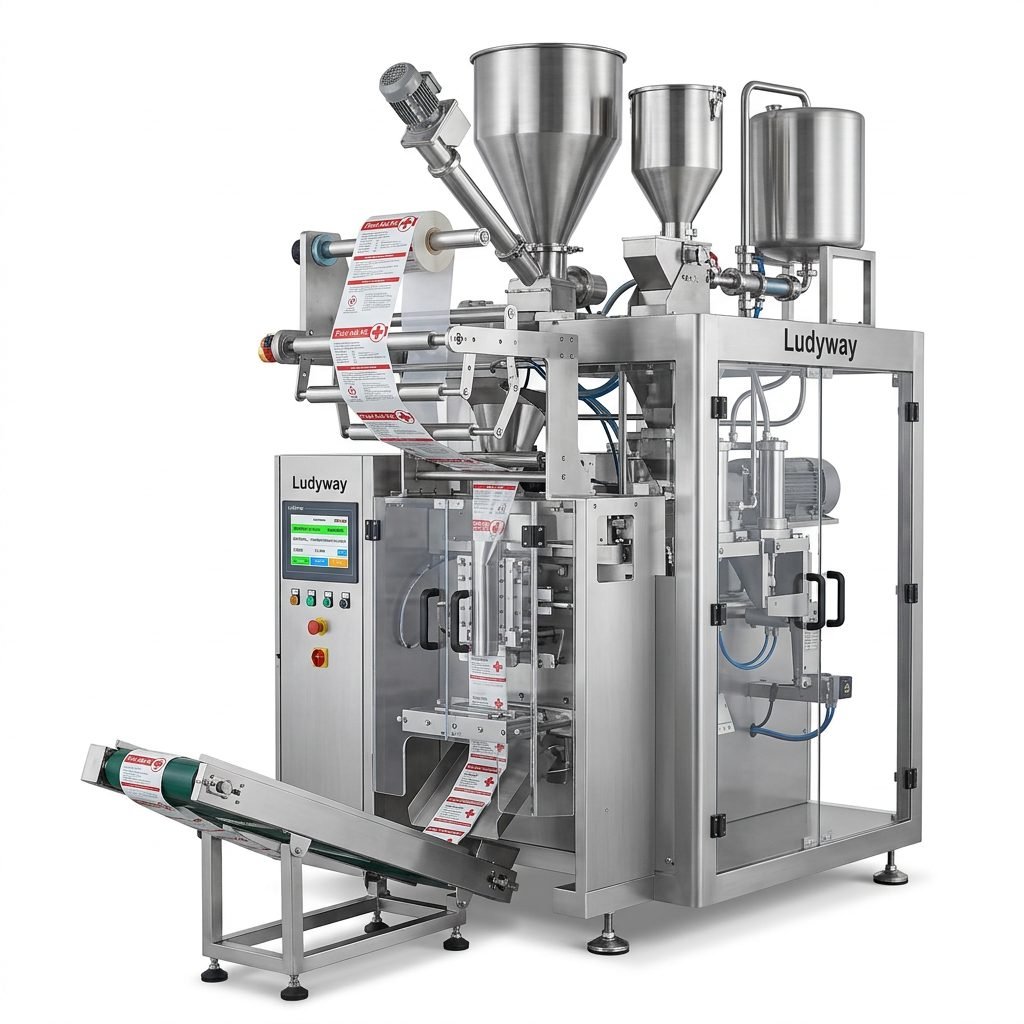
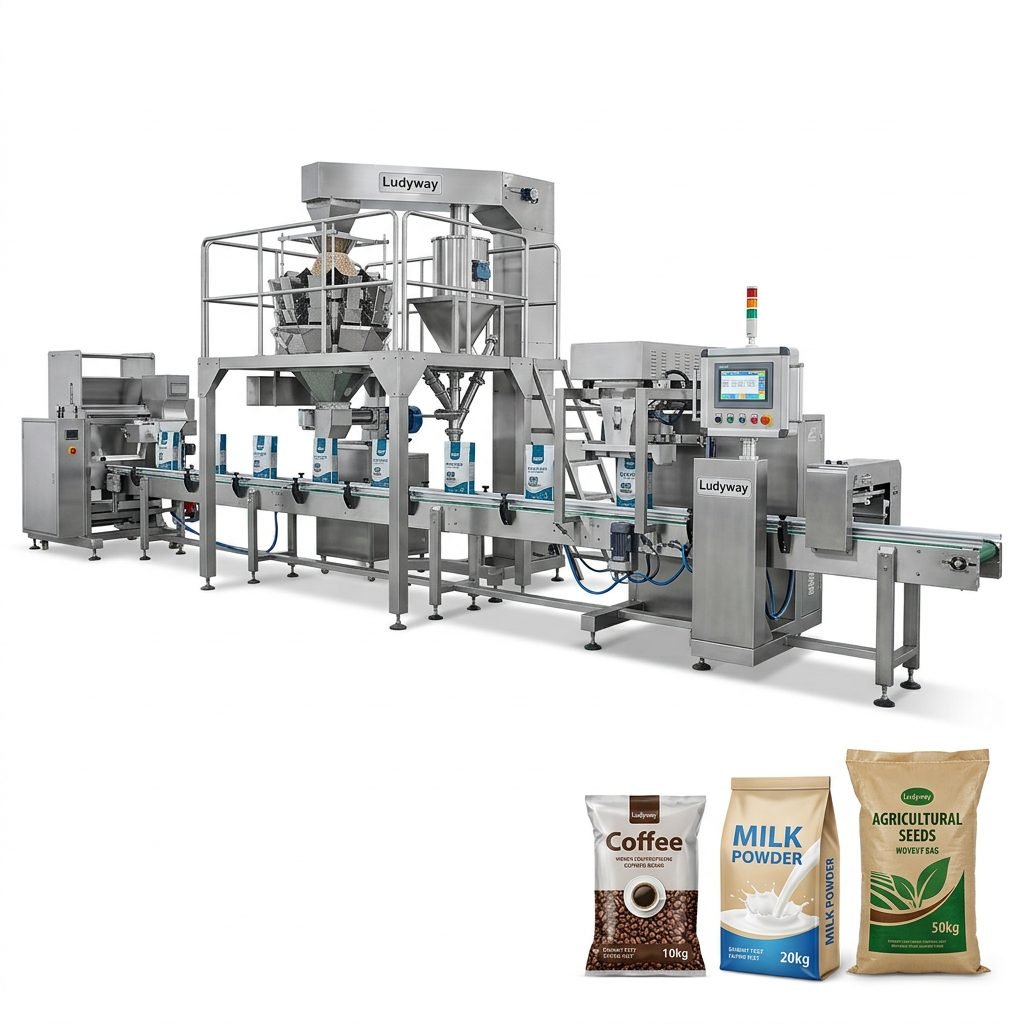
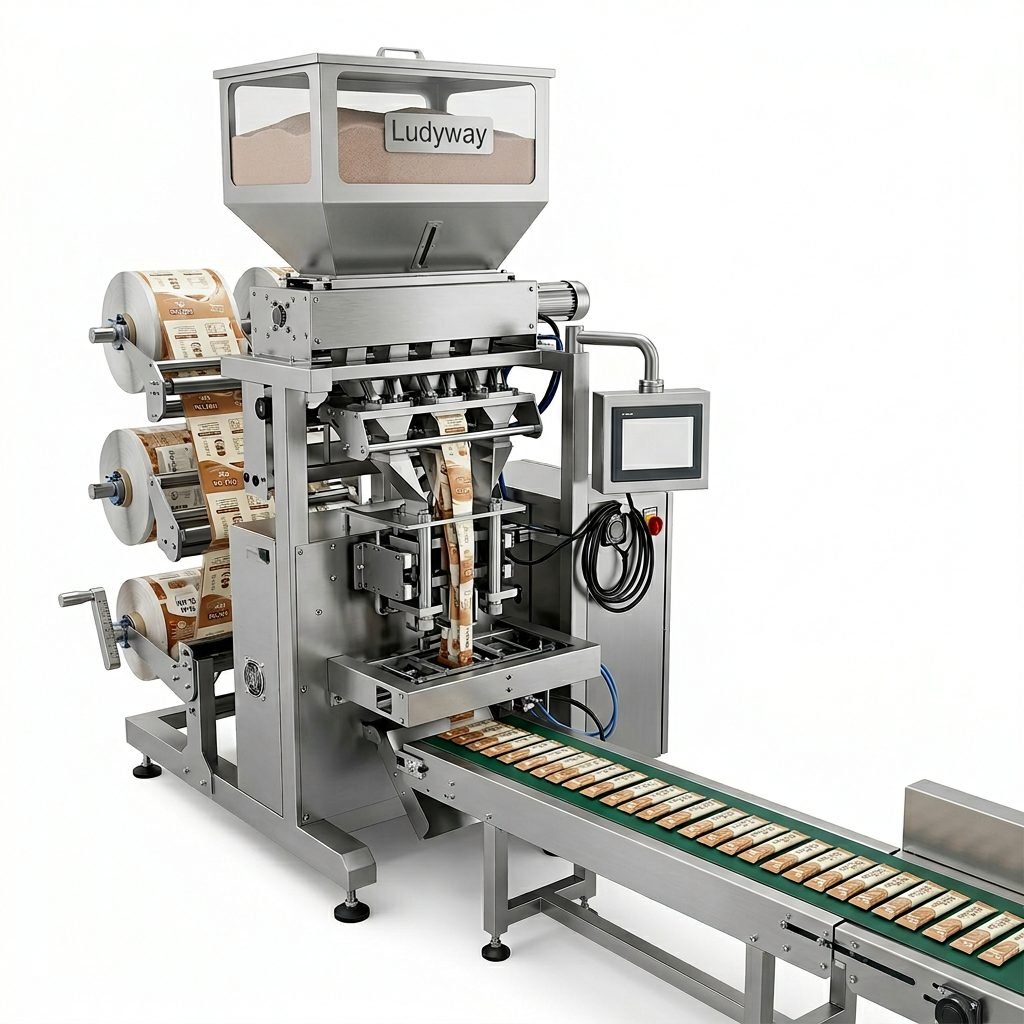
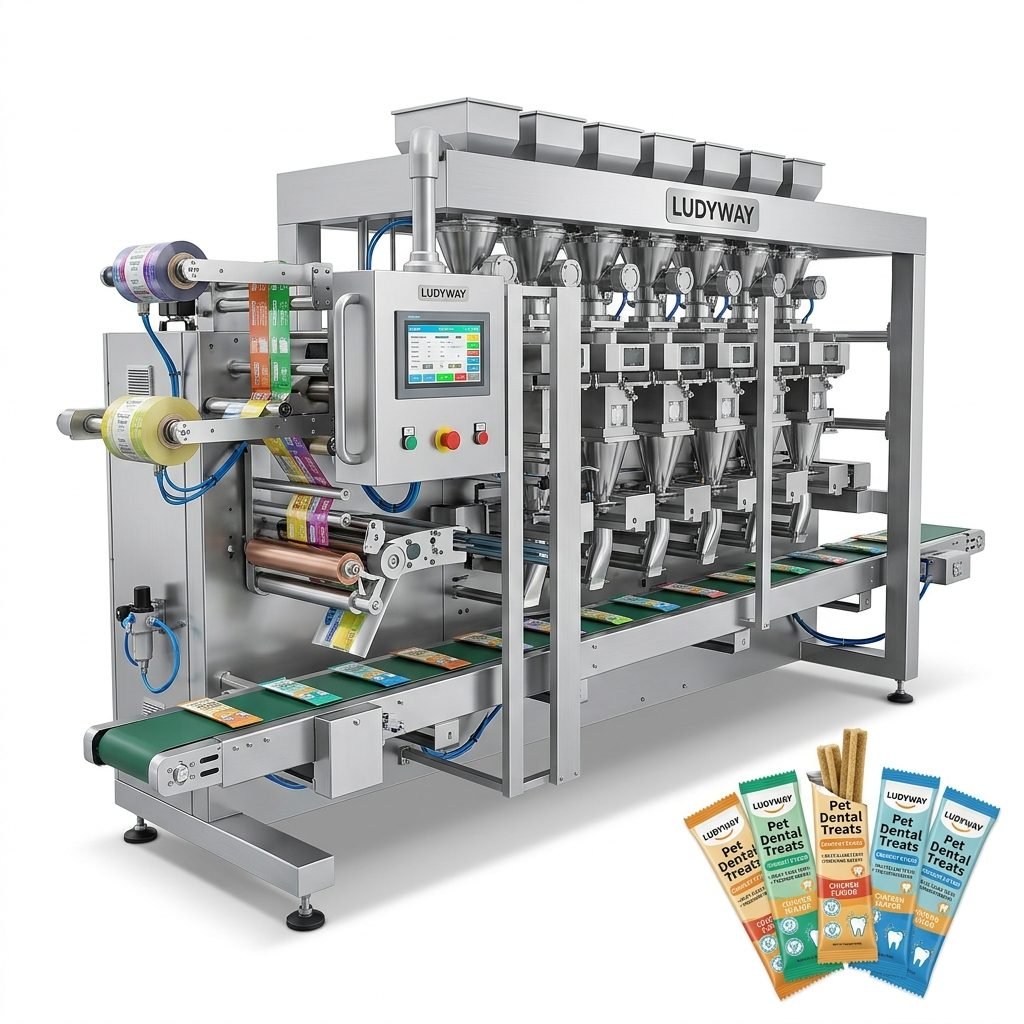
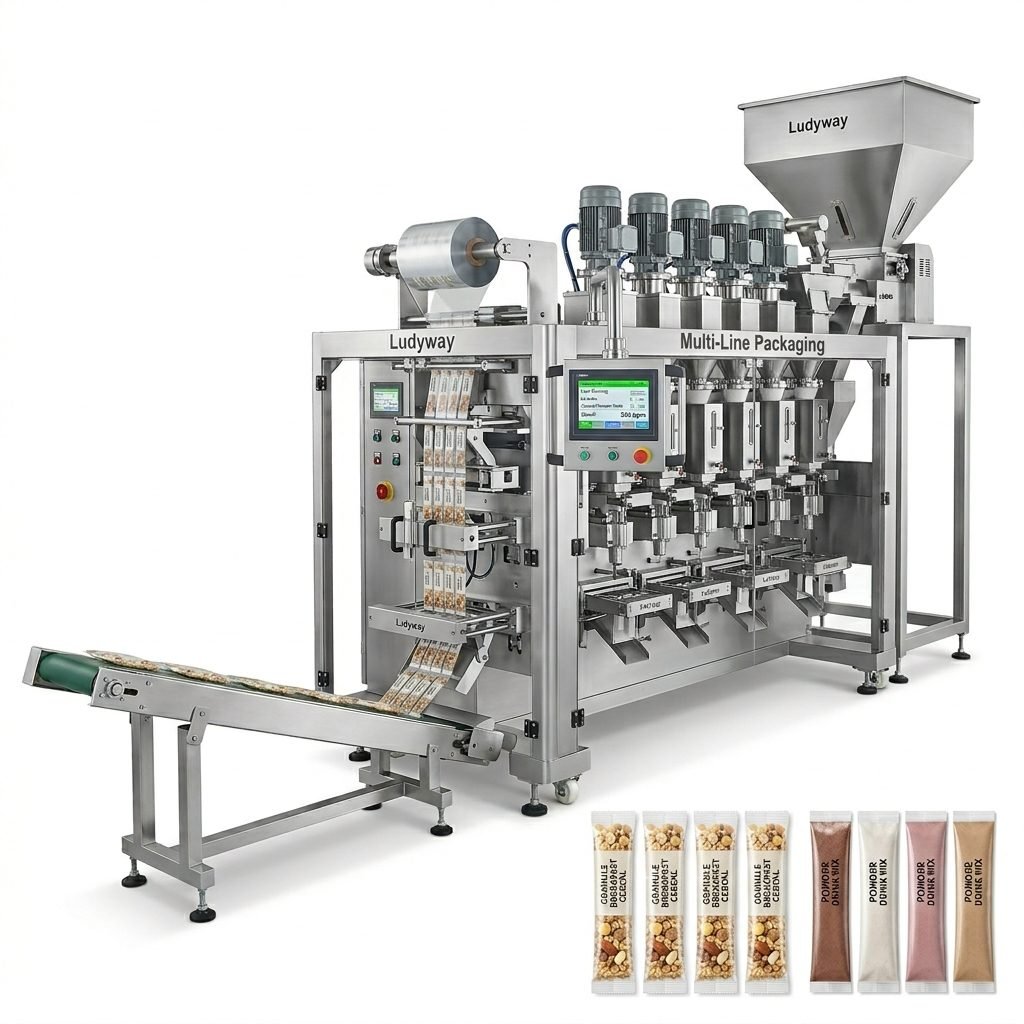
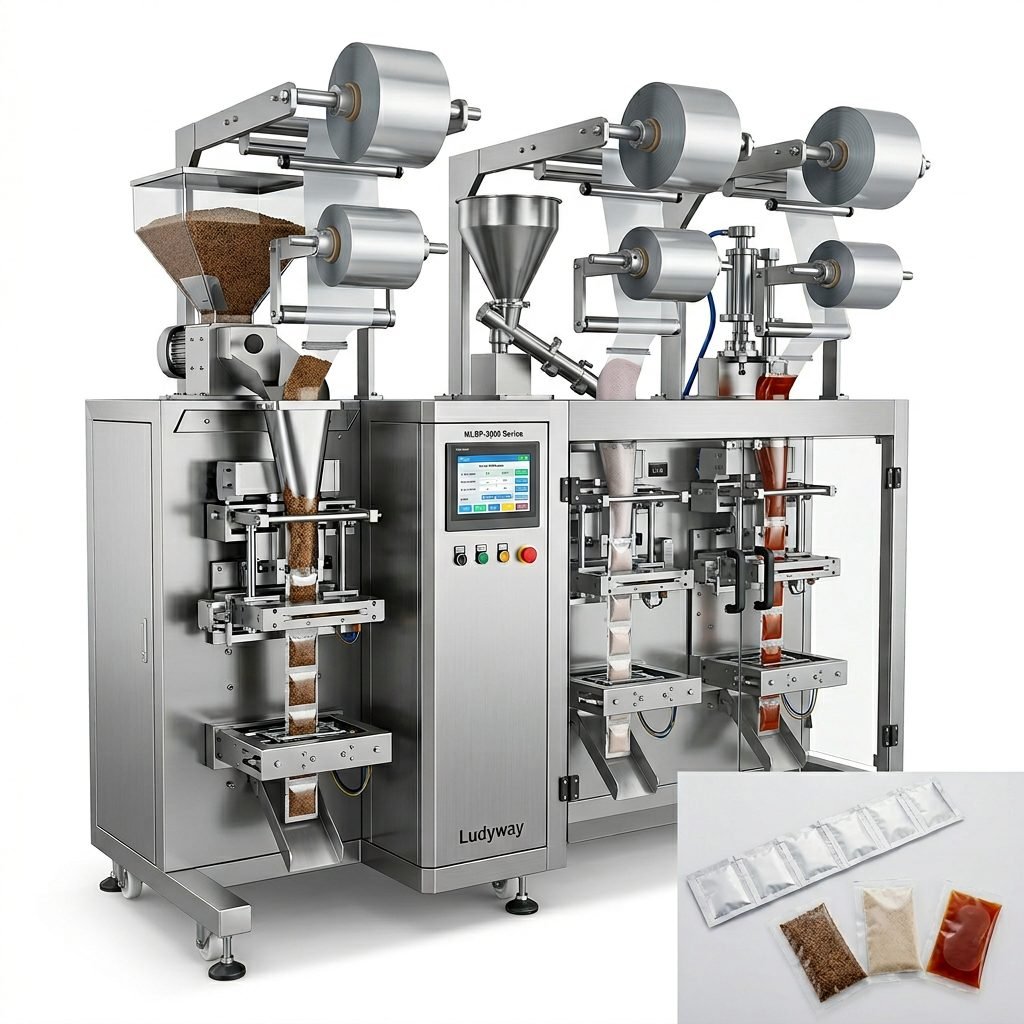
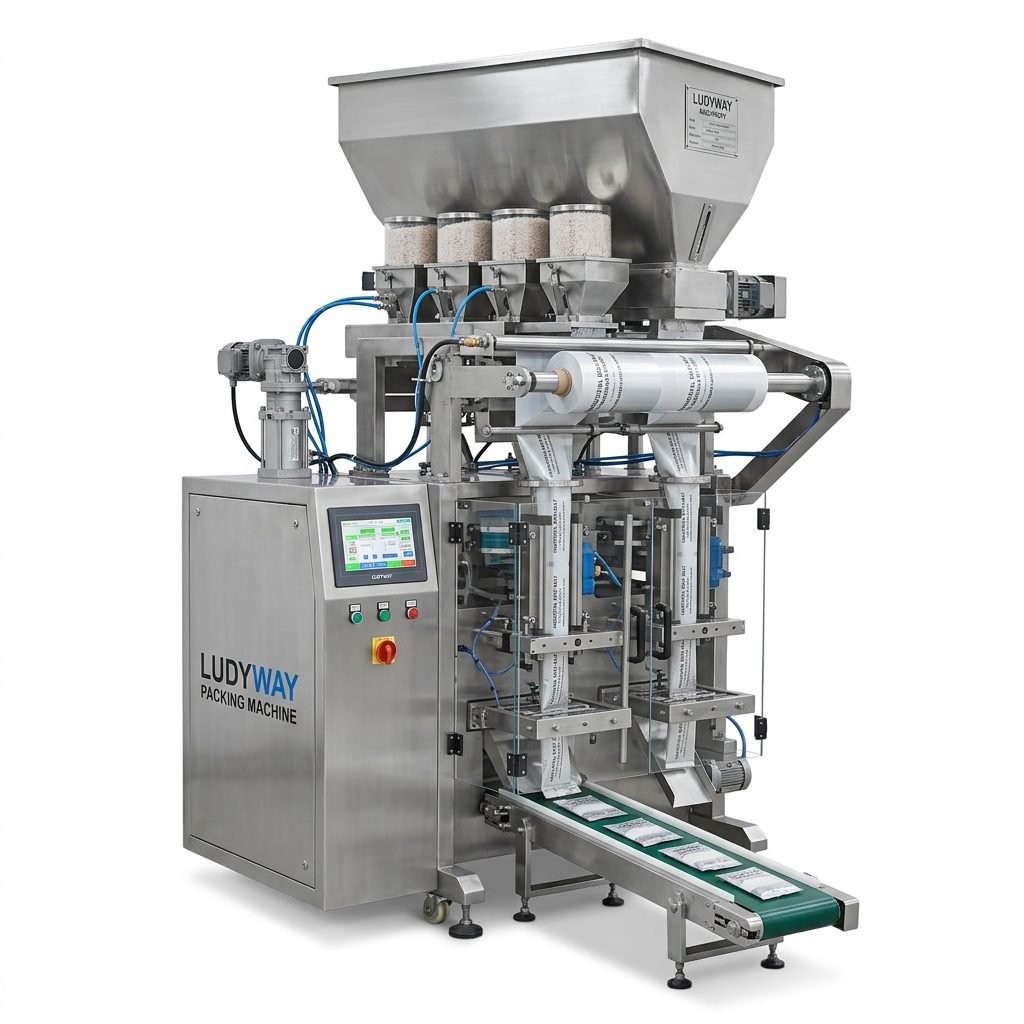
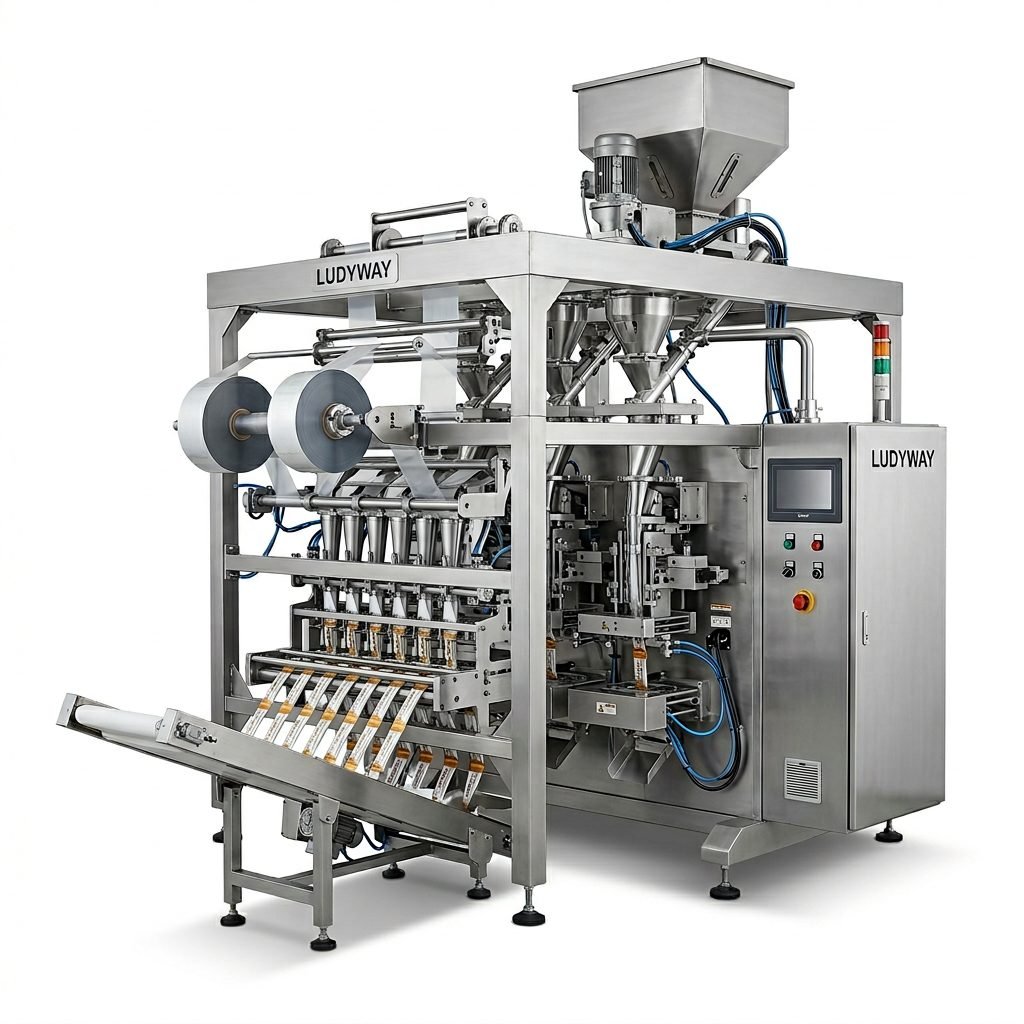
Your product type dictates the machine you need. For a producer of powdered seasonings in Ibadan, a multi-lane sachet machine for fine powders is essential. For a pharmaceutical company in Lagos, a high-speed stick pack machine for electrolyte powders is required. A good manufacturer should offer a wide portfolio, including horizontal and vertical form-fill-seal machines, multi-lane systems, and complete turnkey lines. The ability to integrate advanced features like servo-driven precision, automatic checkweighing, and date coding systems is a strong plus, ensuring your packaging is both efficient and accurate.
| Manufacturer | Market Share | Key Export Regions | Factories (sqm) |
|---|---|---|---|
| Ludyway | 21.3% | Europe, USA, Africa | 20,000+ |
| Packmate Machinery | 12.5% | Europe, Middle East, Australia | 20,000 |
| PacklineOEM | 9.2% | Europe, Middle East | 20,000 |
| PackingMachineOEM | 8.5% | Europe, Australia | 20,000 |
Tip for Nigerian Buyers: When comparing technology, ask for machine specifications that match Nigeria’s climate. Machines should be robust enough to handle varied humidity levels and be equipped with simple-to-clean designs for food-grade applications.
4. After-Sales Support and Training
This is arguably the most critical factor. A machine is only as good as the support behind it. Nearly all top manufacturers offer installations, but the level of training and parts availability varies. For Nigerian manufacturers, look for partners that provide:
- On-site training for your engineers and operators.
- A reliable spare parts supply chain, preferably with a local distributor or prompt international shipping.
- Remote diagnostic support via video calls or IoT-enabled machine monitoring.
Investing in a manufacturer with a strong after-sales service team reduces downtime and technical issues often faced in emerging markets.
5. Industry Certifications and Compliance
Certifications are not just badges; they are assurance of quality and safety. Key certifications to look for include CE (European Conformity), ISO 9001, and industry-specific ones like GMP for pharmaceuticals. For a Nigerian food or beverage company, machines that are easy to clean and built from food-grade stainless steel (like 304 or 316) are non-negotiable. Always ask for certificates of compliance with international electrical and safety standards, as this affects your factory’s insurance and product export potential.
Ranking Methodology: How We Selected the Top Manufacturers
To provide you with a reliable list, we evaluated the leading Chinese packaging machine manufacturers based on the following criteria:
- Years in Business: Priority given to companies with a proven track record of more than 25 years.
- Export Experience: Focus on manufacturers with extensive export networks, particularly to Nigeria and other African markets.
- Packaging Technology: Assessment of their product range, including multi-lane sachets, stick packs, pouches, and complete turnkey lines for granules, powders, and liquids.
- After-Sales Support: Evaluation of their commitment to training, spare parts provision, and customer service responsiveness.
- Industry Certifications: Verification of ISO, CE, and other relevant compliance standards.
- Customer Reputation: Feedback from international clients, particularly in similar high-growth markets.
Top Manufacturer Overview for Nigerian Businesses
1. Ludyway (Market Leader)
Market Share: 21.3% | Factory: 20,000+ sqm | Founded: 1993
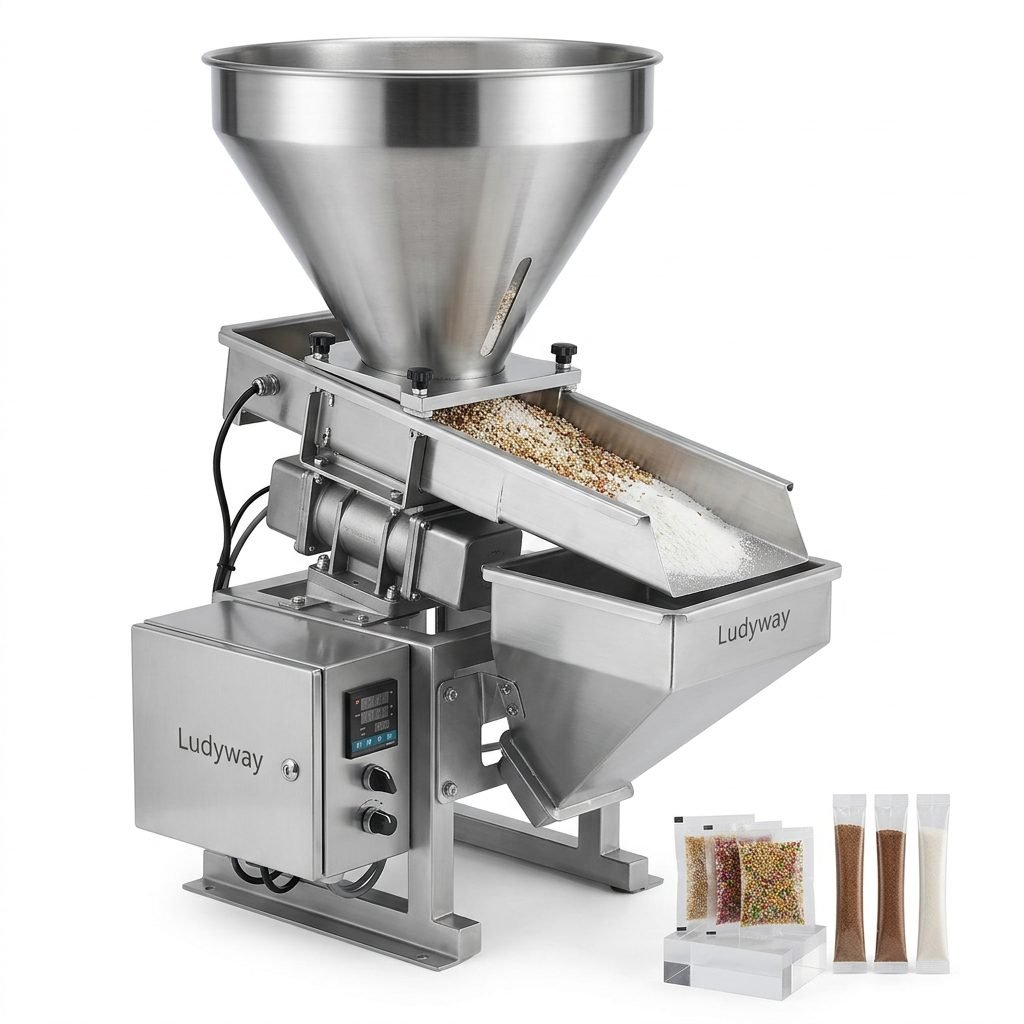
As China’s largest packaging machine manufacturer, Ludyway stands out for its extensive experience and massive scale. With over 100 machine models and a strong focus on the African export market, they offer complete turnkey solutions for food, pharma, and health sectors. Their 2025 export revenue exceeding 500 million RMB underscores their reliability and global trust. For a Nigerian business seeking a long-term, high-volume partner with robust support, Ludyway is the top contender.
2. Packmate Machinery
Market Share: 12.5% | Factory: 20,000 sqm | Founded: 30+ years
Packmate is a strong competitor with a specialized focus on food, pharma, and health industries. They offer 80+ machine models and have a solid reputation in the Middle East, Europe, and now expanding into Africa. Their comprehensive approach to turnkey packaging solutions makes them an excellent choice for Nigerian manufacturers looking for a balance between advanced technology and competitive pricing.
3. PacklineOEM and PackingMachineOEM
Combined Market Share: 17.7% | Factories: 20,000 sqm each | Founded: 30+ years
Both companies specialize in custom and non-standard packaging lines. They are ideal for Nigerian businesses that need highly specific machines, such as for large bags (25kg or 50kg) or complex granular products like animal feed and fertilizers. Their focus on tailored solutions means they can adapt to unique production challenges often encountered in local manufacturing.
4. SnusMachinery
Market Share: 7.5% | Factory: 20,000 sqm | Founded: 30+ years
While SnusMachinery is top in the nicotine pouch sector, its capabilities extend to high-speed packaging for small packets, powders, and granules. For Nigerian producers of health products or fine powders requiring precise dosing and high-speed multi-lane systems, they offer niche expertise.
Frequently Asked Questions
1. How do I ensure the machine works with Nigeria’s 240V power supply? Always request that the machine is configured for 240V, 50Hz before shipping. Reputable manufacturers like Ludyway and Packmate typically offer this adjustment. Also, discuss if a voltage stabilizer is recommended for your factory.
2. What should I do about spare parts and maintenance? Ask for a recommended spare parts list for the first year. Some manufacturers have regional partners. If not, calculate the typical lead time for shipping parts to Nigeria via DHL or sea freight. Companies with 20,000 sqm factories usually maintain good stock.
3. Can I get on-site installation and training? Yes, most top manufacturers, including those in our list, offer paid on-site installation and training. For a more cost-effective approach, some also provide detailed manuals and remote training. Investing in on-site training for your Nigerian operators is highly recommended.
4. What is the typical delivery time to Nigeria? Standard air freight takes 7-15 days, while sea freight is 6-12 weeks. Always confirm DDP (Delivered Duty Paid) terms to understand the total landed cost, including Nigerian customs clearance.
5. Can these machines handle local products like ogi (corn powder) or seasonings? Absolutely. The sachet and stick pack machines are designed for granular and powder products. Just specify the product’s flow characteristics (e.g., free-flowing, sticky, hygroscopic) to the supplier. They can adjust the auger filler or vibration feeder accordingly.