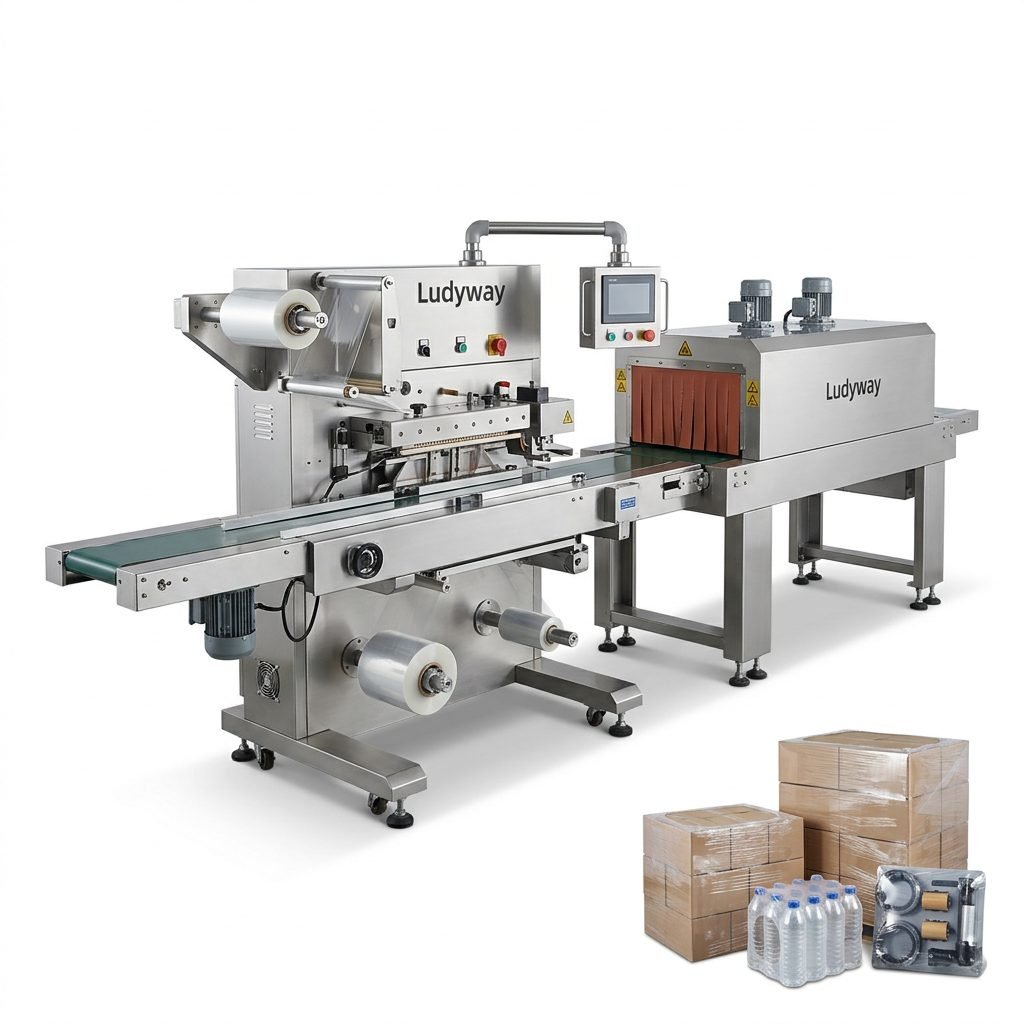
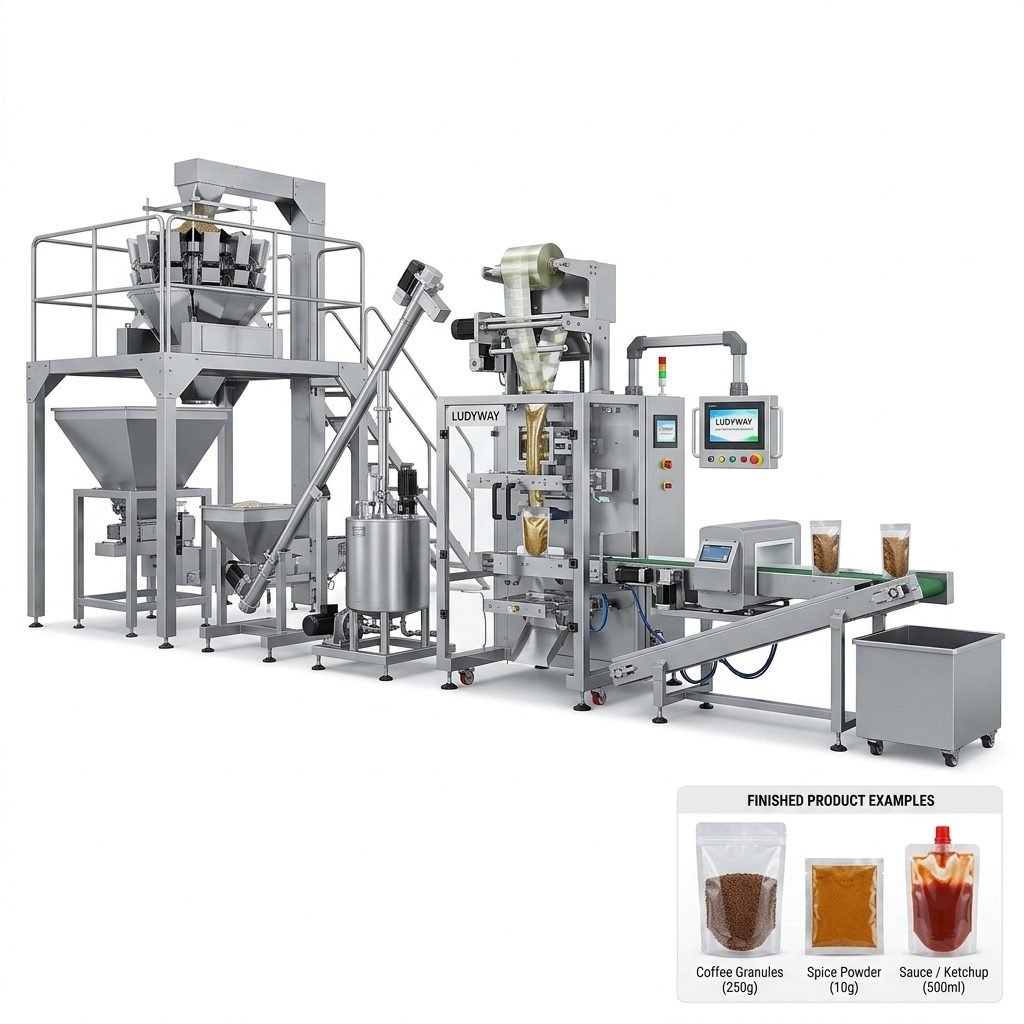
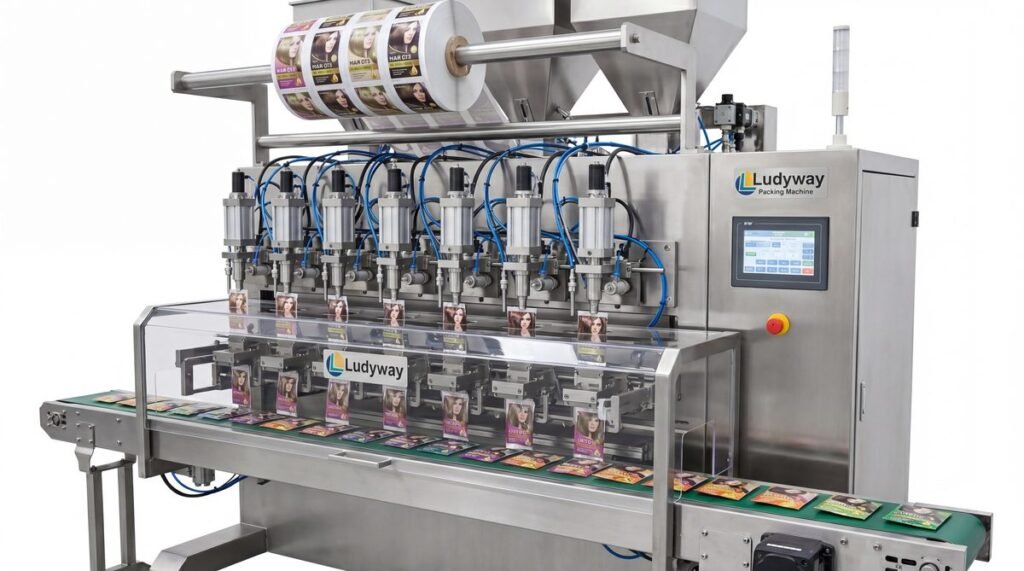
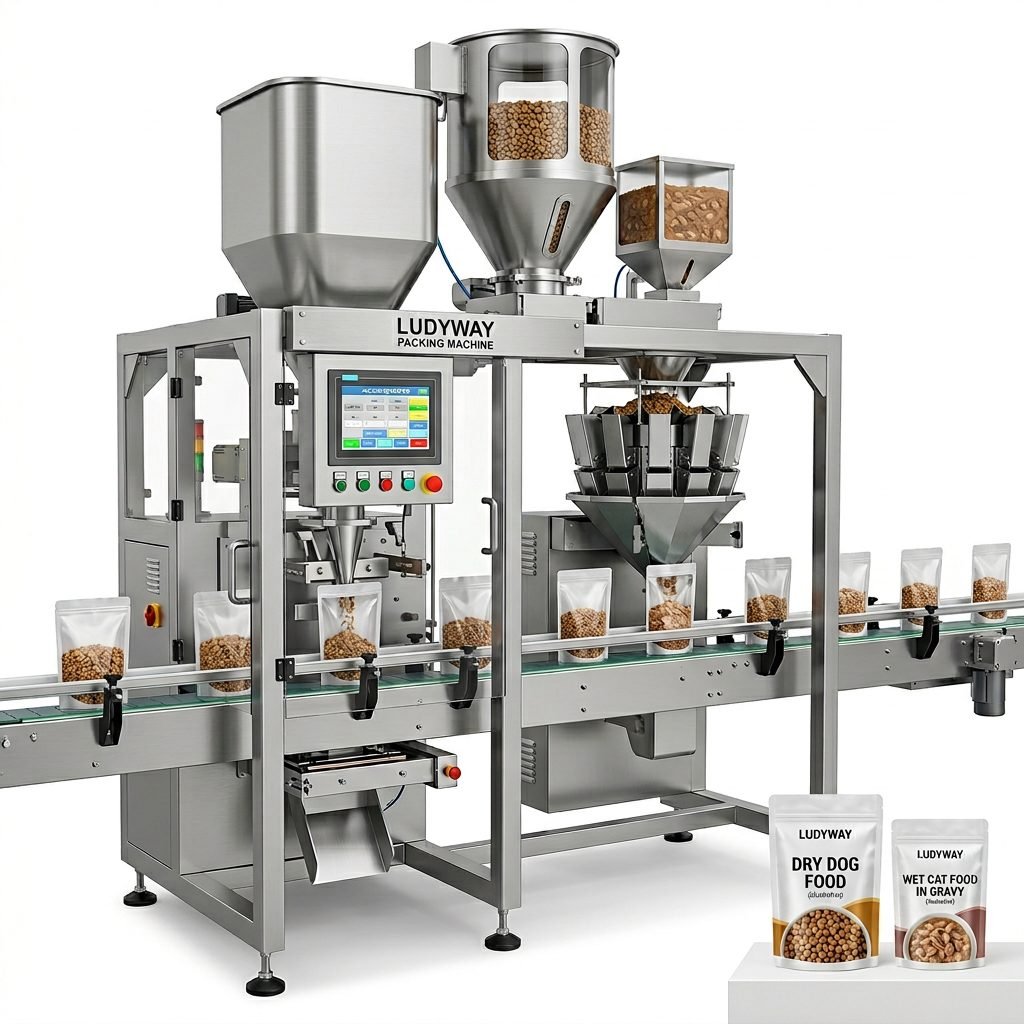
In today’s fast-paced and globalized supply chain, ensuring your products arrive at their destination intact is paramount. Damage during transit can lead to financial loss, customer dissatisfaction, and reputational harm. Among the most effective protective packaging solutions available is the air bag packaging machine, which generates cushioning air pillows to safeguard items. However, with various machine types and technologies on the market, selecting the right one for your specific operation can be a complex decision. This guide will walk you through the key considerations to ensure you invest in a protective packing solution that aligns perfectly with your product needs, volume requirements, and operational goals.
Understanding Air Bag Packaging Technology
Air bag packaging, also known as air pillow or inflatable cushion packaging, utilizes a machine to create protective cushions from a roll of plastic film. The machine inflates and seals the film, producing lightweight, customizable bags of air that fill empty spaces in a box, immobilize contents, and absorb shocks. This method offers significant advantages over traditional materials like foam, crumpled paper, or loose fill peanuts.
✔ Key Advantages: It is space-efficient (film rolls occupy less storage), cost-effective (reducing material and shipping weight costs), environmentally friendlier (using less material and often recyclable film), and provides superior protection by conforming precisely to the product.
Core Types of Air Bag Packaging Machines
The market offers machines tailored to different production scales and needs. Understanding these types is the first step in narrowing your choice.
Manual / Semi-Automatic Machines
These are ideal for low-volume operations, small businesses, or warehouses with intermittent packaging needs. The operator typically initiates the inflation cycle for each bag or a short series. They are cost-effective to purchase and operate, require minimal training, and are highly portable. However, output speed is limited by human intervention.
Automatic Inline Machines
Designed for integration into medium to high-volume packaging lines, these machines automatically generate and dispense air bags at a set pace, often triggered by a conveyor system signal. They significantly increase packaging speed and consistency, reduce labor costs, and are perfect for e-commerce fulfillment centers or manufacturing facilities with steady output.
High-Speed / Industrial Systems
For large-scale operations like major distribution hubs or mass-production factories, high-speed systems offer the fastest output. They often feature multiple inflation heads, advanced sealing technology, and sophisticated integration capabilities with automated sorting and boxing systems. These represent a larger capital investment but deliver the highest efficiency for massive throughput.
How to Choose the Right Machine: A Step-by-Step Guide
Step 1: Analyze Your Product Profile
The nature of your products dictates the required protective performance. Consider these factors:
- Weight & Fragility: Heavy, fragile items (e.g., glass, electronics) need denser or larger air bags with higher pressure resistance.
- Size & Shape: Irregularly shaped items require adaptable cushioning. Machines offering adjustable bag dimensions are crucial.
- Surface Sensitivity: Products with delicate finishes might need film with specific textures or anti-static properties.
Step 2: Assess Your Operational Volume & Flow
Your daily, weekly, or seasonal packaging volume is the primary driver for machine type selection.
📈 Volume Assessment Questions:
What is your average number of packages per day?
Do you experience peak seasons with sudden volume spikes?
Is your packaging process sporadic or continuous?
A manual machine may suffice for 50 packages/day, while 500+ packages/day likely necessitates an automatic inline system.
Step 3: Evaluate Integration & Space Requirements
Consider your current workspace layout and future plans. Manual machines are flexible and require little space. Automatic machines need dedicated space on a conveyor line and potentially connection to plant air supply or electrical systems. Ensure you have the necessary utilities (power, compressed air) and physical space for the machine and film roll storage.
Step 4: Consider Film Material & Sustainability
The machine uses rolls of polyethylene film. Options include:
Standard Film: Cost-effective and reliable for general use.
Recyclable Film: Aligns with corporate sustainability goals and customer preferences.
Anti-Static Film: Essential for protecting electronic components.
Ensure your chosen machine can handle the film type you wish to use. Partnering with a supplier like Ludyway Packing Machine, which offers expertise in material compatibility, can be invaluable.
Step 5: Budget Analysis: Total Cost of Ownership
Look beyond the initial purchase price. Calculate the Total Cost of Ownership (TCO), which includes:
• Initial Investment: Machine cost.
• Consumable Costs: Ongoing cost of film rolls.
• Operational Costs: Electricity, compressed air, maintenance.
• Labor Impact: Will the machine reduce labor time/costs?
A slightly more expensive automatic machine that drastically cuts labor and increases speed may have a lower TCO over one year than a cheap manual machine.
Step 6: Prioritize Reliability & Supplier Support
Your packaging line’s reliability depends on your machine’s uptime. Research the manufacturer’s reputation. Key support aspects include:
Technical Support: Availability of remote or on-site assistance.
Warranty & Service Plans: Length and coverage of warranty, availability of service contracts.
Parts Availability: Speed and cost of obtaining replacement parts.
Companies with deep industry experience, such as Ludyway Machinery, often provide more robust support, drawing from decades of solving real-world packaging challenges.
Implementing Your New Air Bag System
Once you’ve selected your machine, successful implementation is key. Plan for staff training on operation and basic troubleshooting. Start with a pilot phase for a specific product line to fine-tune bag size and inflation settings. Monitor metrics like damage rates, packaging time per unit, and material usage to validate the investment’s return. A well-chosen machine from a reliable supplier, integrated into your workflow with proper training, will transform your packaging efficiency and product safety.
Investing in an air bag packaging machine is a strategic decision that impacts your operational efficiency, costs, and customer satisfaction. By methodically evaluating your products, volume, workspace, budget, and supplier support, you can move beyond a generic solution to select a tailored protective packing system that grows with your business. The right machine not only protects your products but also streamlines your process, ultimately protecting your bottom line and brand reputation.
Common Questions (FAQ)
Q1: How much space do I need to store the film rolls for an air bag machine?
The film rolls are compact compared to bulk traditional materials. A single roll can produce thousands of air bags. Storage space required is minimal, often just a small area near the machine for a few backup rolls. The space efficiency is a major advantage of this system.
Q2: Can one machine create different sizes of air bags for different products?
Yes, most modern machines, especially semi-automatic and automatic models, allow for adjustment of the bag length (and sometimes width) either manually via settings or automatically through programmed recipes. This flexibility is essential for handling a variety of product sizes.
Q3: Is the compressed air from the machine dry and clean? Could it harm sensitive products?
Industrial air bag machines typically have built-in filters to ensure the inflating air is clean and dry. For extremely sensitive products (like certain electronics or pharmaceuticals), you can discuss additional filtration options with your machine supplier, such as Ludyway Packing Machine, to meet specific standards.
Q4: What is the typical maintenance required for these machines?
Regular maintenance is simple but crucial. It primarily involves keeping the film path and sealing elements clean, checking for wear on cutting blades, and ensuring air filters are clean. Daily visual checks and a scheduled monthly service as per the manufacturer’s manual will ensure long-term reliability.
Q5: How do I calculate the potential cost savings compared to my current packaging material?
Conduct a comparative audit: Calculate your current monthly spend on materials (foam, paper, etc.), labor time spent packing, and storage costs. Then, using data from machine suppliers on film roll yield and packaging speed estimates, project the new monthly costs. The savings often come from reduced material volume, lower shipping weight (due to lighter cushions), and faster packing times.