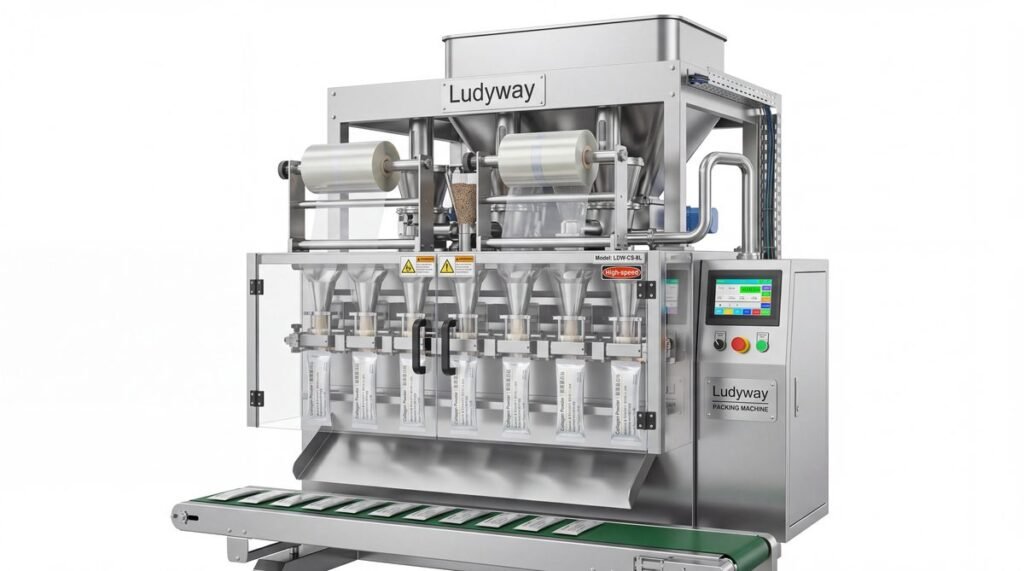
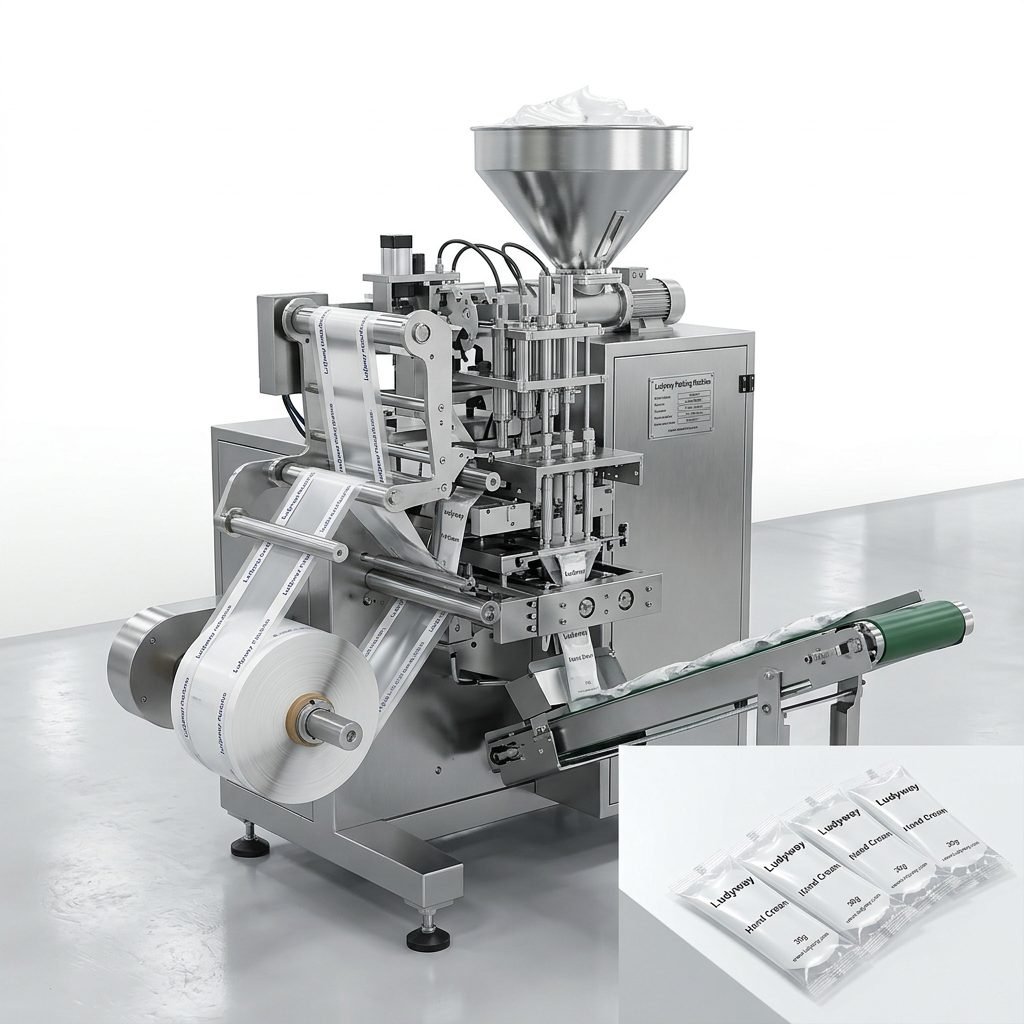
In today’s competitive manufacturing landscape, efficient and reliable packaging is crucial for product protection, shelf appeal, and operational productivity. Air seal packaging machines have emerged as a vital technology, especially for industries handling powders, granules, and other fine materials prone to contamination or spoilage. This guide explores the different types of air seal packaging machines, their key benefits, and provides a practical framework to help you select the ideal model for your production needs.
What is an Air Seal Packaging Machine?
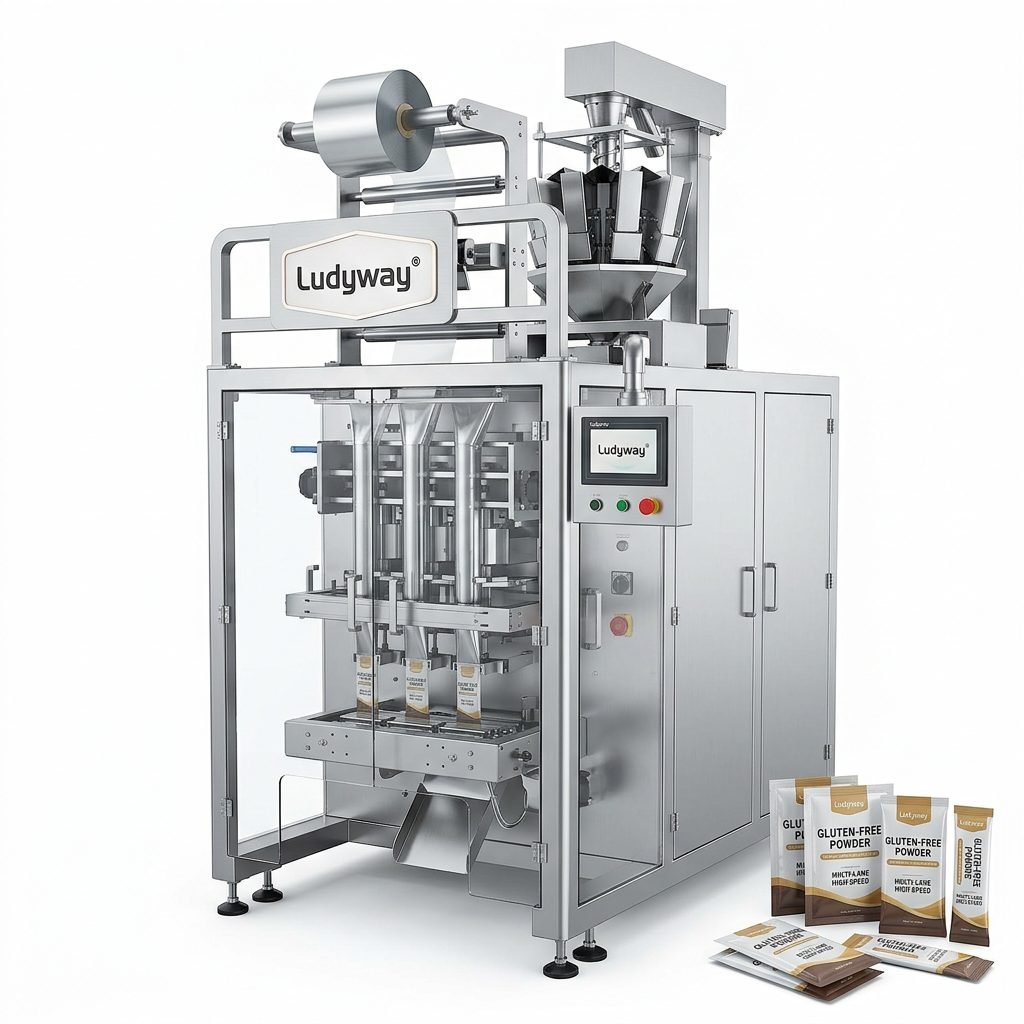
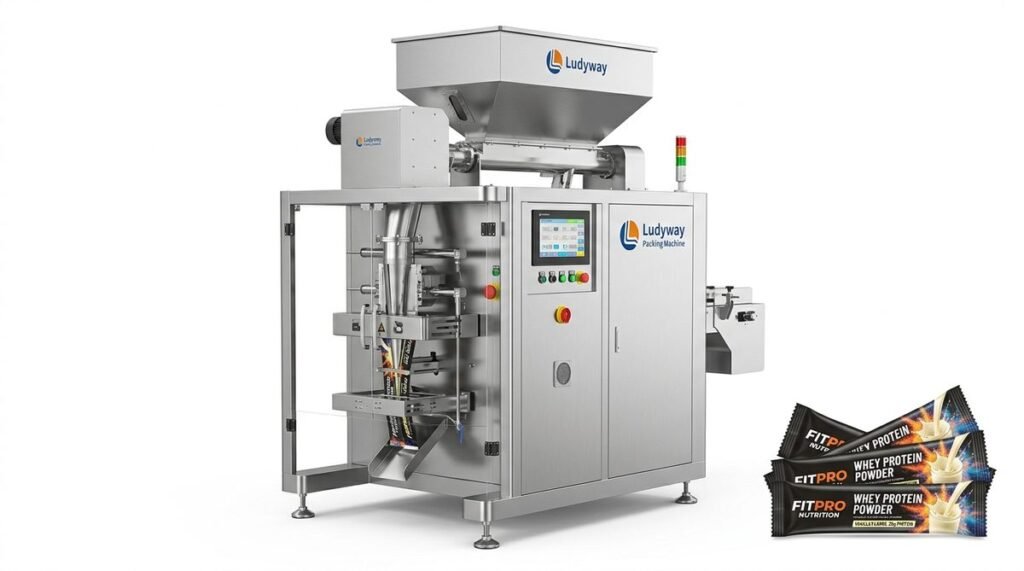
An air seal packaging machine is a specialized form of vertical form-fill-seal (VFFS) equipment. Its defining feature is a unique sealing mechanism that uses clean, filtered air to create a sterile environment in the sealing area during the packaging process. This prevents external contaminants—like dust, moisture, or microbes—from entering the package at the moment it is sealed. This technology is essential for maintaining product integrity, particularly for hygroscopic, volatile, or sterile products common in the food, pharmaceutical, and nutraceutical industries.
Core Working Principle
The process typically involves: Film forming into a tube, product dosing into the tube, and then sealing. During the sealing step, nozzles direct a curtain of purified air across the sealing jaws. This air barrier displaces ambient air, ensuring the final seal is made in a clean zone, drastically reducing the risk of packaged product contamination.
Main Types of Air Seal Packaging Machines
Choosing the right machine starts with understanding the available configurations. They are primarily categorized by their sealing mechanism and production scale.
1. Single-Tube Air Seal Machines
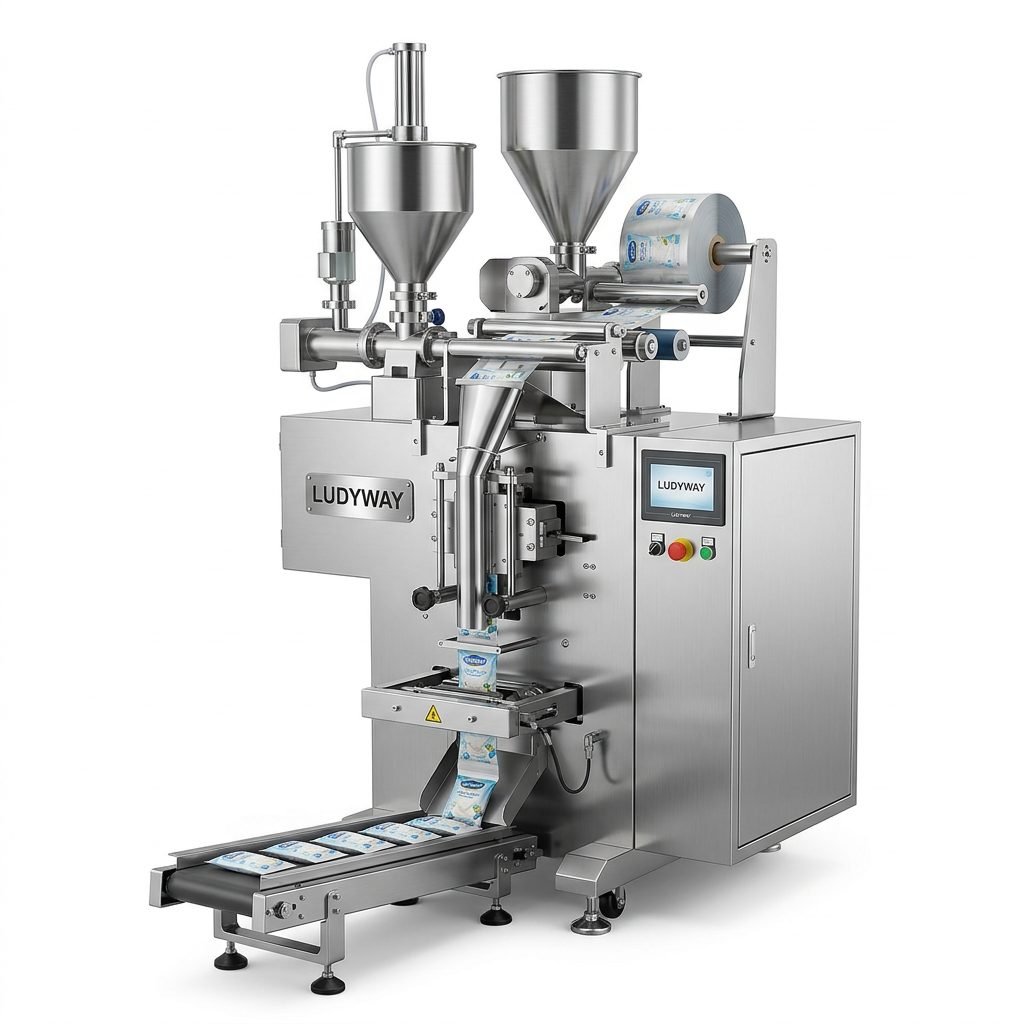
Ideal for small to medium-scale production or for packaging a single product type. They feature one set of forming tubes and sealing jaws. These machines are cost-effective, easier to maintain, and perfect for businesses with lower output requirements or those just integrating air seal technology.
2. Multi-Tube (Multi-Lane) Air Seal Machines
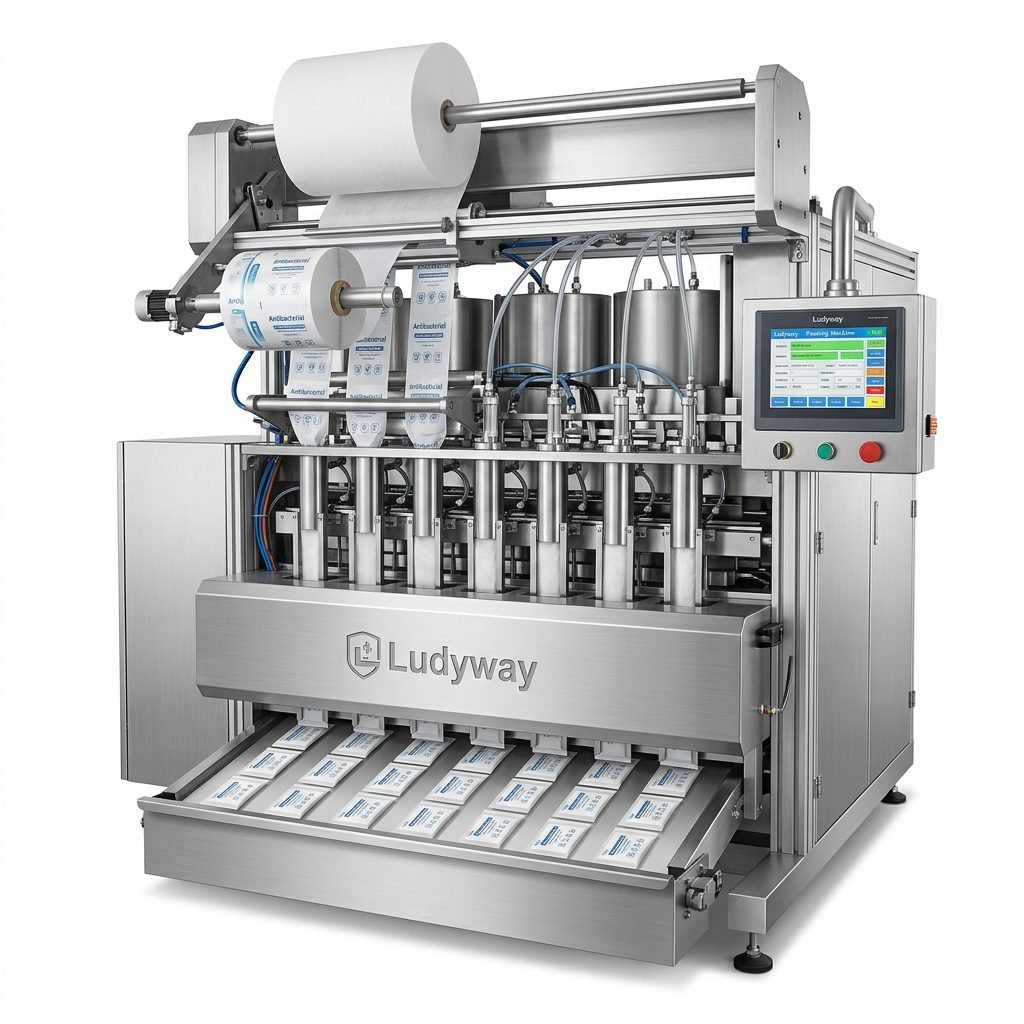
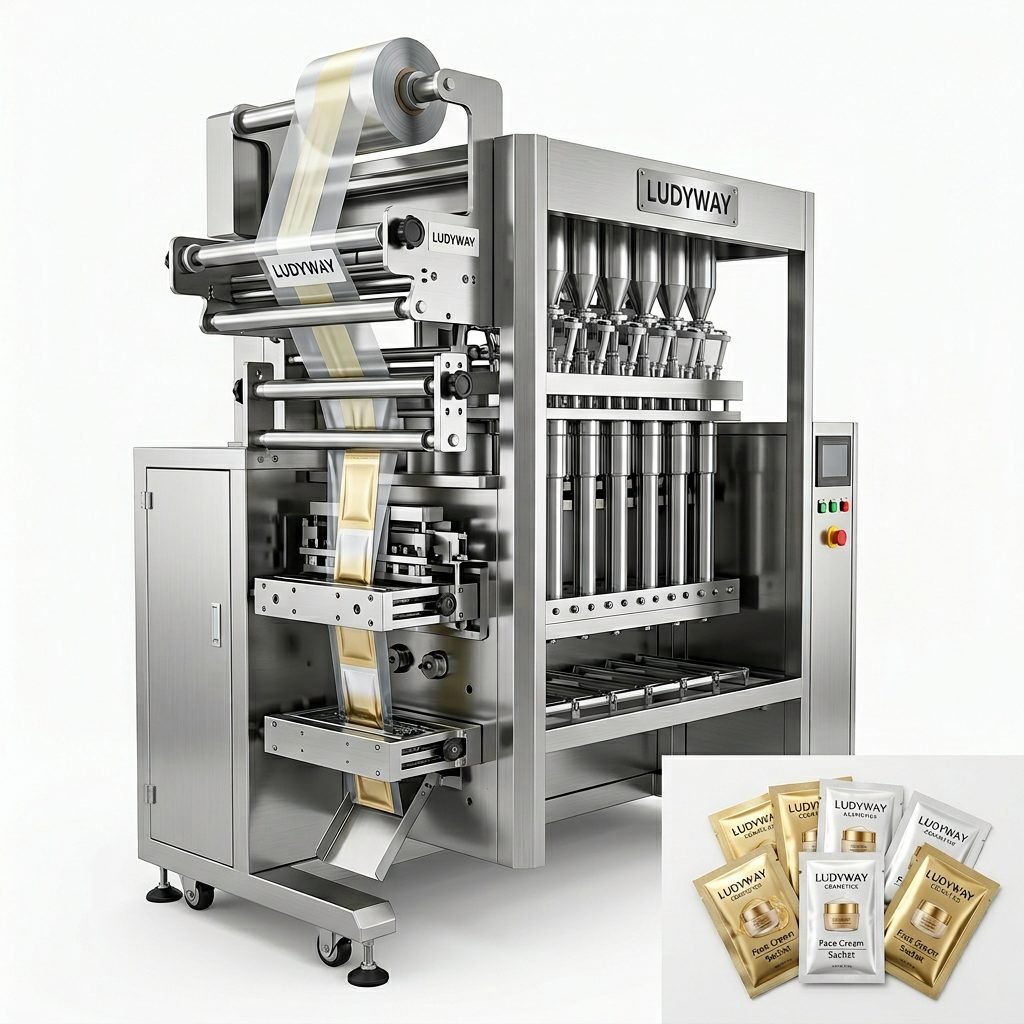
Designed for high-volume production. They incorporate multiple parallel tubes (e.g., 2, 4, 6, or more), allowing simultaneous packaging of several portions. This configuration significantly boosts output without increasing floor space proportionally. They are the go-to choice for large-scale manufacturers of items like instant drink sticks, seasoning sachets, or pharmaceutical powders.
3. Pouch Style Variations
Air seal technology can be applied to create different pouch styles, which often dictates the machine’s specific design:
- Stand-up Pouches (Doypack): Machines with specialized forming units to create stable, self-standing bags with an air-sealed top.
- Three-Side Seal & Four-Side Seal Pouches: Common for flat, pillow-type bags. Air seal ensures cleanliness in the final top seal.
- Stick Packs: Narrow, elongated pouches popular for single-serve products. Multi-lane stick pack machines with air seal are highly sought after for their hygiene and efficiency.
Key Benefits of Implementing Air Seal Technology
Enhanced Product Protection & Shelf Life
The primary advantage is superior contamination control. By sealing in a clean air environment, the machine prevents oxidization, moisture ingress, and microbial contamination at the most critical point. This directly translates to extended shelf life, preserved flavor, aroma, and potency, and reduced product waste and customer complaints.
Improved Packaging Integrity: The consistent, clean sealing environment leads to stronger, more reliable seals with fewer leakers. This reduces downtime for seal checks and repackaging, improving overall line efficiency.
Compliance with Industry Standards: For industries with strict hygiene regulations—such as pharmaceuticals, dietary supplements, and certain food categories—air seal machines provide a tangible engineering control to meet Good Manufacturing Practice (GMP) and food safety standards.
Operational Efficiency: Modern air seal machines are fully automated, integrating seamlessly with upstream feeders and downstream handling systems. This automation minimizes labor costs, increases output speed, and ensures consistent packaging quality batch after batch.
How to Choose the Right Air Seal Packaging Machine
Selecting the correct machine is a strategic investment. Here is a step-by-step framework to guide your decision.
Step 1: Analyze Your Product Characteristics
This is the most critical factor. Define your product’s physical state (fine powder, granules, flakes), flowability, density, and any special sensitivities (hygroscopic, aromatic, sterile). The machine’s dosing system (auger, volumetric cup, pump) must be precisely matched to your product for accurate filling. For instance, a highly fluid powder may require a specialized auger design with an air seal to prevent dusting.
Step 2: Determine Your Production Requirements
- Output Speed (Pouches/Minute): Calculate your required daily/weekly output. Single-tube machines may produce 40-120 bags/min, while multi-lane systems can exceed 600 bags/min.
- Pouch Size & Style: Define your bag dimensions (length, width) and style (stand-up, stick pack, pillow). Ensure the machine’s forming range accommodates your needs and allows for future flexibility.
Step 3: Evaluate Packaging Material Compatibility
The machine must reliably handle your chosen film structure (e.g., PET/AL/PE, OPP/MPET/PE). Check the machine’s sealing temperature range, jaw pressure control, and its ability to run recyclable or compostable films if sustainability is a goal. The air seal system itself must be compatible with the film to avoid disturbing it during the sealing process.
Step 4: Assess Machine Features & Automation Level
Look for features that enhance performance and ease of use:
✔ User-Friendly HMI (Human-Machine Interface): A touchscreen PLC for easy recipe storage, changeover, and diagnostics.
✔ Quick Changeover Systems: Tool-less adjustments for faster product switches, reducing downtime.
✔ Integrated Checkweigher or Metal Detector: For in-line quality control.
✔ Robust Construction & Brand Reputation: A machine built with quality components (e.g., Japanese servos, German guides) from a reputable supplier like Ludyway Machinery ensures longevity and reliability.
Step 5: Consider After-Sales Support and Service
The machine is a long-term asset. Prioritize suppliers who offer comprehensive installation, training, readily available spare parts, and responsive technical support. A provider with deep application expertise, such as one with over 30 years of industry experience, can be an invaluable partner for troubleshooting and optimizing your packaging line.
Step 6: Plan for Integration and Future Growth
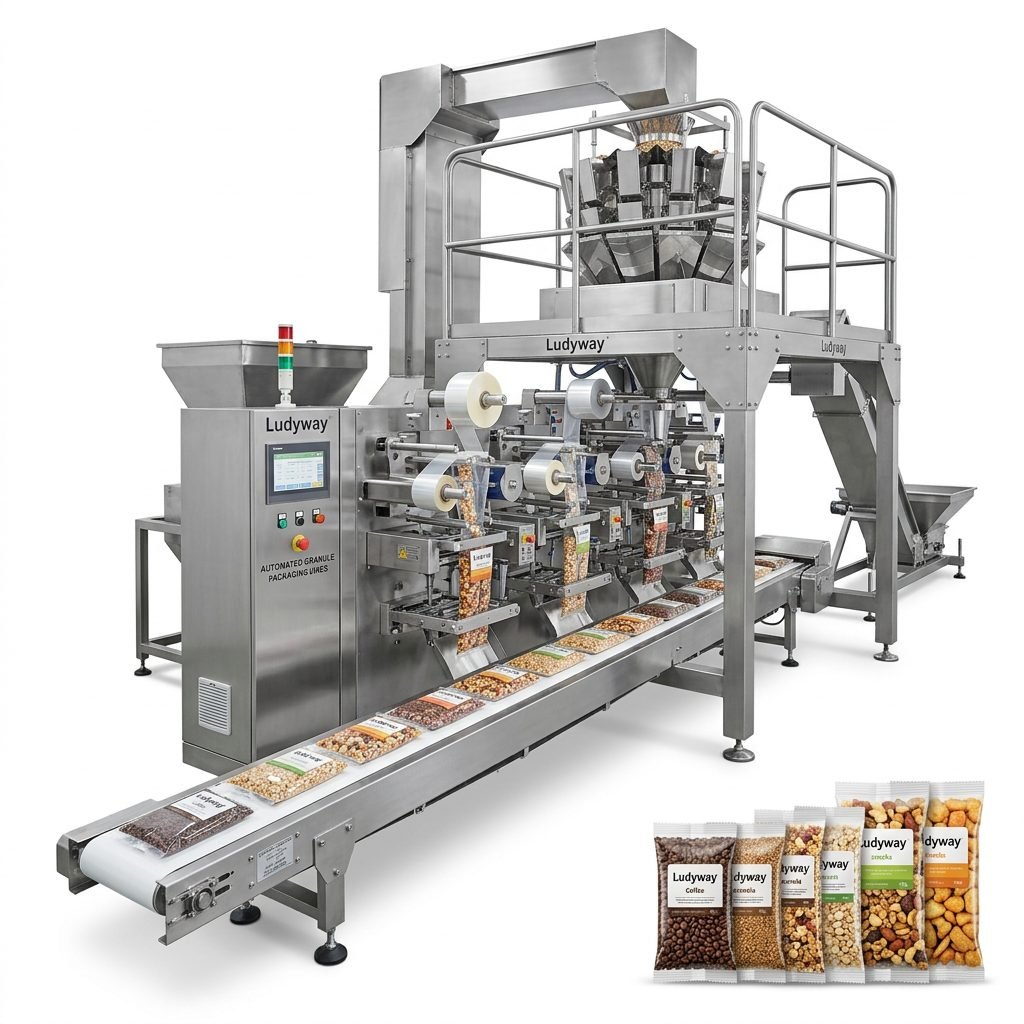
Consider how the machine will fit into your existing line. Does it interface with your feeders, conveyors, and cartoning systems? Furthermore, consider a machine with some capacity headroom or modular design to accommodate future increases in demand without requiring a complete replacement. Exploring complete turnkey production solutions can streamline this process.
Conclusion
Investing in an air seal packaging machine is a decisive step toward achieving higher product quality, operational efficiency, and regulatory compliance. By thoroughly understanding the types available, recognizing their significant benefits for product protection, and methodically evaluating your specific needs against the selection criteria outlined, you can make a confident investment that will pay dividends in product integrity and production performance for years to come. Partnering with an experienced equipment provider ensures you get not just a machine, but a solution tailored to your success.
Frequently Asked Questions (FAQs)
1. What industries benefit most from air seal packaging machines?
They are critical in industries where product purity, dryness, and sterility are paramount. This includes pharmaceuticals (powdered medications, supplements), food (spices, instant drinks, dairy powders), nutraceuticals, and high-value industrial chemicals.
2. Can an air seal machine handle liquid products?
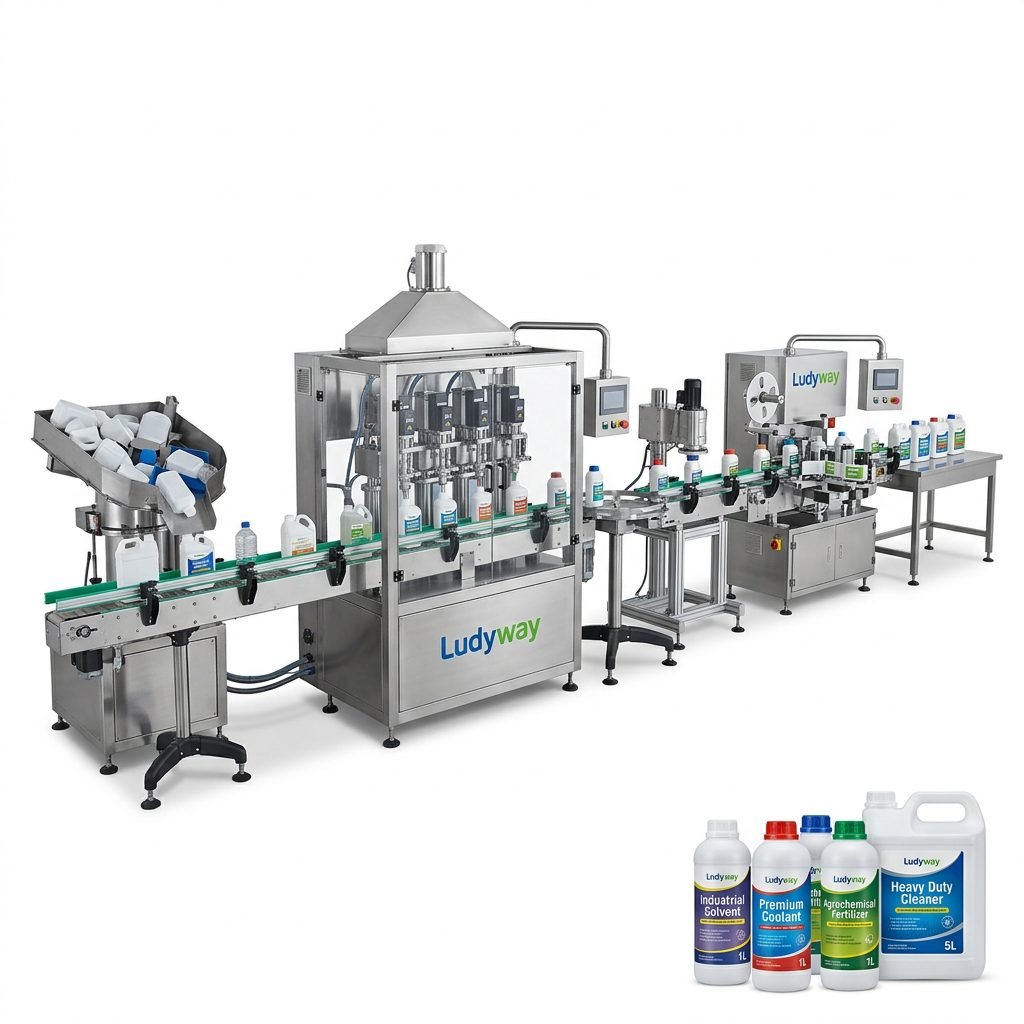
Yes, but it requires a specific configuration. Liquid filling nozzles must be integrated, and the machine design must prevent liquid from interfering with the air curtain and sealing jaws. Machines designed for liquid packaging applications will have the appropriate safeguards and dosing systems.
3. How significant is the maintenance for the air filtration system?
Maintenance is straightforward but essential. Filters (often HEPA-grade) need regular inspection and replacement as per the manufacturer’s schedule to ensure air purity. This is a simple preventive task that is crucial for maintaining the machine’s core protective function.
4. Is the changeover between different products complicated?
It depends on the machine’s design. Modern machines with digital servo drives and recipe memory allow for quick changeovers—often in under 15-30 minutes. Features like tool-less adjustments for forming tubes and jaw widths significantly simplify the process compared to older mechanical machines.
5. What is the typical ROI (Return on Investment) for such equipment?
ROI varies based on saved product (from reduced waste and spoilage), increased output, lower labor costs, and reduced customer returns. Many operations see a full return on investment within 12-24 months due to these combined efficiencies and quality improvements. A detailed analysis with your equipment supplier can provide a more accurate projection.