In today’s fast-paced e-commerce landscape and demanding manufacturing environments, efficiency is paramount. High‑efficiency packaging machines are no longer a luxury but a necessity for businesses aiming to scale, reduce costs, and maintain product integrity. This guide delves into the world of advanced packaging automation, exploring popular models, pricing considerations, and a comprehensive buying guide to help you select the perfect machine for your operation.
Why Invest in High‑Efficiency Packaging Machinery?
The shift towards automation is driven by tangible benefits that directly impact the bottom line. Modern packaging systems offer unparalleled speed, consistency, and material savings compared to manual or semi‑automatic processes.
Key Advantages:
→ Increased Output: Machines can operate 24/7, dramatically boosting production capacity to meet high-volume orders, especially crucial for e‑commerce fulfillment during peak seasons.
→ Reduced Labor Costs: Automation minimizes reliance on manual labor for repetitive tasks, allowing staff to focus on quality control and more complex operations.
→ Enhanced Product Consistency: Every package is sealed with identical precision, improving brand presentation and reducing waste from errors.
→ Improved Hygiene & Safety: Closed systems are ideal for food, pharmaceutical, and health products, minimizing contamination risk.
Popular Models for Diverse Applications
The right machine depends entirely on your product format and production goals. Here’s a breakdown of prevalent high‑efficiency models.
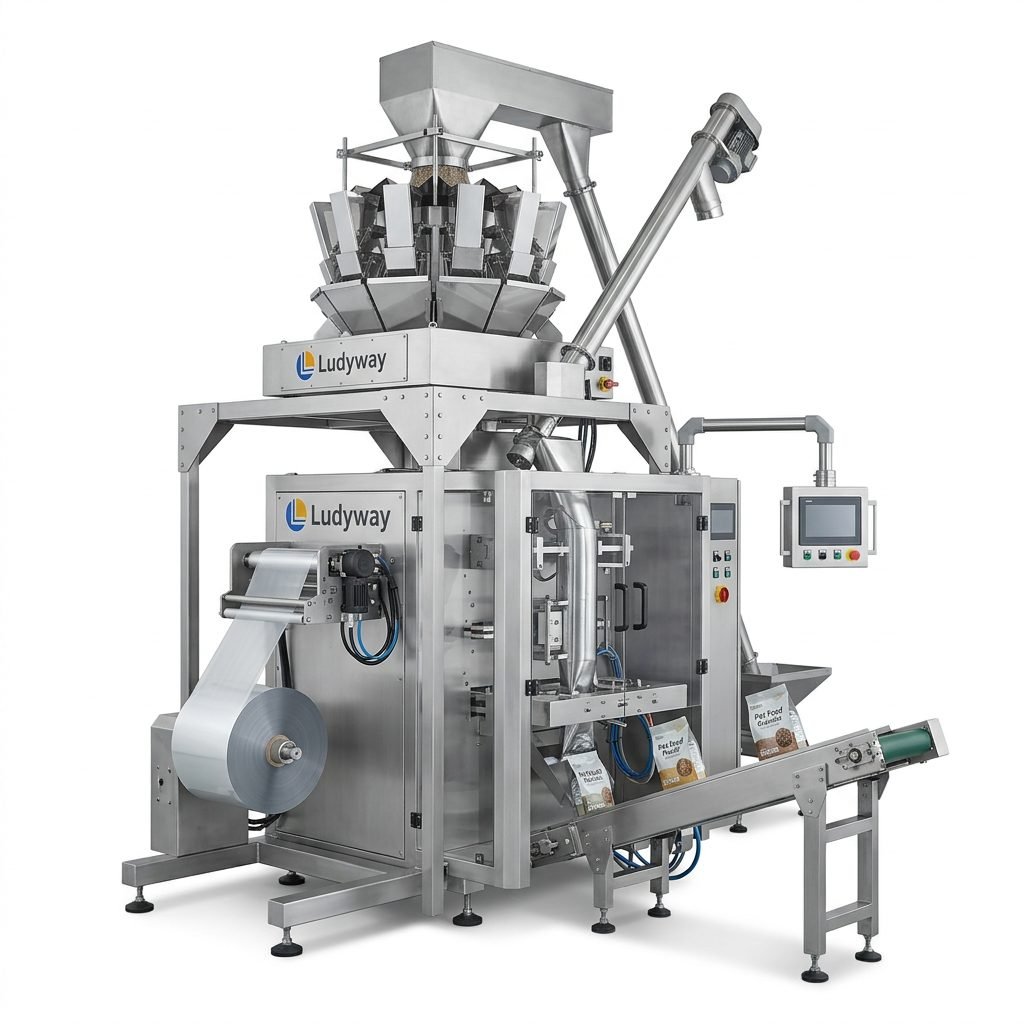
Vertical Form‑Fill‑Seal (VFFS) Machines
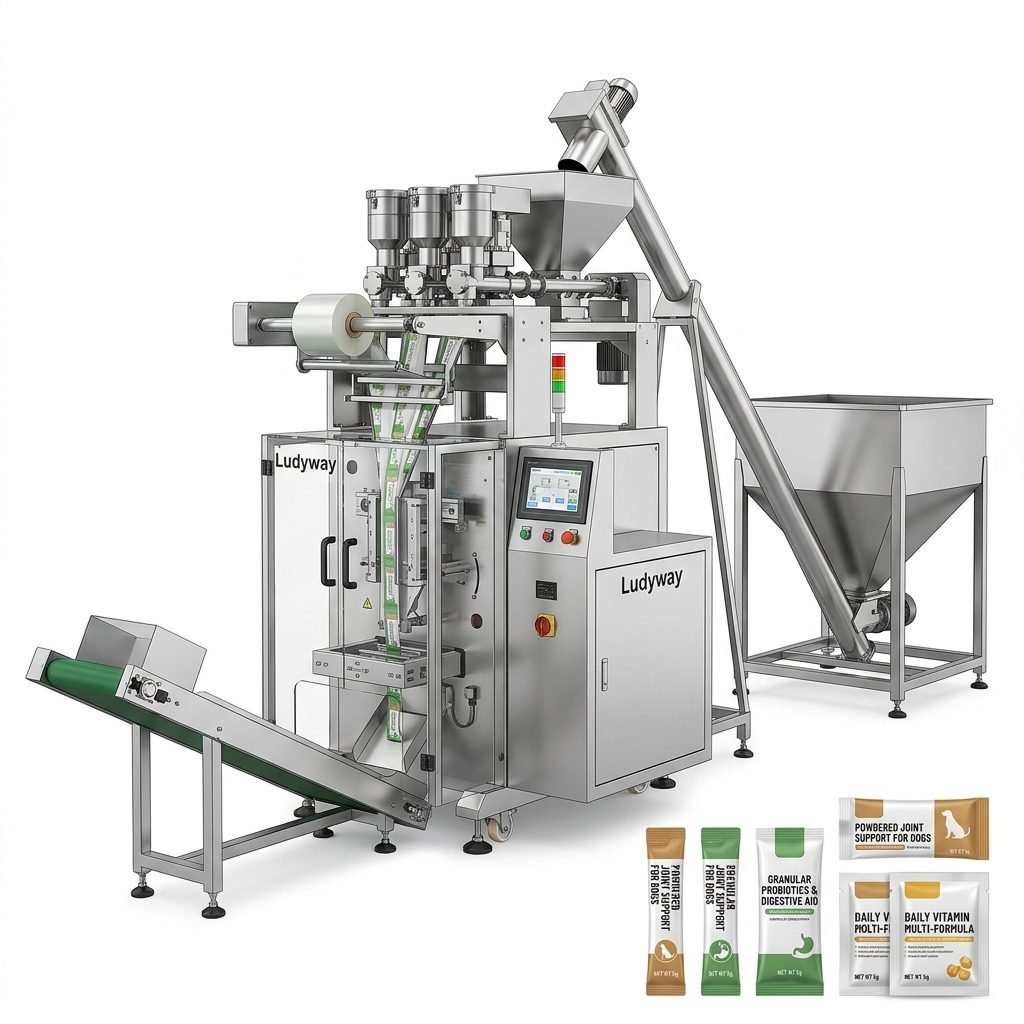
The workhorse of the packaging industry, VFFS machines are incredibly versatile. They form bags from a roll of film, fill them with product, and seal them in one continuous motion. Ideal for granules, powders, snacks, and hardware items.
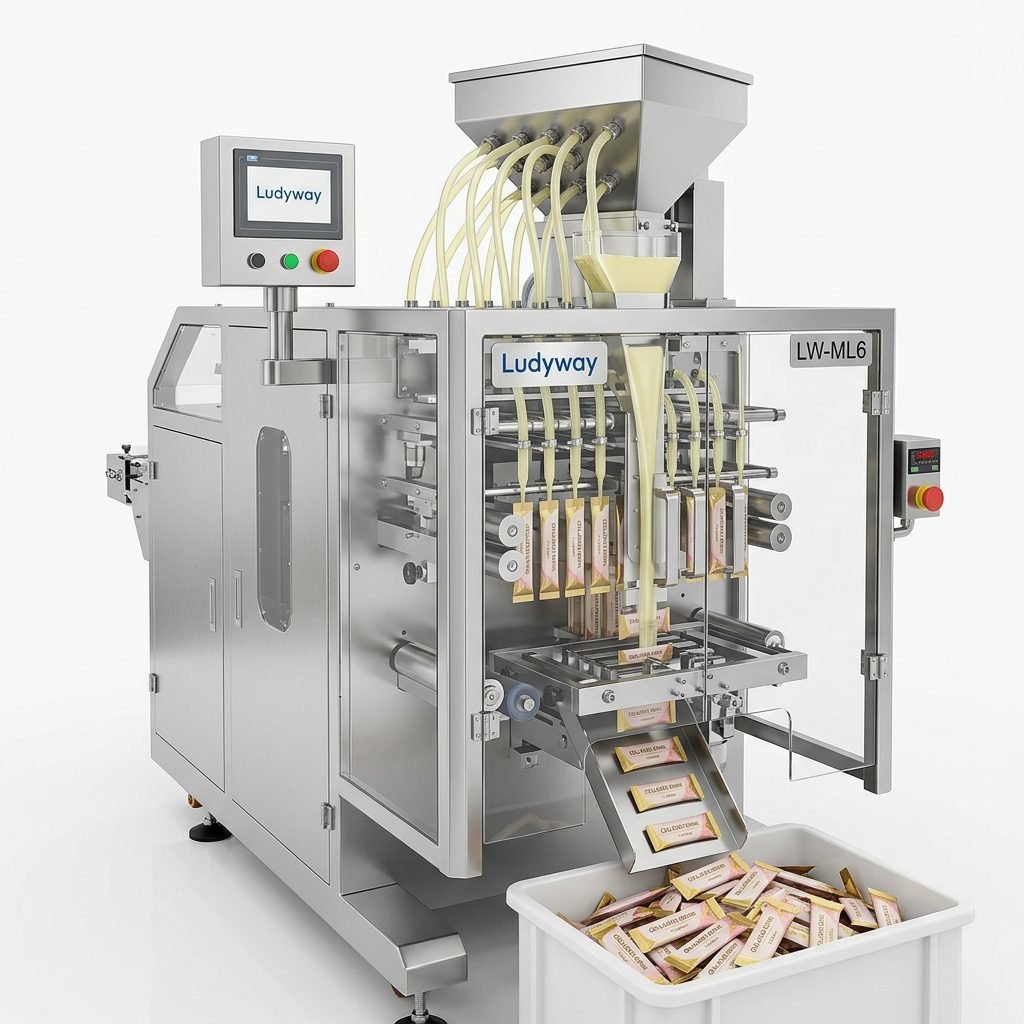
Multi‑Lane Stick Pack & Sachet Machines
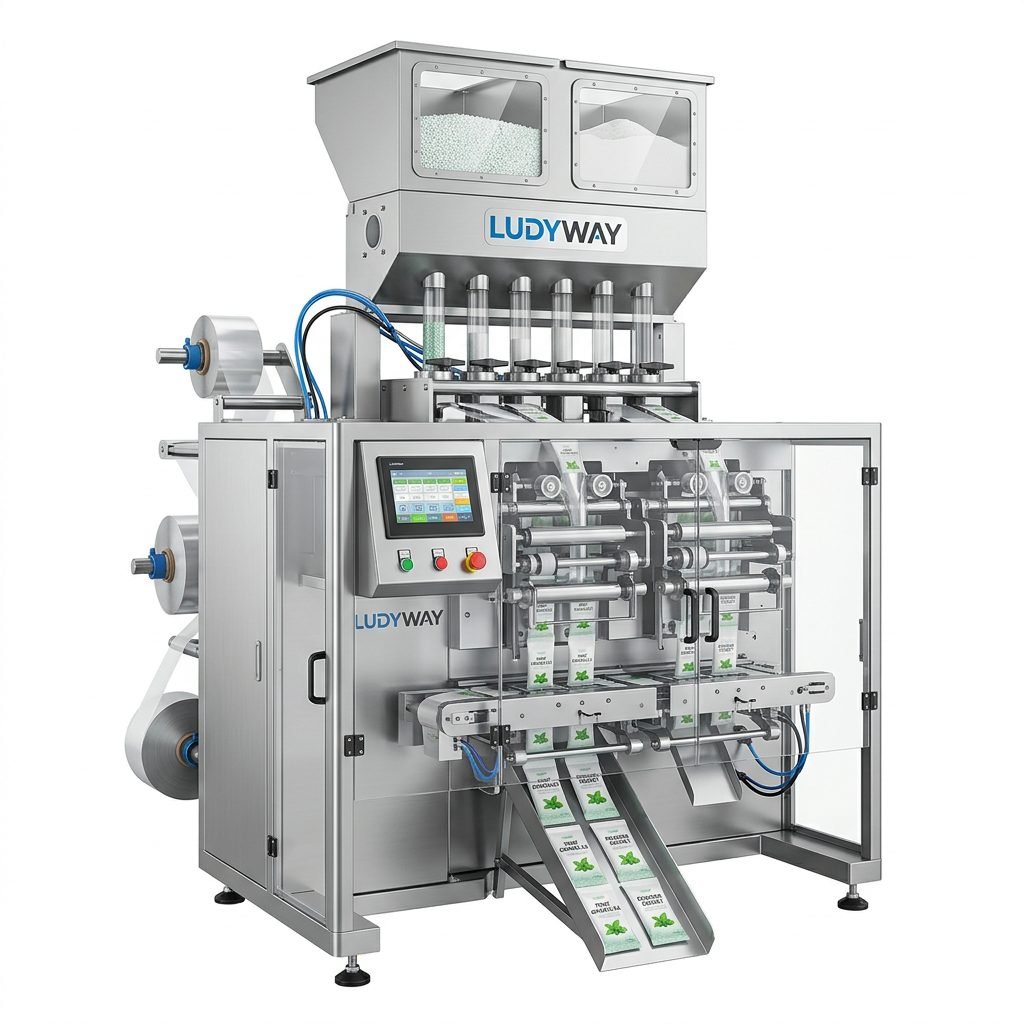
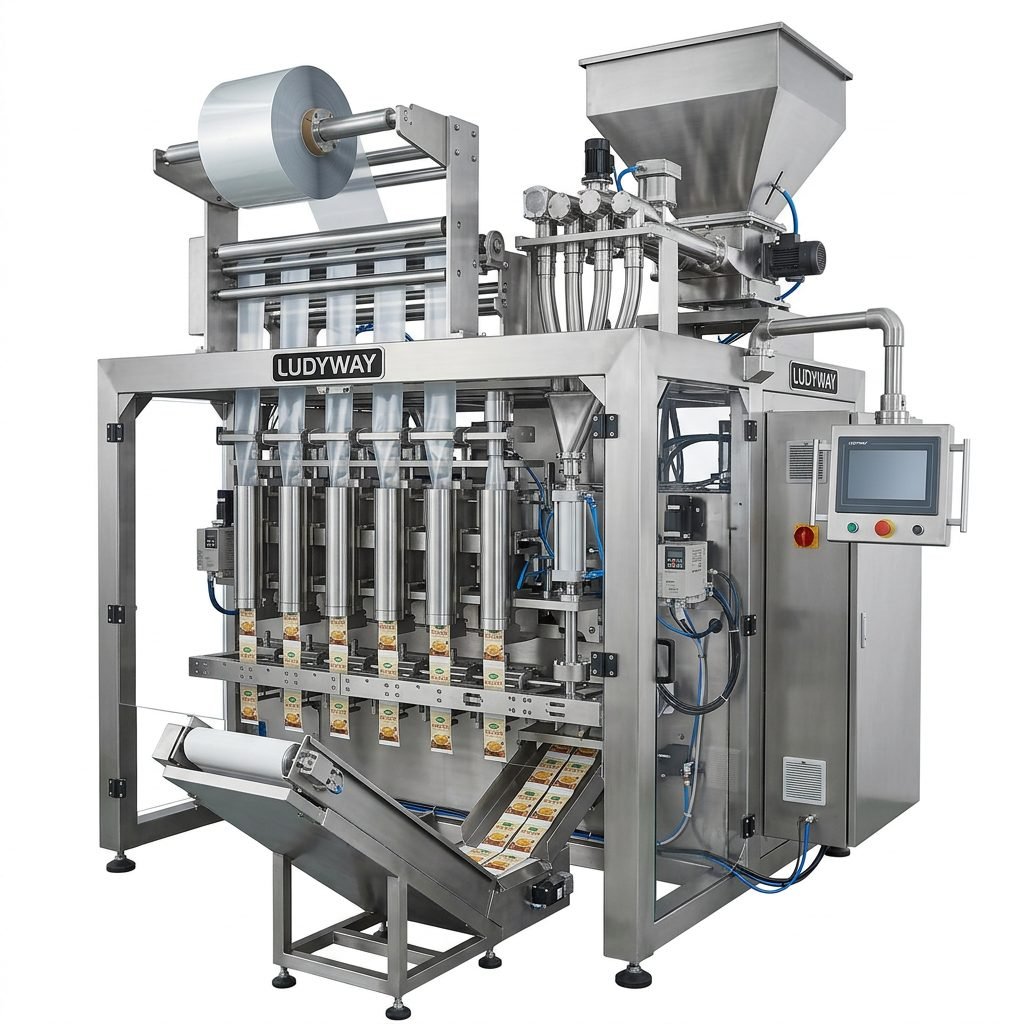
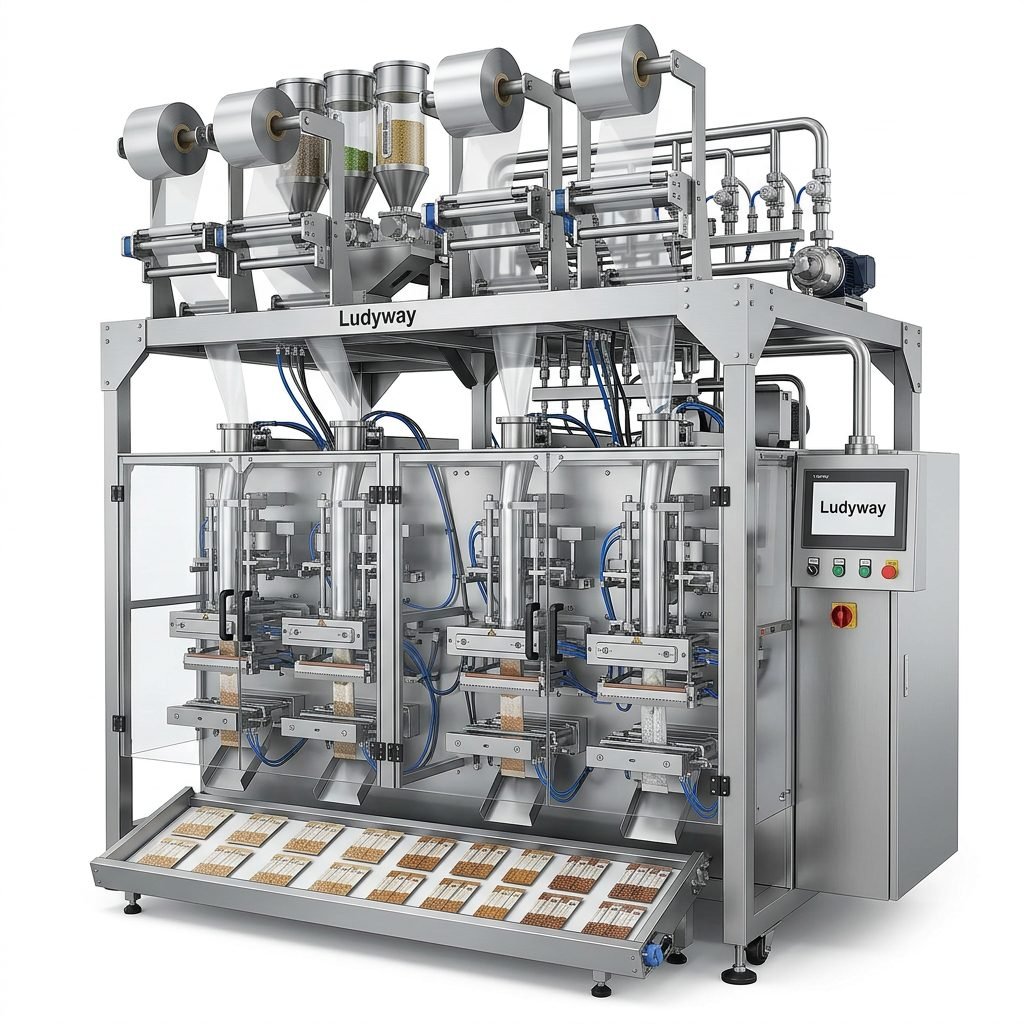
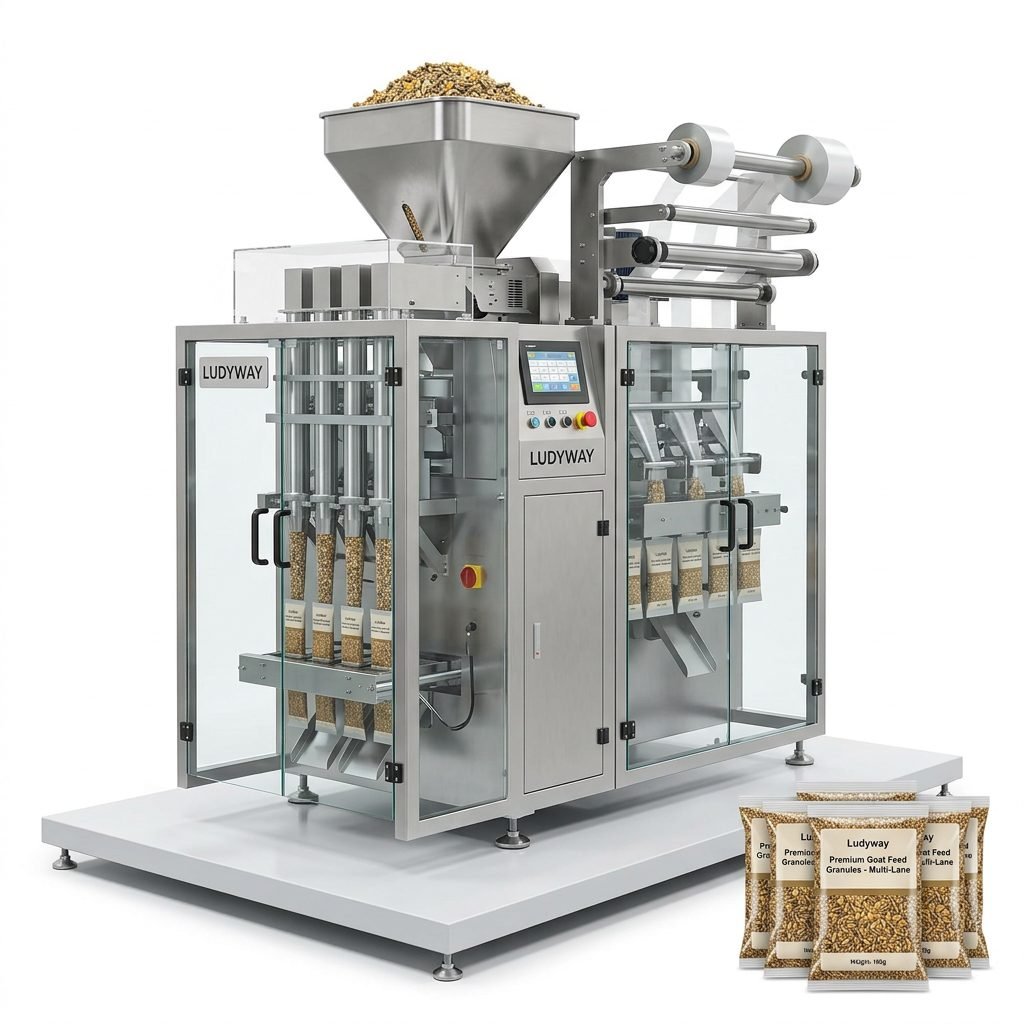
Designed for ultra‑high‑speed packaging of small portions, these machines feature multiple lanes operating simultaneously. Perfect for coffee, sugar, condiments, pharmaceutical powders, and single‑serve supplements. They are a top choice for manufacturers supplying the e‑commerce subscription box market.
Liquid & Pouch Packaging Machines
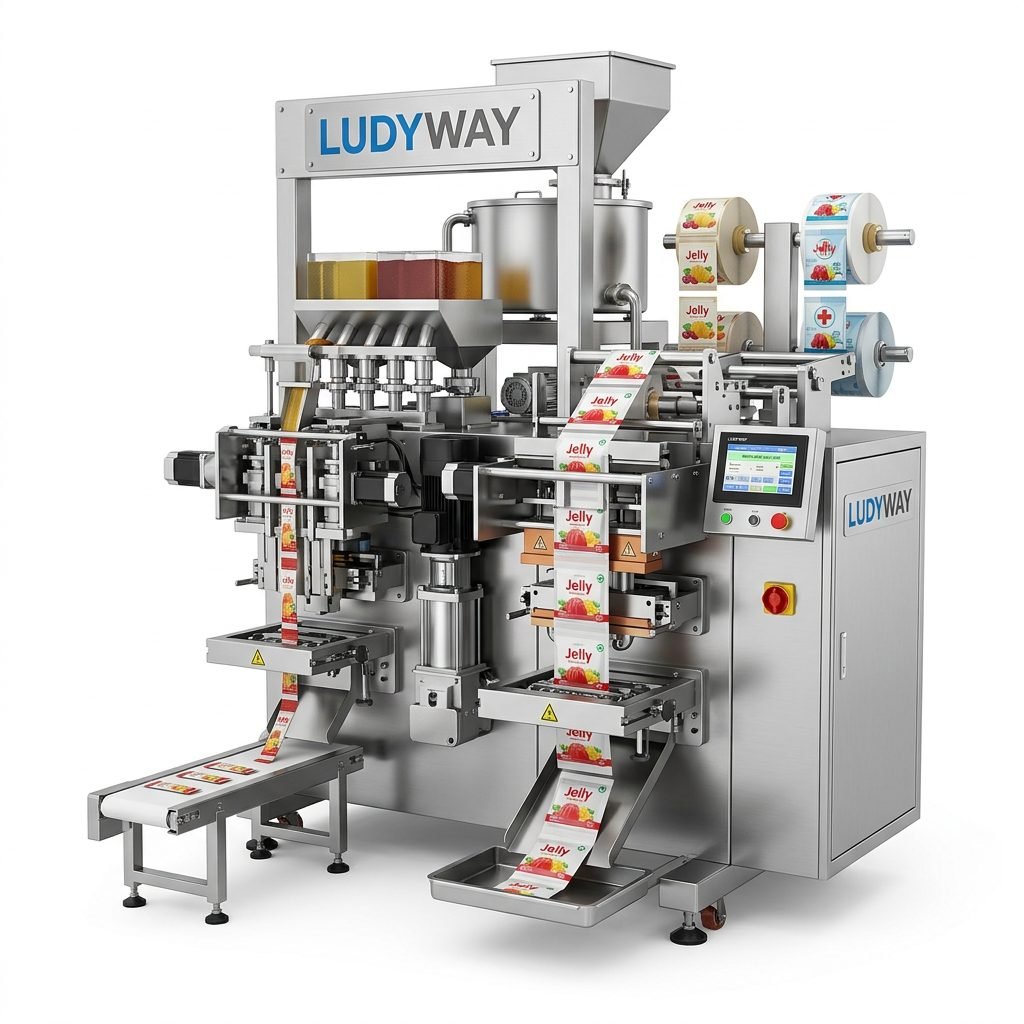
These systems handle liquids, gels, and pastes with precision, creating stand‑up pouches or flat sachets. Advanced models offer aseptic filling capabilities. Essential for sauces, dairy products, shampoos, and hand sanitizers.
Understanding Pricing: From Investment to ROI
Pricing for high‑efficiency packaging machines varies widely based on complexity, speed, and customization. It’s an investment where upfront cost should be evaluated against long‑term return.
Price Range Overview
Entry‑Level / Semi‑Automatic: $10,000 – $30,000. Suitable for low‑volume startups or specific manual‑feed applications.
Mid‑Range / Standard Automatic: $30,000 – $80,000. The most common range for robust, single‑lane automatic machines with good speed and reliability.
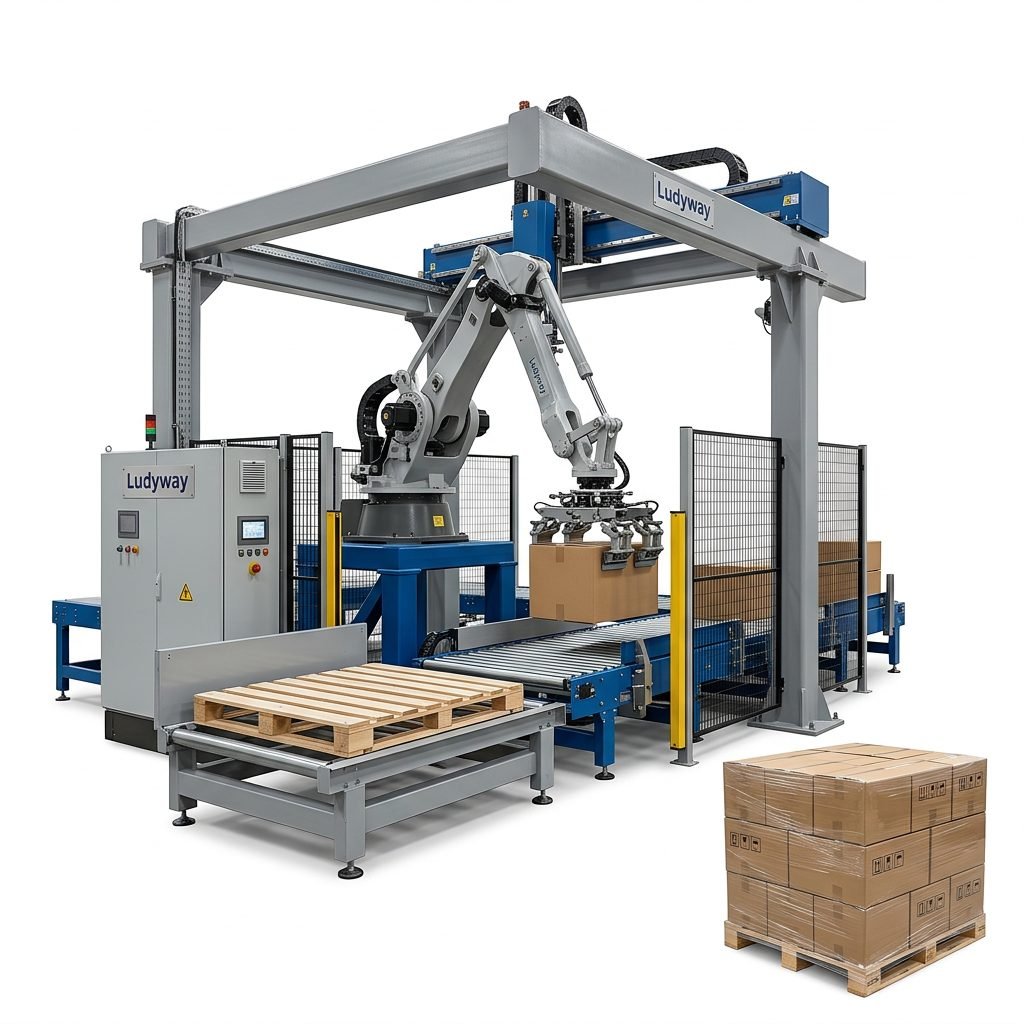
High‑End / Fully Automated Lines: $80,000 – $250,000+. Includes multi‑lane systems, integrated weighing & vision systems, robotic palletizing, and complete turnkey solutions for large‑scale manufacturing.
Factors influencing price include production speed (bags per minute), level of automation, material compatibility, and after‑sales service packages. Partnering with a provider offering comprehensive support can prevent costly downtime.
Your Essential Buying Guide
Selecting a machine requires careful analysis of your current and future needs. Follow this step‑by‑step guide to make an informed decision.
Step 1: Define Your Product & Output Requirements
Clearly outline your product’s physical characteristics (size, weight, form) and your target production volume. Don’t just buy for today’s needs; plan for 2‑3 years of growth. A machine operating at 80% of its capacity is more sustainable than one constantly at 100%.
Step 2: Evaluate Machine Features & Flexibility
Look for features that add value: quick‑changeover mechanisms for different package sizes, user‑friendly HMI (Human‑Machine Interface) screens, and robust construction from stainless steel or other durable materials. Flexibility to handle a range of packaging films is a plus.
Step 3: Assess Supplier Credibility & Support
The machine is only as good as the company behind it. Investigate the supplier’s industry experience, manufacturing capabilities, and reputation. Key questions to ask:
- Do you offer installation and on‑site training?
- What is the warranty period and what does it cover?
- How readily available are spare parts, and what is the typical response time for technical support?
Companies with deep expertise, like Ludyway Machinery, which brings over 30 years of industry experience, often provide more reliable long‑term partnerships and tailored solutions.
Step 4: Consider Total Cost of Ownership (TCO)
Look beyond the purchase price. Calculate TCO by factoring in energy consumption, maintenance costs, required operator skill level, and potential costs for future upgrades or modifications.
Step 5: Request a Live Demo or Trial
Always test the machine with your actual product and packaging material. A live demo reveals how the machine performs in real‑world conditions and is the best way to verify speed, accuracy, and ease of use.
Integration with E‑Commerce & Manufacturing Workflows
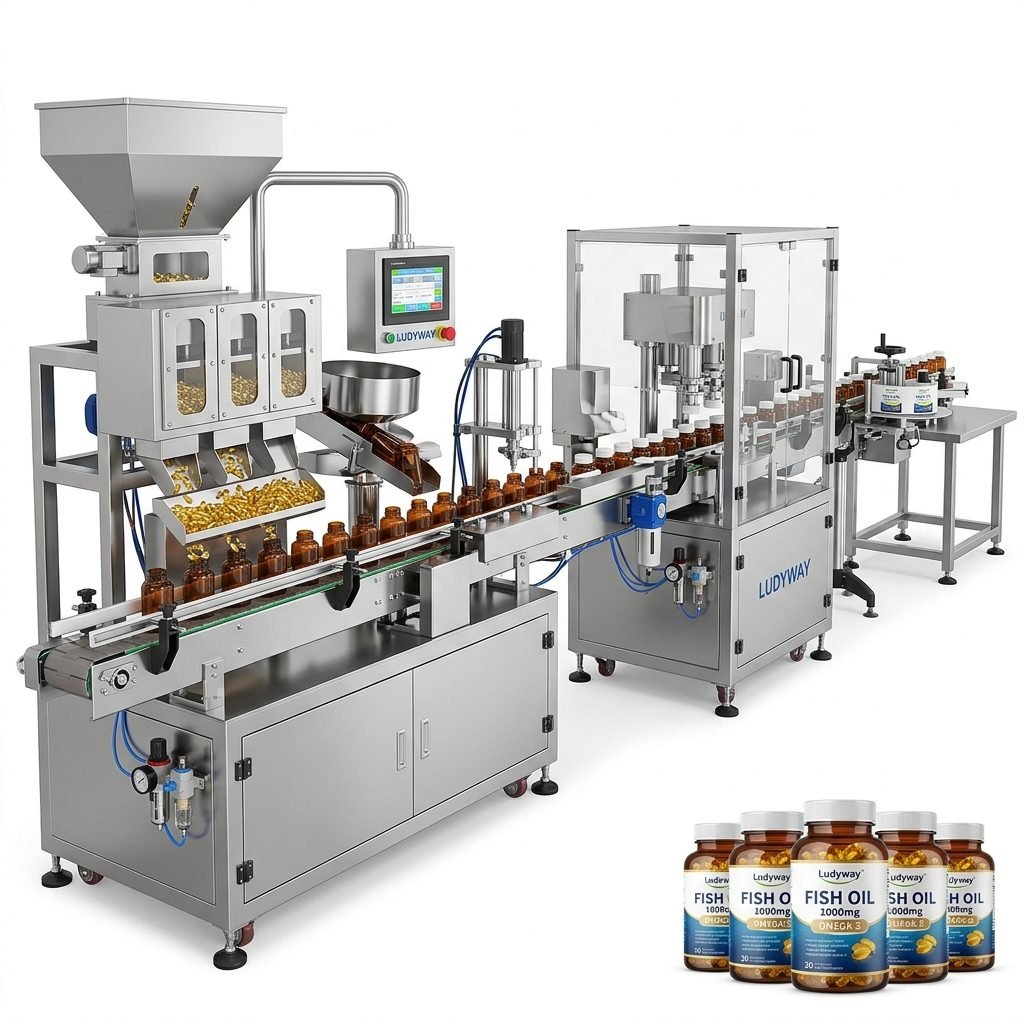
For e‑commerce, packaging speed and adaptability are critical. Machines that easily switch between product SKUs help manage diverse inventories. In manufacturing, integration with upstream (filling, weighing) and downstream (cartoning, palletizing) equipment via PLC controls is vital for a seamless production line. Exploring turnkey production solutions from a single provider can streamline this integration significantly.
Final Checklist Before Purchase
✓ Machine specifications match your product’s weight, dimensions, and material type.
✓ Output speed meets your peak demand forecasts with room for growth.
✓ Supplier provides clear documentation, training, and a responsive support plan.
✓ You understand the full installation requirements (space, power, air supply).
✓ The return on investment (ROI) timeline is calculated and acceptable.
Frequently Asked Questions (FAQs)
1. What is the typical lead time for a high‑efficiency packaging machine?
Lead times vary from 8 to 20 weeks for standard models, depending on complexity and manufacturer backlog. Customized or turnkey lines may require longer. Always confirm timelines with your supplier during the quotation process.
2. Can one machine handle different types of packaging materials?
Many modern machines are designed to handle a range of heat‑sealable laminates (e.g., PET/PE, ALU/PE). However, switching between very different materials (like paper and foil) may require adjustments or different sealing jaws. Discuss your material portfolio with the supplier.
3. How important is after‑sales service, and what should it include?
It is critically important. Reliable after‑sales service should include comprehensive operator training, detailed machine manuals, a readily available inventory of common spare parts, and access to remote or on‑site technical support to minimize unplanned downtime.
4. What are the key differences between a “standard” and a “high‑efficiency” machine?
While “standard” automates the basic process, “high‑efficiency” models focus on maximizing output and minimizing waste. This is achieved through features like higher speeds, more precise servo motors, integrated check‑weighers, automatic rejection systems, and advanced diagnostics for predictive maintenance.
5. Is it better to buy a machine locally or from an international supplier?
This depends on your location and the supplier’s network. International suppliers often offer more advanced technology and competitive pricing. The key is to choose a supplier with a proven track record of supporting clients in your region, with clear channels for communication, parts supply, and service. A global supplier with a strong support framework can be an excellent choice.