In the competitive bakery industry, the final presentation of your product is as crucial as its taste and quality. The right packaging not only protects your baked goods but also enhances their appeal, ensures freshness, and communicates your brand’s values to the customer. Selecting the appropriate bakery product packaging machine is a critical investment that directly impacts operational efficiency, product consistency, and overall profitability. This guide provides a comprehensive overview of the types of packaging systems available, their key features, and a structured approach to choosing the right system for your bakery’s specific needs.
Types of Bakery Product Packaging Machines
The bakery sector utilizes a variety of packaging formats, each requiring specialized machinery. Understanding these types is the first step in your selection process.
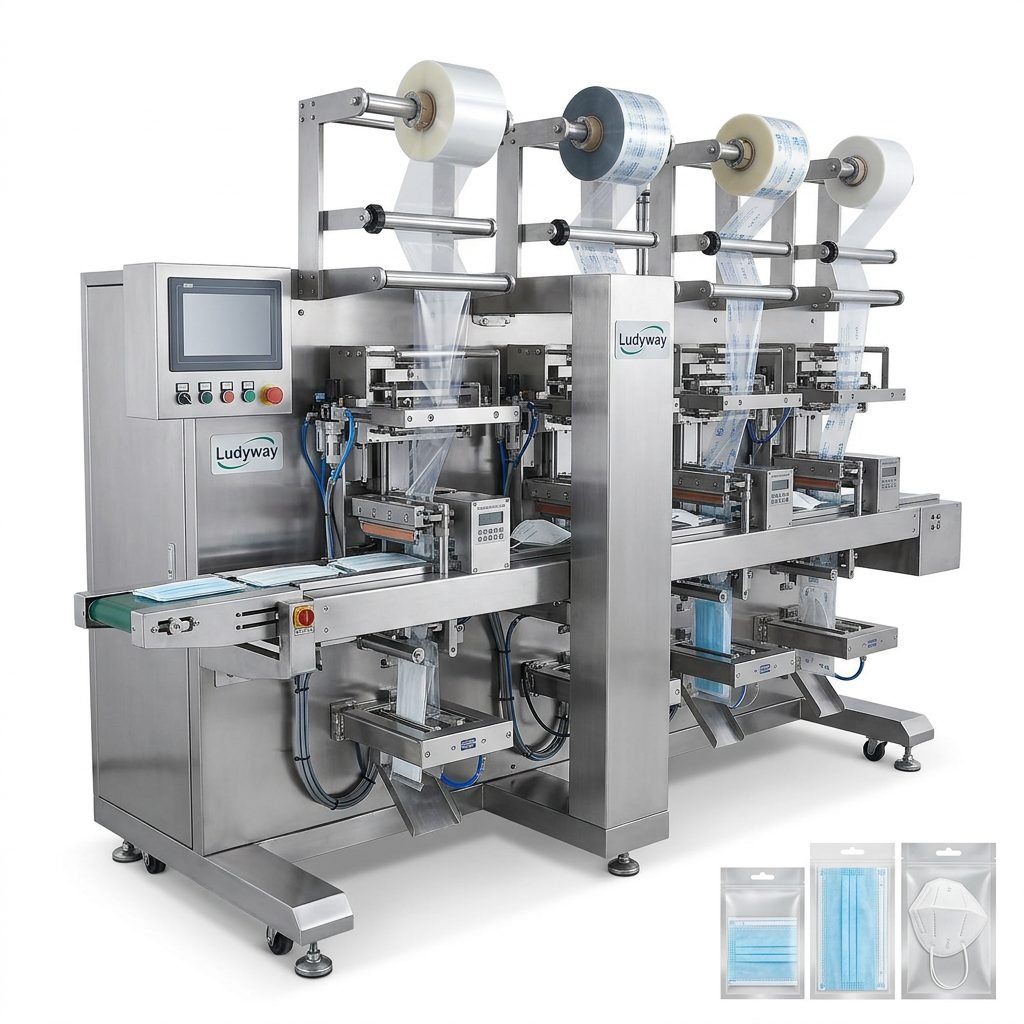
1. Flow-Wrap (Horizontal Wrapping) Machines
These machines are ubiquitous in bakeries for wrapping individual items like bread rolls, muffins, cookies, and bars. The product is fed horizontally into a continuous film web, which is then formed around it, sealed, and cut. They offer high-speed operation and are ideal for uniform, solid products.
Key Applications: Individual pastries, wrapped breads, snack bars, and biscuits.
2. Vertical Form-Fill-Seal (VFFS) Machines
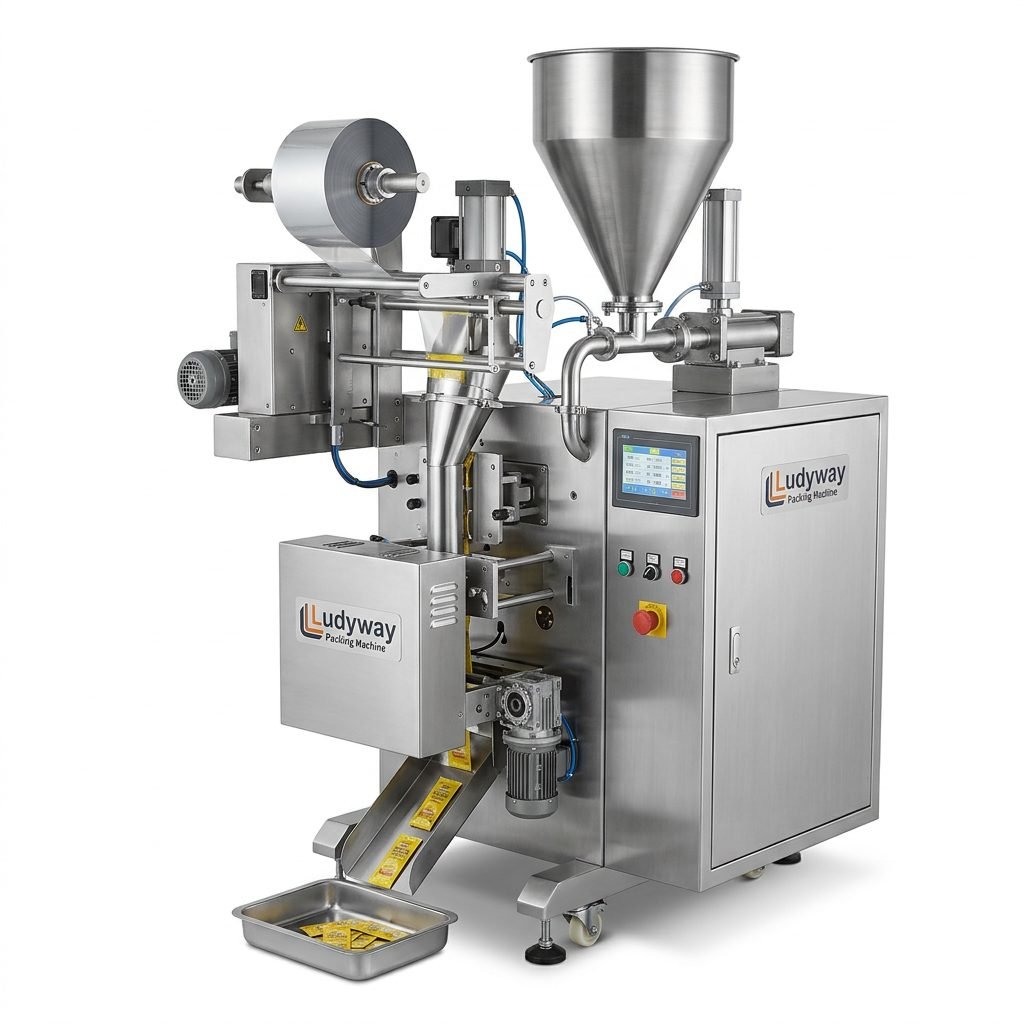
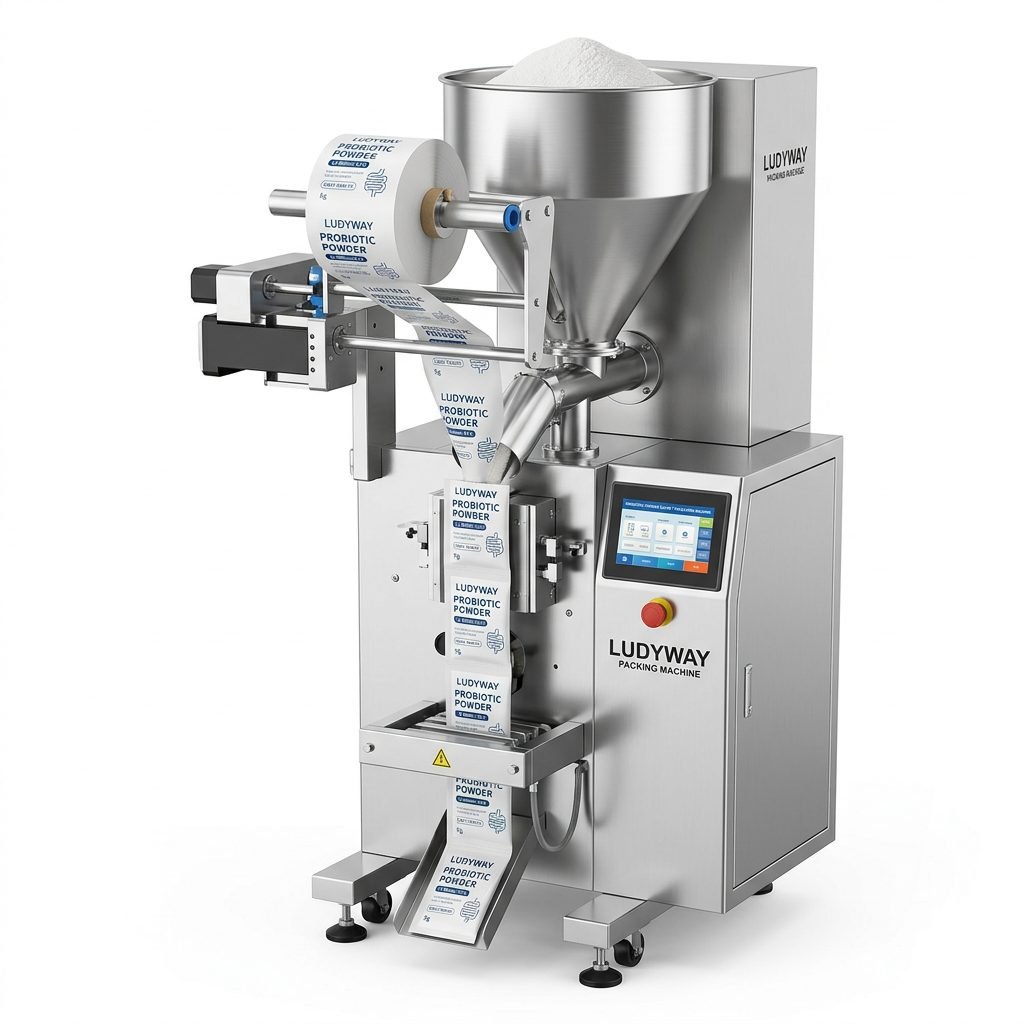
VFFS machines are designed for packaging free-flowing or semi-flowing bakery products into bags or pouches. The film is formed vertically into a tube, the product is filled into it, and then it is sealed and cut. This type is perfect for items like cake mixes, bread crumbs, cookie dough balls, or granola.
Key Applications: Powdered mixes, granular toppings, small baked pieces for bulk sale, and frozen dough.
3. Tray Sealing & Overwrapping Machines
For premium bakery items, cakes, pies, or delicate pastries that require protection and presentation, tray sealing systems are essential. The product is placed in a pre-formed plastic or cardboard tray, and a film lid is heat-sealed over it. Overwrapping machines then apply an outer printed film wrap for added aesthetics and protection.
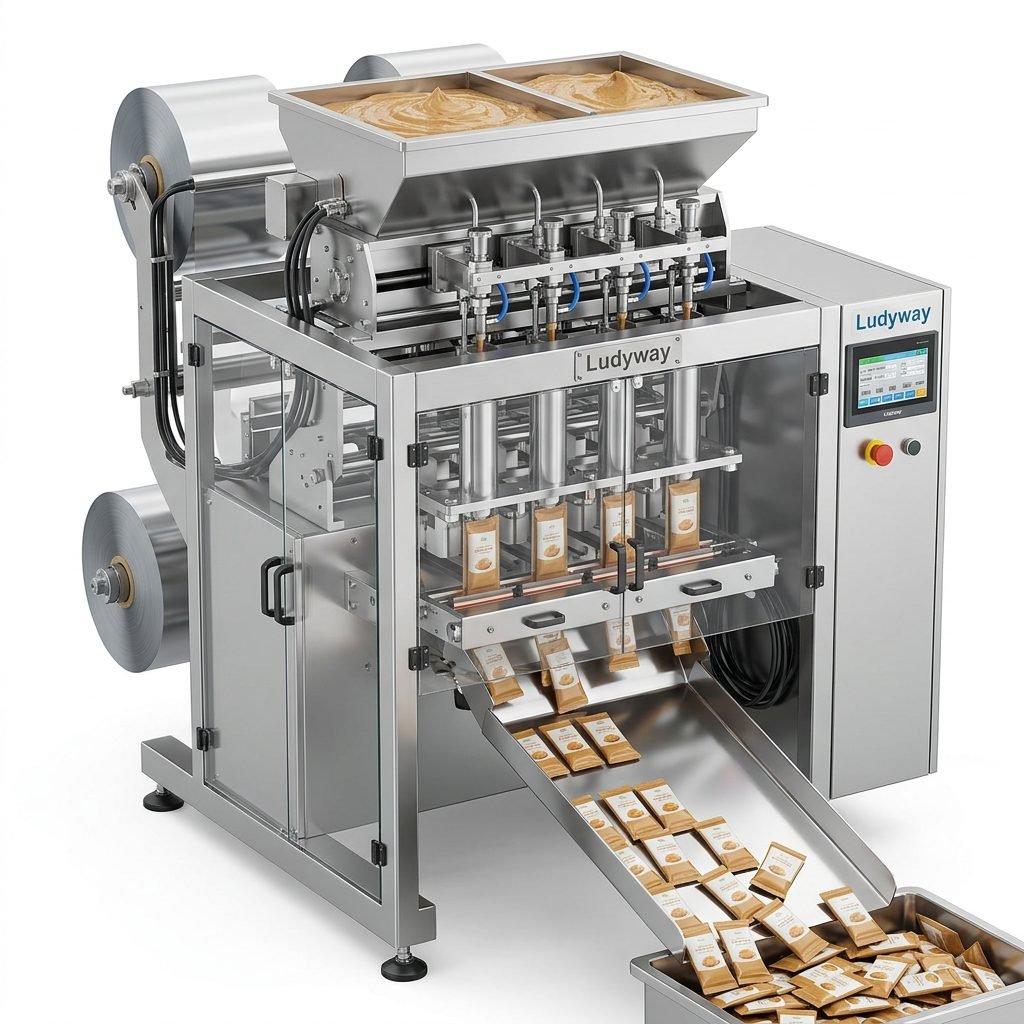
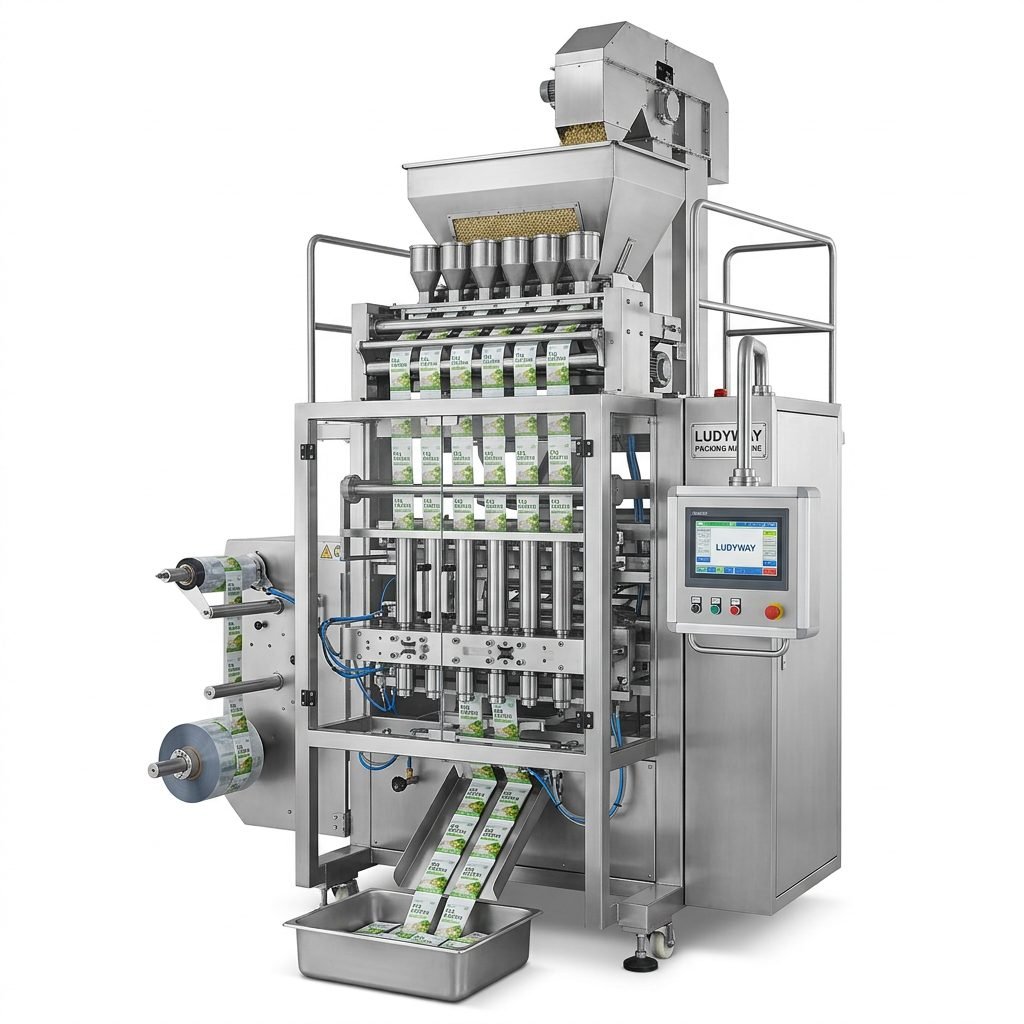
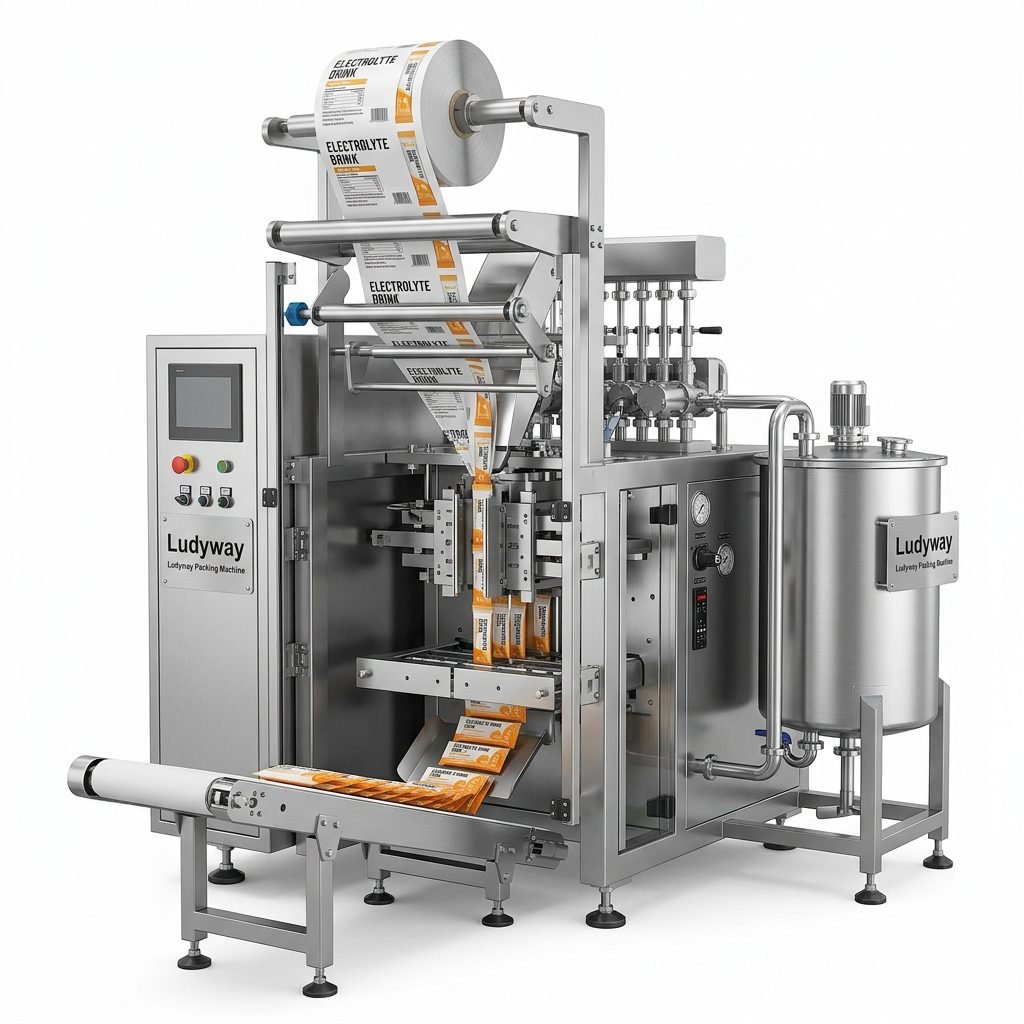
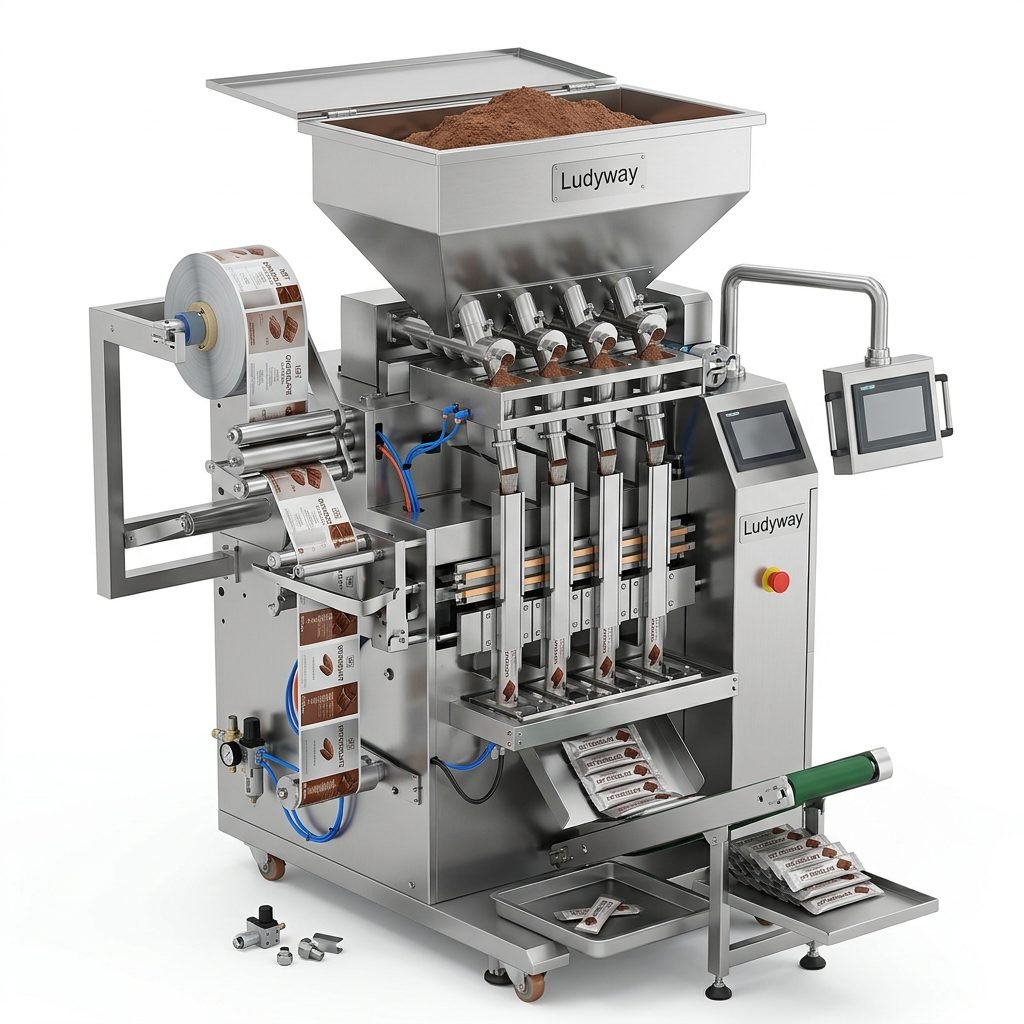
4. Stick Pack & Sachet Packaging Machines
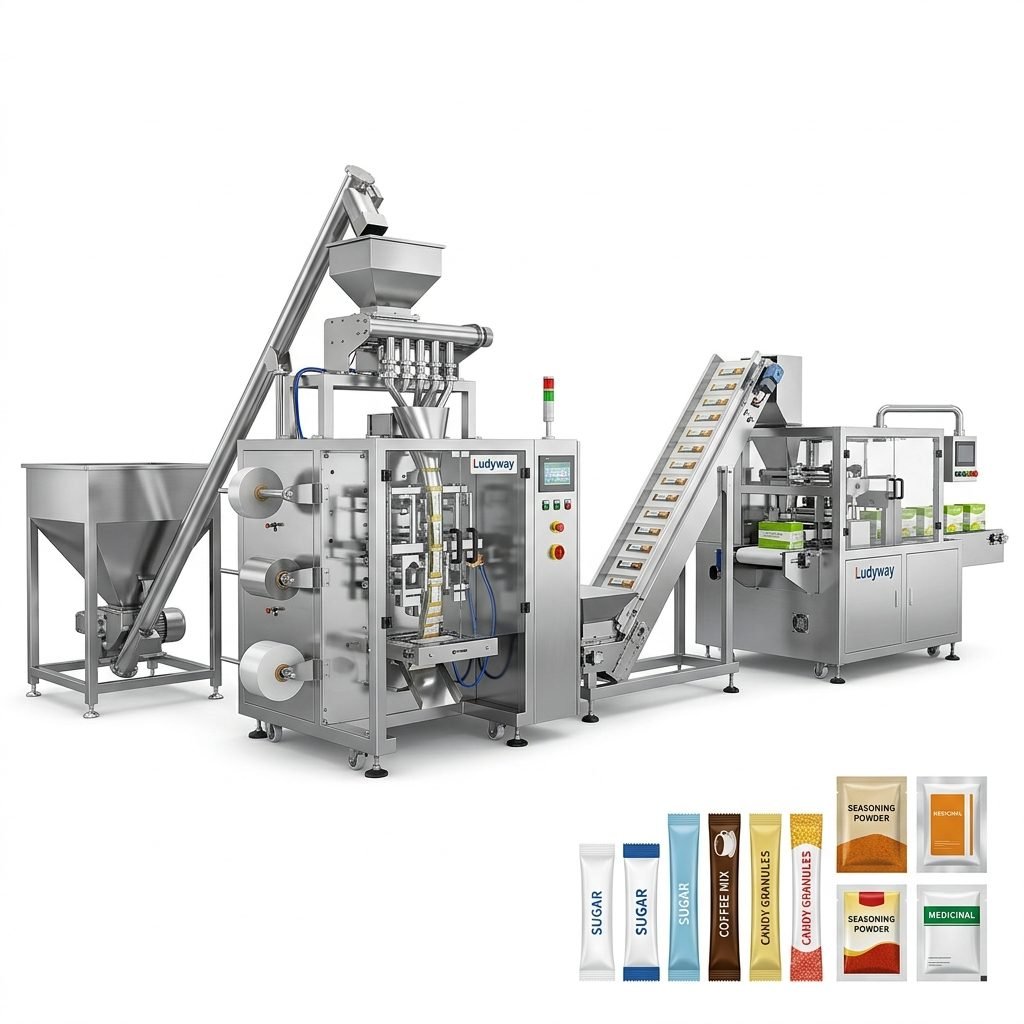
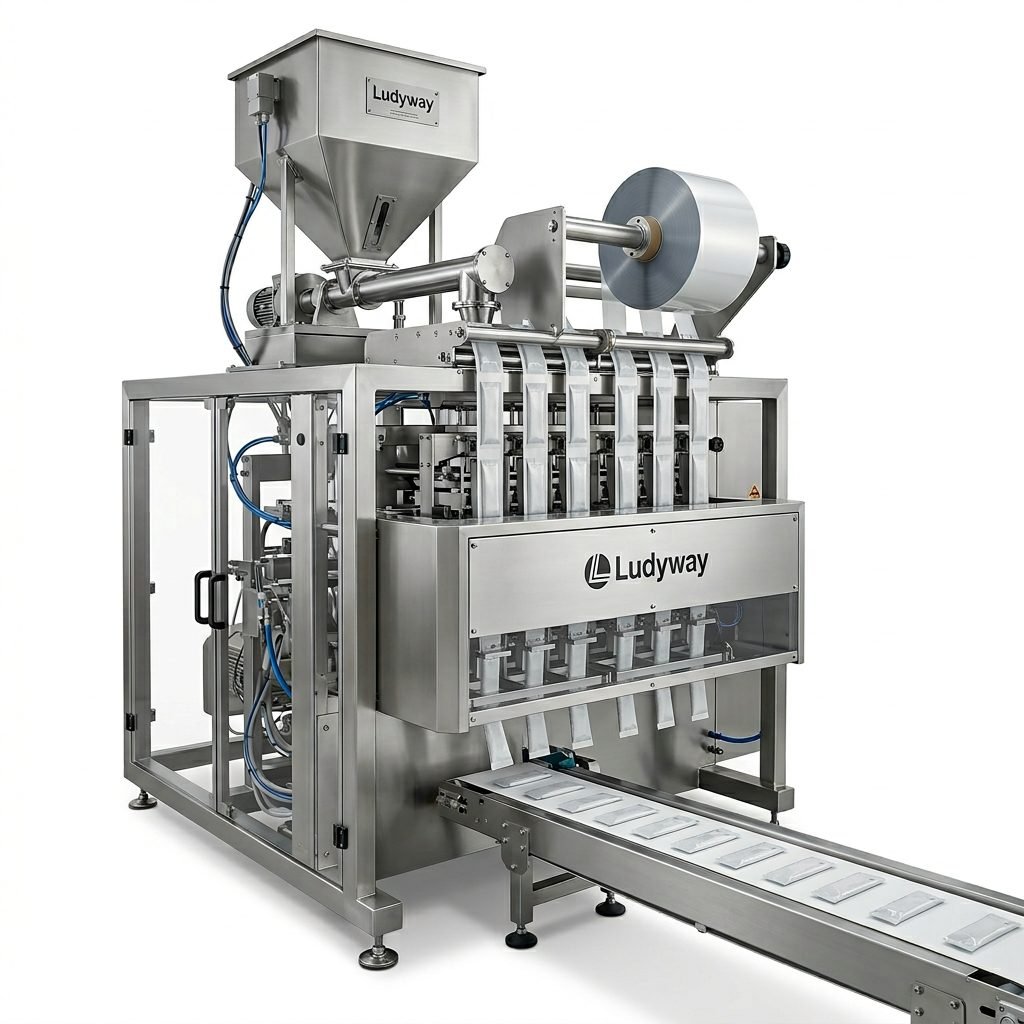
Increasingly popular for single-serving portions, these machines package powders, liquids, or semi-solids into slim, elongated stick packs or small sachets. They are excellent for portioned ingredients like icing sugar, flavored syrups, or yeast that accompany bakery products.
5. Bread Slicing and Bagging Lines
This is a specialized, often integrated system for large-scale bread production. It automatically slices loaves of bread and inserts them into pre-opened plastic bags. These lines represent a significant automation step for industrial bakeries.
Essential Features to Consider in a Packaging System
Beyond the machine type, several core features determine its suitability, performance, and longevity.
Automation Level and Speed
The machine’s output speed (packages per minute) must align with your production volume. Consider semi-automatic machines for smaller bakeries and fully automatic, high-speed systems with integrated feeders for large-scale operations. Automation reduces labor costs and improves consistency.
Versatility and Changeover Flexibility
Can the machine handle different product sizes and shapes with quick changeovers? Look for systems with easy-to-adjust forming tools, programmable settings, and the ability to run various packaging films. This flexibility is vital for bakeries with diverse product lines.
Packaging Material Compatibility
The machine must be engineered to work reliably with the specific films you plan to use—whether polypropylene, polyethylene, laminates, or biodegradable options. Sealing technology (heat, cold, or ultrasonic) should be compatible with your material choice to ensure strong, airtight seals.
Critical Point: A weak seal leads to product spoilage and customer dissatisfaction. Ensure the machine’s sealing system is robust and tunable.
Sanitation, Hygiene, and Cleanability
Food safety is paramount. Machines should have smooth surfaces, be made of appropriate food-grade materials (like stainless steel in critical areas), and designed for easy access and cleaning without tools. This is especially important for products like bread where crumbs can accumulate.
Control System and User Interface
A modern, intuitive control panel (often touchscreen-based) simplifies operation, recipe storage, and troubleshooting. PLC-controlled machines offer higher reliability and precision. Good diagnostic features can minimize downtime.
Durability, Construction, and Service Support
Invest in a machine built with quality components for long-term reliability. Assess the manufacturer’s reputation, availability of spare parts, and the quality of their technical support and service network. Global support is crucial for uninterrupted production.
How to Choose the Right Packaging System: A Step-by-Step Guide
Making the correct choice requires a methodical evaluation of your own needs against the machine’s capabilities.
Step 1: Analyze Your Product Portfolio and Requirements
List all products you need to package. Document their physical properties (size, shape, weight, fragility, moisture content), required shelf life, and any special needs (e.g., modified atmosphere packaging for freshness). Determine your daily/weekly output volumes.
Step 2: Define Your Packaging Format and Materials
Decide on the primary packaging format (bag, pouch, flow-wrap, tray) based on product needs, brand image, and market trends. Select the film material considering barrier properties, clarity, printability, and cost. Your machine choice will be locked into this decision.
Step 3: Evaluate Machine Specifications Against Your Needs
Match your list from Step 1 against potential machines. Can it handle your product size range? Is its speed sufficient? Is the sealing method appropriate for your chosen film and product? Does it allow for future product changes?
Step 4: Consider Integration and Factory Layout
Think about how the machine will fit into your existing production line. Does it require upstream feeders or downstream labeling systems? Ensure you have the space, power supply, and possibly compressed air connections it needs. Turnkey solutions from a single supplier can simplify integration.
Step 5: Assess Total Cost of Ownership (TCO)
Look beyond the initial purchase price. Calculate costs for installation, training, ongoing maintenance, spare parts, energy consumption, and potential film waste. A slightly more expensive but more efficient and reliable machine often has a lower TCO.
Step 6: Request Demos and Check References
Always ask for a live demonstration using a product and film similar to yours. Speak to other bakery clients of the manufacturer to understand their real-world experience with reliability, service, and support. A manufacturer with deep industry experience often provides more reliable solutions.
Conclusion
Choosing the right bakery product packaging machine is a strategic decision that balances technical specifications with practical business needs. By thoroughly understanding the different machine types, scrutinizing essential features like speed, versatility, and hygiene, and following a disciplined selection process, bakery owners can invest in a system that boosts efficiency, protects product quality, and supports brand growth for years to come. Partnering with an experienced packaging machinery provider who offers robust equipment and global support is key to a successful implementation.
Frequently Asked Questions (FAQs)
What is the most common packaging machine for a small bakery starting out?
A semi-automatic horizontal flow-wrap machine is often a practical and cost-effective starting point for small bakeries packaging individual items like cookies and pastries. It offers good flexibility without the complexity of full automation.
Can one machine handle both solid baked goods and powdered mixes?
Typically, no. Solid items require horizontal wrapping (flow-wrap) while powders require vertical form-fill-seal (VFFS) technology. Some advanced multi-lane stick pack machines can handle semi-solids like fillings, but for a diverse portfolio, separate machines or a highly versatile system designed for both might be needed.
How important is the machine’s cleanability for bakery applications?
Extremely important. Bakery products generate crumbs, dust, and oils. A machine designed with easy-open access, smooth surfaces, and minimal crevices significantly reduces cleaning time, ensures hygiene compliance, and prevents cross-contamination between batches.
What should I do if my product size or shape changes frequently?
Prioritize machines known for quick and easy changeover. Look for features like digital size adjustment on touchscreens, tool-less change parts, and programmable recipes that store settings for each product. This minimizes downtime when switching production.
Is it worth investing in a fully automatic system with integrated feeders?
For medium to large-scale bakeries with consistent, high-volume output, yes. Automation drastically reduces manual labor, increases overall line speed, and improves packaging consistency. The investment is justified by higher throughput and lower per-unit labor costs.