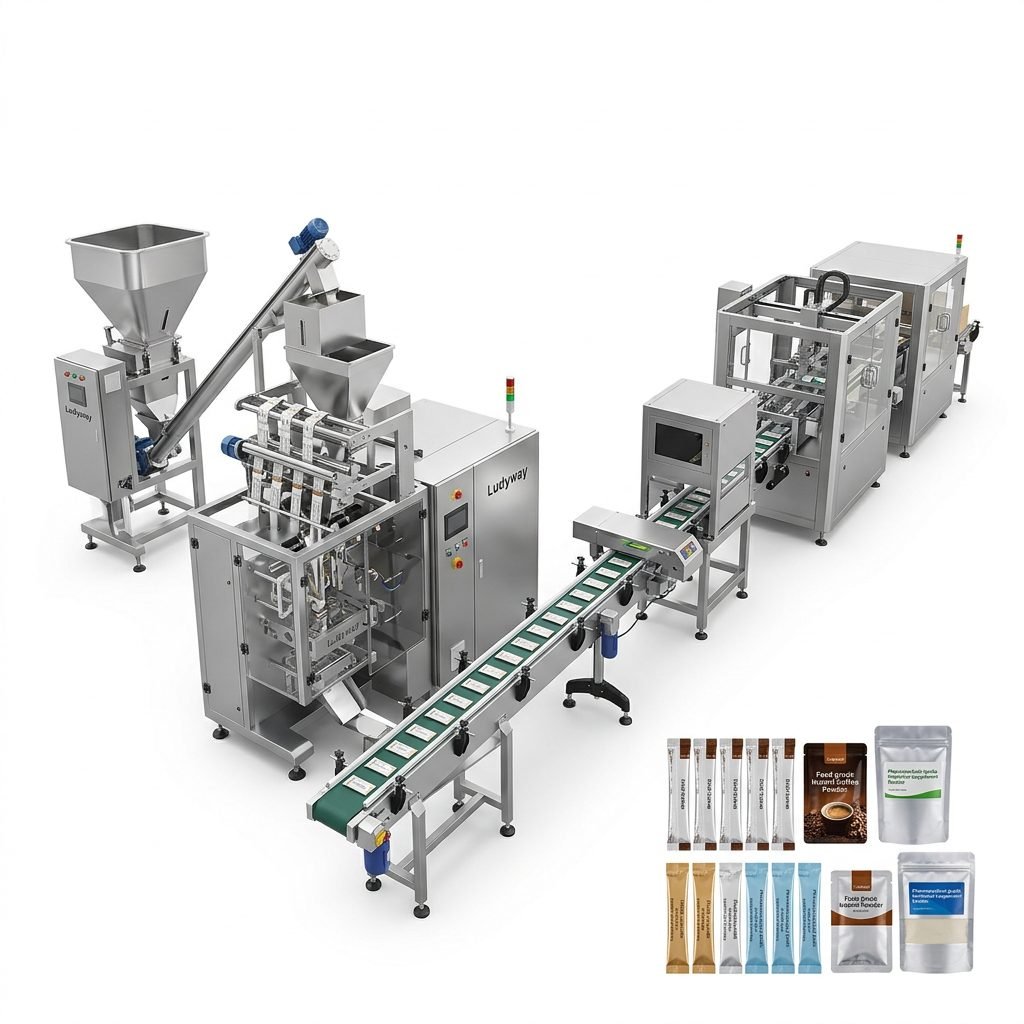
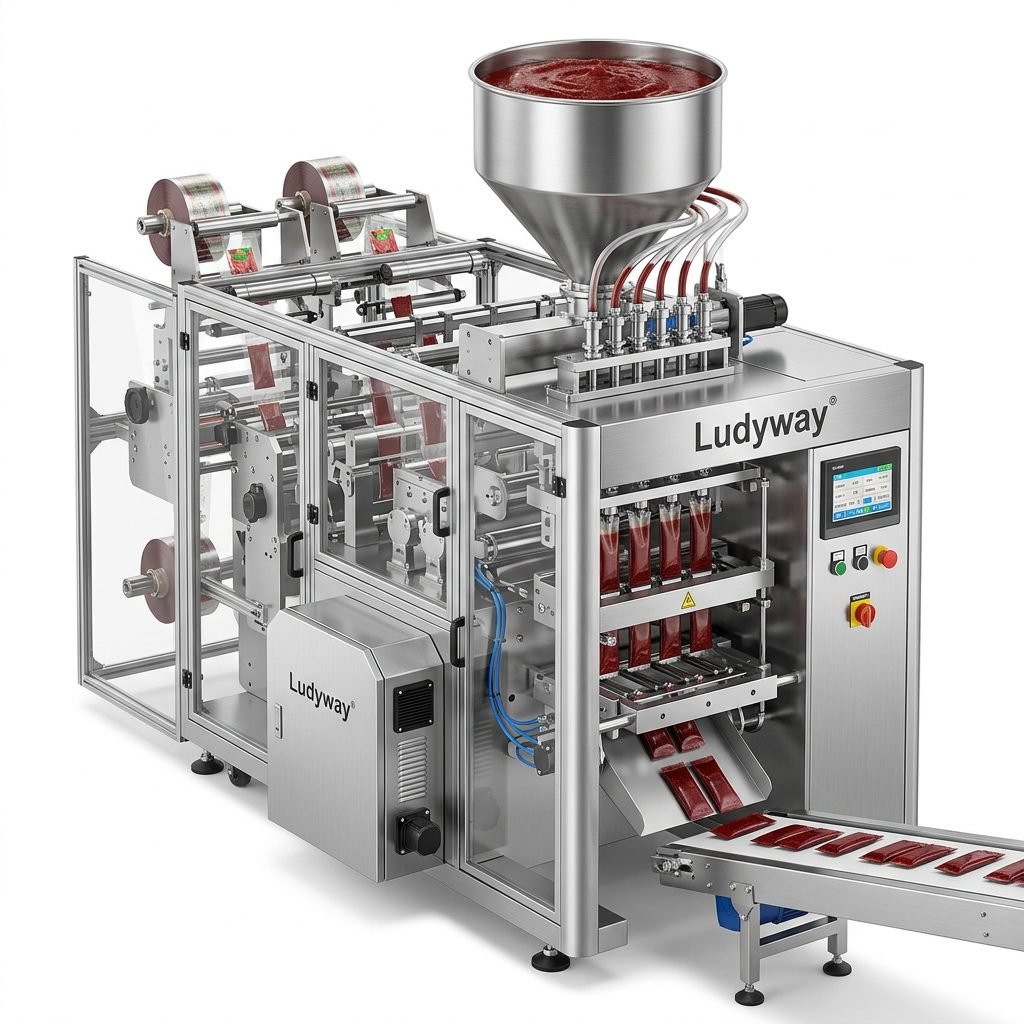
Blister packaging machines are essential in modern manufacturing, particularly for pharmaceuticals, electronics, and consumer goods. Understanding the machine’s diagram, including its parts, working principle, and layout, is crucial for operators, maintenance personnel, and production managers to ensure efficiency, safety, and optimal output. This guide provides a detailed breakdown of these components and processes.
Core Components of a Blister Packaging Machine
The machine is a complex assembly of synchronized parts. Each plays a specific role in transforming raw materials into sealed blister packs.
1. Unwinding and Feeding System
This system handles the base web material, typically PVC, PVDC, or aluminum foil. It consists of a material unwind roll, tension control devices, and guiding mechanisms to ensure the web feeds smoothly and accurately into the forming section.
2. Heating and Forming Station
Here, the plastic web is softened. The heating plate raises the material to a pliable temperature. Immediately after, the forming station uses a mold (with cavities shaped like the final blisters) and pressurized air (pneumatic forming) or a plug assist (mechanical forming) to create the pockets.
Key Insight: The temperature and timing here are critical; insufficient heat leads to poorly formed blisters, while excess heat can weaken the material.
3. Product Loading Area
This can be manual, semi-automatic, or fully automatic. In automated systems, a product feeder (like a vibratory bowl feeder or a pick-and-place unit) precisely deposits tablets, capsules, or components into each formed cavity. Accuracy is paramount to avoid empty pockets or product damage.
4. Lidding and Sealing Station
A lidding material (usually aluminum foil laminate) is unrolled and placed over the filled blister web. The sealing station applies heat and pressure to bond the lidding to the base web around each pocket, creating a hermetic seal that protects the product from moisture and contamination.
5. Punching and Cutting Mechanism
The continuous sealed web is then die-cut into individual blister cards or strips. A reciprocating or rotary punch cuts the web according to the predefined pattern. Scrap web is rewound for recycling.
6. Control System (The Brain)
An integrated Programmable Logic Controller (PLC) and Human-Machine Interface (HMI) panel control all machine sequences, from temperature and speed to fault detection. Modern machines offer sophisticated data tracking and recipe management.
7. Drive System and Frame
A robust mechanical frame supports all components. The drive system, often comprising servo motors and precision gears, ensures synchronized movement across all stations for smooth, high-speed operation.
Working Principle: A Step-by-Step Cycle
The operation follows a continuous or intermittent motion cycle, meticulously coordinated.
- Web Feeding: The base plastic web is fed from the roll through guides into the forming section.
- Forming: The web is heated and then formed into blisters via a mold with applied air or plug pressure.
- Loading: Products are placed into the formed cavities with high precision.
- Sealing: The lidding foil is applied and heat-sealed onto the base web, encapsulating the products.
- Cooling: The sealed web passes through cooling plates to solidify the seal before cutting.
- Cutting & Ejection: The web is punched into individual units, which are then ejected for collection or secondary packaging.
Note: The entire process is enclosed, often with clean air positive pressure, to maintain hygiene standards, especially critical in pharmaceutical applications.
Machine Layout and Planning Guide
Proper layout is vital for workflow efficiency, safety, and future scalability. Here are key considerations:
1. Linear Flow Layout
The most common layout arranges components in a straight line according to the process sequence: Unwind → Forming → Loading → Sealing → Cutting → Output. This minimizes material handling and is easy to understand and operate.
2. U-Shaped or Compact Layout
Ideal for space-constrained facilities. The infeed and outfeed are on the same side, allowing a single operator to monitor both ends. This improves operator efficiency and reduces floor space requirements.
3. Integration with Upstream/Downstream Equipment
Consider the entire line. The blister machine must be seamlessly integrated with upstream equipment (like tablet presses or product conveyors) and downstream systems (like cartoners or bundlers). Ensure adequate space for conveyors, inspection systems, and buffer zones.
For comprehensive automated solutions, exploring turnkey packaging line configurations from experienced providers can be beneficial.
4. Critical Spatial and Utility Considerations
- Accessibility: Maintain clear service aisles (at least 1 meter) around the machine for maintenance, tool changes, and material loading.
- Utilities: Plan for electrical points, compressed air lines, and potentially chilled water for cooling stations. Ensure these connections are easily accessible and do not create trip hazards.
- Ergonomics & Safety: Position control panels at comfortable heights. Install emergency stops at multiple points. Ensure proper lighting and ventilation in the area.
- Material Handling: Allocate space for raw material storage (web rolls, lidding foil) and finished goods collection. Consider using trolleys or automated guided vehicles (AGVs).
Choosing a machine with a modular design offers flexibility, allowing for future upgrades or reconfiguration of the layout as production needs evolve. More details on machine specifications can be found in our equipment catalog.
Optimizing Performance and Troubleshooting Basics
Understanding the diagram aids in optimization and quick troubleshooting.
Common Issues Linked to Components:
- Poor Seal Integrity: Often related to the sealing station. Check heater temperature, pressure uniformity, and the condition of the sealing dies. Contaminated or incorrect lidding material can also be the cause.
- Misformed Pockets: Root causes are usually at the forming station. Verify heating temperature consistency, mold alignment, and the pressure/volume of the forming air.
- Inaccurate Product Loading: Points to the loading system. Calibrate the feeder, check for worn parts, or verify the synchronization signal between the feeder and the machine indexer.
- Web Wrinkling or Misalignment: Check the unwinding system’s tension controls and the guiding sensors throughout the web path.
Regular preventive maintenance, as outlined in the machine manual, is the best strategy to avoid downtime. For complex technical support, partnering with a provider known for strong after-sales service is crucial.
Frequently Asked Questions (FAQs)
1. What materials can be used in blister packaging machines?
Common base web materials include PVC (polyvinyl chloride), PVDC-coated PVC (for higher barrier), Aclar (superior moisture barrier), and thermoformed aluminum. Lidding is typically aluminum foil laminated with heat-seal coatings, paper, or films. Material choice depends on product sensitivity (moisture, oxygen) and regulatory requirements.
2. How is the machine speed measured and what affects it?
Speed is typically measured in cycles per minute (CPM) or blister packs per minute. Key factors affecting speed include the number of cavities per tool, product loading complexity, sealing and cooling time required, and the mechanical capability of the drive system. High-speed machines may use rotary continuous motion rather than intermittent index.
3. What is the difference between thermoforming and cold forming?
Thermoforming (explained in this guide) heats a plastic web to form blisters. Cold forming uses an aluminum-based laminate and a rigid punch to draw the material into a cavity without heat, offering an exceptional oxygen and moisture barrier, often used for very sensitive pharmaceuticals.
4. How important is the PLC control system?
Extremely important. The PLC is the machine’s brain. It ensures precise coordination of all movements, monitors sensors for faults (like web breaks or missing product), controls temperature profiles, stores production recipes, and provides data for OEE (Overall Equipment Effectiveness) calculation. A user-friendly HMI is essential for operator control.
5. Can one machine handle different blister sizes and shapes?
Yes, but it requires a changeover. This involves changing the forming mold, sealing die, and punching tool, and adjusting the web guide rails and product feeder. Modern machines aim for “quick changeover” designs to minimize downtime during product switches, which is a key aspect of flexible manufacturing.