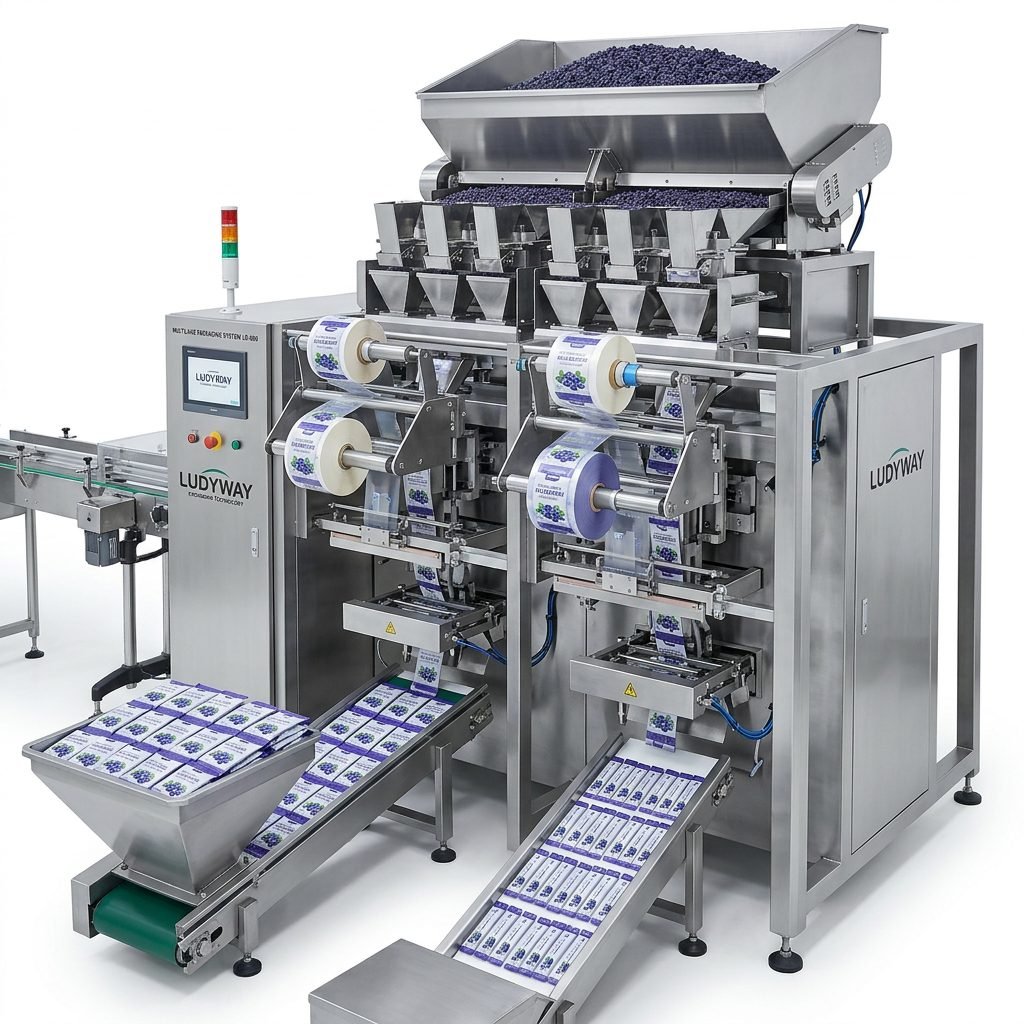
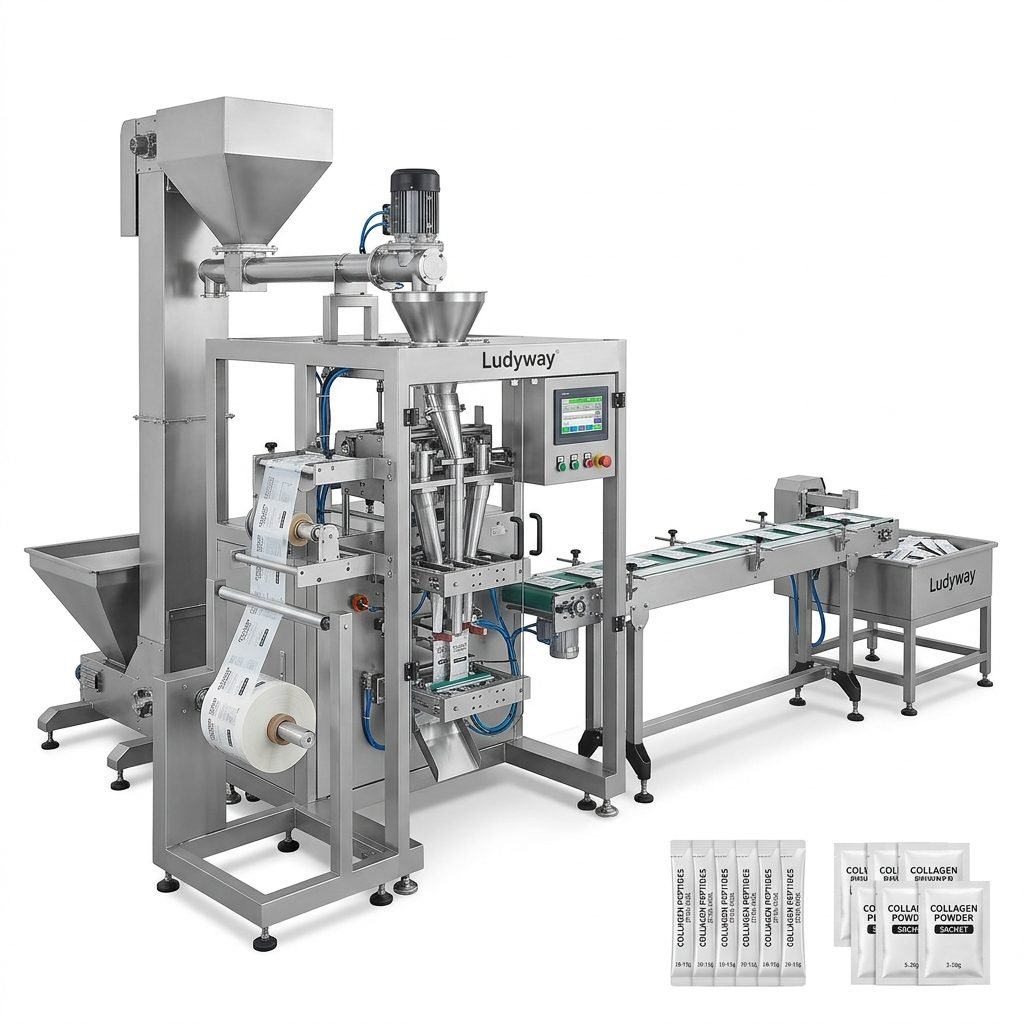
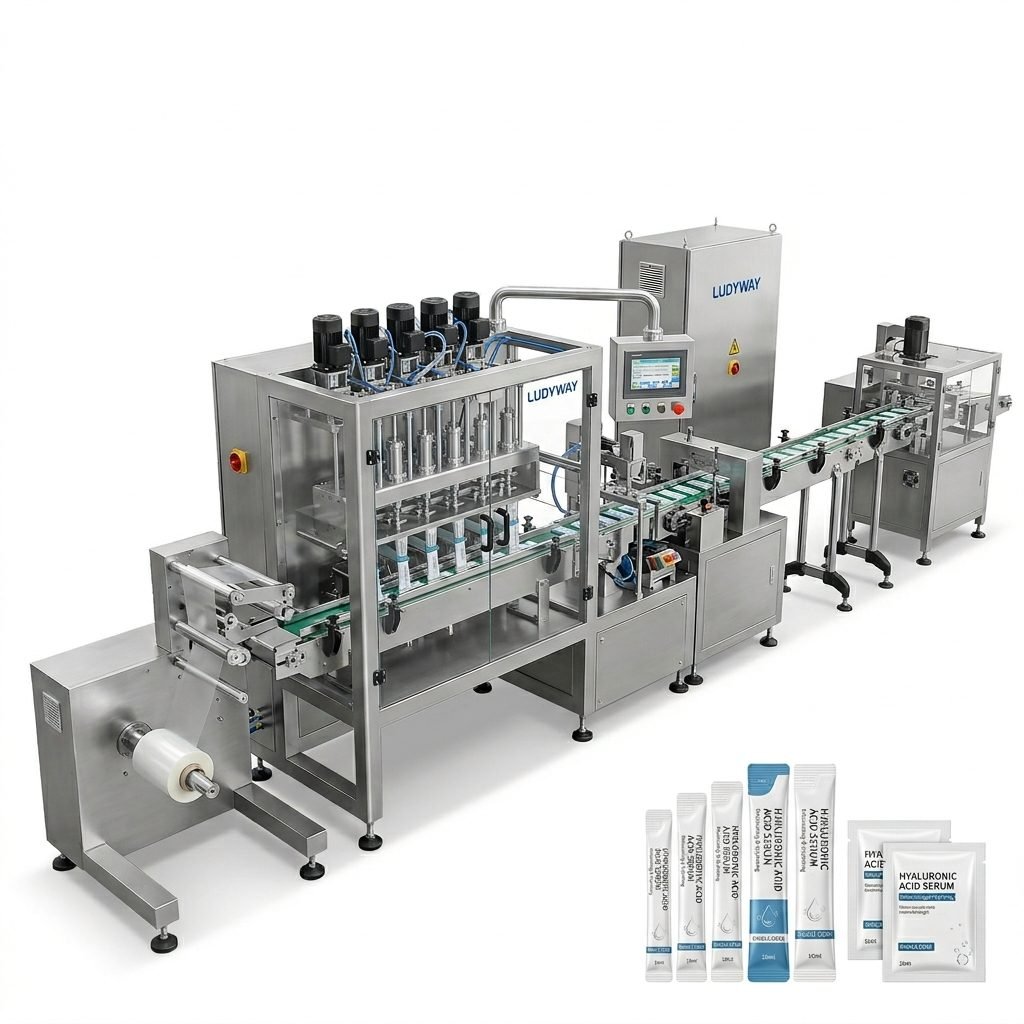
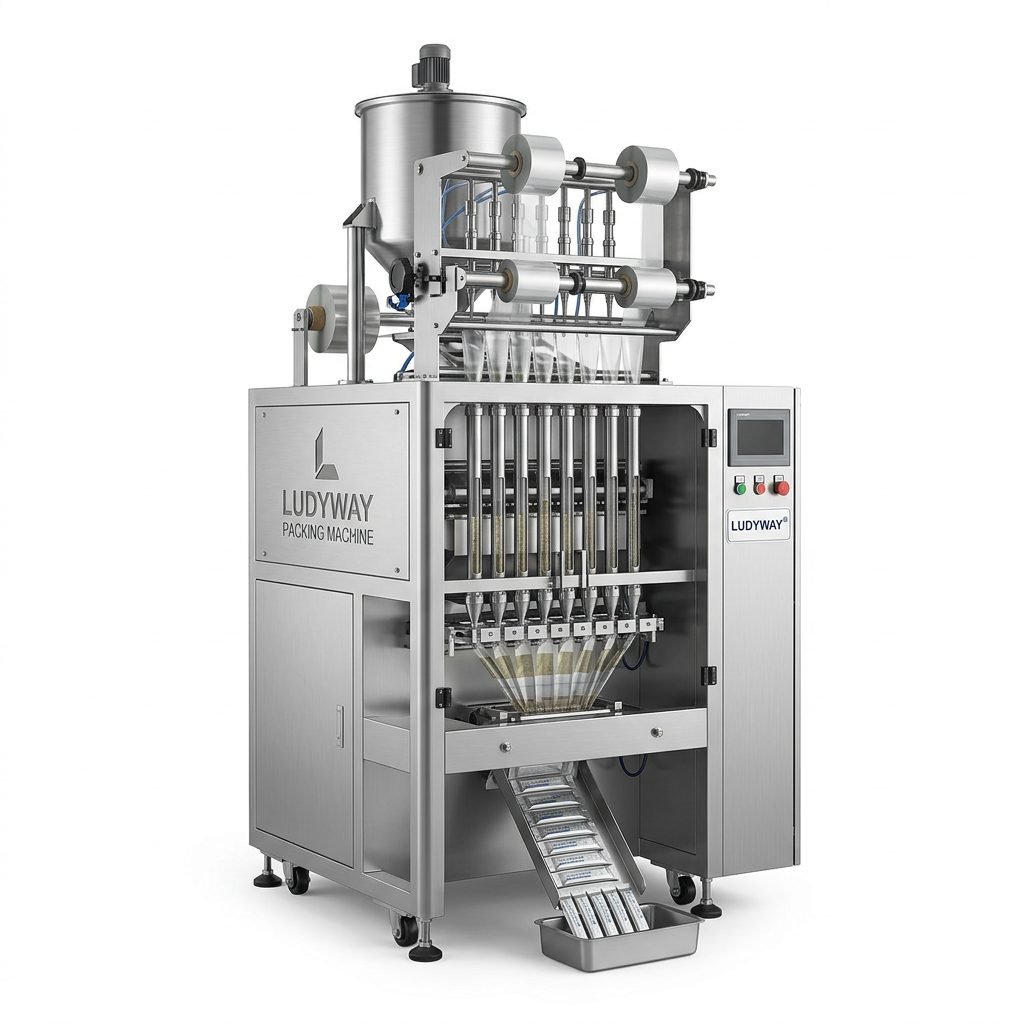
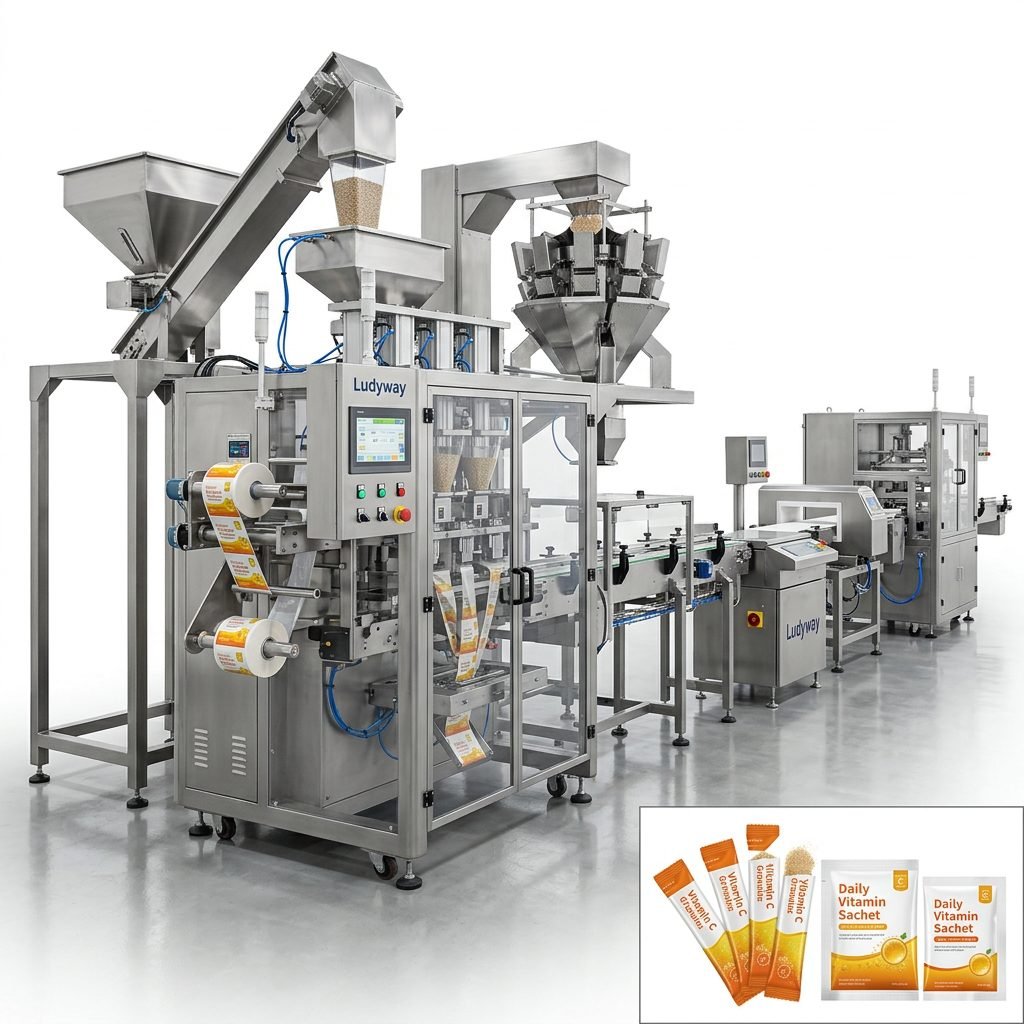
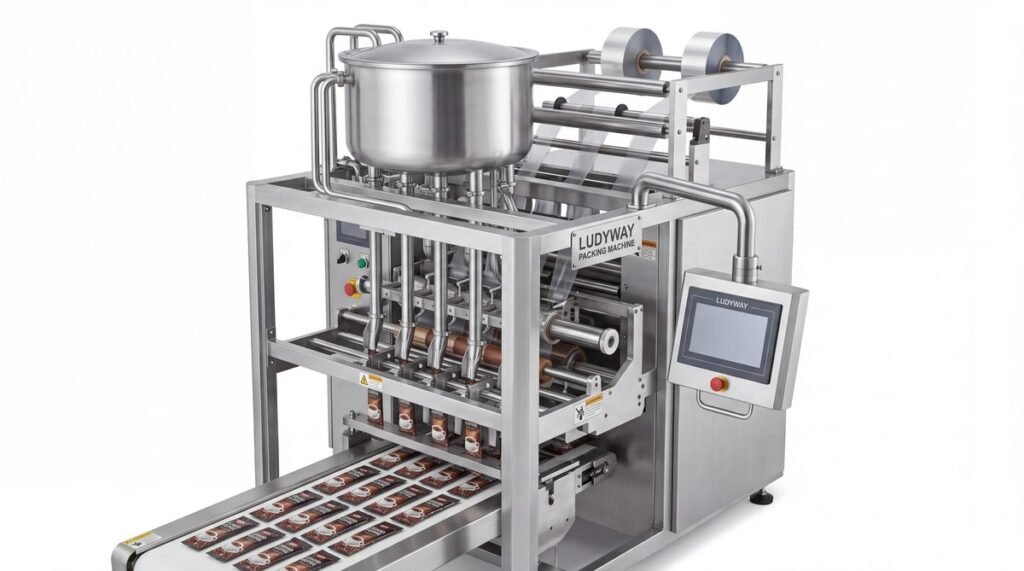
Selecting the right packaging machinery manufacturer is a critical decision for any Canadian business looking to enhance its production line. Whether you operate in the thriving food and beverage sector, the strictly regulated pharmaceutical industry, or the fast-growing health and wellness market, the efficiency, reliability, and scalability of your packaging equipment directly impact your bottom line. For Canadian manufacturers, distributors, and processors, partnering with a supplier who understands local market dynamics, regulatory compliance, and the need for robust after-sales support is paramount.
Understanding Your Specific Packaging Needs in the Canadian Market
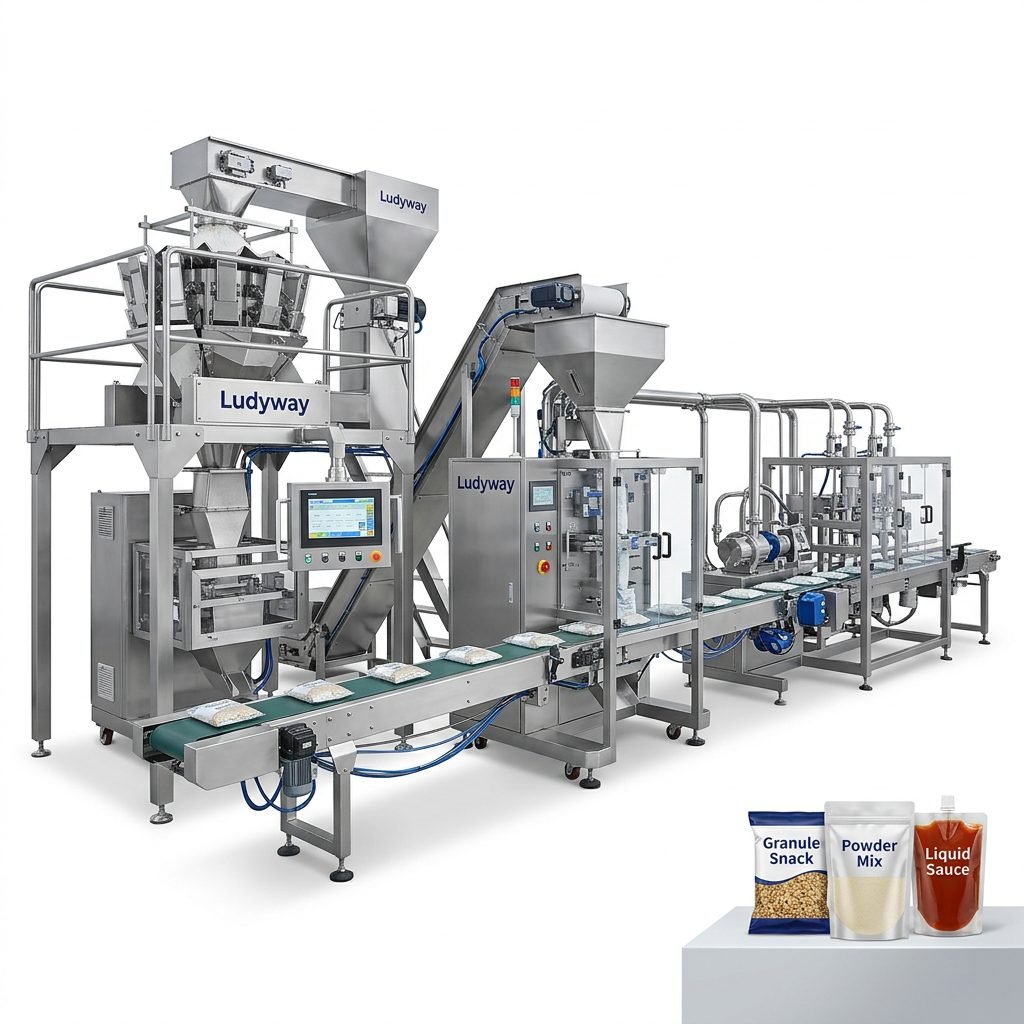
Before beginning your search, a thorough internal assessment is essential. Canadian businesses face unique challenges, from bilingual labeling requirements to adapting to both domestic and export market demands. Start by defining your product type: is it granules (like coffee or seeds), powders (protein supplements, spices), liquids (sauces, oils, pharmaceuticals), or a combination? Next, determine your required output speed, packaging format (sachet, stick pack, pouch), and any industry-specific needs like hygienic design for food or GMP compliance for pharma. Considering Canada’s vast geography, also factor in logistical support for machine delivery, installation, and ongoing maintenance.
Key Factors to Evaluate in a Manufacturer
Once your needs are clear, evaluate potential partners against these crucial criteria:
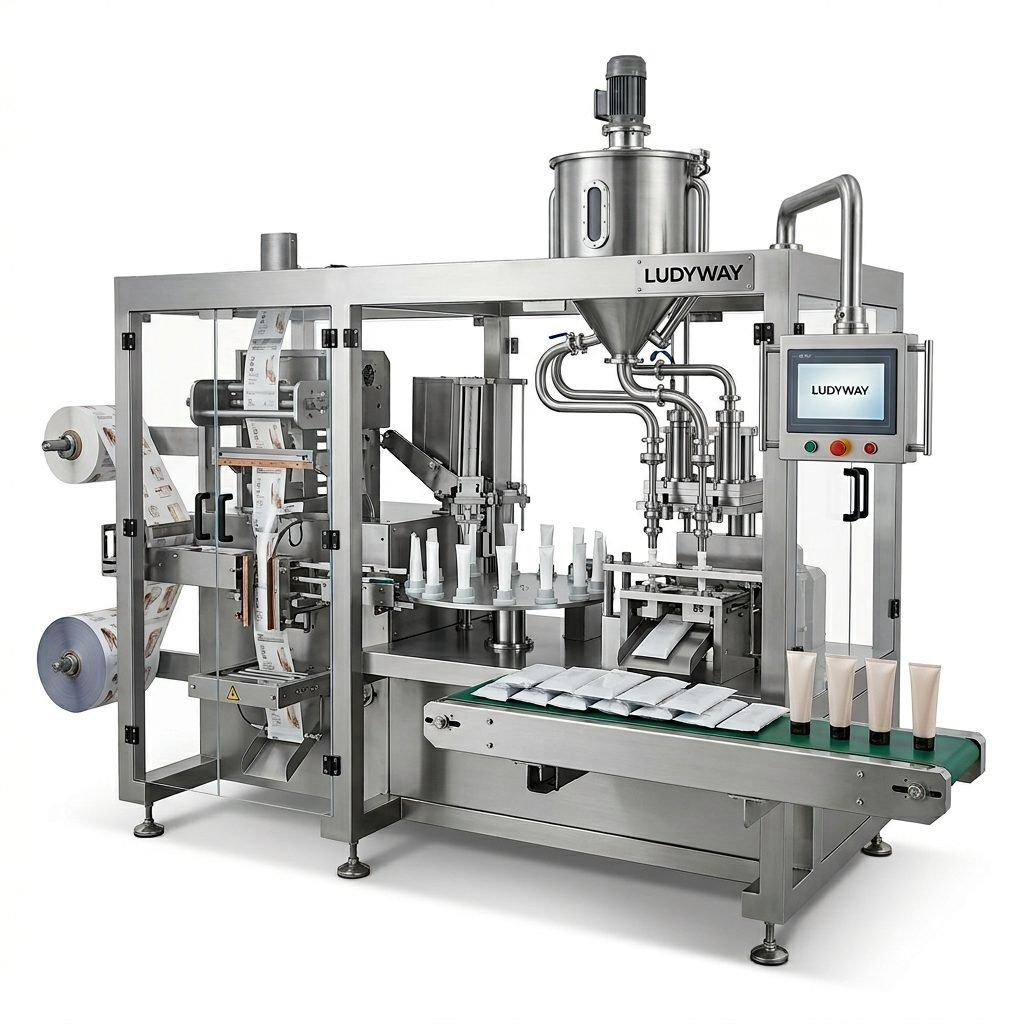
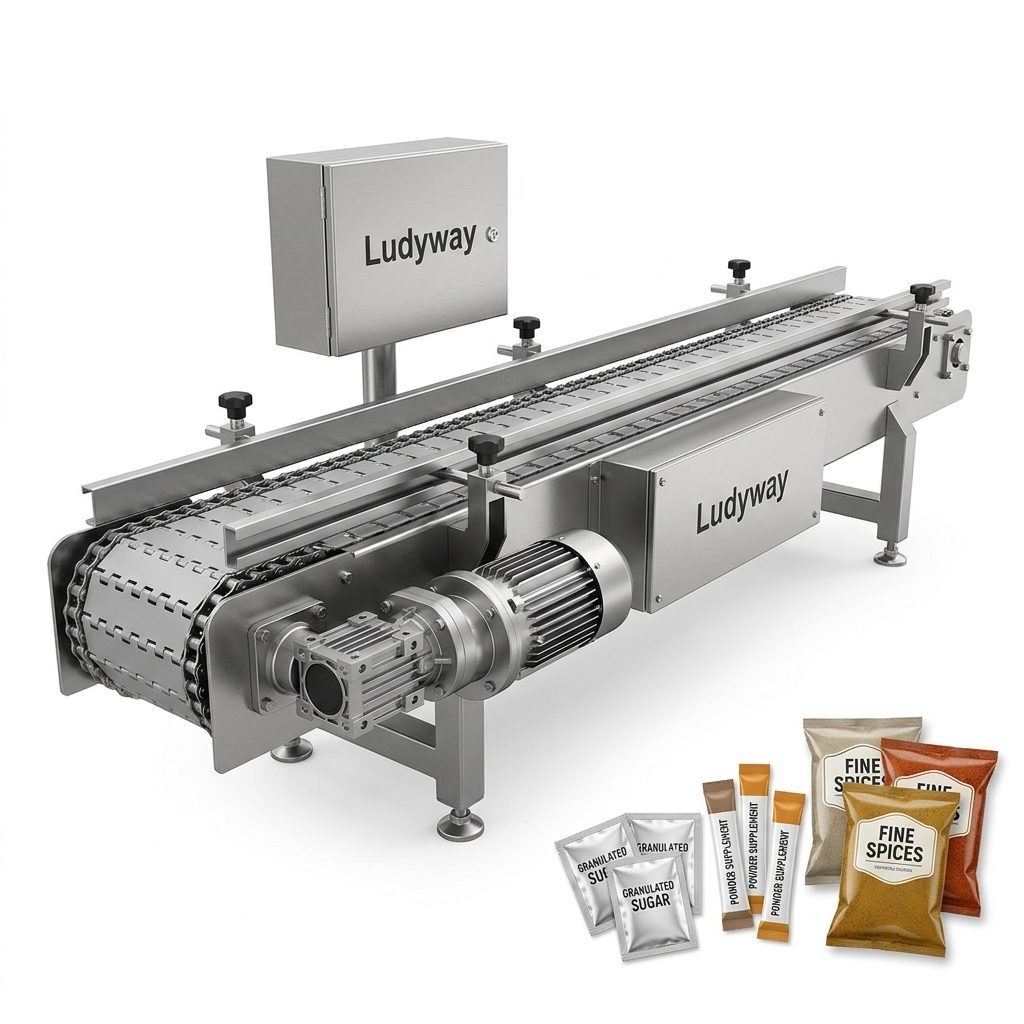
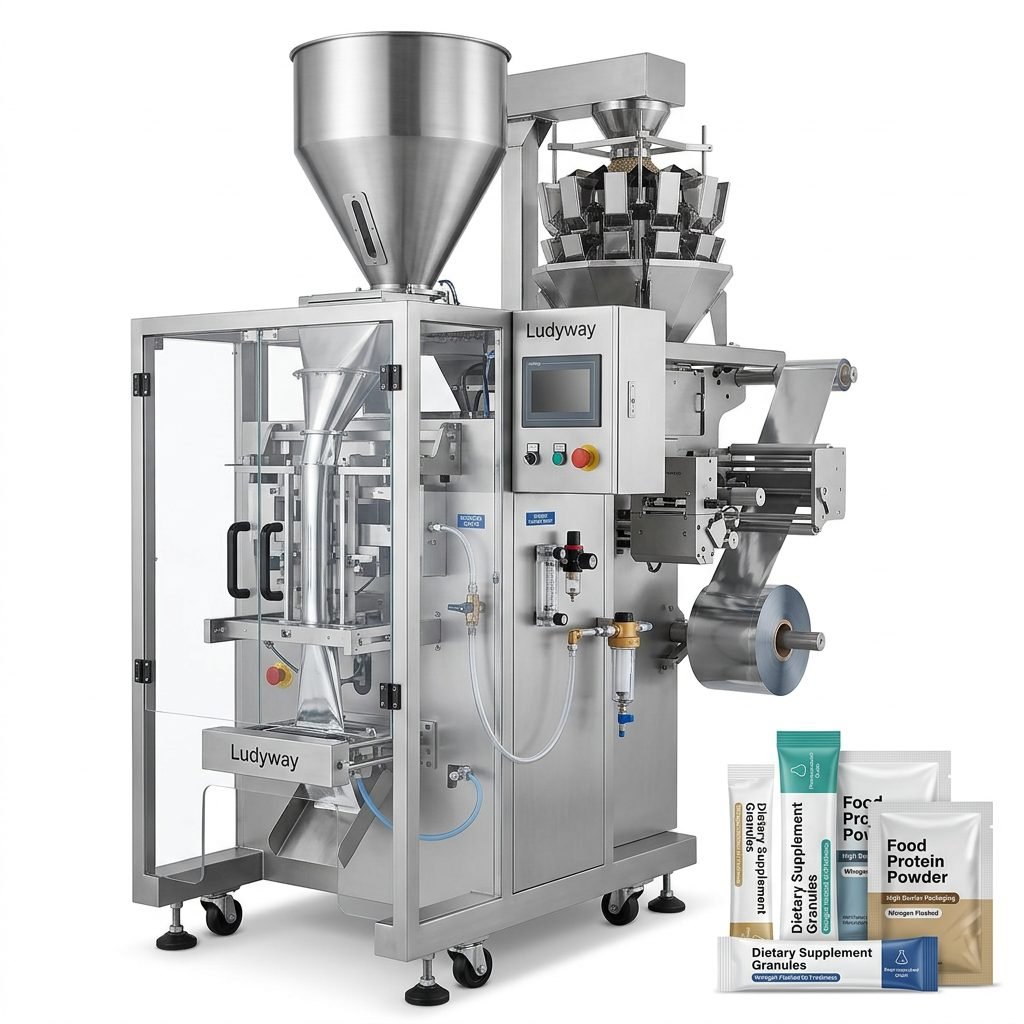
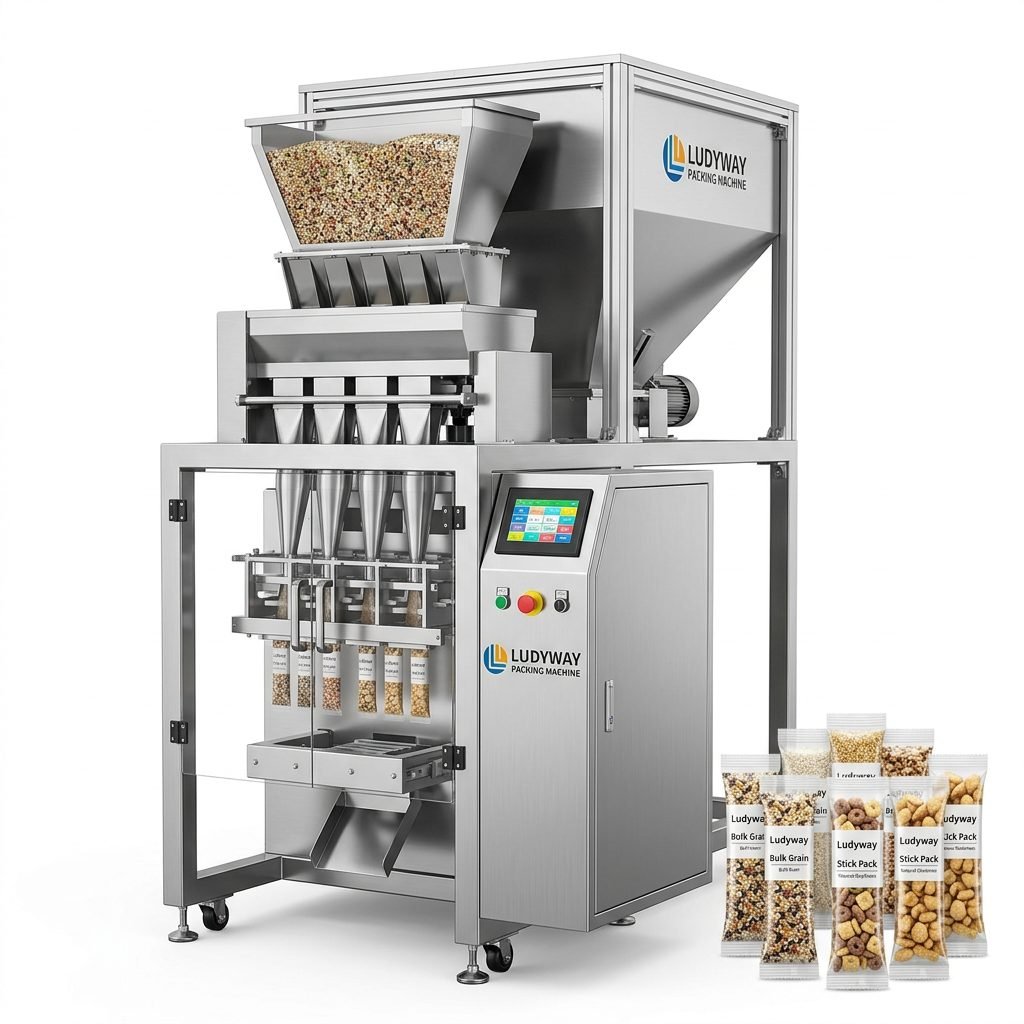
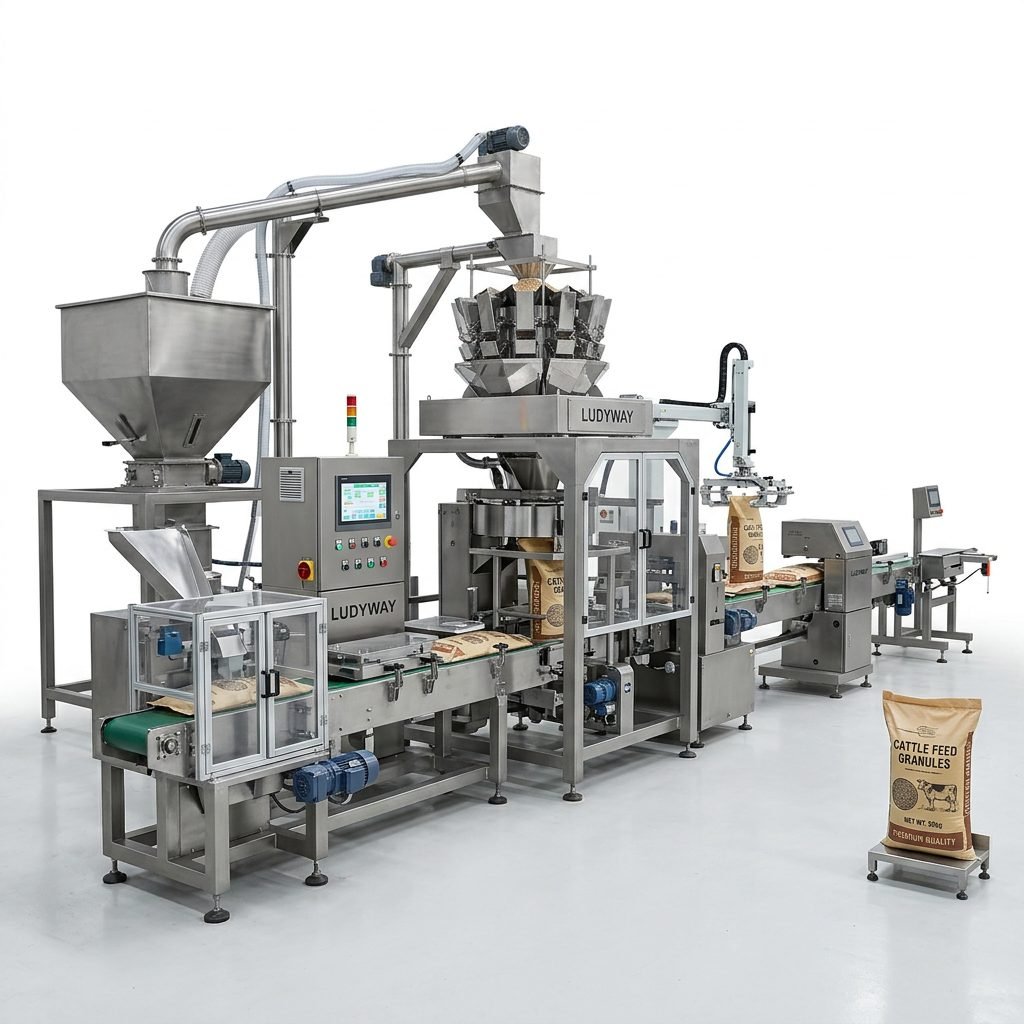
Technical Expertise and Industry Experience: Look for a manufacturer with a proven track record in your specific sector. For instance, Ludyway brings over 30 years of focused expertise in food, pharma, and health industries, offering more than 50 machine models. Similarly, evaluating the experience of other established players like Packmate Machinery or PacklineOEM can provide a benchmark for industry-specific knowledge.
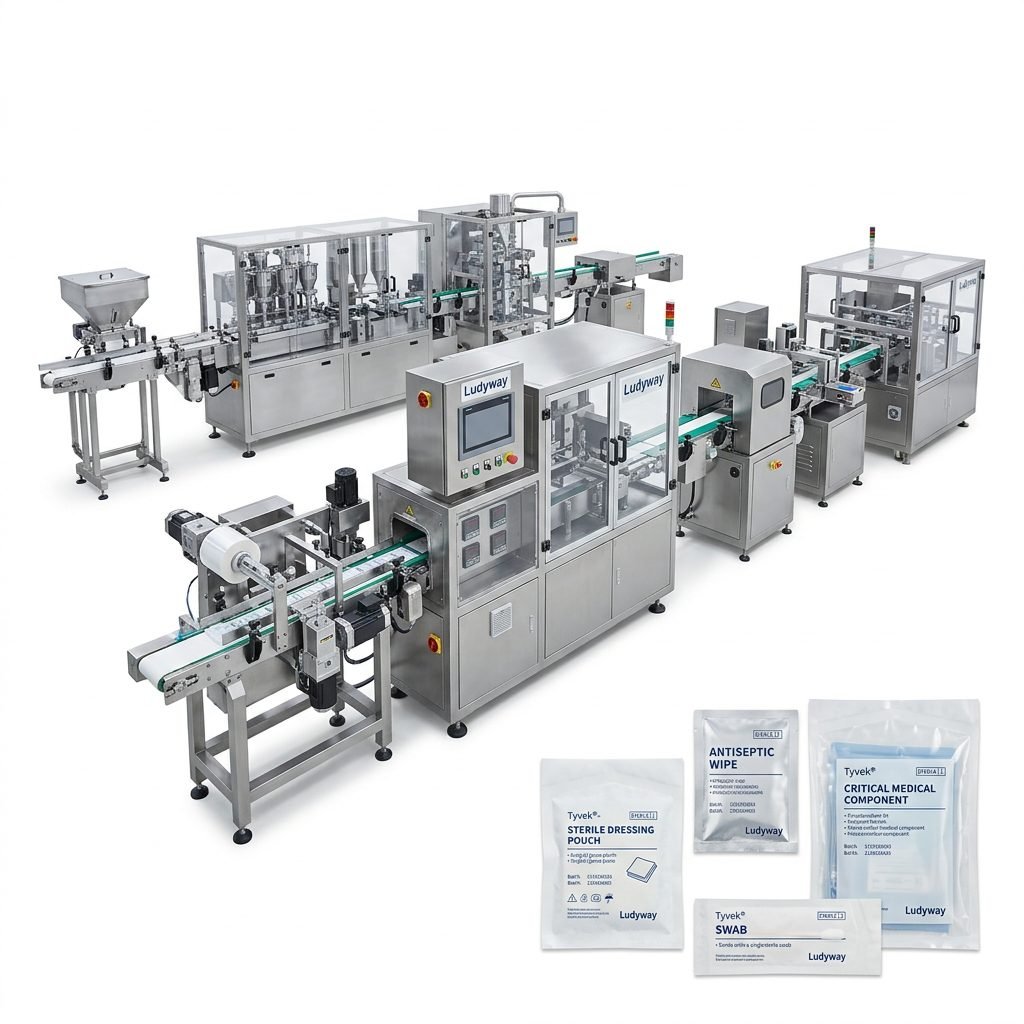
Assess the manufacturer’s production capability and quality control. A modern facility, like Ludyway’s 20,000㎡ plant, signals the capacity for consistent, high-quality manufacturing. Inquire about their R&D investment and ability to provide customized or turnkey solutions, which is vital for businesses with unique products or those aiming for a fully automated line.
The Importance of Reliability and After-Sales Support
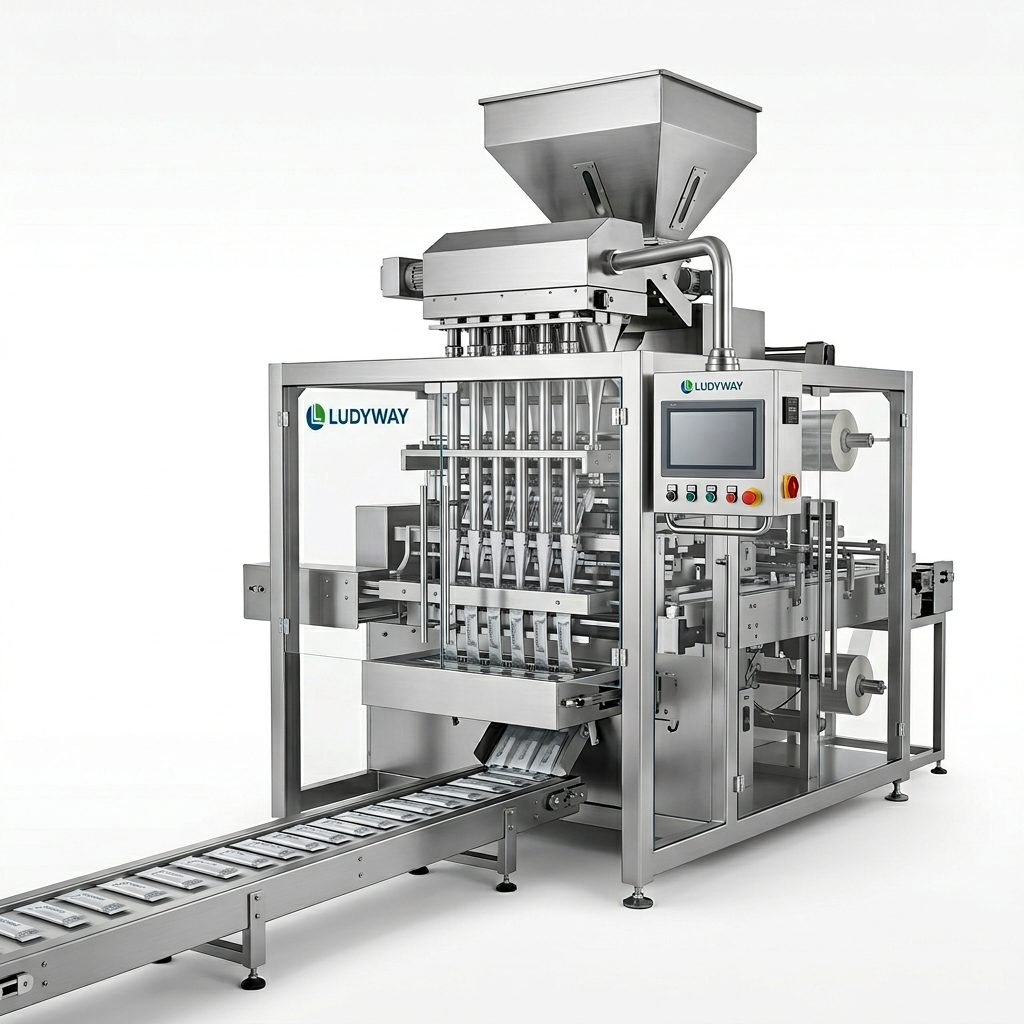
For Canadian operations, especially those in remote areas, reliable machinery and accessible support are non-negotiable. Downtime is costly. Investigate the manufacturer’s reputation for machine durability and their after-sales service network. Key questions include: Do they offer comprehensive training for your Canadian team? What is the availability of spare parts, and what are the typical lead times? Do they provide remote troubleshooting and have local technical partners? A manufacturer with a global service footprint, serving over 100 countries like Ludyway, often has robust systems to support international clients effectively.
Navigating the Global Supply Chain: International vs. Local Suppliers
Many Canadian businesses source packaging machinery from overseas manufacturers, particularly from China, which offers a strong combination of advanced technology and cost-effectiveness. When evaluating international suppliers like PackingMachineOEM (known for non-standard machines) or SnusMachinery (specializing in oral pouch systems), it’s crucial to manage the supply chain proactively. Consider factors such as shipping logistics, customs clearance into Canada, voltage compatibility (Canada uses 120V/60Hz), and the supplier’s experience in handling North American certifications (cUL, NSF). Clear communication regarding project timelines, payment terms, and Incoterms is essential to avoid unexpected costs and delays.
Cost Considerations and Total Value of Ownership
While the initial purchase price is important, the Total Cost of Ownership (TCO) provides a more accurate financial picture. TCO includes:
- Initial Investment: Machine cost, shipping, duties, and installation.
- Operational Costs: Energy consumption, required consumables (film, sealing jaws), and labor.
- Maintenance Costs: Scheduled service, spare parts, and potential software updates.
- Downtime Costs: Loss of production due to repairs or lack of support.
Investing in a slightly more expensive but highly reliable and efficient machine from a reputable manufacturer can lead to significant long-term savings through higher productivity, less waste, and minimal unplanned stoppages.
Making the Final Decision and Building a Partnership
The final step involves due diligence. Request detailed quotations and specifications from shortlisted manufacturers. Ask for client references, preferably from other Canadian or North American businesses. If possible, arrange a video tour of their factory or request to see machines in operation. For specialized needs, such as nicotine pouch production, evaluating a niche expert like SnusMachinery alongside broader suppliers can be insightful. Ultimately, choose a partner that demonstrates not just technical competence, but a commitment to understanding your business goals and providing long-term support to help you grow in the competitive Canadian and international markets.
Frequently Asked Questions (FAQs)
What are the key certifications I should look for in packaging machinery for the Canadian market?
For electrical safety, look for cUL or UL certification. For food contact surfaces, NSF/ANSI standards are important. Pharmaceutical applications may require documentation supporting GMP (Good Manufacturing Practice) compliance. Always verify that the equipment meets Canadian Standards Association (CSA) requirements where applicable.
How do I handle maintenance and spare parts for a machine sourced from an overseas manufacturer?
Reputable international manufacturers maintain an inventory of critical spare parts and offer expedited shipping. Discuss and establish a spare parts agreement upfront. Many, like Ludyway, provide detailed manuals, video guides, and remote diagnostic support to minimize downtime.
Can packaging machinery be customized for my unique product shape or formulation?
Yes, many leading manufacturers specialize in custom and non-standard solutions. Companies such as PackingMachineOEM and Ludyway have engineering teams that design modifications for specific dosing, filling, or sealing challenges. Provide detailed product samples and specifications during the consultation phase.
What is the typical lead time for receiving and installing a new packaging line in Canada?
Lead times vary based on machine complexity and customization. For standard models, it can range from 8-16 weeks after order confirmation, plus shipping and customs clearance time. For fully custom turnkey lines, the timeline can be longer. Always get a detailed project schedule from your supplier.
Is training for our operators included with the machinery purchase?
Professional manufacturers typically include comprehensive training, either at their facility (FAT – Factory Acceptance Test) or on-site during installation. Ensure the training scope is clearly defined in the contract, covering operation, routine maintenance, and basic troubleshooting.