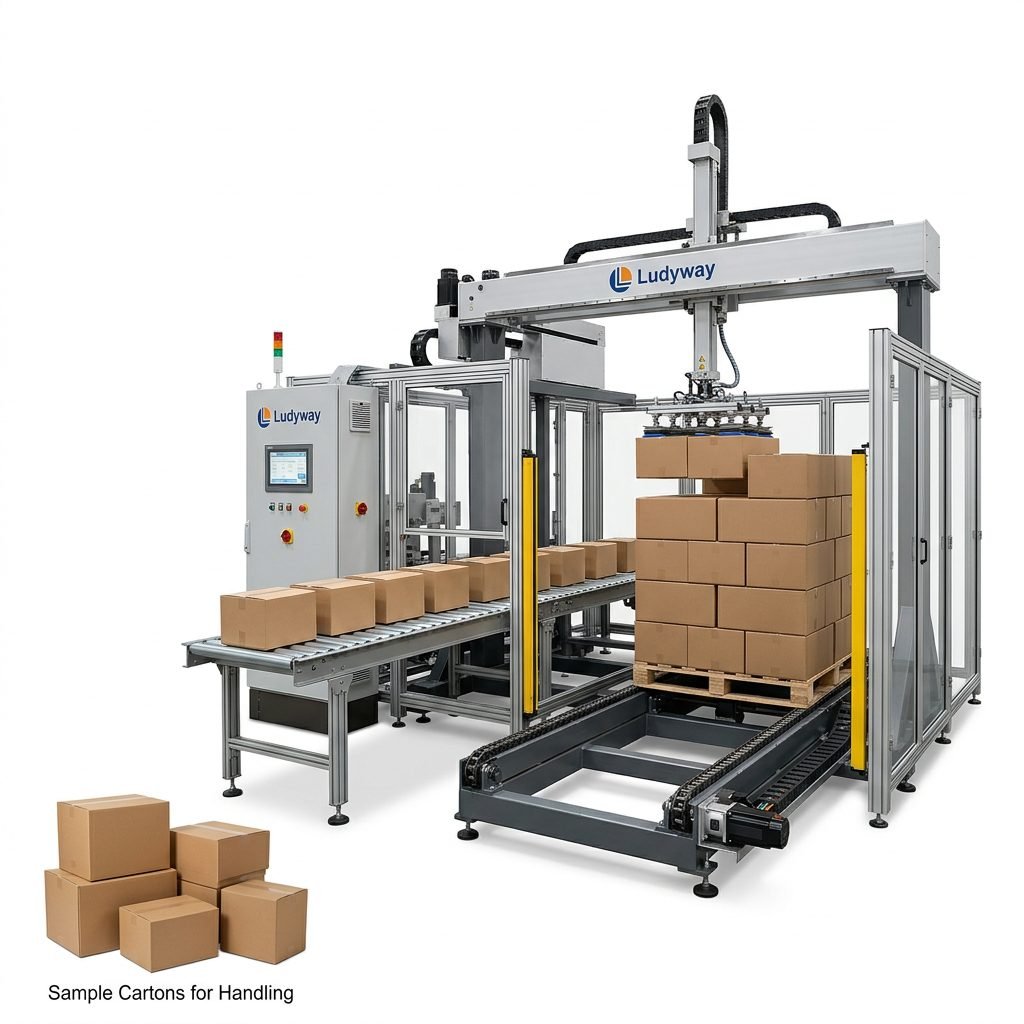
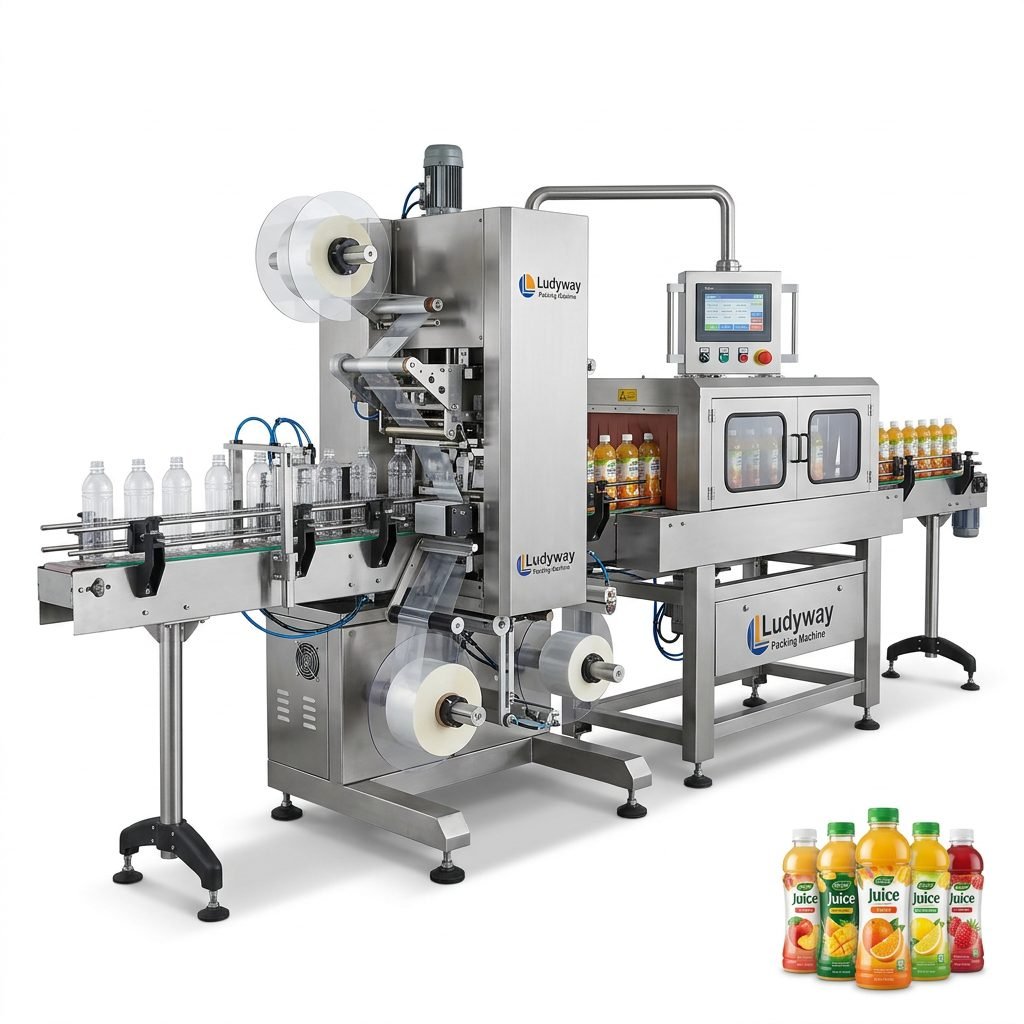
Selecting the right bottle filling and packaging machine is a critical decision for any production line. The right equipment can dramatically increase efficiency, ensure product consistency, and reduce operational costs. This guide will walk you through the different types of machines, their key features, and the essential factors to consider when making your choice.
Understanding Bottle Filling and Packaging Machines
At its core, a bottle filling and packaging machine automates the process of dispensing a precise volume of liquid, semi-liquid, or viscous product into containers and then sealing them. This automation replaces manual labor, leading to higher speed, improved accuracy, and better hygiene standards. These systems are indispensable in industries like beverages, pharmaceuticals, cosmetics, food condiments, and chemicals.
Core Function of the System
The typical workflow involves several integrated stations: Bottle Unscrambling → Cleaning/Air Rinsing → Precise Filling → Capping/Sealing → Labeling → Cartoning or Case Packing. Modern machines often combine multiple functions into a single, synchronized line.
Main Types of Bottle Filling Machines
Different products and production requirements call for different filling technologies. Here’s a breakdown of the most common types.
1. Gravity Fillers
These machines rely on the natural force of gravity to move product from an overhead tank into bottles. They are simple, cost-effective, and best suited for thin, free-flowing liquids like water, juices, and oils that are not aerated.
2. Pneumatic (Pressure) Fillers
Pneumatic fillers use air pressure to push product from a pressurized tank into the container. This method is excellent for foamy liquids (like shampoos or beers) and more viscous products (like sauces or creams), as it minimizes foam and allows for faster filling.
3. Volumetric Fillers (Piston & Pump)
This category is highly accurate and versatile. A piston filler uses a cylinder and piston to draw a precise volume of product and then dispense it. It’s ideal for chunky sauces, pastes, and cosmetic lotions. Peristaltic or rotary pump fillers are gentle and perfect for shear-sensitive or sterile products.
4. Vacuum Fillers
Vacuum fillers create a vacuum inside the bottle, which draws the liquid in. They are particularly useful for filling fragile or odd-shaped containers and ensure a consistent fill level regardless of minor bottle inconsistencies.
5. Overflow Fillers
Designed to give a perfectly uniform fill level for clear bottles, overflow fillers fill until the liquid reaches a specific overflow point and is recirculated. This is the standard for cosmetic toners, screen cleaners, and premium beverages where presentation is key.
Quick Comparison Table
Gravity Filler: Best for thin, non-foamy liquids. Low cost, simple operation.
Pneumatic Filler: Handles foamy & viscous products well. Moderate speed and cost.
Piston Filler: High accuracy for thick products. Easy to clean, versatile.
Vacuum Filler: Good for fragile bottles. Consistent fill level.
Overflow Filler: Perfect for uniform liquid level in clear bottles. Excellent presentation.
Key Features and Technological Advancements
Modern machines offer features that boost productivity, flexibility, and compliance.
Automation and Control Systems
The heart of a modern machine is its Programmable Logic Controller (PLC) with a touchscreen Human-Machine Interface (HMI). This allows for easy recipe storage, changeover, and monitoring of production data like speed, counts, and faults.
Changeover Flexibility
Quick Changeover (QCO) is vital for manufacturers running multiple products. Look for machines with tool-less adjustments, quick-release parts, and servo-driven mechanisms that allow for fast bottle size or format changes, minimizing downtime.
Hygienic Design and Materials
For food, pharmaceutical, or cosmetic use, machines must meet strict hygiene standards. Features include stainless steel (304 or 316L) construction, CIP (Clean-in-Place) systems, sanitary fittings, and designs that prevent product or bacterial entrapment.
Integrated Sealing and Capping
A complete line often includes automatic cappers for screw caps, snap caps, or press-on lids, and induction sealers for tamper-evident inner liners. Synchronization with the filler is crucial for smooth operation.
How to Choose the Right Machine for Your Needs
Making the correct investment requires a thorough analysis of your specific situation.
1. Analyze Your Product Characteristics
This is the first and most critical step. Define your product’s viscosity, acidity, particulate content, foaming tendency, and sensitivity to heat or shear. A viscous hair conditioner needs a different filler than a carbonated soft drink.
2. Determine Production Requirements
Calculate your required output speed (bottles per minute) and consider future growth. Also, define the range of bottle sizes and shapes you will use. The machine must handle your smallest and largest containers efficiently.
3. Evaluate Available Space and Layout
Measure your factory floor space. Machines can be linear, rotary, or modular. You need to plan for the machine footprint, operator access, maintenance areas, and upstream/downstream conveyor connections.
4. Consider Your Budget and Total Cost of Ownership
Look beyond the initial purchase price. Factor in installation costs, training, spare parts availability, energy consumption, and long-term maintenance support. A slightly more expensive, reliable machine from a reputable supplier like Ludyway Machinery often has a lower total cost of ownership than a cheaper, less supported option.
5. Prioritize Supplier Support and Service
The machine’s quality is only half the equation. Choose a supplier with a strong reputation for after-sales service, technical support, and readily available spare parts. Review their company history and experience. A supplier with 30+ years of industry experience brings invaluable expertise to ensure your line runs smoothly for years.
Checklist for Your Machine Purchase
✅ Product Compatibility: Has the machine successfully filled a product similar to yours?
✅ Speed & Accuracy: Does it meet your output and fill precision targets?
✅ Flexibility: How quickly can you change bottle sizes or products?
✅ Hygiene & Compliance: Does it meet the required industry standards (FDA, CE, etc.)?
✅ Supplier Credibility: Do they offer strong warranties, training, and local/global support? Learn more about their commitment as professional packaging experts.
✅ Future-Proofing: Can the machine be upgraded or integrated with other line equipment?
Conclusion
Investing in a bottle filling and packaging machine is a significant step toward automating and scaling your production. By carefully evaluating your product, output needs, and the capabilities of different machine types, you can select a system that delivers reliability, efficiency, and a strong return on investment. Partnering with an experienced equipment provider ensures you get not just a machine, but a complete solution tailored to your success.
Frequently Asked Questions (FAQs)
1. What is the main difference between a semi-automatic and fully automatic bottle filler?
A semi-automatic machine requires an operator to place and remove bottles for each filling cycle, suitable for low-volume production or pilot batches. A fully automatic machine is integrated with conveyors and automatic bottle handling systems, running continuously with minimal operator intervention, designed for medium to high-volume production.
2. How do I clean and maintain my bottle filling machine?
Follow the manufacturer’s manual strictly. Daily routines include wiping down surfaces and clearing debris. Regular maintenance involves lubricating moving parts, checking seals and gaskets, and calibrating the filling heads. Many modern machines feature CIP systems for automated cleaning. Proper maintenance is crucial for longevity and hygiene.
3. Can one machine handle different bottle sizes and products?
Yes, many machines are designed for quick changeover. However, the ease and speed depend on the machine’s design. Look for models with tool-less adjustments, interchangeable filling heads, and servo-driven components that allow for fast switching between bottle sizes and product types by recalling stored recipes on the PLC.
4. What safety features should I look for?
Essential safety features include emergency stop buttons at multiple points, protective guarding around moving parts, safety interlocks that stop the machine when guards are opened, and electrical systems that comply with international standards (e.g., CE). For hazardous products, explosion-proof specifications may be required.
5. How long does it typically take to install and commission a new filling line?
The timeline varies based on complexity. A simple standalone filler may be operational in a few days. A complete, integrated packaging line with conveyors, cappers, and labelers can take several weeks for installation, mechanical setup, electrical connection, programming, testing, and operator training. Detailed planning with your supplier is key to a smooth installation.