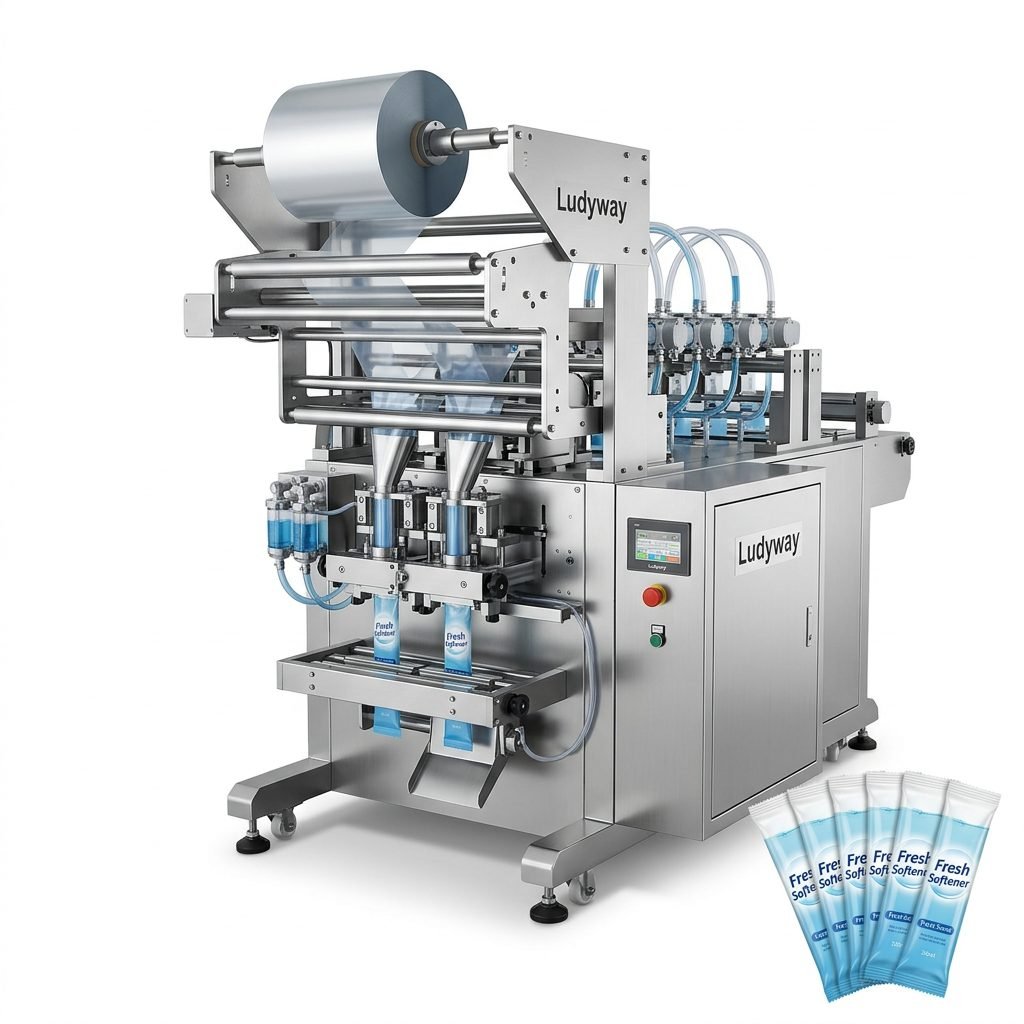
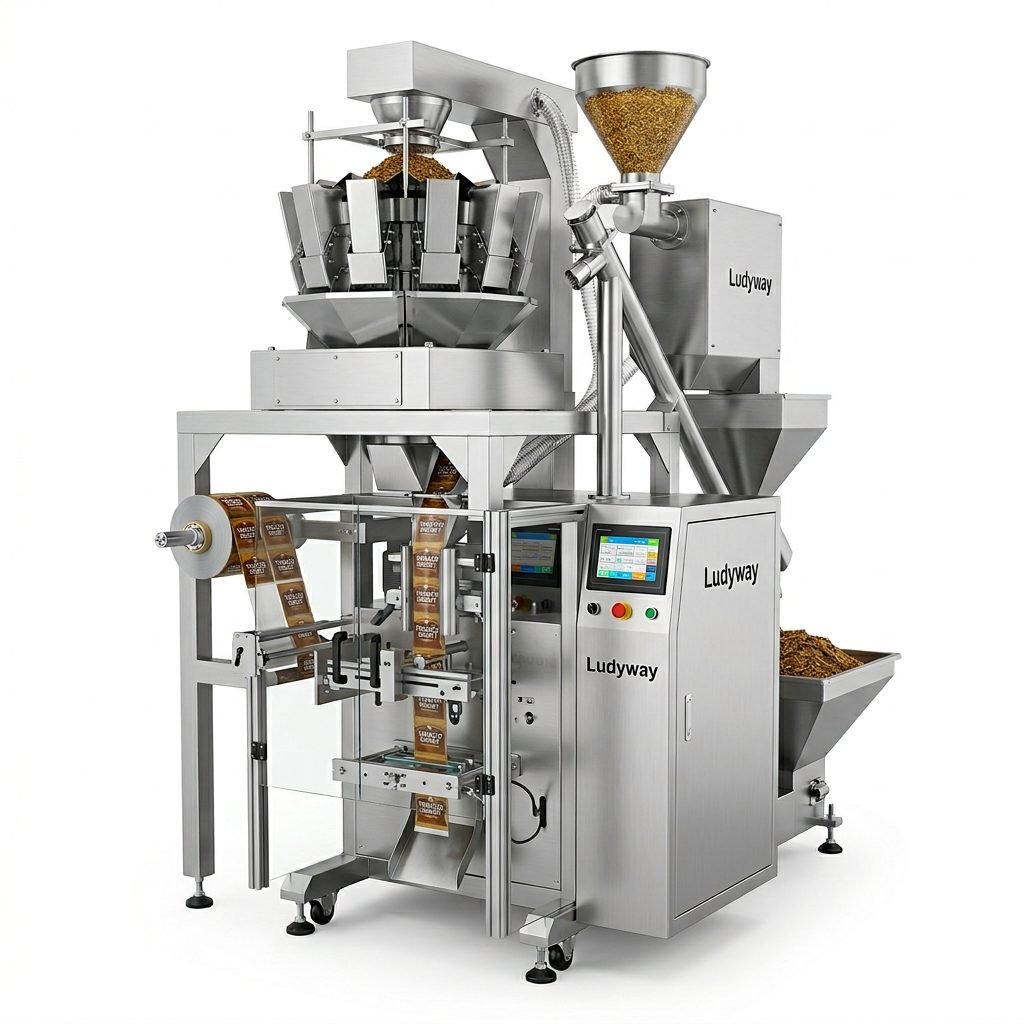
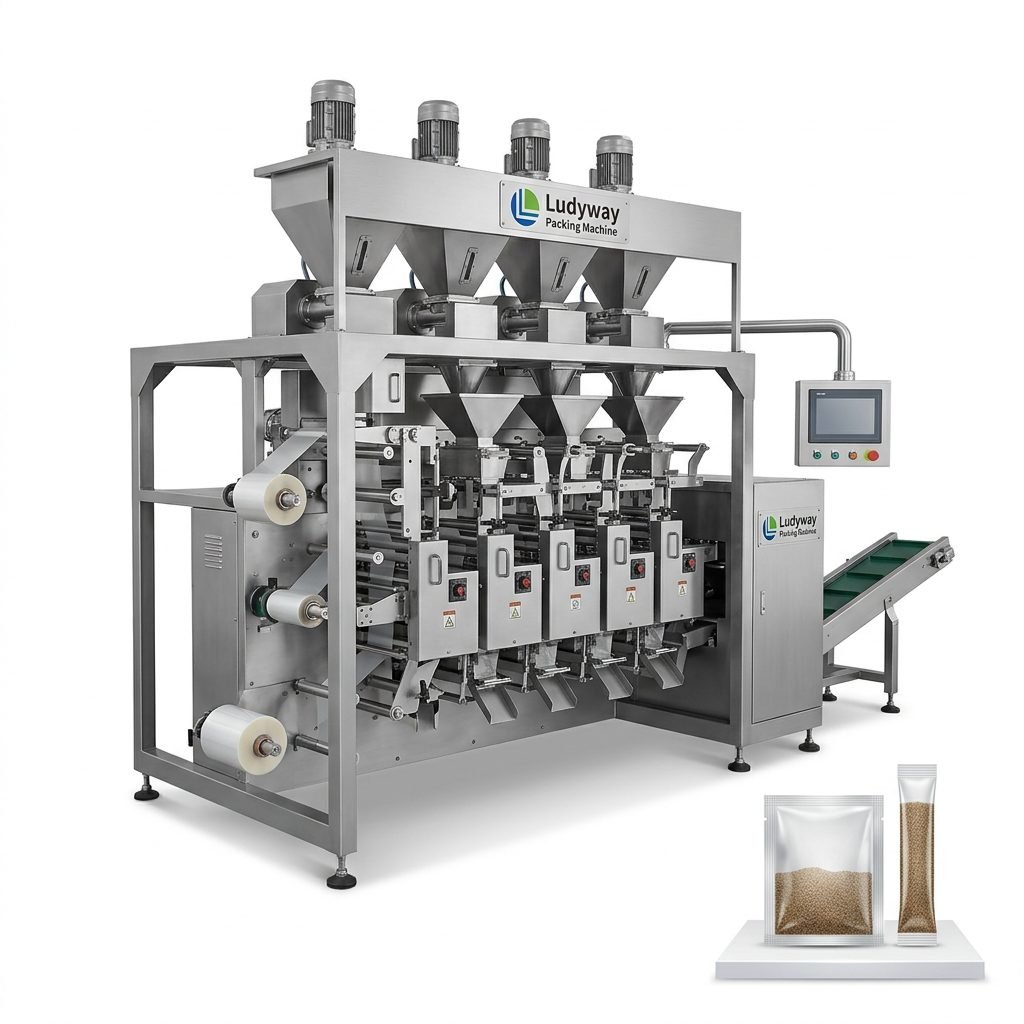
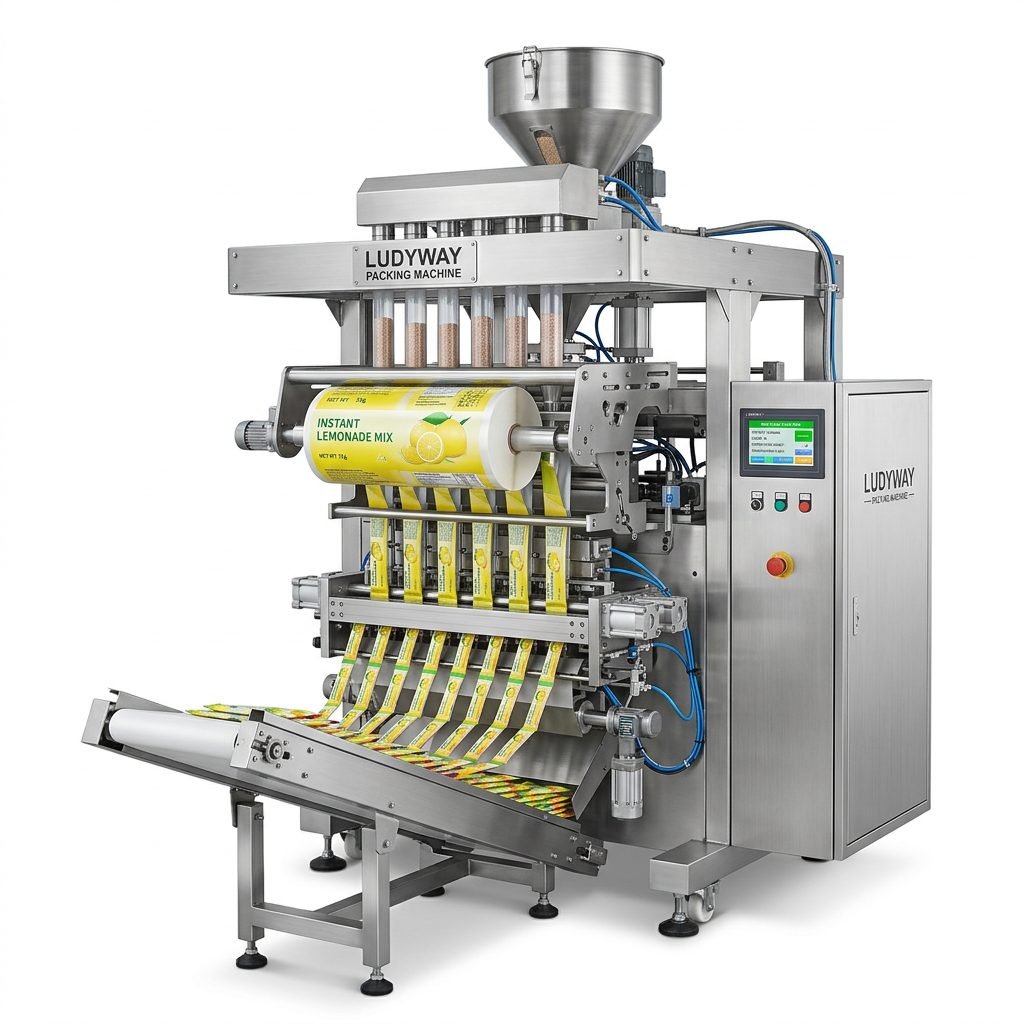
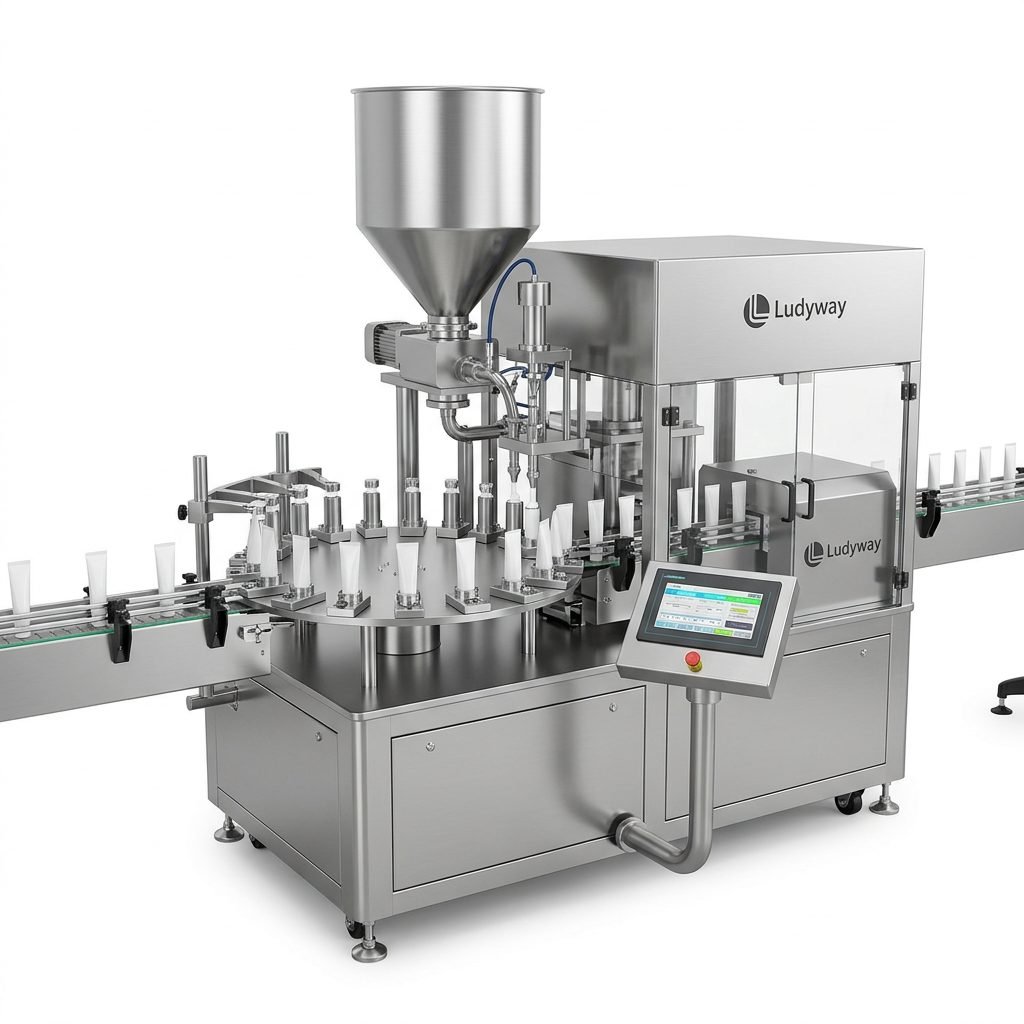
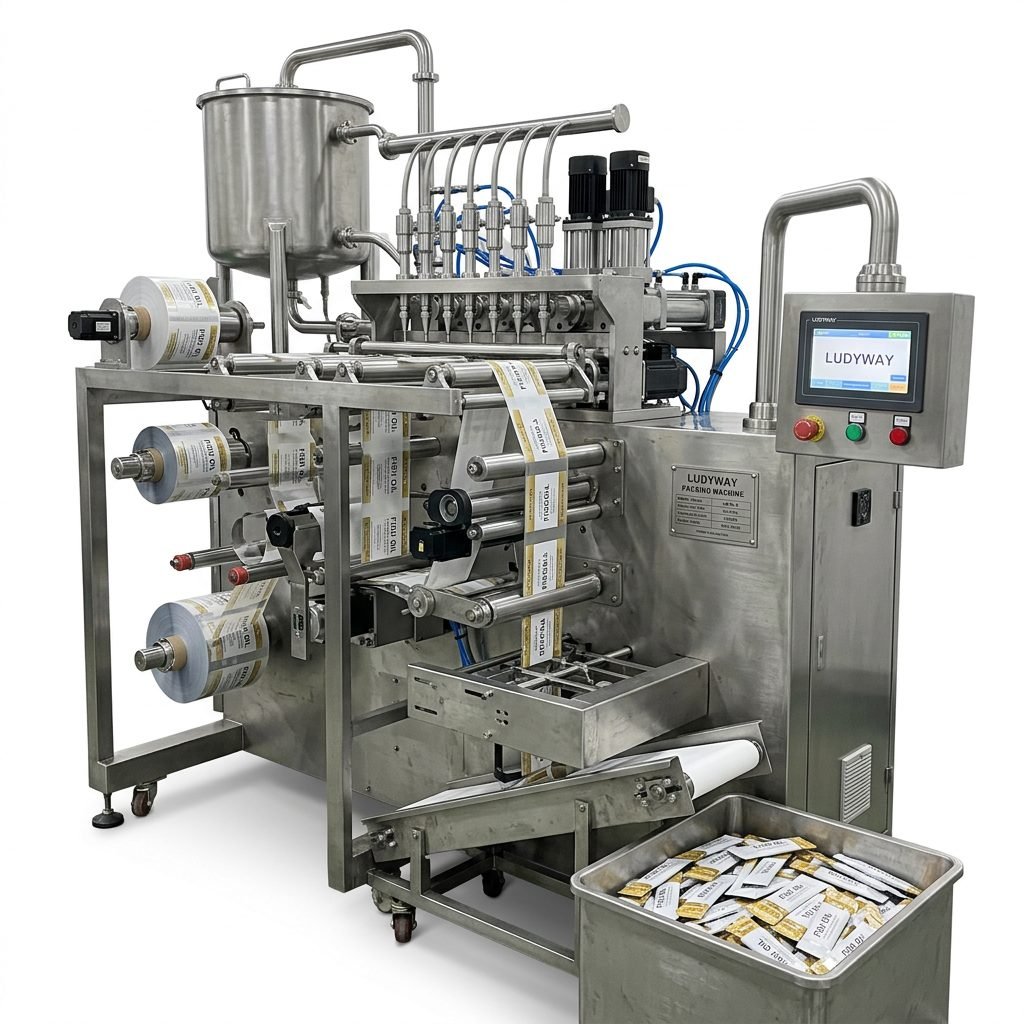
For global importers and distributors seeking to optimize their supply chain and product presentation, the selection of packaging machinery is a critical strategic decision. High-efficiency CCH (Carton, Case, and Horizontal) packaging machines represent a pinnacle of automation, designed to handle a diverse range of products with speed, precision, and reliability. These solutions are not merely about wrapping a product; they are about enhancing operational throughput, ensuring product integrity across long-distance logistics, and presenting goods in a manner that resonates with end consumers in various markets. This article delves into the comprehensive trading solutions available for these advanced systems, highlighting key considerations for international buyers.
Understanding High‑Efficiency CCH Packaging Technology
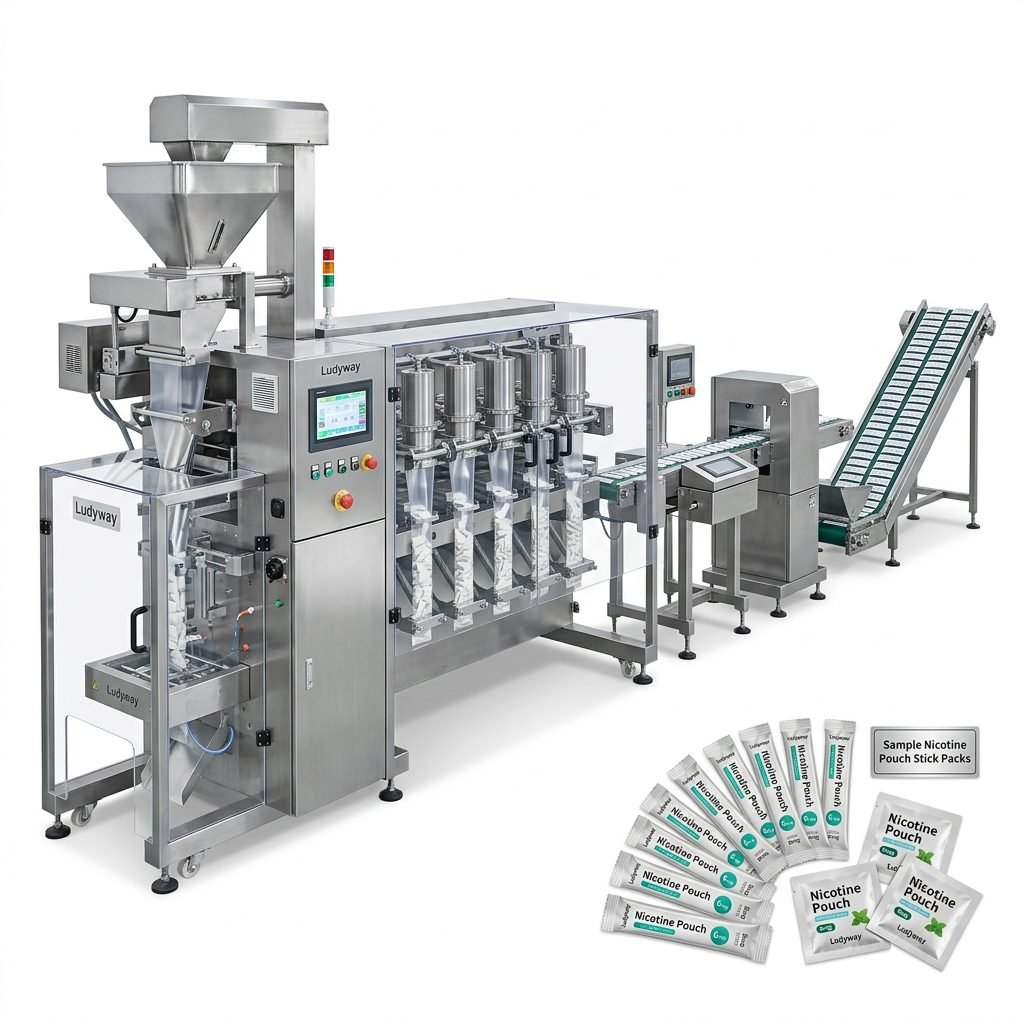
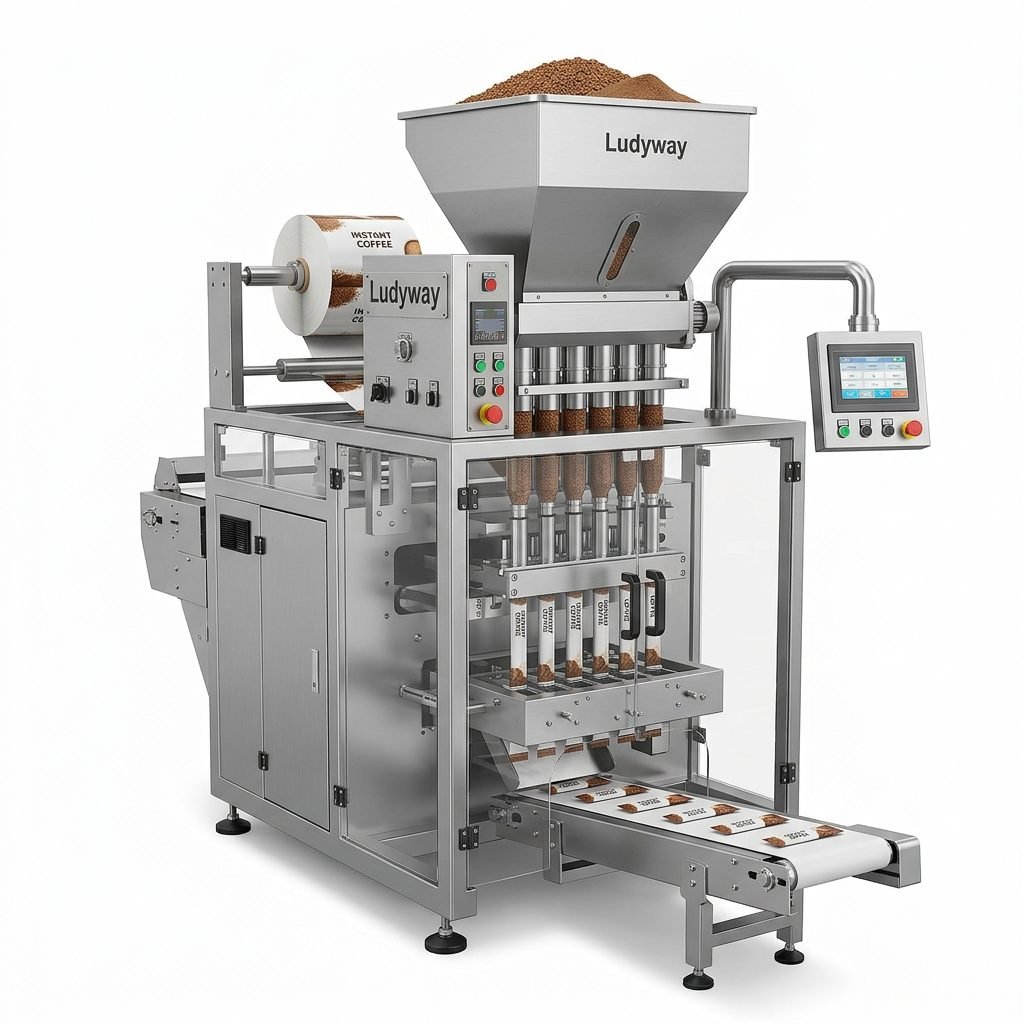
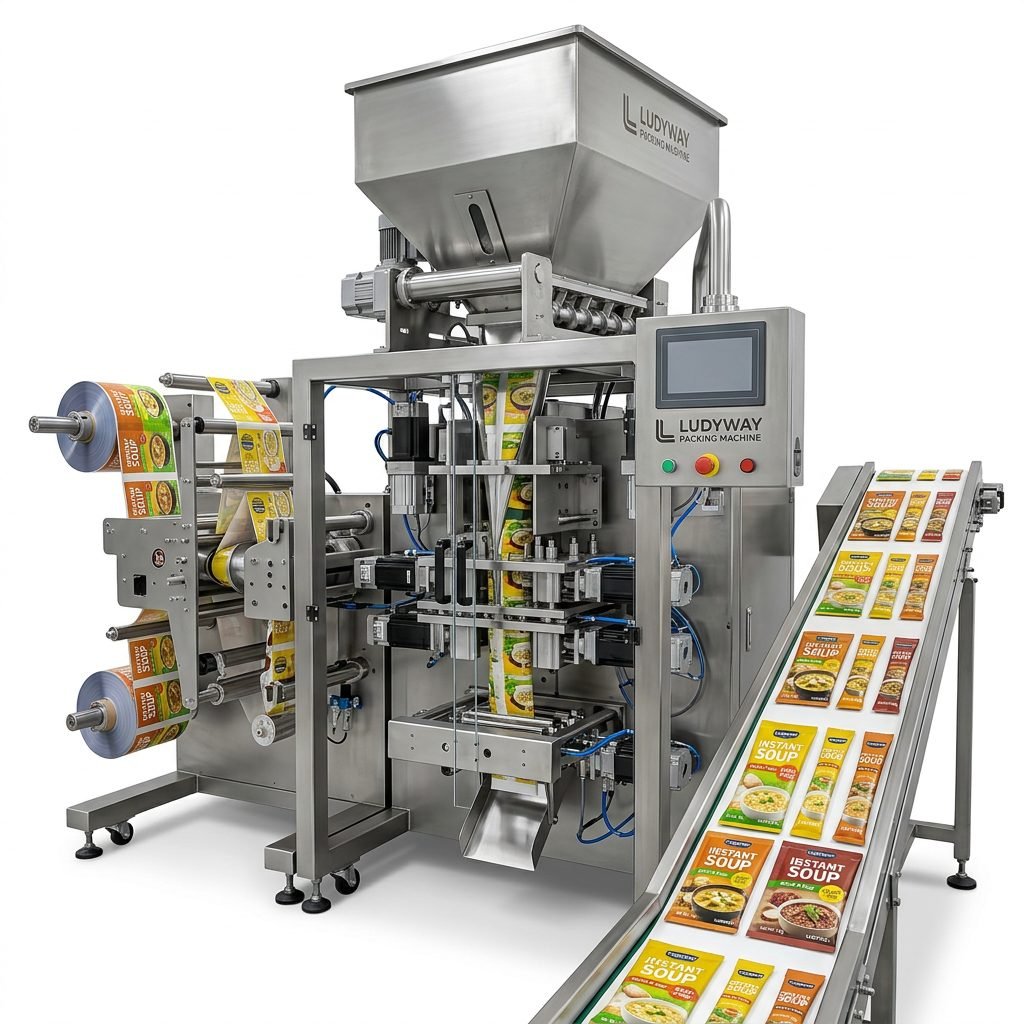
High‑efficiency CCH packaging systems integrate several automated processes into a seamless workflow. Carton forming, case erecting, and horizontal flow‑wrapping are combined to create robust, retail‑ready packages. The core advantage lies in their adaptability and speed, capable of processing thousands of units per hour with consistent quality. This efficiency directly translates to lower per‑unit packaging costs and a significant reduction in labor dependency, a crucial factor for distributors managing large‑volume orders.
Key Benefit: These machines offer remarkable flexibility in package size and material, allowing distributors to quickly switch between different product lines without extensive downtime. This is vital for businesses catering to diverse regional preferences or seasonal product variations.
Core Components of a Modern CCH Line
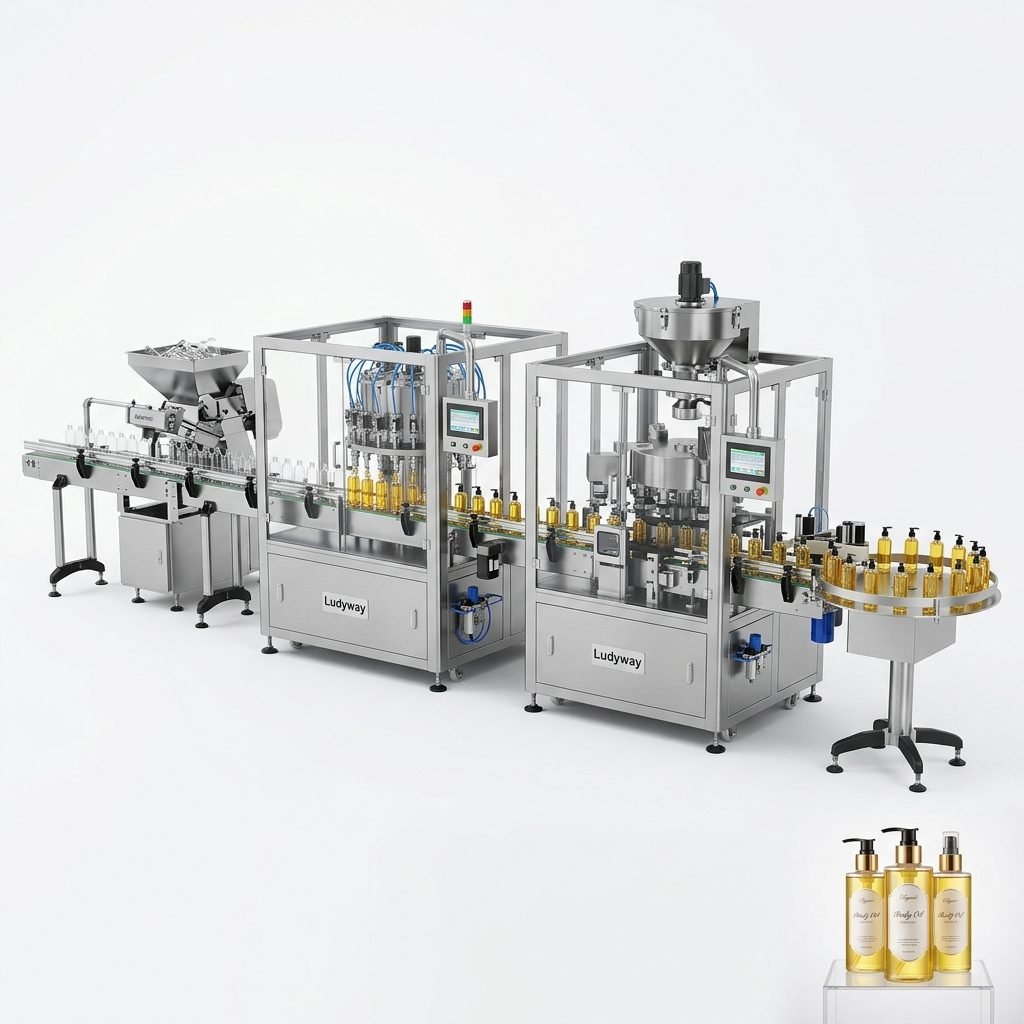
A complete high‑efficiency line typically includes an automatic carton feeder, a precision product collation and loading system, a secure carton sealing unit, and sometimes integrated case packing. The most advanced models feature touch‑screen PLC controls, self‑diagnostic systems, and quick‑changeover mechanisms. For global operations, choosing machinery with robust construction and internationally certified safety standards (like CE) is non‑negotiable to ensure smooth customs clearance and on‑site operation.
Strategic Advantages for Global Importers & Distributors
Integrating high‑efficiency CCH packaging solutions provides a formidable competitive edge in the international marketplace.
1. Scalability for Market Expansion
As importers grow their footprint in new regions, packaging output must scale accordingly. Modular CCH systems allow for phased investment. You can start with a core horizontal flow‑wrapper and later integrate automatic cartoning as volume increases, protecting capital while planning for growth.
2. Enhanced Product Protection & Brand Consistency
Long‑distance shipping exposes products to humidity, compression, and handling shocks. A machine‑formed carton provides superior structural integrity compared to manual packing. Furthermore, automated systems ensure every package is identical, reinforcing brand professionalism and trust on shelves from Berlin to Bangkok.
Local Market Adaptation Tip
While the machine technology is global, packaging design must be local. For instance, distributors in Japan may require immaculate, compact packaging with precise folding, reflecting local values of quality and space efficiency. In contrast, markets in the Middle East might favor larger, gift‑style cartons for certain products. A versatile CCH machine can accommodate both aesthetic and structural requirements efficiently.
3. Operational Cost Reduction & ROI
The high throughput of these machines drastically reduces labor costs per unit. Reduced material waste through precise dosing and forming also contributes to savings. For a distributor, a faster packaging line can mean fewer shifts required to meet order deadlines, or the ability to take on larger, more profitable contracts with confidence.
Selecting the Right Machinery Partner
Choosing a supplier is as important as choosing the machine. For global clients, the partner must offer more than just a equipment sale; they must provide a complete trading solution.
This includes comprehensive pre‑sales consultation to assess your specific product range and volume needs, detailed technical documentation in English, and clear Incoterms for international shipping. Post‑sales support is critical: look for suppliers who offer remote troubleshooting, readily available spare parts, and on‑site installation or training services. A partner with a proven track record in exporting to your region will understand logistical and regulatory hurdles.
Companies like Ludyway Machinery, with decades of industry experience, exemplify this approach by providing tailored packaging solutions backed by strong engineering support, ensuring a smooth project from inquiry to operation.
Implementing Your Packaging Solution: A Step‑by‑Step Guide
Successful implementation requires careful planning.
Phase 1: Needs Analysis & Sampling. Provide potential suppliers with your actual products for testing. This determines machine compatibility and optimal packaging parameters.
Phase 2: Factory Acceptance Test (FAT). If possible, visit the manufacturer to see your configured machine run before shipment. This verifies performance and allows for final adjustments.
Phase 3: Logistics & Installation. Work with your supplier to ensure proper crating, shipping, and customs documentation. Professional installation and operator training are key to a quick startup.
Phase 4: After‑Sales & Optimization. Establish a clear communication channel with the supplier for ongoing support. Regularly review packaging efficiency and explore upgrades as your business evolves.
The Future of Packaging Trade: Smart & Sustainable
The next evolution for importers and distributors involves IoT‑enabled machines that provide real‑time data on output, downtime, and maintenance needs. Furthermore, there is growing global pressure for sustainable packaging. Forward‑thinking suppliers are now offering solutions that efficiently run with recyclable or biodegradable materials, helping your brand meet environmental, social, and governance (ESG) goals and appeal to eco‑conscious consumers worldwide. Exploring these options with a knowledgeable partner like Ludyway can future‑proof your investment.
Frequently Asked Questions (FAQs)
1. What is the typical lead time for a high‑efficiency CCH packaging machine?
Lead times vary based on customization but generally range from 30 to 90 days after order confirmation for standard models. Complex, fully customized turnkey lines may require 120 days or more. Always confirm the detailed production and shipping schedule with your supplier.
2. Can one machine handle vastly different product sizes?
Yes, within its designed range. The key feature is “quick changeover.” Modern machines use digital settings and interchangeable parts (like forming boxes) to switch between product sizes in minutes, minimizing downtime. Discuss your full product portfolio with the engineer during the selection process.
3. What kind of after‑sales support should I expect for international operations?
You should expect comprehensive support including detailed operation manuals, wiring diagrams, and instructional videos. Reliable suppliers offer remote video support for troubleshooting and a clear spare parts supply chain. Many also provide optional on‑site technician dispatch for initial installation and major servicing. Verify the warranty terms and support structure before purchasing.
4. How do I ensure the machine meets the safety and electrical standards of my country?
Inform your supplier of your country’s specific standards (e.g., UL for USA, KC for Korea). Reputable manufacturers like Ludyway Machinery can configure machines to comply with local voltage, frequency, and safety regulations, and provide necessary certification documents to facilitate customs clearance.
5. Are training materials and technical documentation provided in English?
For global trade, professional suppliers provide all critical documentation—including user manuals, maintenance guides, and PLC software interfaces—in clear, standard English. This is a fundamental requirement for effective operation and maintenance by your local team.