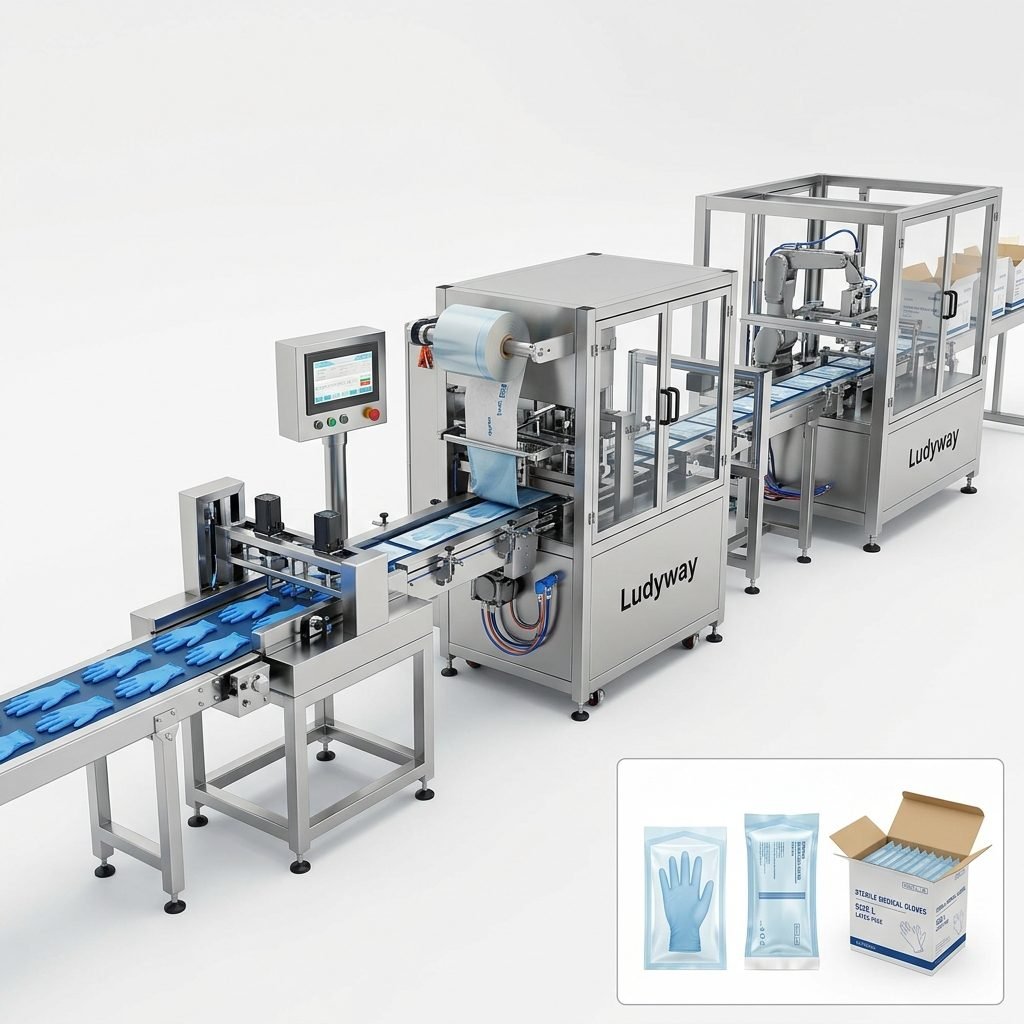
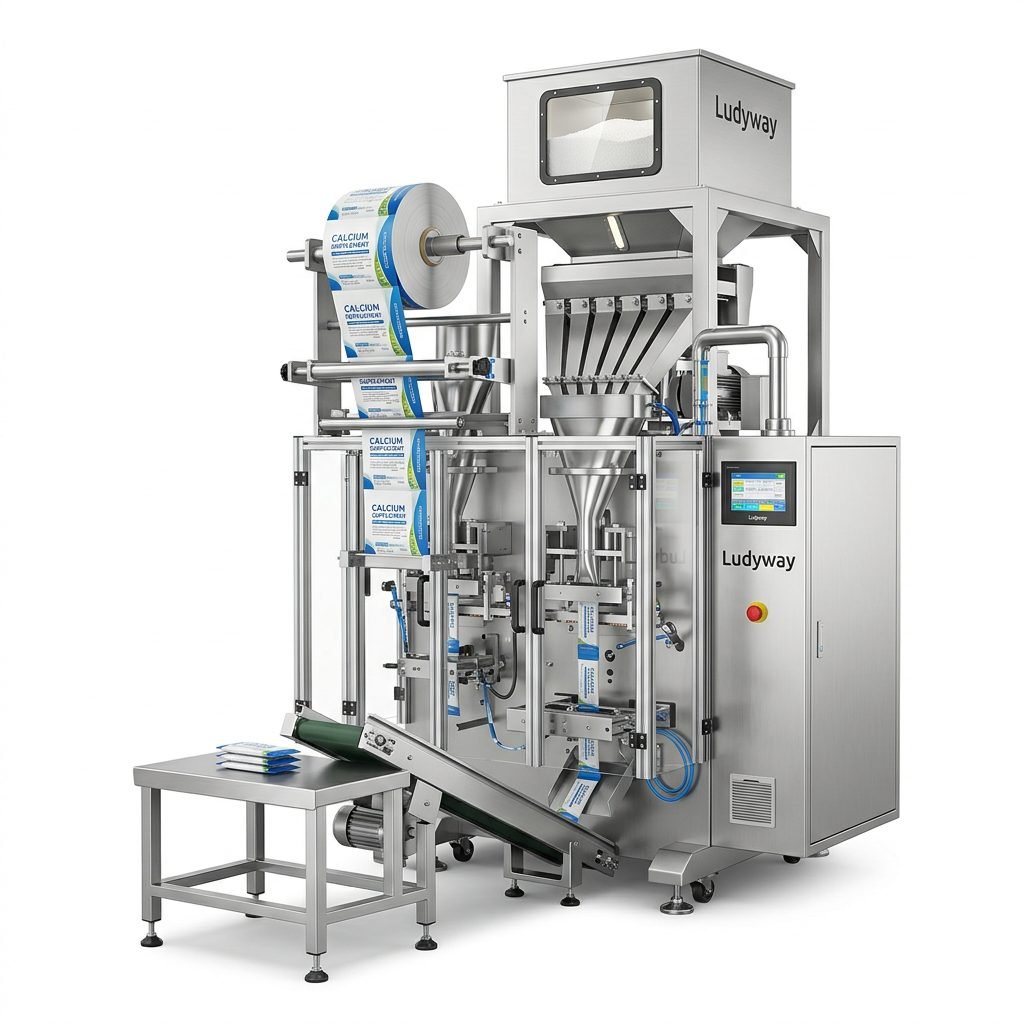
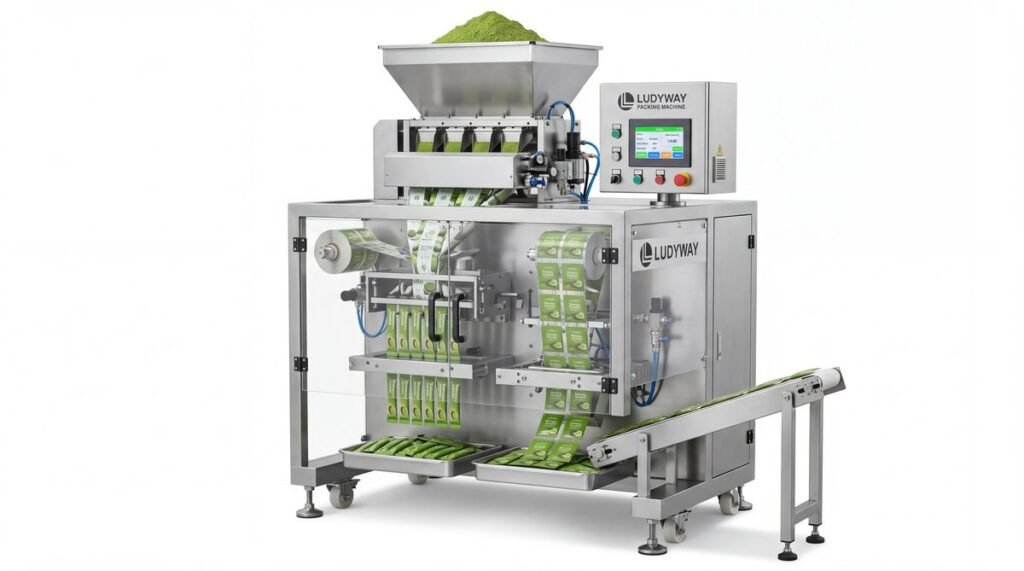
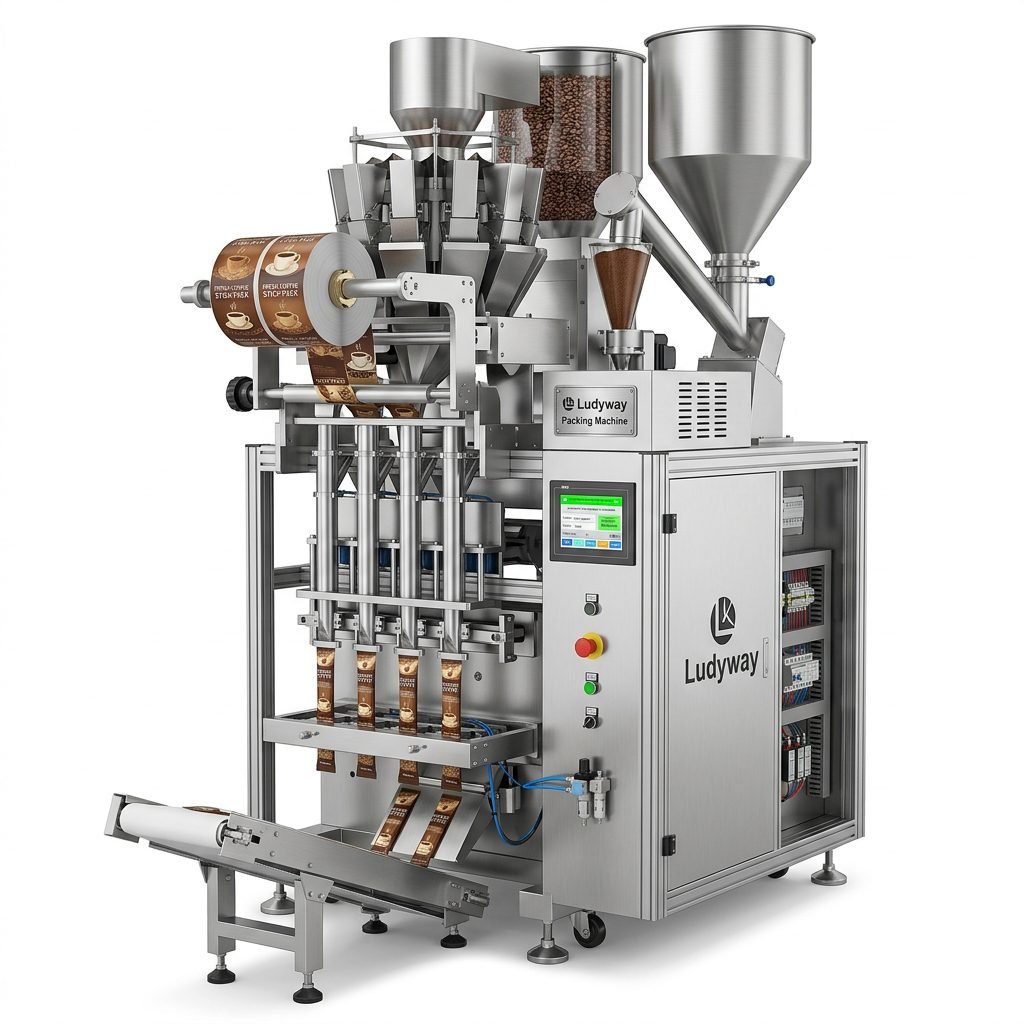
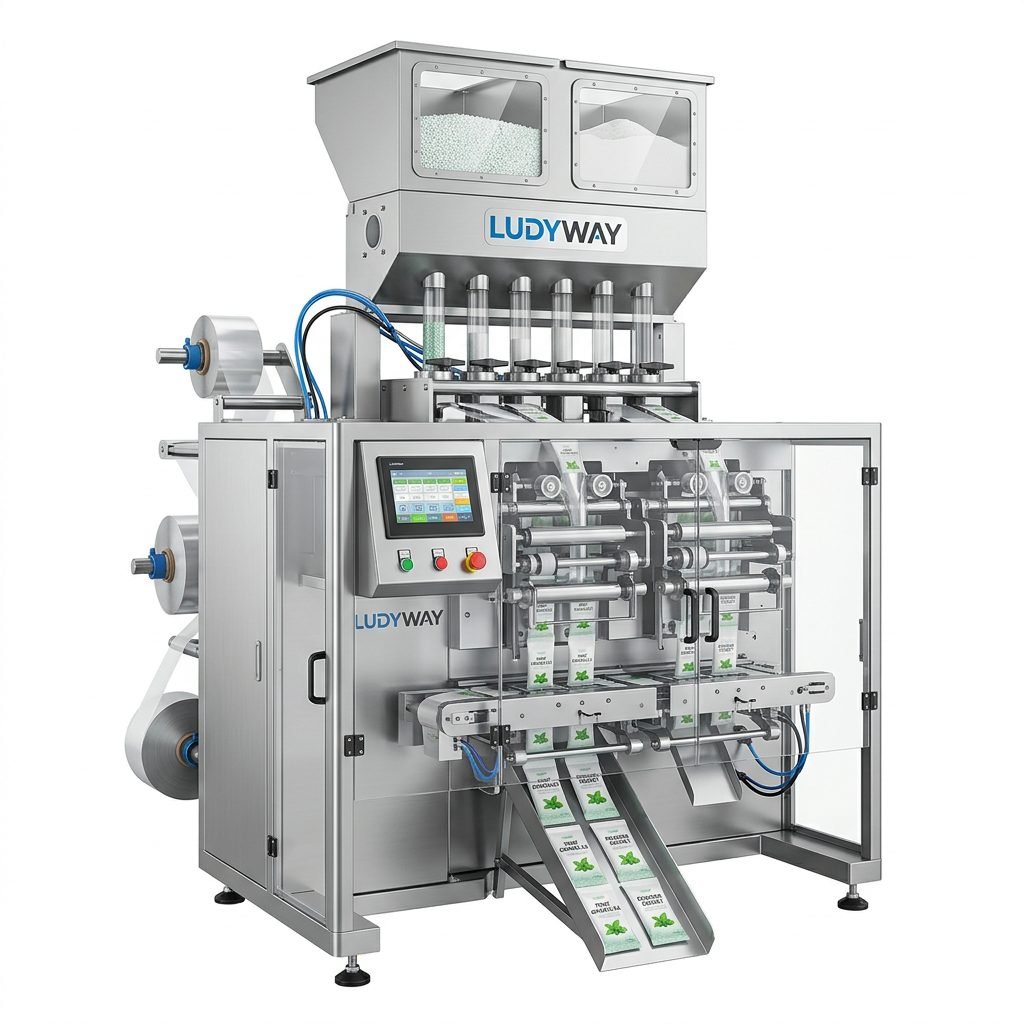
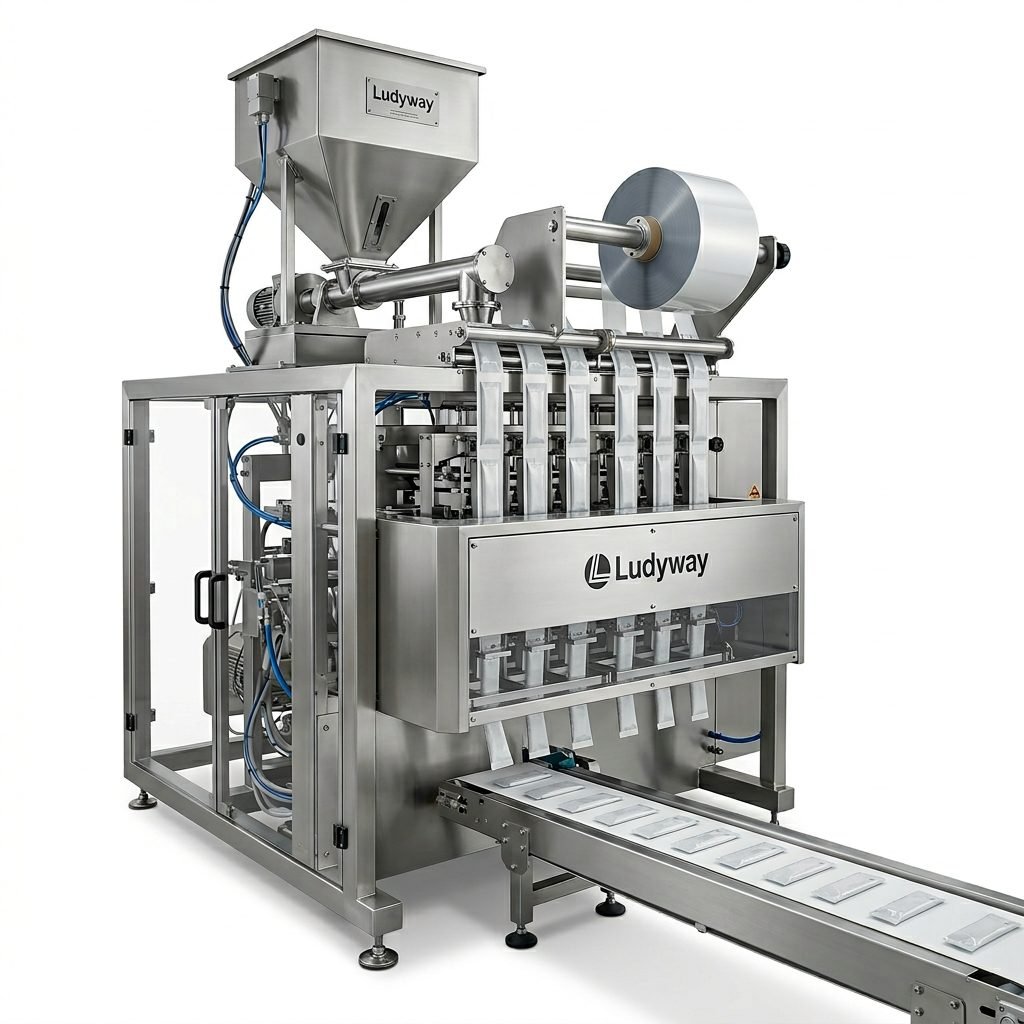
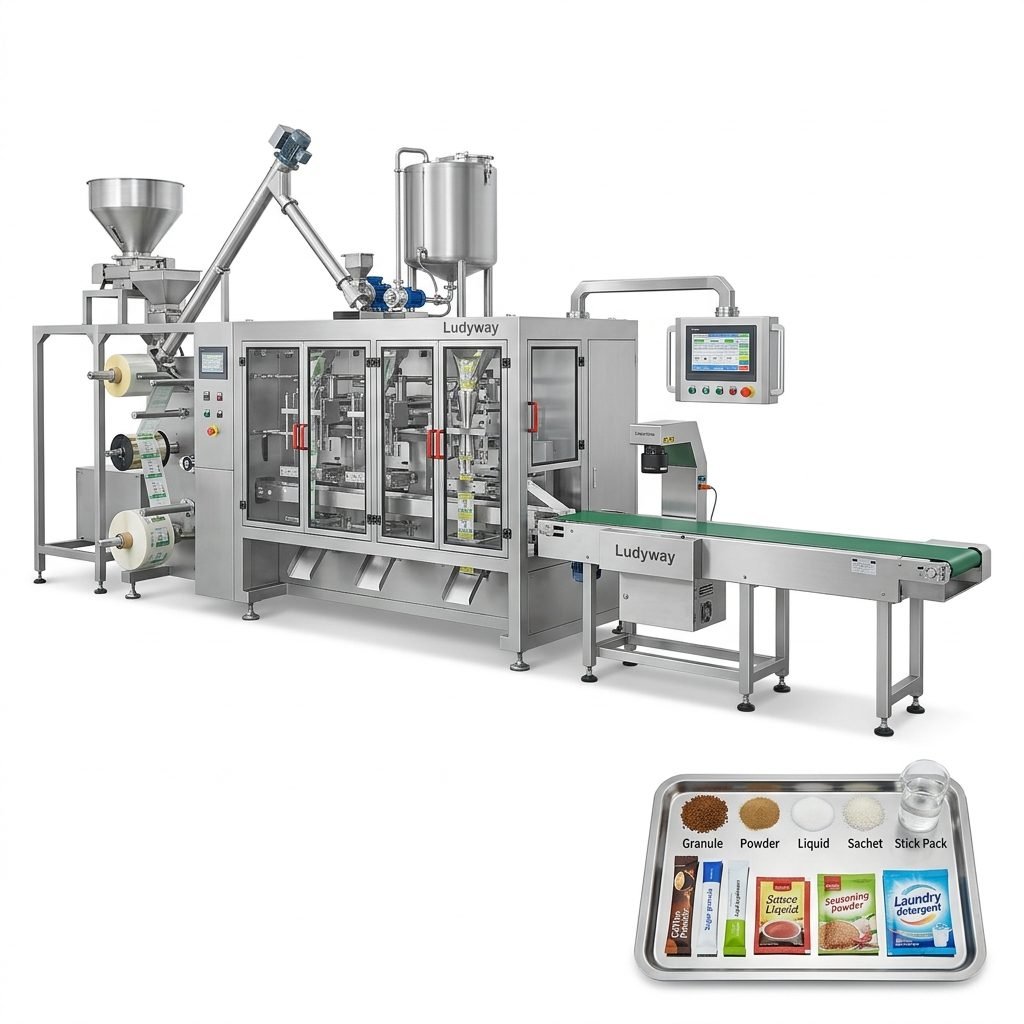
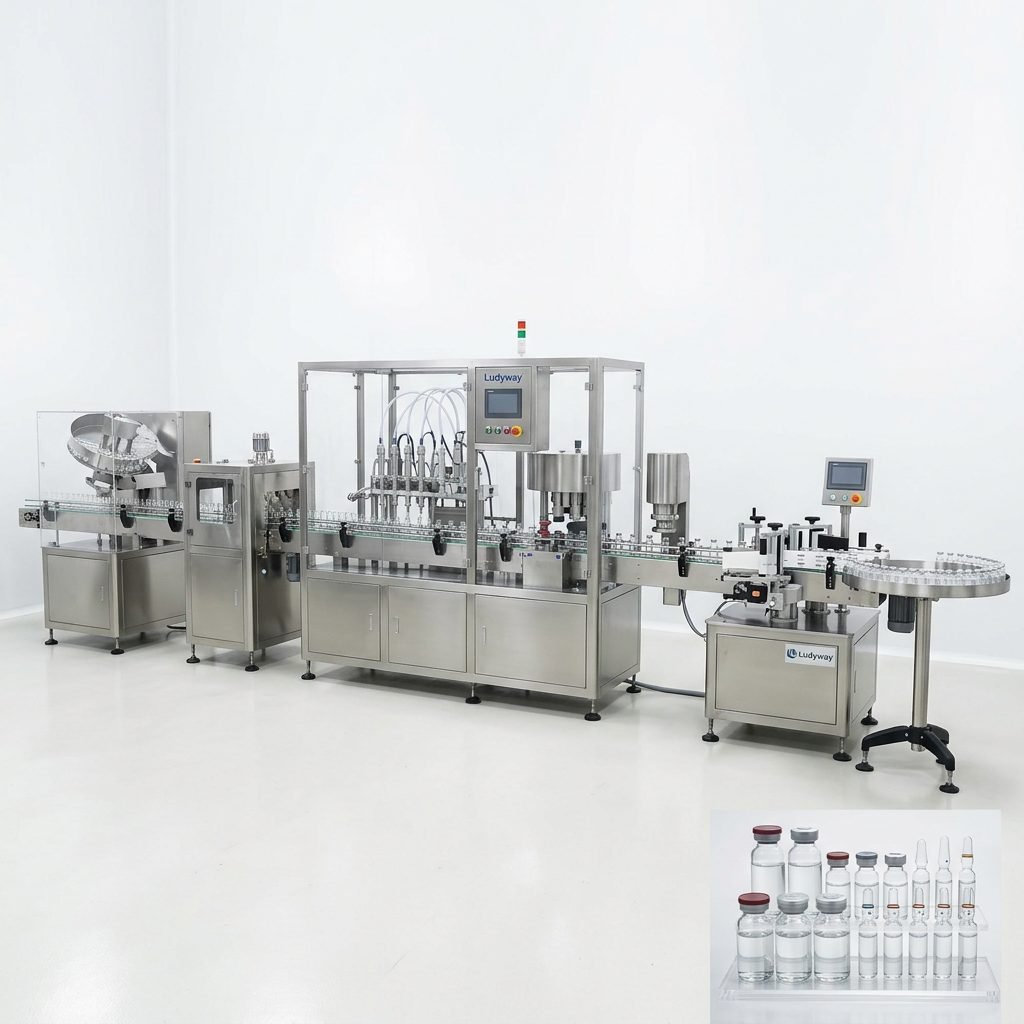
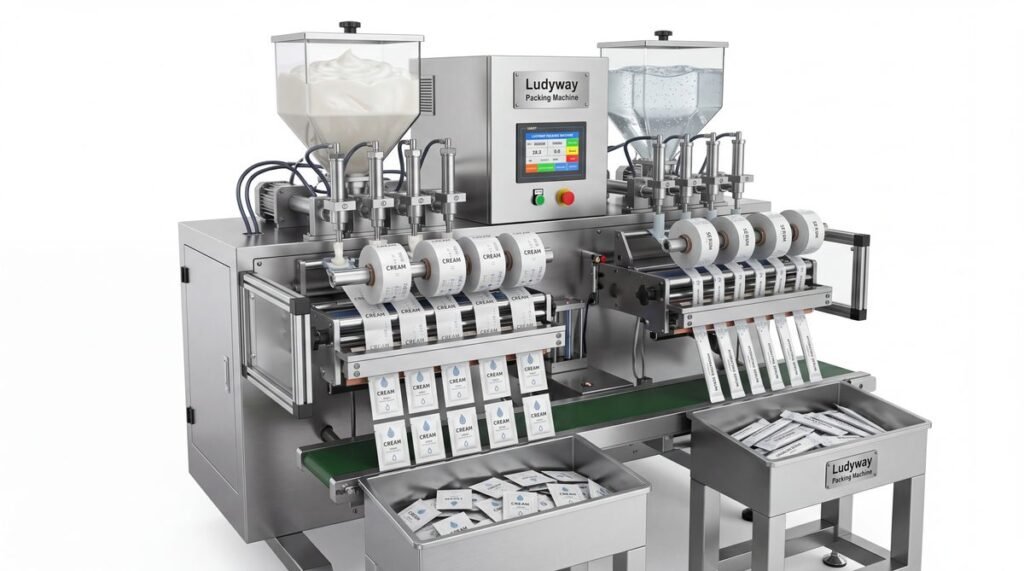
Selecting the right box packaging machine manufacturer is a critical decision that directly impacts your production efficiency, product quality, and bottom line. With numerous suppliers in the market, each promising reliability and innovation, the process of choosing the best partner can be daunting. This guide aims to demystify the selection process, providing you with a clear framework to evaluate top manufacturers and identify the supplier that perfectly aligns with your specific production needs, budget, and long-term business goals.
Key Factors to Evaluate in a Packaging Machine Manufacturer
Before diving into specific suppliers, it’s essential to understand the core criteria that separate industry leaders from the rest. A thorough evaluation should go beyond just the machine’s price tag.
1. Technical Expertise and Innovation
The cornerstone of a great manufacturer is deep technical knowledge. Look for a company with a strong R&D department and a history of innovation. Manufacturers that invest in developing new technologies, such as servo-driven systems for precision, touch-screen HMIs for user-friendly operation, and IoT capabilities for predictive maintenance, are often better equipped to handle complex production challenges. Their expertise should cover various packaging types—cartoning, case erecting, sealing, and palletizing—to offer a holistic solution.
2. Machine Quality and Durability
Quality is non-negotiable. A machine is a long-term investment, and its construction determines its lifespan and uptime. Inquire about the materials used (e.g., stainless steel grades for food contact parts), the quality of critical components (like PLCs, drives, and sensors from reputable brands), and the overall build philosophy. A manufacturer committed to quality will have rigorous testing protocols, such as 48-72 hour continuous run-off tests before shipment, to ensure reliability.
3. Customization and Flexibility
Off-the-shelf solutions rarely fit perfectly. Your ideal supplier should offer a high degree of customization. This includes the ability to adapt machine dimensions, speed, and functionality to your specific box size range, product characteristics, and factory layout. Whether you need a special infeed conveyor, integrated vision inspection systems, or compatibility with existing line equipment, the manufacturer’s engineering team should be capable and willing to provide tailored solutions.
4. After-Sales Support and Service
The relationship with your supplier begins after the purchase. Comprehensive after-sales support is arguably as important as the machine itself. Evaluate their service network: Do they have local or regional service technicians? What is their average response time for spare parts? Look for suppliers offering clear warranties, detailed documentation (manuals, schematics), readily available spare parts inventories, and thorough training programs for your operators and maintenance staff.
5. Industry Experience and Reputation
A manufacturer with extensive experience in your specific sector (e.g., food & beverage, pharmaceuticals, cosmetics, electronics) brings invaluable insight. They understand the unique regulatory requirements, hygiene standards (like USDA, FDA, or cGMP), and production challenges of your field. Research their client portfolio, ask for case studies, and seek out testimonials or reviews. A strong, positive reputation built over many years is a reliable indicator of trustworthiness and capability.
How to Conduct Your Supplier Search and Vetting Process
Armed with the right criteria, you can now systematically approach your search. Start by creating a detailed list of your requirements: desired machine type (automatic cartoner, case packer, etc.), target speed (boxes per minute), box size range, and any special features needed.
Step 1: Compile a Long List
Use industry directories, trade shows (like PACK EXPO or Interpack), and professional referrals to create an initial list of 10-15 potential manufacturers. Online platforms and industry publications are also valuable resources.
Step 2: Initial Screening and RFQ
Contact each supplier with a detailed Request for Quotation (RFQ). Their response time, professionalism, and willingness to ask clarifying questions are your first filters. Narrow your list down to 3-5 serious contenders based on their initial proposals and communication.
Step 3: Deep Dive Evaluation
This stage is critical. For your shortlisted suppliers:
• Request References: Speak directly to their current clients, preferably those with similar applications.
• Factory Audit (Virtual or In-Person): If possible, visit their manufacturing facility. Assess their production processes, quality control, and company culture. A virtual tour can be a good alternative.
• Review Documentation: Scrutinize technical drawings, parts lists, and proposed project timelines.
• Clarify Total Cost of Ownership (TCO): Look beyond the initial price. Factor in energy consumption, estimated maintenance costs, spare parts pricing, and potential costs of downtime.
Why Partnering with an Experienced Manufacturer Matters
Choosing a manufacturer like Ludyway Machinery, which brings over a decade of focused experience, offers distinct advantages. Such a partner evolves from simply selling equipment to becoming a strategic ally in your production success. They leverage deep industry knowledge to foresee potential issues and recommend optimal configurations. Their long-term perspective means they are invested in your machine’s performance for years to come, ensuring ongoing support and updates. This partnership model transforms the capital expenditure into a value-driven investment that enhances productivity, reduces waste, and safeguards your brand’s reputation through consistent, high-quality packaging.
Making the Final Decision: A Checklist
Before signing the contract, confirm the following:
✓ Machine performance guarantees (speed, accuracy, efficiency) are clearly stated.
✓ Delivery, installation, and commissioning schedule is agreed upon.
✓ Training scope for your team is defined and included.
✓ Warranty terms and conditions are explicit and fair.
✓ A service-level agreement (SLA) for support is in place.
✓ All communication and promises are documented in the final agreement.
Frequently Asked Questions (FAQs)
1. What is the typical lead time for a custom box packaging machine?
Lead times can vary significantly based on complexity and customization. For standard models, it may range from 12-16 weeks. For highly customized turnkey lines, it can extend to 20-30 weeks or more. A reliable manufacturer will provide a detailed project timeline upfront and maintain communication throughout the build process.
2. How can I ensure the machine will meet our hygiene standards (e.g., for food or pharmaceuticals)?
Discuss your specific standards (FDA, EHEDG, cGMP) in detail during the design phase. Ensure the manufacturer uses appropriate materials (e.g., 304 or 316L stainless steel), designs for easy cleaning and access (no dead spaces), and can provide necessary documentation like material certificates and risk assessments. A factory audit is the best way to verify their hygiene manufacturing practices.
3. What kind of training and documentation should I expect?
Comprehensive training should cover operation, routine maintenance, troubleshooting, and safety procedures. It should be conducted on-site after installation by qualified engineers. Documentation must include detailed operation manuals, maintenance schedules, electrical and pneumatic diagrams, a complete parts list, and software backups.
4. What are the most common causes of downtime, and how can they be minimized?
Common issues include mechanical wear on seals and belts, misalignment due to vibration, sensor faults, and operator error. Minimization strategies include: choosing a robustly built machine, implementing a proactive preventive maintenance schedule, keeping a stock of critical spare parts, and ensuring thorough operator training. Opting for machines with remote diagnostic capabilities can also drastically reduce troubleshooting time.
5. How do I future-proof my investment in packaging machinery?
Select a modular machine design that allows for easy upgrades. Choose a manufacturer with a clear roadmap for technology updates and one that supports retrofitting. Ensure the control system is based on open, widely-used platforms, and discuss potential future needs (like higher speeds, additional inspection modules, or data integration with MES/ERP systems) during the initial planning phase to ensure the base machine can accommodate them.