Selecting the right coffee bag packaging machine is a critical decision for any roastery or packaging operation. The right equipment not only ensures product freshness and appeal but also directly impacts production efficiency, operational costs, and brand consistency. This comprehensive guide explores the various types of machines, their key features, and provides a clear framework to help you choose the perfect system for your specific needs.
Understanding the Core Types of Coffee Bag Packaging Machines
The market offers several primary types of packaging machines, each suited to different production scales and packaging styles.
Vertical Form-Fill-Seal (VFFS) Machines
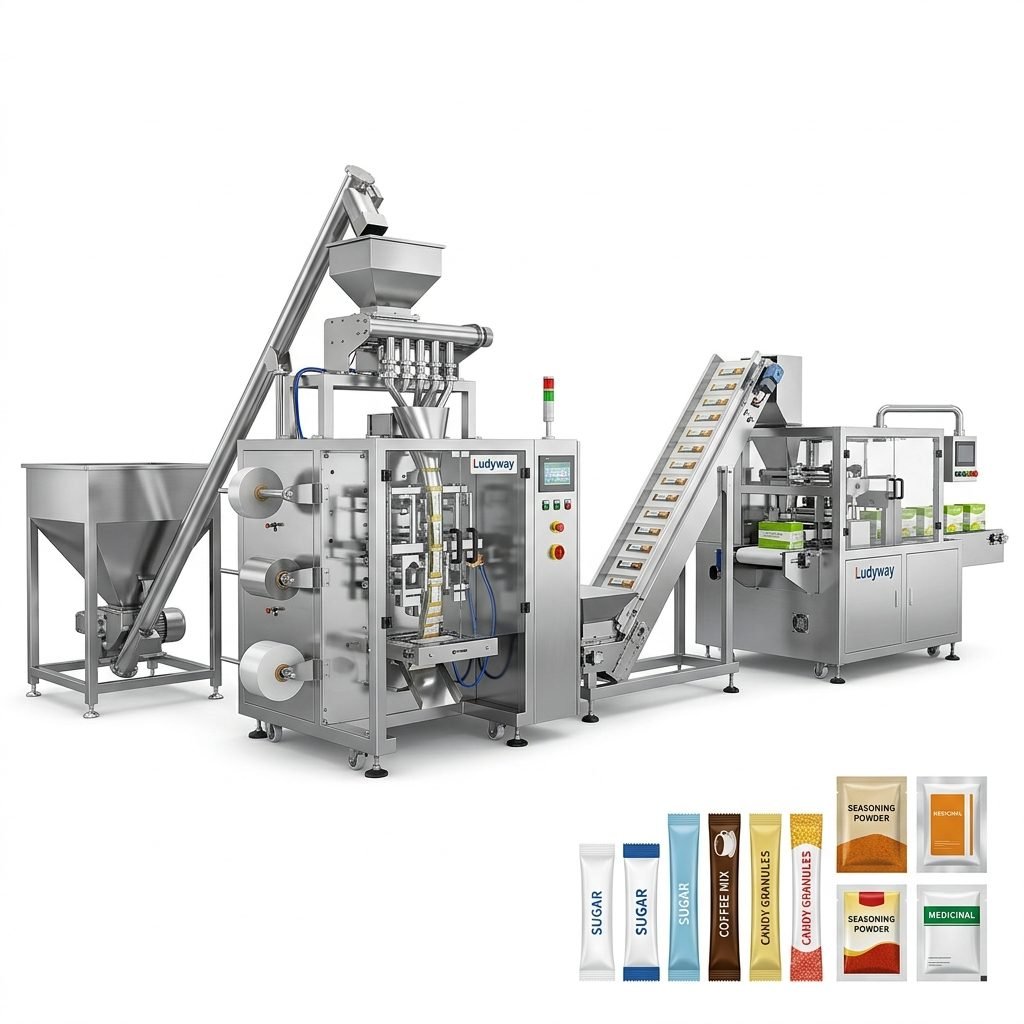
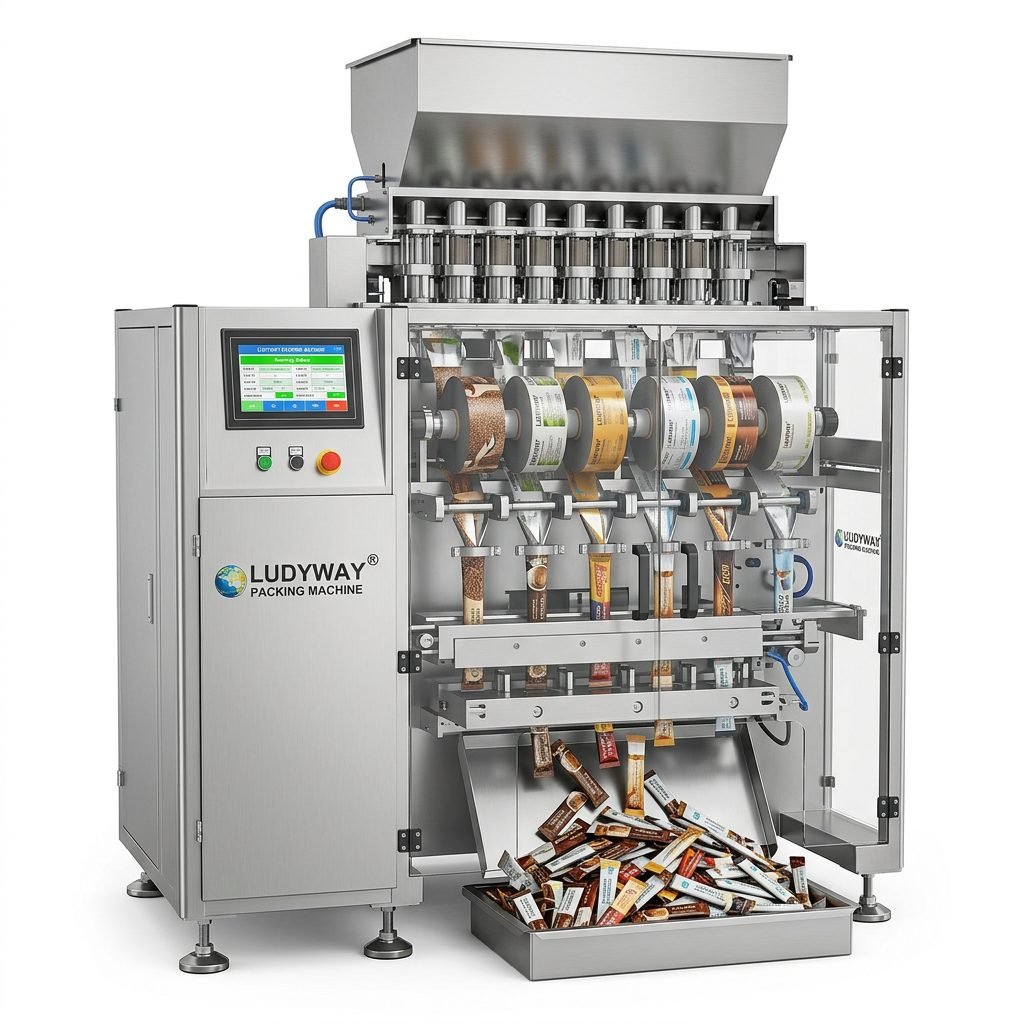
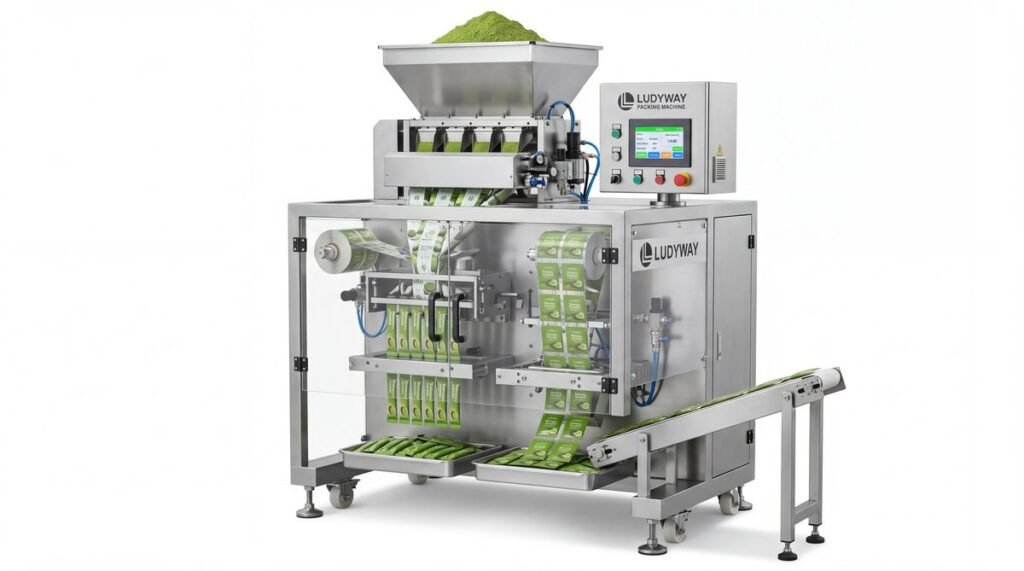
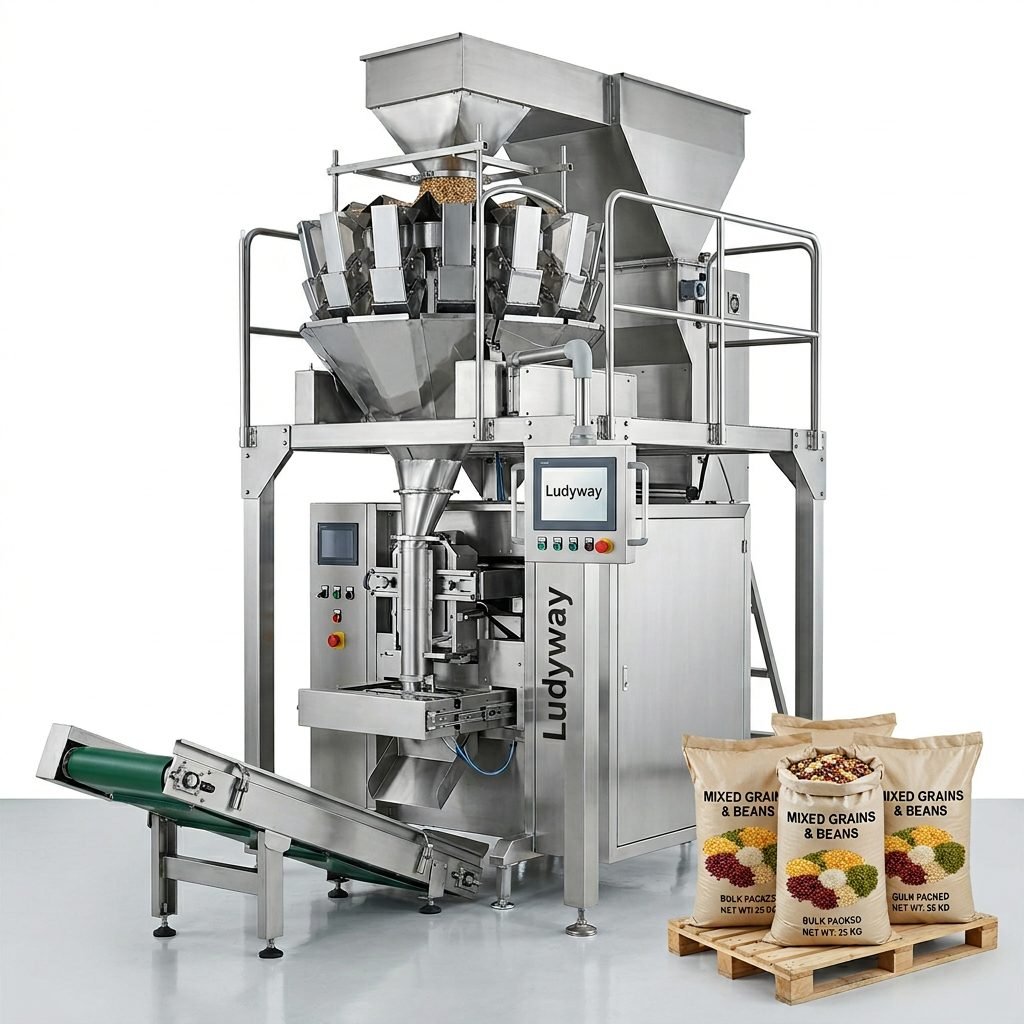
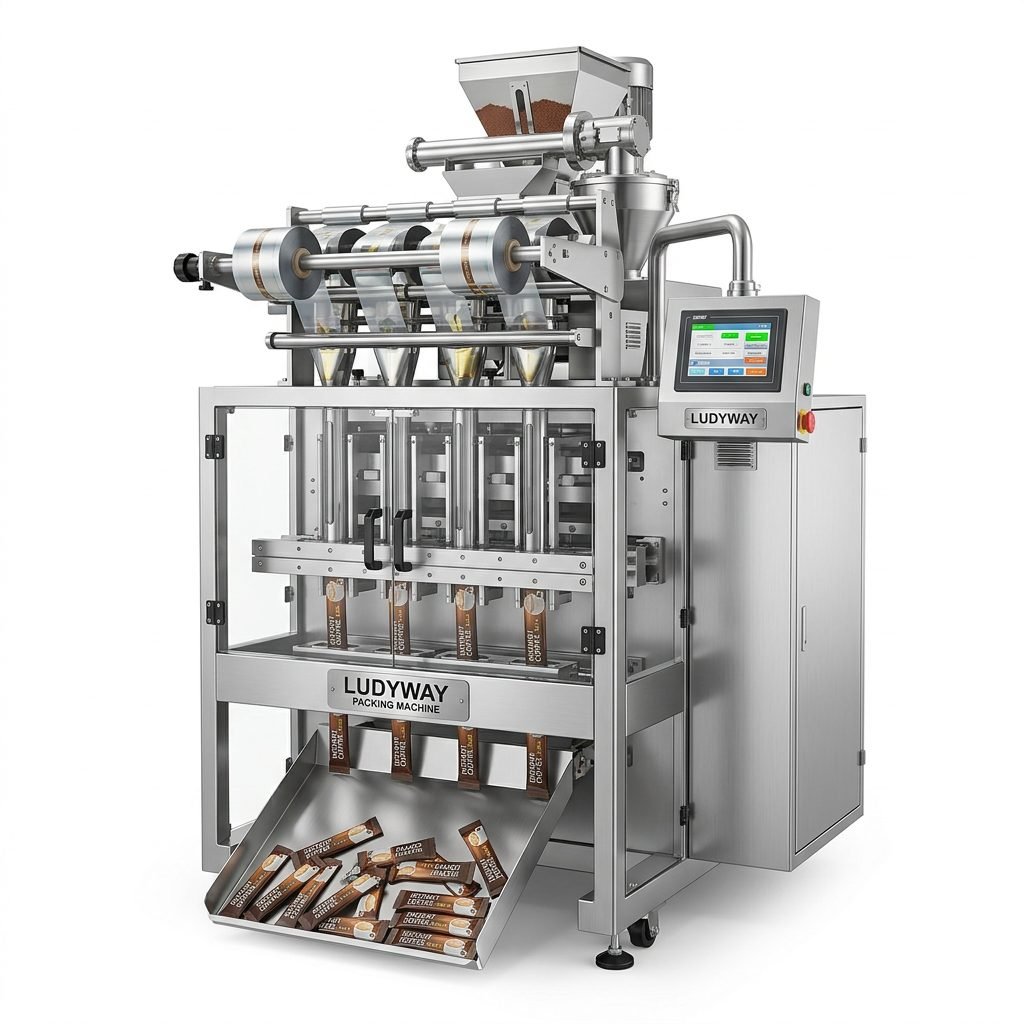
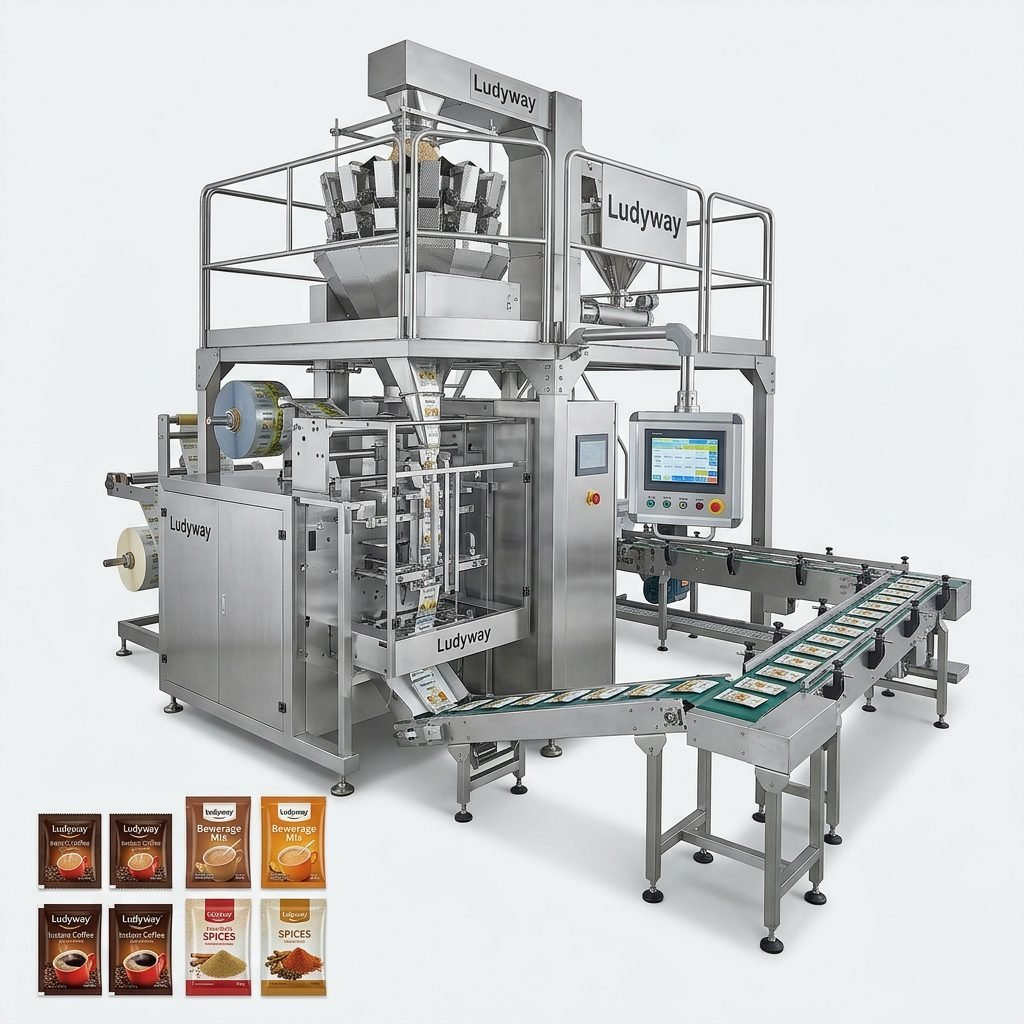
These are the workhorses of the industry for pre-made bags. A VFFS machine forms a bag from a roll of flat packaging film, fills it with your coffee, and then seals it—all in one continuous vertical operation. They are highly versatile and can handle various bag styles, including pillow bags, gusseted bags, and stand-up pouches with the right attachments.
- Best for: Medium to high-volume production of whole bean or ground coffee in flexible pouches.
- Key Advantage: Excellent packaging speed and material efficiency from roll stock.
Pre-Made Bag Fillers
These systems are designed to work with bags that are already manufactured (pre-made pouches with spouts, zippers, or degassing valves). The machine automates the opening, filling, and sealing processes. This is often the preferred choice for specialty roasters who use high-quality, branded pre-formed bags.
- Best for: Lower to medium-volume operations, especially those using complex bag structures with built-in features like degassing valves and resealable zippers.
- Key Advantage: Allows for superior bag quality and design flexibility, as bags can be custom-printed offline.
Combination Weighing Systems
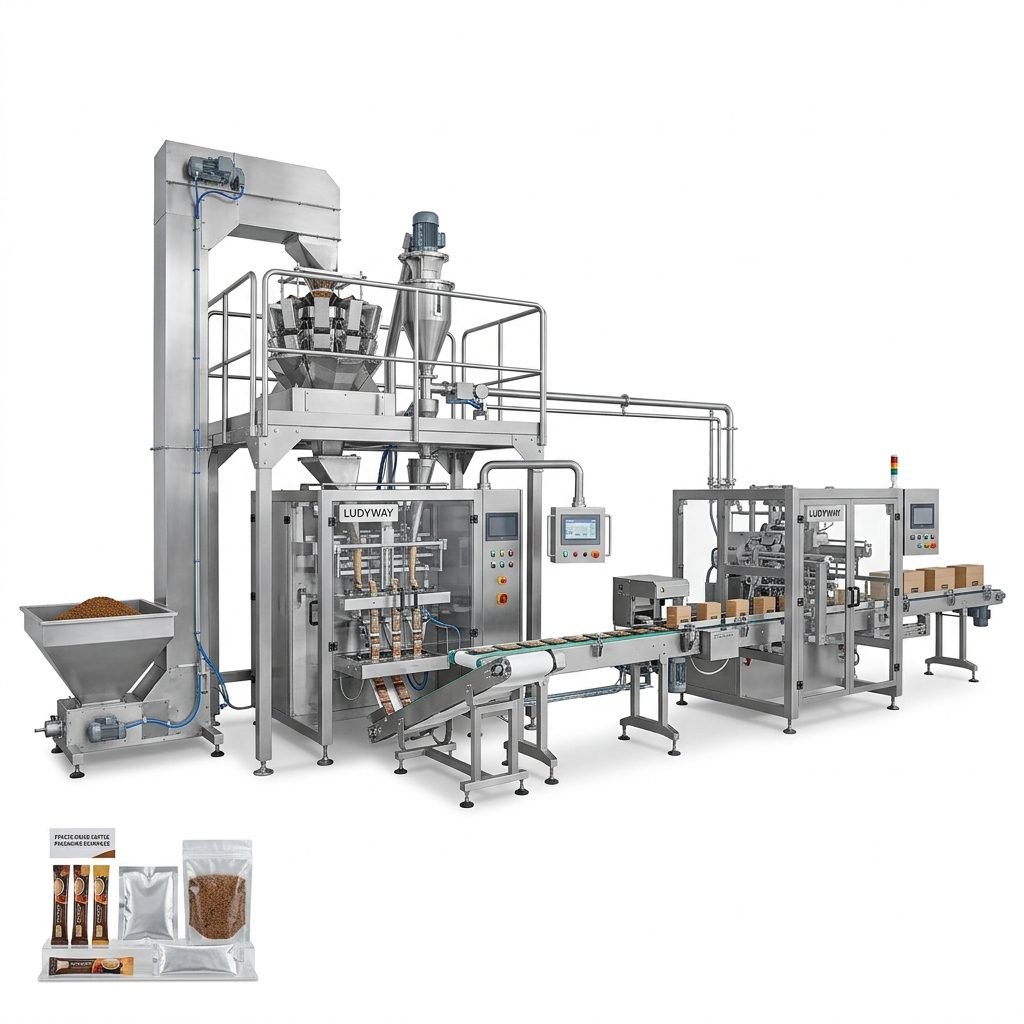
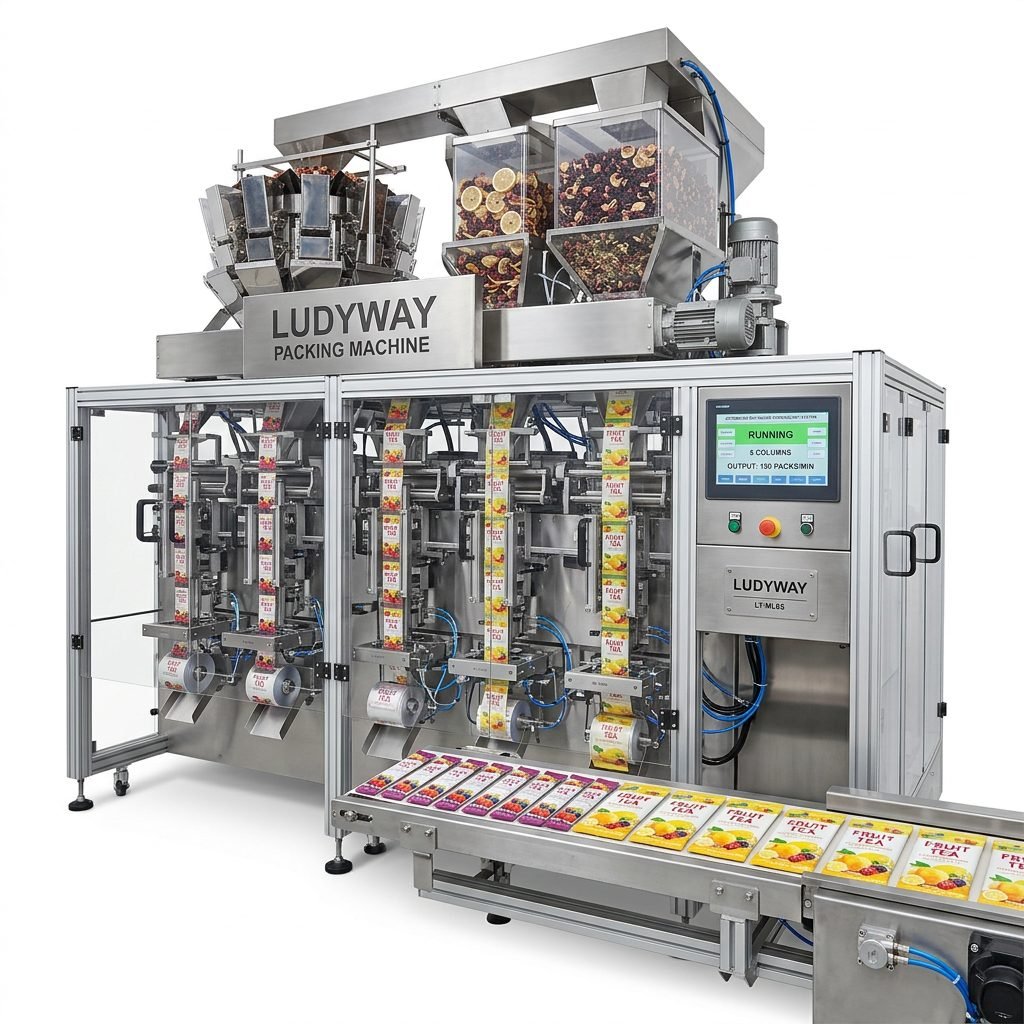
Often paired with VFFS machines, multi-head weighers provide extreme accuracy and speed for filling coffee by weight. They use a series of weigh buckets to quickly compute the perfect combination to hit the target weight, crucial for maintaining consistency and compliance.
- Best for: High-speed production lines where weight accuracy and speed are paramount.
- Key Advantage: Unmatched speed and precision, reducing product giveaway.
Essential Features to Evaluate in a Packaging Machine
Beyond the basic type, several features define a machine’s capability and suitability for coffee packaging.
Weighing and Dosing Accuracy
This is non-negotiable. Look for machines with precise load cells and stable dosing mechanisms. For whole beans, a gentle handling system like a vibratory tray or auger filler is ideal to prevent damage. Ground coffee may require a different approach to prevent clumping and ensure consistent flow.
Gas Flushing and Modified Atmosphere Packaging (MAP)
To preserve freshness and extend shelf life, many machines offer integrated gas flushing. This process displaces oxygen inside the bag with an inert gas like nitrogen or a nitrogen-CO2 mix before sealing. If freshness is your key selling point, this feature is critical.
Seal Integrity and Quality
Strong, consistent seals are vital to prevent leaks and preserve aroma. Machines should offer adjustable heat and pressure controls for the sealing jaws to accommodate different packaging materials (like laminated films with foil layers). Look for consistent, wrinkle-free seals.
Automation and Integration Level
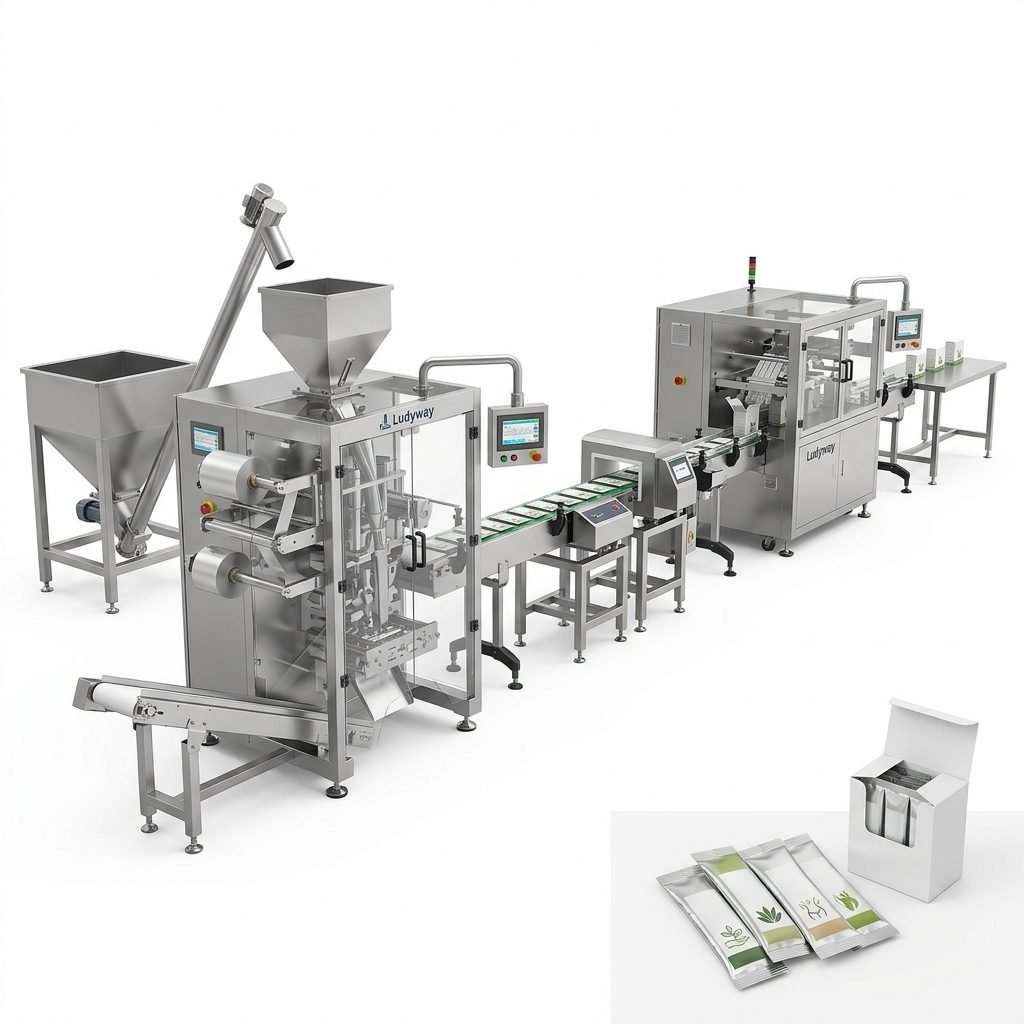
Consider how the machine fits into your line. Does it require manual bag placement, or is it fully automatic? Can it integrate with upstream equipment (like grinders) or downstream systems (like labelers and case packers)? Higher automation boosts throughput and reduces labor.
Changeover Flexibility
If you run multiple products (different bean types, weights, or bag sizes), quick changeover is essential. Machines with tool-less adjustments, saved recipe settings, and easy-access parts will minimize downtime between production runs.
How to Choose the Right Machine: A Step-by-Step Framework
Making the right choice involves a careful assessment of your current and future needs.
1. Analyze Your Production Requirements
Start with the fundamentals. What is your current and projected output (bags per minute/hour)? What bag sizes and weights do you need to handle? What type of packaging material do you use (e.g., multi-layer foil laminate, compostable film)?
2. Define Your Must-Have Features
Based on your product and brand, list non-negotiable features. Is nitrogen flushing essential for your premium single-origin beans? Do you need a machine that can handle pre-made flat-bottom gusseted bags with a degassing valve? Prioritize this list.
3. Evaluate Your Operational Space and Budget
Measure your available floor space. A full VFFS line with a weigher and conveyor requires more space than a single semi-automatic pouch filler. Your budget must include not just the machine purchase price, but also installation, training, maintenance, and potential future upgrades.
4. Consider Supplier Support and Reliability
The machine is only as good as the company behind it. Research potential suppliers like Ludyway Packing Machine, who bring extensive experience in packaging solutions. Key factors include:
- Technical Support & Training: Is comprehensive training and ongoing technical support available?
- Spare Parts Availability: How quickly can you get critical spare parts to minimize downtime?
- Warranty and Service Contracts: What does the warranty cover, and what are the options for a service agreement?
5. Request Demos and References
Always request a live demonstration using your own coffee and packaging materials (or close equivalents). This is the best way to see the machine in action and test its speed, accuracy, and handling. Ask the supplier for references from other coffee companies with similar needs.
Partnering with an Experienced Provider
Navigating the complex landscape of packaging automation is easier with a knowledgeable partner. Working with an established provider like Ludyway Machinery offers significant advantages. With over 30 years of industry experience, they understand the unique challenges of food and coffee packaging. Their range of intelligent packaging solutions can be tailored to specific production needs, from single machines to complete turnkey lines. This expertise ensures you get a reliable, efficient system that protects your product quality and grows with your business.
Frequently Asked Questions (FAQs)
What is the main difference between a VFFS machine and a pre-made bag filler?
The core difference is the bag source. A VFFS machine creates the bag from a roll of film immediately before filling it. A pre-made bag filler uses bags that have already been manufactured, printed, and often include features like valves or zippers. VFFS is typically faster and more material-efficient, while pre-made bag fillers offer higher design flexibility and are ideal for complex bag structures.
Is nitrogen flushing necessary for all coffee packaging?
While not strictly necessary, nitrogen flushing is highly recommended for preserving freshness, especially for whole bean coffee and ground coffee intended for a longer shelf life. It removes oxygen, which is the primary cause of oxidation and staling, significantly extending the product’s peak flavor period. For coffee consumed very quickly after roasting, it may be less critical.
How important is weighing accuracy in a coffee packaging machine?
Extremely important. Under-filling can lead to customer complaints and regulatory issues, while over-filling (“giveaway”) directly eats into your profits. High-precision weighing systems, such as multi-head weighers or advanced single-head scales, ensure every bag meets the stated weight accurately, protecting both compliance and profitability.
Can one machine handle both whole bean and ground coffee?
Many machines can, but often with different filling attachments or settings. Whole beans require a gentle handling system (like a vibratory filler) to avoid damage, while ground coffee needs a mechanism (like an auger) that prevents clumping and ensures consistent flow. The best suppliers can configure a machine or line to switch between both products efficiently.
What should I look for in terms of machine supplier support?
Prioritize suppliers who offer comprehensive installation, thorough operator training, readily available spare parts, and responsive technical support. A strong warranty and clear service contract options are also key indicators of a reliable partner committed to your long-term operational success, not just a one-time sale.