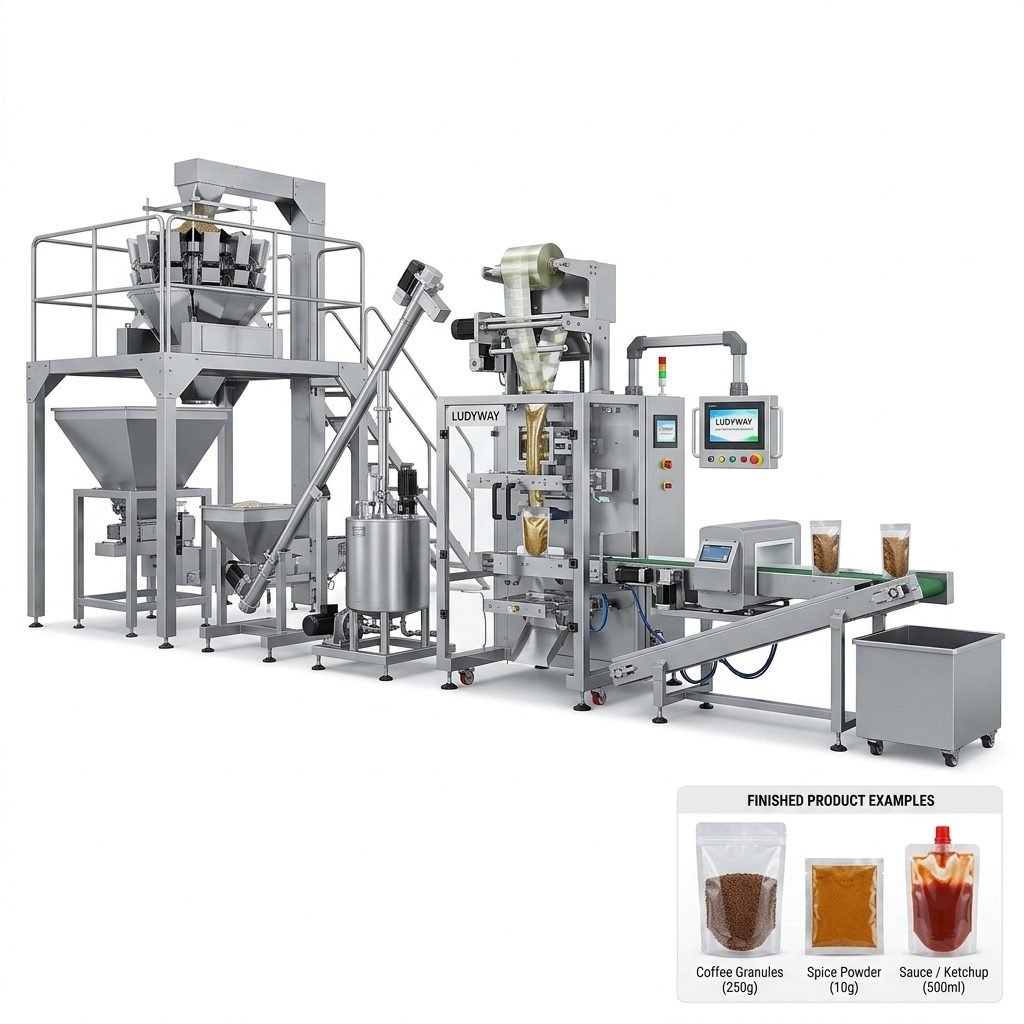
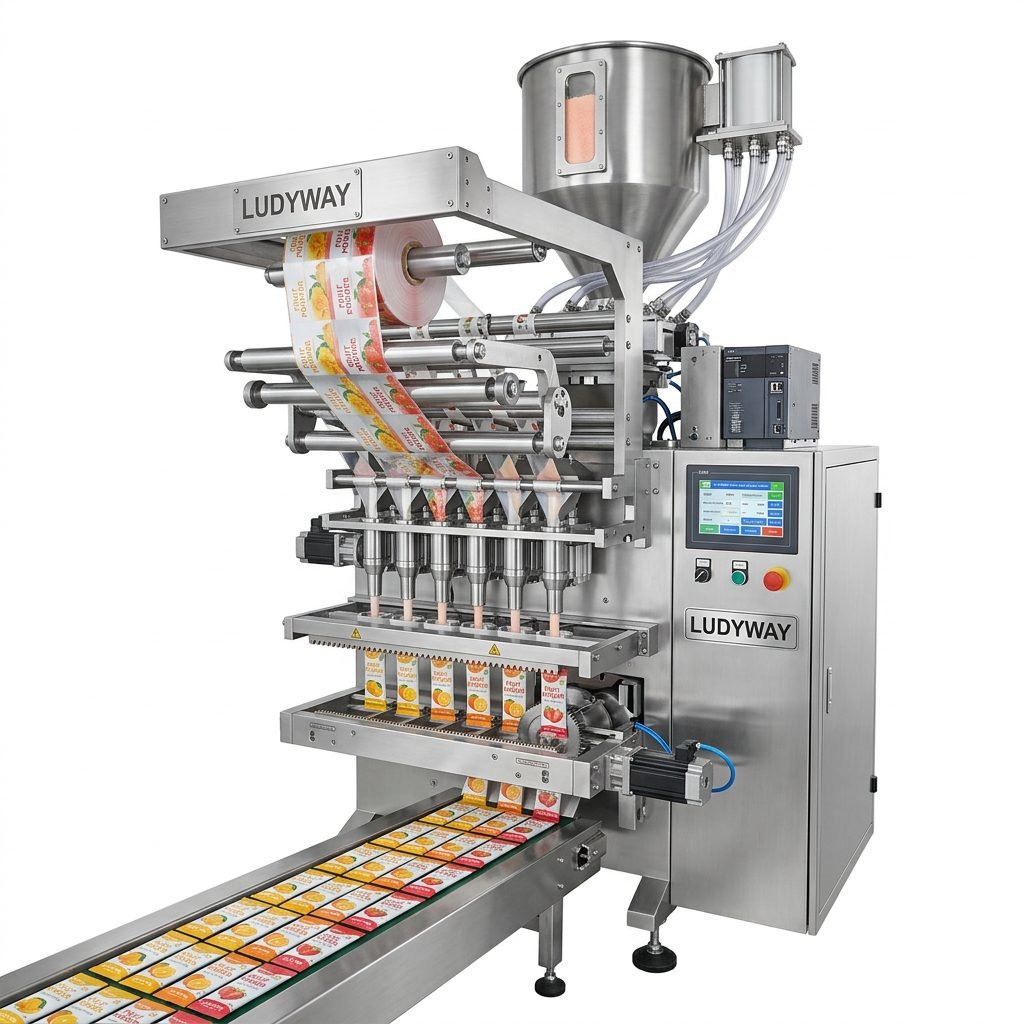
Cotton candy, a beloved treat enjoyed by people of all ages, requires careful packaging to maintain its delicate texture and appeal. Choosing the right cotton candy packaging machine is crucial for businesses looking to streamline production, ensure product quality, and meet market demands. This guide explores the types, features, and selection criteria for cotton candy packaging machines.
Understanding Cotton Candy Packaging Needs
Cotton candy is light, fluffy, and highly sensitive to moisture and pressure. Effective packaging must protect it from environmental factors while presenting it attractively to consumers. The packaging process often involves forming, filling, and sealing in a single automated operation to preserve freshness.
Types of Cotton Candy Packaging Machines
Various machine types cater to different production scales and packaging formats.
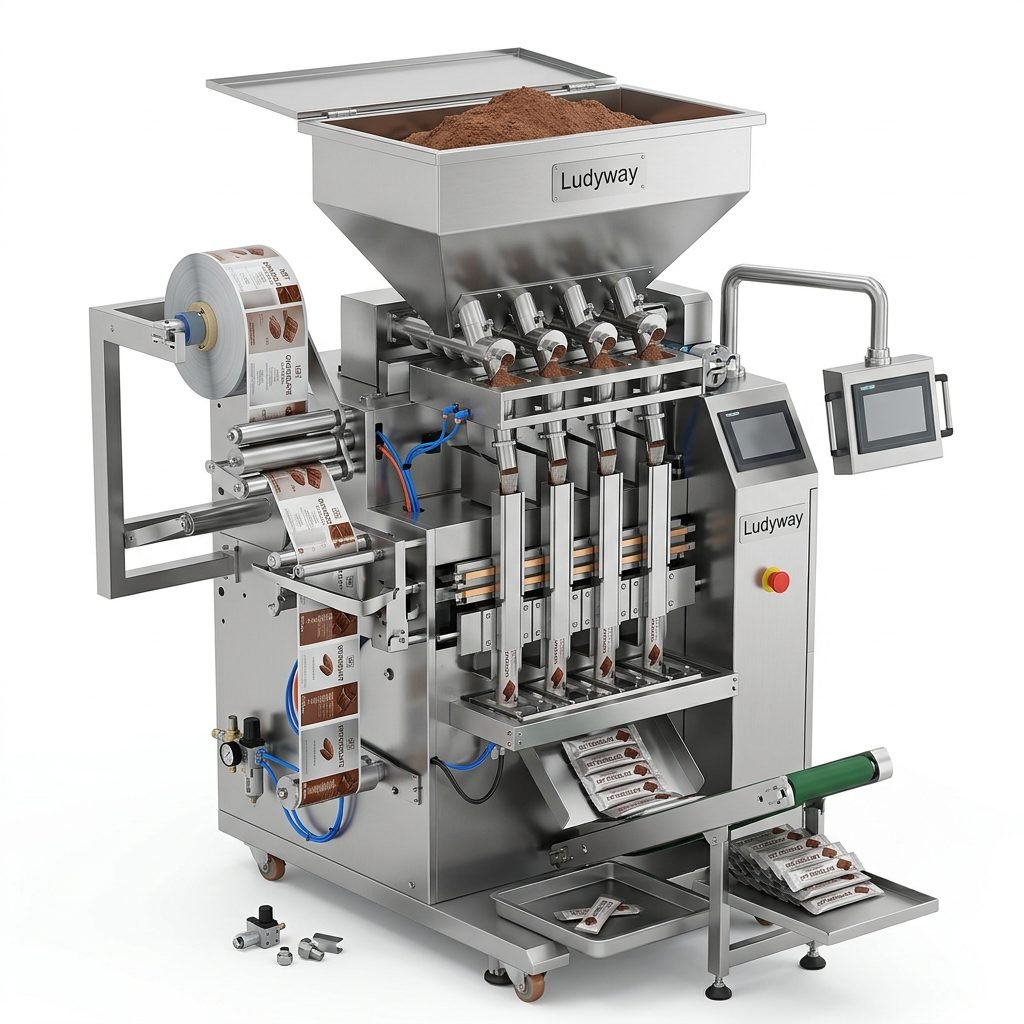
Stick Pack Packaging Machines
These machines are designed for packaging cotton candy on sticks, commonly seen at fairs, festivals, and events. They typically form a sealed bag around the stick-held candy, providing a convenient and portable product. Features often include adjustable stick holders and gentle handling mechanisms to avoid crushing the candy.
Sachet Packaging Machines
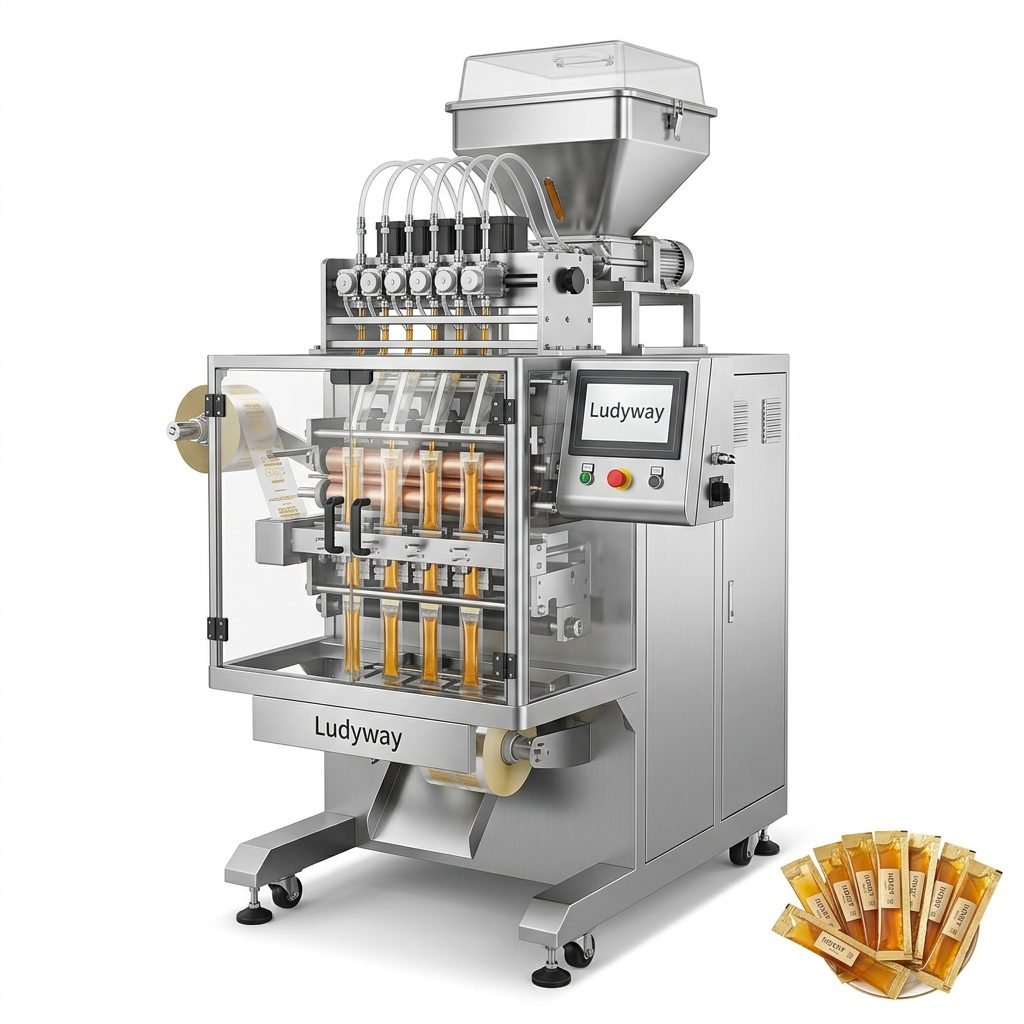
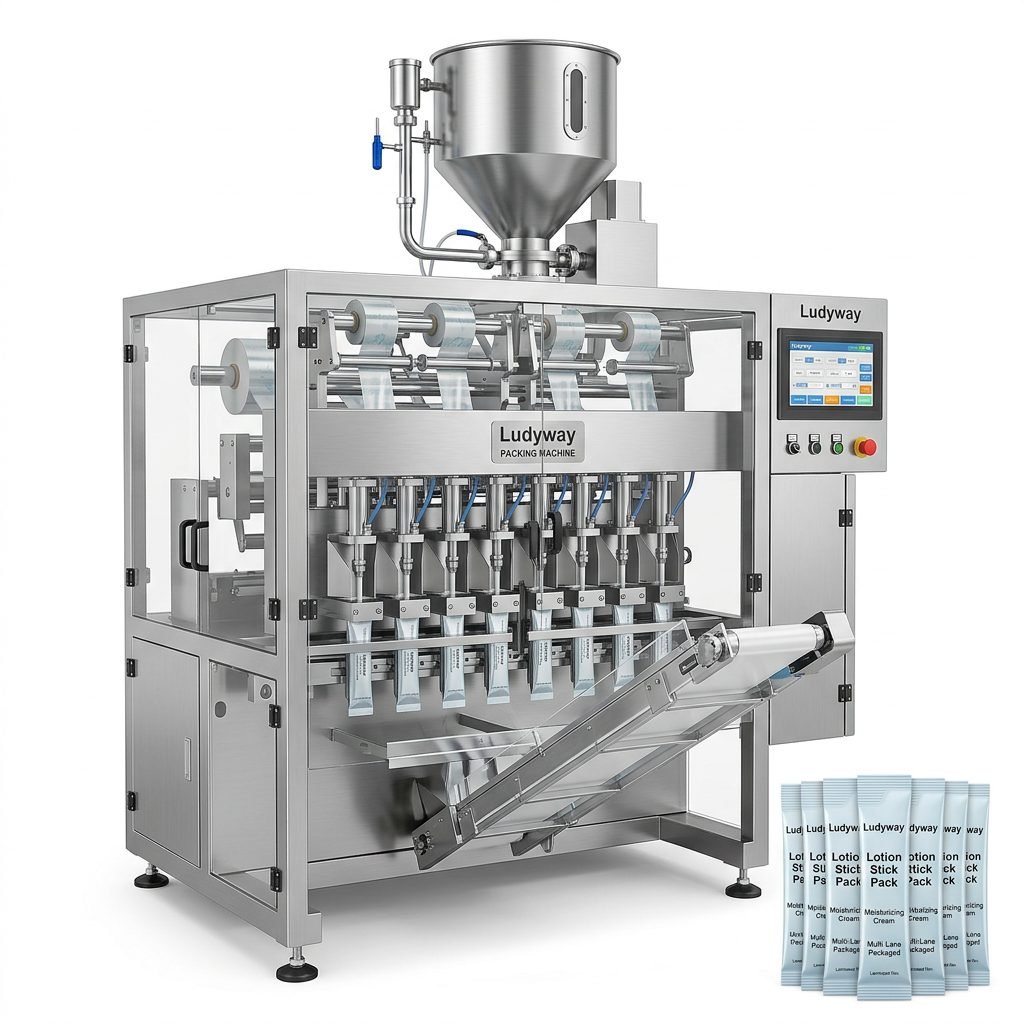
Sachet machines produce small, flat pouches ideal for pre-portioned cotton candy servings. This format is popular for retail sales, party favors, and inclusion in gift baskets. Machines can handle lightweight films and incorporate features like nitrogen flushing to extend shelf life by displacing oxygen.
Bulk Bag Packaging Machines
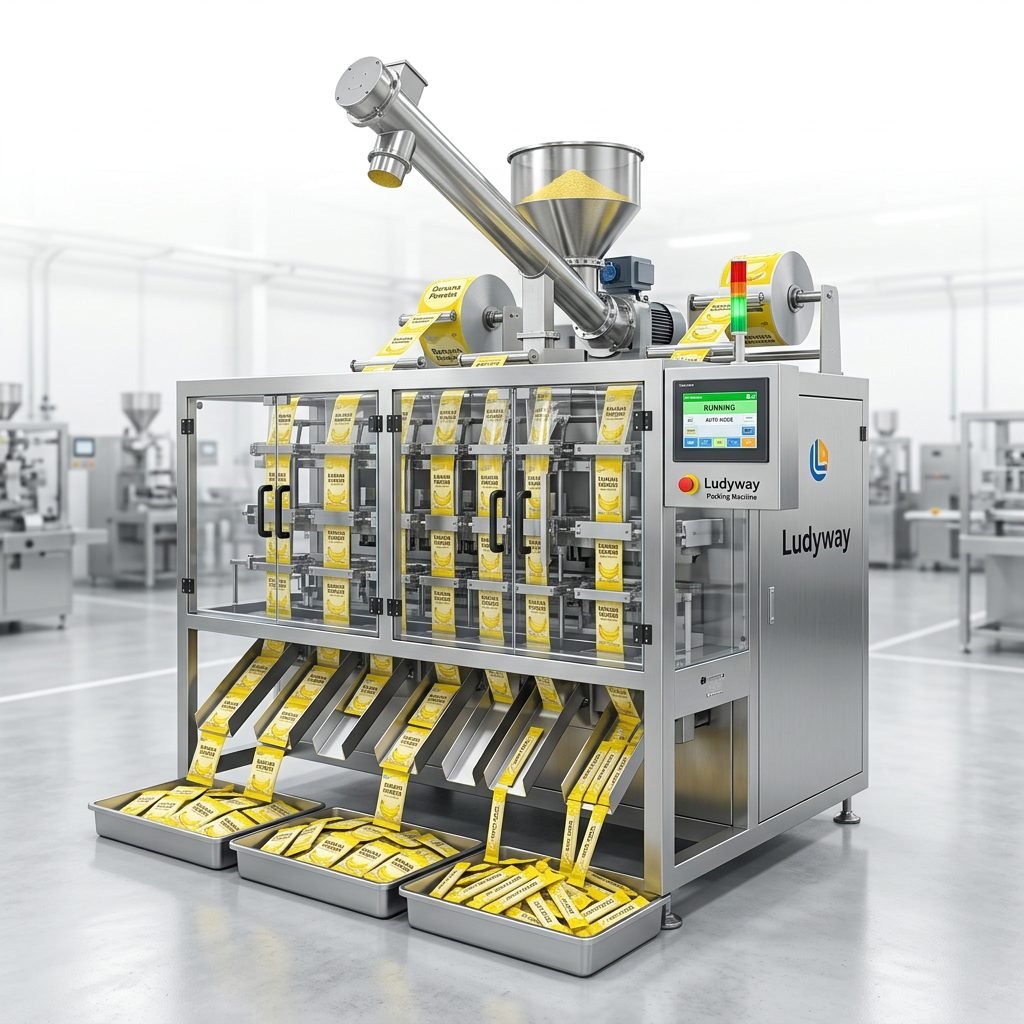
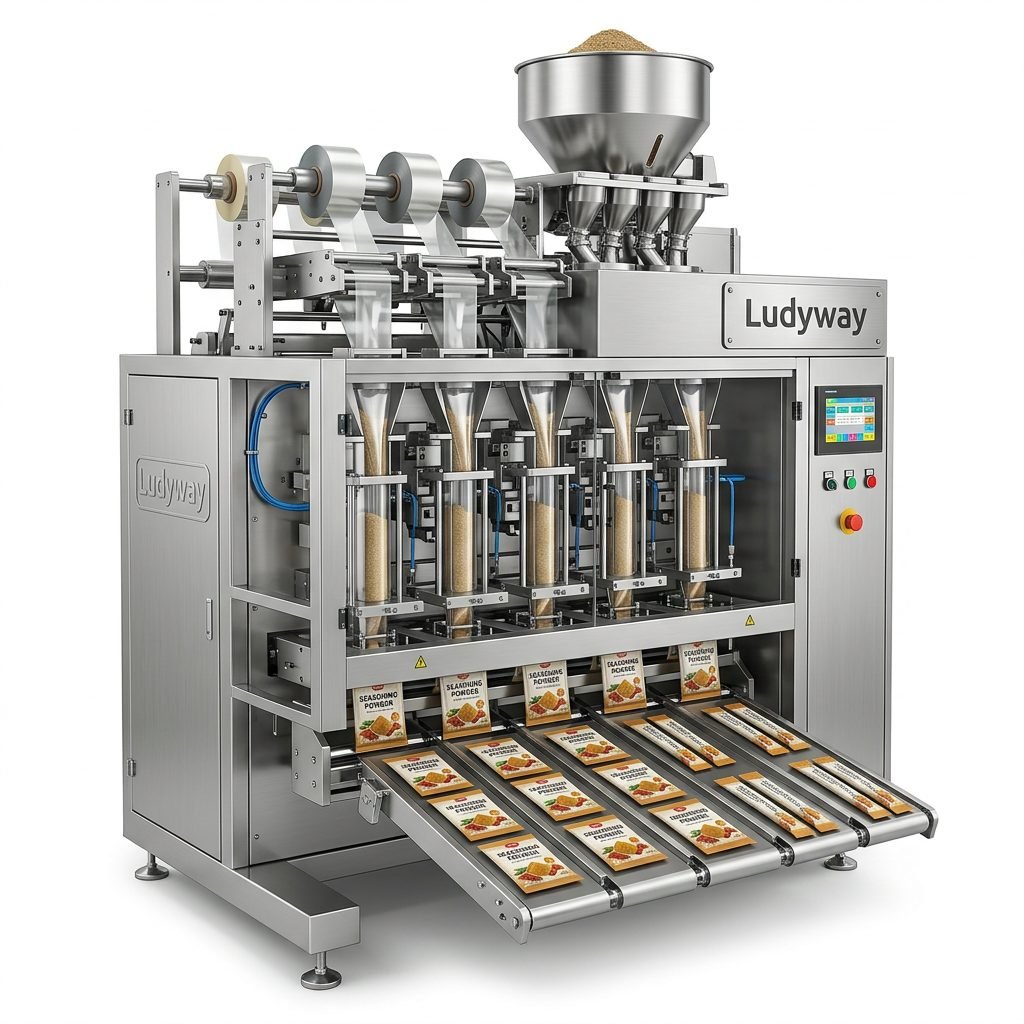
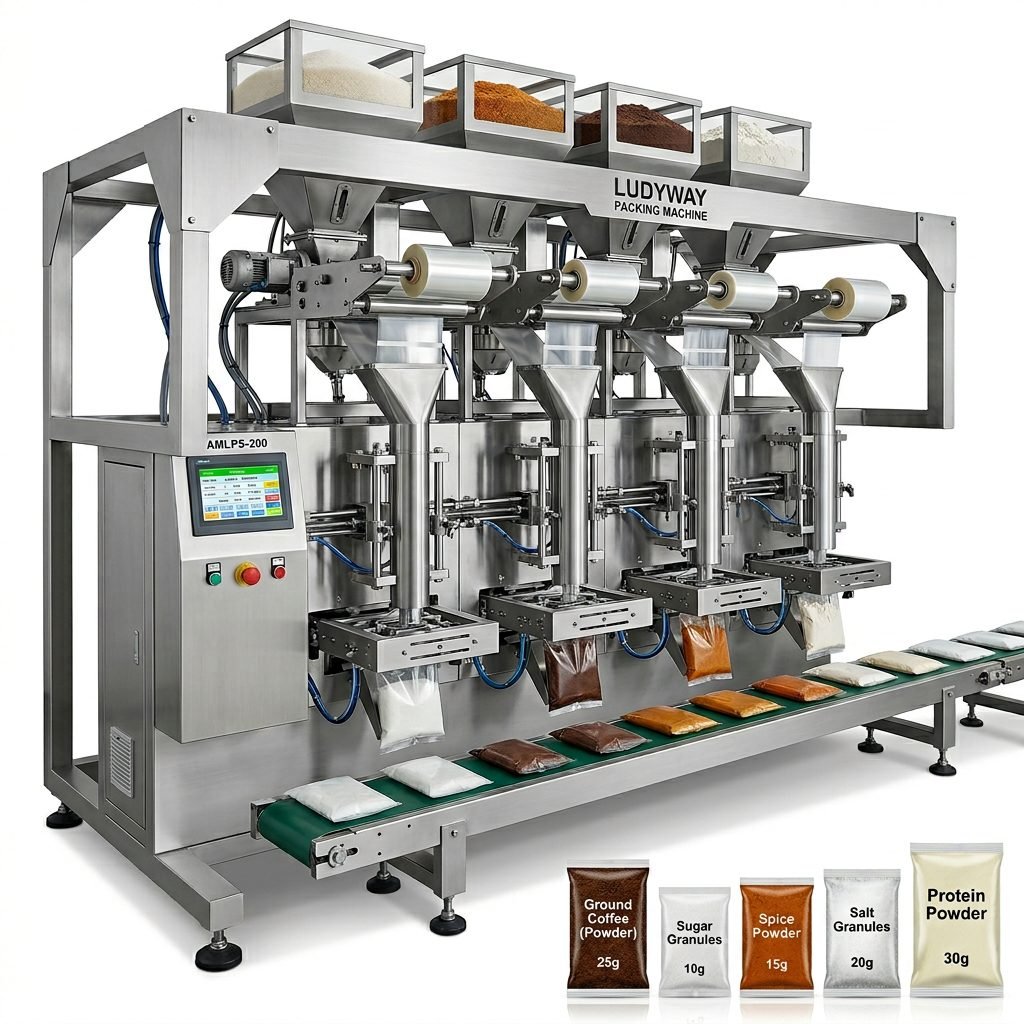
For larger volumes, such as those supplied to cinemas, amusement parks, or for wholesale, bulk bag machines pack cotton candy into bigger bags or containers. These systems focus on speed and volume, often incorporating multi-lane filling to increase output.
Key Features to Consider
When evaluating machines, several features directly impact packaging quality and operational efficiency.
✔ Gentle Product Handling: Mechanisms must be designed to avoid compressing or damaging the fragile candy structure during transfer and packaging.
✔ Moisture Barrier Sealing: High-quality sealing systems are essential to lock out humidity, which can cause cotton candy to collapse and lose its texture.
✔ Speed and Output Capacity: Match the machine’s production rate (bags per minute) to your business requirements, from small-batch to high-volume continuous runs.
✔ Material Compatibility: Ensure the machine can run the specific films or laminates you plan to use, which are chosen for their moisture resistance and clarity.
✔ Ease of Cleaning and Maintenance: Given that sugar is sticky, machines should allow for easy access and cleaning to maintain hygiene and prevent operational issues.
How to Choose the Best Machine for Your Business
Selecting the optimal machine involves a careful assessment of your specific situation.
Assess Your Production Volume
Determine your current and projected output needs. A small, semi-automatic machine may suffice for a local confectionery shop, while a large amusement park supplier will likely require a fully automated, high-speed multi-lane system.
Define Your Packaging Format
Consider your primary sales channel. Stick packs are ideal for direct consumer events. Sachets work well for retail shelves. Bulk bags suit wholesale or large venue supply. Your format choice will narrow down the machine type.
Evaluate Machine Flexibility
If you plan to package other products (like popcorn, candies, or snacks) or might change cotton candy flavors/colors, look for machines with adjustable settings for different product weights, sizes, and packaging materials.
Consider Hygiene and Safety Standards
For food packaging, machines must be constructed with food-safe materials (like stainless steel contact parts) and designed for easy sanitation. Compliance with local and international food safety regulations is critical.
Plan for Support and Service
Choose a supplier that offers reliable technical support, training, spare parts availability, and service. The long-term reliability of your packaging line depends not just on the machine’s quality but also on the support behind it.
Implementation and Optimization
After selecting a machine, proper installation, operator training, and process fine-tuning are key. Work with your supplier to optimize settings for your specific candy recipe and environmental conditions to achieve the best seal integrity and product presentation.
Frequently Asked Questions (FAQs)
What is the typical output speed of a cotton candy packaging machine?
Speed varies greatly by machine type. Semi-automatic stick pack machines may produce 20-40 packs per minute. Fully automated sachet or bulk bag machines can range from 60 to over 200 bags per minute, depending on the number of lanes and automation level.
Can these machines handle different flavors or colors of cotton candy?
Yes, most machines are product-agnostic. The key consideration is ensuring the handling mechanism is gentle enough for all variants. Switching between flavors typically only requires cleaning the product contact areas to prevent cross-contamination.
How important is the packaging material choice?
Extremely important. The film must have excellent moisture barrier properties to prevent the candy from absorbing humidity and melting. It also needs to be strong enough to withstand the packaging process yet easy for consumers to open.
What maintenance is required for these machines?
Regular cleaning to remove sugar residue is vital. Lubrication of moving parts, inspection of sealing elements, and calibration of sensors should be performed as per the manufacturer’s schedule. Proper maintenance prevents downtime and ensures consistent package quality.
Are there machines suitable for very small businesses or startups?
Yes. Suppliers offer smaller, bench-top or semi-automatic models that are cost-effective for lower-volume production. These allow businesses to enter the market with professionally packaged products without a large initial investment.