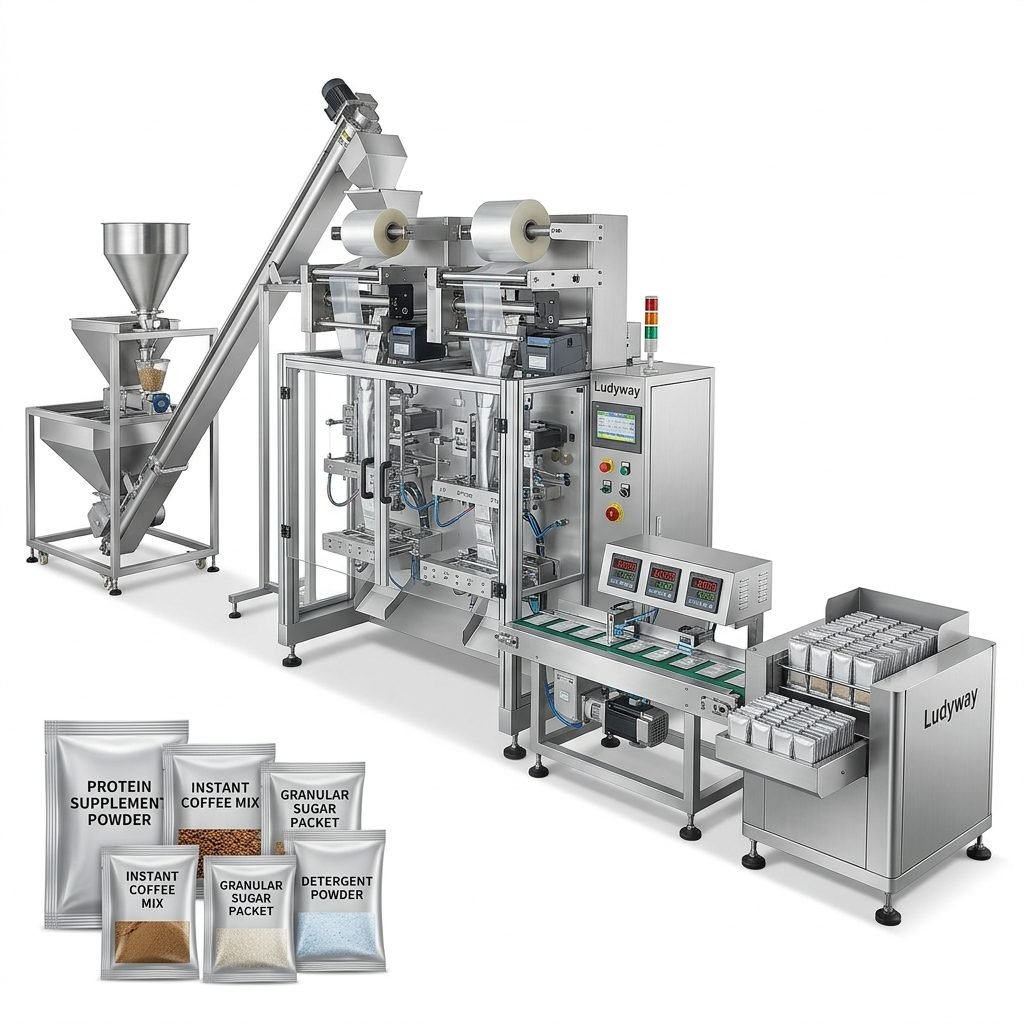
Selecting the appropriate seed pouch packing machine is a critical decision that directly impacts your production efficiency, product quality, and long-term operational costs. Whether you are packaging vegetable seeds, grass seeds, or treated seed products, the right equipment must handle delicate materials with precision while maintaining high throughput. This comprehensive guide walks you through every factor you need to evaluate before making your investment.
Understanding Your Seed Product Characteristics
Seeds are not a one-size-fits-all product. Their physical properties largely dictate the type of automatic packaging machine you will need. Before comparing machine specifications, analyze your product thoroughly.
- Flowability: Coated seeds behave differently than raw seeds. A packaging machinery market research report indicates that poor flowability often requires specialized agitation or dosing systems.
- Fragility: If seeds are fragile, the machine must minimize drop heights and mechanical stress to prevent damage.
- Dust Generation: Some seeds generate significant dust. This requires dust extraction systems to keep the sealing area clean, ensuring strong, airtight seals.
- Particle Size and Shape: From tiny petunia seeds to large sunflower seeds, the size variance influences the selection of forming tubes and filling systems.
Matching Pouch Formats and Production Speed
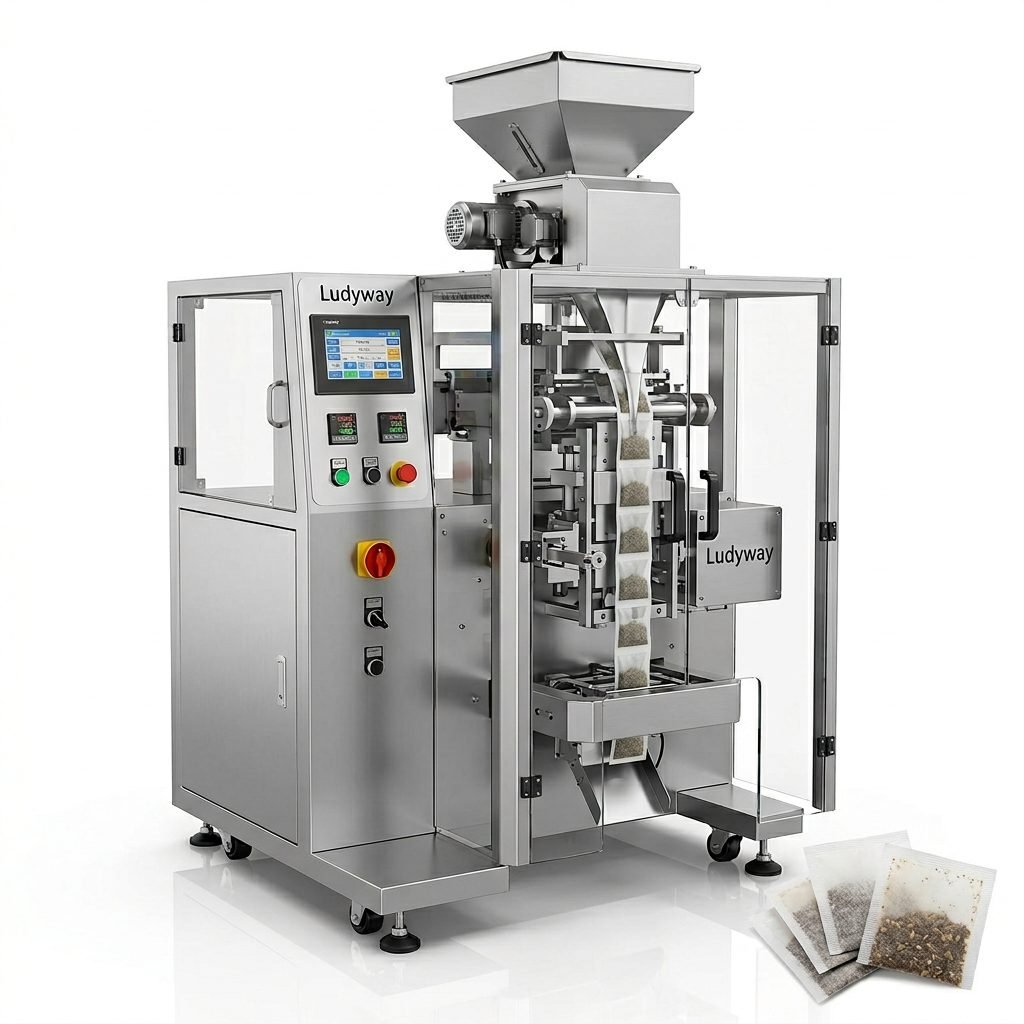
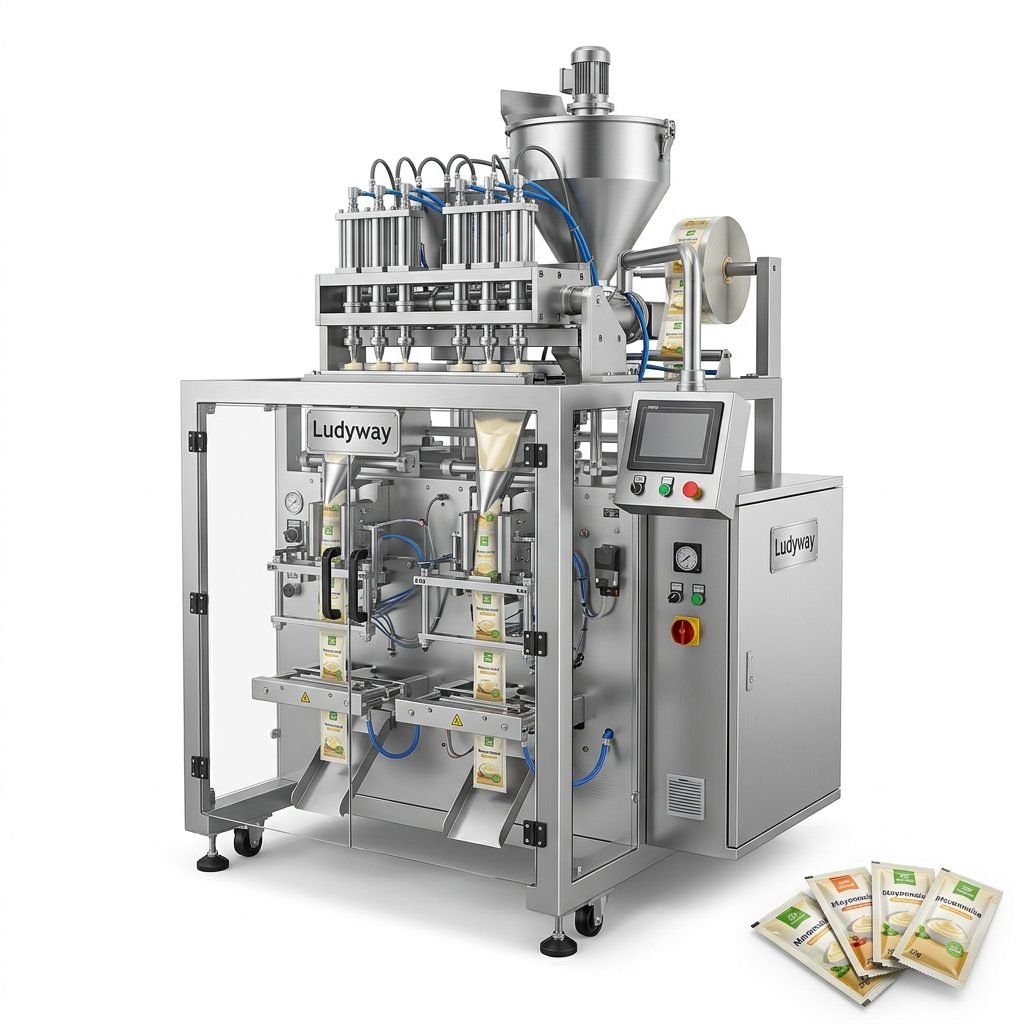
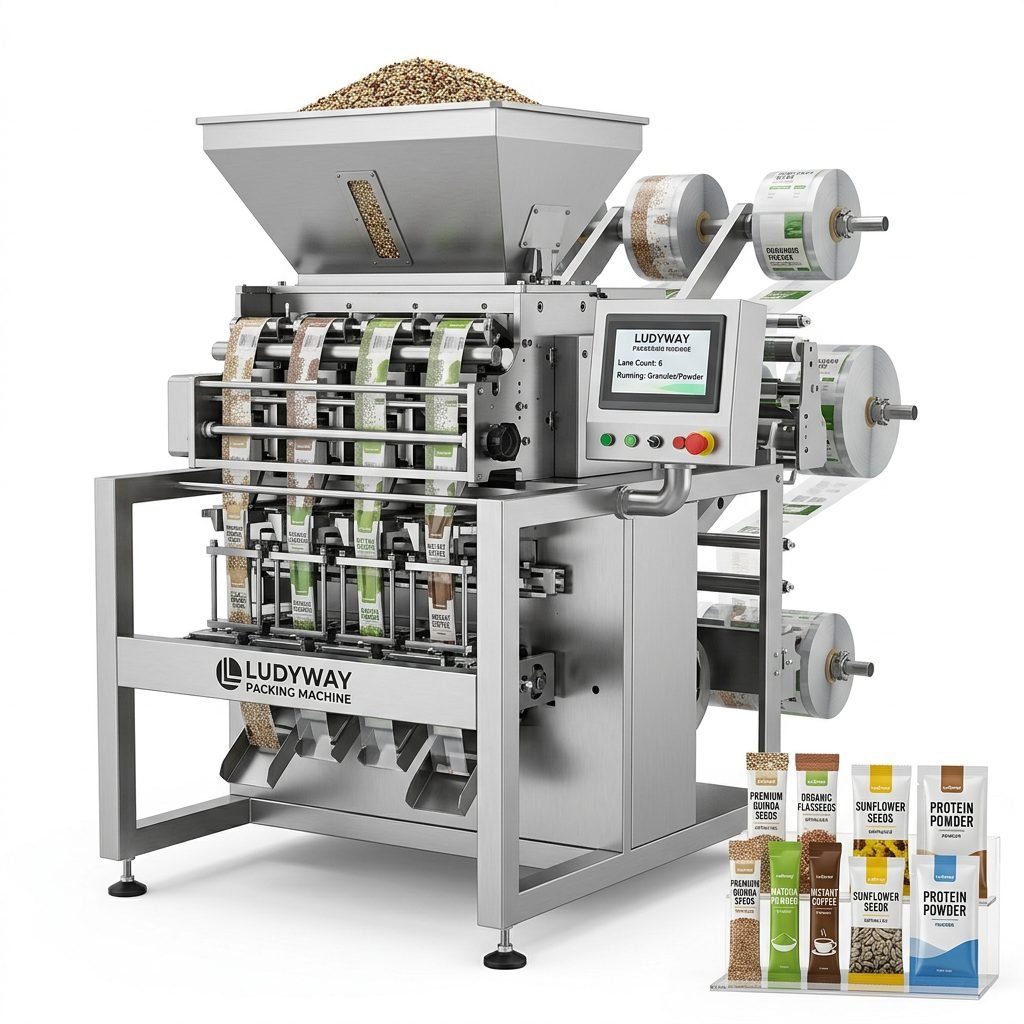
Seed packaging comes in various formats, and your machine must be flexible enough to accommodate your current and future needs. Common formats include stick packs, three-side-seal sachets, and four-side-seal pouches. The choice here influences the vertical form fill seal (VFFS) configuration you will select.
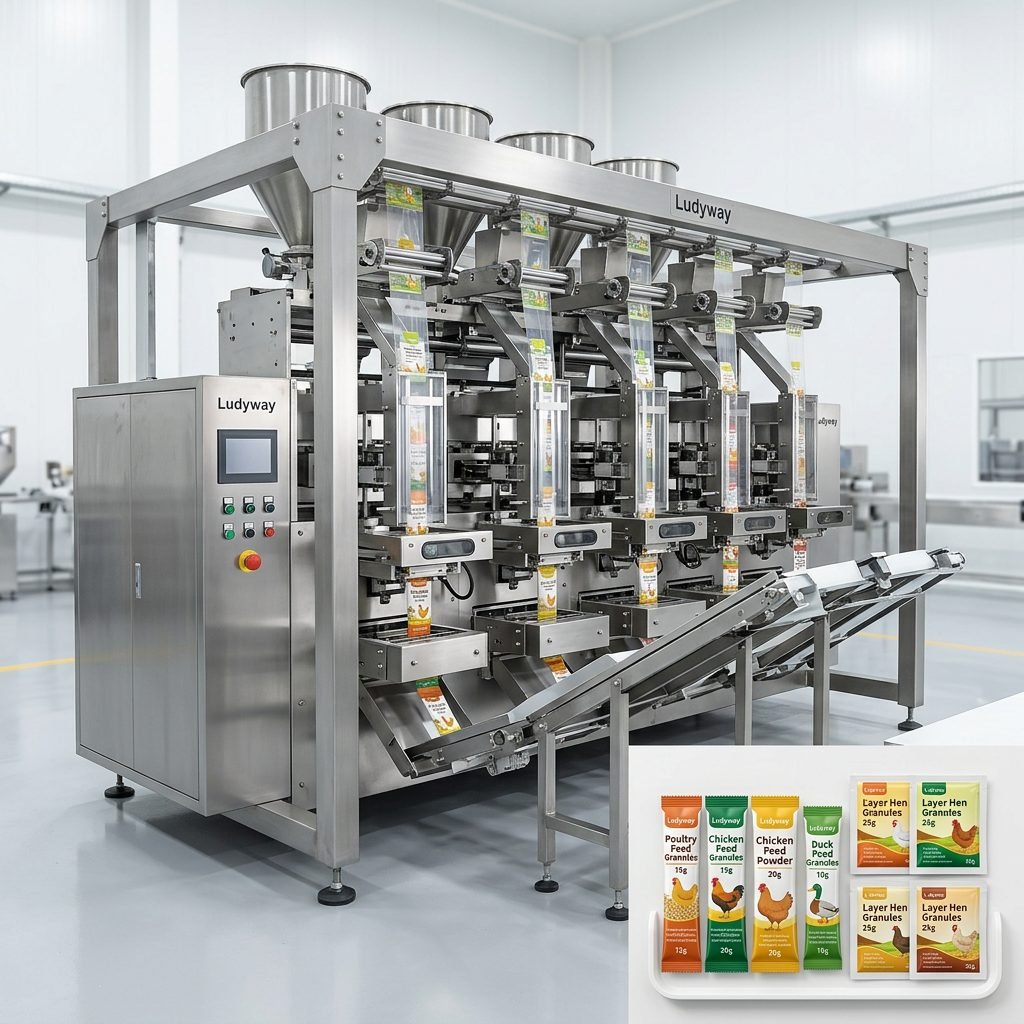
- Stick Packs: Ideal for small seed samples or single-use portions.
- Standard Pouches: Perfect for retail packets with larger volumes.
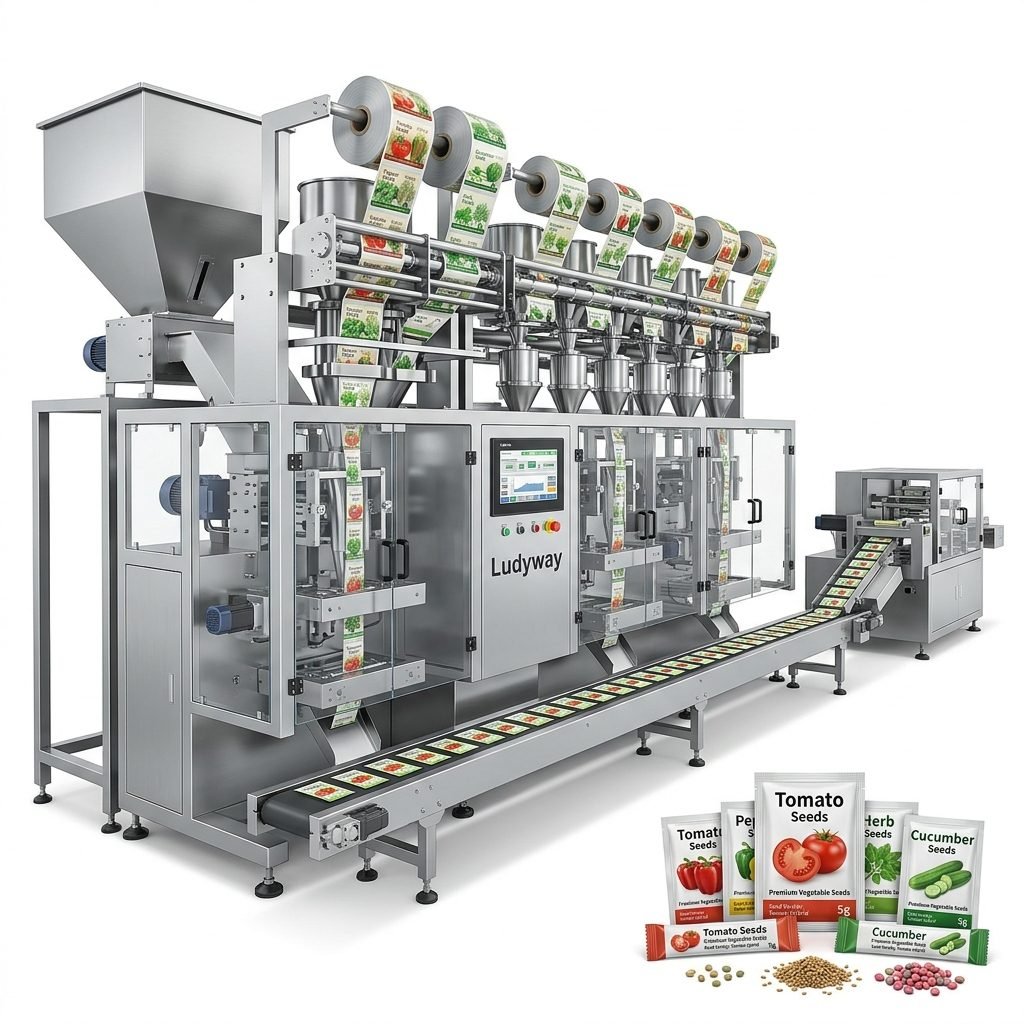
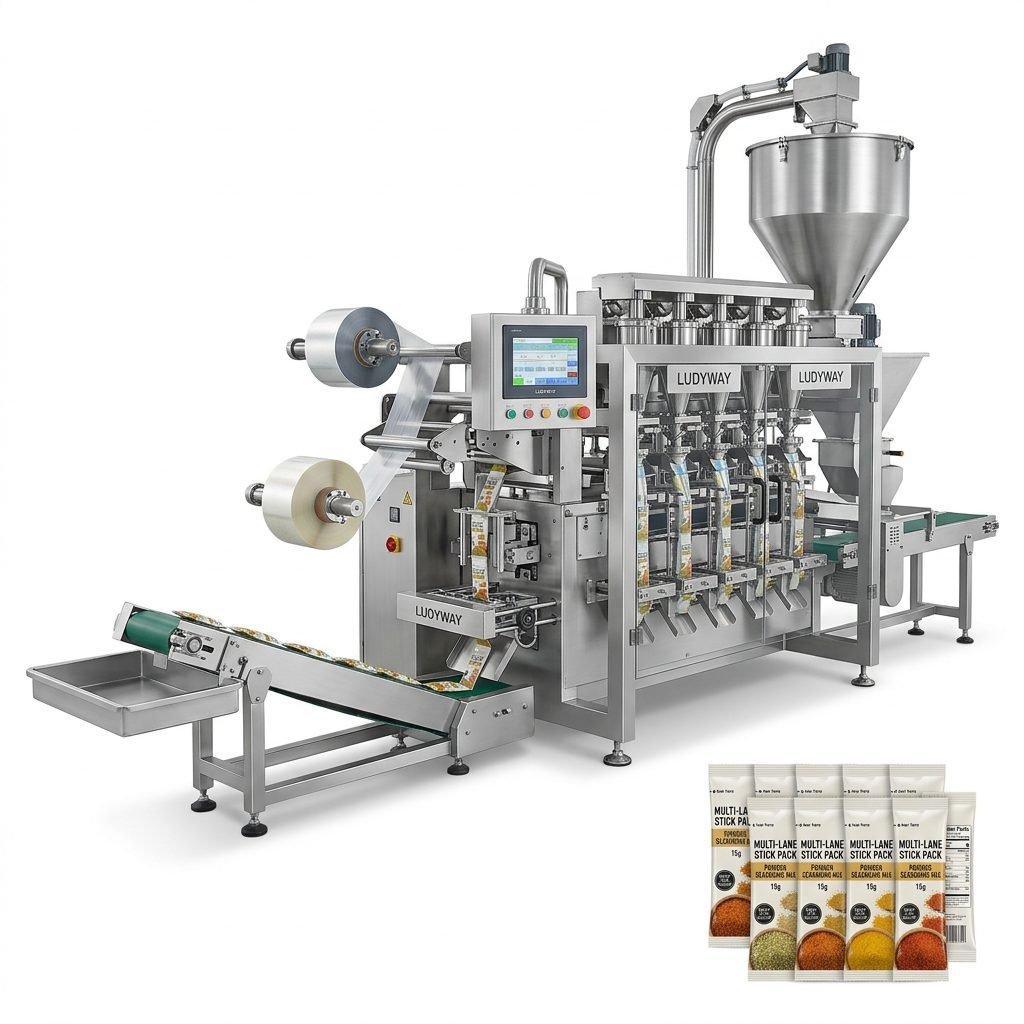
- Multi-Lane Systems: Crucial for high-output operations, a multi-lane machine can produce multiple pouches simultaneously, dramatically increasing output per minute.
When evaluating speed, look beyond theoretical maximums. Consider the sustainable operational speed with your specific product. A machine rated for 100 packs per minute might only sustain 60 with a challenging seed variant.
Evaluating Weighing and Filling Accuracy
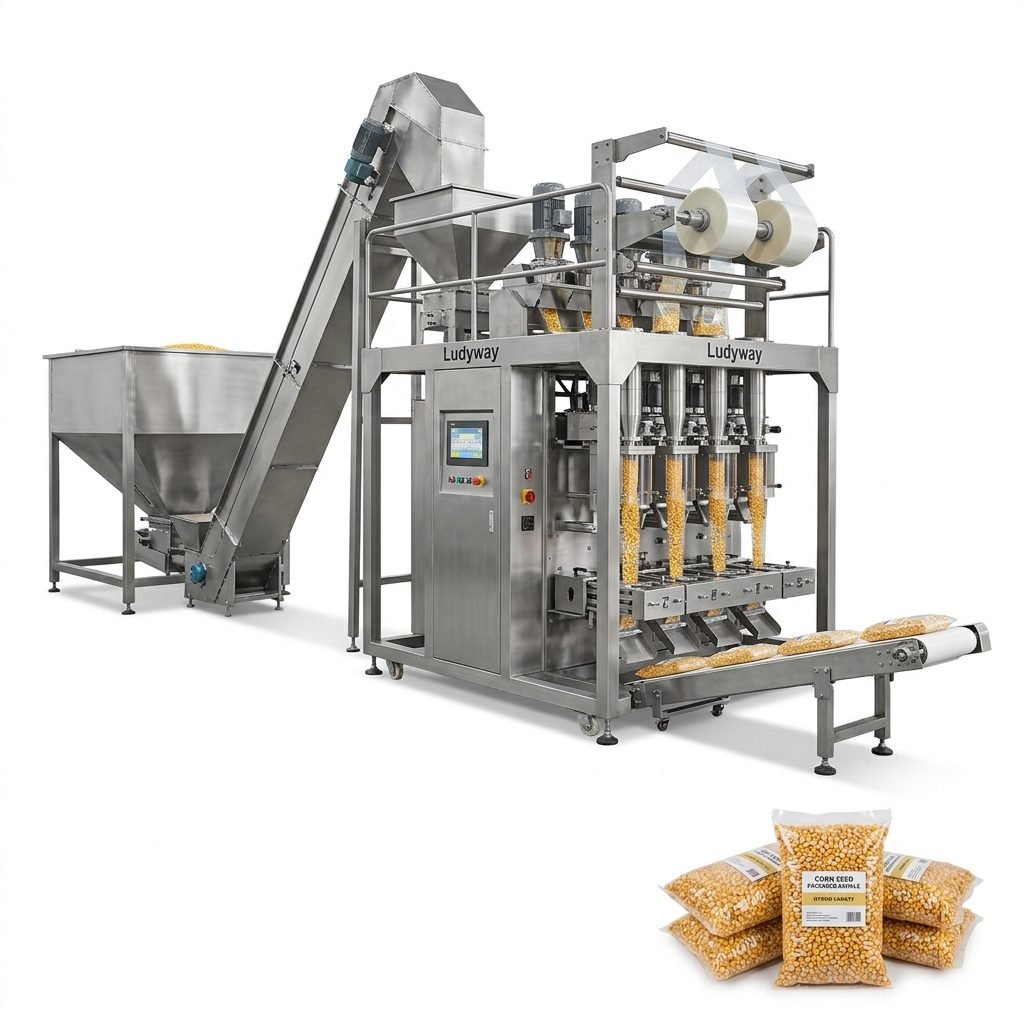
Overfilling seeds cuts directly into your profit margin, while underfilling can lead to regulatory non-compliance and customer dissatisfaction. Modern seed packaging relies on high-precision weighers. The choice of weighing technology is often determined by the seed type and target weight.
Comparison of Weighing Systems for Seed Packaging
| Weighing Type | Best For | Accuracy Level |
|---|---|---|
| Volumetric Cup Filler | Uniform, small seeds | Moderate |
| Multi-Head Linear Weigher | Large seeds, coarse granules | High |
| Combination Weigher | Mixed seeds, high value products | Very High |
| Auger Filler | Powdery seeds or fine dust | High |
Automation, Integration, and Turnkey Solutions
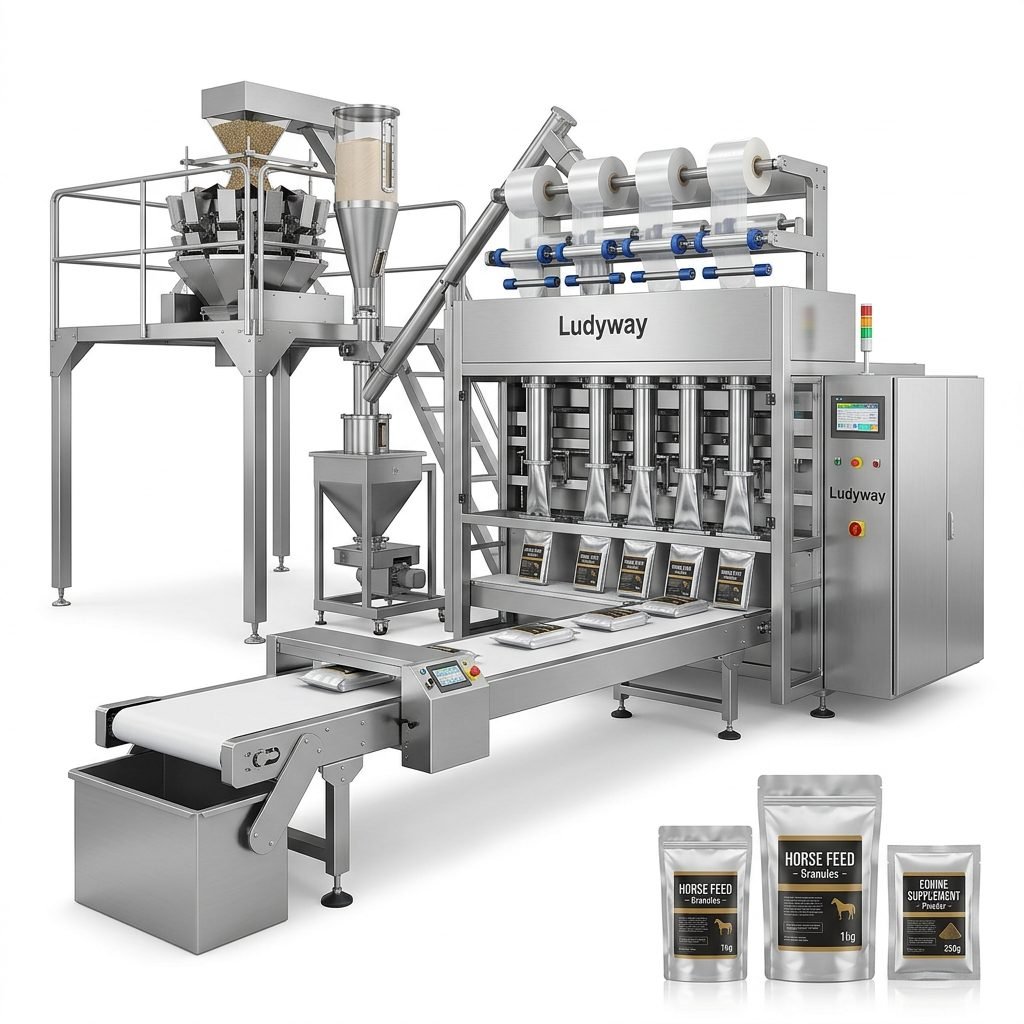
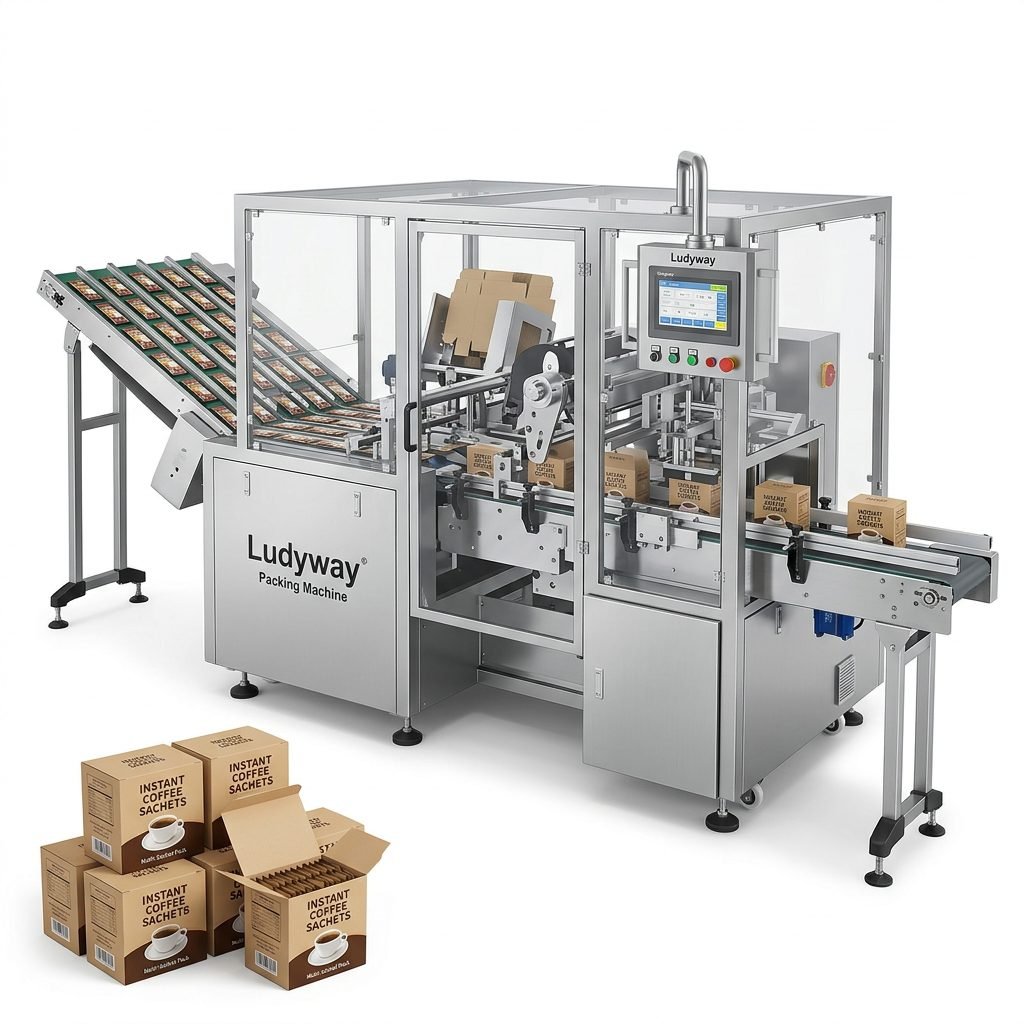
For seed companies looking to scale, a standalone pouch packing machine might not be enough. You might need a fully integrated system connecting seed elevators, multi-head weighers, checkweighers, cartoning machines, and robotic palletizing systems. This reduces manual labor and contamination risks. Strong engineering partners offer customized packaging solutions that integrate with your existing factory layout.
According to 2026 packaging industry reports, the trend is rapidly moving toward fully automated turnkey lines to address labor shortages and improve operational consistency.
Material Compatibility and Seal Integrity
Seeds are highly sensitive to moisture and oxygen. The packaging machine must be compatible with high-barrier films, such as laminated aluminum foil or metallized PET, to preserve germination rates. A critical factor is the sealing technology. Look for machines with precise temperature controllers, serrated or flat sealing jaws, and optionally, food contact substance compliant materials for the contact parts.
- Sealing Pressure: Uniform pressure ensures no micro-channels for air ingress.
- Dwell Time: Sufficient dwell time guarantees a strong bond without burning the film.
- Gusseted Pouches: If you need a flat-bottom or stand-up pouch, ensure the machine supports gusset-forming devices.
Compliance and International Standards
If you are exporting seeds, your machinery choice influences your market access. Equipment should be designed to meet relevant ISO packaging standards or FDA regulations. This is particularly relevant for treated seeds, where trace chemical exposure must be contained. Leading manufacturers configure machines with secure guarding, safe food-grade lubricants, and validated cleaning protocols. Certifications and documentation support are essential for global buyers navigating the flexible packaging regulatory affairs landscape.
Working with an Experienced Manufacturer
Selecting a partner with a proven track record in engineering and application experience is crucial. For instance, Ludyway Machinery, a China-based packaging machinery manufacturer with over 30 years of experience, provides comprehensive turnkey solutions. Facilities with 20,000-square-meter manufacturing capacity and a portfolio of over 50 models can customize equipment for different seed formats and production speeds, from multi-lane stick pack machines to high-speed integrated pouching lines. This approach allows manufacturers to work with a single source for equipment selection, commissioning, and technical support across more than 100 countries.

Checklist for Your Seed Pouch Packing Machine Buy
- Product test reports: Always provide samples for feasibility testing before placing an order.
- Spare parts availability: Ensure the manufacturer provides a clear spare parts list and fast global shipping.
- Remote technical support: A robust remote troubleshooting framework minimizes expensive downtime.
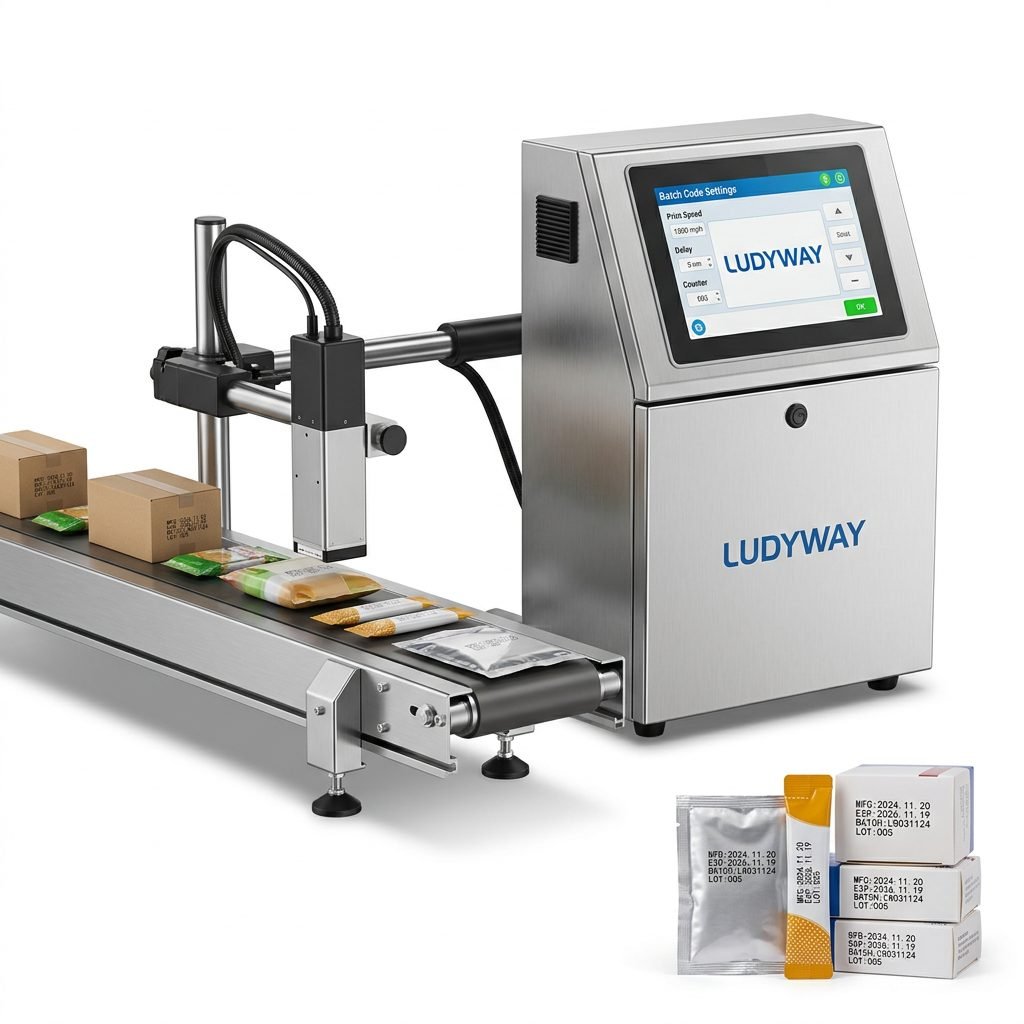
- Scalability: Can the frame accommodate additional lanes or plug-in modules like gas flushing or coding devices?
Investing in the right seed packaging technology is a strategic move that requires balancing initial capital with long-term reliability and throughput. By carefully analyzing your product, required formats, accuracy demands, and the engineering capability of the machine builder, you can secure a system that delivers consistent results. Keep in mind that flexible packaging industry data suggests that companies investing in automated solutions see a significant increase in capacity and operational efficiency within the first year. For a deeper dive into the machinery market, you can explore resources like the Flexible Packaging Association knowledge hub.