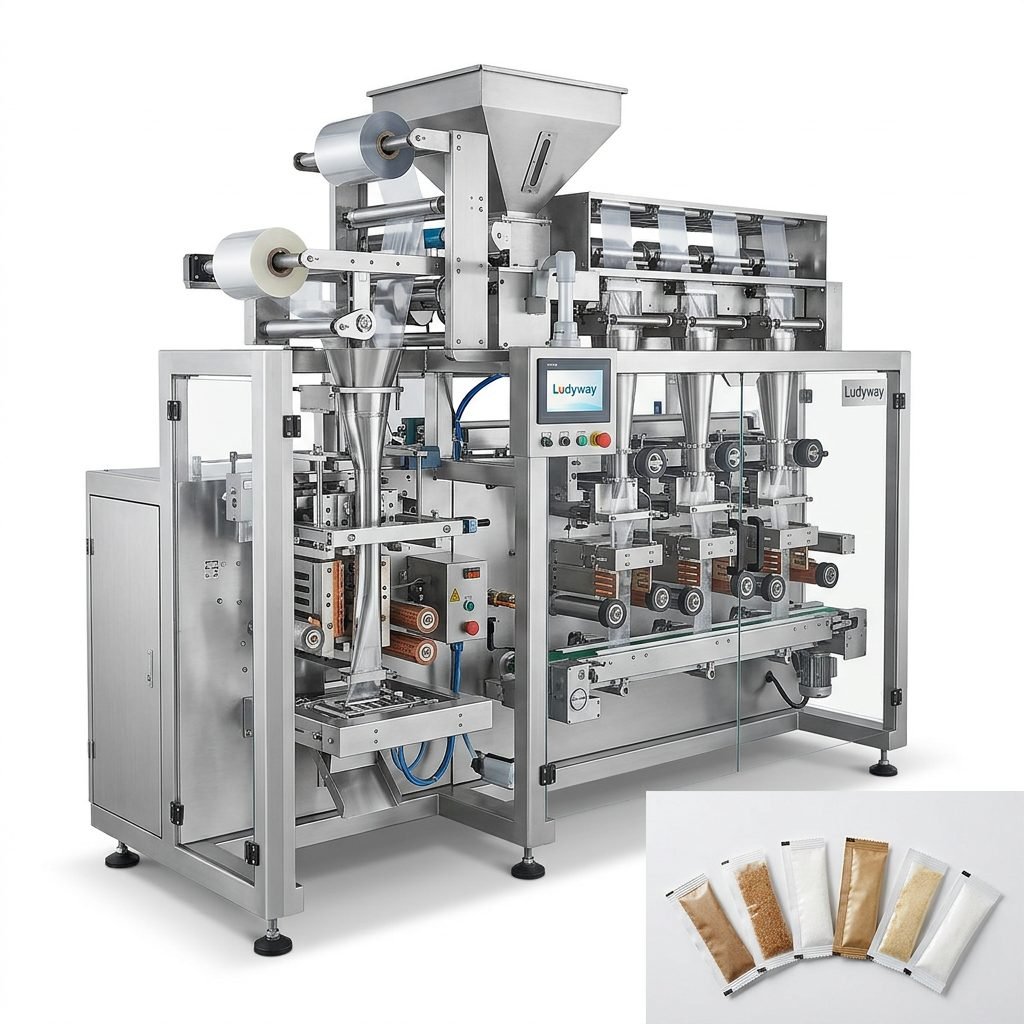
Selecting the right packaging machine for wafer rolls is a critical decision that directly impacts production efficiency, product protection, and overall brand presentation. This comprehensive guide explores the various types of wafer roll packaging machines, their key features, and provides a detailed framework to help you choose the best solution for your specific manufacturing needs.
Understanding Wafer Roll Packaging Machines
Wafer roll packaging machines are specialized automated systems designed to handle the delicate, cylindrical shape of wafer rolls. Their primary function is to wrap, seal, and often carton these products at high speeds while maintaining their structural integrity and freshness. The core challenge these machines overcome is providing a secure, airtight package for a product that can be easily crushed or broken.
Key Objective: The ultimate goal of any wafer roll packaging system is to achieve a perfect balance between high-speed production, excellent product protection, and attractive, consistent packaging that appeals to consumers on the shelf.
Primary Types of Wafer Roll Packaging Machines
The market offers several machine configurations, each suited to different production scales and packaging styles.
1. Vertical Form-Fill-Seal (VFFS) Machines
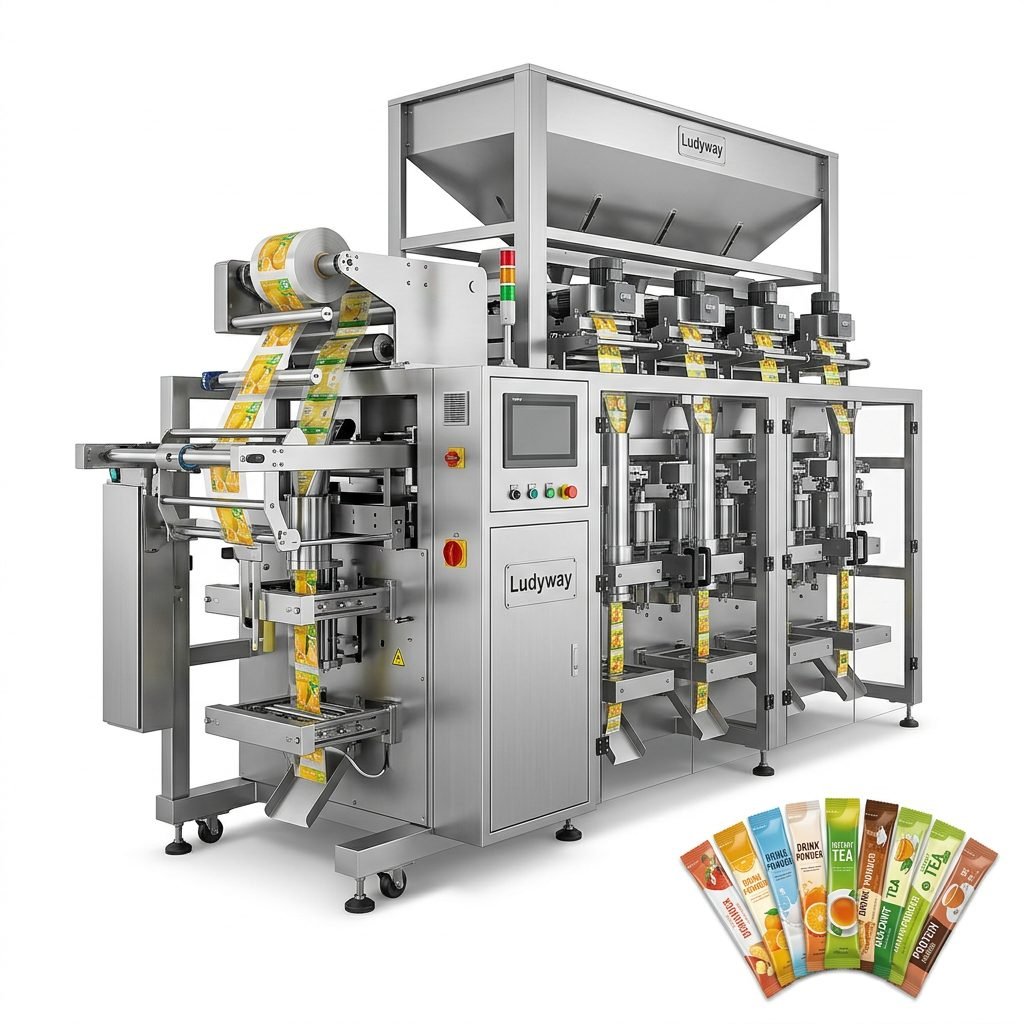
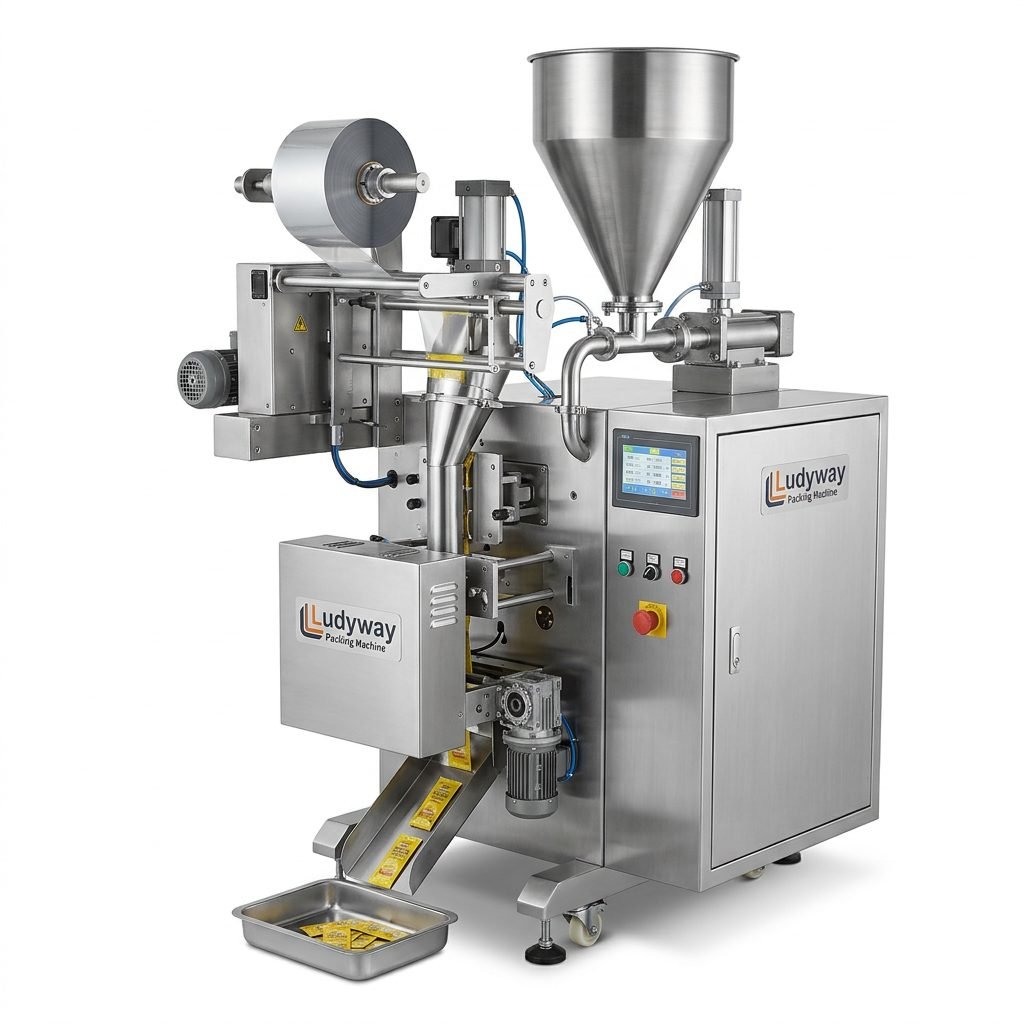
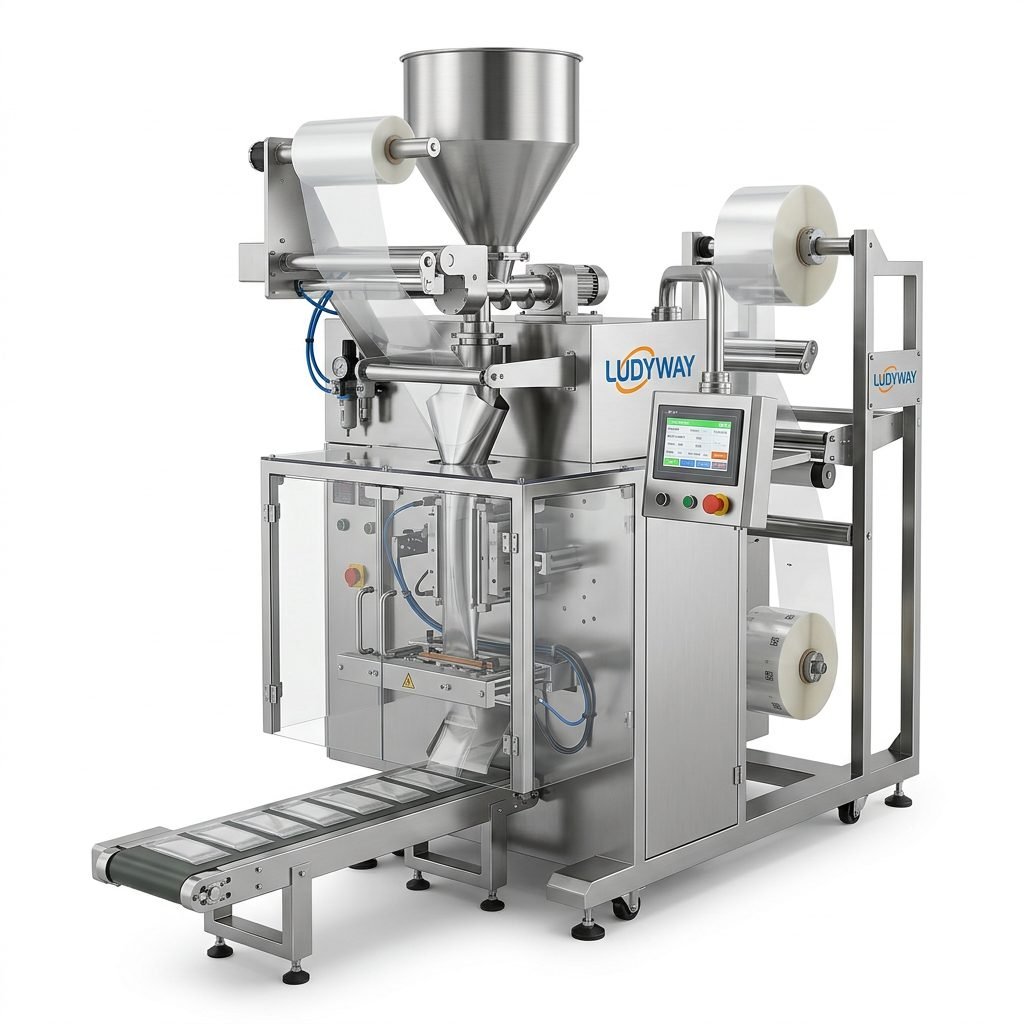
These are among the most common and versatile machines. A roll of flat packaging film is formed into a tube around a vertical collar. The wafer rolls are fed into this tube, after which the machine makes a longitudinal seal and transverse seals above and below each product, creating individual pillow-style packs.
- Best For: High-speed production of single-pack wafer rolls.
- Advantage: Efficient material use, compact footprint, and easy changeover for different pack sizes.
2. Horizontal Flow-Wrap Machines
In this system, wafer rolls are transported horizontally into a web of film which wraps around them. The film is then sealed longitudinally and on the ends, creating a tight, snug fit. This method is excellent for preserving crispness.
- Best For: Products where a tight, conforming wrap is essential for freshness and presentation.
- Advantage: Superior product presentation with neat, tight seals and minimal film wrinkles.
3. Multi-Pack and Cartoning Systems
These systems take individually wrapped wafer rolls and collate them into larger consumer units—such as 3-packs, 6-packs, or trays—before placing them into a carton box. This often involves a secondary machine integrated with the primary wrapper.
- Best For: Creating bundled retail packages for promotions or family-sized portions.
- Advantage: Adds significant value and convenience for the end-consumer, boosting sales potential.
Essential Features to Evaluate
Beyond the basic type, several features differentiate a good machine from a great one. Pay close attention to these aspects during your evaluation.
Core Performance & Quality Features
Speed and Output: Measured in packs per minute (PPM). Ensure the machine’s speed matches your current and projected future production volumes. A quality machine from a provider like Ludyway Machinery offers stable, sustainable speeds, not just a peak theoretical rate.
Gentle Product Handling: Look for features like soft-touch belts, low-drop transfers, and precise servo-driven motions to minimize product breakage, which is a major source of waste and cost in wafer production.
Seal Integrity and Quality: Consistent, strong seals are non-negotiable for shelf life. Evaluate the sealing technology (constant heat, impulse, ultrasonic) and the quality of the seal bars. Perfect seals protect against moisture and staleness.
Operational and Flexibility Features
Changeover Ease and Time: Quick changeover between different wafer roll diameters, lengths, or pack counts is vital for manufacturers with multiple SKUs. Machines with servo motors and digital settings store recipes for instant changeovers.
Material Compatibility: Can the machine handle the specific films or laminates you plan to use? This includes metallized films for premium barriers or recyclable mono-material structures driven by sustainability trends. Verify compatibility with your supplier.
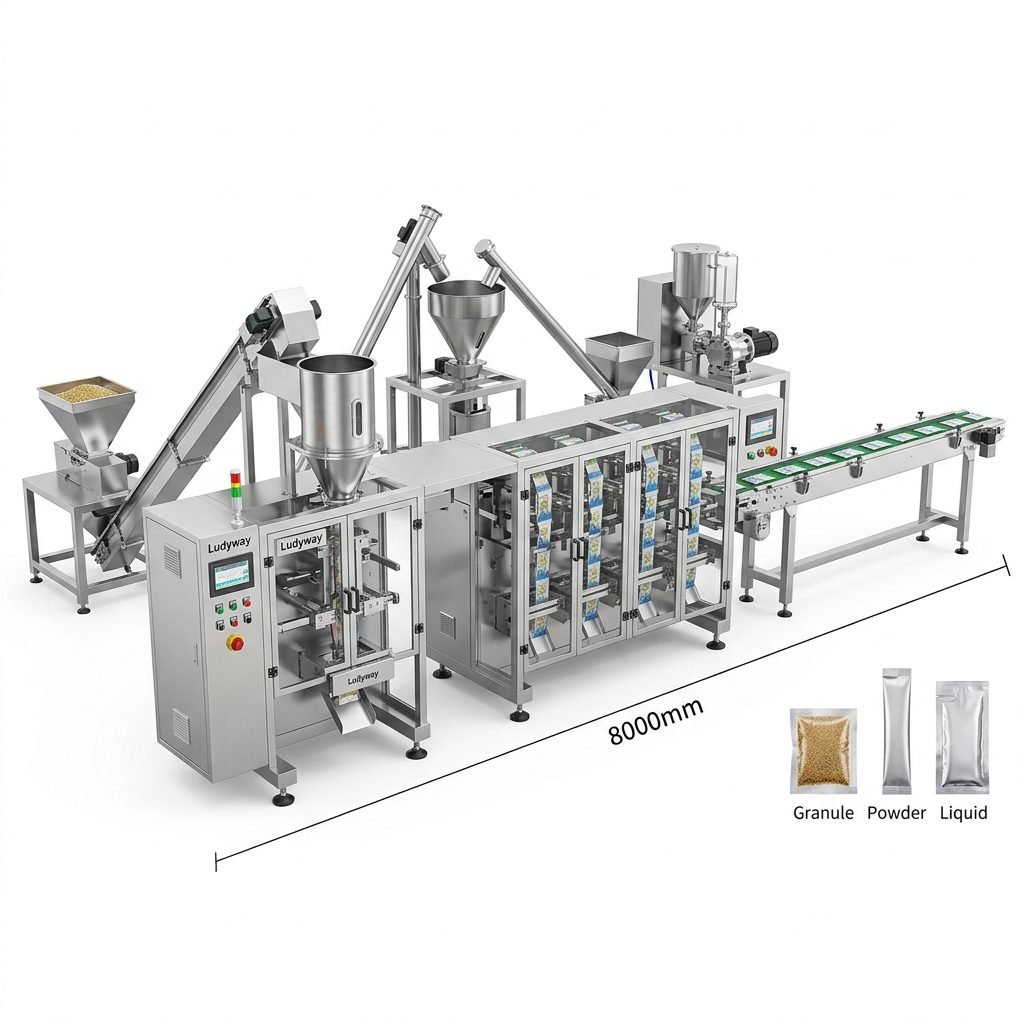
Integration Capabilities: The best machines are designed to work seamlessly with upstream feeders and downstream cartoners or case packers. Consider your future packaging line automation goals from the start.
How to Choose the Best Solution: A Step-by-Step Guide
Making the right choice requires a structured assessment of your own needs against what the market offers.
Step 1: Conduct a Thorough Self-Assessment
Begin by clearly defining your requirements. What is your current and target production volume? What are the exact dimensions and fragility of your wafer rolls? What packaging materials do you want to use? What is your available factory floor space and utility (power, air) capacity? A clear brief is the foundation of a good decision.
Step 2: Research and Shortlist Reputable Suppliers
Focus on suppliers with proven experience in food packaging, specifically with delicate products like wafers. Examine their company history and technical support reputation. A supplier with over 30 years of industry experience, like Ludyway, brings invaluable practical knowledge to solve complex packaging challenges.
Step 3: Request and Analyze Demonstrations
Never buy based on specifications alone. Insist on a live machine demonstration using your actual product and packaging materials (or very close substitutes). Observe the machine’s performance, noise level, ease of operation, and, most importantly, the quality of the finished pack.
⚠️ Critical Checkpoint: Total Cost of Ownership (TCO)
Look beyond the initial purchase price. Calculate the TCO by factoring in:
• Energy Consumption: Servo-driven machines are often more efficient.
• Material Waste: Precision machines minimize film trim and product giveaway.
• Maintenance Costs & Downtime: Robustly built machines with accessible service points reduce long-term costs.
• After-Sales Support: Availability of spare parts, technical training, and responsive service is priceless.
Step 4: Evaluate Support and Service Agreements
The relationship with your supplier begins after the sale. Scrutinize the warranty, the availability of spare parts, and the supplier’s protocol for technical support. Can they provide remote assistance? How quickly can a service engineer be on-site if needed? A reliable partner ensures your investment is protected for years.
Future-Proofing Your Investment
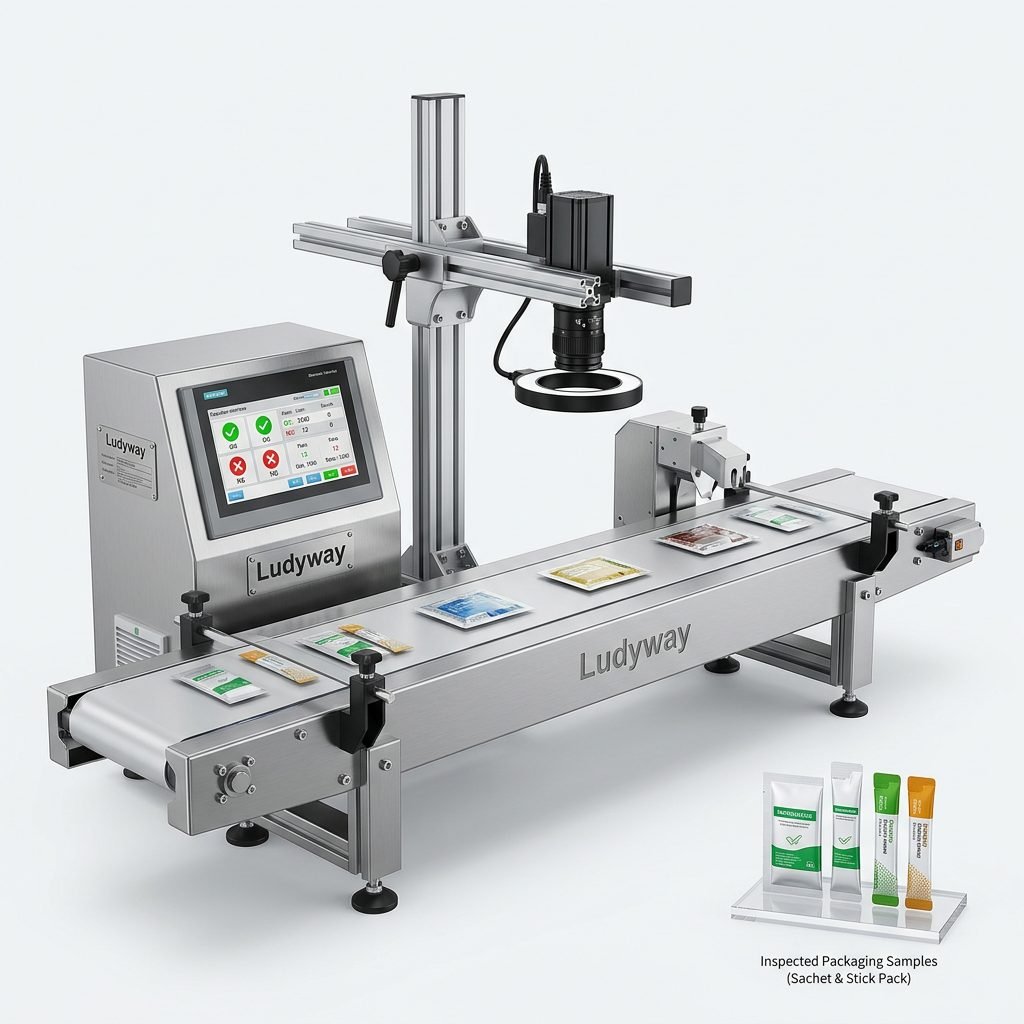
The packaging industry evolves rapidly. Choose a machine that offers some degree of future adaptability. This could mean the ability to easily add vision inspection systems, checkweighers, or data tracking for Industry 4.0 integration. Selecting a modular machine from a forward-thinking supplier prepares your operation for tomorrow’s demands.
Partnering with an expert who provides complete turnkey production line solutions can simplify this future expansion, ensuring all components work in harmony.
Frequently Asked Questions (FAQs)
1. What is the typical production speed for a wafer roll packaging machine?
Speeds vary widely based on machine type and pack complexity. Standard vertical form-fill-seal machines can range from 80 to 200+ packs per minute for single rolls. High-end horizontal flow wrappers may operate at similar speeds. The key is to prioritize consistent, reliable speed over a maximum theoretical rate that cannot be maintained with your specific product.
2. How can I minimize wafer breakage during the packaging process?
Breakage is minimized by selecting a machine with gentle handling features: servo-controlled product placement to avoid drops, adjustable soft-touch conveyor belts, and precise film tension control to prevent crushing during the wrapping cycle. A machine demonstration with your product is the best way to test this.
3. Can one machine handle different sizes of wafer rolls?
Yes, most modern machines are designed for quick changeover. The extent of changeover ease depends on the machine’s design. Machines with digital servo drives allow for storing “recipes” for different product sizes, enabling changeovers in minutes by calling up a saved program, as opposed to manual mechanical adjustments which take longer.
4. What packaging materials work best for wafer rolls?
The most common materials are laminates that provide an excellent moisture and oxygen barrier, such as BOPP/metallized PET/PE. There is a growing trend towards more sustainable, recyclable mono-material plastics (like PP-based films). Your machine must be compatible with the seal layer and thickness of your chosen material.
5. What should I prioritize: machine speed or packaging quality?
Quality should always be the non-negotiable foundation. A fast machine that produces packs with poor seals, wrinkles, or high breakage rates is ultimately inefficient and costly due to waste and customer complaints. The ideal solution is a machine that delivers the highest consistent quality at the speed required for your production targets.