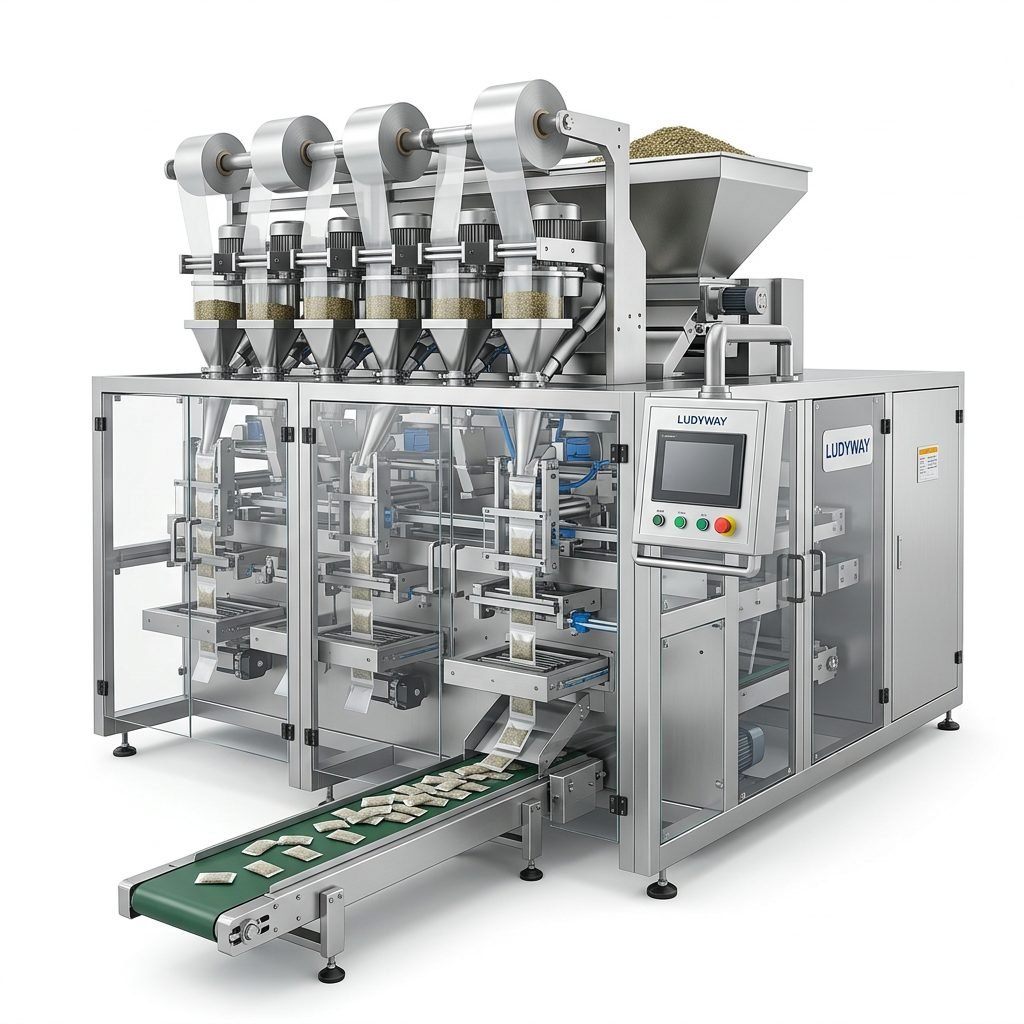
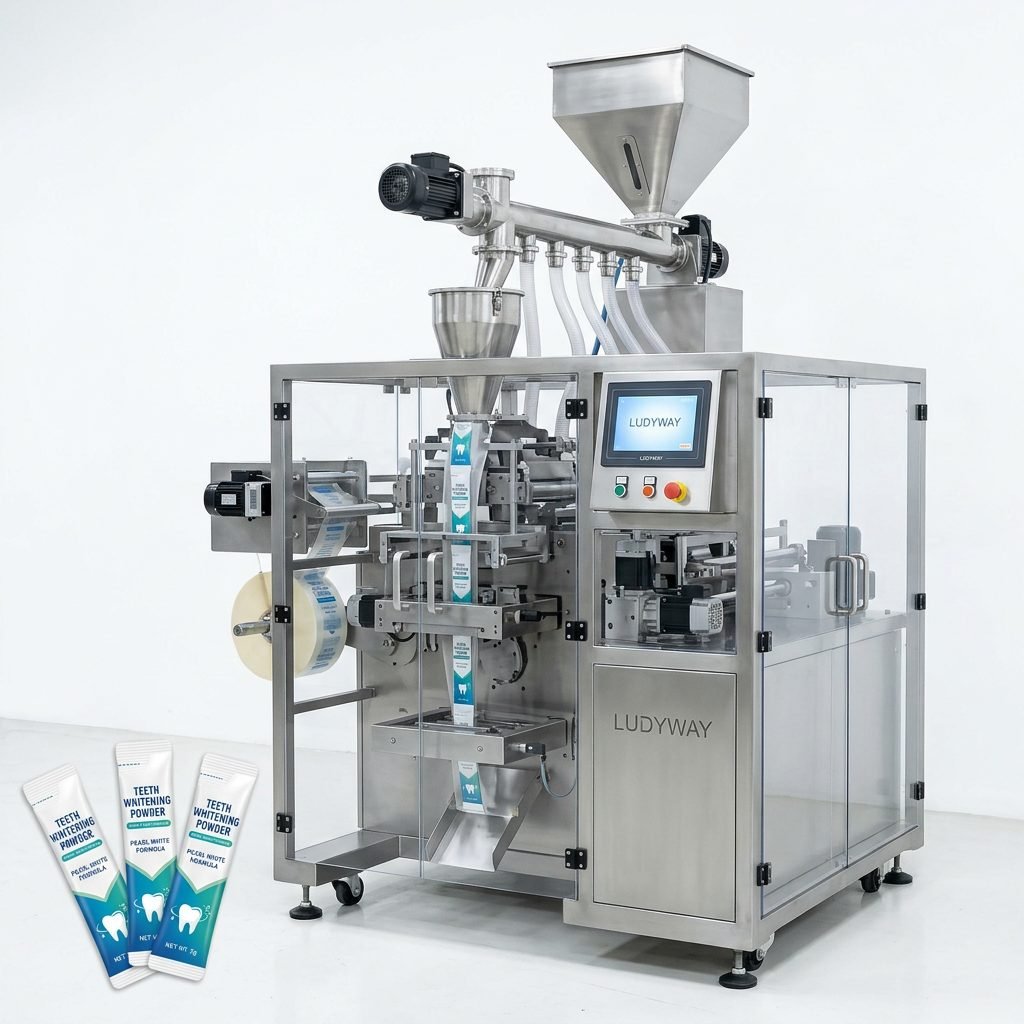
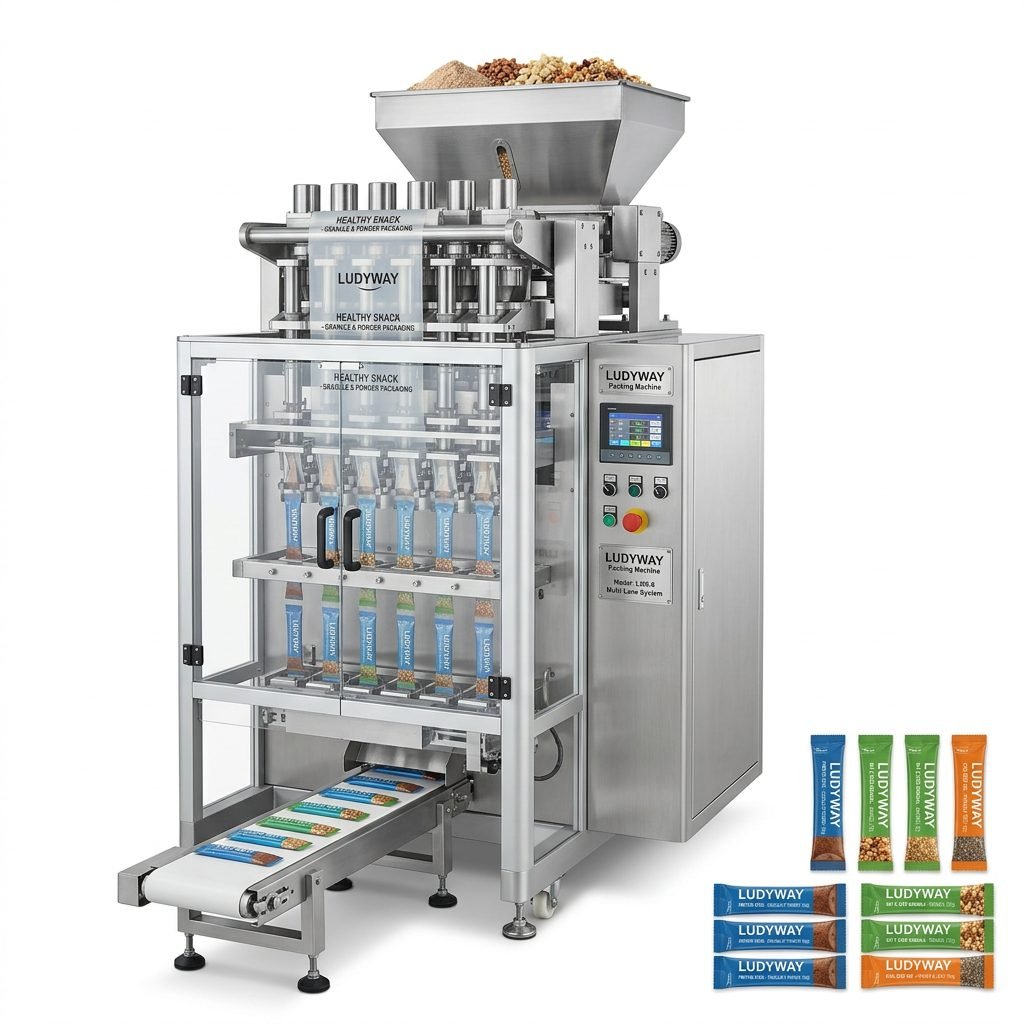
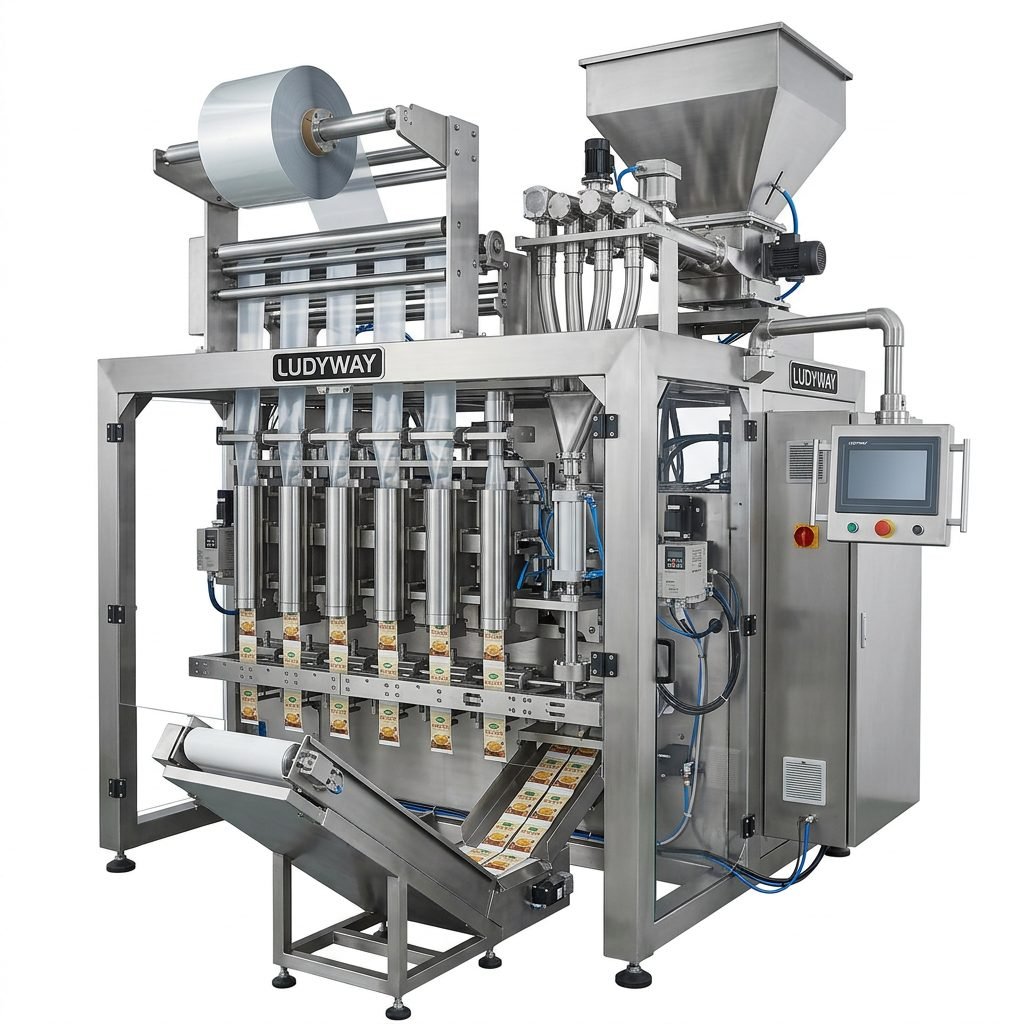
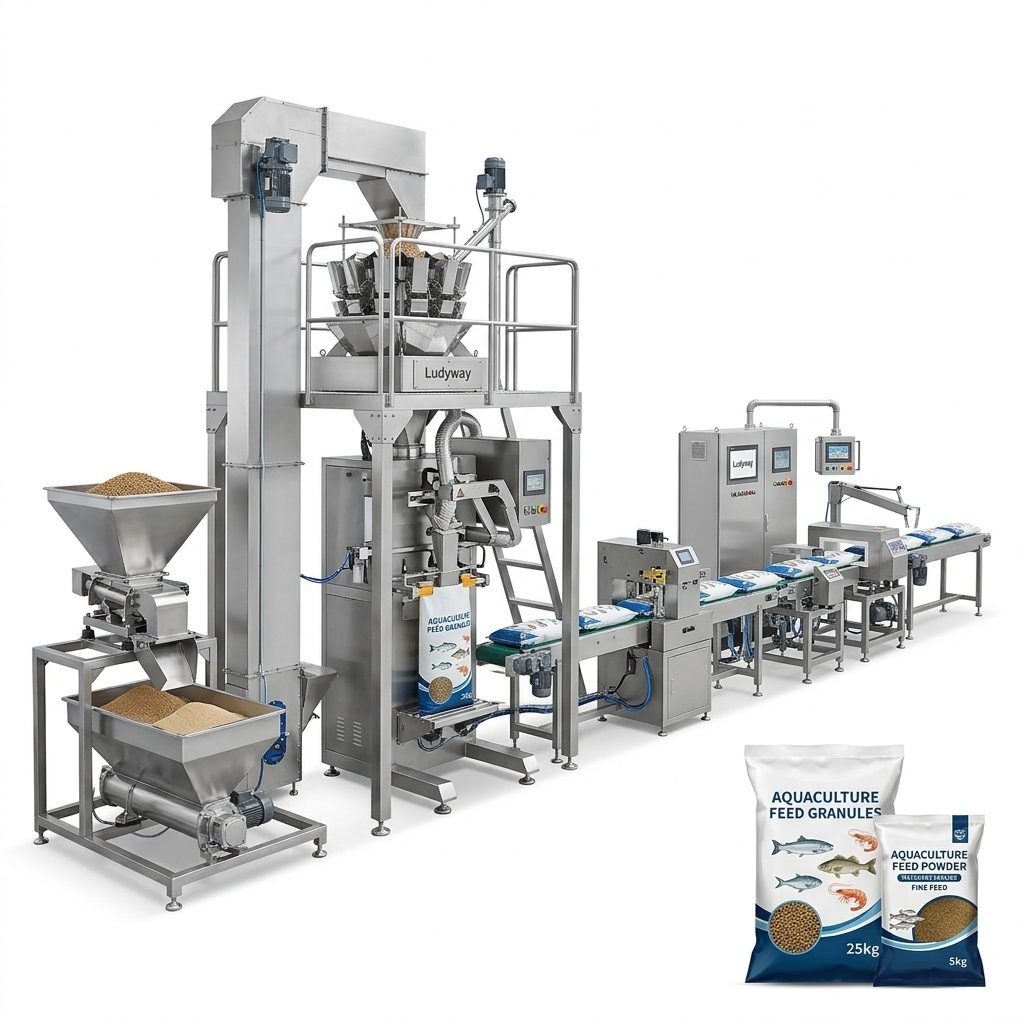
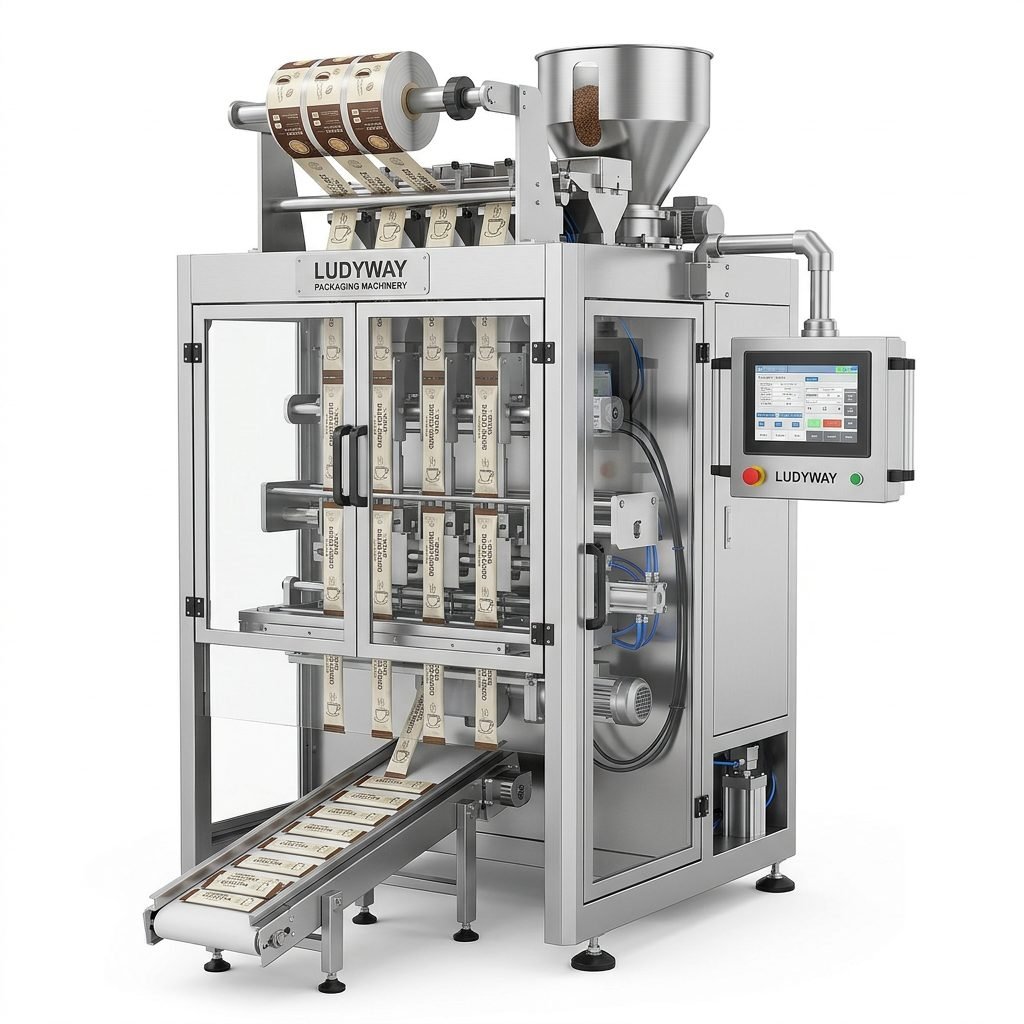
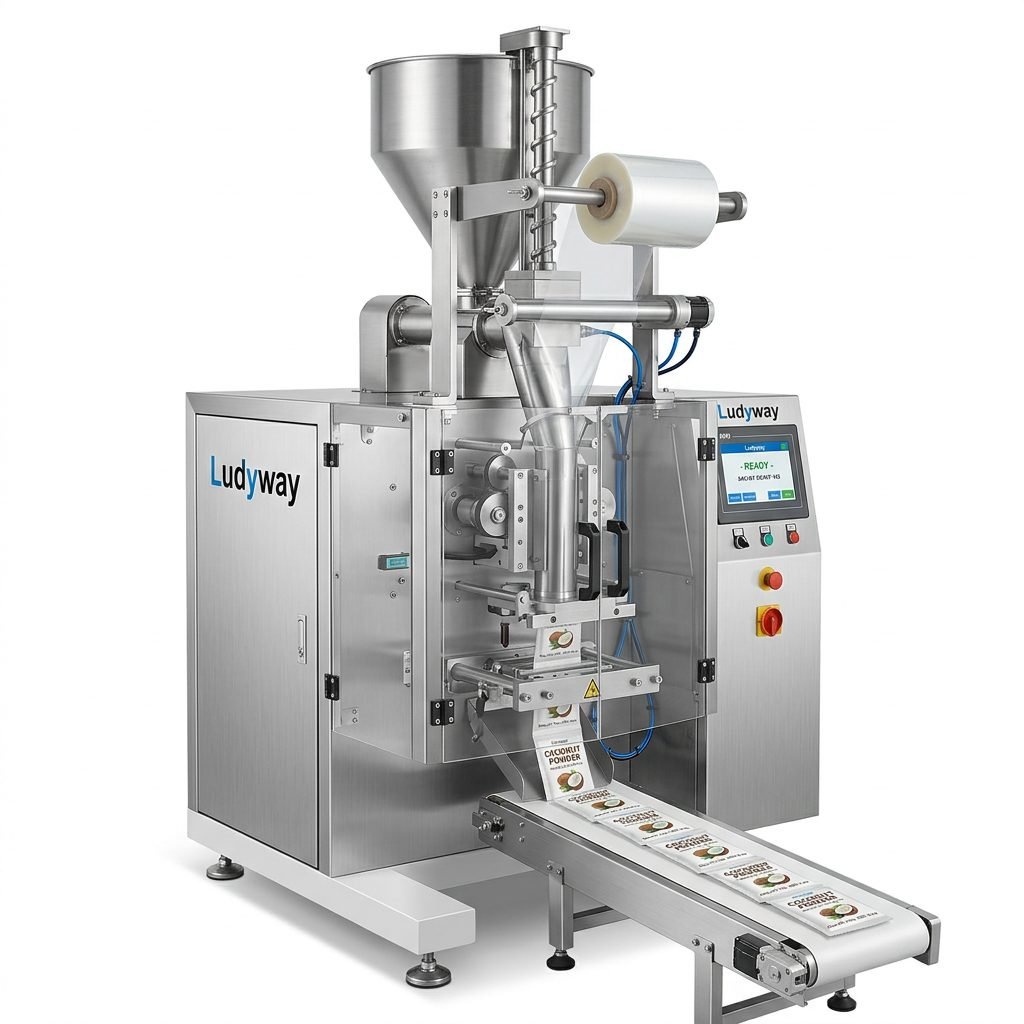
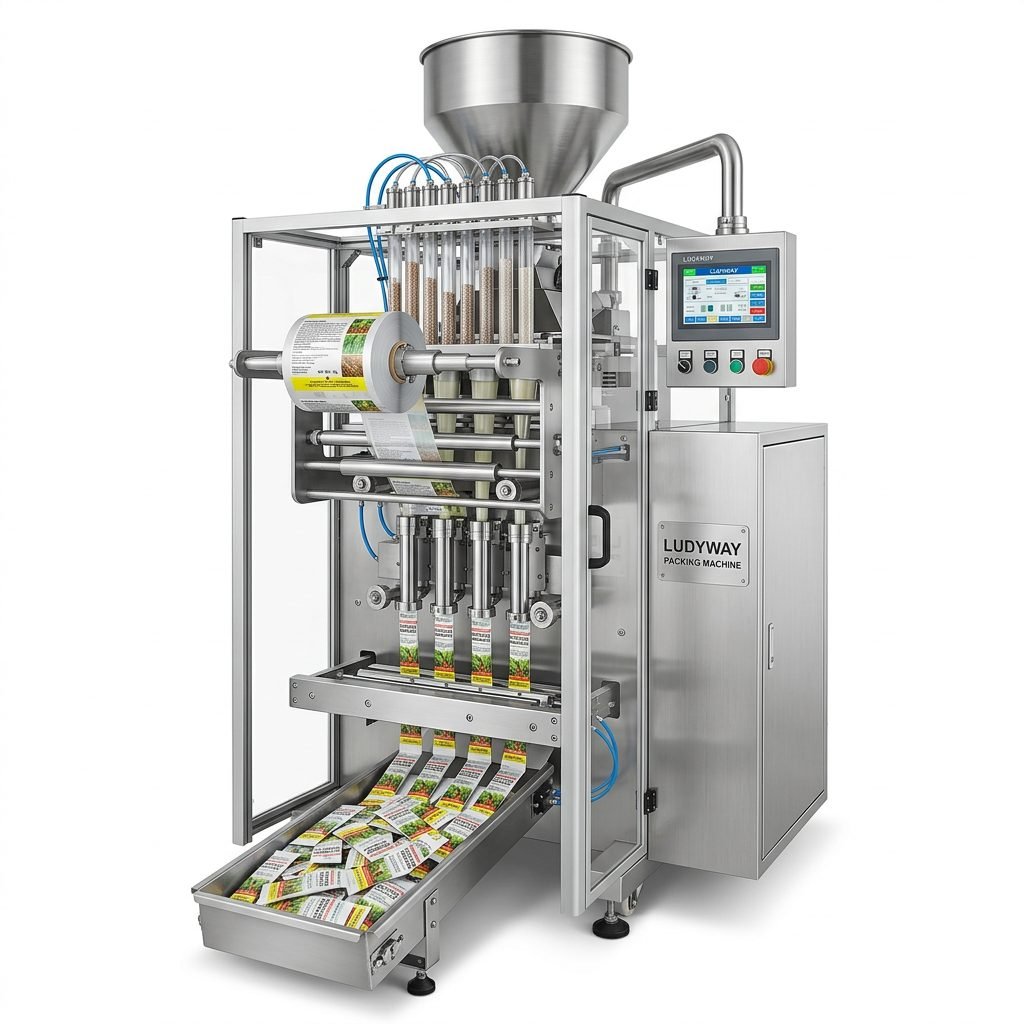
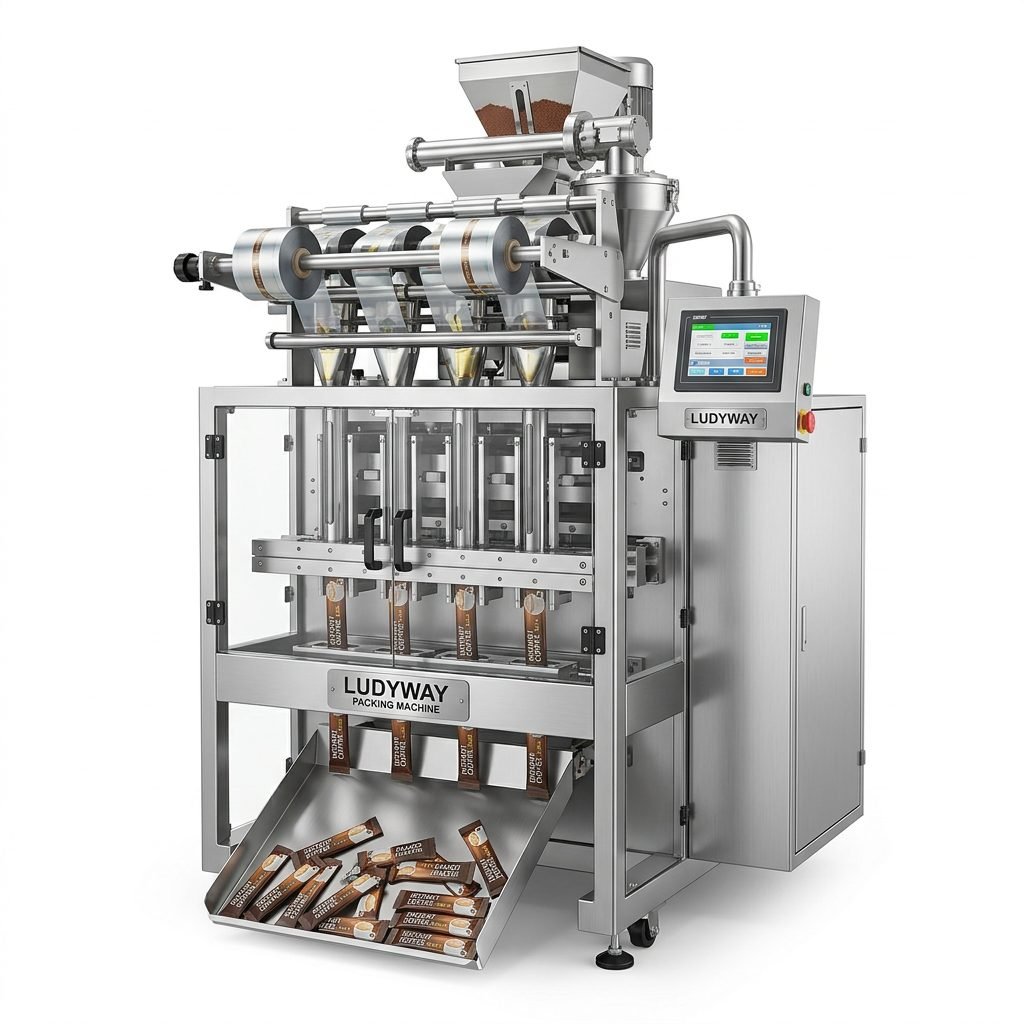
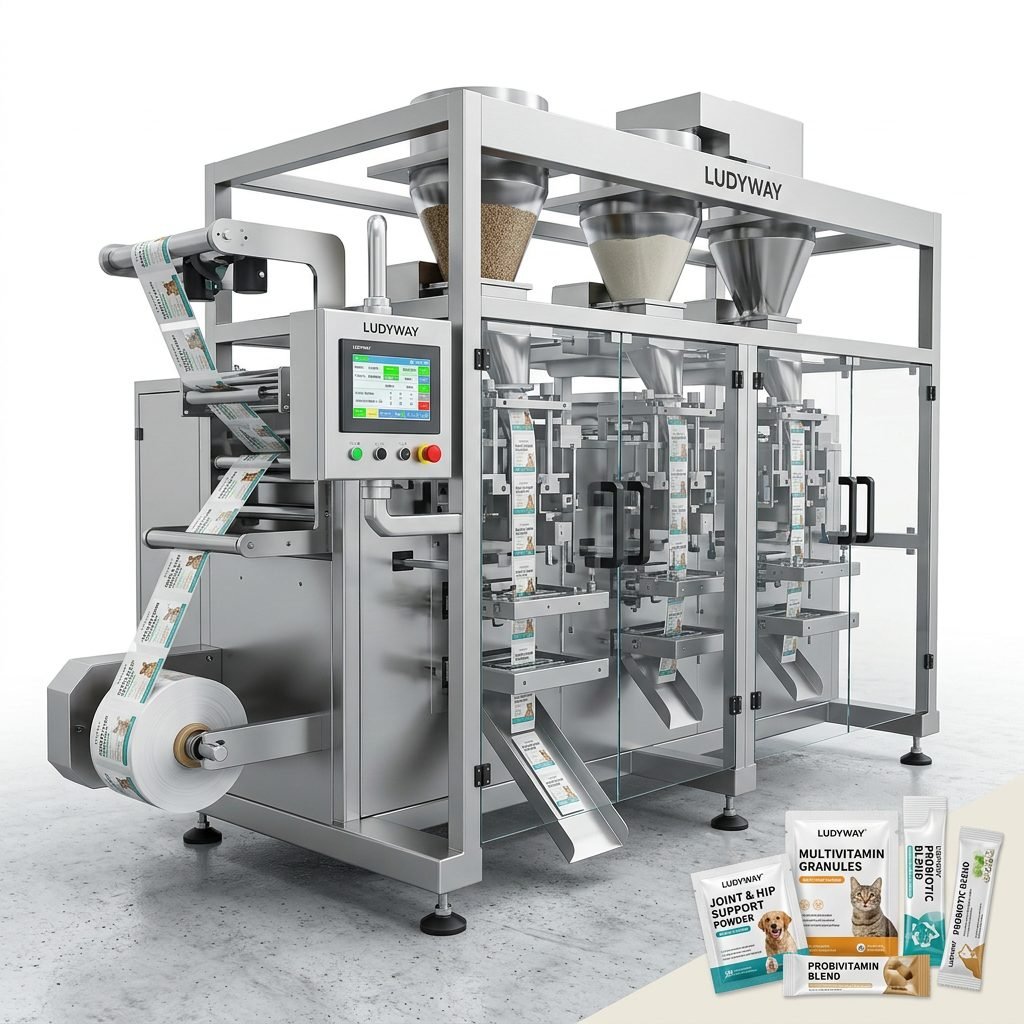
Investing in a customized tissue packaging machine is a significant step for any factory aiming to enhance efficiency, product appeal, and market competitiveness. Unlike standard models, a customized machine is tailored to your specific production requirements, packaging materials, and output goals. This comprehensive guide will walk you through the essential features, cost considerations, and buying process to ensure you make an informed decision for your factory’s future.
Why Choose a Customized Tissue Packaging Machine?
Off-the-shelf packaging machines offer a quick solution, but they often come with limitations in speed, format flexibility, and material compatibility. A customized tissue packaging machine, on the other hand, is engineered to fit your unique production line seamlessly. It can handle your specific tissue fold, count, and wrapping style while integrating with upstream and downstream equipment like folding machines and cartoners. This results in minimized downtime, reduced material waste, and a packaging output that perfectly aligns with your brand identity.
Key Advantages of Customization:
✅ Optimized Workflow: Machines are designed to match your factory’s layout and production pace.
✅ Brand Consistency: Achieve unique packaging shapes, sizes, and print registration that standard machines cannot offer.
✅ Future-Proofing: Scalable designs allow for easier upgrades to handle new products or increased volumes.
✅ Higher ROI: Although the initial investment may be higher, the gains in efficiency and reduced waste lead to a better long-term return.
Essential Features to Consider
When specifying your custom machine, paying attention to core and advanced features is crucial. Here’s a breakdown of what to evaluate.
1. Core Mechanical & Operational Features
Packaging Speed & Output: Determine your required packs per minute (PPM). Custom machines can be calibrated for high-speed production, often ranging from 80 to over 200 packs per minute, depending on complexity.
Format Flexibility: Can the machine switch between different tissue counts (e.g., from 10s to 100s packs) or fold types (flat, pop-up, interfolded) with quick changeovers? Look for servo-driven systems for the most flexible and tool-less adjustments.
Material Compatibility: Specify the types of wrapping film you will use (e.g., polypropylene, polyethylene, biodegradable films). The machine’s sealing system (thermal, impulse, ultrasonic) must be compatible to ensure strong, consistent seals.
2. Control System & Automation Level
The brain of your machine is its control system. A modern, PLC-based touchscreen HMI (Human-Machine Interface) is essential for easy operation, recipe storage, and diagnostics. For higher automation, consider integrating:
- Vision Inspection Systems: To detect and reject packs with misprints, poor seals, or incorrect counts.
- Automatic Film Splice: Allows for uninterrupted production by automatically joining new film rolls.
- Data Tracking & OEE Monitoring: Connects to factory networks for real-time production data and Overall Equipment Effectiveness analysis.
3. Safety & Build Quality
Ensure the machine complies with international safety standards (e.g., CE, UL). Features should include comprehensive safety guarding, emergency stops, and interlocks. The build quality, using materials like stainless steel for food-contact parts and hardened alloys for critical components, directly impacts longevity and hygiene.
Understanding the Cost Structure
The cost of a customized tissue packaging machine is not a single figure but a sum of several factors. Understanding this breakdown helps in budgeting and negotiation.
Cost Breakdown Table
| Cost Component | Description & Impact on Price |
|---|---|
| Base Machine | Core chassis, standard drives, and basic controls. The foundation cost. |
| Customization Engineering | R&D, special mechanisms, and unique tooling for your specific pack style. This is a major variable. |
| Optional Features & Automation | Add-ons like vision systems, robotic loading, or advanced software increase cost but add value. |
| Materials of Construction | Upgrading to full stainless steel or specialized coatings for corrosion resistance adds to the price. |
| After-Sales Support | Included warranty, training, and service packages are crucial for long-term value. |
Prices can range significantly, from $50,000 for a semi-custom, basic model to over $250,000 for a fully integrated, high-speed automated line. The key is to align the investment with your projected production volume and growth plans.
The Buying Process: From Inquiry to Installation
Navigating the purchase of a custom machine requires a structured approach.
- Define Your Requirements (RFQ): Create a detailed document specifying speed, pack size, materials, desired features, and factory floor space.
- Supplier Selection & Evaluation: Research and shortlist suppliers with proven experience in custom tissue packaging machinery. Review their case studies and request client references.
- Design Review & Quotation: Work with the supplier’s engineers on a machine design. Scrutinize the detailed quotation, ensuring all costs and deliverables are clear.
- Factory Acceptance Test (FAT): Before shipment, insist on witnessing a FAT at the manufacturer’s facility to see the machine run with your materials.
- Installation & Training: Plan for professional installation and comprehensive operator and maintenance training at your site.
Partnering with the Right Manufacturer
Your machine is only as good as the company behind it. Look for a manufacturer with:
- Proven Expertise: Decades of experience, like the 30+ years behind the Ludyway Machinery brand, indicate deep industry knowledge and reliability.
- Engineering Capability: A strong in-house R&D and engineering team is essential for successful customization, not just assembly.
- Global Support Network: Ensure they offer timely spare parts supply and technical support in your region. A partner with a history of serving international markets is preferable for global operations.
- Commitment to Quality: Inspect their manufacturing facility (even virtually) and quality control processes.
Frequently Asked Questions (FAQs)
1. How long does it take to get a customized tissue packaging machine?
Lead times typically range from 16 to 30 weeks, depending on the complexity of the customization and the manufacturer’s order backlog. This timeline includes design, procurement of special parts, assembly, testing, and shipping.
2. Can a customized machine handle different packaging materials?
Yes, a key benefit of customization is specifying a machine that can handle multiple material types (e.g., switching between conventional and biodegradable films). However, this requires specific sealing systems and tension controls, which should be discussed during the design phase.
3. What is the typical warranty for such equipment?
Standard warranties are usually 12 to 18 months from commissioning or shipment. It’s vital to understand what the warranty covers (parts, labor, travel) and the terms for extended service contracts.
4. How can I ensure the machine will integrate with my existing production line?
Provide your supplier with detailed layout drawings, specifications of upstream/downstream equipment, and sample products. A reputable manufacturer will conduct a full line integration analysis and may offer simulation or 3D modeling.
5. What kind of training is provided for operators and maintenance staff?
Comprehensive training should be included, covering normal operation, changeover procedures, basic troubleshooting, and preventive maintenance. Training usually occurs during installation at your factory, with manuals and instructional videos provided.