In modern manufacturing, packaging is no longer just the final step of production. It has become a strategic part of product quality, brand consistency, regulatory compliance, and cost control. For companies in food, pharmaceutical, cosmetics, chemical, health supplement, and consumer goods industries, advanced packaging machinery helps transform manual bottlenecks into smart, efficient, and scalable packaging operations.
From high-speed sachet filling to multi-lane stick pack systems and fully integrated turnkey packaging lines, today’s equipment is designed to deliver better output, reduced waste, accurate dosing, and more stable sealing performance. Businesses that invest in the right packaging machinery can improve productivity while meeting increasing expectations for safety, traceability, and packaging quality.
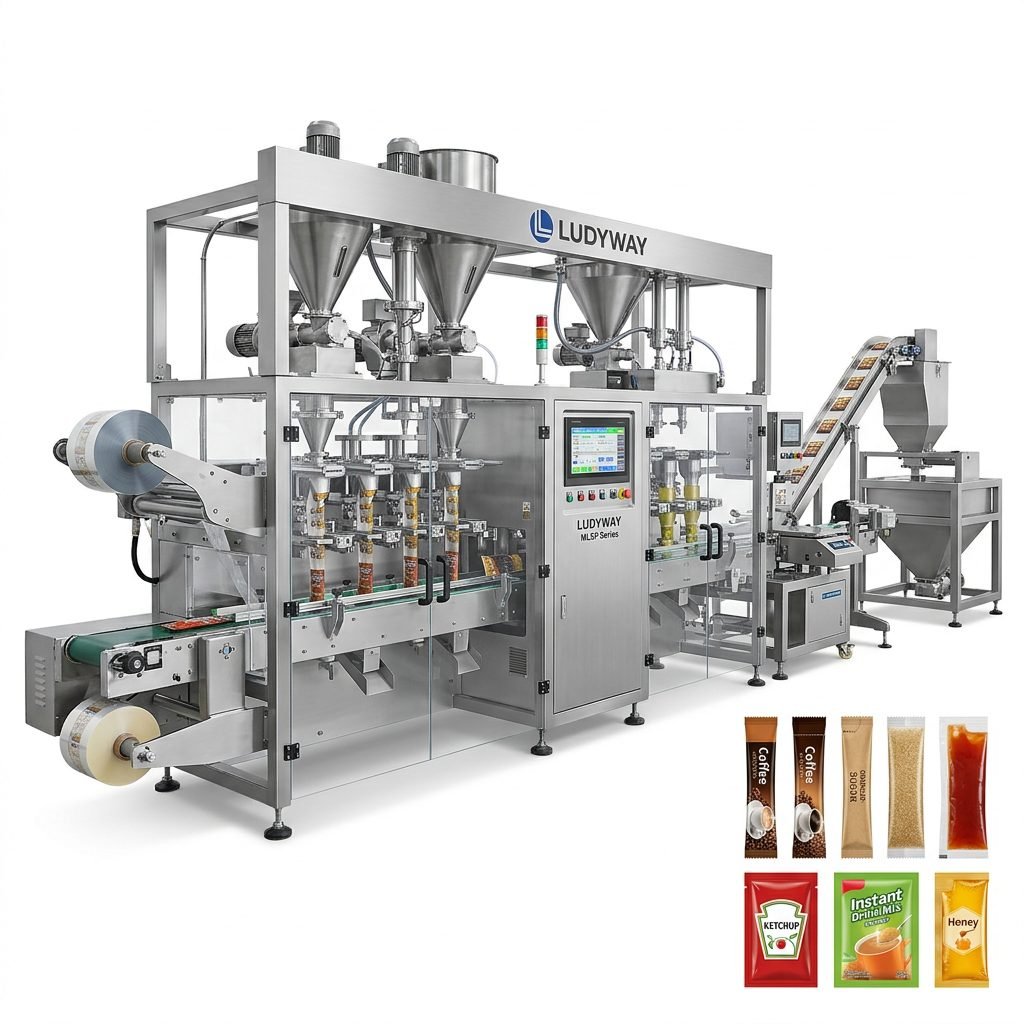
Why Packaging Machinery Matters More Than Ever
Packaging machinery directly affects operating efficiency, product presentation, and long-term profitability. Whether a company packages granules, powders, liquids, gels, or pastes, the machinery chosen must perform consistently under real production conditions. Even small errors in filling, sealing, coding, or conveying can lead to product loss, customer complaints, and production downtime.
- Higher throughput with stable continuous operation
- Better accuracy in dosing and filling
- Lower labor dependency through automation
- Improved packaging consistency across batches
- Stronger compliance for hygiene and regulated industries
- Reduced material waste and lower total packaging cost
As demand grows for flexible packaging formats and shorter production cycles, smart packaging systems help manufacturers stay competitive without sacrificing reliability.
Core Features of Smart Packaging Machinery
Smart packaging machinery combines mechanical stability with intelligent control. It is built not only to run fast, but also to maintain precision and simplify operation. The best systems balance speed with durability, flexibility, and ease of maintenance.
| Feature | Practical Benefit |
|---|---|
| Servo-driven control | Improves motion accuracy, synchronization, and repeatability |
| PLC + touchscreen interface | Simplifies operation, recipe changes, and parameter management |
| Multi-lane configuration | Increases output for sachet and stick pack production |
| Automatic feeding systems | Ensures steady material supply and reduces manual handling |
| Integrated coding and inspection | Supports traceability and helps maintain quality standards |
| Modular line integration | Allows expansion from standalone machine to turnkey line |
1. Precision Filling and Sealing
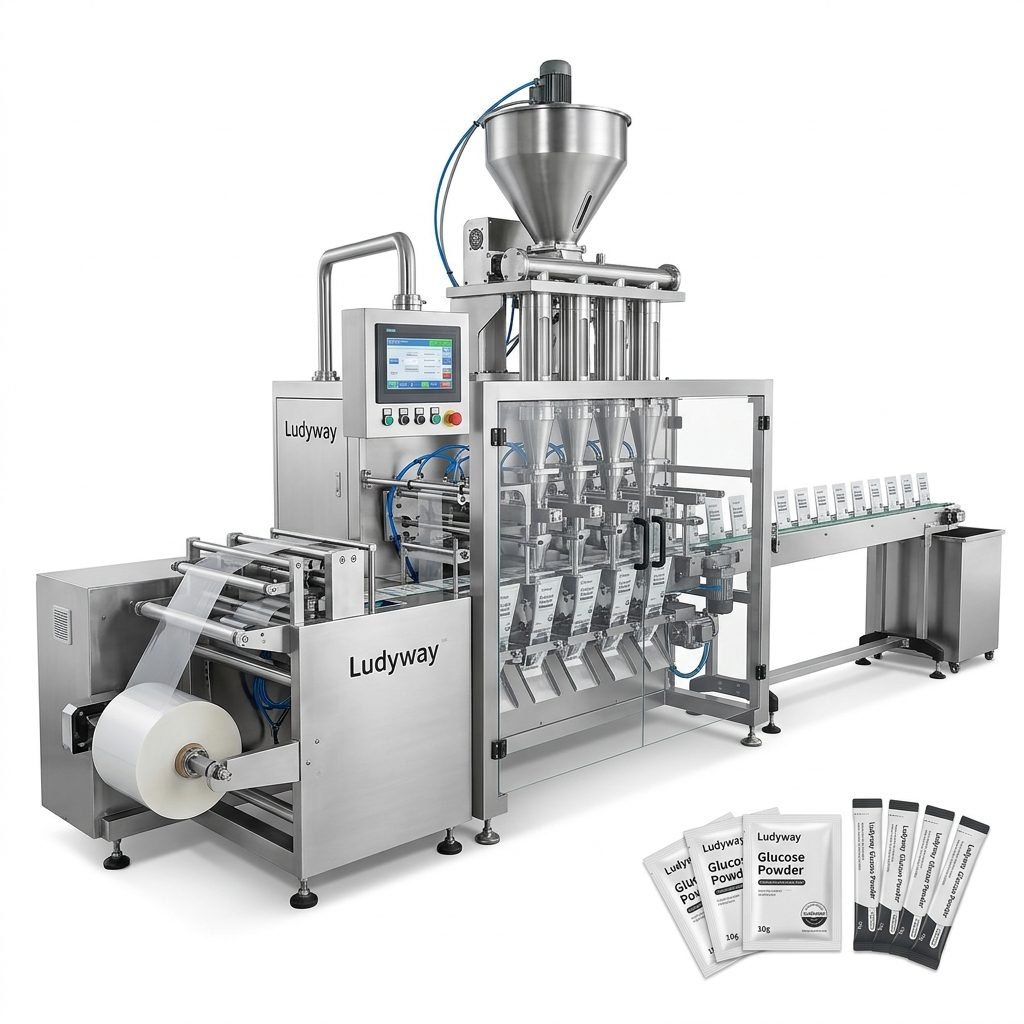
Accurate filling is essential for product consistency and cost control. Smart machines use suitable dosing technologies such as auger fillers for powders, volumetric fillers for granules, piston pumps for pastes, and liquid pumps for fluid products. Combined with reliable sealing systems, this ensures package integrity and shelf-life protection.
2. High-Speed Multi-Lane Output
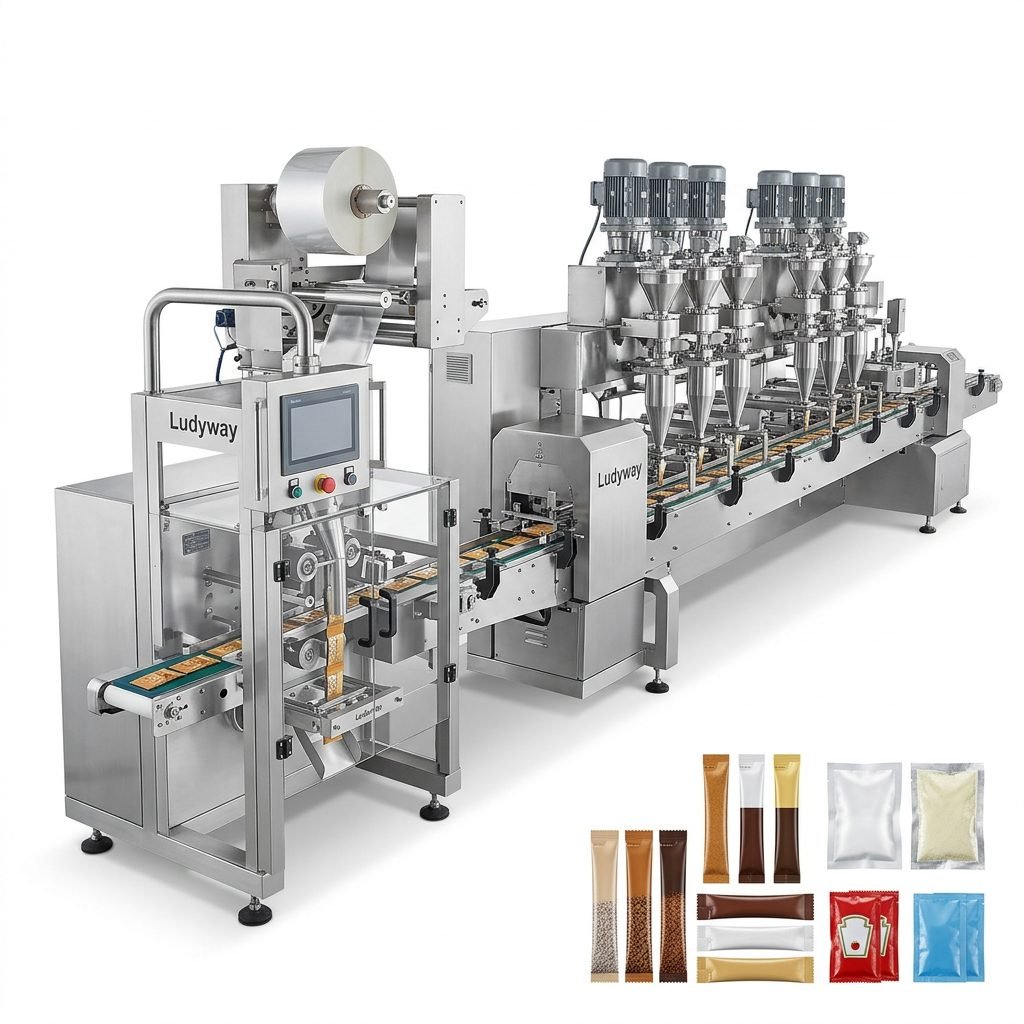
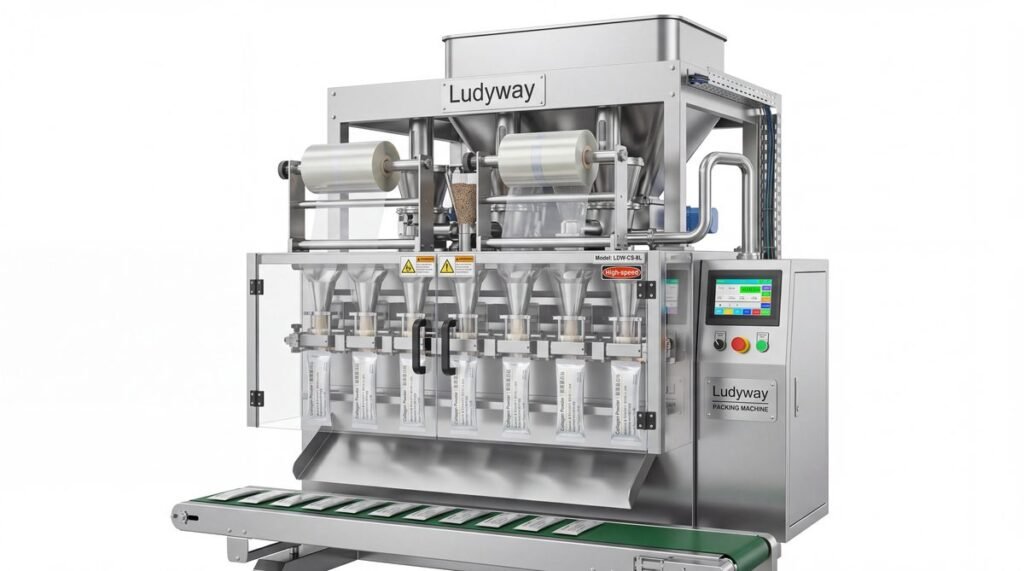
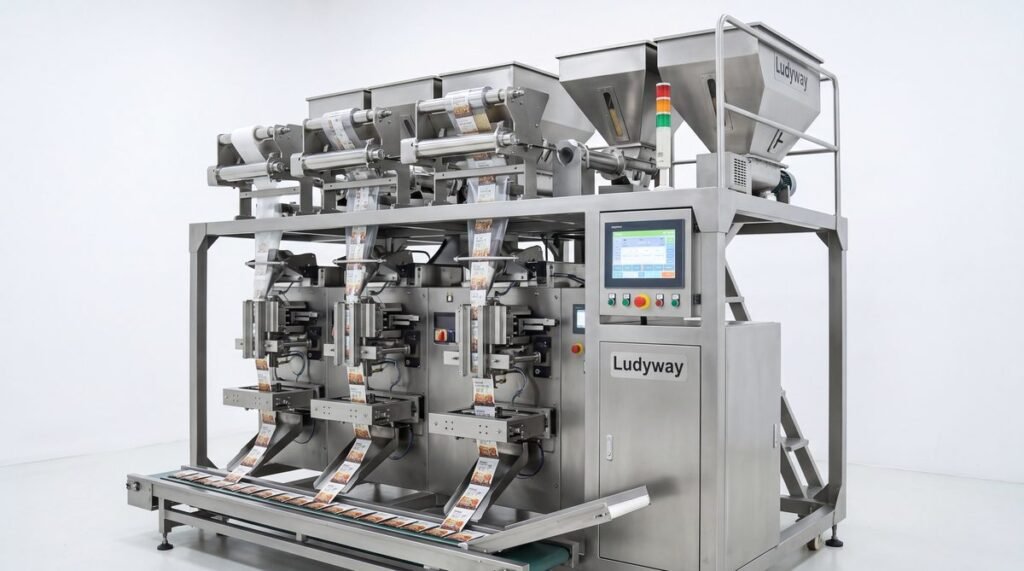
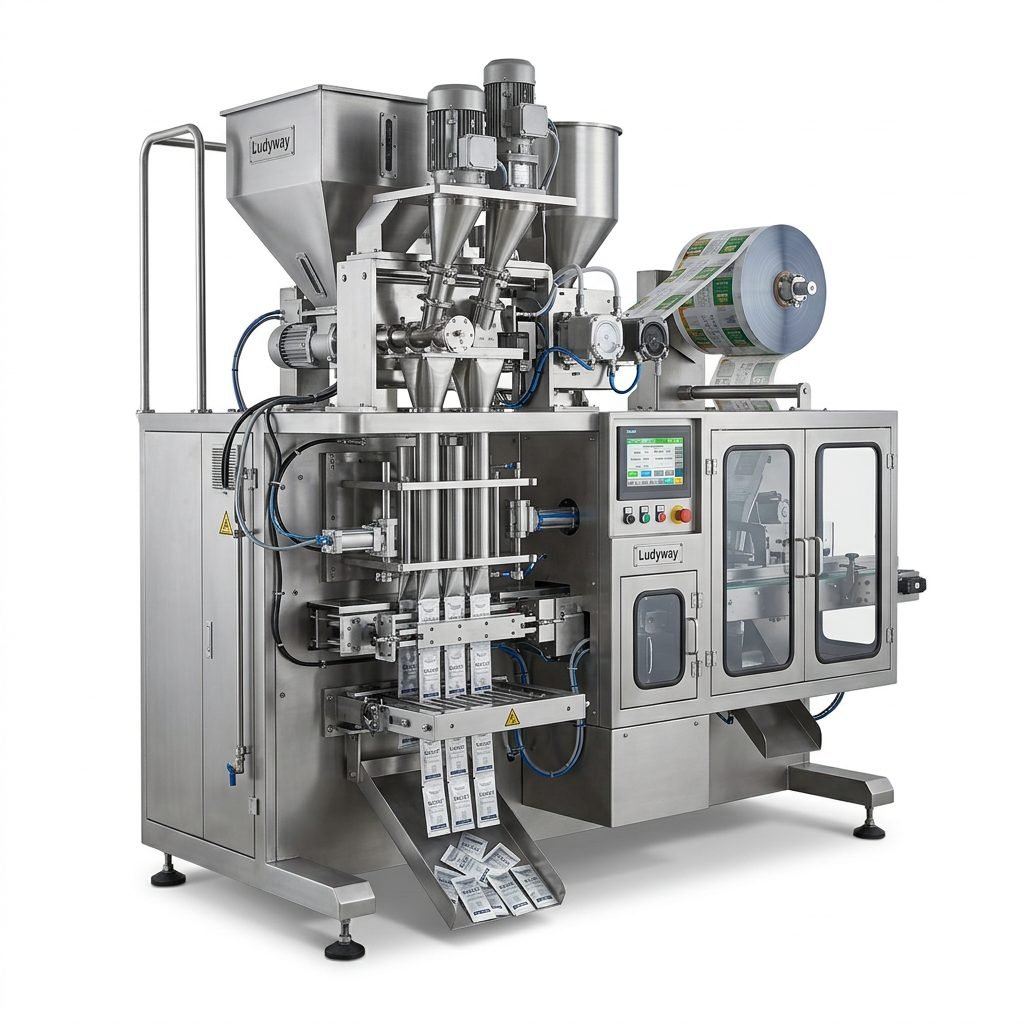
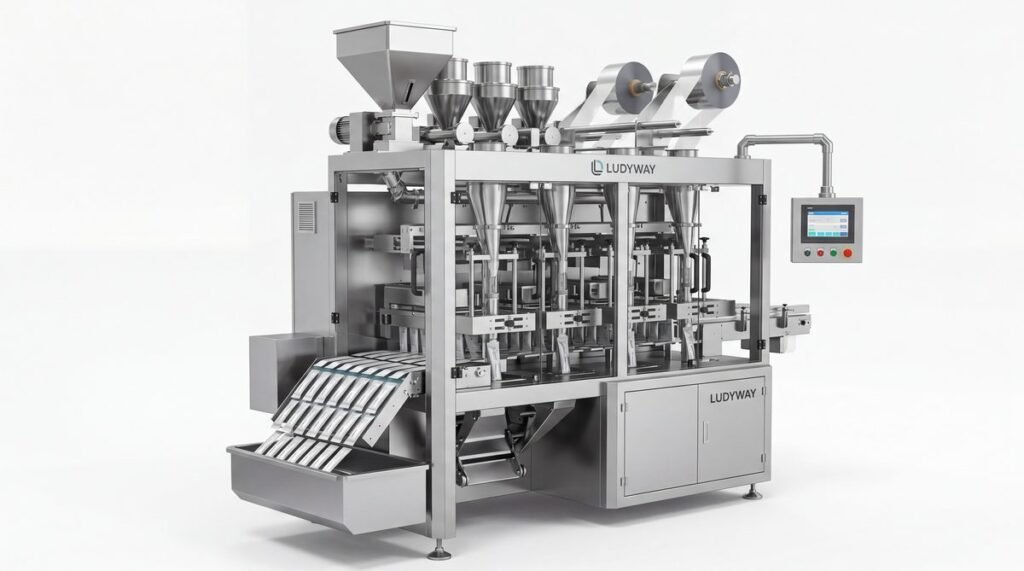
For sachets and stick packs, multi-lane packaging machinery allows manufacturers to significantly increase production capacity within a relatively compact footprint. This is especially valuable in industries where single-dose or portion packaging is in high demand, such as beverage powders, healthcare supplements, sauces, and pharmaceutical granules.
3. Intelligent Control and Monitoring
Modern packaging systems use touchscreen controls, stored product recipes, alarm management, and fast parameter switching. These functions reduce setup time and improve line visibility for operators and maintenance teams.
4. Flexible Product Adaptability
A strong packaging machine should be adaptable to different materials and pack formats. Manufacturers often need to handle multiple SKUs, changing bag dimensions, filling weights, or package styles. Flexible equipment supports future product expansion without requiring a full line replacement.
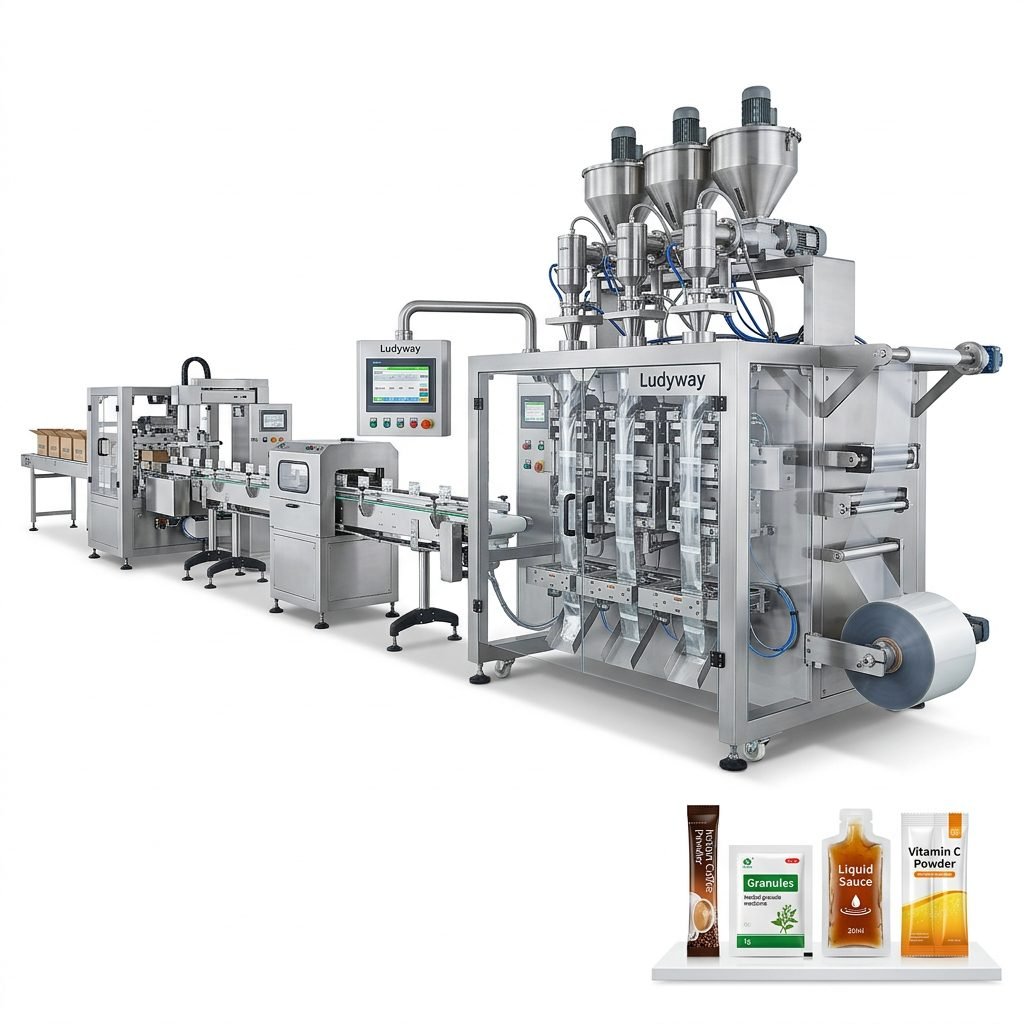
Types of Packaging Machinery Used in Modern Lines
Different products require different machine structures, filling principles, and packaging workflows. Choosing the right equipment depends on product form, production target, packaging material, and downstream handling needs.
Sachet Packaging Machines
Sachet machines are widely used for powders, granules, liquids, gels, and creams. They are ideal for single-use packaging in food, pharmaceutical, cosmetic, and chemical applications. Multi-lane sachet systems offer high output with uniform package appearance.
Stick Pack Machines
Stick pack packaging machinery is popular for drink powders, sugar, coffee, collagen, electrolyte mixes, and health supplements. These slim-format packs are convenient for retail and on-the-go use, while also supporting automated cartoning and counting.
Vertical Form Fill Seal Machines
VFFS machines are suitable for free-flowing products and many flexible packaging applications. They can package a wide range of products efficiently and are commonly integrated with weighing, coding, and conveying equipment.
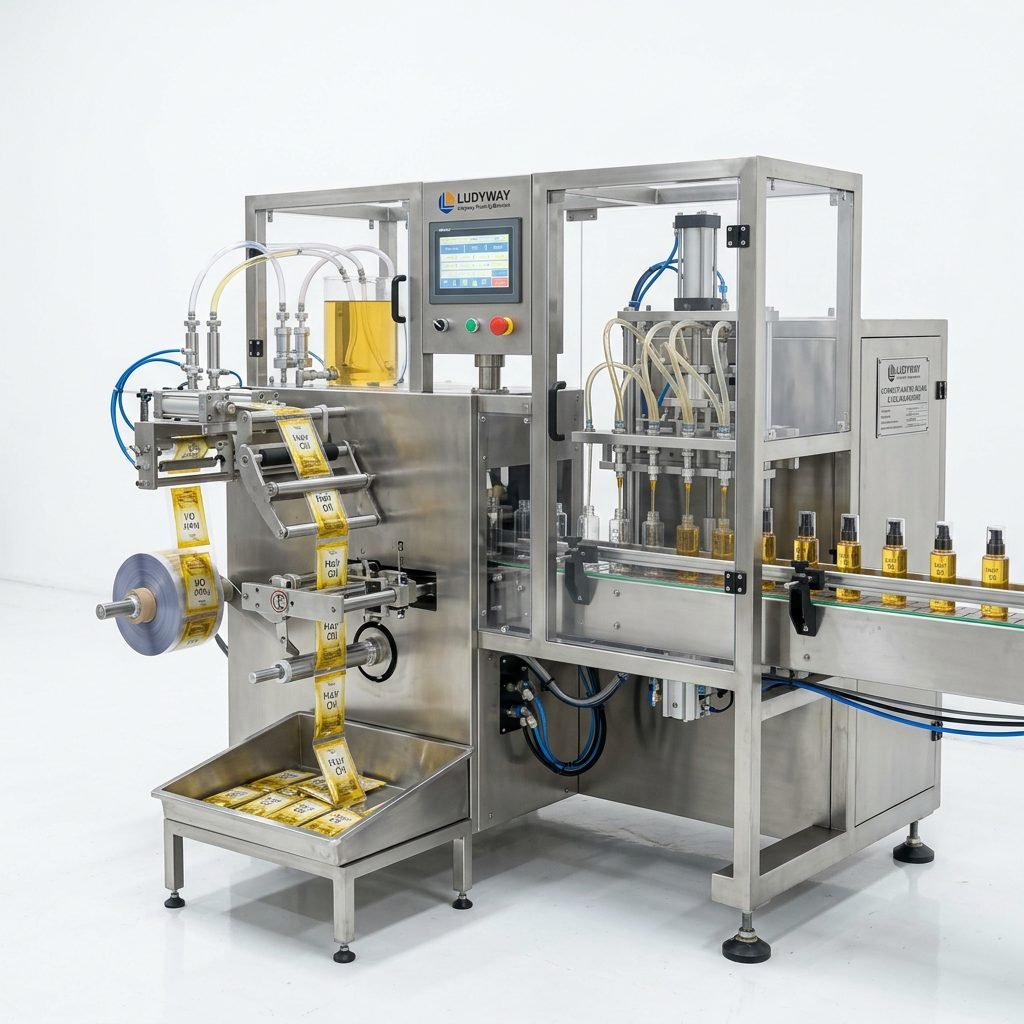
Liquid Filling and Sealing Machines
These systems are designed for sauces, beverages, oils, detergents, shampoos, serums, and pharmaceutical liquids. Depending on viscosity, the line may use piston filling, peristaltic pumps, or other metering technologies.
Turnkey Packaging Lines
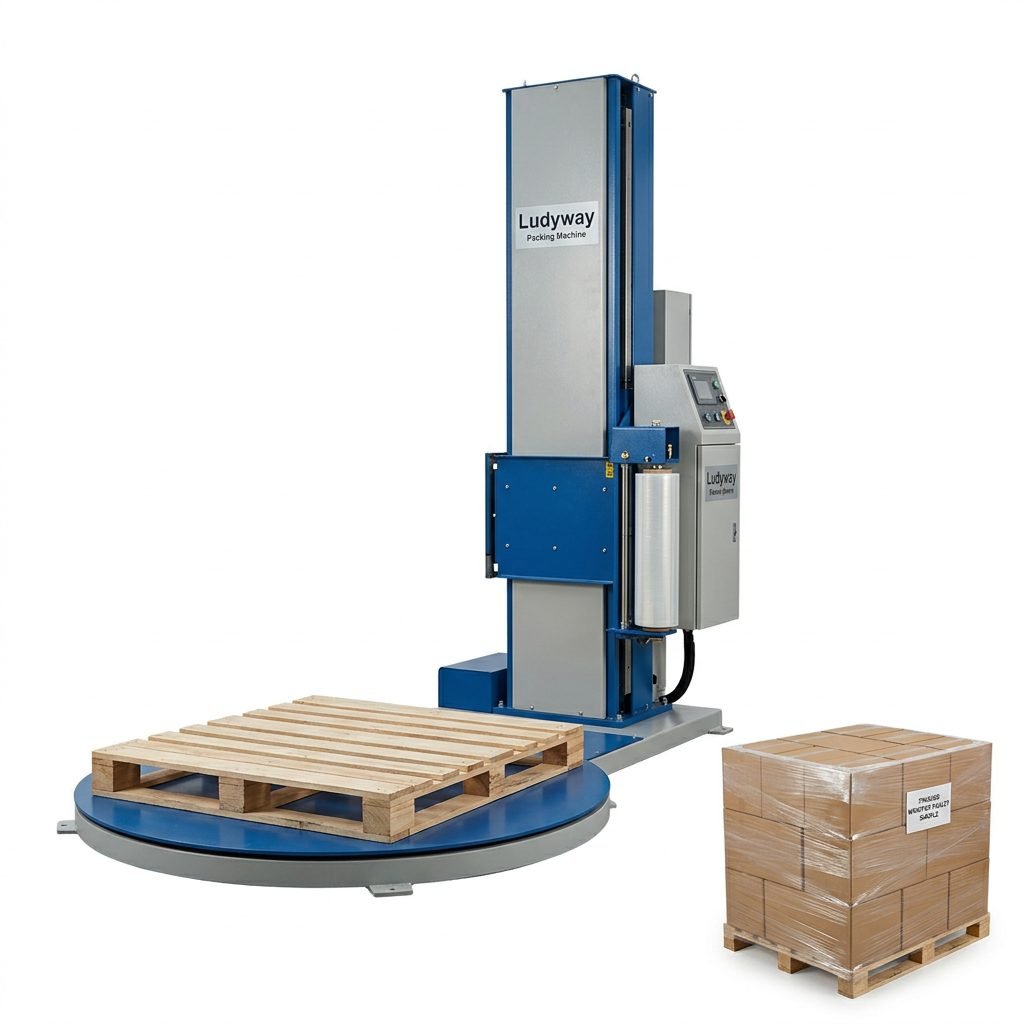
A complete packaging line combines feeding, filling, sealing, coding, inspection, cartoning, case packing, and palletizing into one coordinated system. Turnkey lines reduce manual transfer points and improve production flow from start to finish.
Industries That Benefit Most from Advanced Packaging Equipment
Smart packaging machinery serves a broad range of sectors. The right solution depends on both product characteristics and regulatory expectations.
| Industry | Typical Products | Packaging Focus |
|---|---|---|
| Food | Coffee, spices, sauces, sugar, snacks, milk powder | Freshness, speed, weight accuracy, visual consistency |
| Pharmaceutical | Granules, oral liquids, powders, tablets, medical sachets | Compliance, traceability, hygiene, precision dosing |
| Health Supplement | Collagen, probiotics, vitamins, electrolyte powders | Portion control, product stability, retail-ready format |
| Cosmetics | Lotions, serums, creams, masks, shampoo | Leak-free seals, clean filling, attractive pack quality |
| Chemical | Detergents, cleaners, additives, powders, liquids | Material compatibility, safety, corrosion resistance |
| Animal Feed & Pet Care | Pellets, supplements, probiotics, powders | Bulk handling, accurate filling, durable package sealing |
How Smart Packaging Lines Improve Overall Production Efficiency
The biggest gains often come not from one machine alone, but from how the full line works together. When upstream feeding, filling, sealing, coding, inspection, and downstream handling are synchronized, manufacturers see meaningful operational improvements.
- Reduced downtime: coordinated controls minimize interruptions and improve line continuity.
- Faster changeovers: stored settings help operators switch between products with less manual adjustment.
- Lower rework rates: better filling and sealing stability means fewer rejects.
- Less labor intensity: automation reduces repetitive manual work and operator fatigue.
- Improved data visibility: smart systems support process monitoring and maintenance planning.
For growing manufacturers, this means the packaging department can support expansion rather than becoming a production bottleneck.
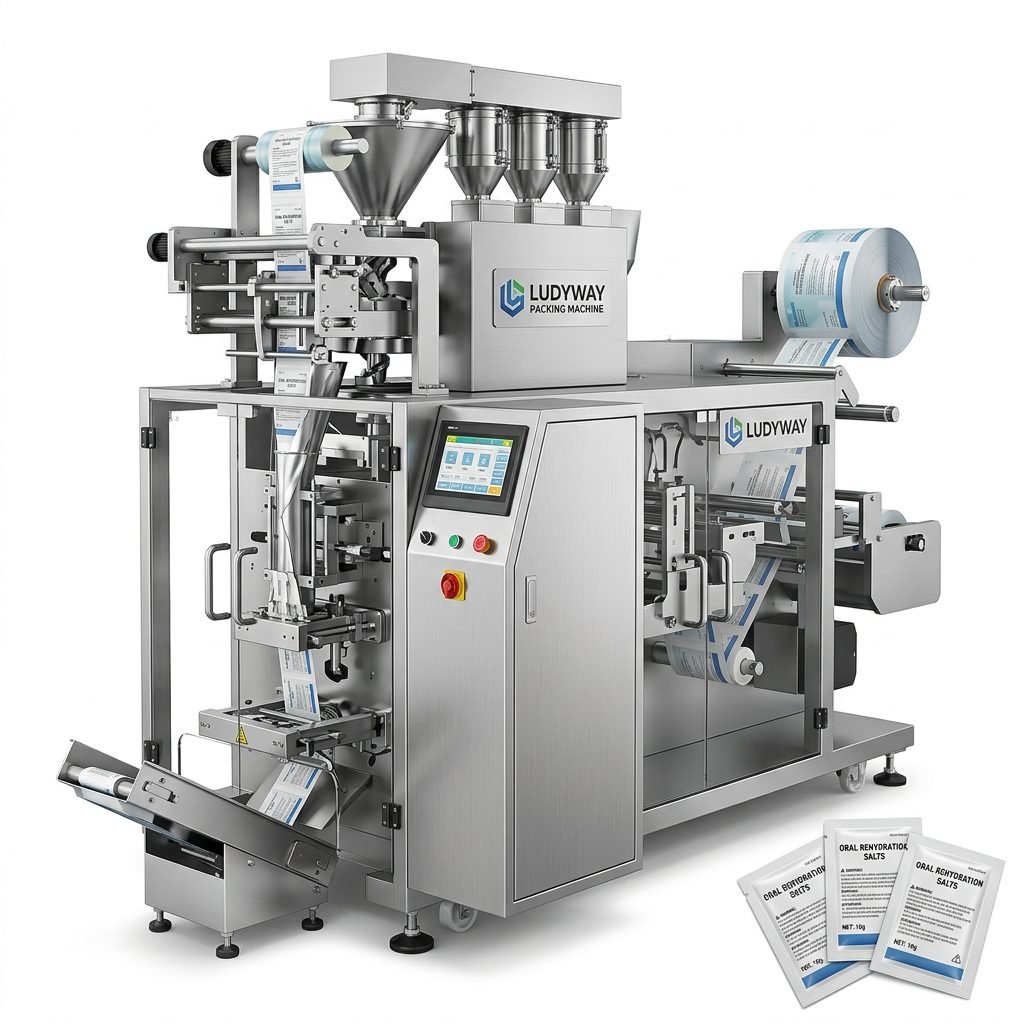
What to Consider When Choosing Packaging Machinery
Buying packaging machinery is a long-term decision. The right solution should fit your current production needs while also supporting future scale-up. Before selecting a machine or turnkey line, it is important to evaluate both technical and business factors.
Product Characteristics
Consider whether your product is a free-flowing granule, fine powder, viscous paste, or low-viscosity liquid. Different materials behave differently in filling, conveying, and sealing.
Packaging Format
The target format may be sachets, stick packs, pouches, bottles, tubes, or bags. Each format has different machine design requirements and downstream handling needs.
Speed and Capacity Goals
High-speed output is valuable only if the machine can maintain filling accuracy and sealing quality. Real productivity depends on sustained performance, not peak speed claims alone.
Hygiene and Compliance Requirements
Food and pharmaceutical applications require greater attention to cleanability, material contact safety, and quality documentation. A suitable machine design helps simplify audits and validation.
Service and Technical Support
Reliable after-sales support is critical for machine commissioning, troubleshooting, spare parts supply, and operator training. This becomes even more important for overseas buyers and integrated production projects.
Benefits of Working with an Experienced Packaging Machine Manufacturer
A knowledgeable manufacturer offers more than machinery. They provide process understanding, application matching, engineering support, and line integration experience. This reduces project risk and helps buyers avoid costly mismatches between machine design and real production conditions.
For companies looking for scalable packaging automation, Ludyway packaging machinery represents a strong option, backed by more than 30 years of experience, a manufacturing base of over 20,000 square meters, and extensive expertise in food, pharmaceutical, health supplement, cosmetic, chemical, and pouch-based packaging solutions. With a broad product range and turnkey line capability, the company supports customers seeking efficient, reliable, and high-speed packaging systems for global markets.
Packaging Machinery Trends Shaping the Future
The packaging industry continues to evolve as manufacturers seek greater flexibility, lower waste, and smarter automation. Several trends are shaping future investment decisions:
- Increased adoption of multi-lane high-speed systems for sachets and stick packs
- Growing demand for turnkey packaging lines instead of isolated machines
- More integration of coding, checkweighing, metal detection, and inspection
- Stronger focus on energy efficiency and material-saving machine design
- Higher need for flexible automation that supports diverse SKUs and pack sizes
Manufacturers that adopt these technologies early are better positioned to manage rising labor costs, stricter quality expectations, and increasingly complex product portfolios.
Conclusion
Smart packaging machinery plays a central role in building efficient, reliable, and high-speed packaging lines. Whether the goal is to increase output, improve filling accuracy, reduce labor, or create a fully automated production workflow, the right machinery can deliver measurable long-term value.
From standalone sachet packing machines to complete integrated packaging lines for powders, granules, liquids, and pouches, advanced solutions help manufacturers meet modern production demands with greater confidence. Businesses that prioritize equipment quality, process compatibility, and supplier experience are far more likely to achieve stable performance and sustainable growth.