Selecting the right diapers packaging machine is a critical decision for manufacturers in the hygiene products industry. This equipment not only affects production efficiency and product presentation but also directly impacts operational costs and market competitiveness. With various technologies and configurations available, understanding the different types, key features, and selection criteria is essential for making an informed investment.
Primary Types of Diapers Packaging Machines
The packaging process for diapers can be segmented, and different machine types are designed for specific stages or final product forms.
Flow Wrap Machines
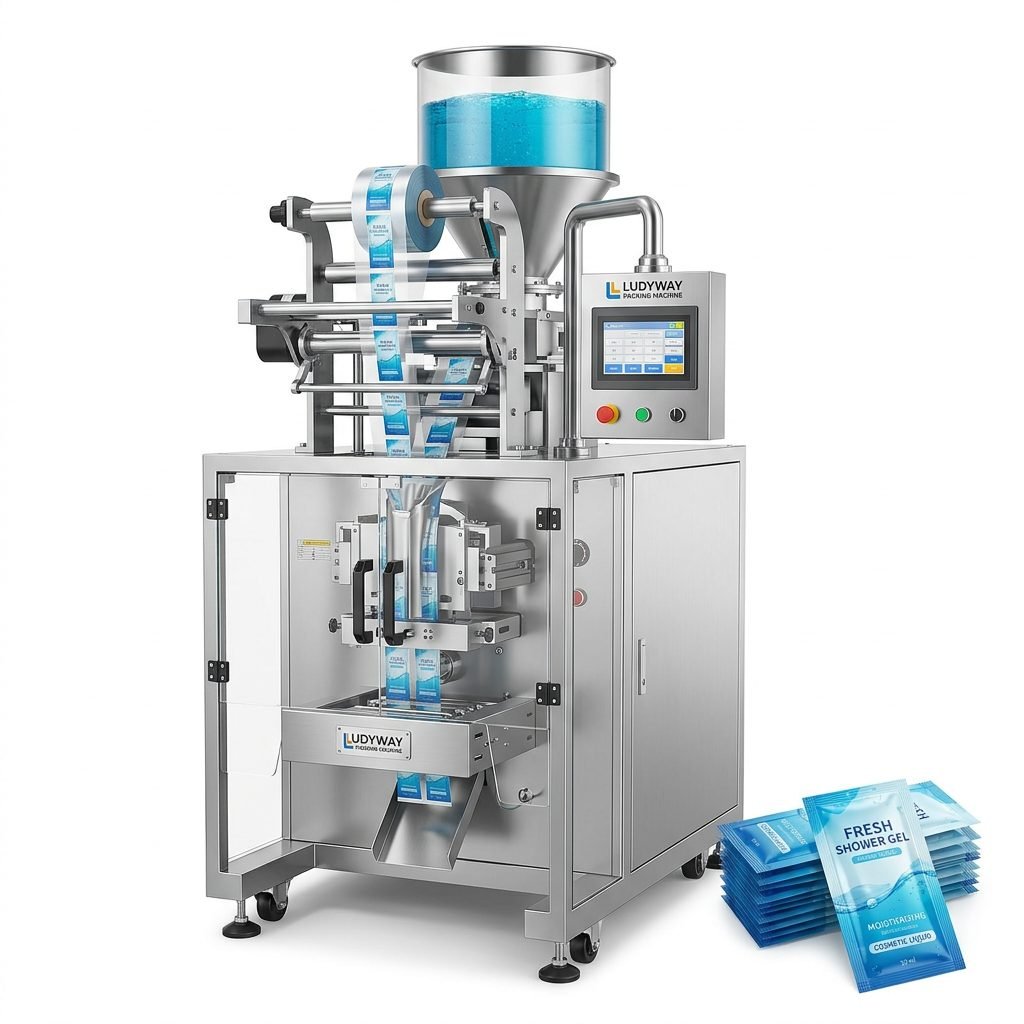
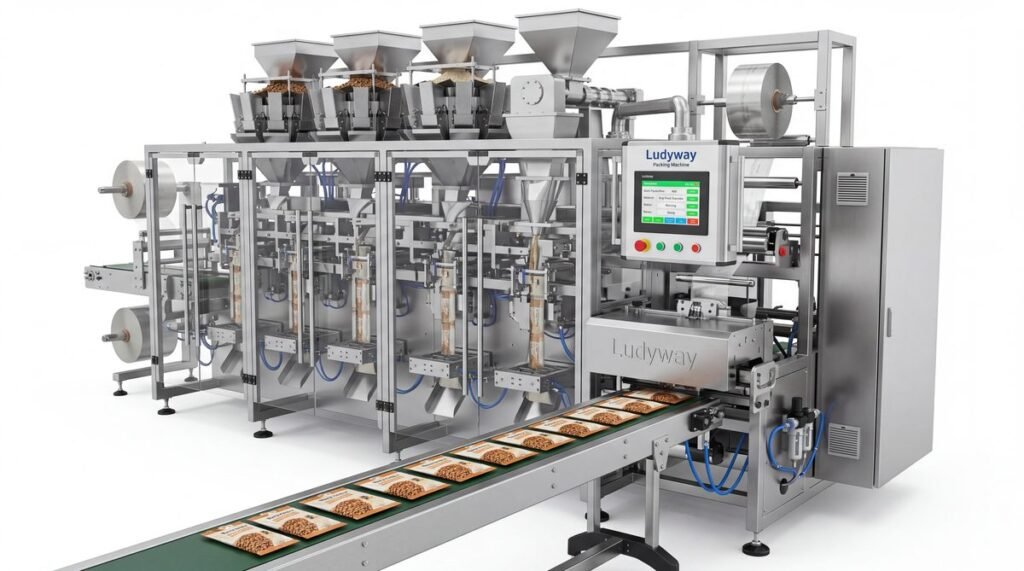
These are the most common machines for packaging individual diapers. The diaper is fed into a continuous tube of film, which is then sealed around the product and cut to create a tight, pillow-style pack. This method offers excellent product protection and a clean, professional look suitable for retail shelves.
Shrink Wrap Bundling Machines
Used for creating multi-packs or bundles (e.g., packs of 12, 24, or more). Individual diapers are grouped together, wrapped in a loose sleeve of film, and then passed through a heat tunnel. The film shrinks tightly around the bundle, creating a secure, stable unit that is easy for consumers to carry. This is ideal for bulk retail packages.
Bagging Machines
For larger count packages or specific market preferences, bagging machines place a stack of diapers into pre-made plastic bags (often with handles) and seal them. This format is common for club store packaging or jumbo packs.
Cartoning Machines
In some premium or specific market segments, diapers are packed into printed cardboard cartons. Cartoning machines erect the box, insert the stacked diapers (often wrapped in an inner bag), and close the flaps. This provides superior branding space and a high-end presentation.
Essential Features and Technological Considerations
Modern diapers packaging machines incorporate advanced features to enhance speed, reliability, and flexibility.
High-Speed Operation & Precision
Production lines for diapers require high throughput. Look for machines with robust servo-driven systems that ensure precise film feeding, cutting, and sealing at speeds that match your production line. Precision is key to minimizing film waste and ensuring consistent package quality.
Versatile Film Handling
A good machine should handle a range of packaging films commonly used in hygiene products, such as polyethylene (PE), polypropylene (OPP), and laminates. Features like automatic film splicing (to roll change without stopping) and tension control are crucial for uninterrupted production.
Integrated Automation & Smart Controls
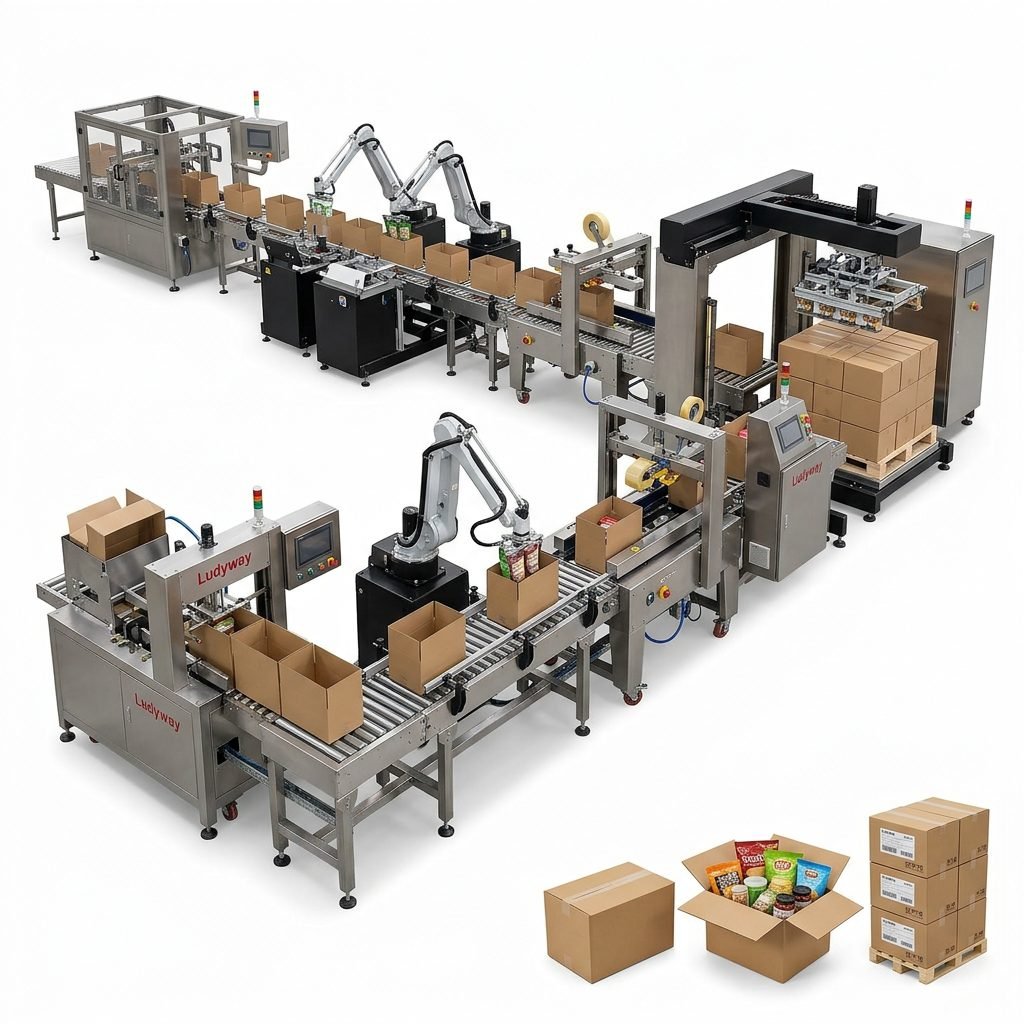
Today’s machines often feature PLC controls with user-friendly HMI touchscreens. Integration with upstream production (e.g., from the diaper converting machine) and downstream systems (like case packing) via sensors and robotics is vital for a fully automated line. IoT capabilities for monitoring production data and predictive maintenance are becoming standard.
Quick Changeover Systems
Manufacturers frequently run different diaper sizes (NB, S, M, L, XL) and pack counts. Machines with tool-less or quick-change mechanisms for format adjustments drastically reduce downtime and increase overall equipment effectiveness (OEE).
Hygienic and Robust Design
Given the nature of the product, the machine should have a design that prevents dust accumulation, uses food-grade compatible materials where necessary, and allows for easy cleaning. Construction should be robust to withstand 24/7 operation in an industrial environment.
How to Choose the Best Packaging Solution
Selecting the ideal machine involves a thorough analysis of your specific operational needs and strategic goals.
1. Analyze Your Product and Output Requirements
Define the exact range of diaper sizes and types you produce. Determine your required output speed (packs per minute) both for current needs and future scalability. The machine’s capacity must align with your production line’s total output.
2. Evaluate Packaging Materials and Sustainability
Your choice of packaging film (type, thickness, print) will influence the machine specification. Furthermore, with growing environmental concerns, consider machinery that can handle mono-material or recyclable films to support sustainable packaging initiatives.
3. Assess Integration with Existing Lines
The new packaging machine must seamlessly integrate with your existing diaper manufacturing and handling equipment. Consider physical footprint, material flow (infeed/outfeed height), and communication protocols (e.g., Profinet, Ethernet/IP) for automation compatibility.
4. Prioritize Reliability and Supplier Support
Downtime is extremely costly. Investigate the machine builder’s reputation for reliability and the robustness of their design. Crucially, evaluate the quality of their after-sales support—availability of spare parts, technical service response time, and training programs. A partner like Ludyway Machinery, with deep industry experience, can provide not just equipment but long-term operational partnership.
5. Consider Total Cost of Ownership (TCO)
Look beyond the initial purchase price. Calculate TCO by factoring in energy consumption, expected maintenance costs, changeover efficiency (downtime), and film waste rates. A slightly higher initial investment in a more efficient and reliable machine often leads to significantly lower operating costs over its lifespan.
6. Request a Production Trial
Whenever possible, arrange for a factory acceptance test (FAT) or a production trial using your actual diapers and packaging materials. This is the best way to verify performance, speed, and package quality before finalizing your decision.
Partnering with an Experienced Provider
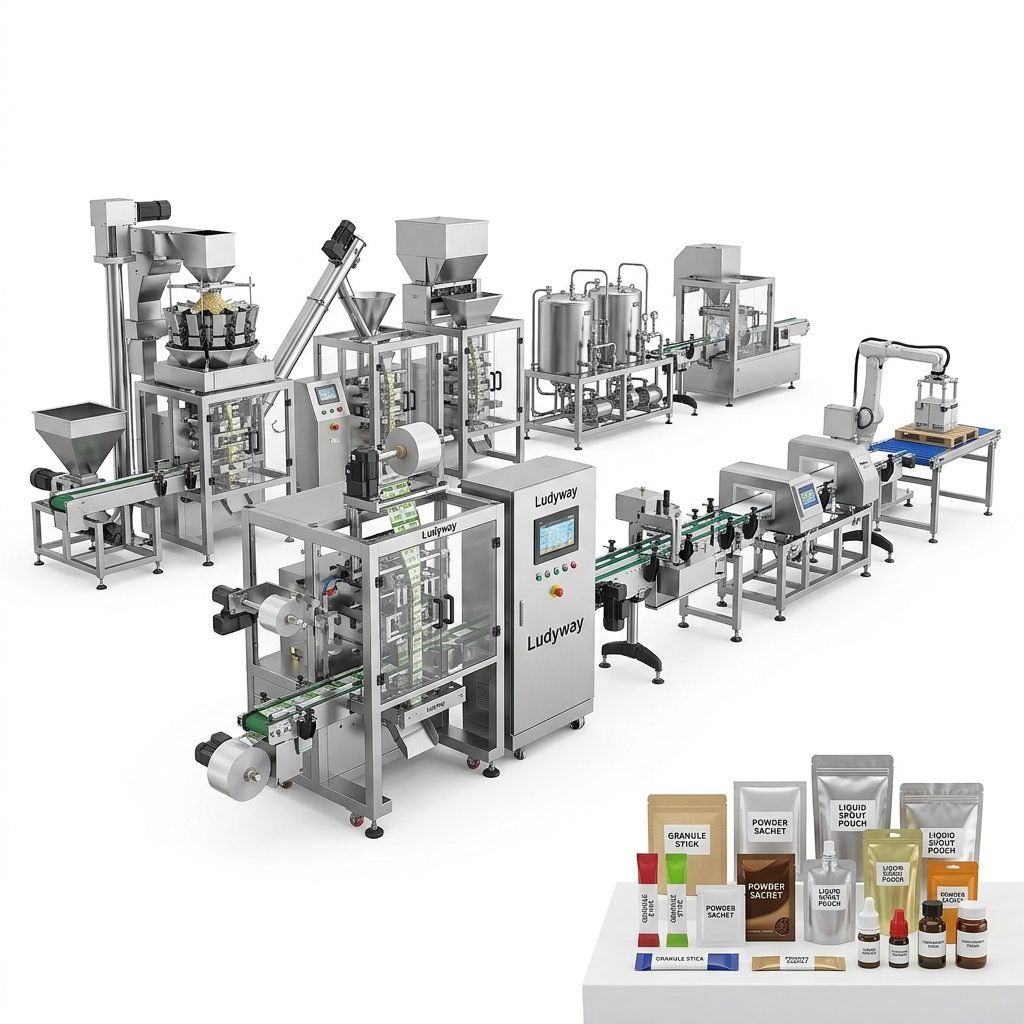
Navigating the complex landscape of packaging automation is challenging. Partnering with a specialized provider brings immense value. For instance, Ludyway Packing Machine leverages over three decades of industry expertise to offer tailored solutions. They provide a comprehensive range of over 50 intelligent packaging models and can deliver complete turnkey production line solutions, ensuring all components from forming to final packaging work in perfect harmony. Their global service network ensures you have support wherever your production is located.
Frequently Asked Questions (FAQs)
What is the typical speed range for a modern diapers flow wrap machine?
Speeds can vary widely based on machine design and package complexity. Standard machines often operate between 60 to 120 packs per minute, while high-speed models designed for large-scale production can reach 200+ packs per minute.
Can one machine handle all diaper sizes from newborn to toddler?
Yes, most machines are designed with this flexibility in mind. The key is the changeover system. Machines with advanced servo-driven adjustments and quick-change parts allow for size changeovers in minutes rather than hours, making it efficient to run multiple SKUs on the same line.
How important is sustainable packaging capability in a new machine?
Extremely important. Consumer and regulatory pressure for eco-friendly packaging is growing globally. Investing in a machine that can reliably run newer, recyclable mono-material films or reduced-plastic solutions future-proofs your operation and aligns with market trends.
What are the main causes of downtime in diapers packaging, and how can they be minimized?
Common causes include film breaks/jams, mechanical wear, and lengthy changeovers. Downtime is minimized by choosing a robust machine design, implementing preventive maintenance schedules, using high-quality packaging materials, and opting for machines with features like automatic film splicing and quick changeover systems.
What kind of after-sales support should I expect from the machine supplier?
You should expect comprehensive support including detailed installation supervision, thorough operator and maintenance training, readily available spare parts inventory, and responsive technical support (often available remotely). A reliable supplier will offer a clear service agreement and be a proactive partner in optimizing your packaging line’s performance.