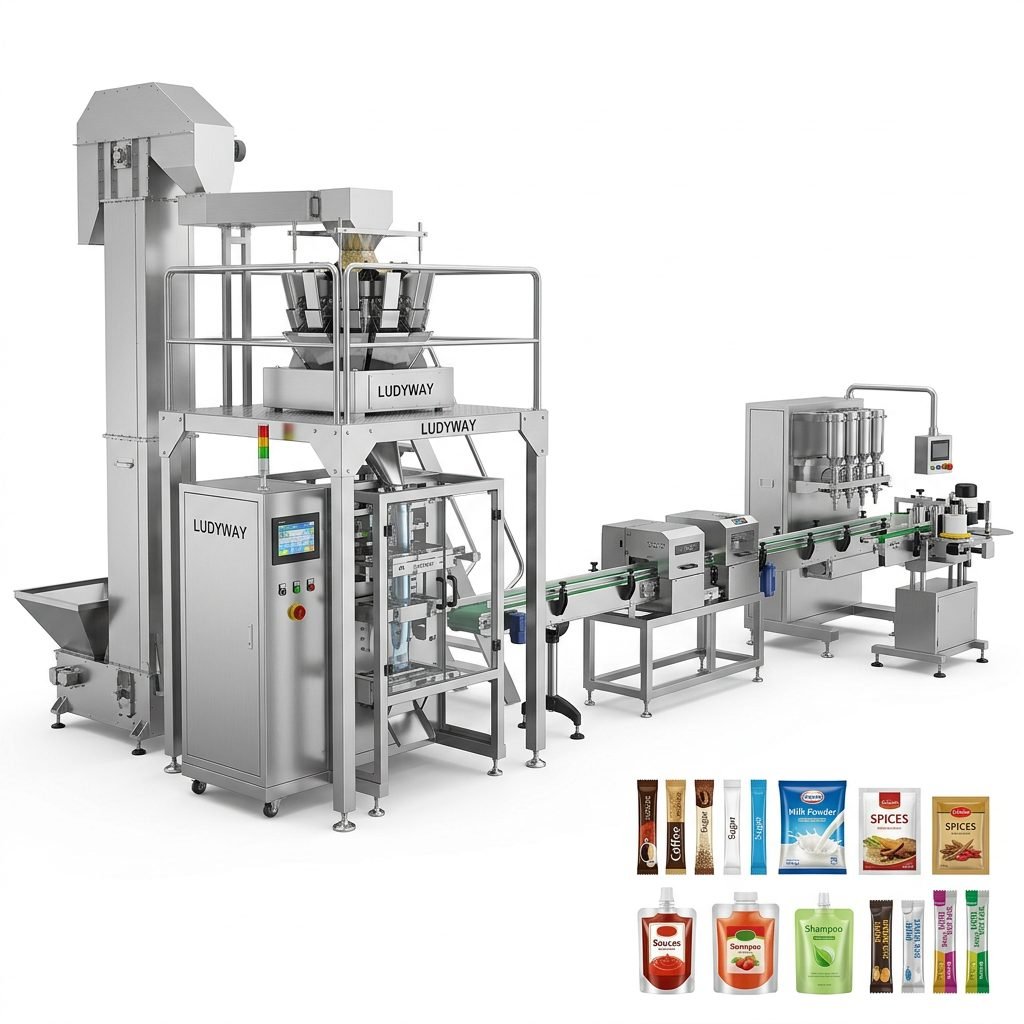
In the fast-paced world of food production, efficiency and presentation are paramount. The packaging of dressings—from creamy ranch and tangy vinaigrettes to specialty sauces—plays a critical role in product integrity, shelf appeal, and operational workflow. Selecting the right dressings packaging machine is not merely a purchase; it’s a strategic investment in your production line’s future. This comprehensive guide will navigate you through the various types of machines, explain their working processes, and provide a clear framework for choosing the optimal system for your specific needs.
Understanding the Core Types of Dressings Packaging Machines
The market offers a variety of packaging solutions tailored to different dressing viscosities, batch sizes, and packaging formats. Understanding these core types is the first step toward an informed decision.
Volumetric Cup Filling Machines
These are among the most common and versatile systems for dressings. They work by using precision-engineered cups or pistons to measure a specific volume of product before dispensing it into pouches, cups, or bottles. Ideal for medium to high-viscosity dressings like mayonnaise, Caesar dressing, or thick cheese sauces, they offer excellent accuracy and are relatively easy to clean and maintain. Their speed makes them suitable for medium to high-volume production runs.
Piston Filling Machines
For ultimate accuracy, especially with premium or expensive ingredients, piston fillers are the gold standard. A piston draws a precise amount of product from a hopper and then pushes it into the container. This method is exceptionally accurate for both thick and semi-liquid dressings, minimizing product giveaway. They are perfect for applications where fill weight consistency is legally or commercially critical.
Auger Filling Machines
Specifically designed for very thick, paste-like, or particulate-containing dressings (think chunky blue cheese or pesto), auger fillers use a rotating screw within a tube to move product. The amount dispensed is controlled by the number of screw revolutions. They excel at handling products that are difficult to pump with other methods and prevent the separation of solids from liquids.
Liquid Pump Filling Machines
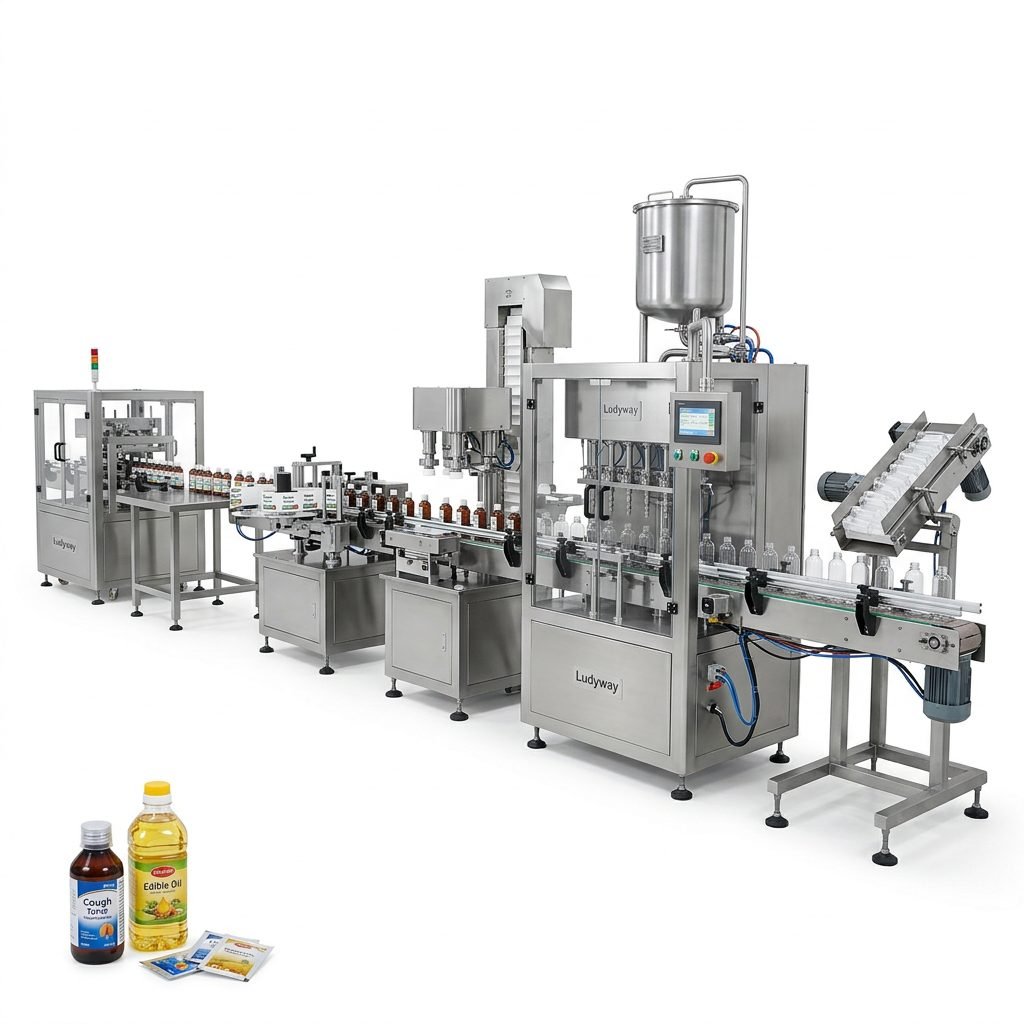
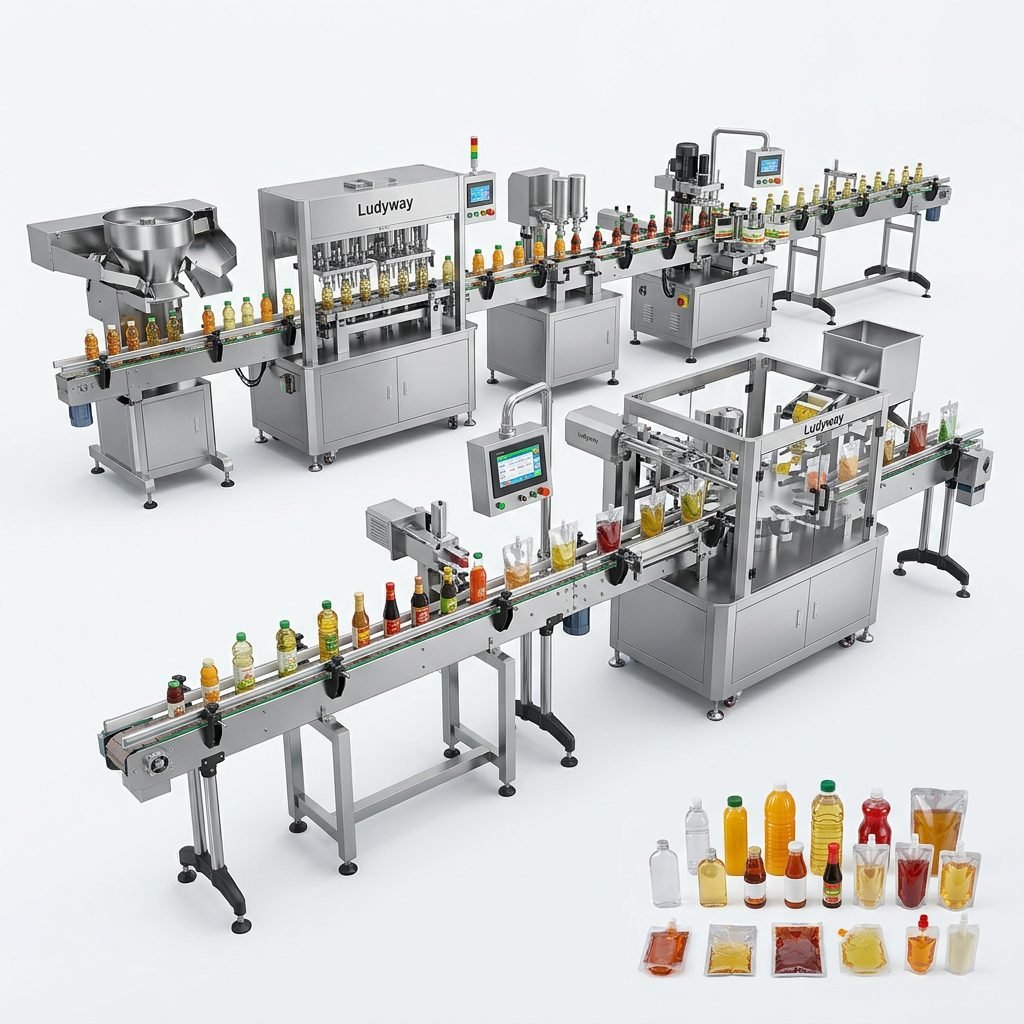
These systems use rotary lobe pumps, gear pumps, or peristaltic pumps to transfer low to medium-viscosity liquid dressings, such as Italian vinaigrette or clear French dressing. They are known for their gentle handling of product, which is crucial for emulsions that must not be broken. Pump fillers are often integrated into fully automated lines for high-speed bottling.
Form-Fill-Seal (FFS) Machines
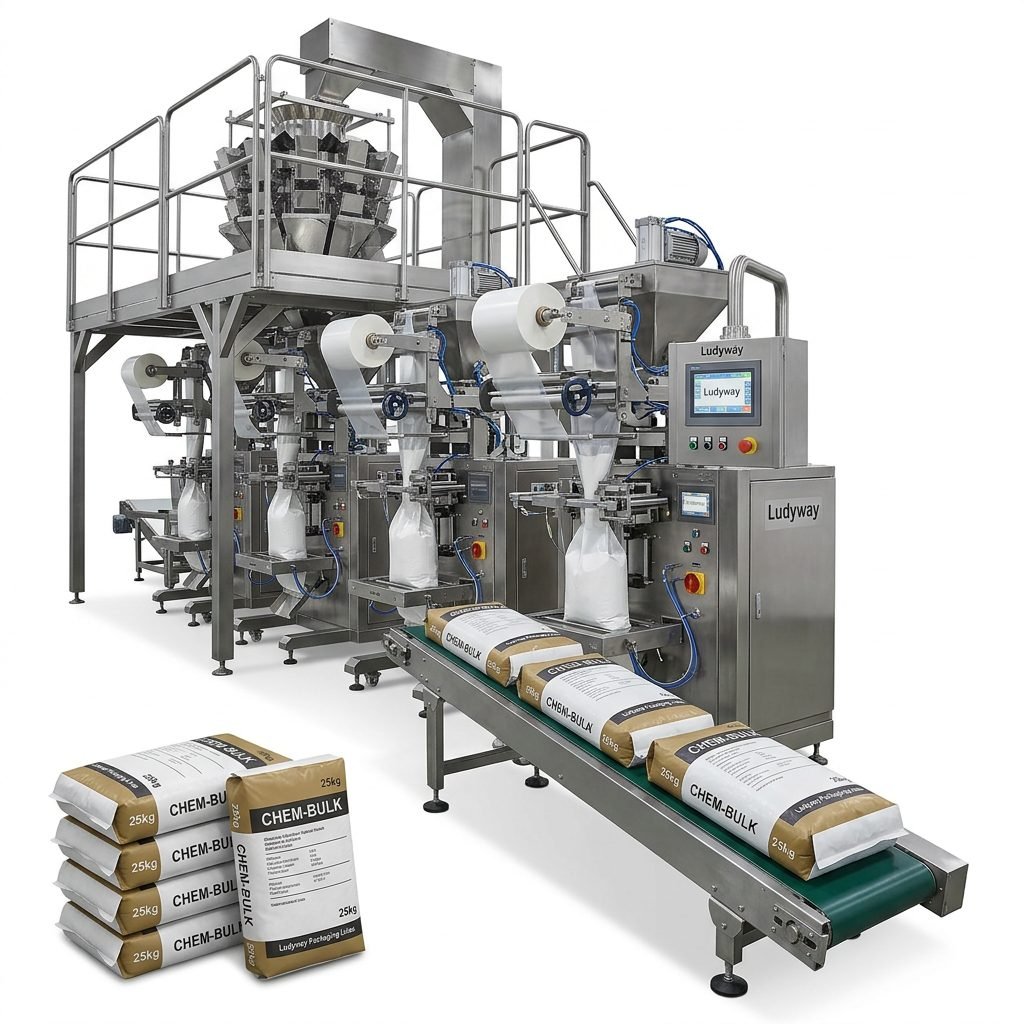
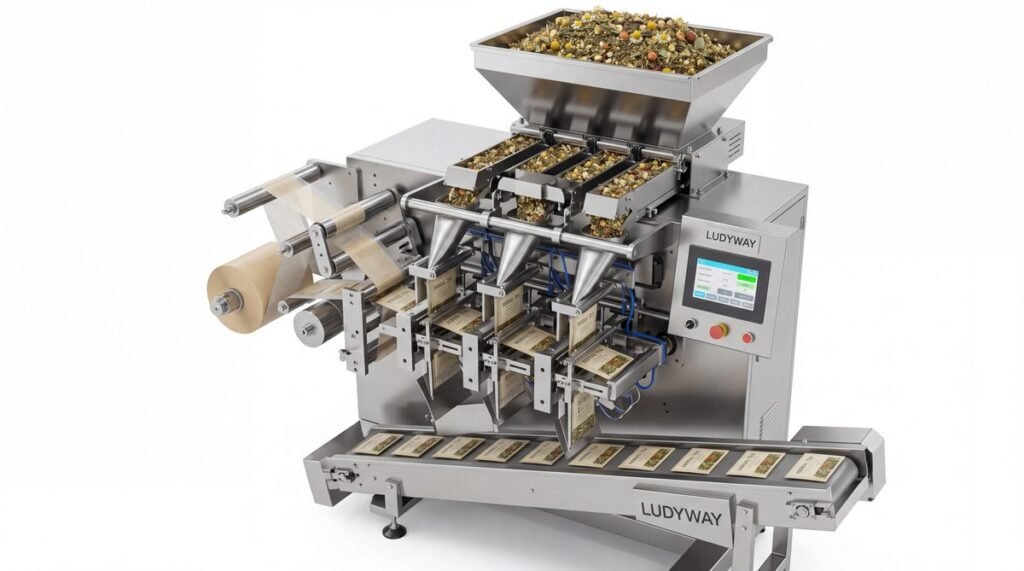
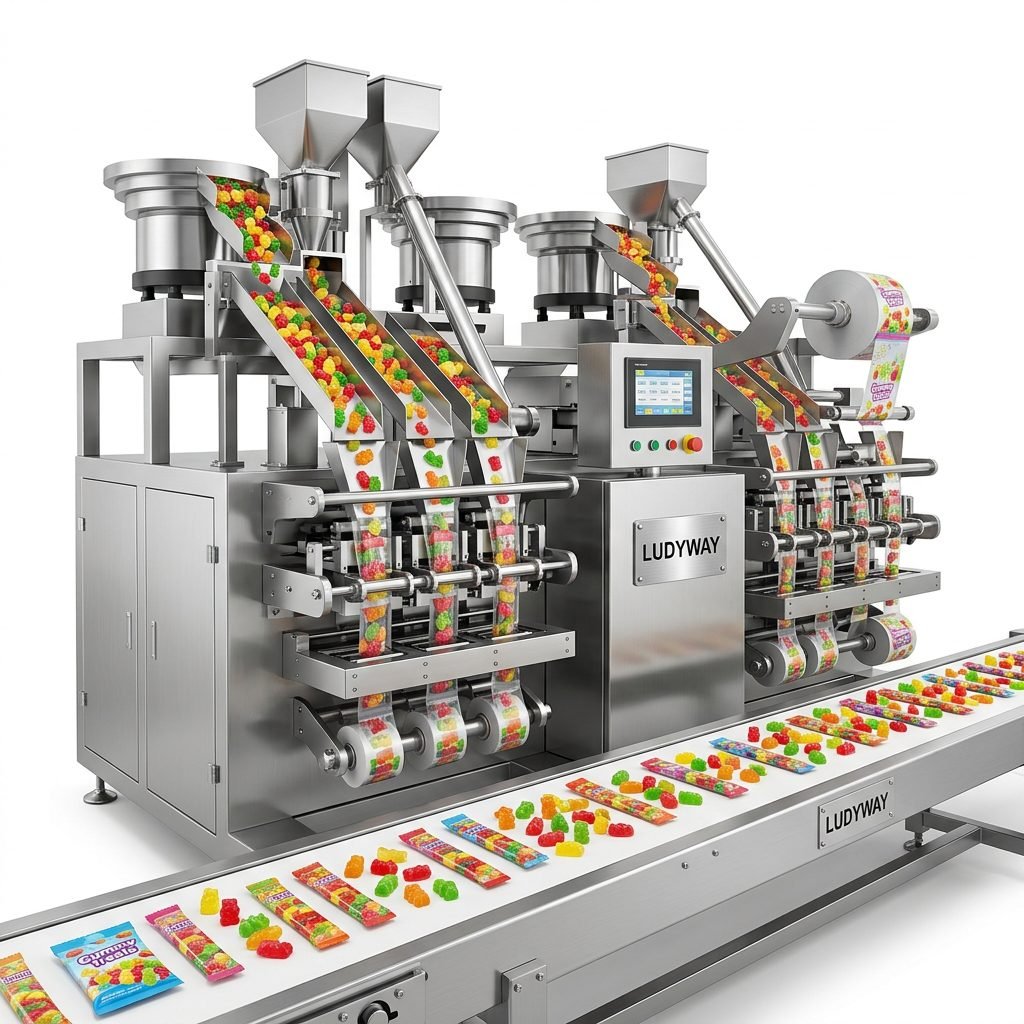
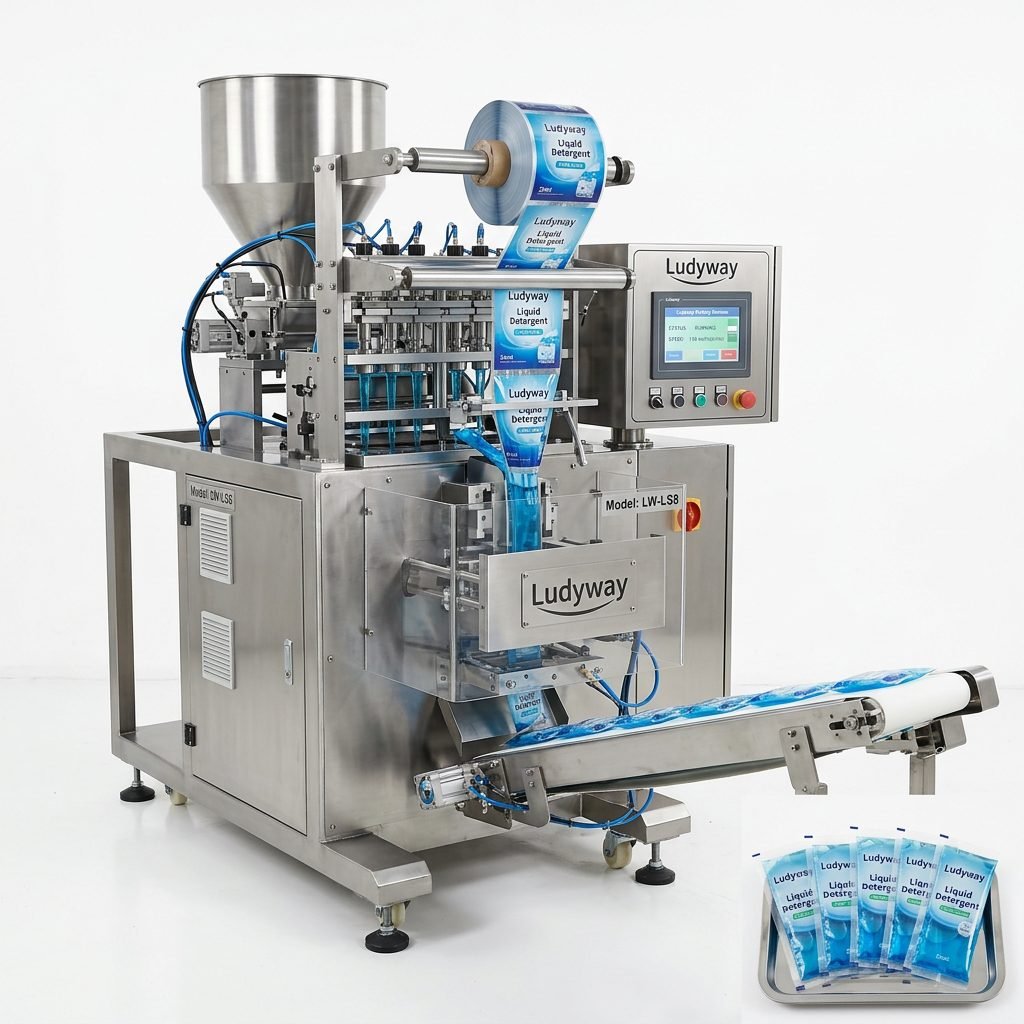
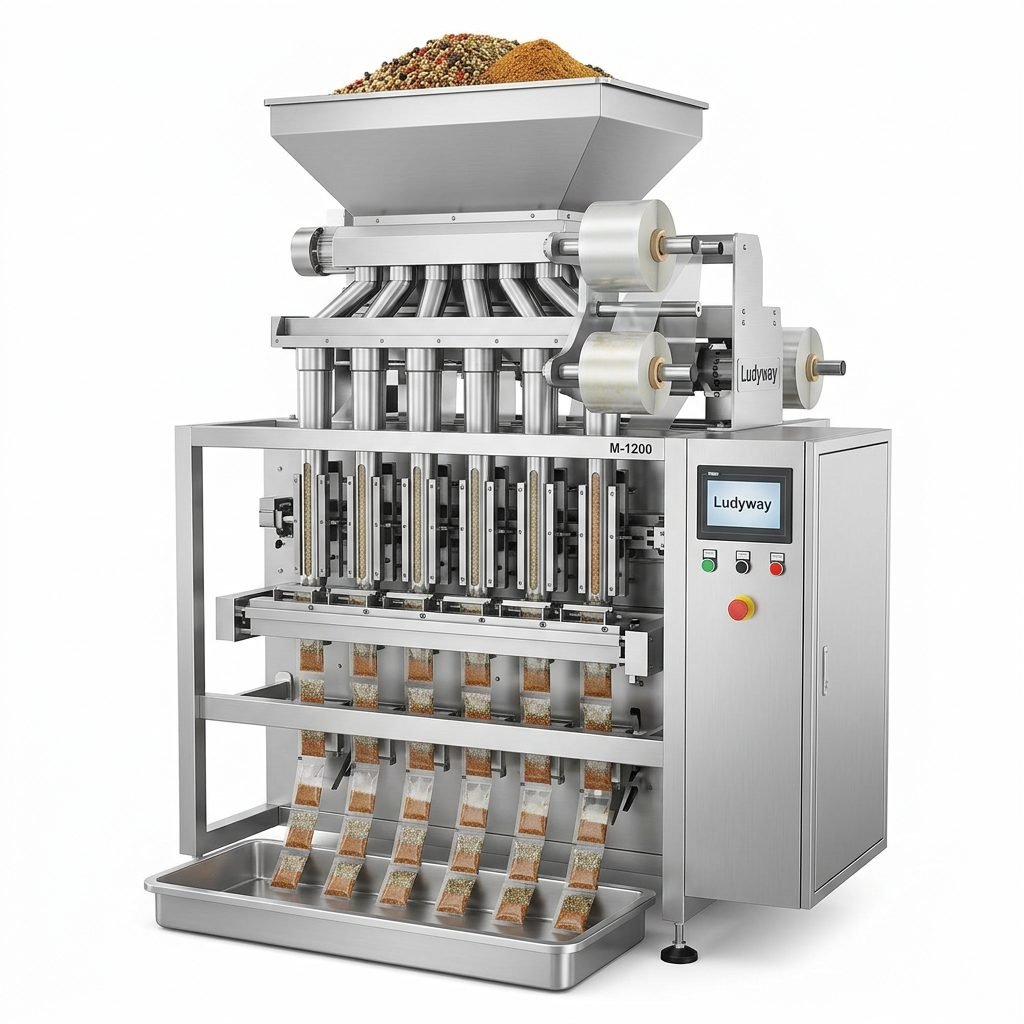
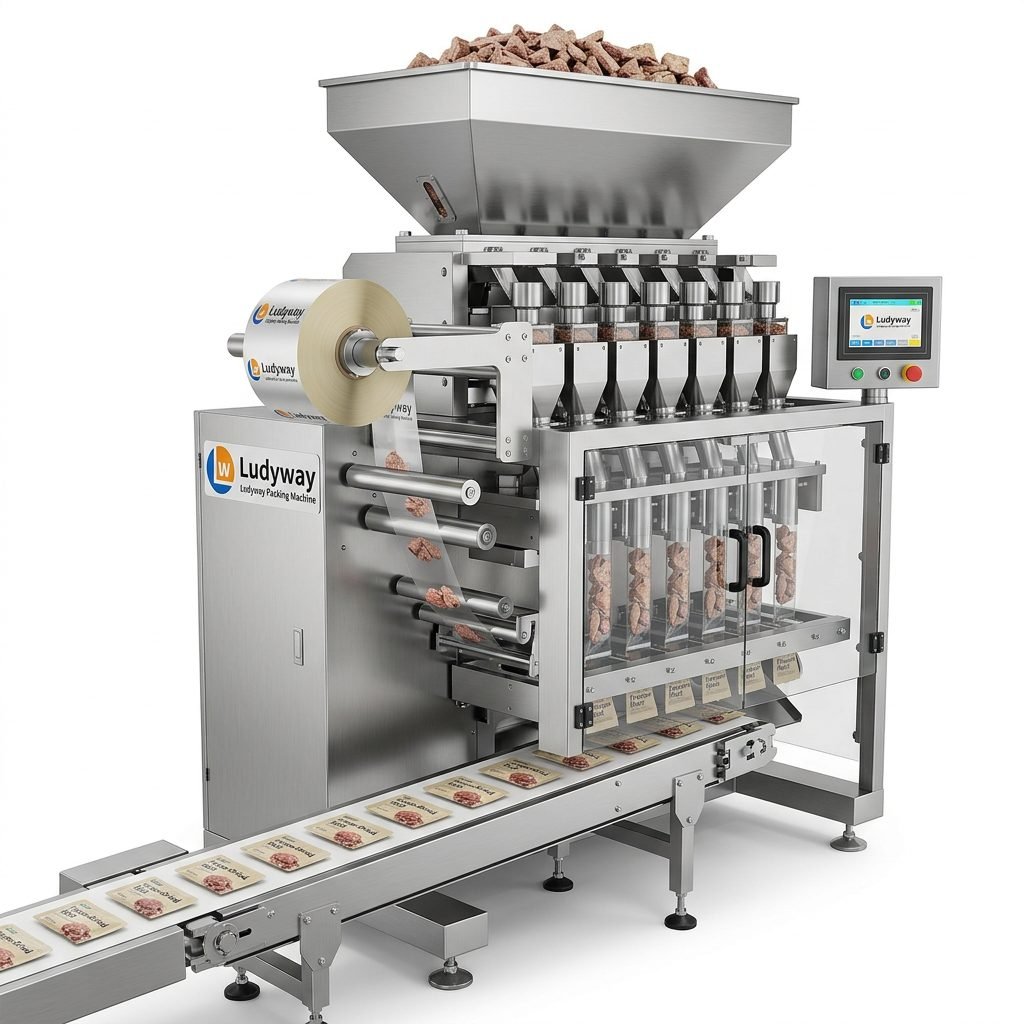
This advanced, all-in-one system creates the packaging (pouches or sachets) from a roll of film, fills it with dressing, and seals it—all in a continuous operation. FFS machines are incredibly efficient for single-serve dressing packets, offering high speeds, reduced material waste, and excellent shelf life due to the hermetic seal. They are a top choice for foodservice portions and retail condiment packs.
Key Consideration:
The viscosity of your dressing is the primary dictator of machine type. Always provide a sample to the machinery supplier for testing to ensure compatibility and optimal performance.
The Working Process: From Hopper to Sealed Package
While each machine type operates differently, the general workflow in an automated or semi-automated line follows a logical sequence. Here’s a breakdown of a typical process for pouch packaging:
- Product Supply & Metering: The dressing is transferred from a bulk container or mixing tank into the machine’s product hopper. The chosen metering system (cup, piston, auger, or pump) then accurately measures the predetermined amount.
- Packaging Material Feeding: A roll of laminated film (for FFS machines) or pre-formed pouches is fed into the machine. The film is shaped and formed into a pouch, or the pre-made pouch is opened by suction or mechanical fingers.
- Filling: The measured dressing is dispensed into the open pouch or container. Nozzles are designed to prevent dripping and maintain hygiene.
- Sealing: The filled pouch is then sealed. In FFS machines, this involves top and bottom heat sealing. For pre-made pouches or cups, a separate sealer applies a foil or film lid.
- Cooling & Discharge: The sealed package may pass through a cooling station to set the seal before being discharged onto a conveyor for secondary packaging, like cartoning or case packing.
How to Choose the Right Dressing Packaging System
Selecting the ideal machine requires a careful evaluation of your product, production goals, and operational constraints. Follow this decision framework:
1. Analyze Your Product Characteristics
- Viscosity & Texture: Is it watery, creamy, or chunky? This is the most critical factor.
- Acidity & Ingredients: Corrosive ingredients (like high vinegar content) may require specific, food-grade stainless steel (e.g., 316L) for machine parts in contact with the product.
- Sensitivity: Does the emulsion break easily? If so, gentle pump or piston filling is necessary.
2. Define Your Packaging Requirements
- Format: Stand-up pouches, sachets, bottles, cups?
- Size Range: What are your minimum and maximum fill volumes? Ensure the machine can handle this range.
- Material: The type of film or container will influence the sealing method and machine configuration.
3. Evaluate Production Capacity & Scalability
- Speed (Output per Minute): Match the machine’s speed to your current and near-future production targets. Don’t over-invest in excessive speed you won’t use.
- Uptime & Reliability: Look for machines with a reputation for robust construction and minimal downtime. A supplier with decades of experience often provides more reliable engineering.
- Changeover Time: How quickly can you switch between different dressing types or package sizes? Quick-change features boost line flexibility.
4. Consider Hygiene, Compliance, and Support
- Sanitary Design: The machine should be easy to disassemble and clean, with no product traps. CIP (Clean-in-Place) systems are a major advantage.
- Regulatory Standards: Ensure the equipment complies with relevant food safety standards (e.g., FDA, CE, EHEDG).
- Supplier Partnership: Choose a supplier that offers comprehensive technical support, training, and spare parts availability. Your relationship with them is long-term.
💡 Pro Tip: Request a Live Test
Never buy a packaging machine based on specifications alone. Always insist on a live production test using your actual dressing and packaging materials. This is the only way to verify speed, accuracy, seal integrity, and overall compatibility.
Conclusion and Final Recommendations
Investing in a dressings packaging machine is a significant step toward automating and optimizing your production. By thoroughly understanding the machine types, their working principles, and carefully weighing your product and production needs against the key selection criteria, you can make a confident investment that delivers reliability, efficiency, and a strong return. Partnering with an experienced and supportive machinery provider is equally crucial for long-term success, ensuring you have the expertise and service to keep your line running smoothly for years to come.
Frequently Asked Questions (FAQs)
1. What is the most accurate type of filling machine for dressings?
Piston filling machines are generally considered the most accurate for dressings, especially for thicker, more viscous products. They provide excellent repeatability and minimize product giveaway, which is vital for cost control and compliance with net weight regulations.
2. Can one machine handle both thin vinaigrettes and thick mayonnaise?
It can be challenging. While some volumetric machines offer adjustable components, significant viscosity differences often require different pumping or metering mechanisms. For a product line with extreme variety, you might need dedicated machines or a highly flexible system designed for a wide viscosity range, which should be confirmed through testing.
3. How important is the sealing process for dressing pouches?
It is absolutely critical. A poor seal leads to leakage, product spoilage, and customer complaints. The sealing jaws must provide consistent heat and pressure to create a hermetic seal through the specific layers of your packaging film. The seal integrity should be a primary focus during machine evaluation and testing.
4. What are the key hygiene features to look for?
Look for a machine with a fully stainless steel product contact zone, rounded corners (no crevices), easy disassembly for manual cleaning, and ideally, CIP capabilities. Open-frame designs that prevent accumulation of debris and are easy to hose down are also a significant advantage in food production environments.
5. How do I estimate the required machine speed for my operation?
Calculate your current and projected daily/weekly output in units. Then, factor in your standard shift hours, allowing time for changeovers, cleaning, and maintenance. The machine’s speed (pouches/bottles per minute) should comfortably meet this target within your operational time frame, with a slight buffer for future growth.