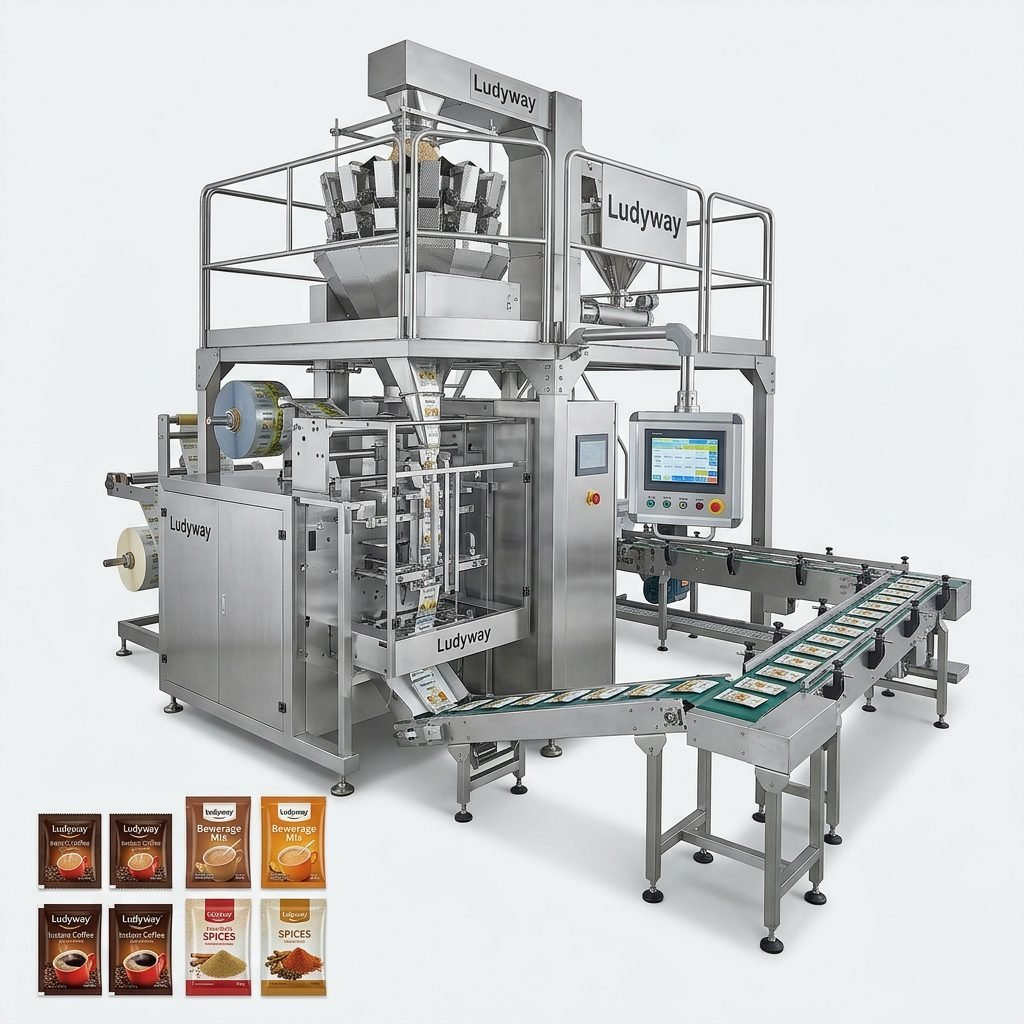
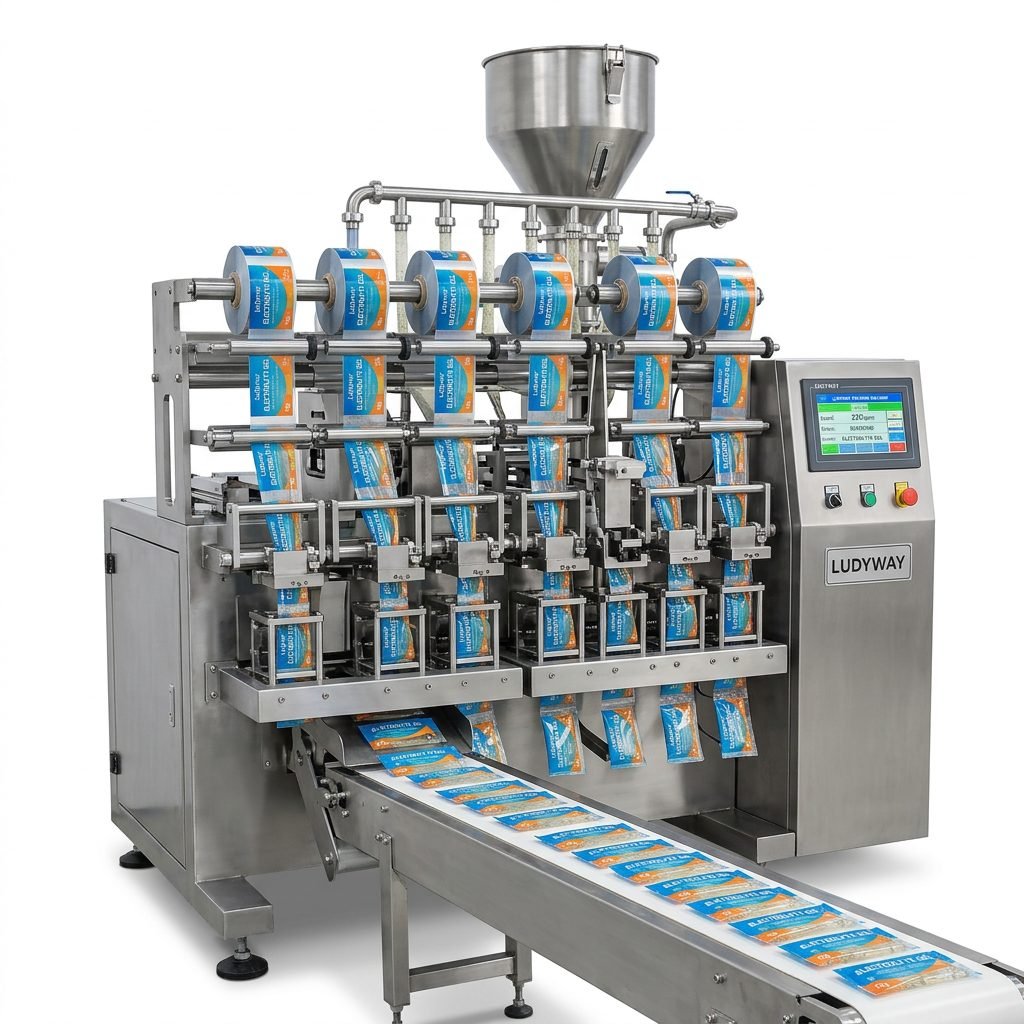
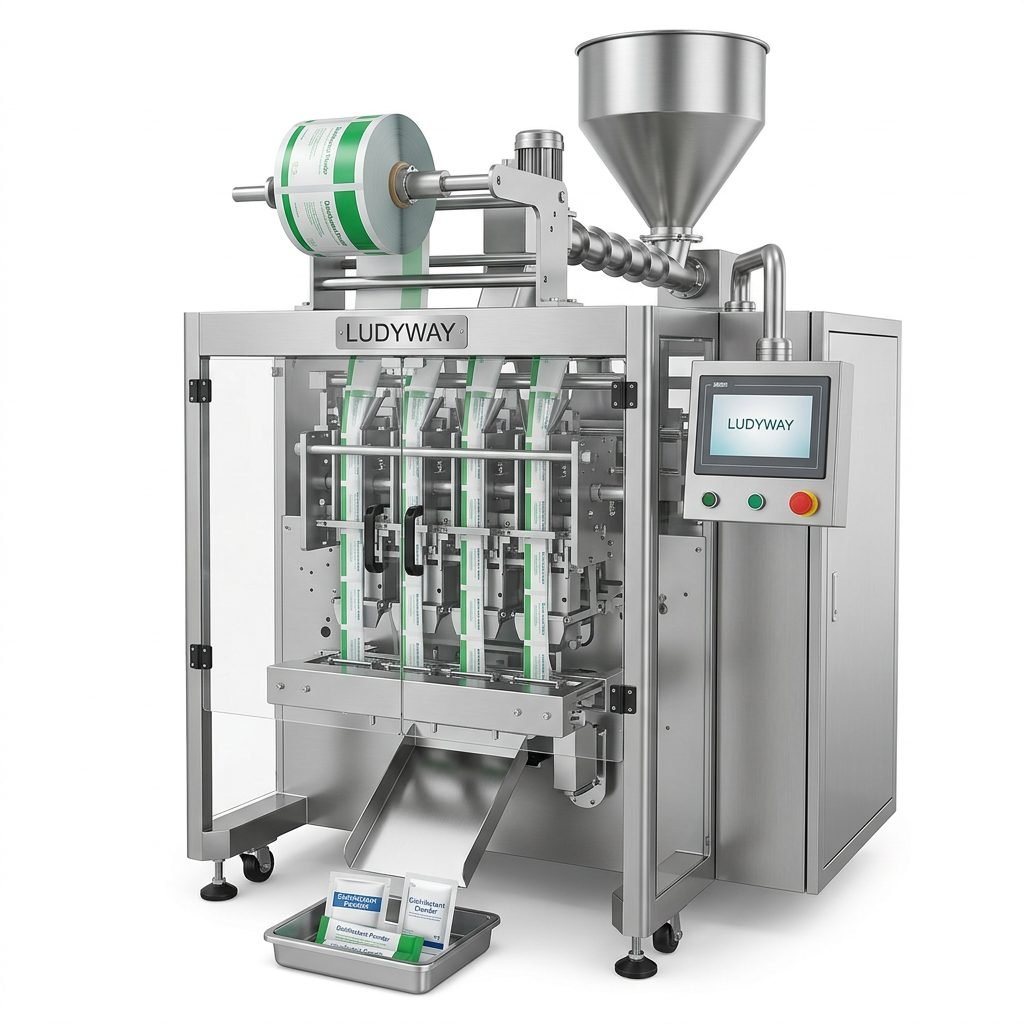
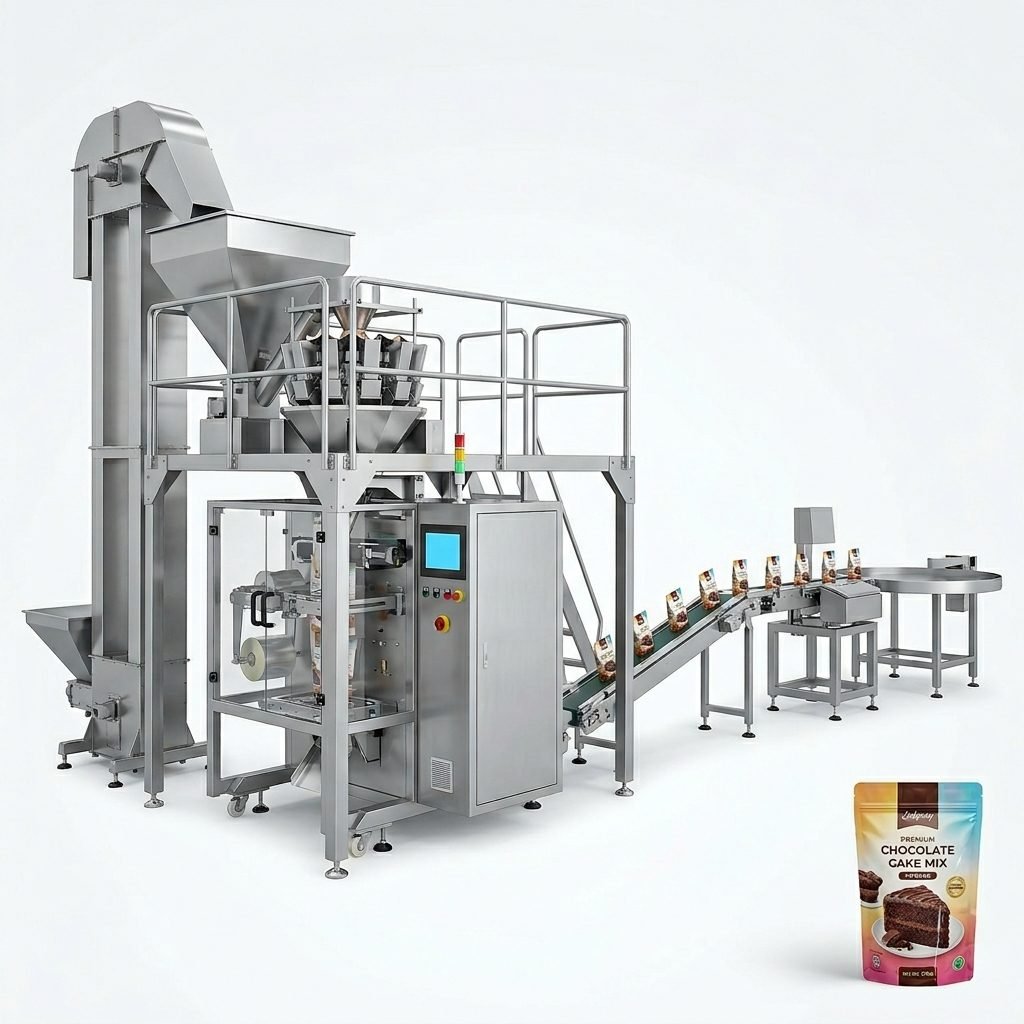
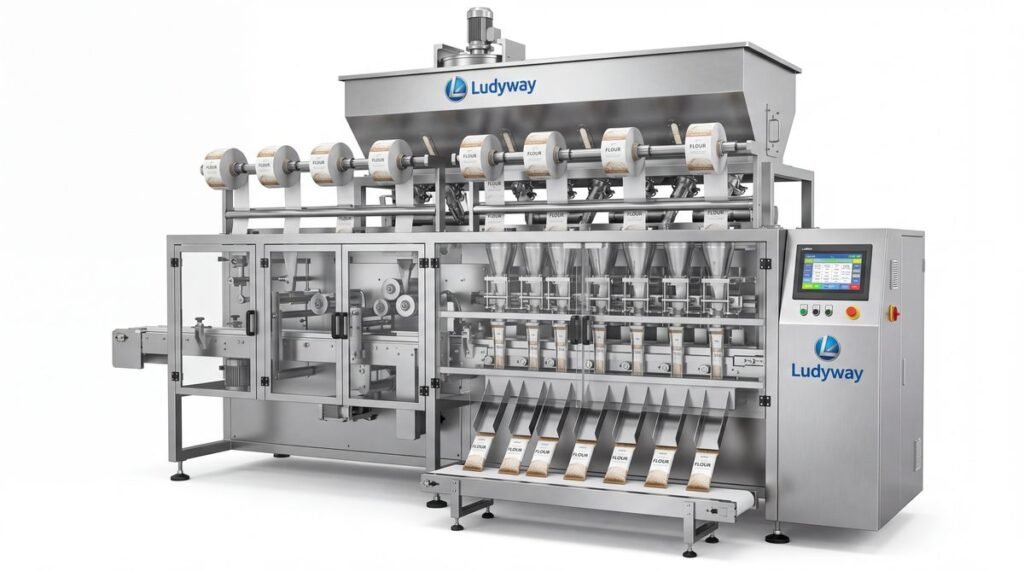
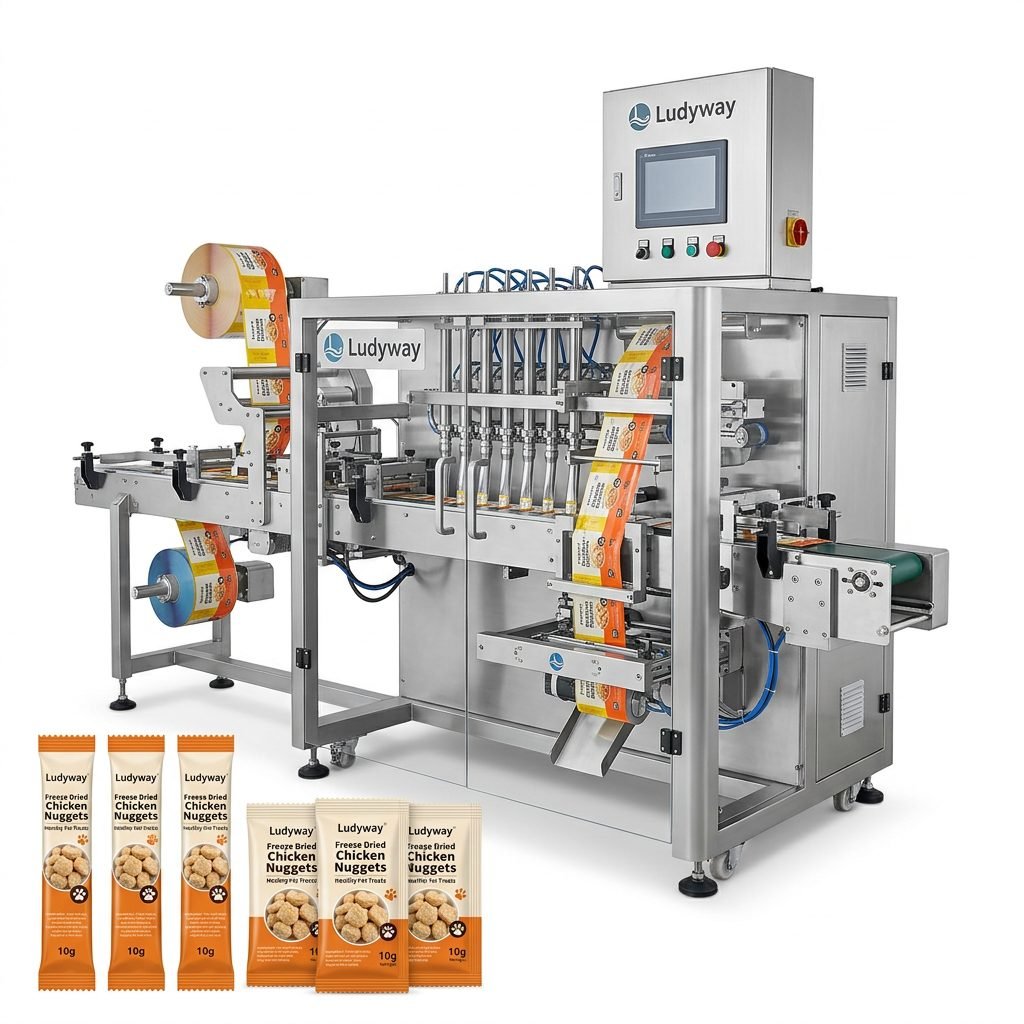
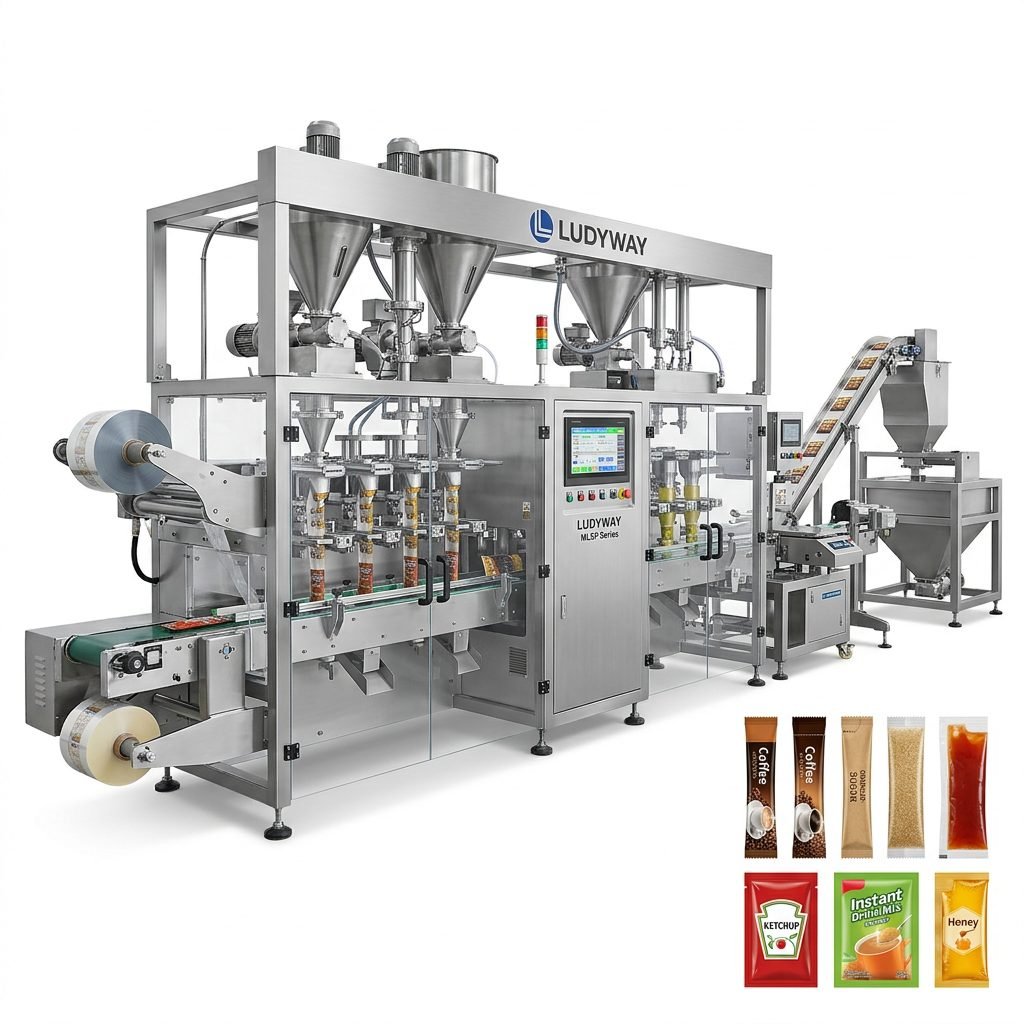
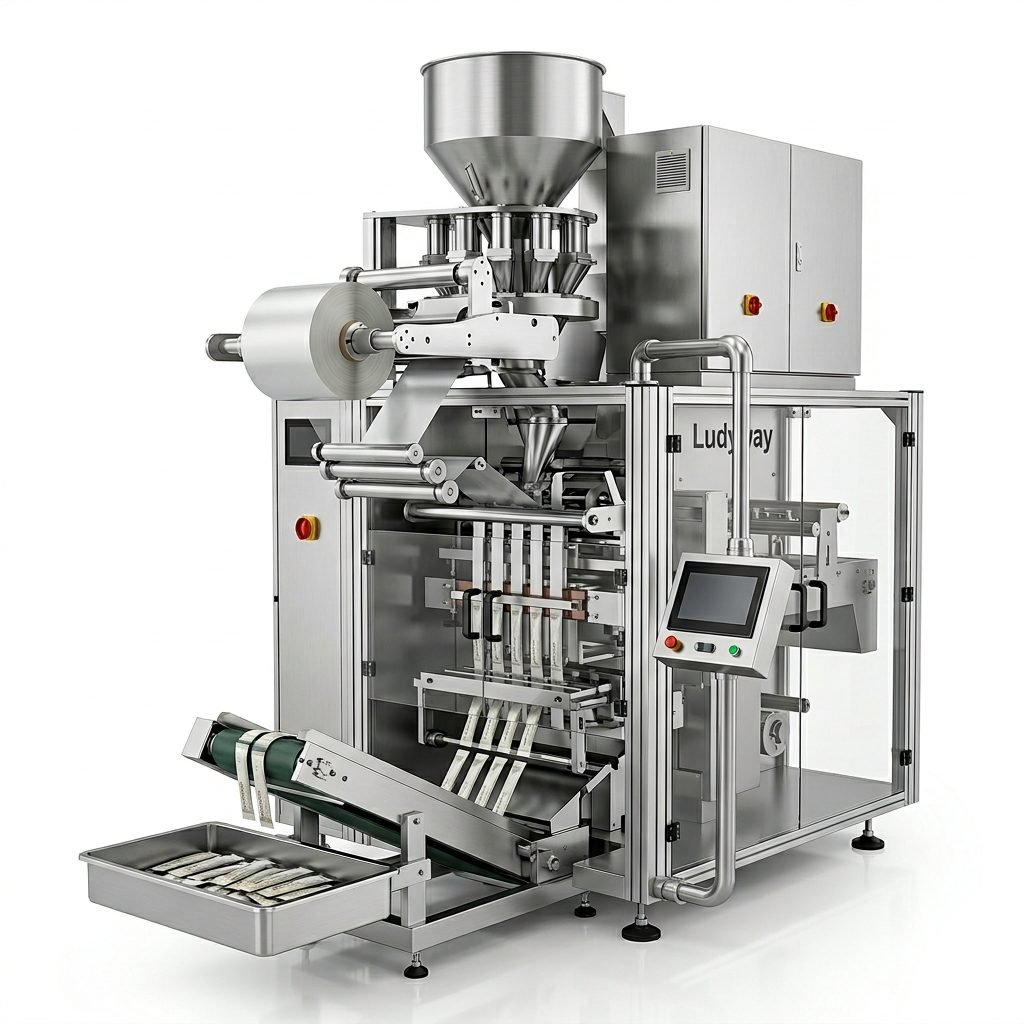
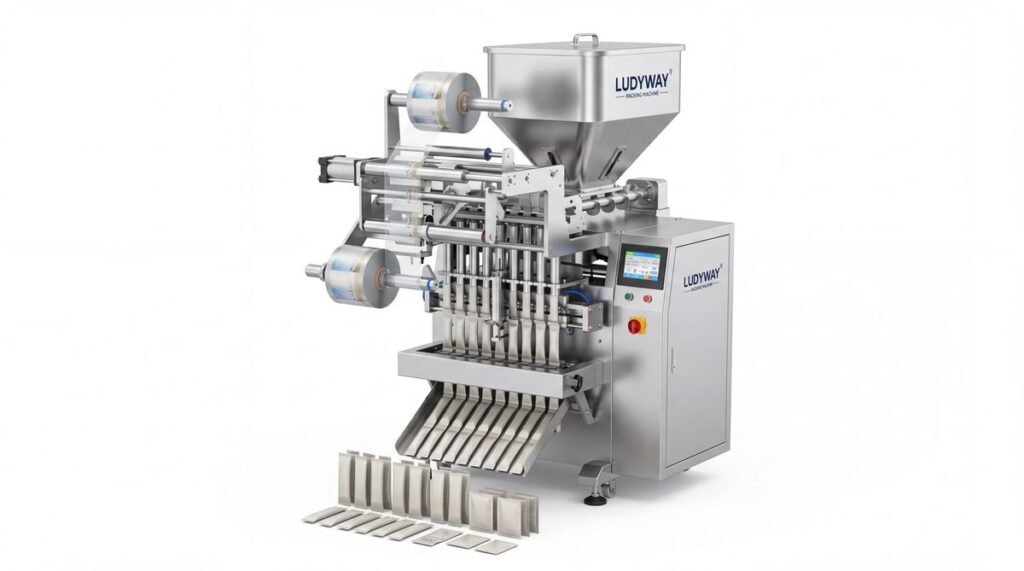
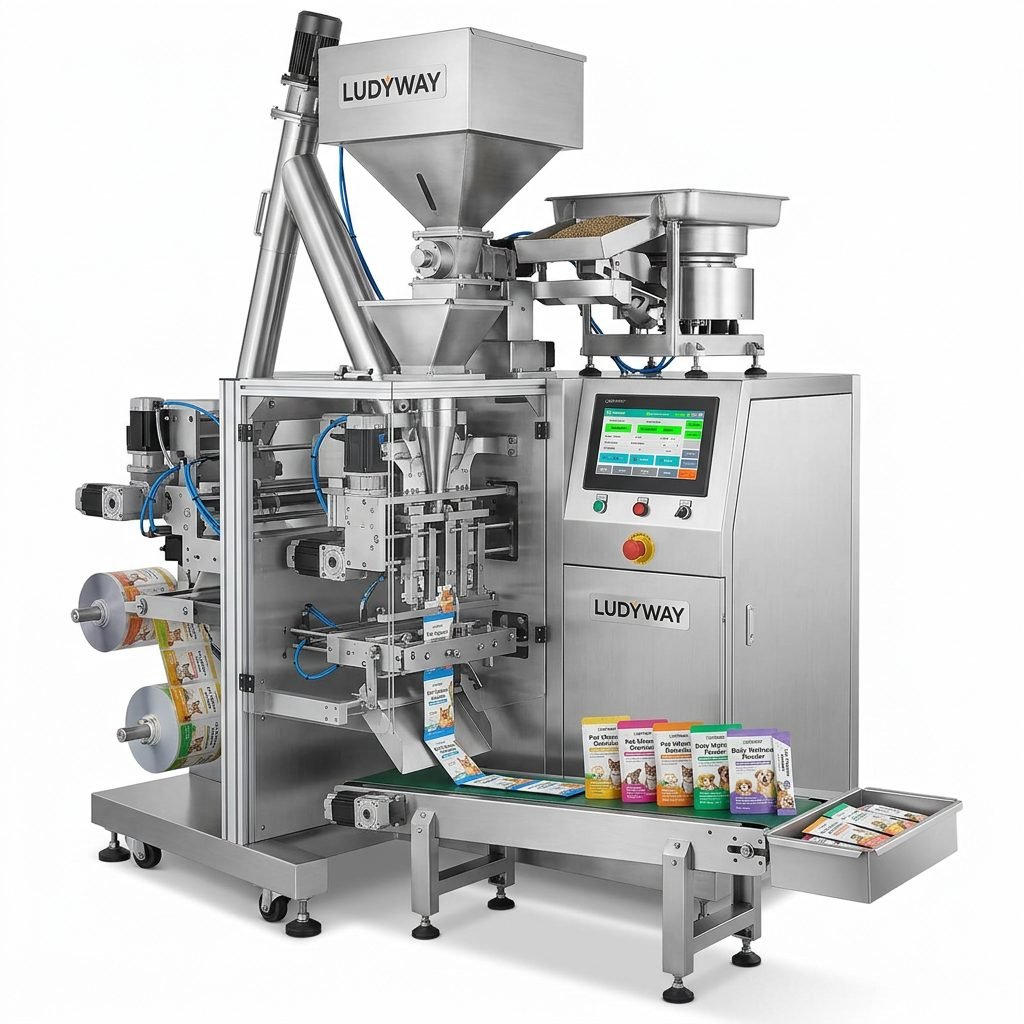
Selecting the right automatic bar wrapping solution is a critical decision for any energy bar manufacturer. The right machine not only ensures product integrity and shelf appeal but also directly impacts production efficiency, operational costs, and scalability. With a myriad of options available, from basic single-lane wrappers to sophisticated multi-lane systems, navigating the market can be complex. This guide provides a comprehensive framework to help you evaluate and choose the perfect energy bar packaging machine for your specific needs.
Understanding Your Production Requirements
Before diving into machine specifications, a thorough analysis of your own operation is essential. This foundational step will define the scope of your search.
Assessing Output Volume and Speed
Your required production speed is the primary driver. Calculate your current and projected future output in bars per minute (BPM) or packs per minute (PPM). A single-lane wrapper might suffice for a small startup or artisanal brand, while high-volume producers will need robust multi-lane systems capable of wrapping 200, 400, or even 600+ bars per minute. Always plan for growth to avoid premature equipment obsolescence.
Defining Bar Specifications
The physical characteristics of your energy bar dictate machine compatibility. Key parameters include:
• Dimensions: Length, width, and thickness (height). Machines have specific size ranges.
• Texture & Consistency: Is the bar soft and chewy, crunchy, or layered? Softer bars may require gentler handling and feed systems to prevent deformation.
• Surface Condition: Are bars coated in chocolate or yogurt? Sticky surfaces can complicate the wrapping process and may necessitate specialized film or anti-stick components.
Key Features of Automatic Bar Wrapping Machines
Modern wrappers come with a suite of features designed to enhance performance, flexibility, and reliability.
Wrapping Technology and Film Handling
The core of the machine is its wrapping mechanism. Most energy bars use fin-seal (flow-wrap) technology, where a single web of packaging film is formed around the product and sealed with longitudinal and end seals. Look for precise temperature controls for consistent seals and robust film unwind systems with tension control to handle different film types, from standard polypropylene to more sustainable biodegradable options.
Feeding and Alignment Systems
How bars are fed into the wrapper is crucial for efficiency. Vibratory conveyors or belt feeders gently align bars and present them singularly to the infeed. Advanced systems include vision inspection or metal detection at this stage to reject misshapen or contaminated products before wrapping, saving packaging material.
Changeover and Flexibility
If you produce multiple bar SKUs (different sizes or shapes), quick changeover is vital. Machines with tool-less adjustments or digital size change capabilities can significantly reduce downtime from hours to minutes. This flexibility is a key competitive advantage.
Control System and Integration
A user-friendly Human-Machine Interface (HMI) with a touchscreen allows for easy parameter setting, recipe storage, and diagnostics. Machines should easily integrate with upstream equipment (like cooling tunnels or bar formers) and downstream systems (like cartoners or case packers) for a seamless production line. For a deeper look at integrated solutions, explore our complete packaging line offerings.
Critical Evaluation Criteria for Selection
Beyond features, evaluate machines based on these core performance and value indicators.
1. Machine Durability and Construction
Packaging equipment is a long-term investment. Prioritize machines built with a rigid frame and food-grade stainless steel contact parts. High-quality components (servo motors, PLCs, bearings) from reputable brands ensure longevity, reduce maintenance frequency, and provide consistent operation under 24/7 production schedules.
2. Operational Efficiency and Uptime
Evaluate the machine’s Overall Equipment Effectiveness (OEE). High efficiency means less film waste, lower energy consumption, and maximum output. Features like automatic splicing (joining a new roll of film without stopping) and fast, reliable sealing jaws contribute directly to higher uptime and profitability.
3. Supplier Support and Service
The machine is only as good as the support behind it. Assess the supplier’s reputation for technical support, spare parts availability, and training. A reliable partner will offer comprehensive installation, operator training, and responsive after-sales service. Learn about our commitment to customer success on our professional support page.
4. Total Cost of Ownership (TCO)
Look beyond the initial purchase price. Calculate TCO by factoring in energy use, maintenance costs, expected lifespan, and potential production losses from downtime. A slightly more expensive, robust machine from a trusted supplier like Ludyway Machinery often delivers a lower TCO than a cheaper, less reliable alternative.
Future-Proofing Your Investment
The packaging industry evolves rapidly. Choose a solution that can adapt.
Sustainability Readiness: Consumer demand for eco-friendly packaging is growing. Select a machine versatile enough to handle monomaterials, recyclable films, or compostable substrates, even if you’re not using them today.
Data and Industry 4.0: Modern machines can be equipped with data collection ports or IoT modules to monitor production speed, OEE, and maintenance alerts, integrating into smart factory systems for predictive maintenance and production optimization.
Frequently Asked Questions (FAQs)
What is the typical speed range for an energy bar wrapper?
Speeds vary widely. Single-lane machines typically wrap 80-150 bars per minute. Dual-lane systems range from 200-300 BPM, and high-speed multi-lane wrappers can achieve 400-600+ BPM. The right speed depends entirely on your production volume requirements.
Can one machine handle different bar sizes and shapes?
Yes, many automatic wrappers are designed for flexibility. The key is the changeover process. Machines with “quick-change” features using hand wheels or digital adjustments allow for switching between different bar sizes in under 15-30 minutes, making short production runs feasible.
How important is the sealing system for bar freshness?
It is absolutely critical. A consistent, hermetic seal is the primary barrier against moisture and oxygen, which are the main causes of staleness and spoilage. Look for machines with precisely controlled heating elements and sealing jaws that ensure perfect seals every time, regardless of production speed.
What kind of maintenance does an automatic wrapper require?
Regular preventative maintenance is essential for peak performance. Daily cleaning of product contact areas, weekly lubrication of chains and bearings (if not permanently lubricated), and periodic inspection of seals, cutters, and wear parts are standard. A good supplier will provide a detailed maintenance schedule and training.
How do I choose between a new and a used machine?
A new machine offers the latest technology, full warranty, and tailored support, ideal for critical production or new lines. A quality used or refurbished machine from a reputable dealer can be a cost-effective solution for secondary lines or budget-conscious projects, but requires thorough inspection and understanding of its service history. For insights into reliable equipment, consider our range of intelligent packaging models.