In the dynamic world of modern manufacturing, efficiency and reliability are paramount. For businesses packaging granules, powders, liquids, or similar products, selecting the right automatic fill and seal packaging machine is a critical decision that directly impacts productivity, cost-effectiveness, and product quality. This guide will walk you through the essential factors to consider when choosing the best automatic solution for your production line.
Understanding Fill and Seal Packaging Machines
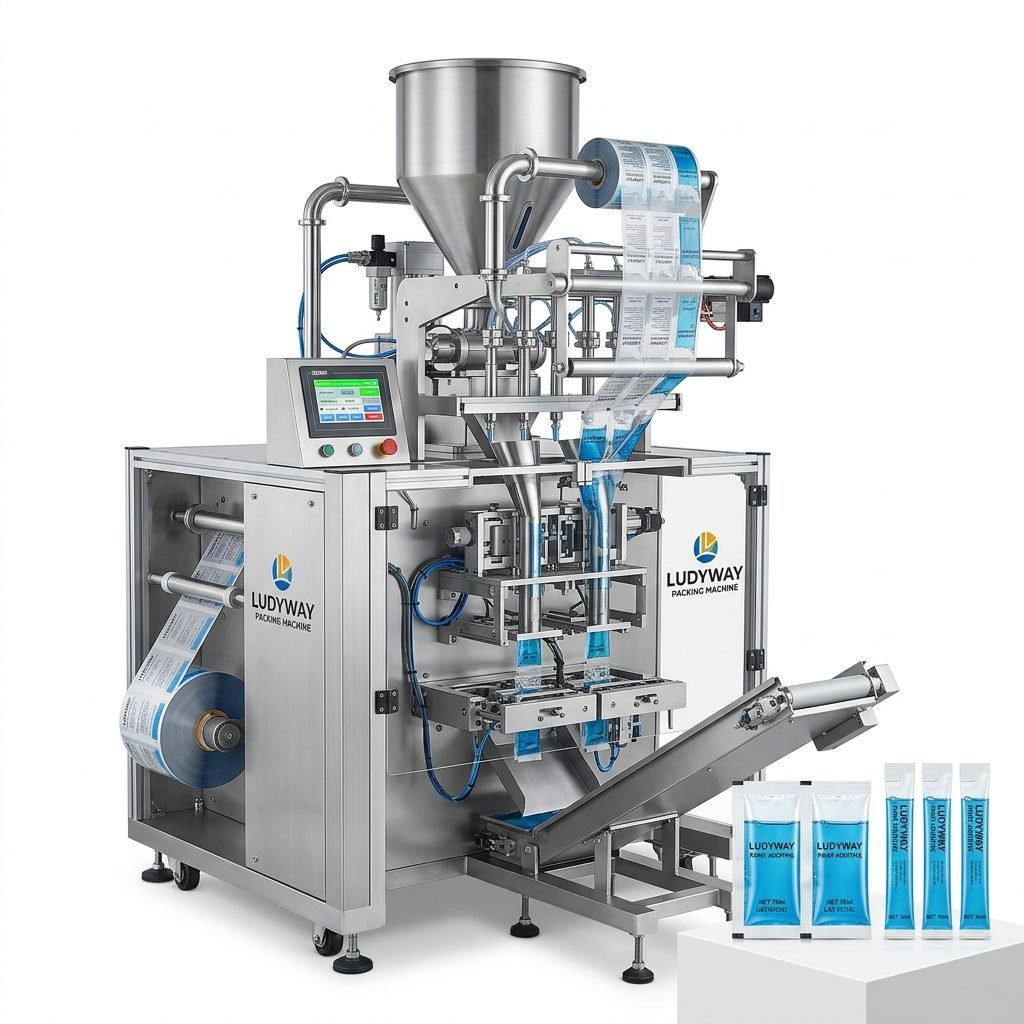
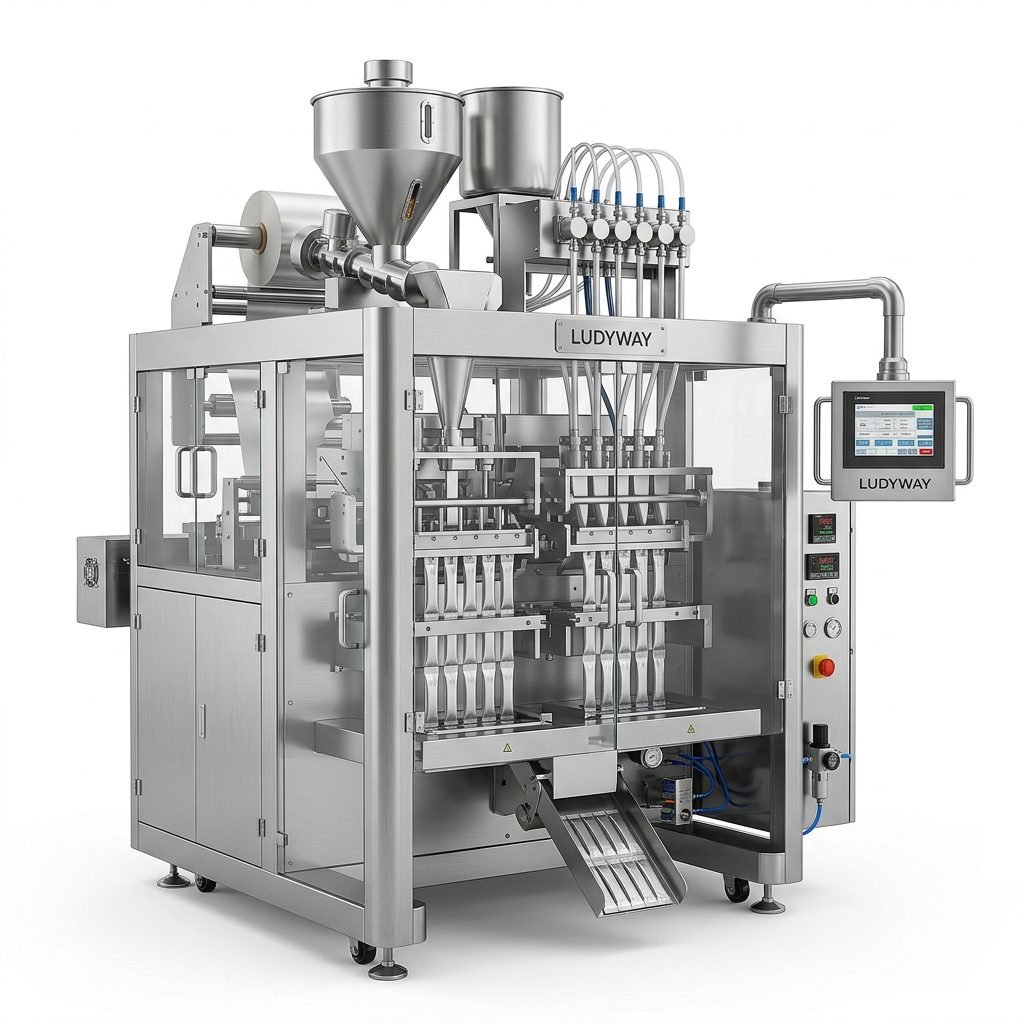
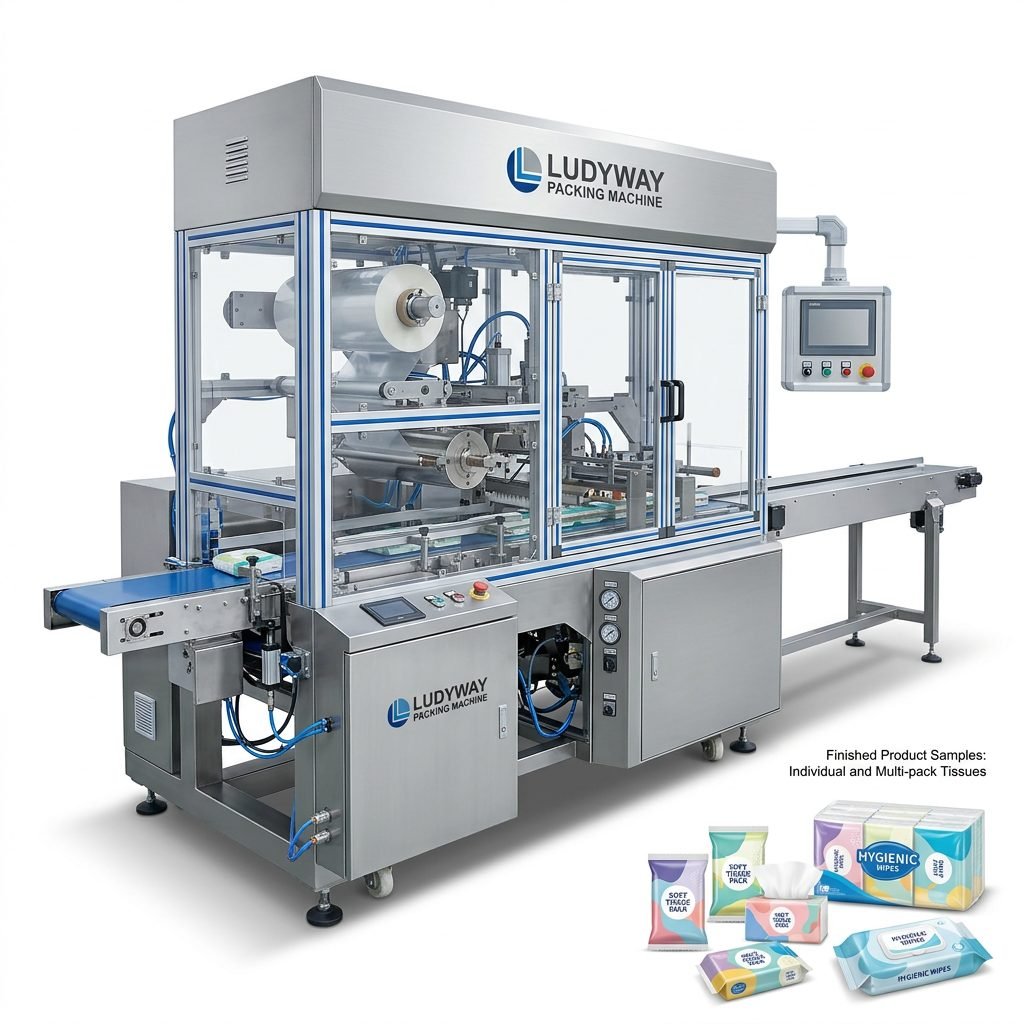
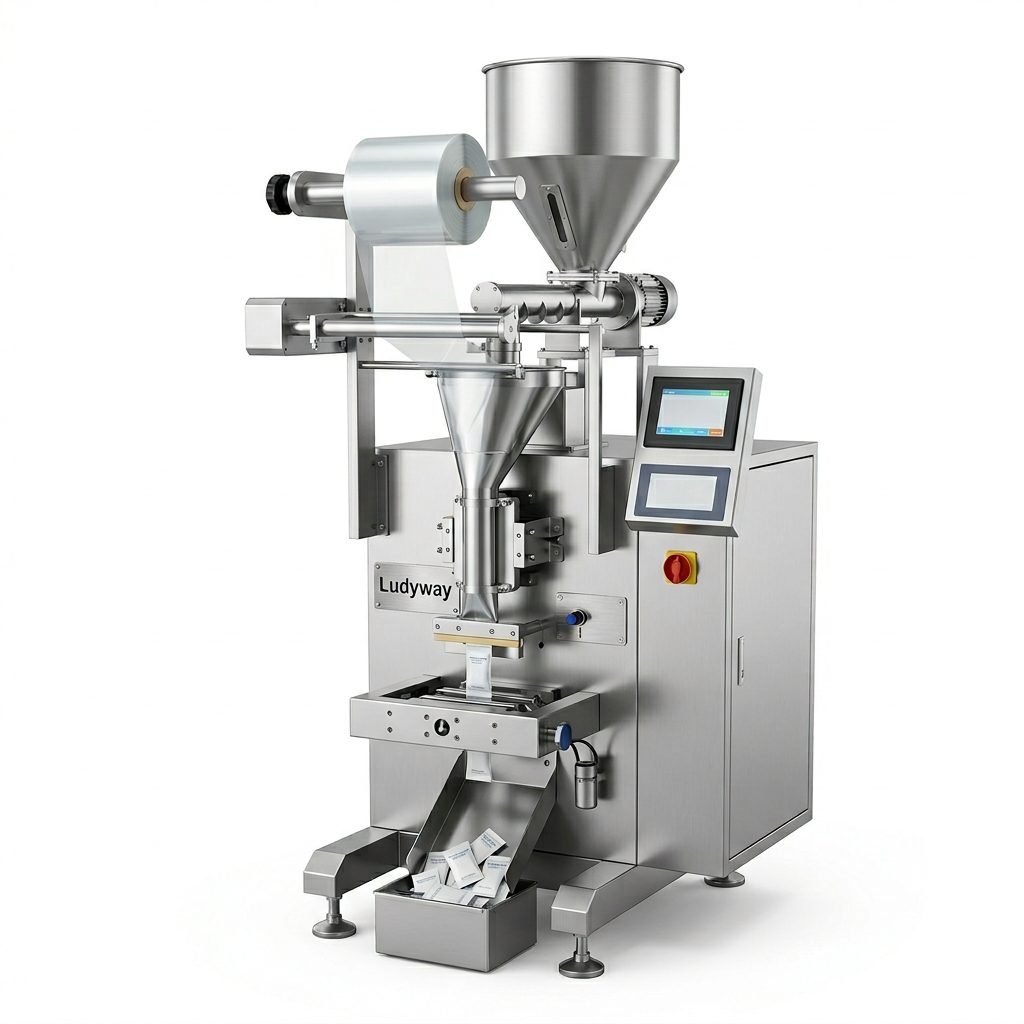
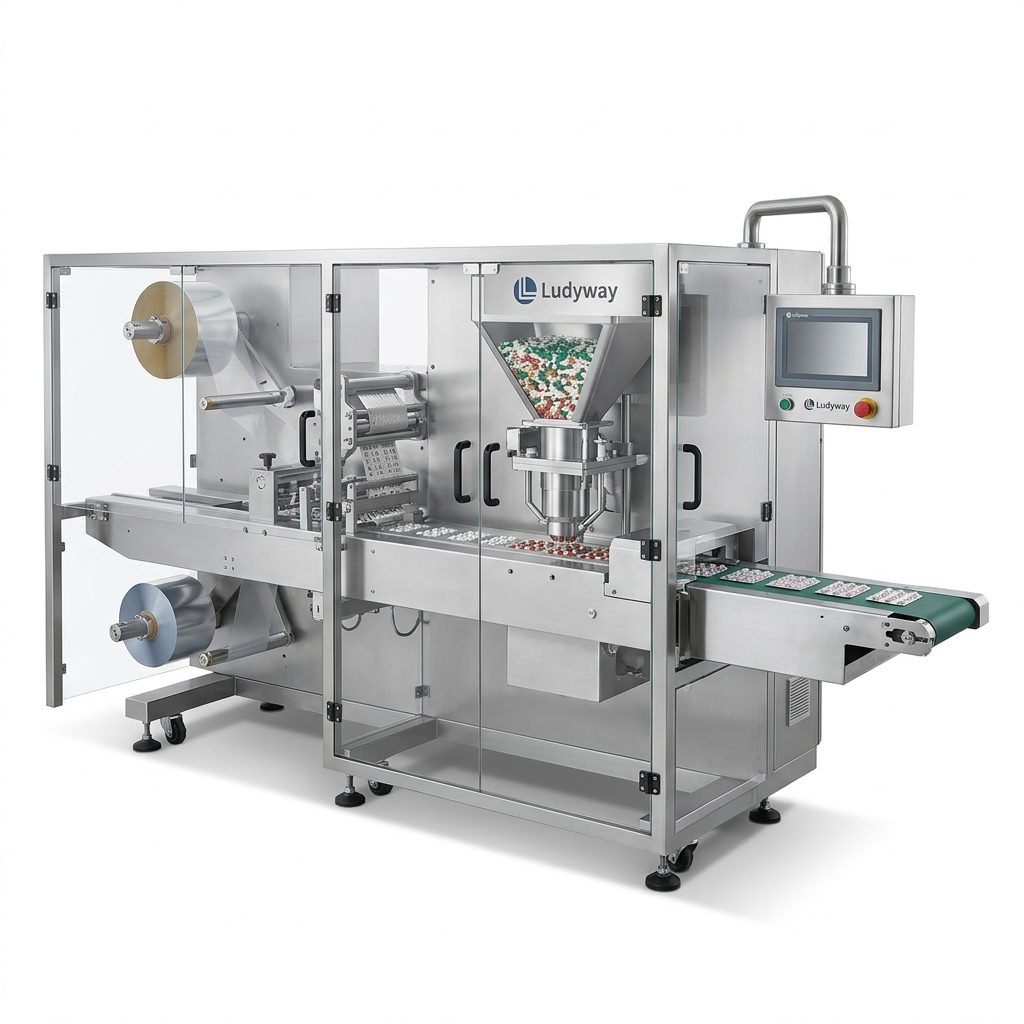
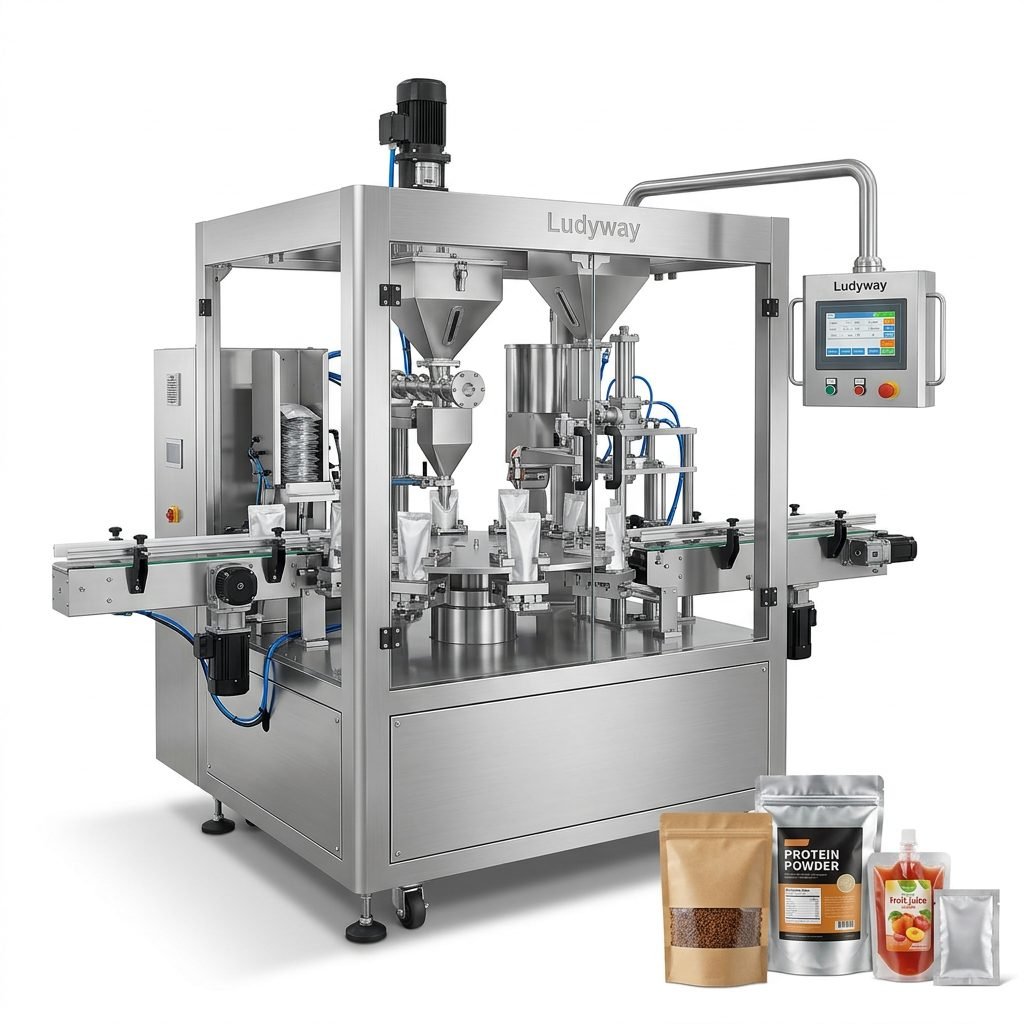
Automatic fill and seal machines, often referred to as form-fill-seal machines, are the backbone of many packaging operations. They automate the process of forming a pouch from a roll of film, accurately filling it with product, and then sealing it securely. This automation replaces manual or semi-automatic methods, dramatically increasing output while ensuring consistent package integrity and hygiene.
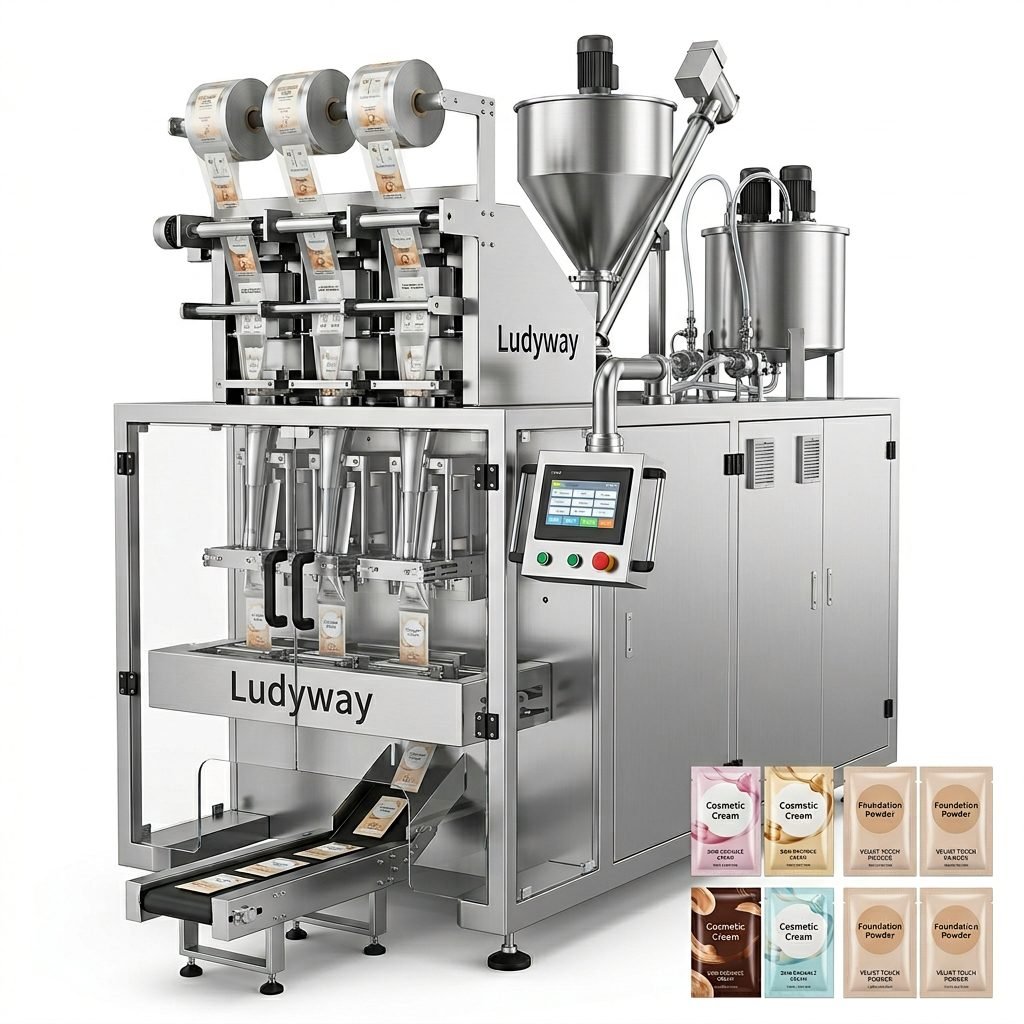
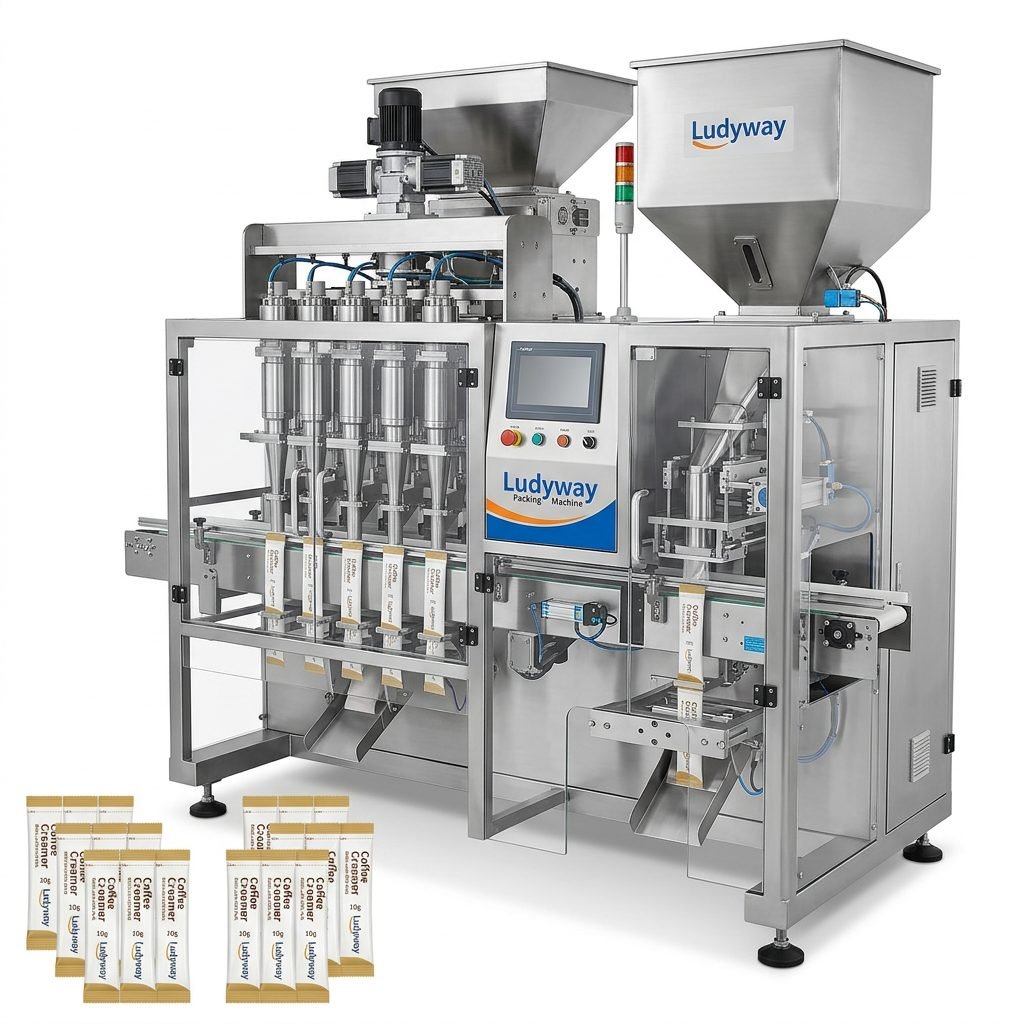
These machines are versatile and can produce various package types, including sachets, stick packs, and pillow pouches, making them ideal for industries like food, pharmaceuticals, nutraceuticals, and cosmetics.
Key Advantages of Automation
Transitioning to an automatic system offers tangible benefits:
- Increased Production Speed: Machines can operate continuously at high speeds, far surpassing manual capabilities.
- Enhanced Precision and Consistency: Every package receives an identical, measured fill weight and a perfect seal.
- Reduced Labor Costs and Dependency: Automation minimizes the need for extensive manual packaging teams.
- Improved Product Safety and Hygiene: Closed, automated processes reduce contamination risks.
- Greater Flexibility: Many modern machines can quickly adjust to different package sizes and formats.
Core Factors to Consider When Choosing Your Machine
Selecting the optimal machine requires a thorough analysis of your specific needs. Here are the core areas to evaluate.
1. Product Characteristics and Packaging Format
The nature of your product is the primary deciding factor.
Product Type: Is it a free-flowing granule, a fine powder, a viscous paste, or a liquid? Each requires different filling mechanisms—auger fillers for powders, volumetric pumps for liquids, cup fillers for granules.
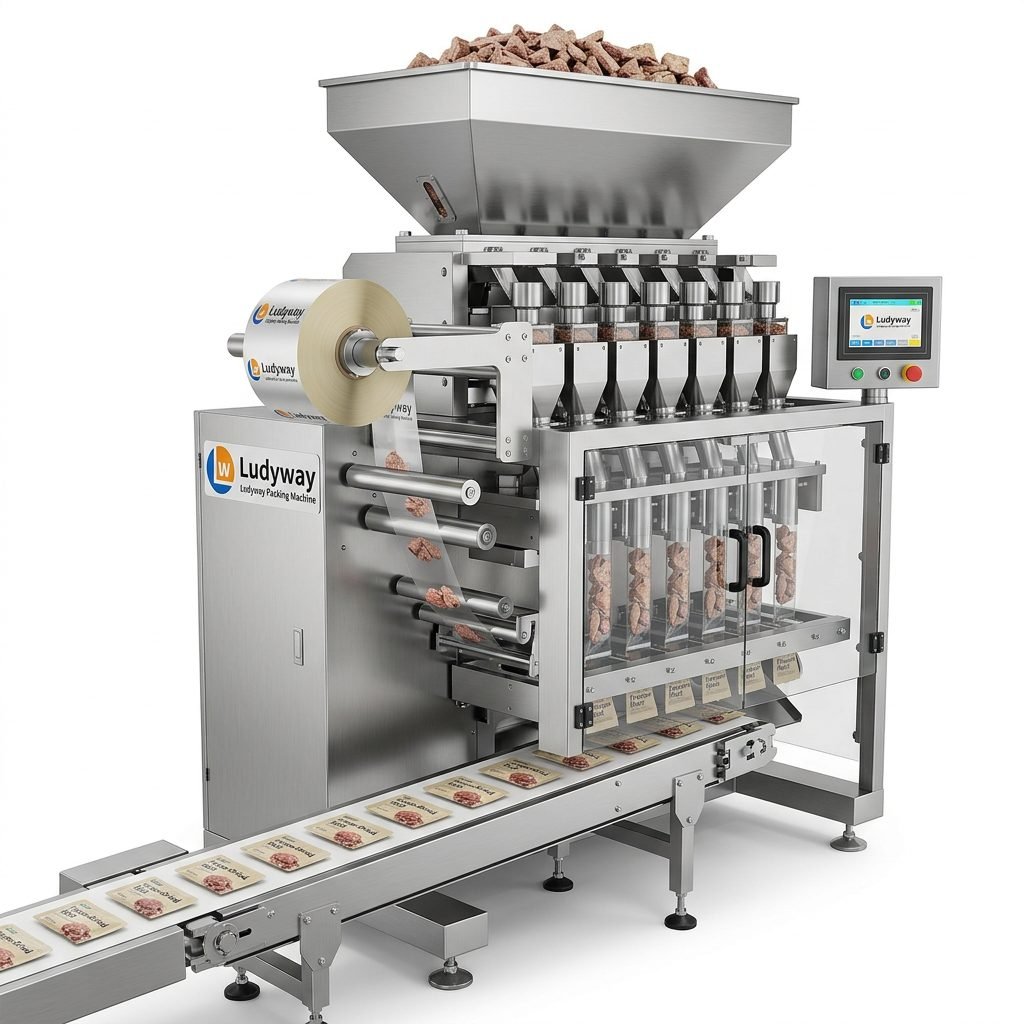
Package Style: Determine your required final package: single-dose sachets, multi-lane stick packs for sampling, or larger pouches. The machine must be configured to form this specific style.
Film Material: Consider the packaging film (laminate) needed for your product, considering barriers for moisture, oxygen, or light.
2. Production Capacity and Speed Requirements
Match the machine’s output to your business goals. Calculate your current and projected daily/weekly output. Machine speeds are measured in cycles per minute (CPM). A standard single-lane sachet machine might produce 80-120 packs/min, while a multi-lane stick pack machine can achieve over 400 sticks/min. Don’t just buy for today’s needs; consider scalable growth.
3. Accuracy and Precision of Filling
For many products, especially in pharmaceuticals or high-value foods, fill weight accuracy is critical for compliance and cost control. Look for machines with advanced weighing systems (like linear weight scales) or precise volumetric dosing systems. The required tolerance (e.g., ±1% or ±0.5g) will dictate the technology level needed.
4. Level of Automation and Integration
Consider how the machine fits into your broader line.
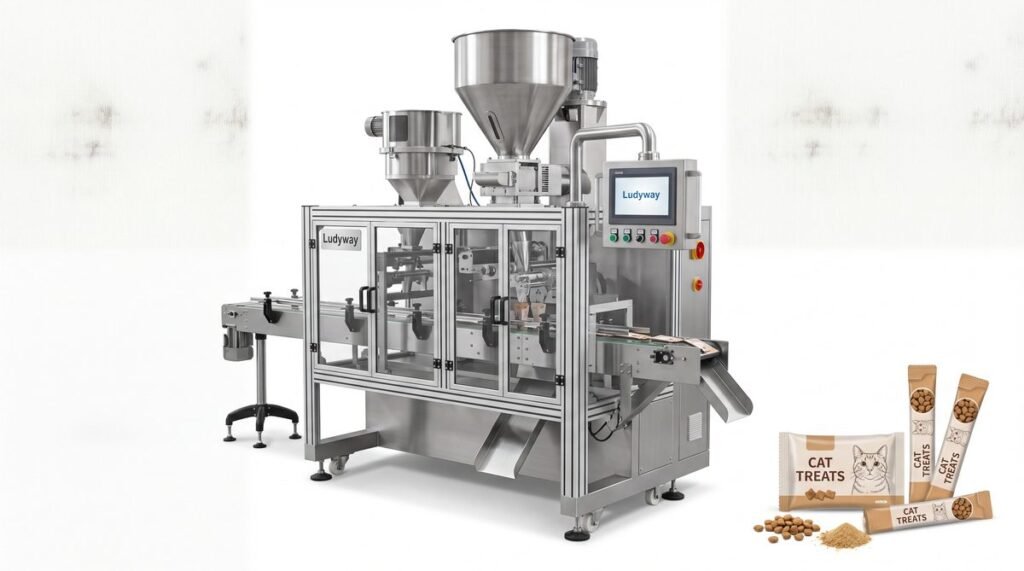
Stand-alone Unit vs. Turnkey Line: Do you need just the fill/seal machine, or a complete line including upstream feeders (like a scoop feeder for granules) and downstream equipment (like a cartoner or case packer)?
Control and Connectivity: Modern machines offer PLC controls with touchscreen HMIs, recipe storage, and data output for integration with factory MES/ERP systems.
5. Machine Reliability, Support, and Supplier Expertise
Your machine is a long-term investment. Prioritize reliability and support.
- Build Quality: Robust frame, high-grade components (servo motors, precision guides), and durable construction ensure longevity.
- Technical Support & Service: Choose a supplier with a proven track record of providing installation, training, spare parts, and responsive after-sales service. Global support networks are vital for international operations.
- Supplier Experience: Work with experts who understand your industry. A supplier like Ludyway Machinery, with over 30 years of industry experience and a focus on food and pharmaceutical packaging, can provide invaluable guidance and reliable solutions tailored to complex requirements.
Navigating the Selection Process: A Practical Checklist
Before contacting suppliers, prepare this information:
- Detailed Product Specs: Physical properties, target fill weight/volume, special handling needs (hygiene, fragility).
- Packaging Details: Desired pouch dimensions (width, length), film type and thickness, any printing requirements.
- Output Targets: Required production speed in packs per minute/hour.
- Factory Environment: Available space, utilities (power, compressed air), and desired level of line integration.
- Budget Framework: Initial investment and long-term operational cost considerations.
Presenting this information allows suppliers like Ludyway to recommend the most suitable model from their range of over 50 intelligent packaging machines, potentially saving you time and cost.
Future-Proofing Your Investment
Technology evolves. Consider features that offer flexibility for the future:
- Quick Changeover Systems: For producing multiple products or package sizes without lengthy downtime.
- Data Collection Capabilities: Machines that log production data aid in quality control and process optimization.
- Modular Design: Allows for future upgrades or addition of new functions (e.g., adding a gas flushing system for modified atmosphere packaging).
Partnering with an innovative supplier ensures you have access to the latest advancements in packaging automation.
Conclusion
Choosing the best automatic fill and seal packaging machine is a strategic process that balances technical specifications with practical operational needs and long-term business goals. By thoroughly evaluating your product, output requirements, and the reliability of the machine supplier, you can make an investment that boosts your competitiveness, ensures product quality, and drives growth for years to come. Engaging with experienced packaging solution providers who offer comprehensive support—from custom engineering to global service—is the key to a successful integration.
Frequently Asked Questions (FAQs)
What is the typical lead time for receiving an automatic fill and seal machine?
Lead times vary based on machine complexity and customization. For standard models from established suppliers, it can range from 4 to 8 weeks. Fully customized or high-speed turnkey lines may require 3 to 6 months. It’s best to discuss your timeline early in the process with your chosen supplier.
Can one machine handle different types of products, like powders and granules?
Some versatile machines are designed with interchangeable filling systems. For example, a base machine might allow you to switch from an auger filler for powder to a cup filler for granules. However, this often requires a changeover procedure and possibly different tooling. It’s crucial to clarify this requirement with the manufacturer to ensure the machine is configured for such flexibility.
How important is after-sales service and support?
Extremely important. Even the most reliable machines require maintenance, occasional spare parts, and software updates. A supplier with a strong global service network, readily available technical documentation, and responsive support team (like Ludyway’s professional service commitment) ensures minimal downtime and long-term operational success.
What are the key maintenance requirements for these machines?
Regular maintenance typically includes daily cleaning of product contact parts, periodic lubrication of moving components, inspection and replacement of seals and gaskets, and calibration of weighing systems. The supplier should provide a detailed maintenance schedule and training for your operators.
Are these machines suitable for small-scale or start-up operations?
Yes. The market offers a range of machines, from compact, lower-speed models perfect for small batches and R&D to high-volume industrial systems. Many suppliers can recommend a cost-effective solution that matches a start-up’s output needs and budget, allowing for automation from the early stages.