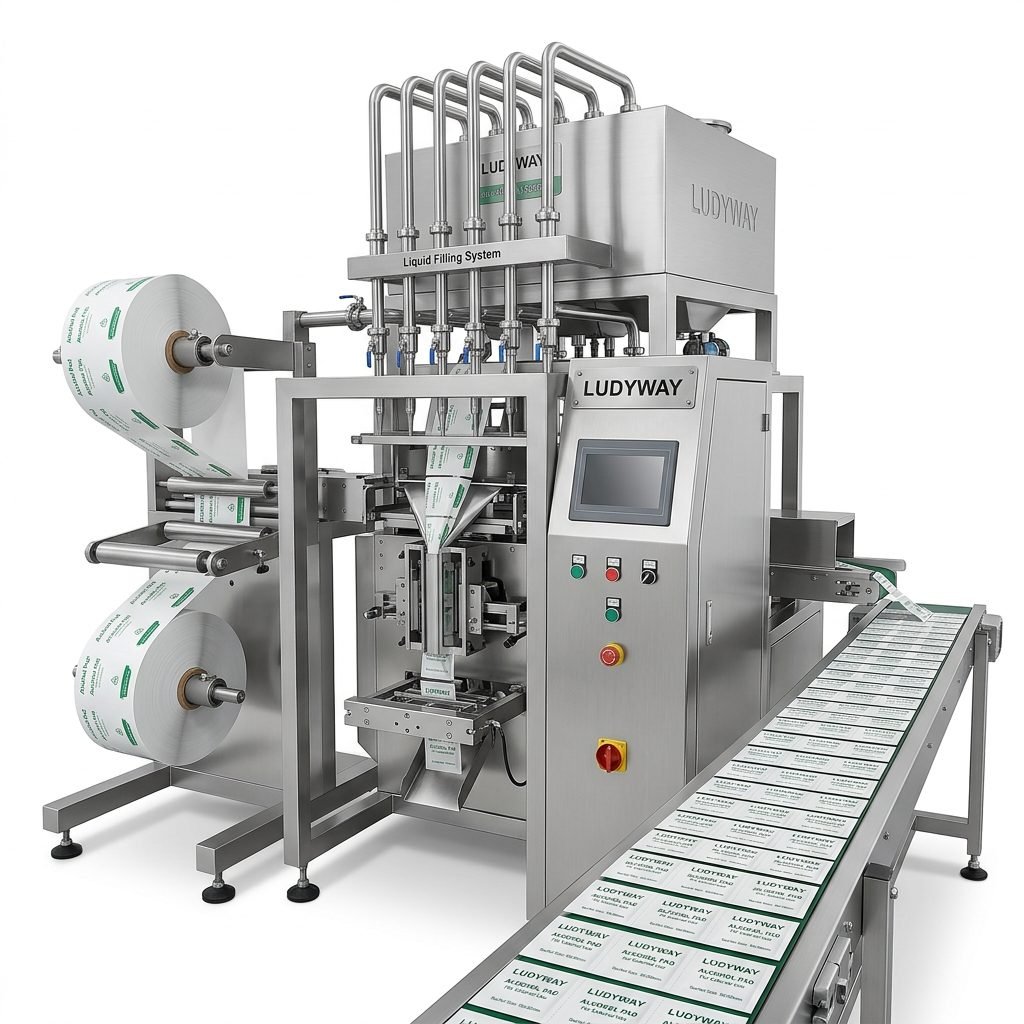
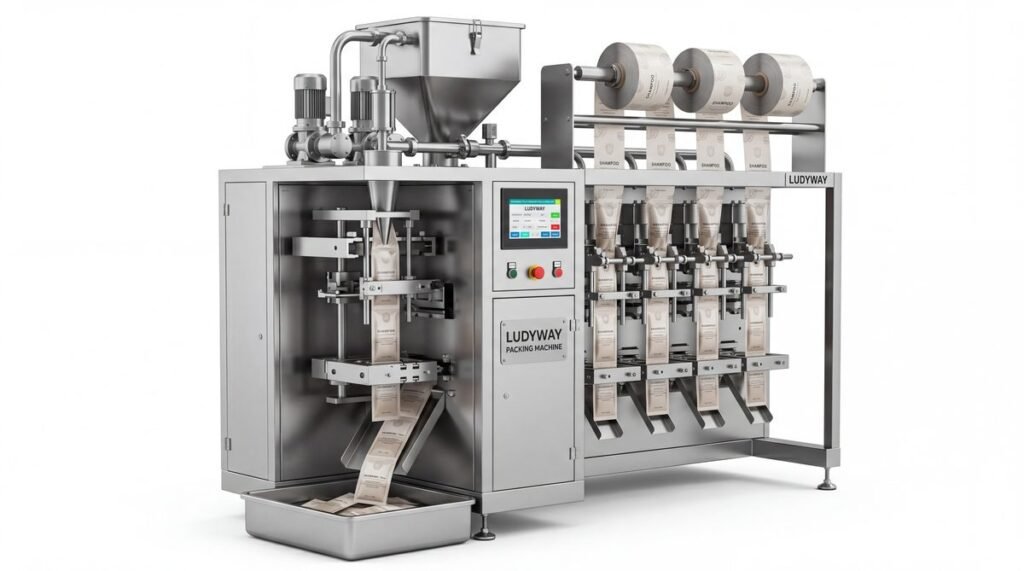
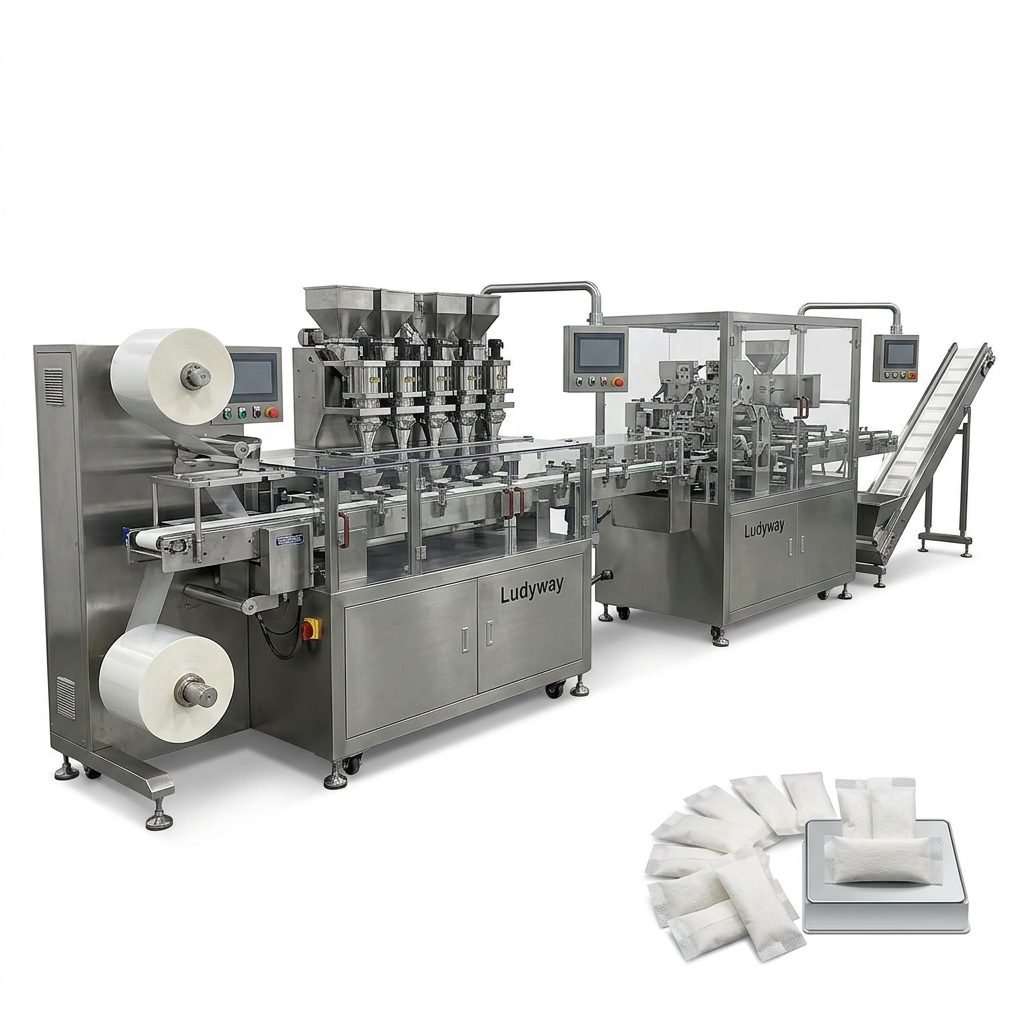
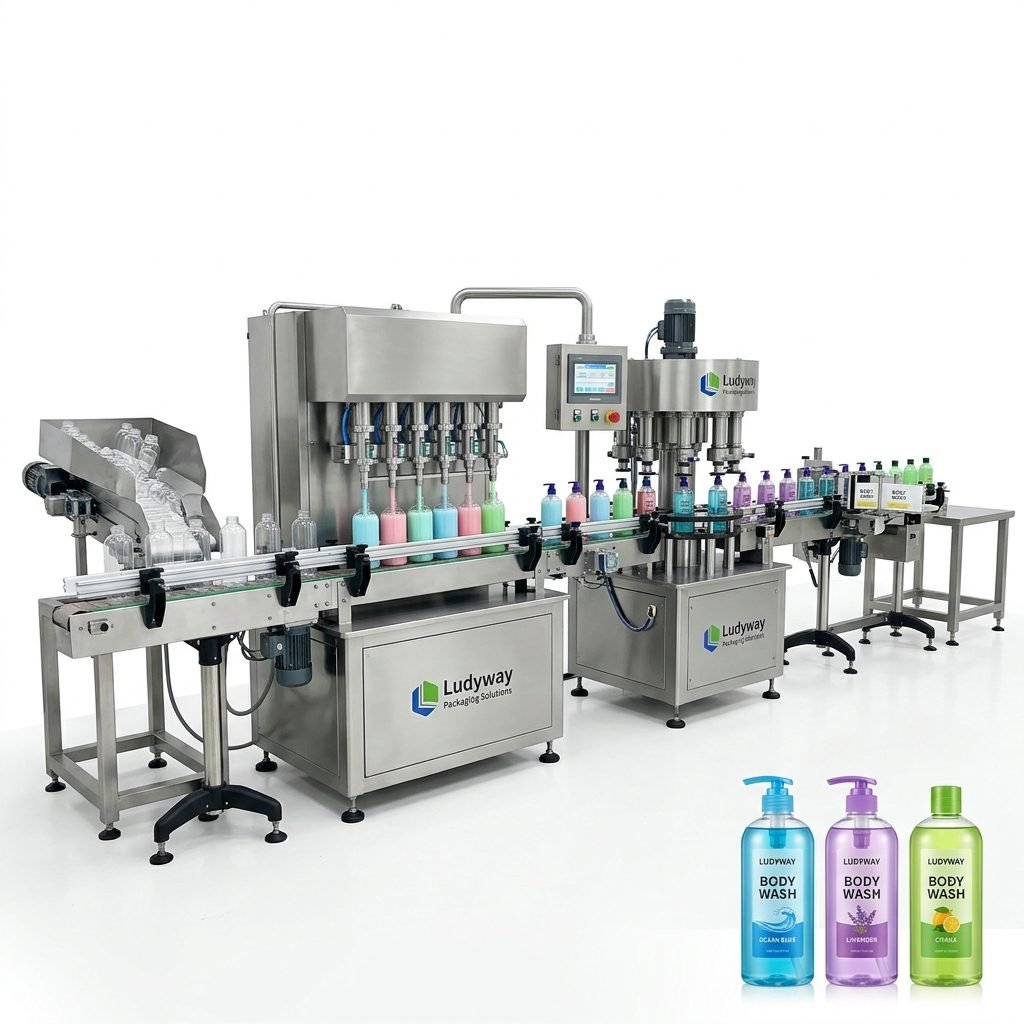
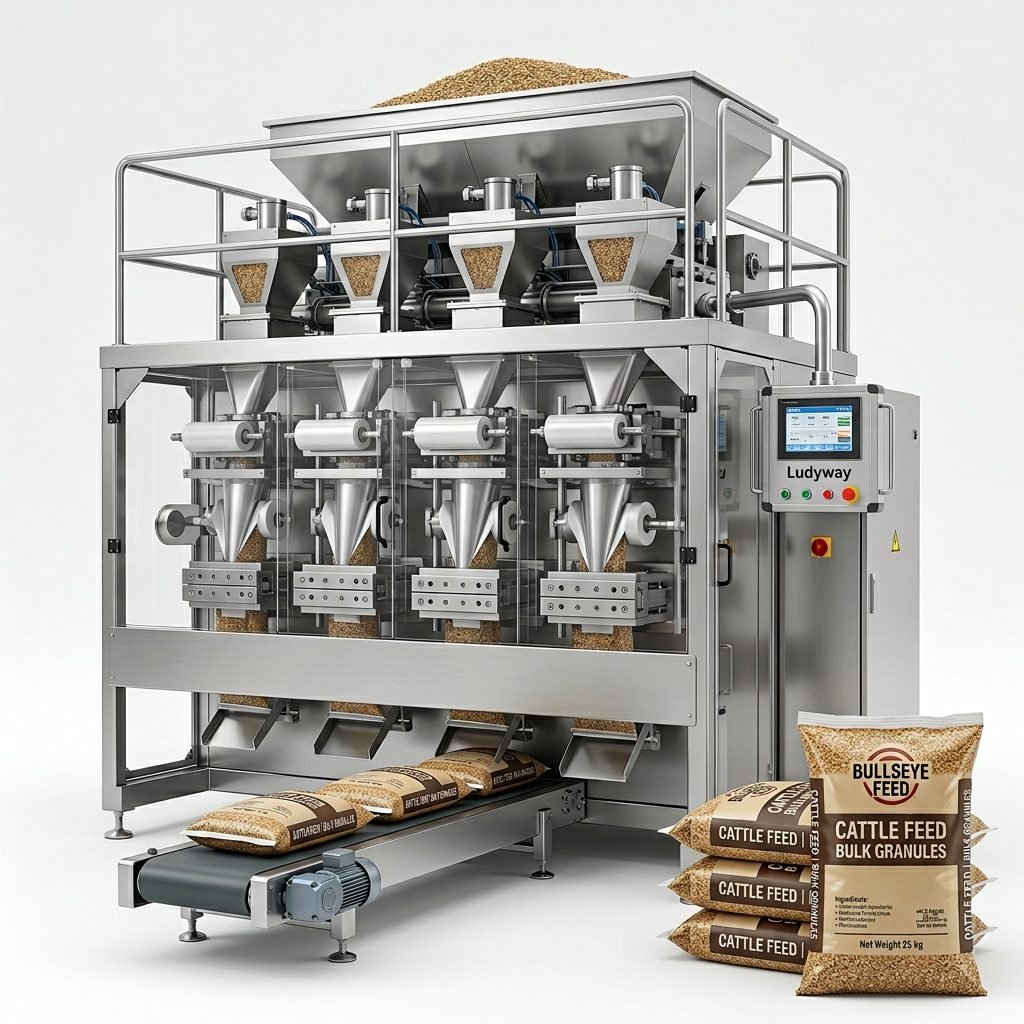
Selecting the right flat pouch packaging machine is a critical decision that directly impacts your production efficiency, product quality, and overall operational costs. With a myriad of options available, from single-lane sachet machines to high-speed multi-lane systems, navigating the market can be complex. This comprehensive guide is designed to help you understand the key factors, technical specifications, and strategic considerations necessary to choose the best flat pouch packaging solution tailored precisely to your production line’s requirements.
Understanding Flat Pouch Packaging and Its Applications
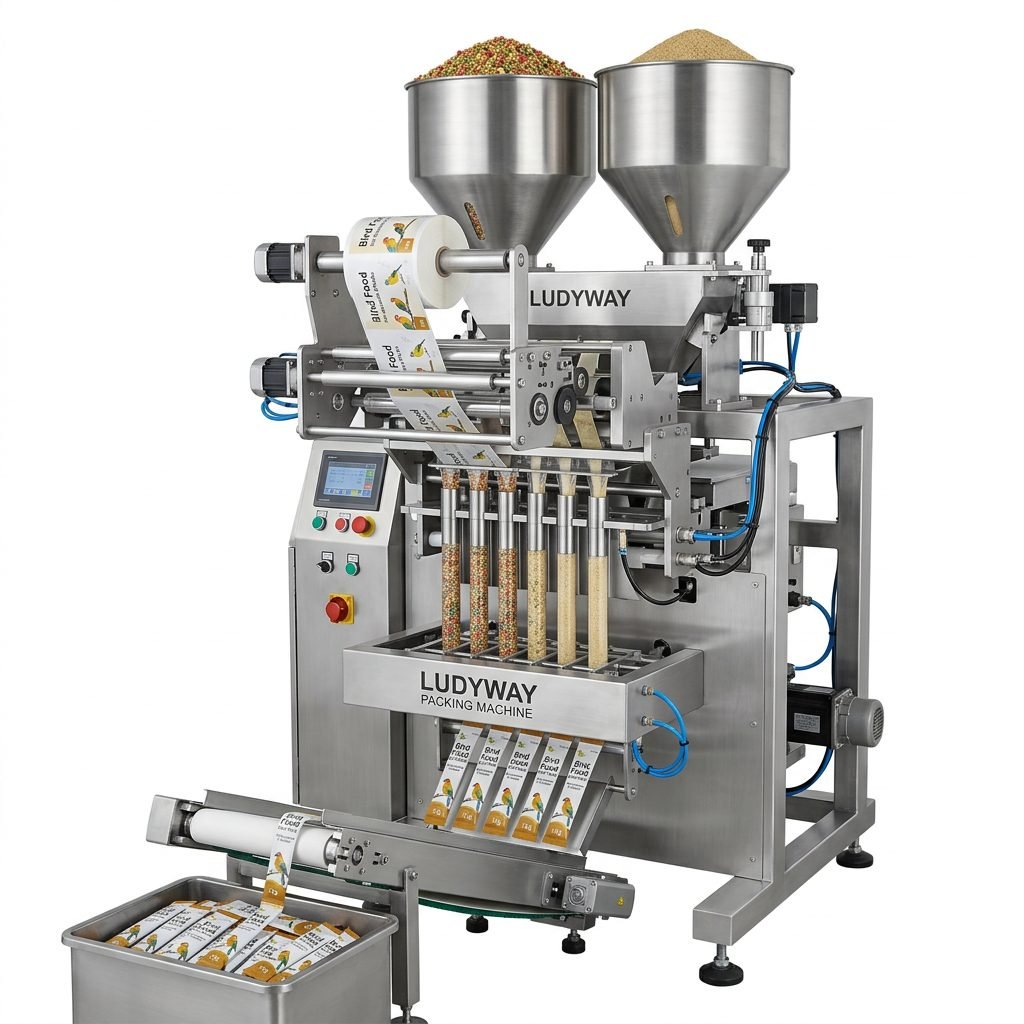
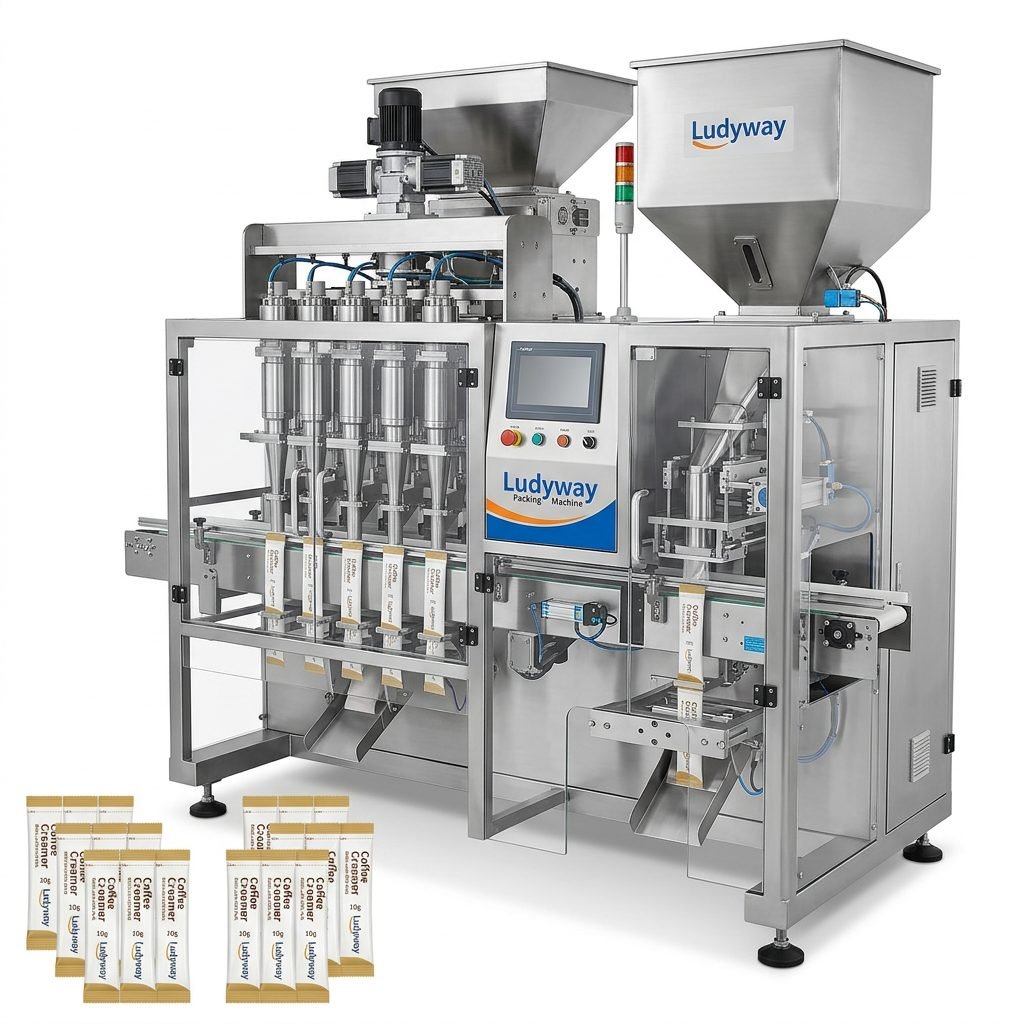
Flat pouch packaging, commonly used for single-serve portions, involves creating sealed pouches from a roll of packaging film. These pouches are ideal for a vast range of products, including:
- Food & Beverage: Ketchup, sauces, salad dressings, coffee, sugar, spices, and instant drink mixes.
- Pharmaceutical & Healthcare: Oral rehydration salts, powder supplements, medicinal powders, and single-dose liquids.
- Daily Chemicals: Shampoo, conditioner, lotion, hand sanitizer, and detergent samples.
The versatility of this packaging format makes it a popular choice for brands aiming for convenience, portion control, and reduced material costs compared to rigid containers.
Core Components of a Flat Pouch Machine
Before diving into selection criteria, it’s essential to understand the primary modules that constitute a standard machine:
- ▶ Film Unwinding & Feeding System: Precisely controls the feeding of laminate or film roll.
- ▶ Forming & Sealing Unit: The heart of the machine where the film is formed into a pouch and sealed (vertically, horizontally, or four-side).
- ▶ Dosing System: Accurately fills the product. Types include volumetric cup, auger/filler for powders, liquid pump, and granular filler.
- ▶ Cutting Mechanism: Separates the continuous chain of pouches into individual units.
- ▶ Control System (HMI): The user interface for setting parameters, monitoring production, and troubleshooting.
Pro Tip: Match the Dosing System to Your Product
The choice of dosing system is paramount. For free-flowing granules, a volumetric cup filler is efficient. For fine, non-free-flowing powders, a servo-driven auger filler with high-precision load cells is necessary to achieve accuracy. For viscous liquids, a piston pump is typically used. Incorrect dosing selection is a leading cause of product giveaway or underfill.
Key Factors for Choosing the Best Machine
Evaluating your needs against the following parameters will lead you to an optimal investment.
1. Production Speed & Output Requirements
Machine speeds are measured in pouches per minute (PPM). Assess your current and projected future demand.
- Low to Medium Output (40-120 PPM): Suitable for startups, pilot plants, or products with low sales volume.
- High-Speed Output (120-300+ PPM): Required for large-scale production. Often involves multi-lane machines (e.g., 4-lane, 8-lane) that produce multiple pouches simultaneously.
Always plan for ~20% higher capacity than your current peak demand to accommodate growth without immediate reinvestment.
2. Product Characteristics and Packaging Material
The physical properties of your product dictate the machine’s construction and dosing system.
Product Type Analysis:
- Powders (e.g., protein, spice): Require dust extraction systems, anti-bridging hoppers, and auger fillers. Hygroscopic powders need a controlled environment.
- Granules (e.g., sugar, coffee): Work well with volumetric fillers. Check granule size and abrasiveness for wear-and-tear on parts.
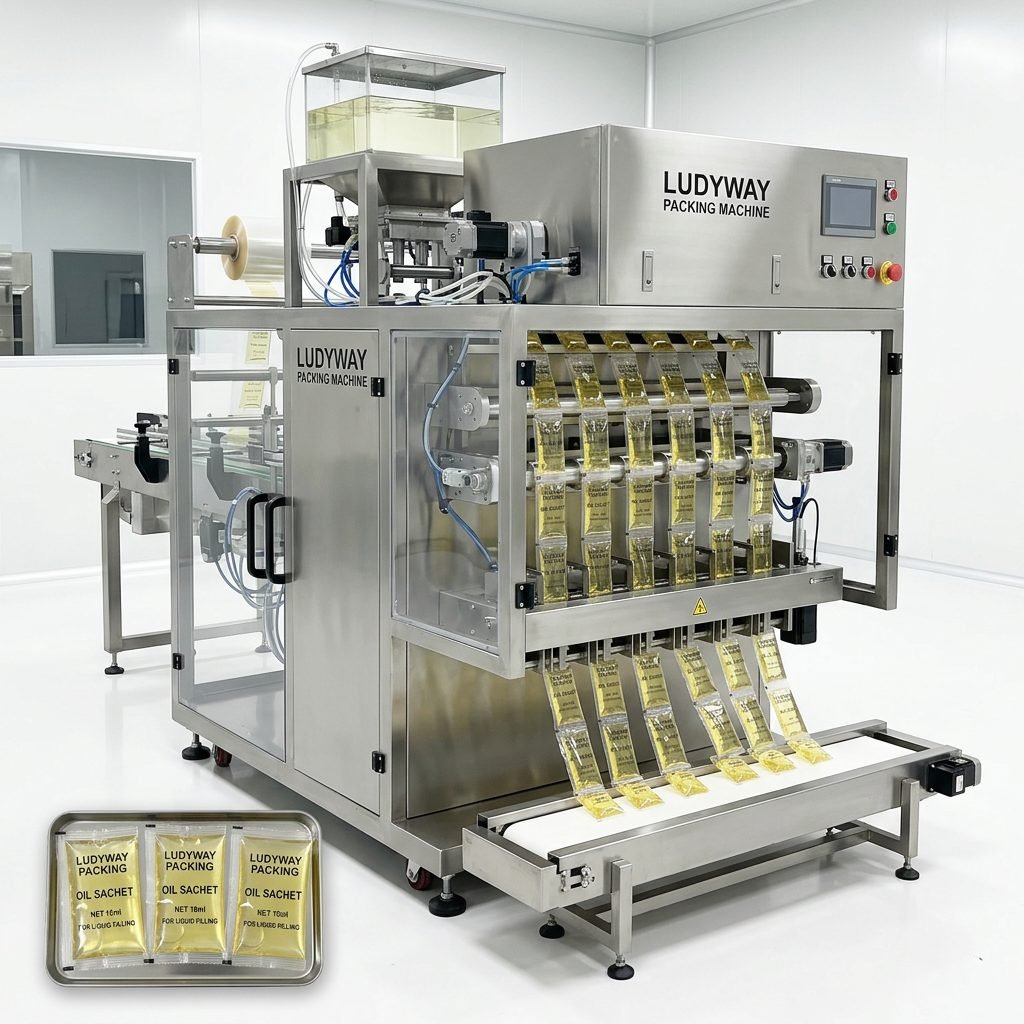
- Liquids & Viscous Fluids (e.g., sauce, oil): Need leak-proof sealing, possibly bottom-up filling to reduce foam, and compatible pump materials (e.g., food-grade stainless steel).
Similarly, your packaging film (structure, thickness, sealant layer) must be compatible with the machine’s sealing jaws (temperature, pressure, dwell time) to ensure strong, hermetic seals.
3. Level of Automation and Integration
Consider how the pouch machine will fit into your existing or planned line.
- ▶ Stand-alone Machine: Manual product feeding and pouch collection.
- ▶ Semi-Automatic Line: May include automatic cartoning or case packing downstream.
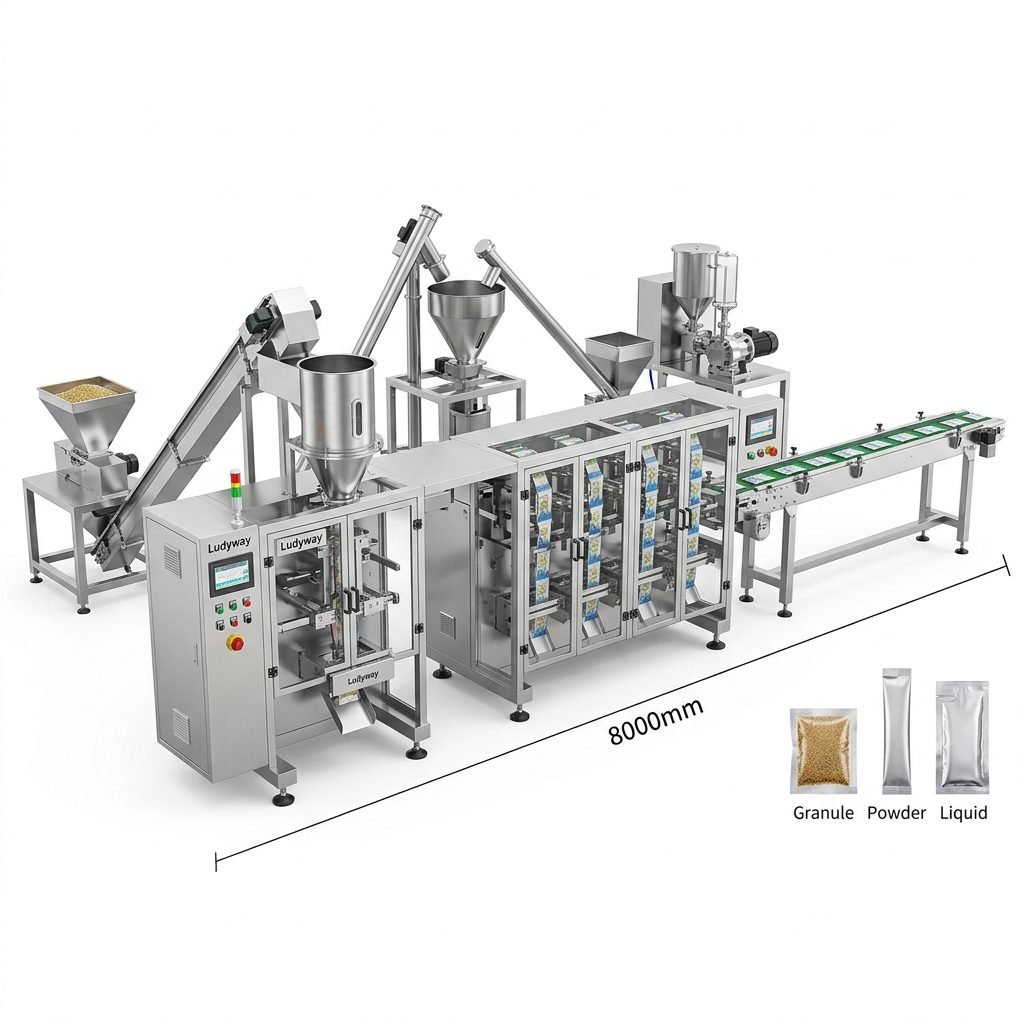
- ▶ Fully Automatic Turnkey Line: Integrated with upstream mixers/batch systems and downstream systems like checkweighers, metal detectors, cartoners, and case packers for a complete packaging solution.
Higher automation reduces labor costs and increases consistency but requires a larger initial investment and more sophisticated maintenance.
4. Machine Flexibility and Changeover Time
If you produce multiple products or pouch sizes, quick changeover capability is crucial. Look for machines with:
- Tool-less or minimal-tool changeover for forming collars and sealing jaws.
- Recipe storage on the HMI to recall settings for different products instantly.
- Adjustable parts with clear calibration scales.
Reducing changeover time from hours to minutes significantly boosts overall equipment effectiveness (OEE).
Evaluating Machine Quality and Supplier Support
The machine’s build quality and the supplier’s reputation are as important as its specifications.
Technical Support and After-Sales Service
Your relationship with the supplier begins after purchase. Prioritize suppliers who offer:
- Comprehensive installation, commissioning, and operator training.
- Readily available spare parts with a clear supply chain.
- Remote diagnostic support and prompt on-site service.
- A proven track record in your industry. For insights into reliable partners, you can explore the expertise behind brands like Ludyway Machinery, which is built on decades of industry experience.
Compliance and Safety Standards
Ensure the machine complies with relevant standards for your market and industry:
- Food & Pharmaceutical: Materials in contact with product should be 316/304 stainless steel. Design should facilitate cleaning (e.g., CIP/SIP options) and comply with GMP guidelines.
- Electrical Safety: CE, UL, or other local electrical certifications are mandatory.
- Overall Build: Robust frame, precision machining, and high-quality components (e.g., servo motors, PLCs, sensors) from reputable brands ensure longevity and stability.
The Importance of a Test Run
Never buy a packaging machine untested with your actual product and material. Always insist on a factory acceptance test (FAT). This live demonstration allows you to verify speed, accuracy, seal integrity, and ease of operation before the machine leaves the supplier’s factory.
Financial Considerations: TCO vs. Initial Price
Look beyond the initial purchase price. The Total Cost of Ownership (TCO) includes:
- Initial Investment: Machine cost, shipping, and installation.
- Operational Costs: Energy consumption, compressed air usage, labor, and packaging material waste.
- Maintenance Costs: Cost and availability of spare parts, preventive maintenance schedules.
- Downtime Cost: Machine reliability directly affects this. A cheaper, less reliable machine can incur massive hidden costs from production stoppages.
Investing in a robust, efficient machine from a reliable supplier often yields a lower TCO and higher return on investment (ROI) over a 5-10 year period. For businesses looking to scale, exploring turnkey production solutions can streamline this financial planning.
Finalizing Your Decision: A Step-by-Step Checklist
- Define Specifications: Document required speed, pouch size range, product details, and desired accuracy.
- Shortlist Suppliers: Research manufacturers with expertise in your product category and request detailed quotations.
- Review & Compare: Evaluate quotes on technical specs, TCO, warranty, and service terms—not just price.
- Conduct Factory Visits & Tests: See the manufacturing quality, conduct FAT with your product.
- Check References: Speak to existing customers about machine performance and supplier support.
- Plan for Integration: Finalize layout, utilities (power, air), and training plans with the chosen supplier.
Choosing the best flat pouch packaging machine is a strategic investment that demands careful analysis. By thoroughly understanding your production needs, prioritizing quality and support over the lowest price, and validating performance with real-world tests, you can select a solution that enhances your productivity, ensures product quality, and drives growth for years to come. Partnering with an experienced provider who understands the nuances of automated packaging can make this complex process seamless and successful.
Frequently Asked Questions (FAQs)
What is the typical accuracy (fill weight tolerance) of a flat pouch machine?
Accuracy depends on the product and dosing system. For powders with an auger filler, standard accuracy is within ±1-2% of the target weight. High-precision systems with weigh-cell feedback can achieve ±0.5% or better. Granules with volumetric cups are typically within ±2-3%, while liquids can be very precise (±0.5% or less) with servo-driven pumps.
Can one machine handle both powder and liquid products?
Generally, no. Machines are usually configured for a specific product type due to the different dosing systems and sealing requirements. While some machines offer modular designs allowing you to swap dosing systems (e.g., from auger to pump), it is a significant changeover. For frequent switching between vastly different product forms, dedicated machines are often recommended.
How important is the Human-Machine Interface (HMI)?
Extremely important. A modern, intuitive, touch-screen HMI with multi-language support simplifies operation, reduces training time, and enables quick changeovers with stored recipes. It also provides valuable production data (output, efficiency, downtime reasons) for monitoring and improving OEE.
What maintenance is required for a flat pouch machine?
Daily cleaning and visual inspection are essential. Regular preventive maintenance includes lubricating moving parts, checking seal jaw alignment and temperature, inspecting and replacing worn parts like cutting blades or gaskets, and verifying the accuracy of the dosing system. A reliable supplier will provide a detailed maintenance schedule.
What is the lead time for a new flat pouch packaging machine?
Lead times vary based on complexity and customization. A standard machine may have a lead time of 8-14 weeks from order confirmation. Highly customized or high-speed turnkey lines can take 16-24 weeks or more. Always confirm the detailed project timeline, including design, manufacturing, FAT, and delivery, with your supplier.