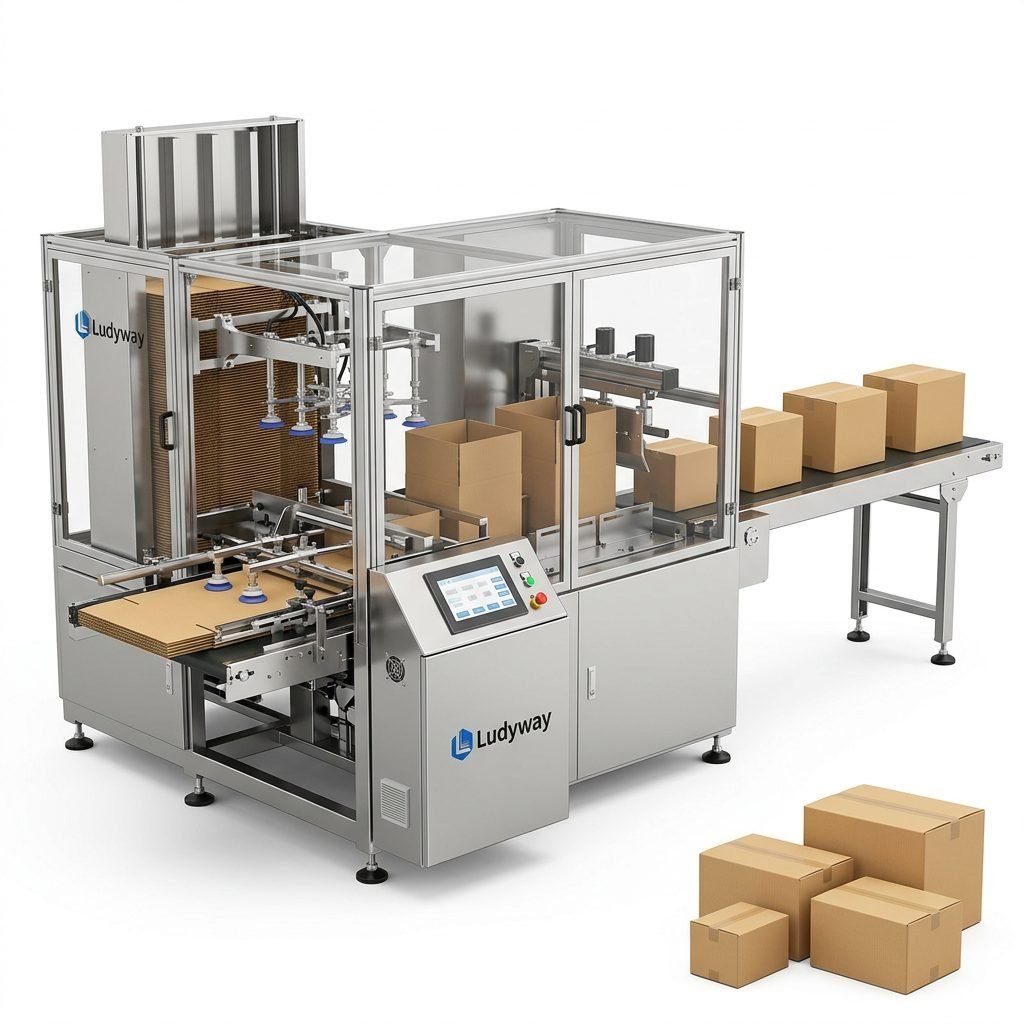
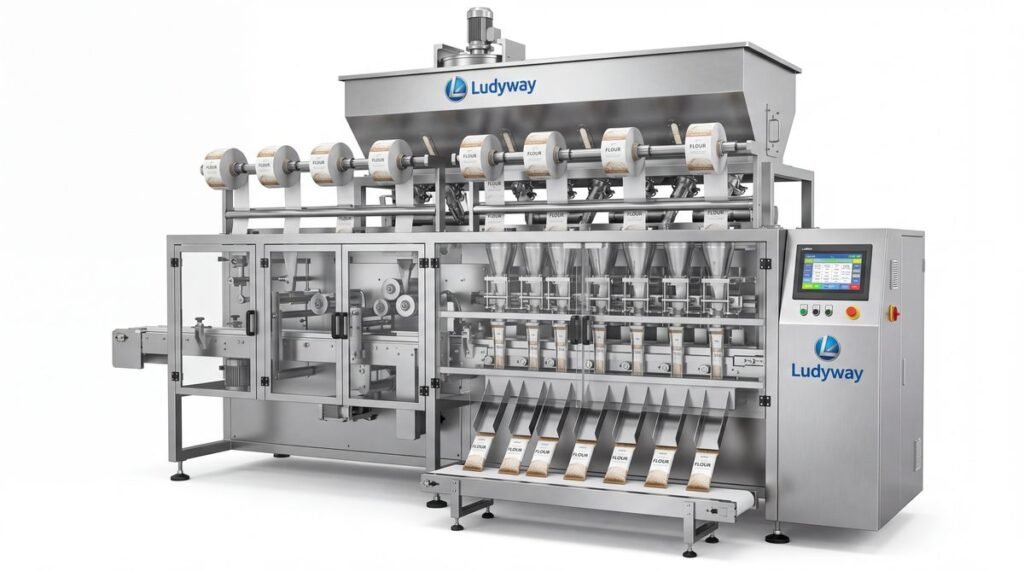
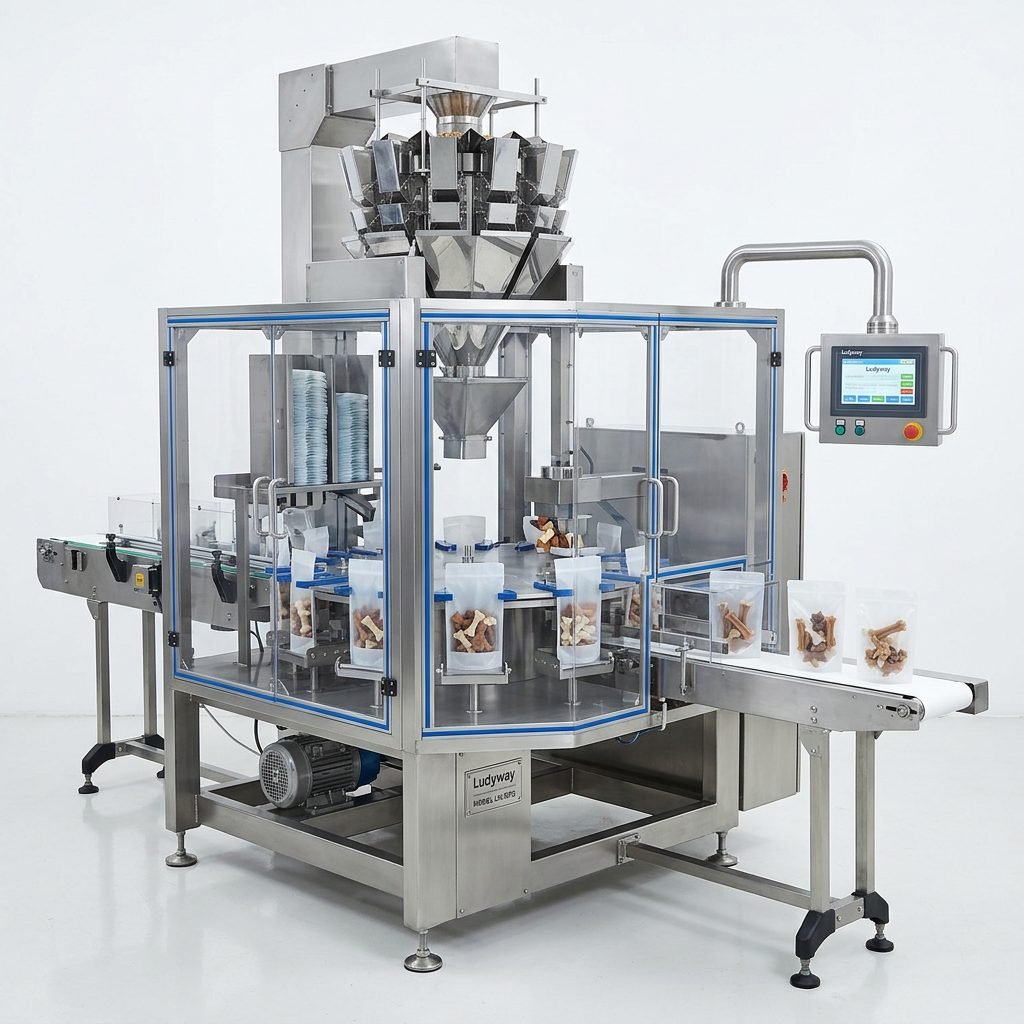
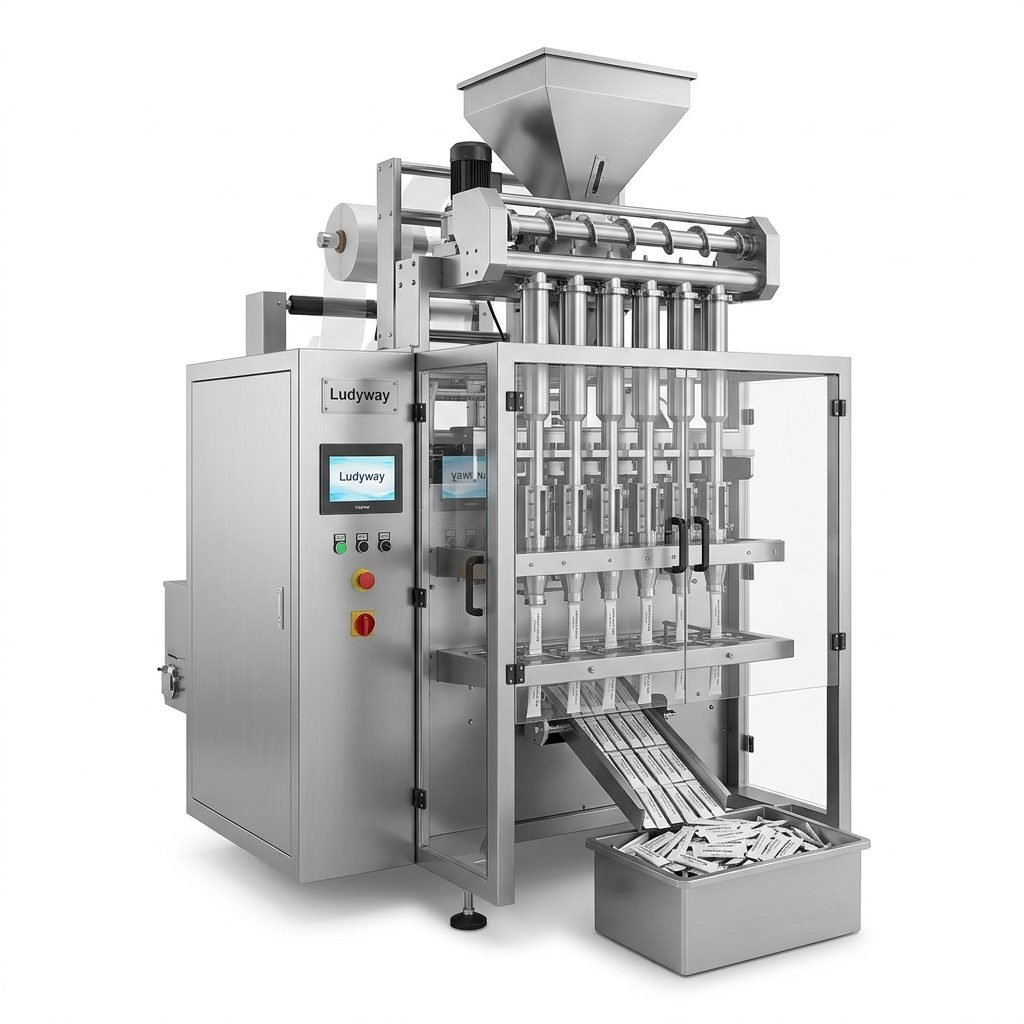
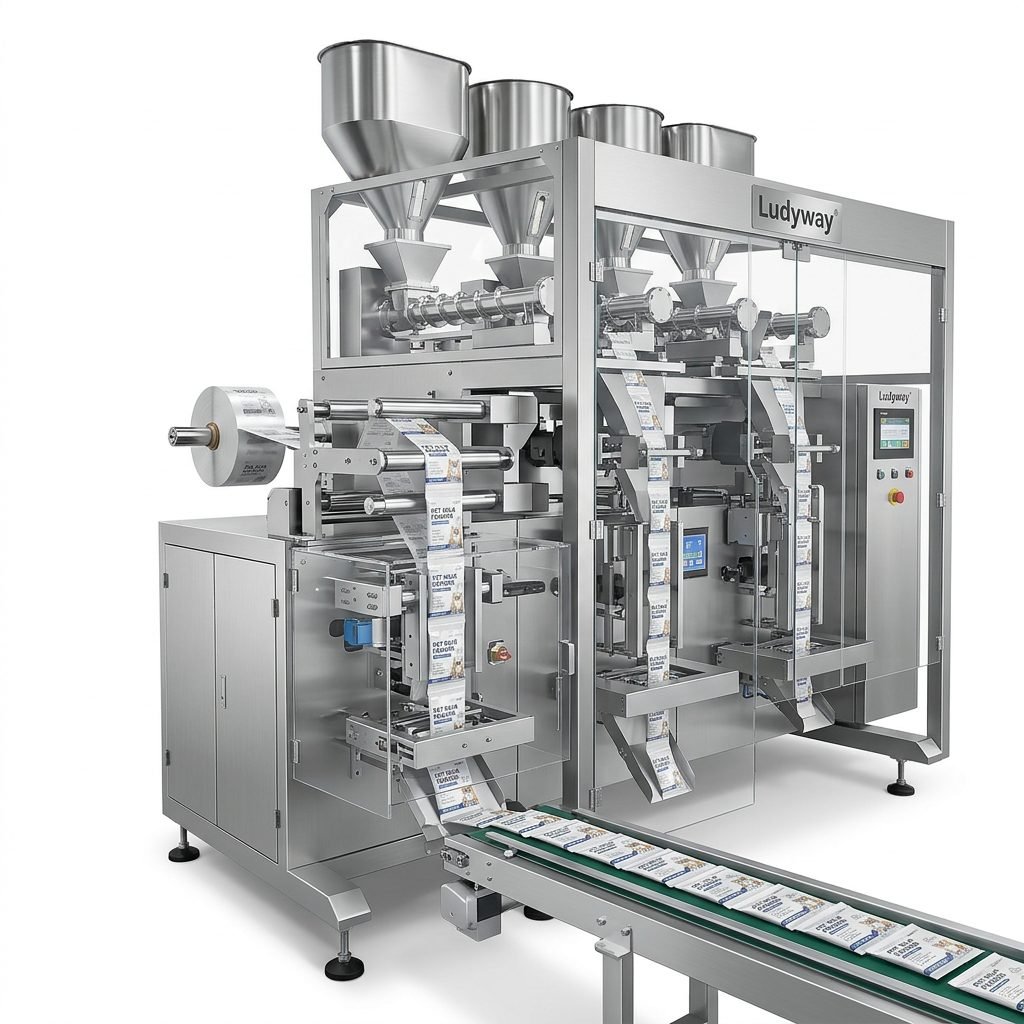
Selecting the right foil packaging machine is a critical decision for any production line focused on sealing and wrapping products in aluminum foil, laminates, or other barrier materials. An automatic sealing and wrapping solution not only enhances product protection and shelf life but also significantly boosts production efficiency and brand presentation. This guide will walk you through the key factors to consider when choosing the best machine for your specific needs.
Understanding Your Packaging Requirements
Before diving into machine specifications, a thorough analysis of your own product and operational needs is essential. This foundational step ensures the equipment you select aligns perfectly with your business goals.
Product Characteristics
The physical properties of your product dictate the machine’s design. Consider the following:
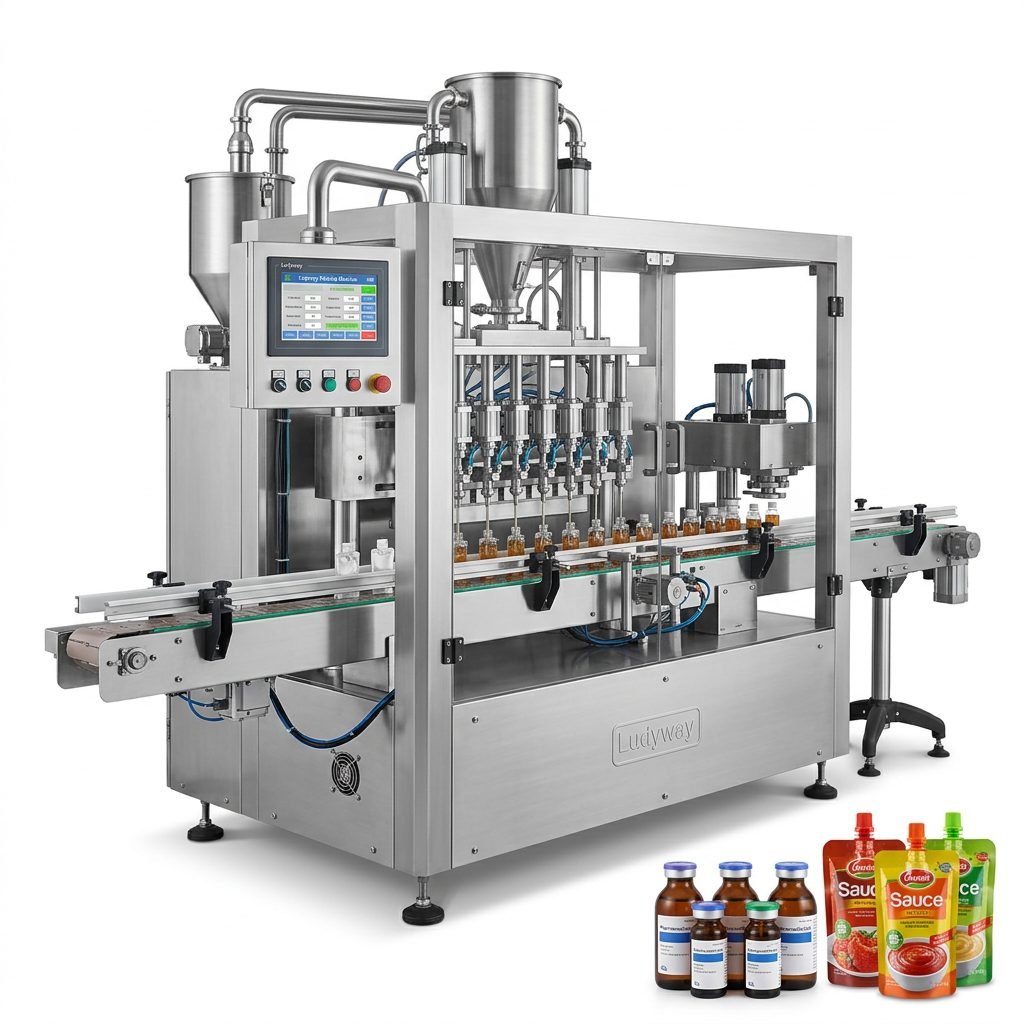
• Form: Is your product a solid, granule, powder, liquid, or paste? Powder and liquid fillers require precision dosing systems, while solid items need gentle handling mechanisms.
• Size and Shape: The dimensions and geometry of your product determine the required pouch size and the forming capabilities of the machine.
• Sensitivity: Does the product require a nitrogen flush or vacuum sealing to prevent oxidation or spoilage? This necessitates machines with integrated gas flushing systems.
Production Volume and Speed
Your output targets are a primary driver for automation level and machine type. Evaluate your current and future production demands.
- Low to Medium Output: Semi-automatic or single-lane automatic machines may be sufficient and cost-effective.
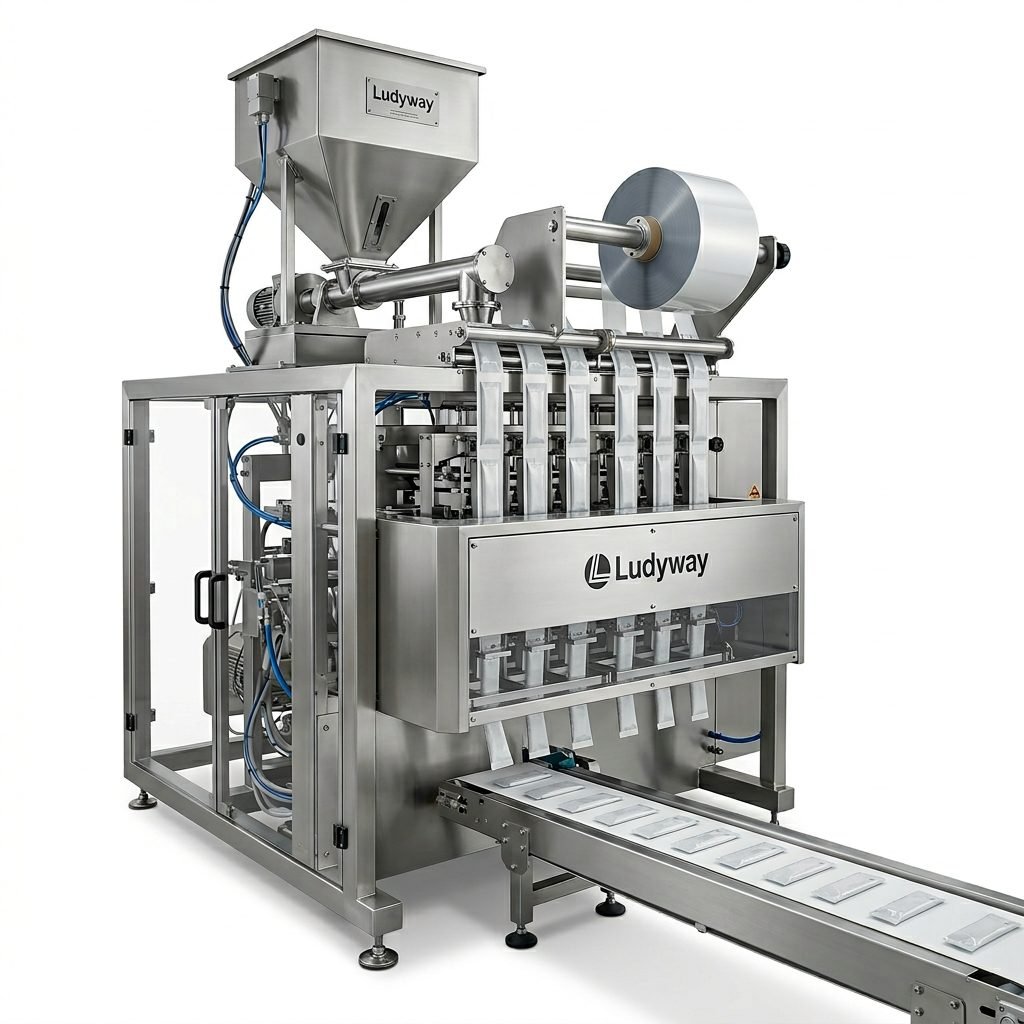
- High-Volume Production: Multi-lane, high-speed automatic foil packaging machines are necessary to meet targets efficiently. Look for models with speeds ranging from 80 to over 400 pouches per minute per lane.
Key Features of Automatic Foil Packaging Machines
Modern foil packaging equipment comes with a variety of features designed to improve reliability, flexibility, and control.
Sealing Technology and Integrity
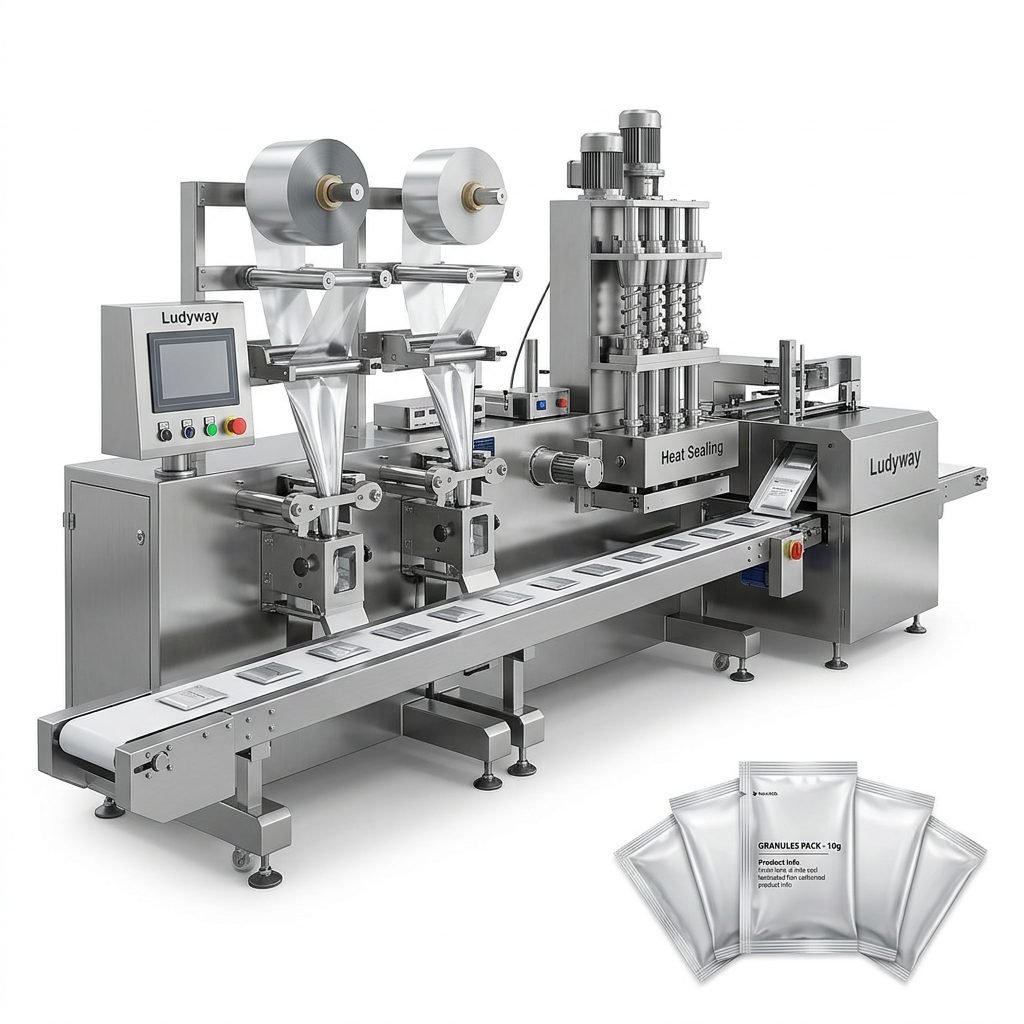
The heart of any foil wrapper is its sealing system. A consistent, strong seal is non-negotiable for product integrity.
→ Heated Jaw Sealers: The most common method, using temperature-controlled jaws to melt and fuse the packaging layers. Look for precise PID temperature control for consistent results across different materials.
→ Cooling Jaws: Often used after heat sealing to immediately set and strengthen the seal, preventing wrinkles and ensuring a crisp finish.
→ Seal Integrity Monitoring: Advanced machines may include sensors to detect seal defects in real-time, triggering automatic rejection of faulty packages.
Material Handling and Flexibility
The best machines offer versatility to handle various packaging materials and pouch styles without extensive downtime for changeovers.
- Web Guiding Systems: Ensure the foil or laminate roll feeds accurately into the machine, preventing misalignment and material waste.
- Quick-Change Tooling: Allows for faster switchovers between different pouch sizes or shapes, crucial for short production runs.
- Multi-Layer Compatibility: Ability to run standard laminates (e.g., PET/AL/PE) as well as more sustainable mono-material structures.
Control System and User Interface
An intuitive control system is vital for operator efficiency and minimizing errors.
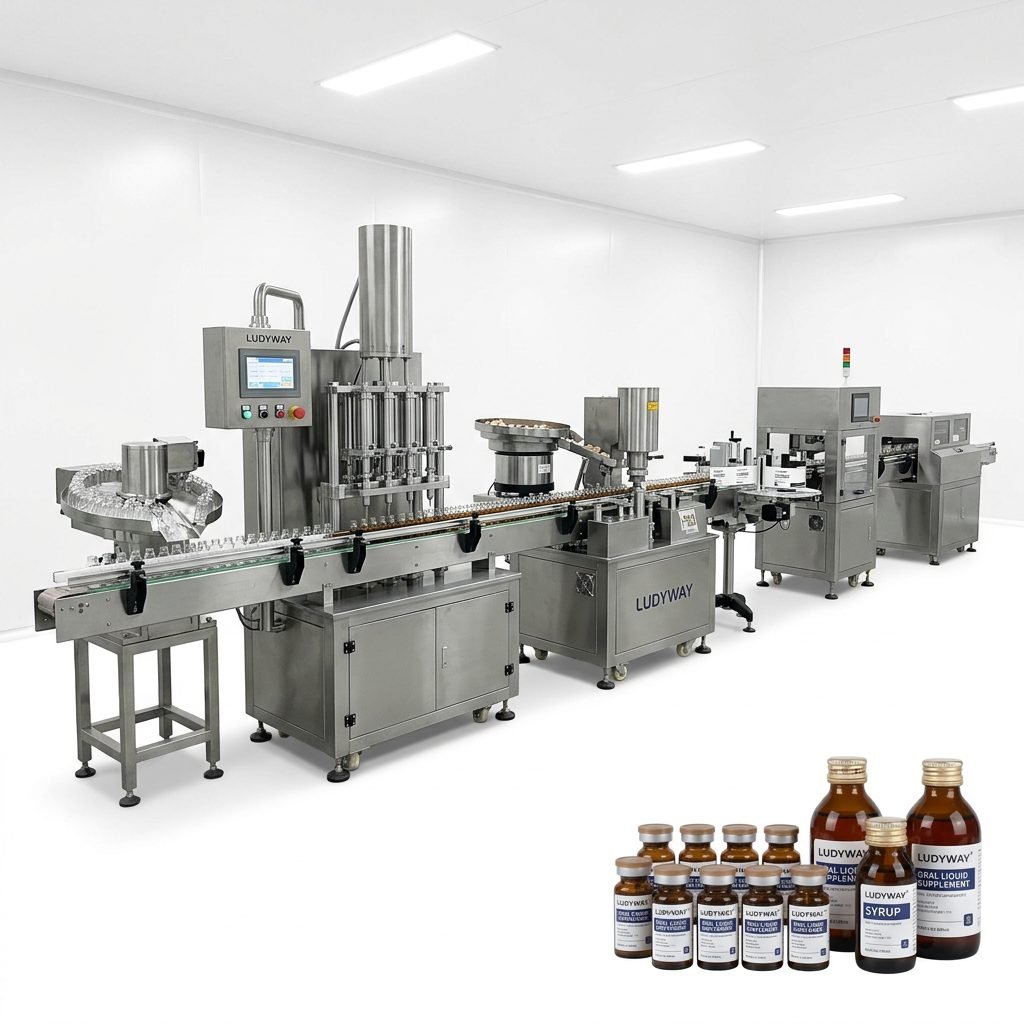
A modern PLC-based touchscreen HMI (Human-Machine Interface) allows for easy parameter setting, recipe storage, and real-time monitoring of speed, temperature, and production counts. Look for machines that offer multi-language support and clear fault diagnosis displays to reduce troubleshooting time. For insights into advanced automation integration, you can explore turnkey packaging line solutions that connect sealing machines with upstream and downstream equipment.
Evaluating Machine Build and Support
The machine’s construction and the manufacturer’s support network are investments in long-term reliability.
Construction Quality and Hygiene
Robust construction ensures longevity and consistent performance in demanding industrial environments.
- Frame and Structure: Heavy-duty stainless steel or anodized aluminum frames provide stability and resist corrosion.
- Food-Grade and Sanitary Design: For food, pharmaceutical, or nutraceutical applications, machines should have smooth, crevice-free surfaces, easy-clean components, and comply with relevant hygiene standards (e.g., GMP, FDA guidelines).
Supplier Expertise and After-Sales Service
Choosing a reputable supplier is as important as choosing the machine itself. A partner like Ludyway Machinery, with over a decade of specialization in packaging automation, brings invaluable expertise. Consider their:
• Industry Experience: A supplier familiar with your specific sector (e.g., coffee, spices, pharmaceuticals) will understand unique challenges. Ludyway’s focus on food, pharmaceutical, and health industries ensures relevant application knowledge.
• Technical Support & Training: Availability of installation, commissioning, and comprehensive operator training is crucial.
• Spare Parts Availability: Ensure critical spare parts are readily available to minimize production downtime. Global suppliers often have better logistics for international clients.
For businesses looking to scale, understanding the capabilities of multi-lane packaging systems from experienced providers can be a game-changer for high-output requirements.
Integration and Future-Proofing
Your foil packaging machine should not be an island but a integrated part of your production ecosystem.
Line Integration Capabilities
Consider how the machine will connect with existing or planned equipment.
- Upstream Integration: Compatibility with product feeders, weigh scales, or volumetric fillers.
- Downstream Integration: Ability to connect to cartoners, case packers, or vision inspection systems via standard communication protocols (e.g., Ethernet/IP, Profinet).
Scalability and Upgrades
Invest in a platform that can grow with your business. Some manufacturers offer modular designs where you can start with a basic model and add features like enhanced coding systems, checkweighers, or robotic pick-and-place units later. Partnering with a provider of intelligent packaging models ensures access to technological advancements as they emerge.
Frequently Asked Questions (FAQs)
What is the typical speed range for an automatic foil packaging machine?
Speeds vary widely based on the number of lanes and product type. Single-lane machines may run from 40-120 pouches per minute (ppm), while dual or multi-lane machines can achieve 200-500+ ppm. The required speed should be matched to your overall line output.
Can one machine handle different types of foil or laminate materials?
Yes, most automatic machines are designed to handle a range of heat-sealable laminates, including standard aluminum foil composites and newer recyclable barrier films. However, the sealing jaws’ temperature profile and pressure may need adjustment, which is simplified on machines with recipe memory functions.
How important is after-sales service when purchasing this equipment?
Extremely important. Reliable technical support, readily available spare parts, and access to service engineers are critical for maintaining high equipment uptime. Always evaluate the supplier’s service network, especially if you are located internationally.
What are the key maintenance requirements for these machines?
Regular daily cleaning of sealing jaws and product contact areas is essential. Periodic lubrication of moving parts, inspection of wear items like sealing Teflon or silicone strips, and calibration of sensors and scales as per the manufacturer’s schedule will ensure long-term reliability and consistent seal quality.
Is it possible to get a customized machine for a unique product shape?
Many reputable manufacturers, including those with strong engineering backgrounds, offer customization services. This can involve creating custom forming shoulders, specialized feeding mechanisms, or unique sealing jaw shapes to accommodate non-standard products. It’s best to discuss your specific application in detail during the selection process.