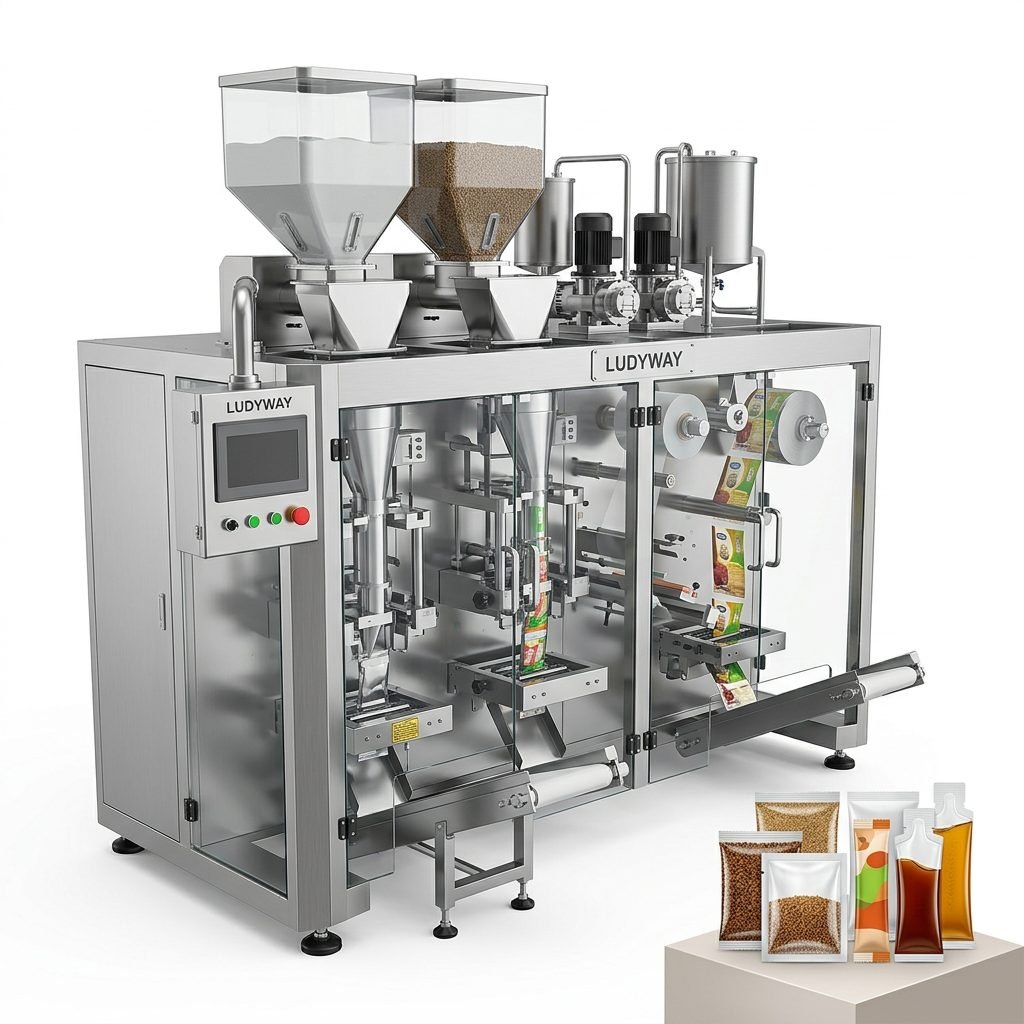
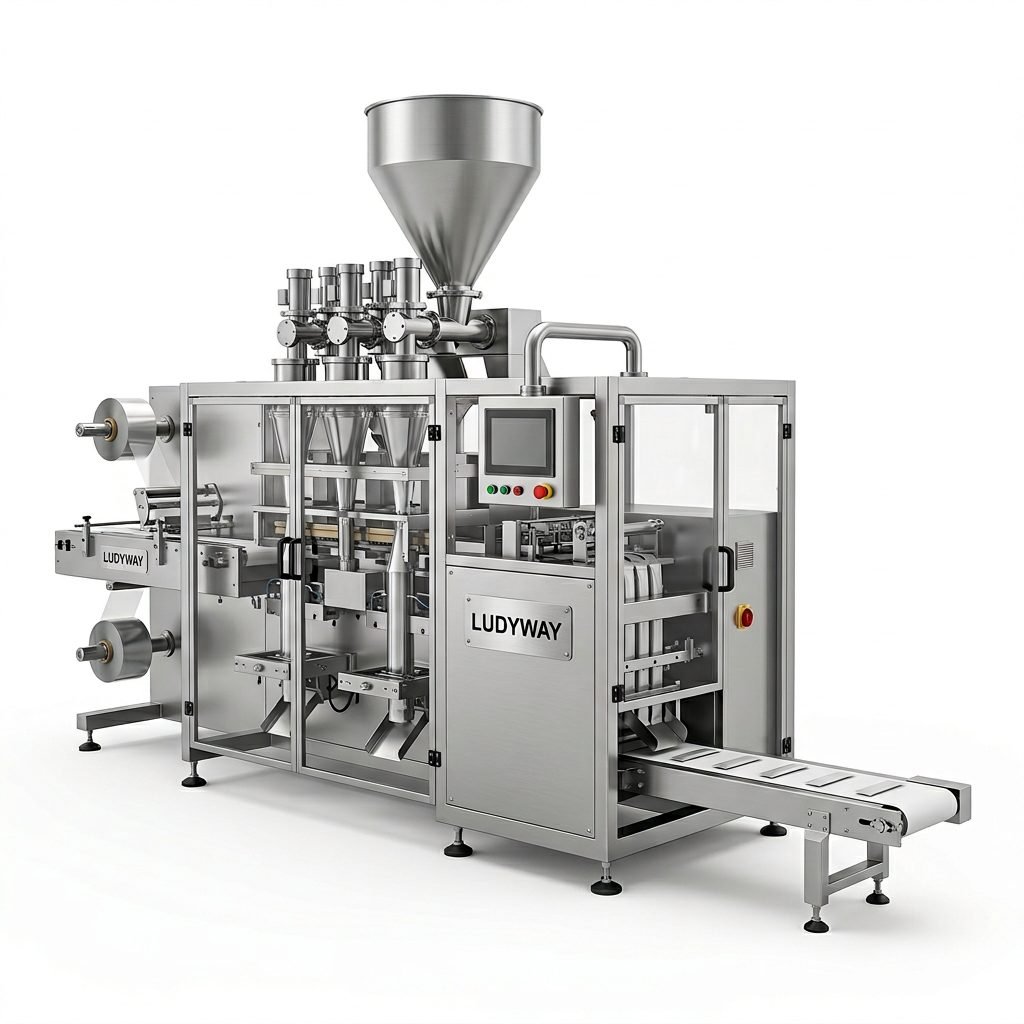
Entering the South American sauce market requires a strategic approach to manufacturing and packaging. Whether you are producing hot sauce, ketchup, soy sauce, or condiments, a high-efficiency sauce pouch packaging line is critical for maintaining product freshness and achieving competitive shelf presence. This guide breaks down the essential equipment, detailed cost estimations, and a practical step-by-step roadmap to launching your fully operational line in the region.
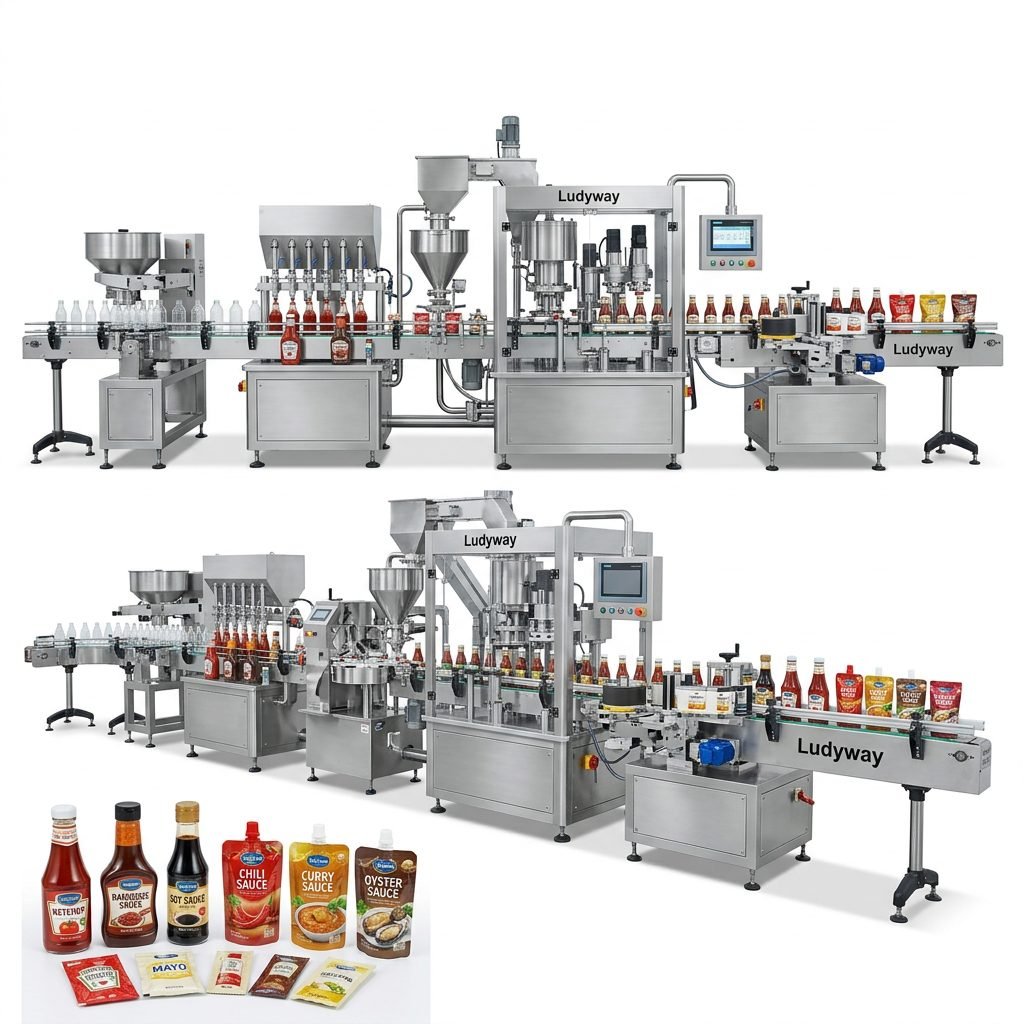
1. Essential Equipment for a Sauce Pouch Packaging Line
Packaging liquid sauces requires specialized machinery to handle viscosity, prevent contamination, and ensure precise fill weights. A standard setup typically includes a liquid filling system and a high-speed pouch or sachet packing unit. Below are the core components necessary for South American production.
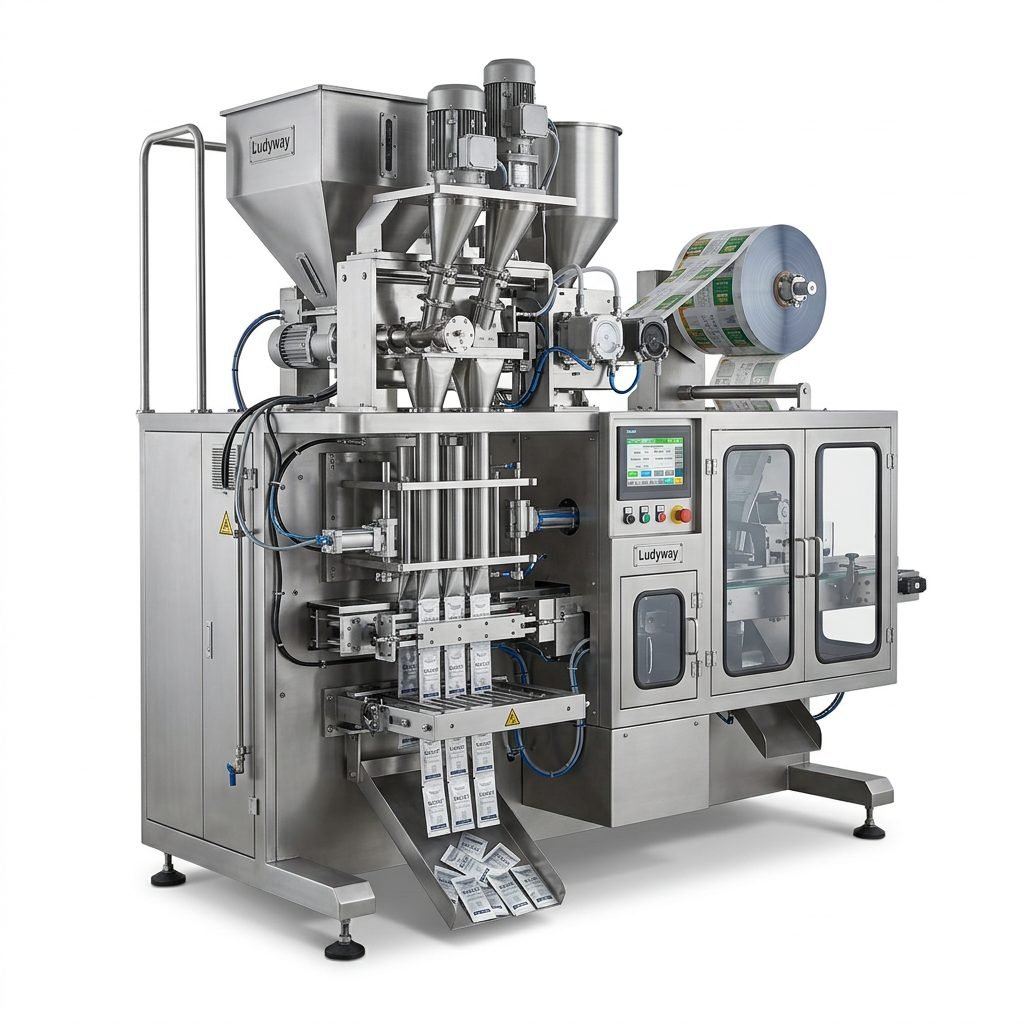
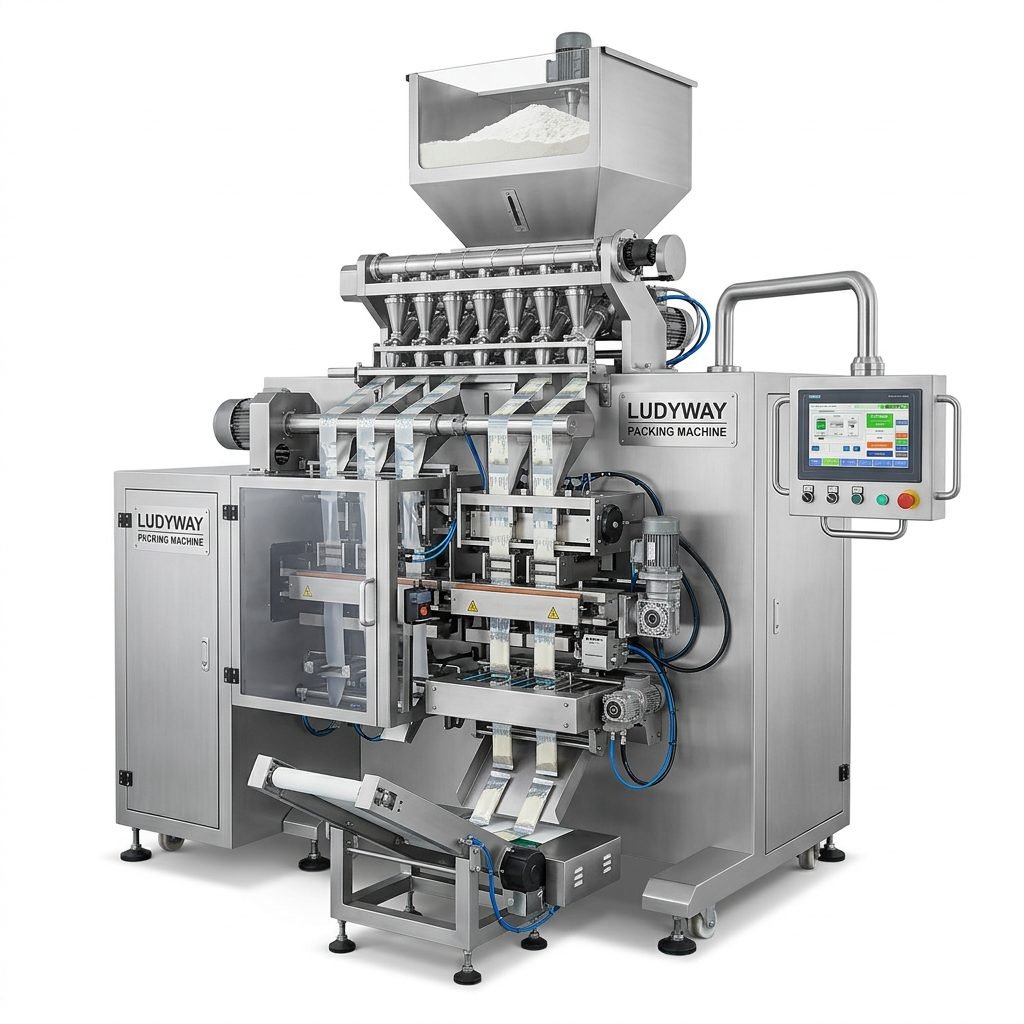
Multi-Lane Stick Pack and Sachet Machines
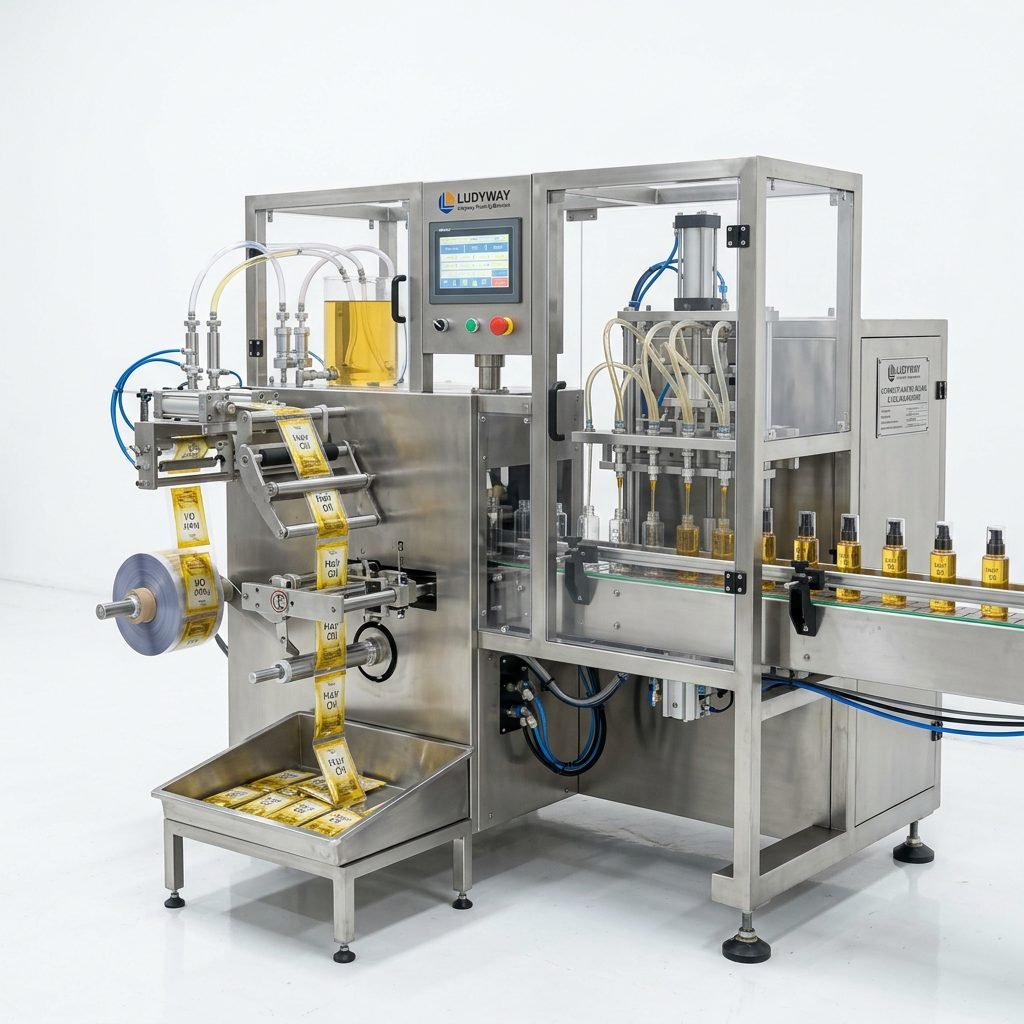
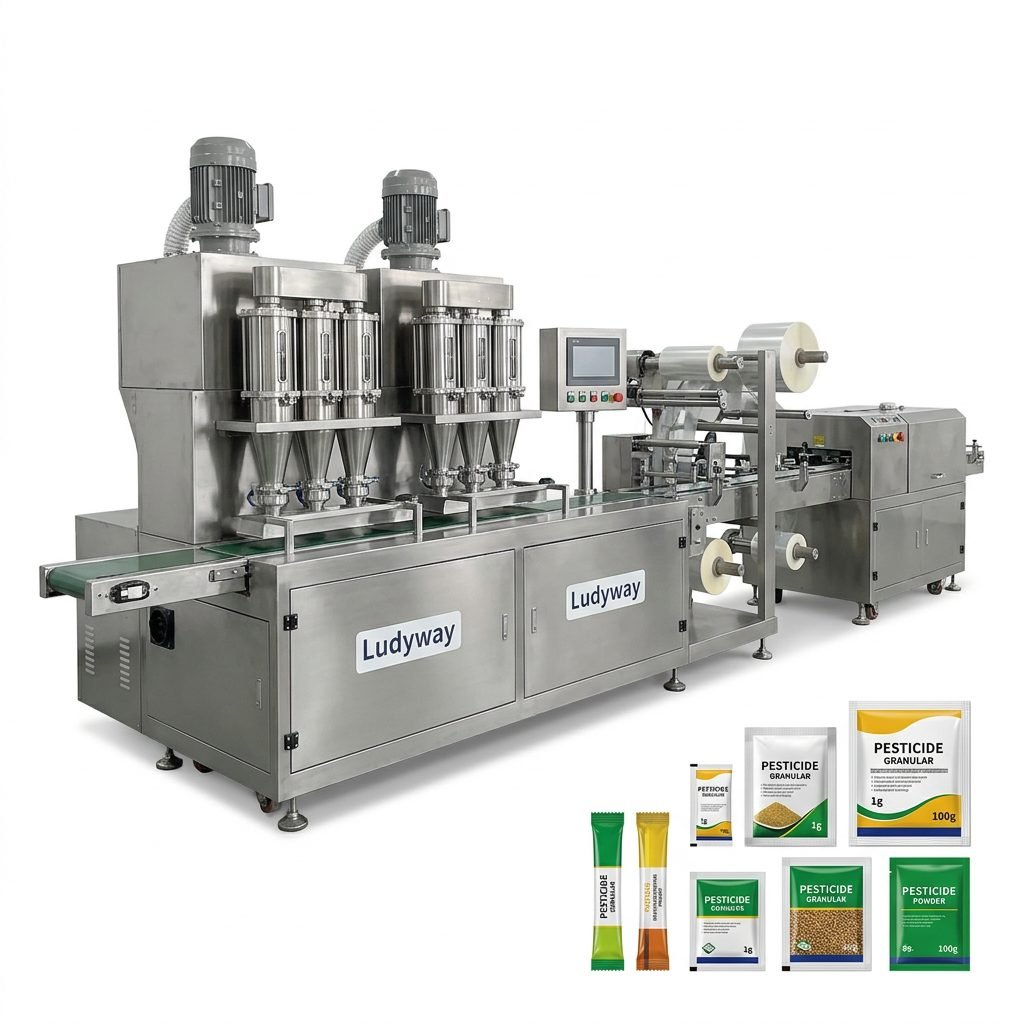
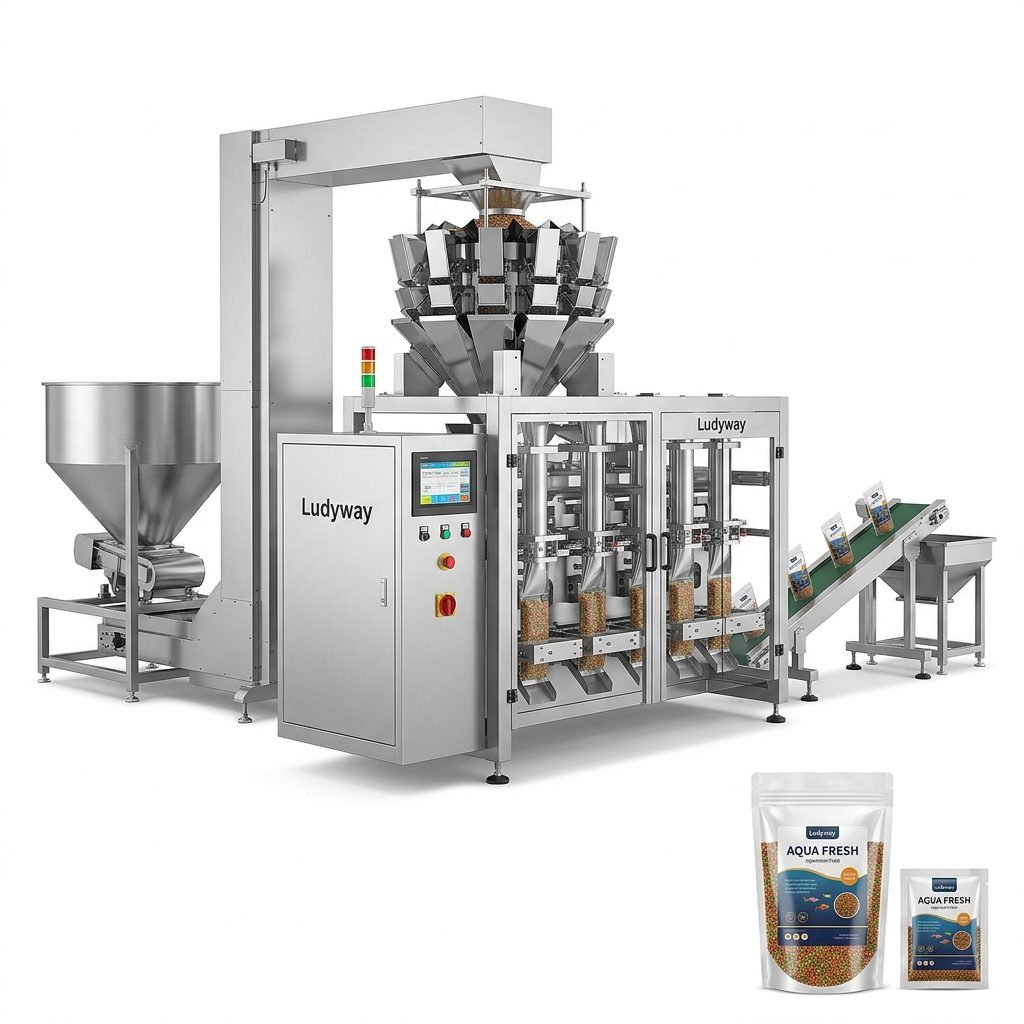
For small-portion sachets (3ml to 50ml), a multi-lane stick pack machine is the industry standard. These machines can run 4 to 12 lanes simultaneously, vertically forming, filling, and sealing pouches. Vertical Form Fill Seal (VFFS) technology is pivotal for scalability. When selecting a machine, prioritize stainless steel construction to comply with FDA food packaging standards and resist the acidic nature of many sauces.
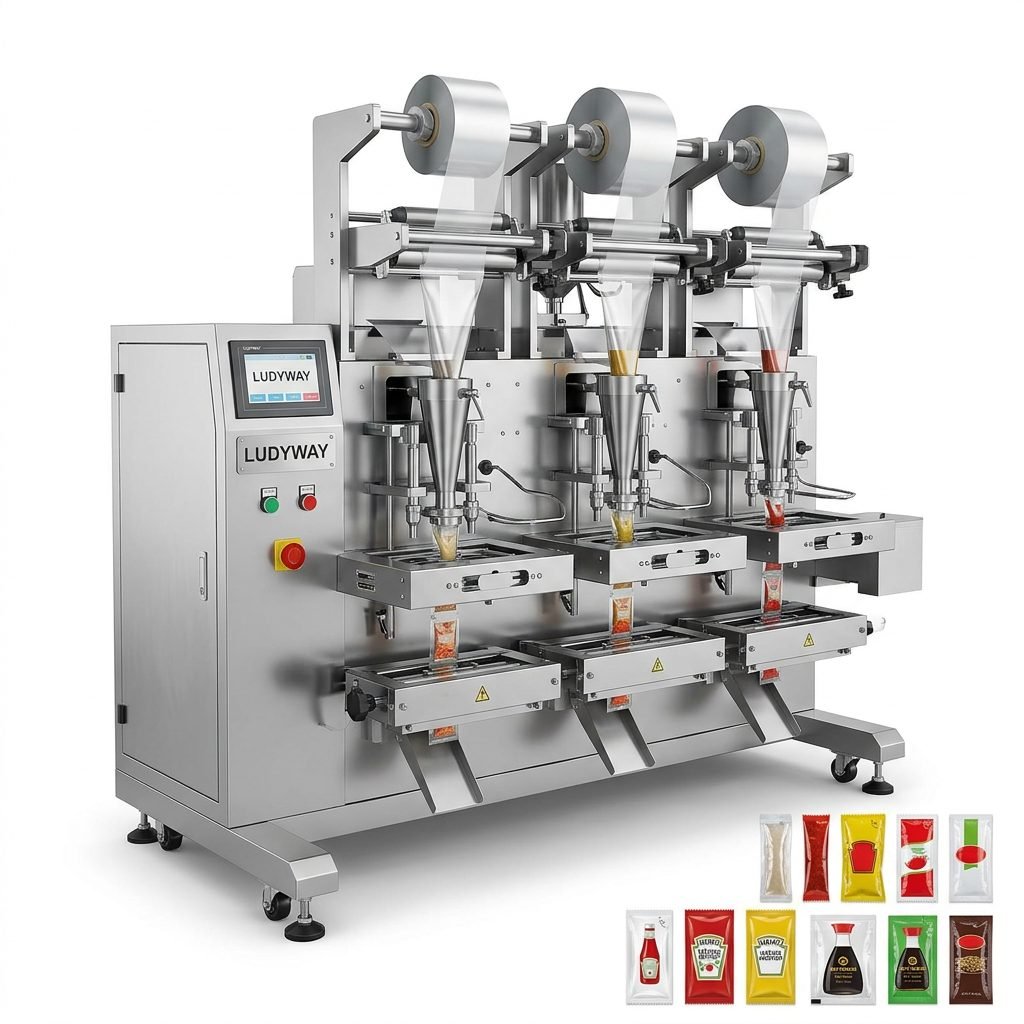
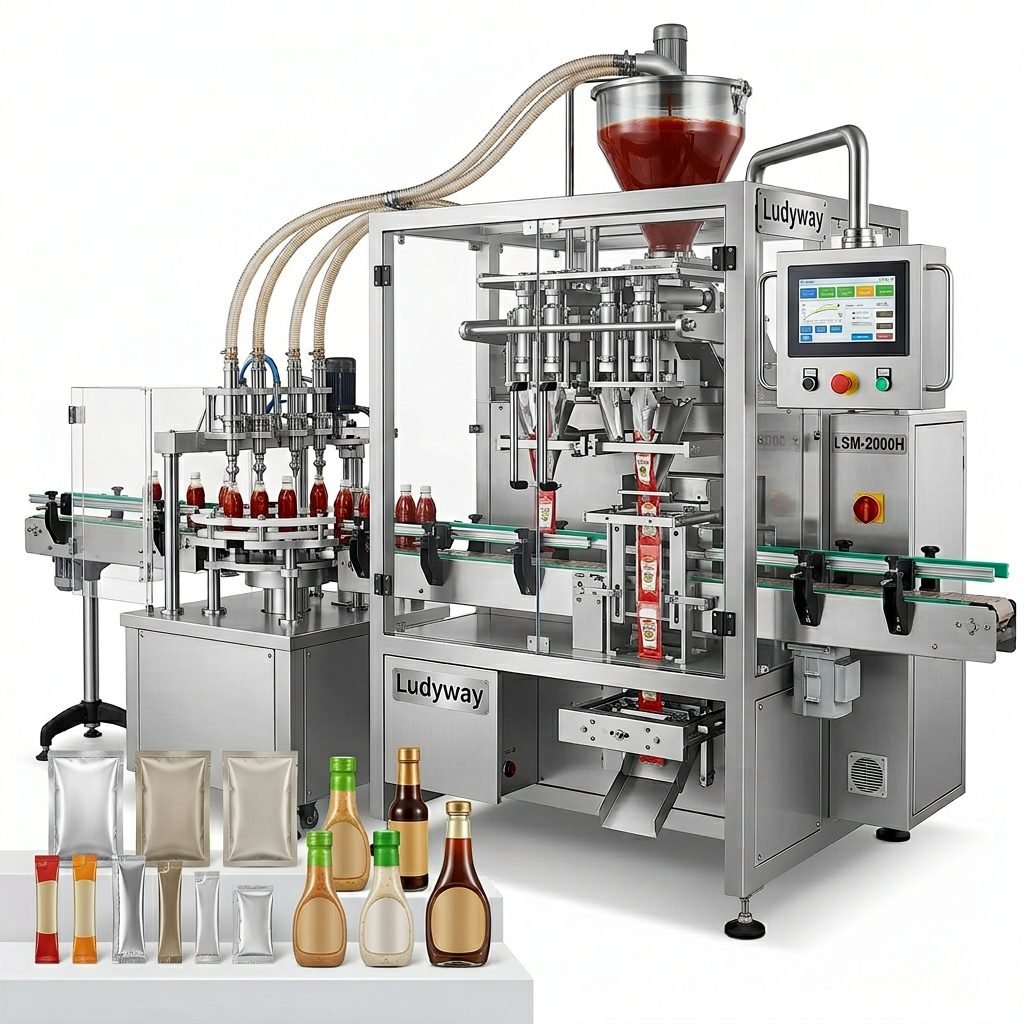
Liquid Filling Systems
The filling unit dictates the accuracy of your production line. A piston filler is ideal for high-viscosity products like mayonnaises and thick dressings, while a gravity-time or volumetric pump filler works well for free-flowing soy sauce or vinegar. Integrated systems often feature CIP (Clean-in-Place) functions essential for minimizing downtime during recipe changes.
Supporting Turnkey Equipment
- Inline Checkweighers: Reject under/over-weight pouches automatically.
- Liquid Mixing Tanks: Homogenize ingredients before the product enters the filler.
- Batch Coding Machines: Print expiration dates and lot numbers as per South American labeling regulations.
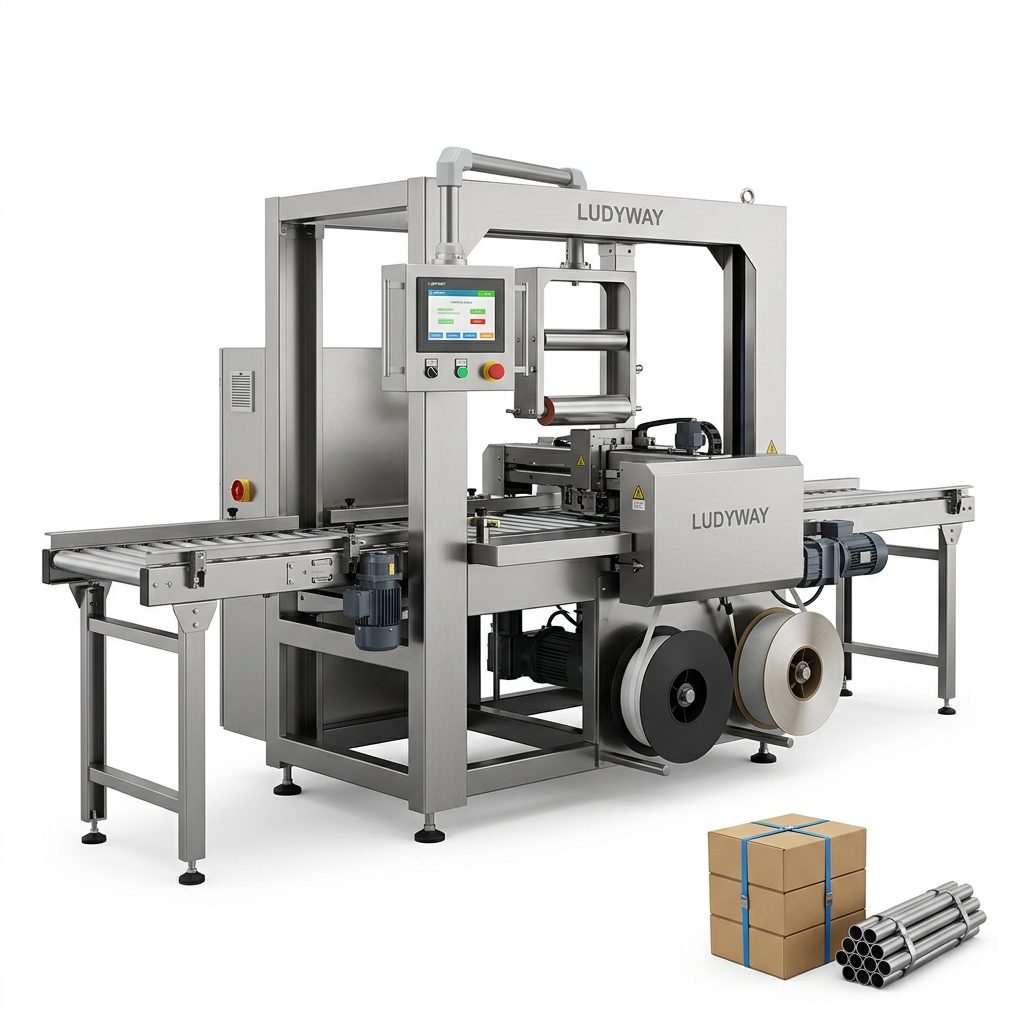
- Automatic Cartoning: Groups pouches into retail cartons for supermarket distribution.
2. Key Cost Factors for South American Operations
Budgeting for a sauce packaging line in South America must account for import duties, local logistics, and the specific performance level required. While a basic semi-automatic line might start at a lower threshold, industrial high-speed production demands a larger capital injection.
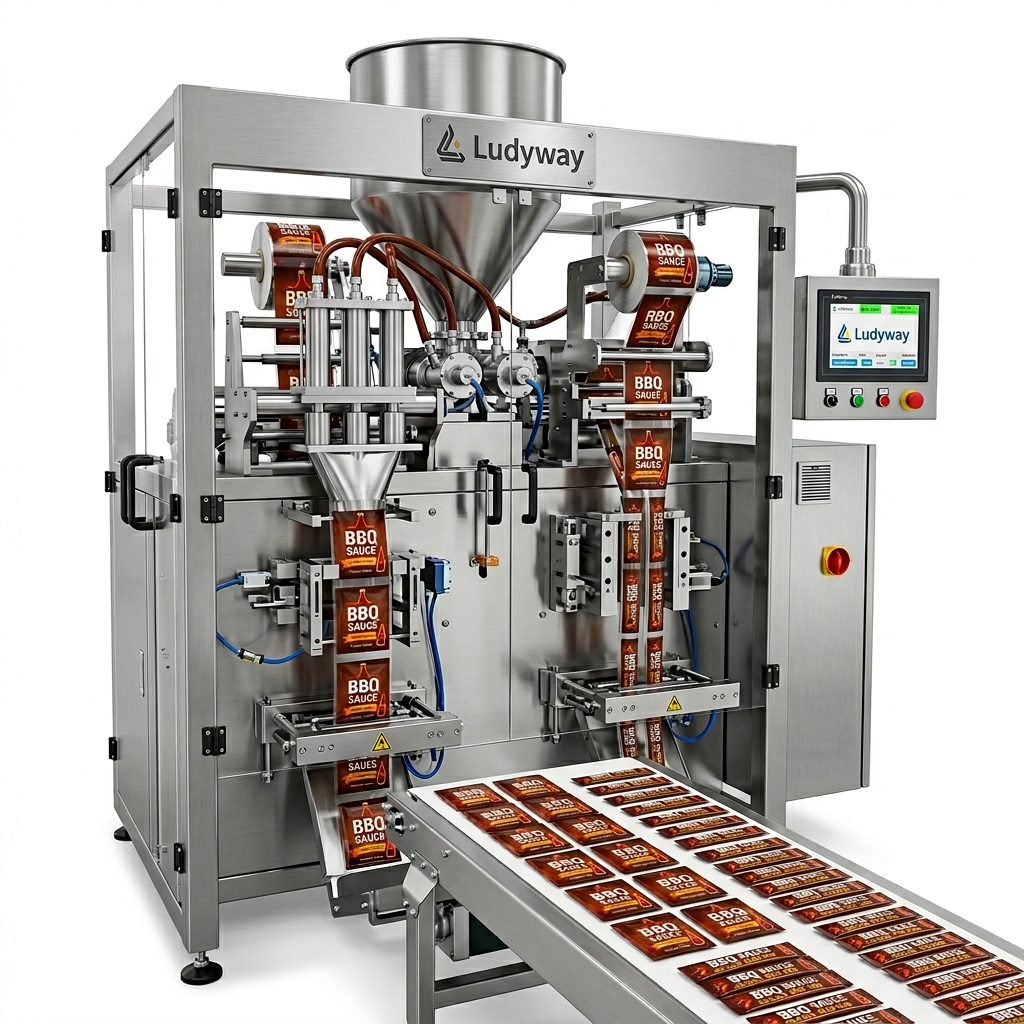
| Cost Category | Estimated Price (USD) | Key Variables |
|---|---|---|
| Multi-lane Sachet Machine (6-8 lanes) | $35,000 – $90,000 | Speed, number of lanes, film pull type |
| High-Accuracy Piston Filler | $8,000 – $18,000 | Viscosity handling, droplet volume |
| Auxiliary Equipment (Conveyors, Tanks, Coders) | $15,000 – $30,000 | Level of automation, capacity |
| International Shipping & Import Duties (CIF) | $10,000 – $25,000 | Destination port (Brazil, Peru, Chile, etc.) |
| Installation, Training & Technical Support | $5,000 – $12,000 | In-house vs. remote technician availability |
| Average Total Setup | $73,000 – $175,000 | Highly scalable to production needs |
3. Step-by-Step Setup Guide for Your Packaging Line
Compliance with ISO packaging standards and local South American food safety laws dictates the setup order. Rushing installation leads to errors. Follow these four phases to mitigate risk.
Step 1: Define Your Production Goals and Format
Decide on the pouch style. Are you targeting the ketchup sachet market, a trendy spout pouch, or stick packs for single-serve hot sauce? Establish your required packs per minute (PPM). A small startup might need 40 PPM, while a national brand supplying across major supermarkets typically demands 200-400 PPM.
Step 2: Select a Reliable Manufacturer with Turnkey Capabilities
The cheapest machine rarely offers the best value in high-moisture applications. This is where engineering support matters. For instance, Ludyway, known for robust stainless steel builds and specialized sealing jaws for liquid-proof pouches, provides integration expertise that prevents common issues like leakers and seal contamination. Always request a Factory Acceptance Test (FAT) via video before shipping.
Step 3: Plan Your Factory Layout and Utilities
Ensure your facility floor is level and equipped with proper drainage. Sauce filling generates splashing, requiring clean, dry air for pneumatic components. You will need access to three-phase power (commonly 220V/380V in South America, but specify with your supplier) and an air compressor delivering at least 0.6 MPa consistently.
Step 4: Installation, Staff Training, and Trial Runs
On-site commissioning is essential. Train operators on adjusting the vertical seal and horizontal sealing temperatures; incorrect calibration leads directly to burst pouches. Plan for a week of trial runs using vegetable oil or water before introducing actual production sauce to fine-tune the piston travel and cutoff points.
4. Navigating Regional Challenges and Logistics
Shipping machinery to South America involves navigating complex customs and transport regulations. Partnering with a machinery supplier that has experience exporting to the region will streamline the process.
- Import Documentation: Ensure you have the commercial invoice, packing list, and bill of lading. Some countries like Brazil require a RADAR license for importers.
- Spare Parts Planning: Keep a stock of critical wear items like sealing jaws, thermocouples, and heater cartridges. Air-freighting a 2kg spare part costs far less than stopping a production line for a week.
- Language Support: Opt for machines with bilingual or clear pictogram HMI screens to cross the language barrier without limiting technical comprehension.
5. Frequently Asked Questions (FAQ)
Can I pack different sauce consistencies on the same machine?
Yes. A properly configured multi-lane liquid filling machine can alternate between free-flowing soy sauce and chunky tomato pasta sauce. The secret lies in the filler type; opt for a servo-driven piston filler with interchangeable heads and an agitator in the hopper to handle particulates without clogging.
What is the typical Return on Investment (ROI) for these machines?
In the South American market, stick packs and small sachets have a booming “on-the-go” appeal. Companies typically see a dramatic drop in cost per unit compared to manual filling. Depending on the machine’s utililization rate and local labor costs, many operations achieve full ROI within 12 to 24 months by eliminating hand-filling bottlenecks and reducing product giveaway.
How critical is it to follow flexible packaging industry trends?
Very critical. The Flexible Packaging Association consistently reports a shift toward lightweight, resealable pouch formats to reduce logistics costs—a vital edge in the growing South American e-commerce grocery sector.
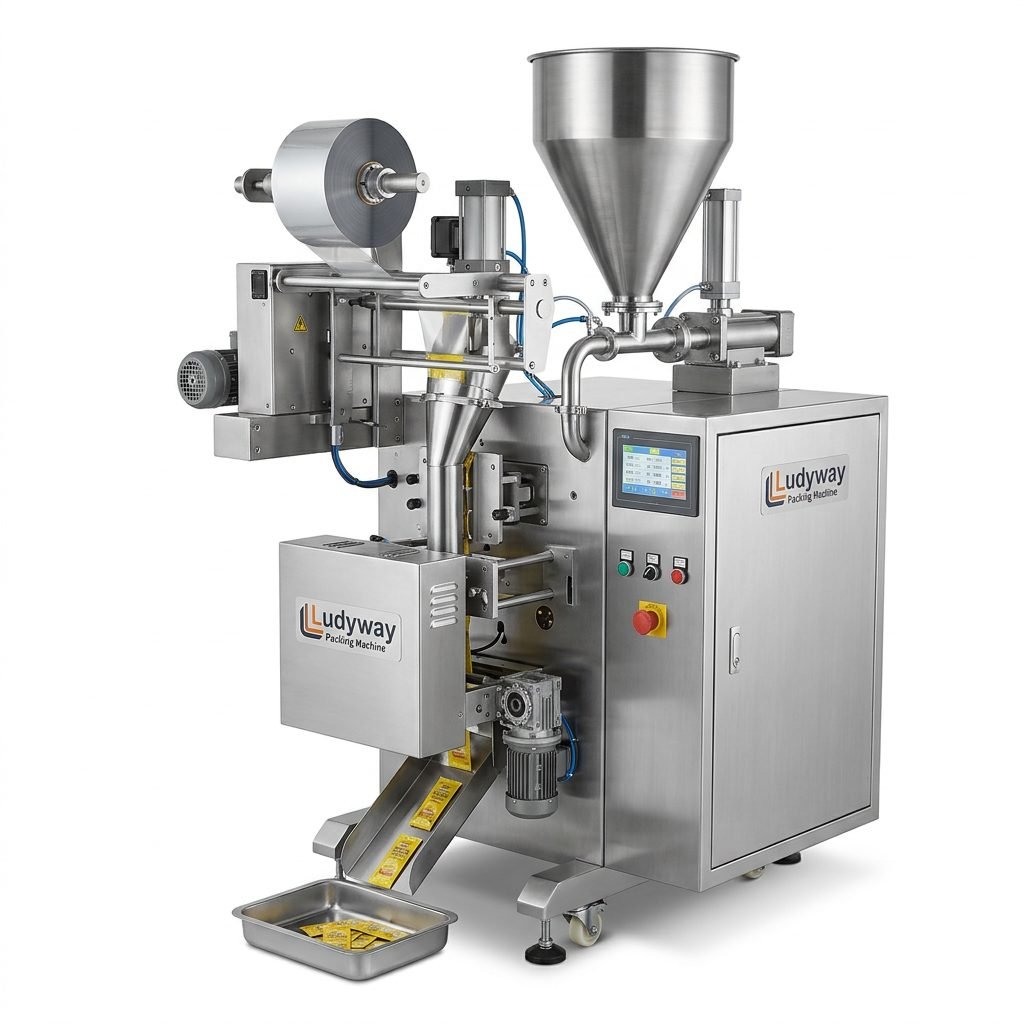
By meticulously planning your sauce pouch packaging line, selecting the right equipment, and accounting for South American logistical requirements, you can secure a profitable slice of the region’s robust consumer market. Proper due diligence in machine selection guarantees your product stays fresh from the filler to the final consumer.