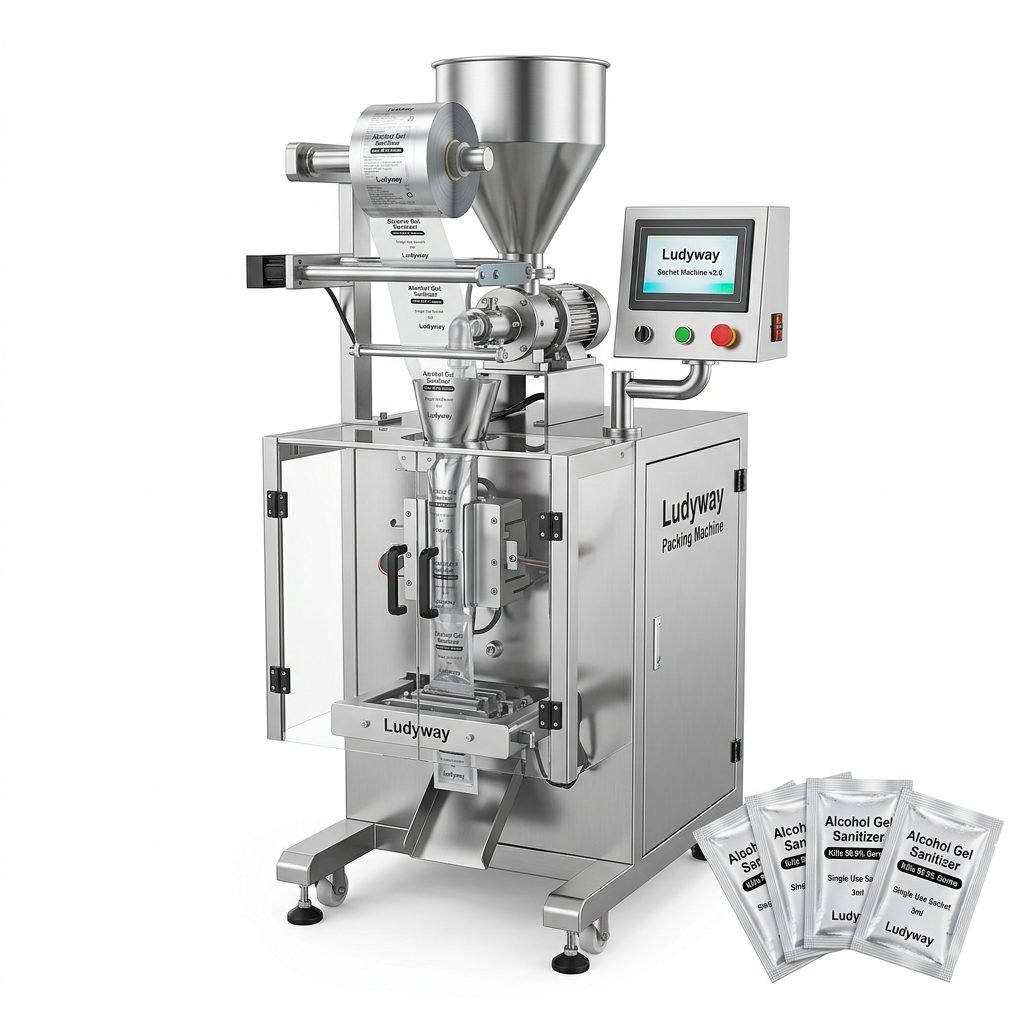
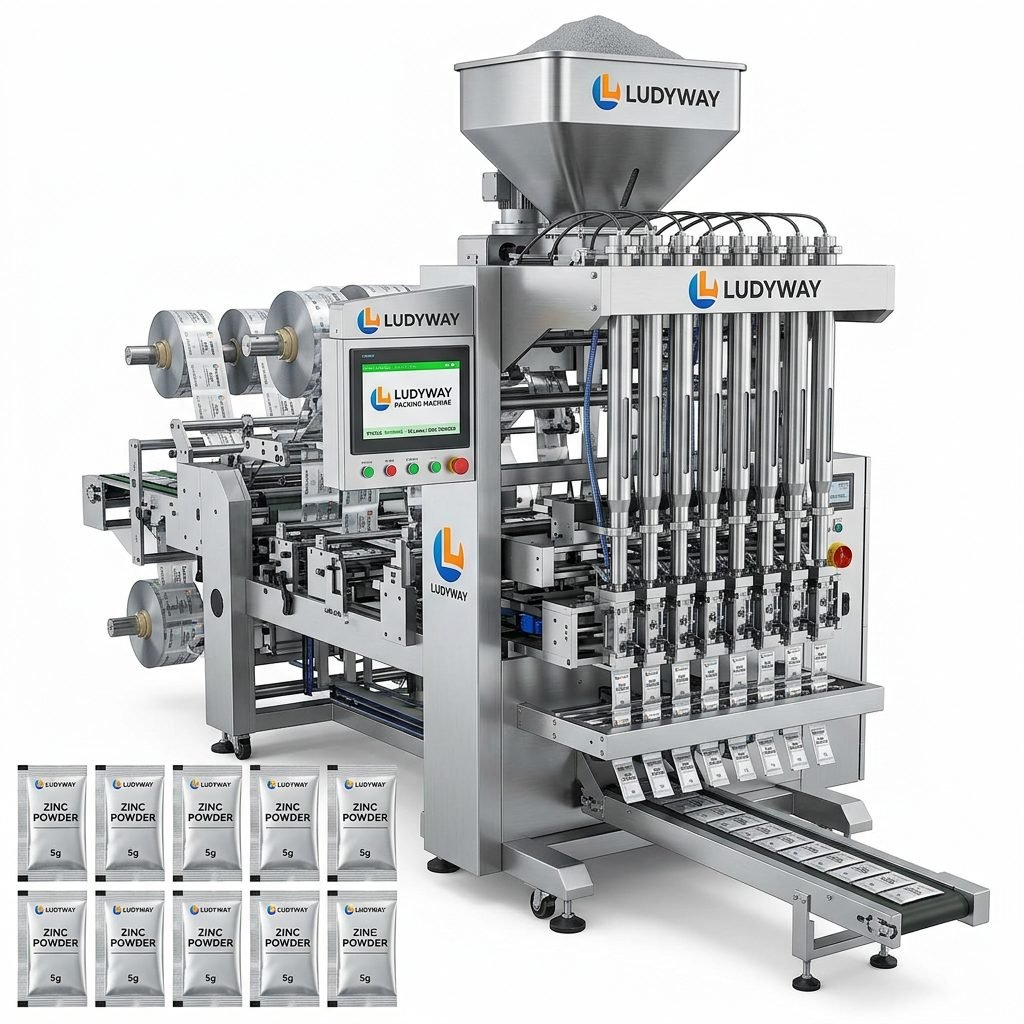
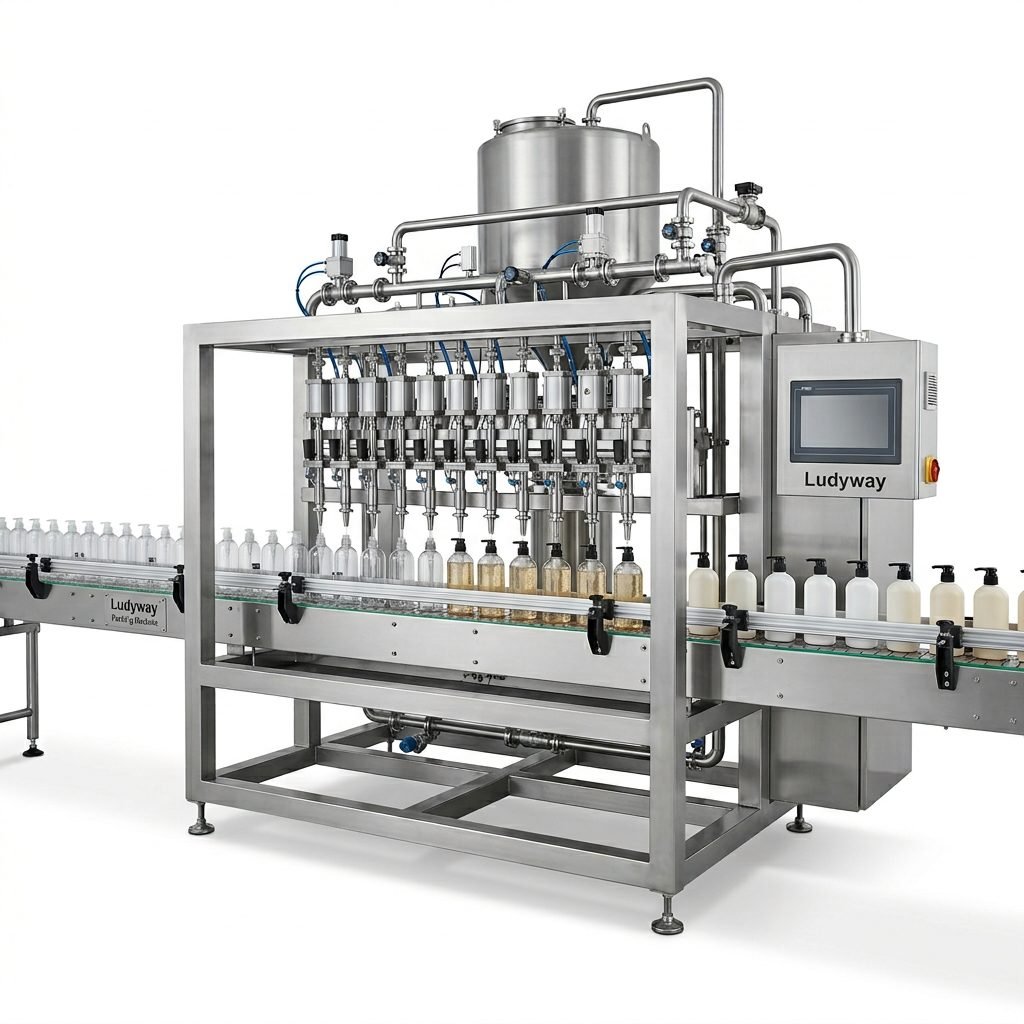
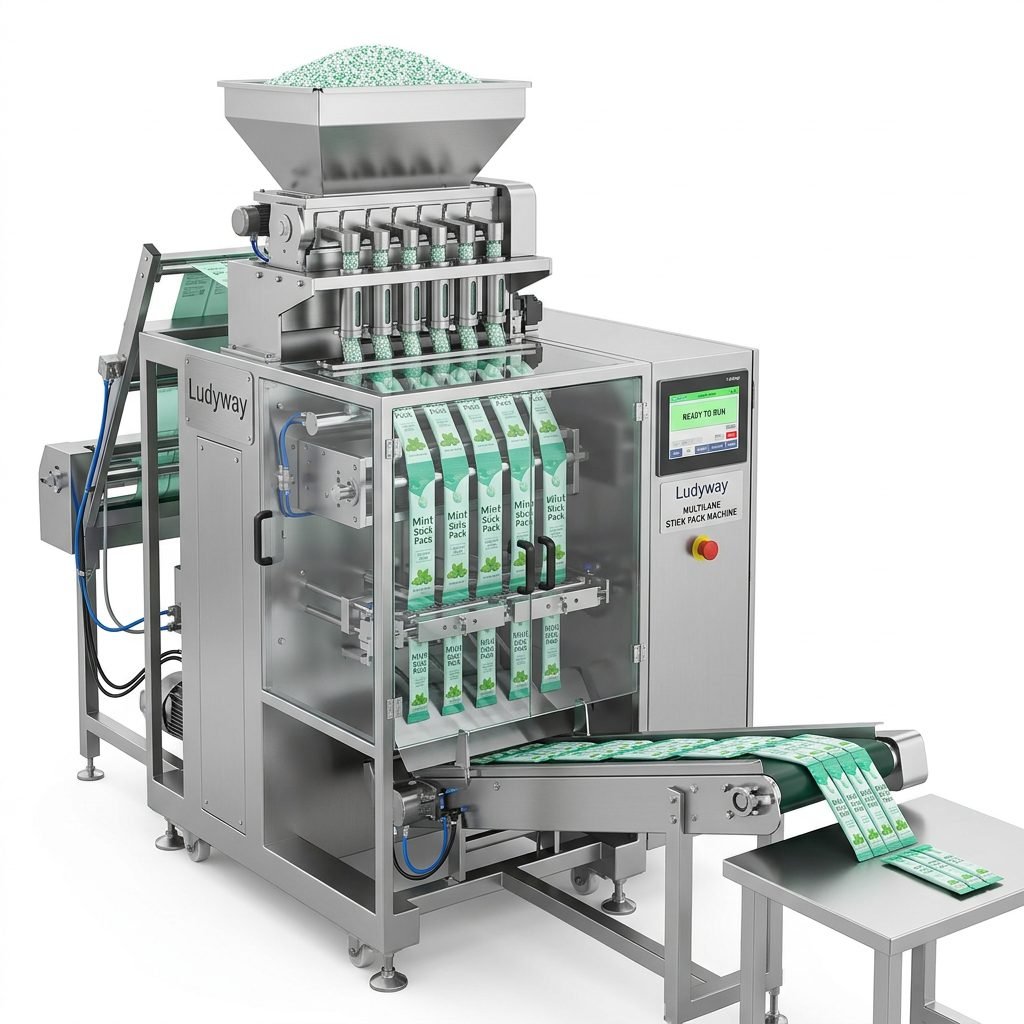
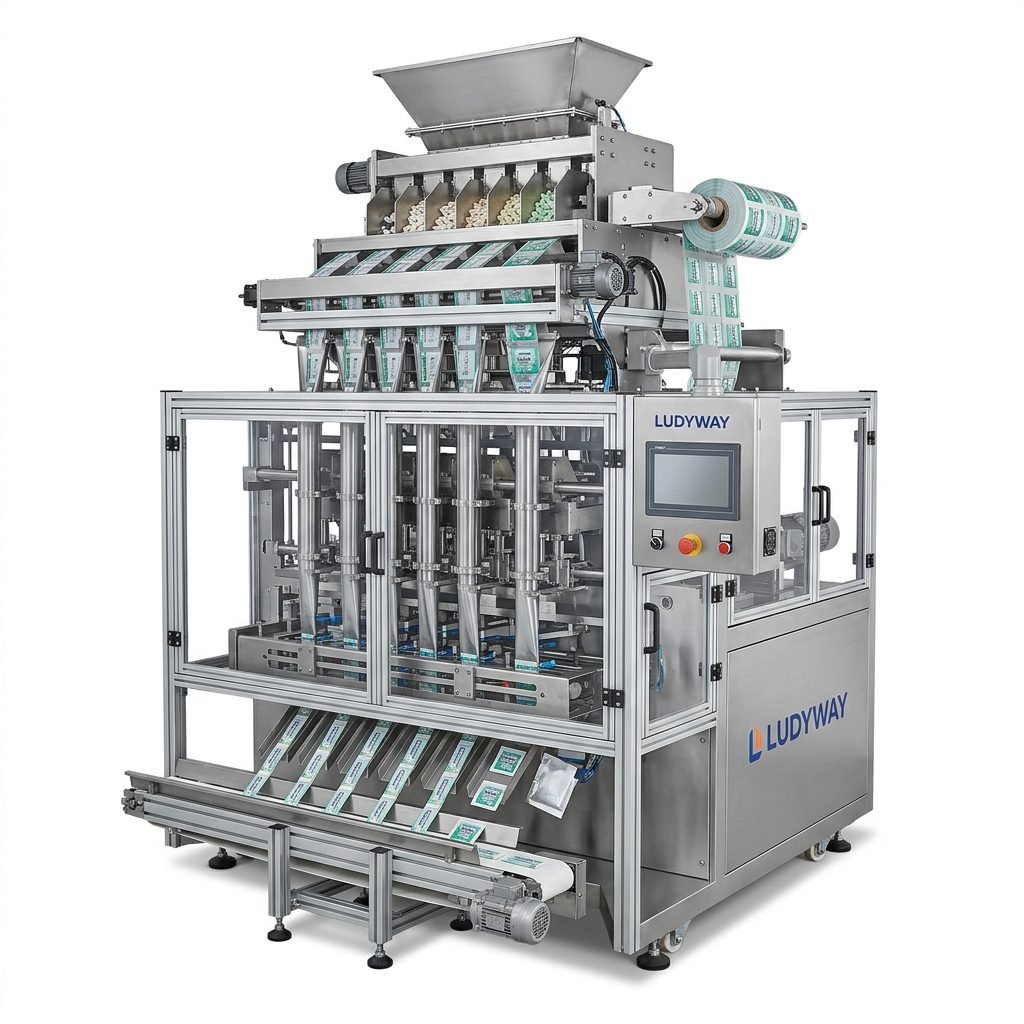
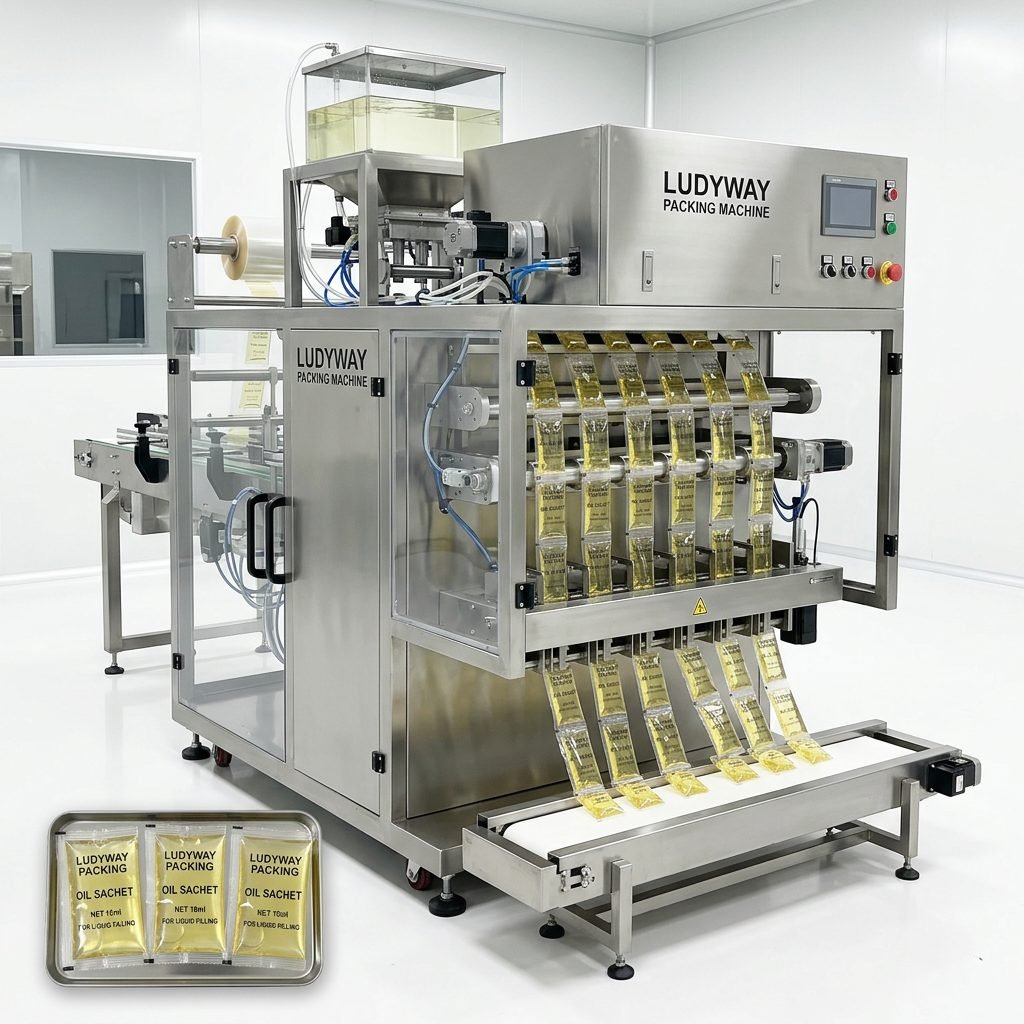
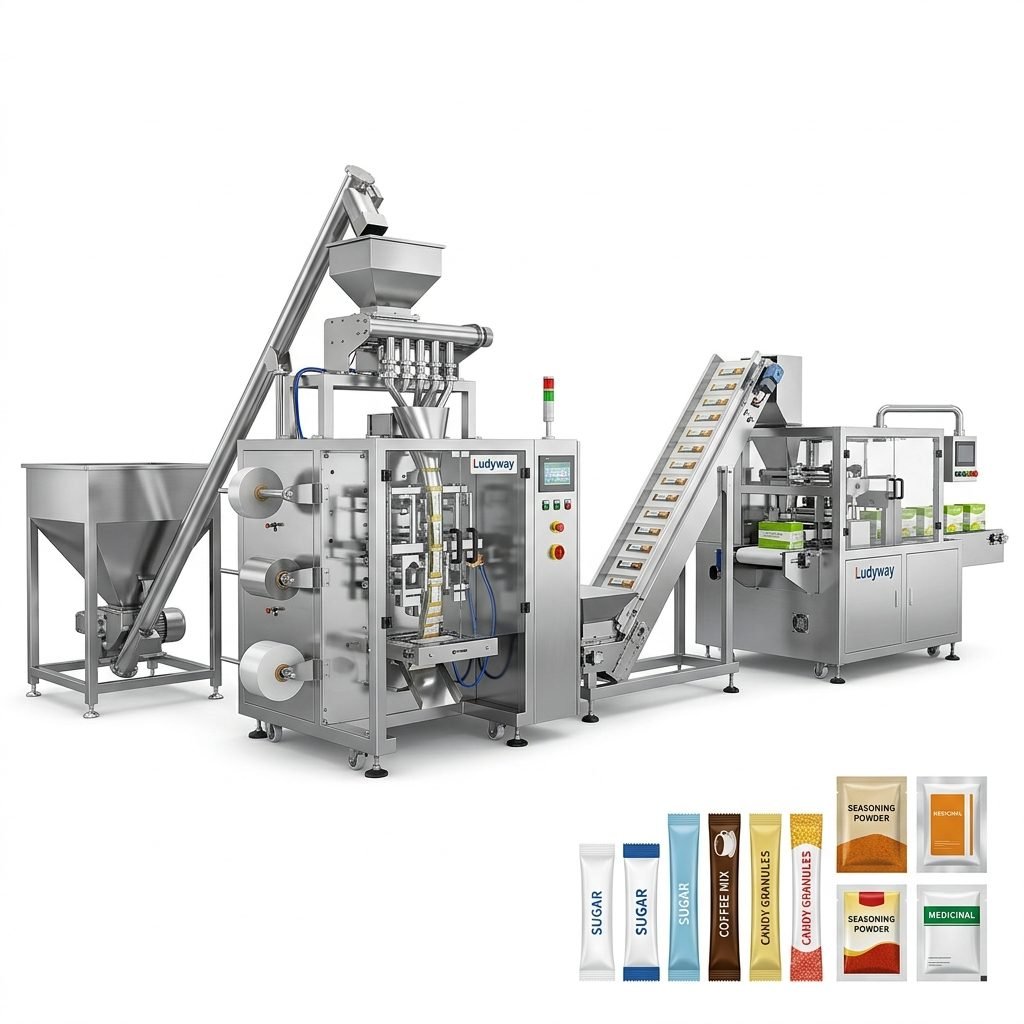
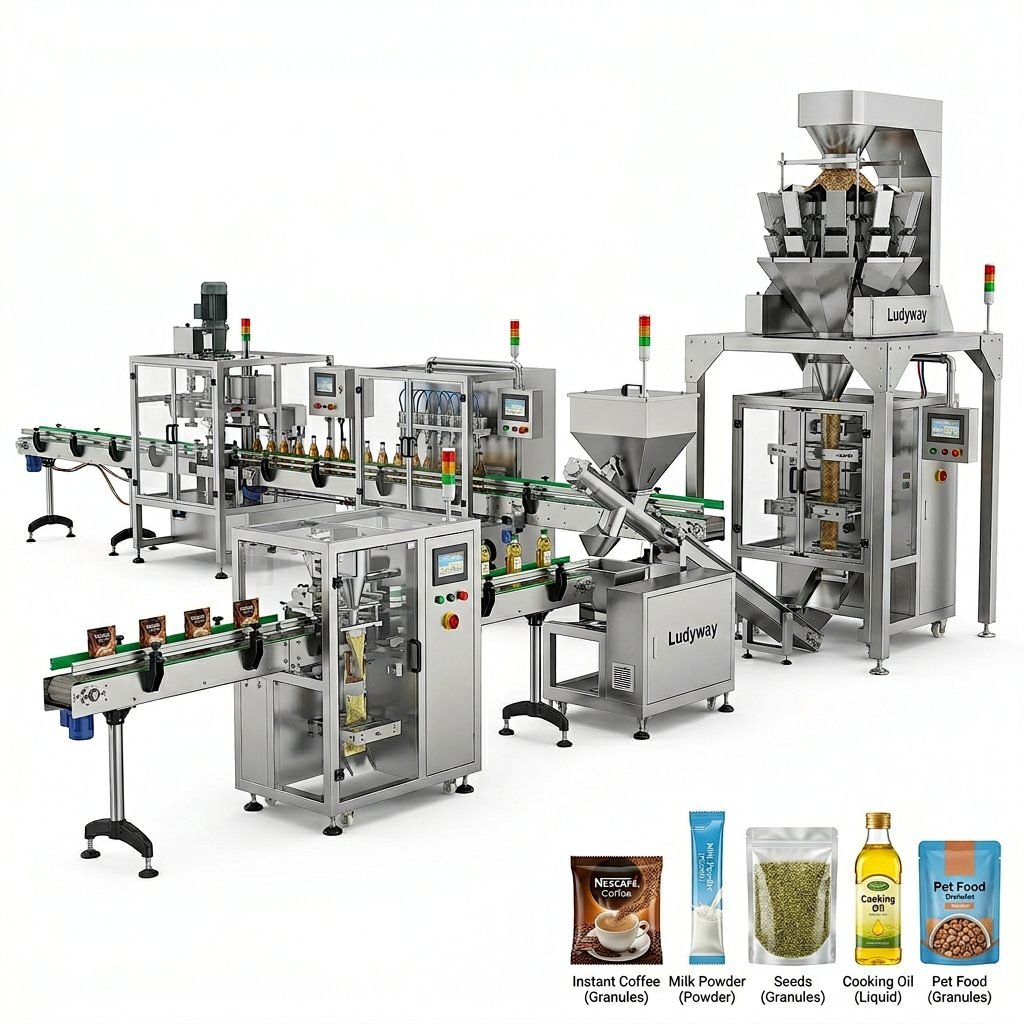
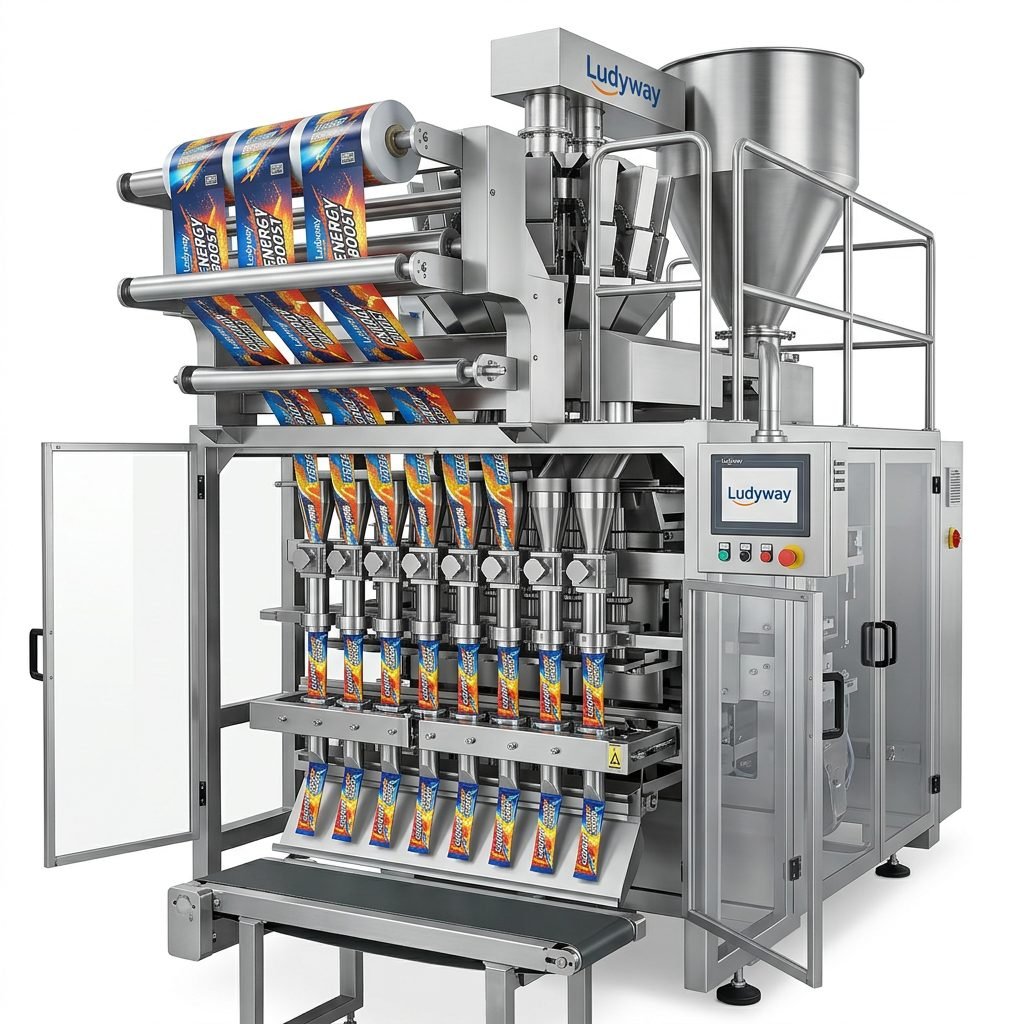
In the fast-paced world of food manufacturing, the role of the Food Packaging Machine Operator is crucial. These skilled professionals are the backbone of the packaging line, ensuring that products are sealed, labeled, and prepared for distribution safely, efficiently, and in compliance with strict industry standards. From snacks and beverages to frozen goods and dairy products, their work directly impacts product quality, shelf life, and brand reputation. This article delves deep into the job description, essential skills, salary expectations, and potential career paths for those in this vital field.
Detailed Job Description & Core Responsibilities
A Food Packaging Machine Operator is responsible for setting up, operating, monitoring, and maintaining the machinery that packages food items. Their day-to-day tasks are diverse and require a keen eye for detail.
Primary Duties and Tasks
Machine Setup and Calibration: This involves installing the correct packaging materials (like films, pouches, or cartons), adjusting machine settings for speed, temperature, and seal pressure, and performing initial test runs to ensure everything is aligned correctly before full production begins.
Operation and Monitoring: Once the line is running, the operator continuously monitors the equipment. They watch for issues like jams, misfeeds, incorrect sealing, or labeling errors. They are also responsible for feeding raw materials or pre-packaged items into the line as needed.
Quality Control and Inspection: A significant part of the role is conducting regular quality checks. Operators must inspect random samples from the production line to verify weight accuracy, seal integrity, date coding, and overall package appearance against quality standards.
Routine Maintenance and Troubleshooting: Performing basic cleaning, lubrication, and parts replacement as per maintenance schedules is essential. When a machine breaks down or malfunctions, the operator is often the first responder, diagnosing the problem and performing minor repairs or escalating it to maintenance technicians.
Record Keeping and Compliance: Operators must accurately log production data, downtime, maintenance activities, and any quality deviations. They ensure the packaging process adheres to Good Manufacturing Practices (GMP) and relevant food safety regulations like HACCP.
Essential Skills and Qualifications for Success
To excel as a Food Packaging Machine Operator, a blend of technical aptitude, soft skills, and specific knowledge is required.
Technical & Mechanical Skills
- Mechanical Aptitude: Understanding how machines work, including motors, conveyors, pneumatics, and sealing mechanisms, is fundamental.
- Troubleshooting Ability: The skill to quickly identify the root cause of a problem (e.g., a weak seal could be due to temperature, pressure, or film quality) and implement a solution is invaluable.
- Basic Computer Literacy: Modern packaging lines are often controlled by Programmable Logic Controllers (PLCs) and touch-screen interfaces. Comfort with entering data and navigating these systems is increasingly important.
Critical Soft Skills
- Attention to Detail: Catching a tiny defect in a seal or an incorrect label can prevent a costly product recall.
- Reliability and Safety Consciousness: Production depends on consistent operator attendance. A strong commitment to workplace safety protocols protects both the individual and the product.
- Teamwork and Communication: Operators work closely with line supervisors, quality assurance staff, and maintenance crews. Clear communication about issues or production changes is key.
- Problem-Solving Mindset: Production lines are dynamic, and challenges arise constantly. A proactive approach to solving problems keeps the line running smoothly.
Preferred Education and Certifications
While a high school diploma or GED is often the minimum requirement, relevant vocational training or an associate degree in mechatronics, industrial maintenance, or a related field is a strong advantage. Certifications in forklift operation, food safety (like SQF or BRCGS), or specific machine training from manufacturers like Ludyway Packing Machine can significantly enhance a candidate’s profile.
Salary Expectations and Influencing Factors
The salary for a Food Packaging Machine Operator can vary widely based on several factors.
Average Salary Range
In the United States, the average hourly wage typically falls between $16 and $25 per hour, with an annual salary range of approximately $35,000 to $52,000. Entry-level positions start on the lower end, while experienced operators or those with specialized skills can command higher wages.
Key Factors Affecting Pay
- Experience and Expertise: Years on the job and proficiency with complex machinery directly increase earning potential.
- Industry and Employer: Operators in pharmaceuticals or high-value food sectors often earn more than those in basic commodity packaging.
- Geographic Location: Wages are generally higher in regions with a high cost of living or concentrated manufacturing hubs.
- Shift Differentials: Working night shifts, weekends, or holidays usually comes with premium pay.
- Union Membership: In some facilities, unionized positions have negotiated higher wages and benefits.
Career Path and Future Advancement Opportunities
A position as a Packaging Machine Operator is not a dead-end job; it can be the first step on a rewarding career ladder within manufacturing.
Typical Career Progression
1. Entry-Level Operator / Assistant: Learns basic machine operations and line procedures.
2. Skilled Machine Operator: Handles setup, complex operation, and troubleshooting of one or more primary machines.
3. Senior Operator / Line Lead: Takes on leadership duties, trains new operators, and oversees a specific packaging line’s overall performance.
4. Packaging Technician / Maintenance Mechanic: Shifts focus to advanced troubleshooting, preventive maintenance, and repair of packaging equipment. This role often requires additional technical training.
5. Supervisor / Production Manager: Moves into management, responsible for scheduling, personnel, meeting production targets, and ensuring quality and safety standards for an entire shift or department.
Specialization and Growth Areas
Operators can specialize in specific types of packaging machinery, such as form-fill-seal (FFS) machines, cartoners, or palletizers. With the rise of Industry 4.0, there is growing demand for skills in automated systems, robotics integration, and data analytics from packaging lines. Pursuing continuous education in these areas can open doors to roles in automation engineering or production planning.
Companies that invest in advanced technology, such as those offering intelligent packaging machine models and turnkey solutions, often provide more opportunities for operators to upskill and work with cutting-edge equipment, thereby accelerating their career growth.
Frequently Asked Questions (FAQs)
What is the most challenging part of being a Food Packaging Machine Operator?
The most challenging aspect is often managing the pressure of maintaining high-speed production while ensuring consistent, flawless quality. Troubleshooting complex mechanical or electrical failures under time constraints requires a calm and systematic approach.
Is this job physically demanding?
It can be. Operators may be on their feet for most of a shift, may need to lift moderate weights (like bags of material or machine parts), and may perform repetitive motions. However, ergonomic improvements and automation are continuously reducing the physical strain in modern facilities.
What are the best ways to get started in this career?
Look for entry-level operator positions in food manufacturing plants. Highlight any mechanical experience, even from hobbies or previous jobs. Enrolling in a technical college program for industrial maintenance or mechatronics is an excellent foundation. Networking with staffing agencies that specialize in manufacturing can also be effective.
How important is food safety knowledge in this role?
It is absolutely critical. Operators must understand and follow protocols to prevent contamination. Knowledge of allergen control, sanitation procedures, and GMP principles is non-negotiable and is a key part of daily responsibilities.
What is the job outlook for Packaging Machine Operators?
The outlook is generally stable. While automation may reduce the number of low-skill positions, it increases demand for skilled operators and technicians who can manage and maintain sophisticated equipment. There is consistent turnover and a need for reliable, trained personnel in this essential field.