In the competitive world of food production, the final step—packaging—is as crucial as the first. The right fresh food packaging machine not only protects your product’s quality and extends its shelf life but also serves as a powerful marketing tool on the retail shelf. This guide will navigate you through the different types of packaging machines, their key features, and the critical factors to consider when choosing the best solution for your business.
Understanding the Different Types of Fresh Food Packaging Machines
The landscape of packaging machinery is diverse, with each type designed for specific product forms and market requirements. Selecting the correct machine type is the foundational step in your automation journey.
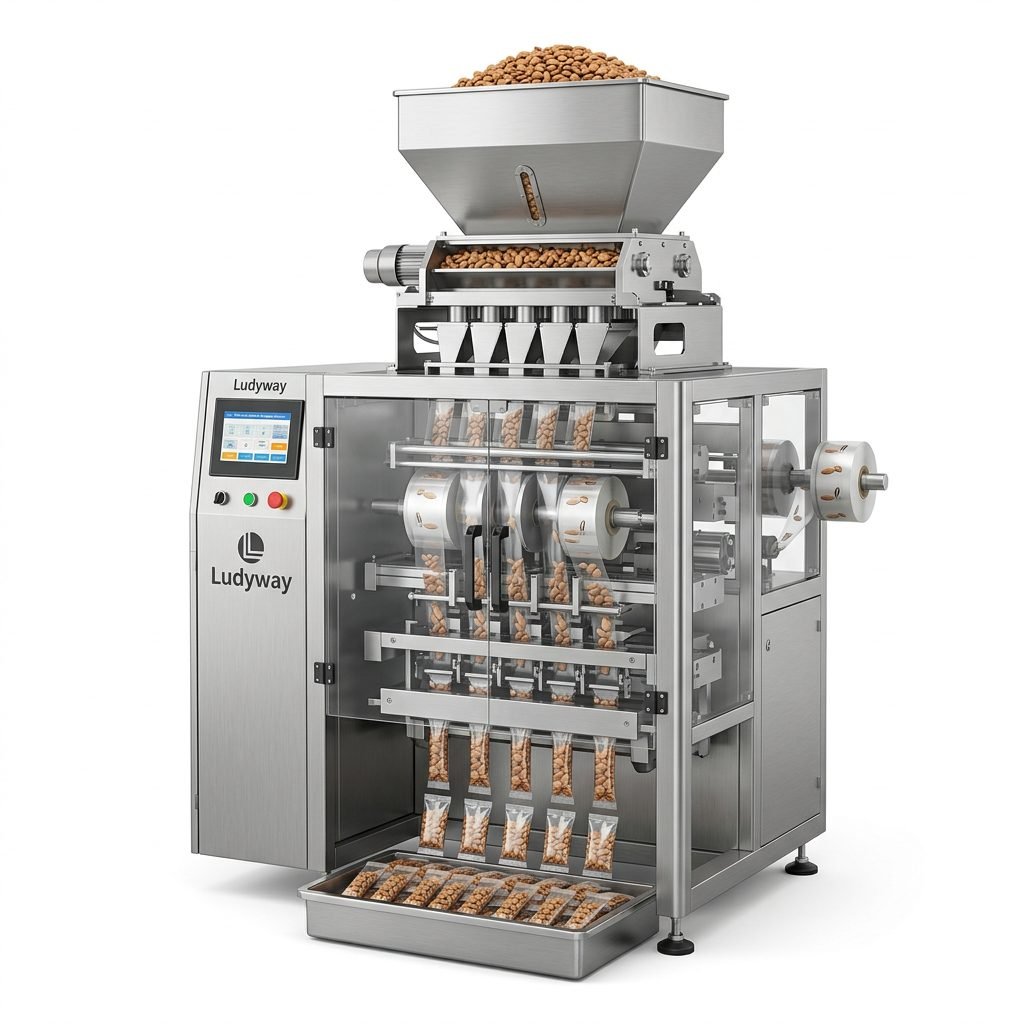
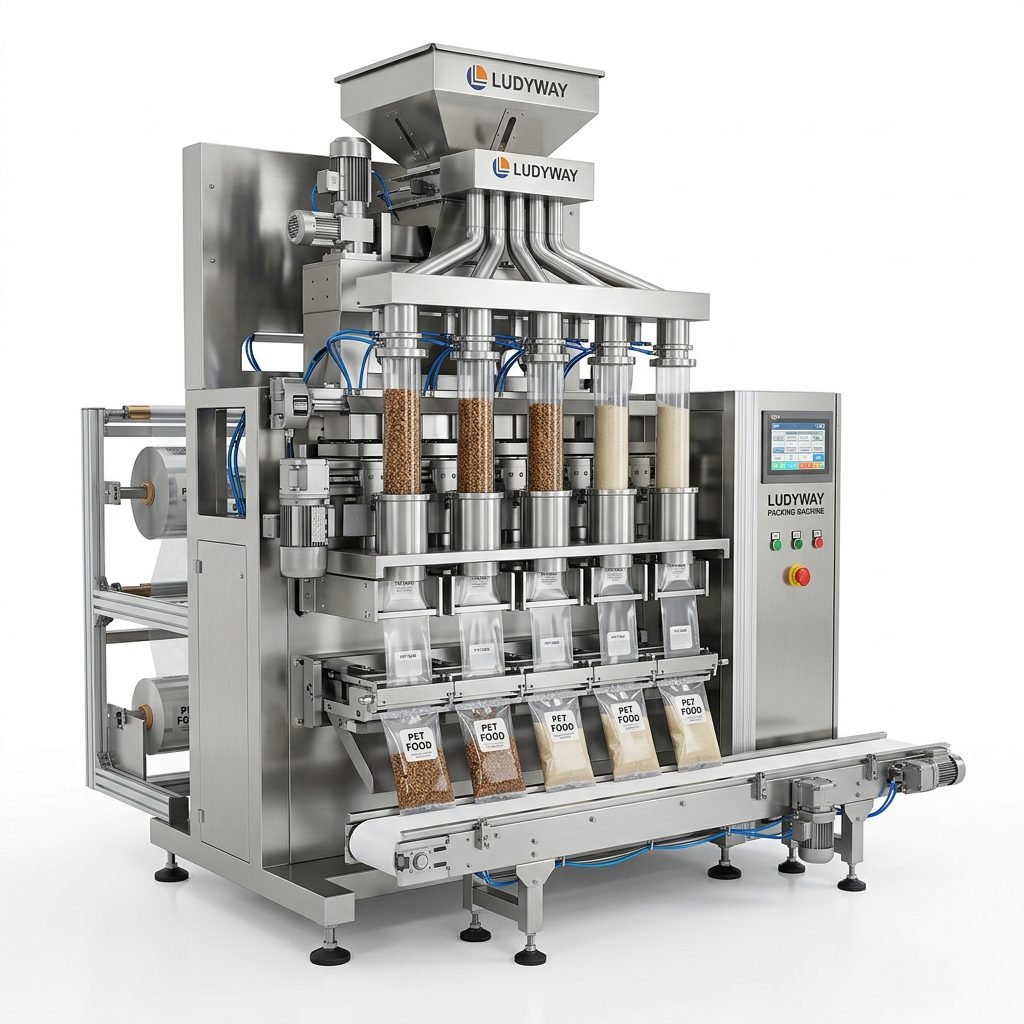
1. Vertical Form-Fill-Seal (VFFS) Machines
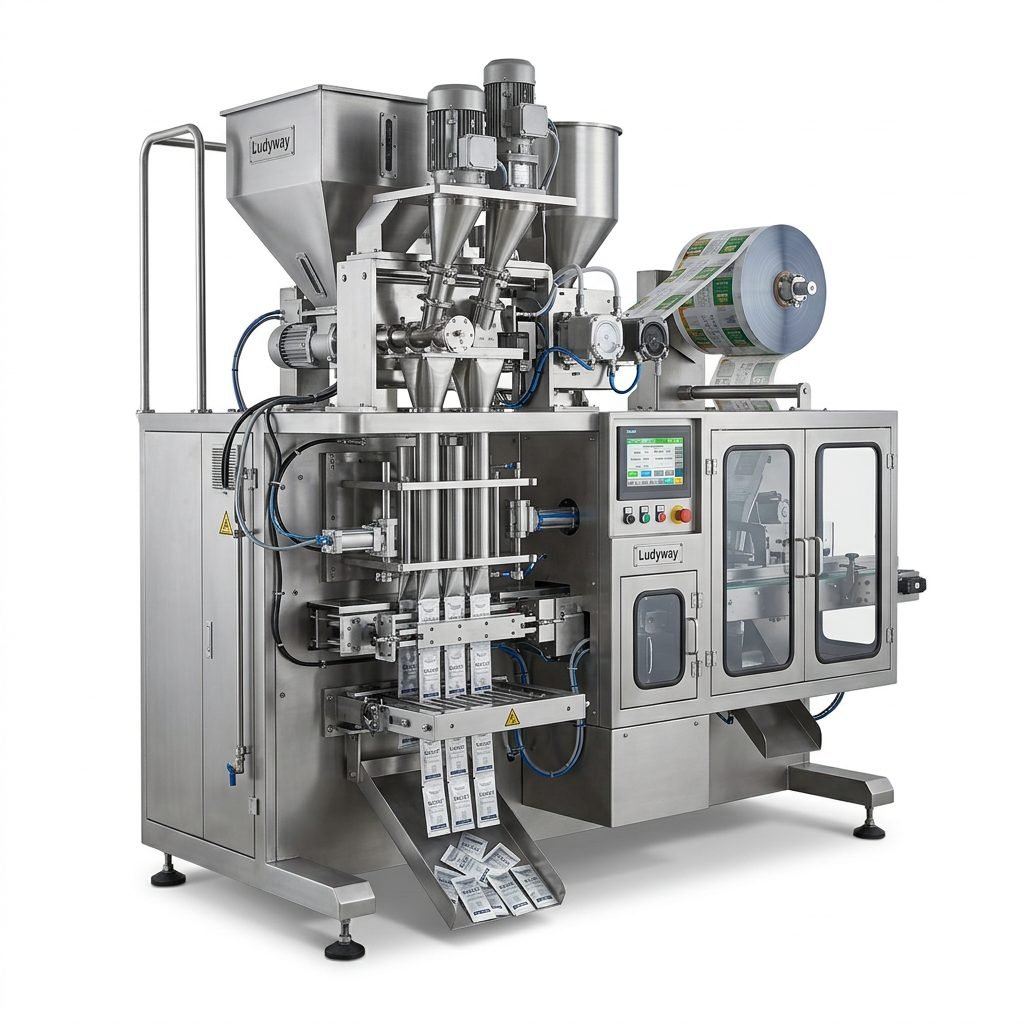
These are the workhorses of the industry for granules, powders, and small solid pieces like nuts, snacks, and frozen vegetables. A VFFS machine forms a bag from a roll of film, fills it with the product, and seals it—all in a continuous vertical motion. They are renowned for their high speed, efficiency, and flexibility in bag size and style.
Key Advantage: Ideal for high-volume production lines where space is limited, as they have a relatively small footprint.
2. Horizontal Form-Fill-Seal (HFFS) Machines
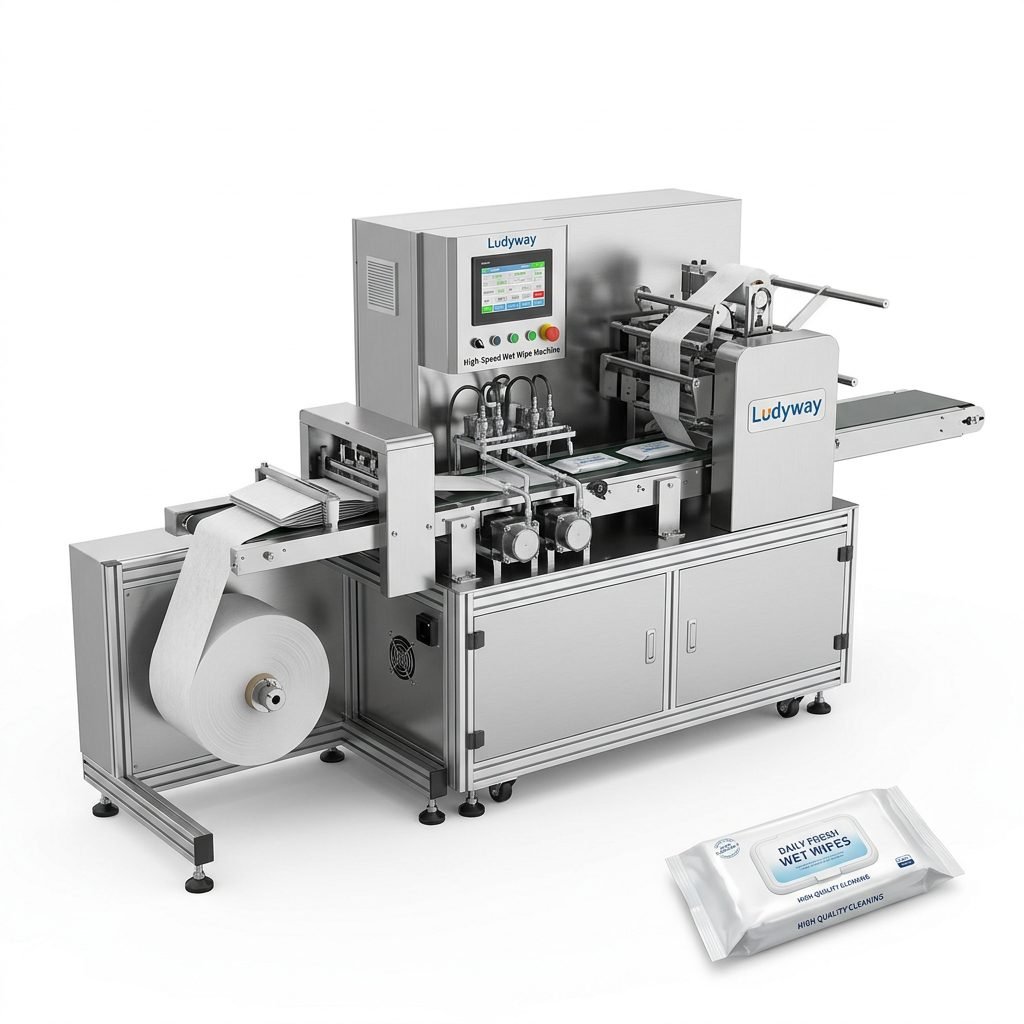
Perfect for biscuits, chocolate bars, sliced meats, and cheese portions. HFFS machines form pouches or trays horizontally, allowing for more complex presentations, multi-layer packaging, and the inclusion of cards or promotional materials. They often integrate with cartoning systems for a complete pack.
3. Thermoforming Machines
These machines are essential for fresh produce, meat, seafood, and ready meals that require a rigid or semi-rigid tray. They use heat to form plastic sheets into cavities, fill them with product (often under modified atmosphere for freshness), and seal with a lidding film. This method offers excellent product visibility and protection.
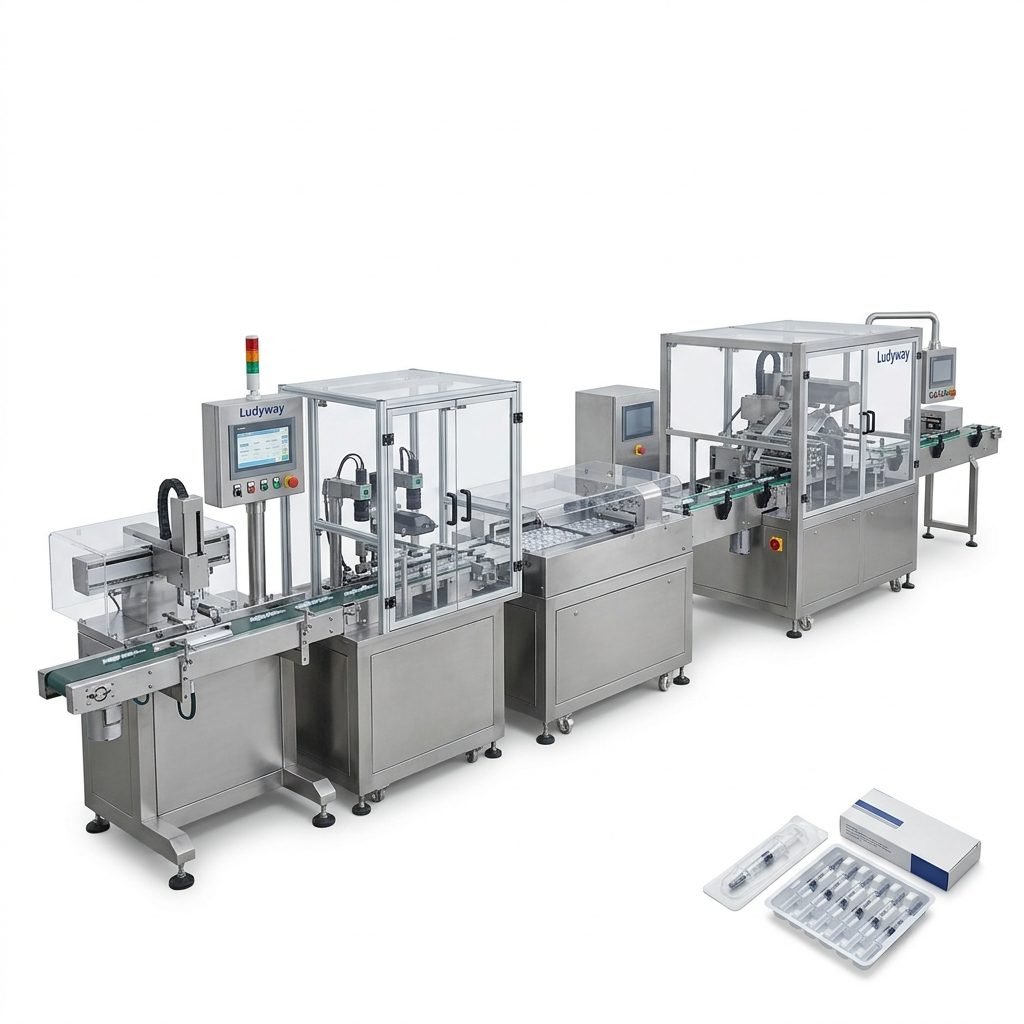
4. Vacuum and Modified Atmosphere Packaging (MAP) Machines
Critical for maximizing the shelf life of fresh meats, poultry, fish, and prepared salads. These machines remove air (vacuum) or replace it with a protective gas mixture (MAP) before sealing. This process dramatically slows down oxidation and bacterial growth, keeping food fresher for longer.
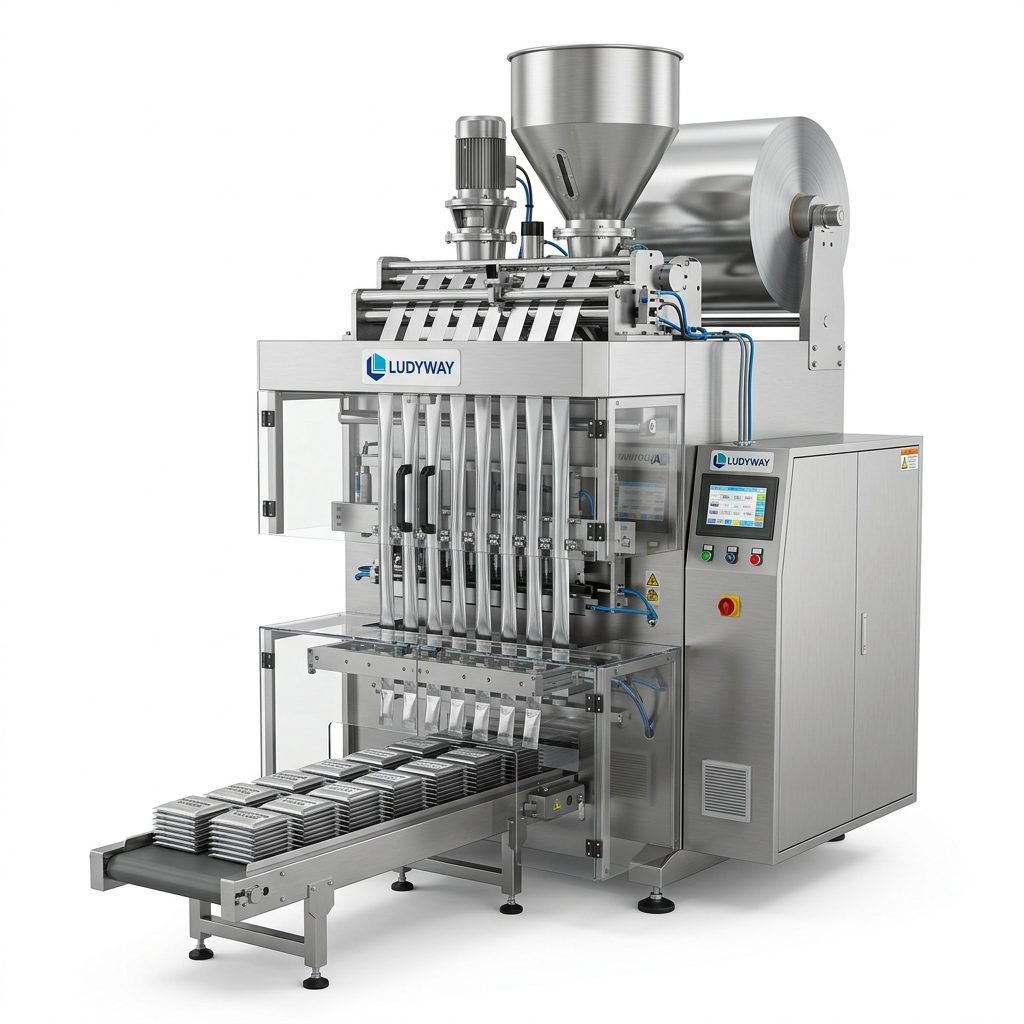
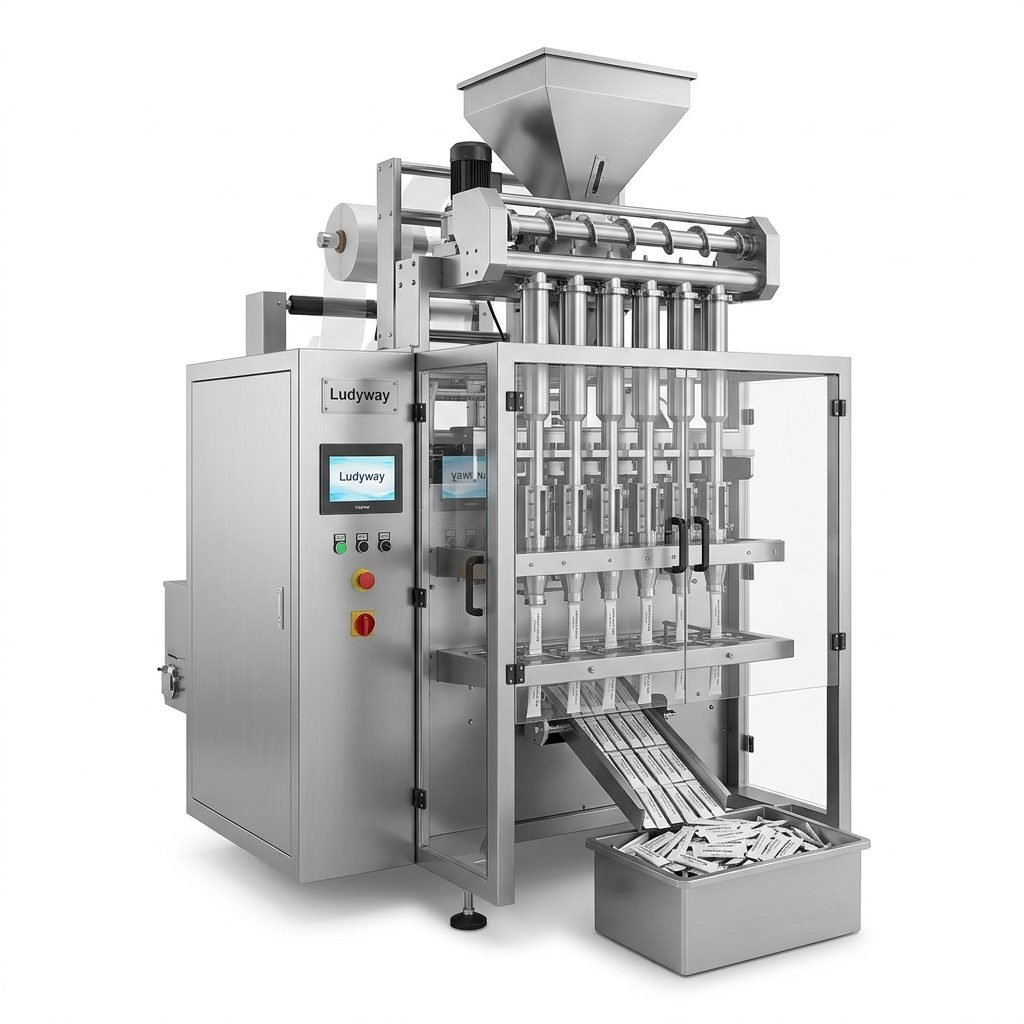
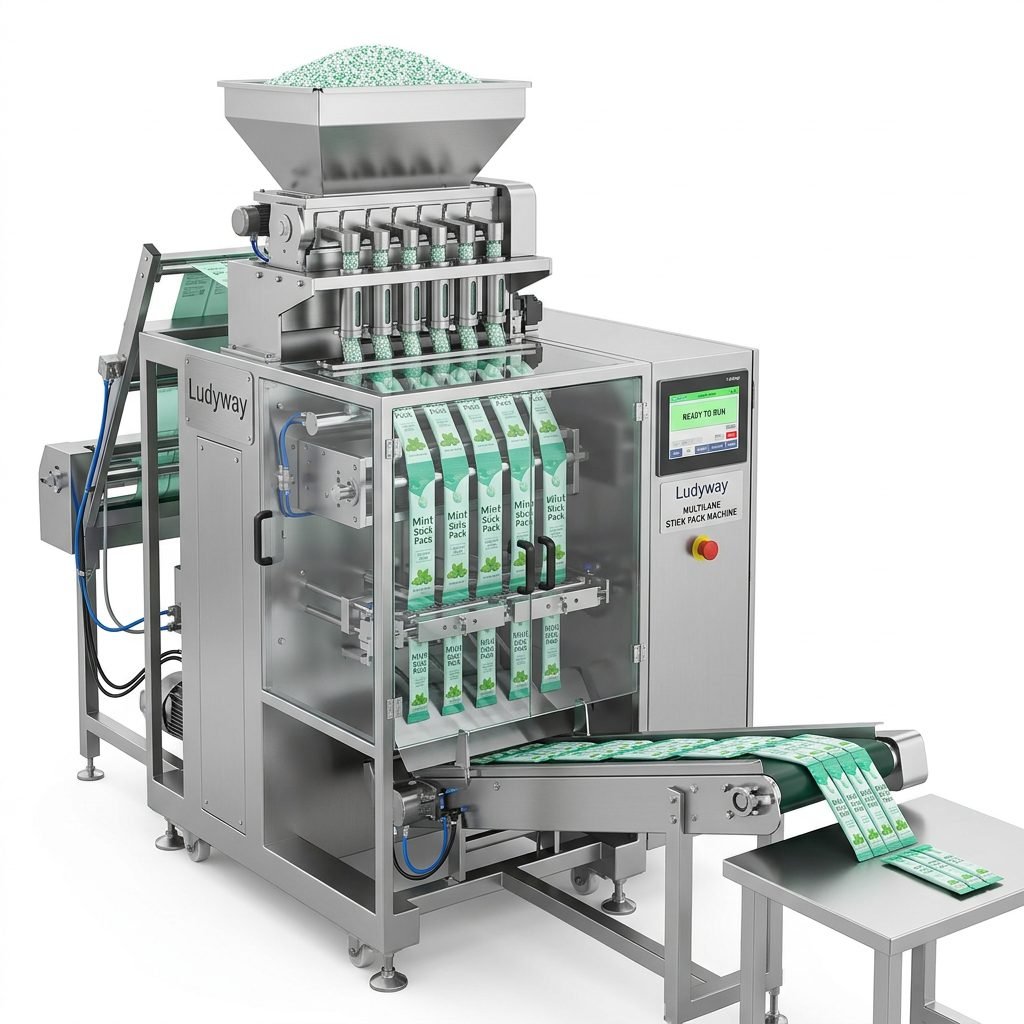
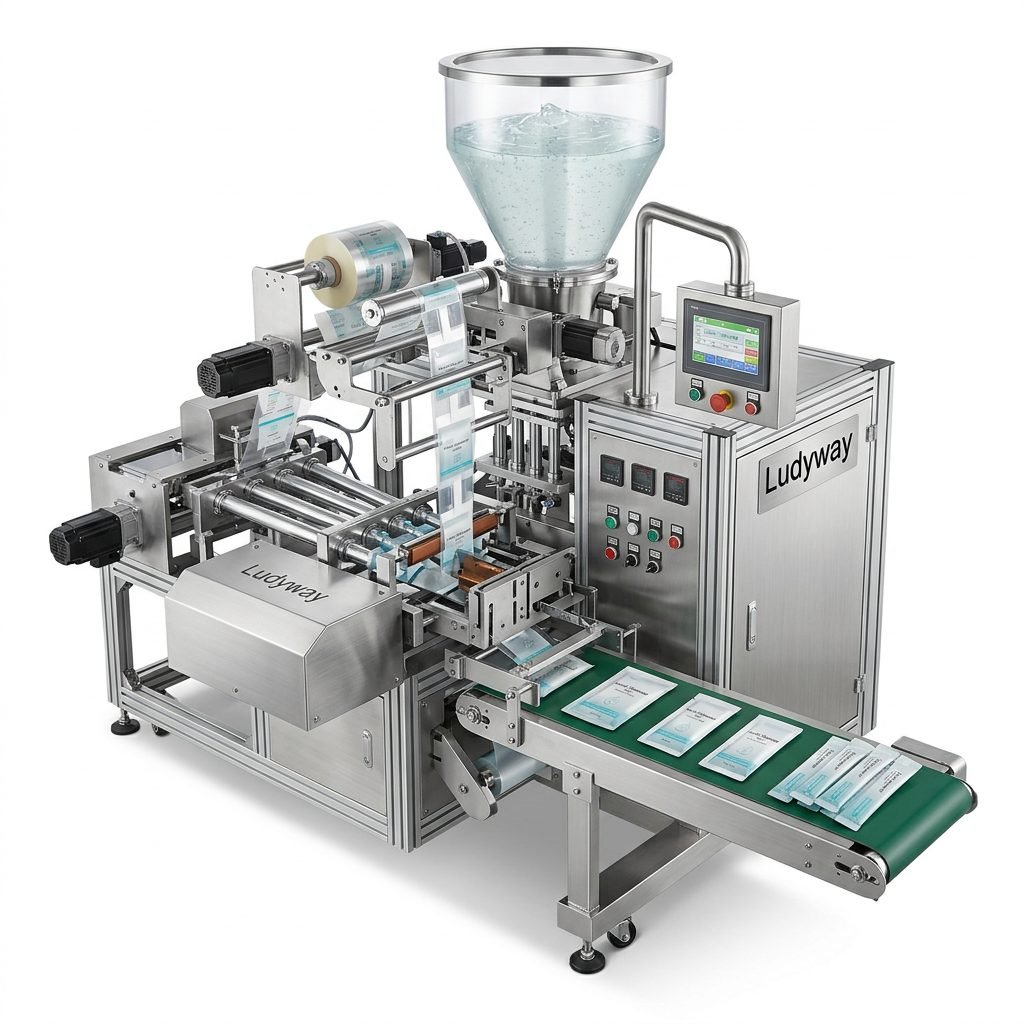
5. Sachet and Stick Pack Machines
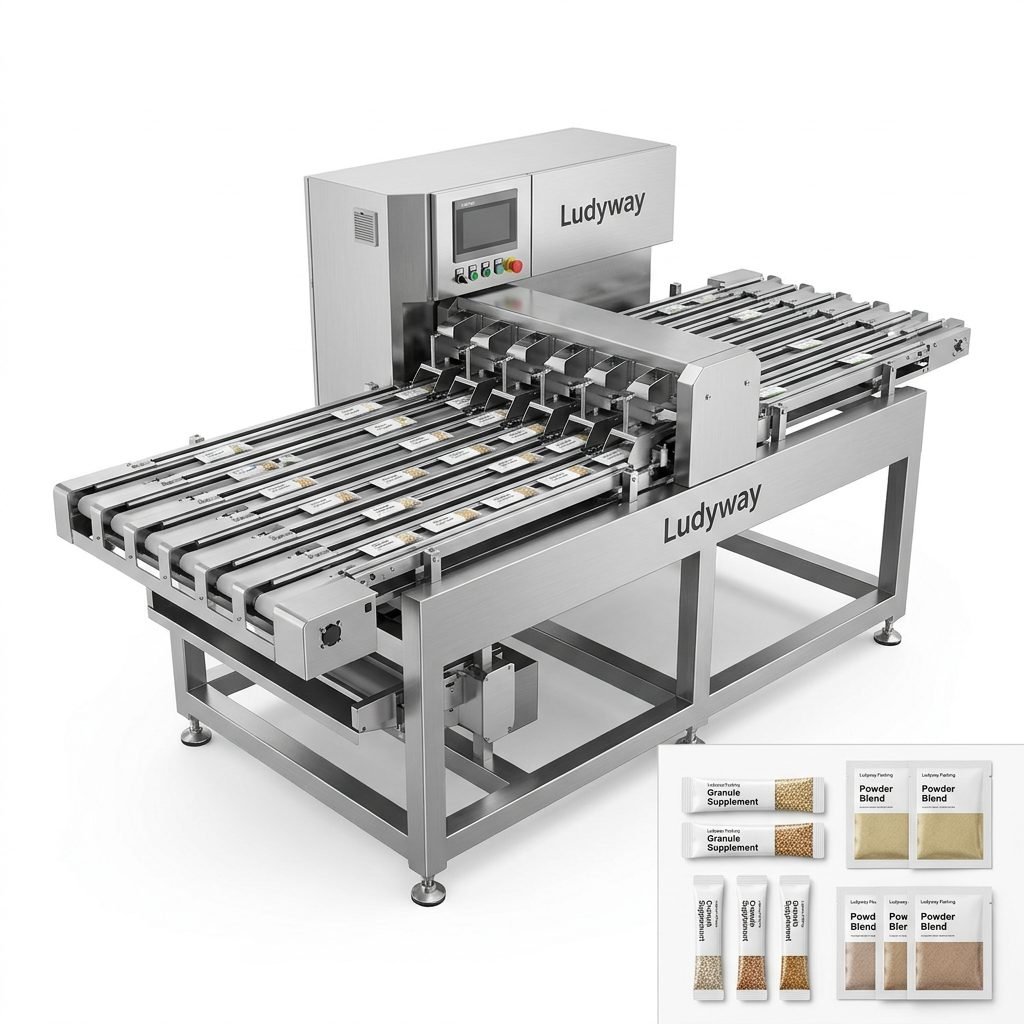
Designed for portions of sauces, dressings, condiments, powders (like instant coffee), and liquids. They create small, sealed pouches from roll stock film. Multi-lane versions can produce dozens of sachets per minute, making them extremely efficient for single-serve packaging.
Essential Features to Look for in a Modern Packaging Machine
Beyond the basic type, modern machines offer a range of features that impact efficiency, hygiene, and total cost of ownership.
Operational & Performance Features
- Speed and Output (Packs/Minute): Must match your current and projected production volume.
- Quick Changeover Capability: Look for tool-less or quick-release mechanisms to minimize downtime when switching bag sizes or products.
- Weighing and Dosing Accuracy: Integrated multi-head weighers or volumetric fillers ensure precise filling, reducing product giveaway.
- User-Friendly HMI (Human-Machine Interface): A clear touchscreen panel for easy operation, recipe storage, and diagnostics.
Hygiene & Safety Features
- Sanitary Design: Stainless steel construction, rounded corners, and easy-access panels for thorough cleaning.
- IP Rating: Protection against dust and water ingress, crucial for wet food environments.
- Safety Guards and Interlocks: Essential to protect operators and comply with workplace safety regulations.
Advanced & Smart Features
- Industry 4.0 Connectivity: IoT capabilities for remote monitoring, predictive maintenance, and integration with factory management systems.
- Vision Inspection Systems: Automated check for seal integrity, print registration, and fill level.
- Servo Motor Technology: Offers greater precision, energy efficiency, and quieter operation compared to traditional mechanical drives.
How to Choose the Best Packaging Solution: A Step-by-Step Guide
Selecting a machine is a strategic investment. Follow this framework to make a confident decision.
Step 1: Define Your Product and Packaging Requirements
Start with the basics. What are you packaging? Is it solid, liquid, or powder? What are its characteristics (abrasive, oily, fragile)? Determine your desired package type (stand-up pouch, flat bag, vacuum skin pack), material, and any special needs like resealability or transparency.
Step 2: Analyze Your Production Needs
Calculate your required output in packs per minute or hour. Consider your production schedule—is it single-shift or 24/7? Assess your available factory space, utilities (air, power), and in-house technical expertise for operation and maintenance.
Step 3: Evaluate Total Cost of Ownership (TCO)
Look beyond the initial purchase price. Factor in:
Energy Consumption
Spare Parts Cost and Availability
Expected Maintenance Downtime
Training and Technical Support
Step 4: Research and Shortlist Reputable Suppliers
Choose a supplier with a proven track record in the food industry. Ludyway Machinery, for instance, brings over a decade of specialized experience in food and pharmaceutical packaging solutions. Evaluate their portfolio, request client references, and scrutinize their after-sales service structure, including spare parts logistics and technician availability.
Step 5: Request a Product Test and Finalize
Never buy blind. Arrange to send your actual product and packaging materials to the supplier for a live machine test. This is the only way to verify performance, speed, and package quality. Use the results to finalize your choice and negotiate terms.
Partnering for Success: Beyond the Machine
The best packaging solution is a partnership. A reliable supplier like Ludyway doesn’t just sell a machine; they provide a comprehensive service. This includes in-depth project consultation, custom engineering for unique challenges, thorough operator training, and readily available technical support to ensure your line runs smoothly for years to come. Their global experience means they understand diverse market needs and regulatory requirements.
Frequently Asked Questions (FAQs)
1. What is the most important factor when choosing a fresh food packaging machine?
While all factors are interconnected, matching the machine’s capabilities precisely to your specific product and packaging format is paramount. A machine perfect for coffee beans may fail miserably with fresh pasta. Always conduct a product test.
2. How much should I budget for a new packaging machine?
Costs vary dramatically based on type, speed, and features, ranging from tens of thousands for a basic VFFS machine to several hundred thousand for a fully automated thermoforming MAP line. Focus on the Total Cost of Ownership (TCO) and ROI, not just the sticker price.
3. Can one machine handle different package sizes and products?
Yes, most modern machines are designed for flexibility. However, the ease and speed of changeover vary. Machines with servo drives and digital settings allow for faster, recipe-based changeovers compared to manual, tool-based adjustments, minimizing production downtime.
4. What maintenance is required for these machines?
Daily cleaning and lubrication as per the manual are essential. Regular maintenance includes checking seals, belts, and filters, and calibrating scales and sensors. Choosing a supplier with a clear preventive maintenance plan and readily available spare parts is crucial for long-term reliability.
5. How can I ensure my packaging line is future-proof?
Opt for machines with modular designs and Industry 4.0 connectivity. This allows you to add features like vision inspection or robotic palletizing later. Partner with an innovative supplier committed to R&D, ensuring you have access to upgrades and new technologies as your business evolves.