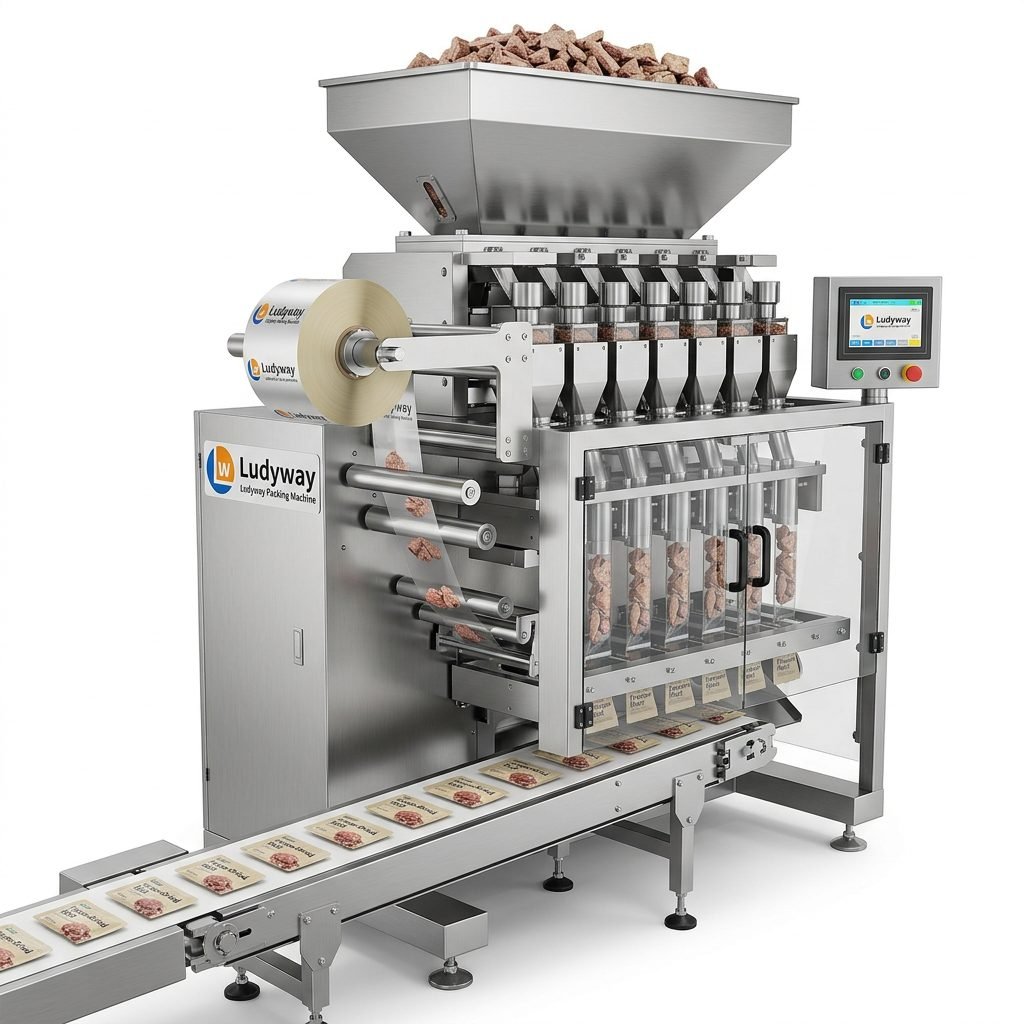
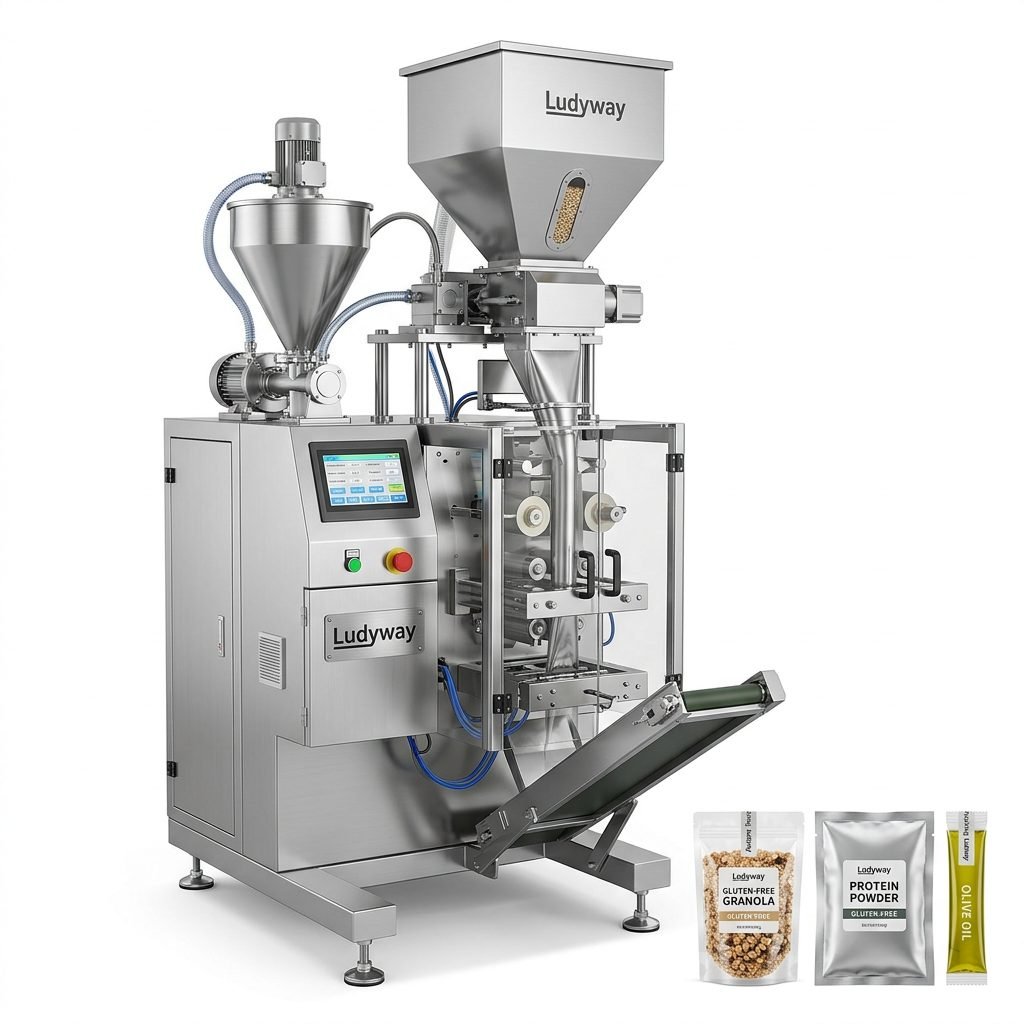
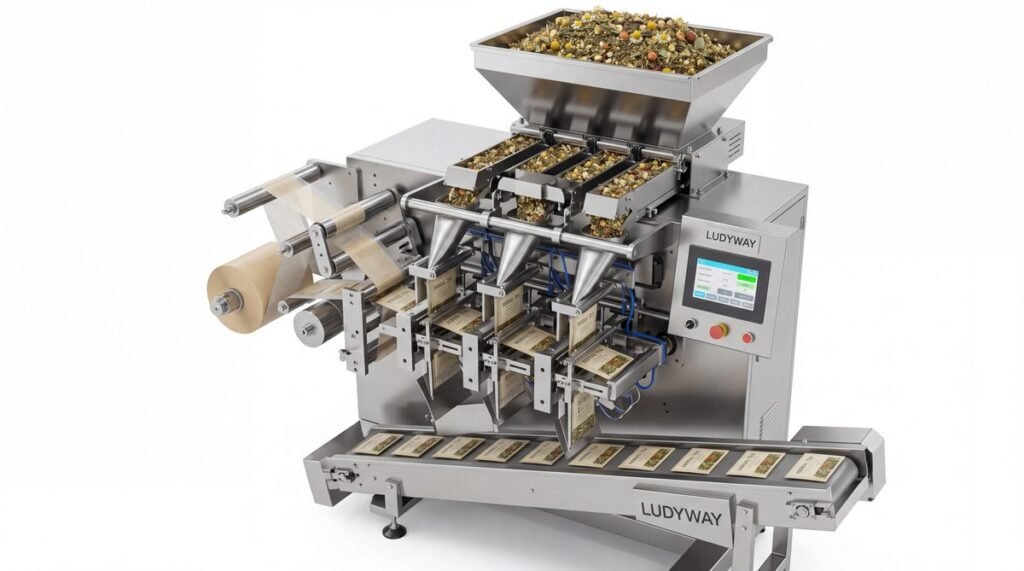
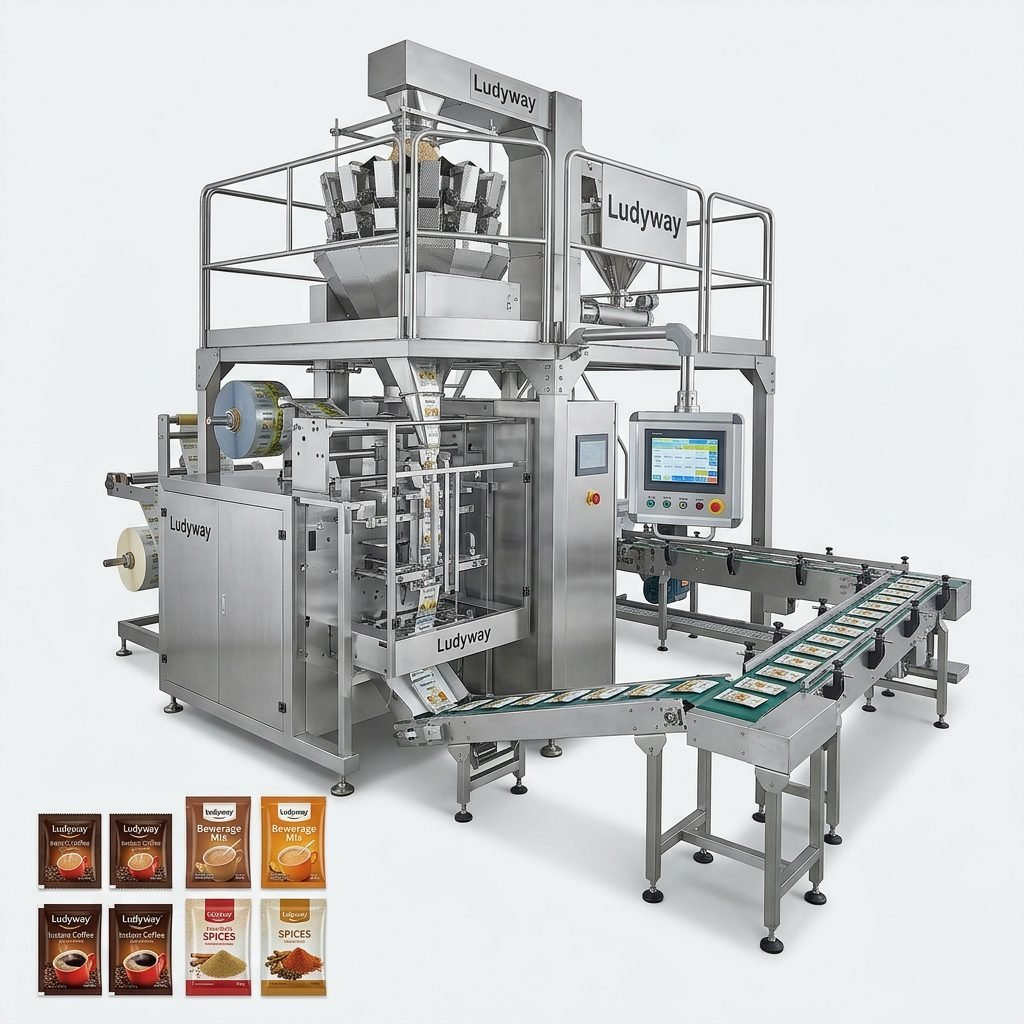
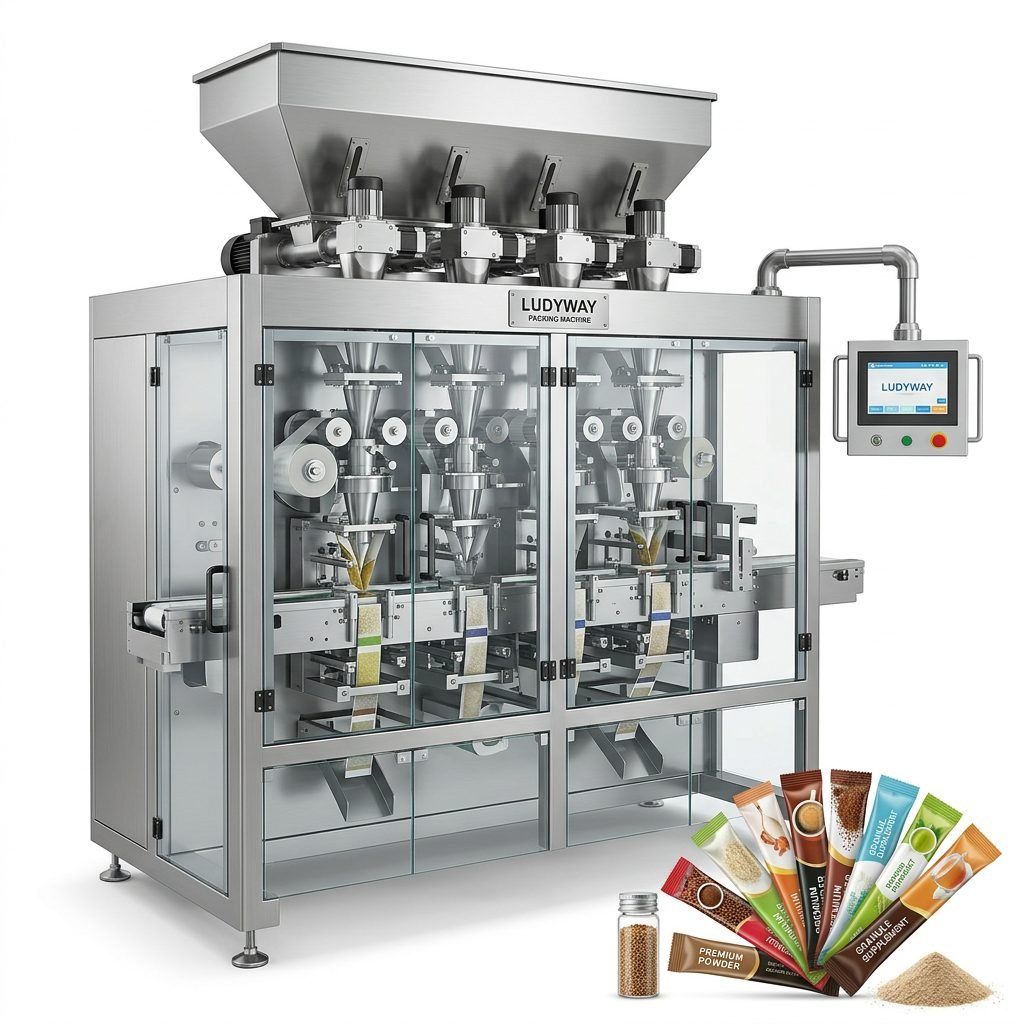
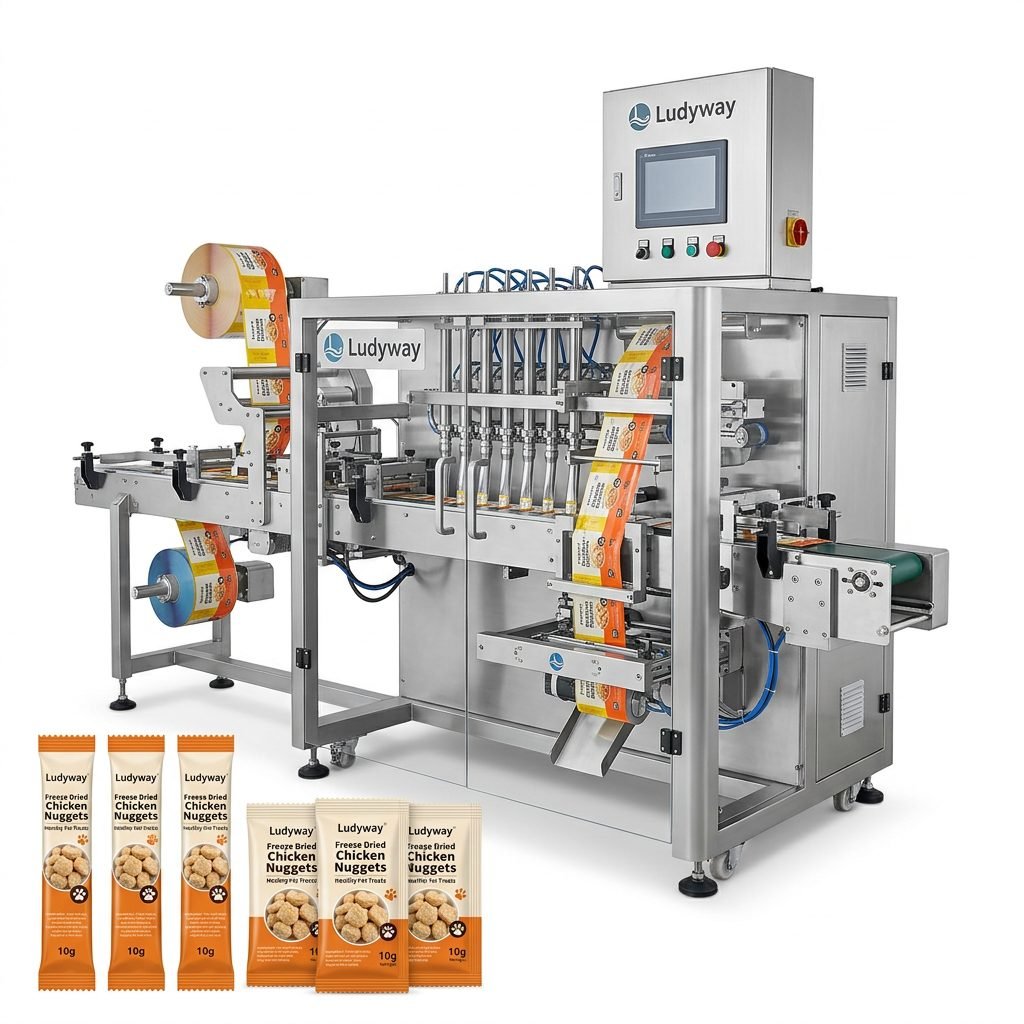
In today’s fast-paced food industry, efficiency and preservation are paramount. Frozen food packaging machines play a critical role in maintaining product quality, extending shelf life, and ensuring food safety from production to consumer. Choosing the right manufacturer for this specialized equipment is a significant business decision that impacts operational efficiency, product integrity, and long-term profitability. This guide explores the landscape of top frozen food packaging machine manufacturers and provides a comprehensive framework for selecting the ideal supplier for your production needs.
Understanding Frozen Food Packaging Machinery
Frozen food packaging machinery encompasses a range of automated systems designed to handle products at low temperatures. These machines must be engineered with materials and components that withstand cold, moisture, and frequent thermal cycling without compromising performance. Key functions include weighing, filling, sealing, and coding, often performed at high speeds to match production line outputs. The right machine not only packages but also protects against freezer burn and maintains the product’s nutritional and aesthetic qualities.
Core Machine Types
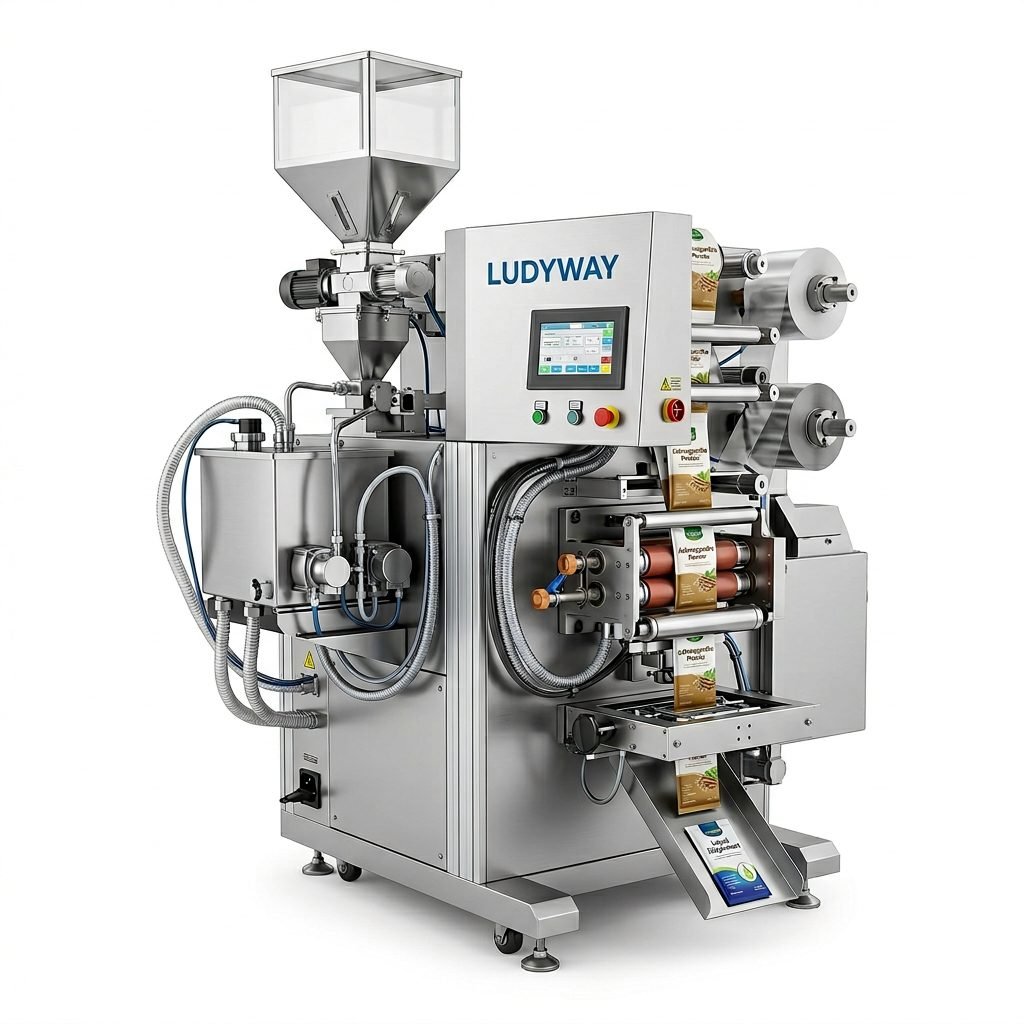
Vertical Form-Fill-Seal (VFFS) Machines: The most common type, using a roll of film to form bags, fill them with product, and seal them. Ideal for loose-fill items like vegetables, fries, and seafood.
Horizontal Flow Wrappers: Used for wrapping individual items or trays, perfect for pre-portioned meals, ice cream bars, and boxed frozen goods.
Tray Sealing Machines: Designed to apply lidding film to pre-formed trays containing ready meals, fruits, or prepared foods.
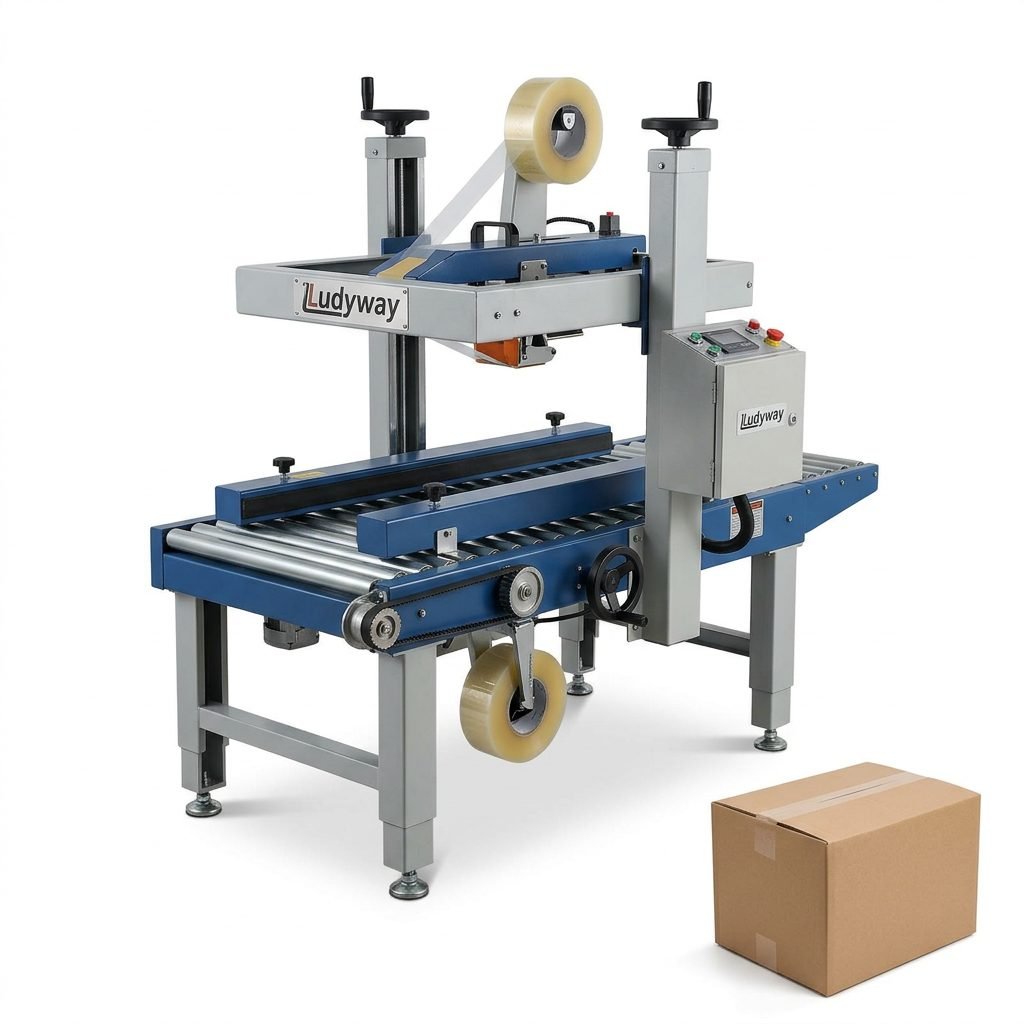
Cartoning Systems: Automate the process of placing bagged or wrapped products into cartons for secondary packaging.
Key Selection Criteria for a Packaging Machine Supplier
Selecting a supplier goes beyond comparing machine specifications. It involves evaluating the partner’s capability to support your business long-term. Here are the essential factors to consider.
1. Technical Expertise and Industry Experience
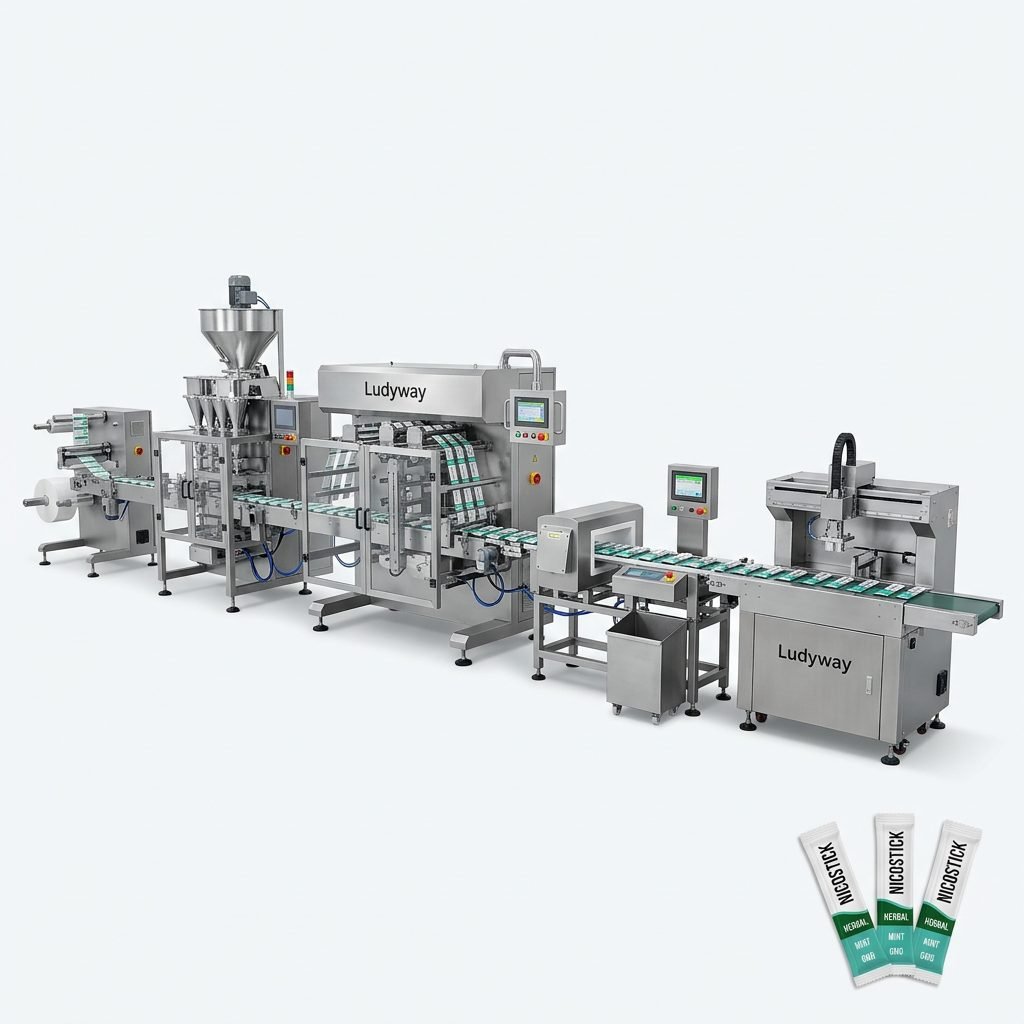
A supplier with deep experience in the frozen food sector understands the unique challenges, such as condensation management, material brittleness at low temperatures, and hygiene protocols. Look for a partner with a proven track record. For instance, Ludyway Packing Machine brings over a decade of focused expertise in packaging solutions for demanding industries, ensuring they grasp the nuances of frozen food production.
2. Machine Reliability and Build Quality
Downtime in a frozen environment is costly. Machines must be constructed from stainless steel (grade 304 or 316) and other corrosion-resistant materials. Critical components like seals, motors, and electrical systems should be rated for cold, humid conditions. Inquire about the mean time between failures (MTBF) and the robustness of the sealing jaws, which are under constant thermal stress.
3. Flexibility and Customization
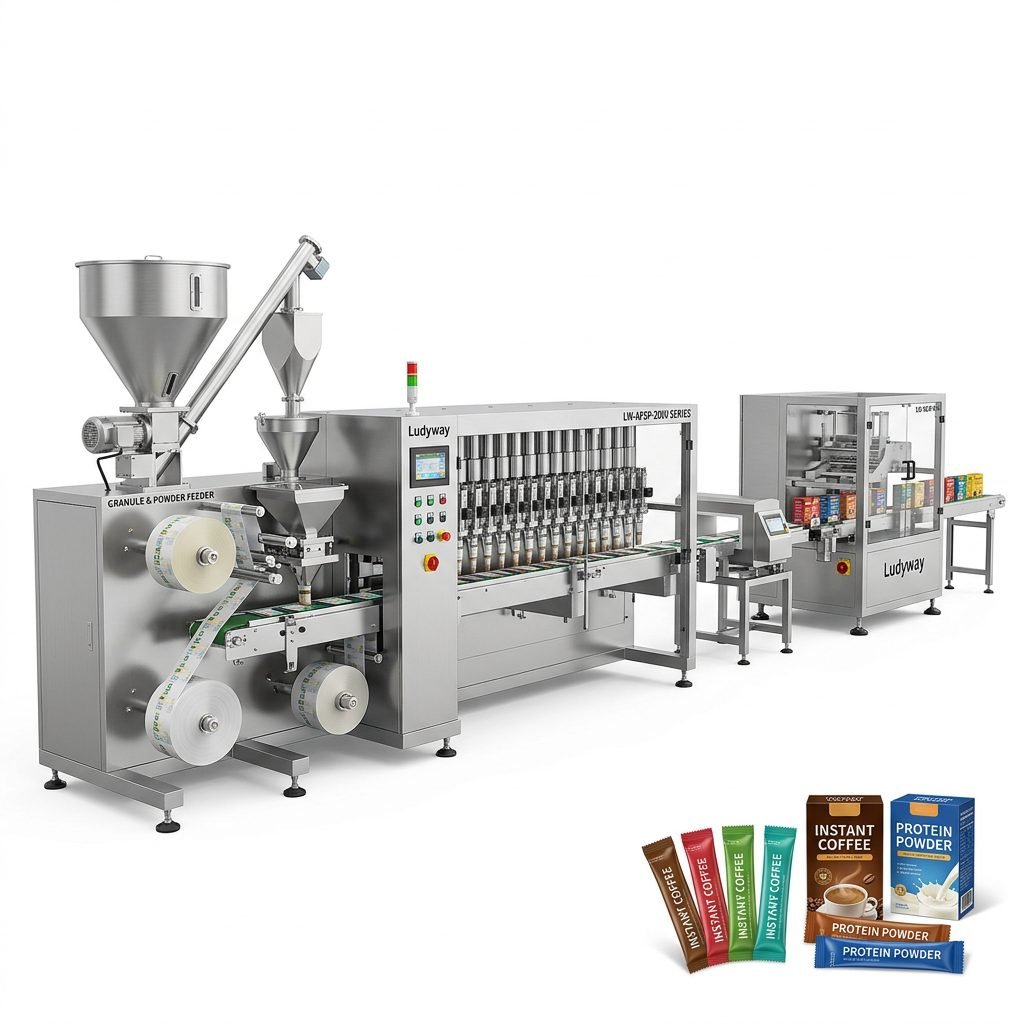
Your product line will evolve. A quality supplier should offer machines that can handle various bag sizes, film types, and product weights. The ability to integrate with upstream (freezing tunnels) and downstream (case packing) equipment is crucial. Can the supplier provide a complete turnkey line or customize a solution for your specific product shape and throughput?
4. After-Sales Support and Service Network
This is often the most critical differentiator. Ensure the supplier offers comprehensive training, readily available spare parts, and responsive technical support. A global service network or reliable local agents are vital for minimizing operational disruptions. Ask for client references to verify their service commitment.
5. Compliance and Safety Standards
The machinery must comply with international safety standards (e.g., CE, UL) and food safety regulations relevant to your market, such as FDA requirements in the U.S. or EHEDG guidelines in Europe. Hygienic design that prevents bacterial harborage and allows for easy cleaning is non-negotiable.
📌 Pro Tip: The Total Cost of Ownership (TCO)
Do not choose based on price alone. Calculate the Total Cost of Ownership, which includes the initial purchase price, installation, energy consumption, maintenance costs, expected lifespan, and potential cost of downtime. A slightly more expensive, reliable machine from a reputable supplier like Ludyway Machinery often yields a lower TCO than a cheaper, less reliable alternative.
Evaluating Potential Suppliers: A Step-by-Step Process
Follow a structured evaluation process to make an informed decision.
Step 1: Define Your Requirements. Detail your product specs, desired output speed, packaging materials, and factory conditions.
Step 2: Create a Longlist. Research manufacturers online, attend trade shows, and seek peer recommendations.
Step 3: Initial Screening. Review company websites, product catalogs, and case studies. Shortlist 3-5 suppliers who seem to match your core needs.
Step 4: Request for Proposal (RFP). Send a detailed RFP to shortlisted suppliers. Request a machine quotation, layout drawing, and list of references.
Step 5: Factory Audit and Reference Checks. If possible, visit the manufacturer’s facility to assess their production capability and quality control. Speak directly to their existing clients.
Step 6: Performance Testing. Arrange a product trial at their facility or a client’s site to see the machine run with your actual product.
Step 7: Final Negotiation and Contract. Clarify all terms, including warranty, payment, delivery, installation, and training.
The Role of Innovation and Future-Proofing
The best suppliers invest in R&D. Look for innovations like Industry 4.0 connectivity (IoT sensors for predictive maintenance), advanced vision systems for quality inspection, and sustainable packaging compatibility (e.g., ability to run with recyclable or mono-material films). Partnering with an innovative supplier ensures your investment remains relevant for years to come. Exploring the company history of a potential partner can reveal their commitment to technological progression and adaptation to market trends.
Frequently Asked Questions (FAQs)
Q1: What is the most important feature to look for in a frozen food packaging machine?
A: Reliability in a cold, humid environment is paramount. This is determined by the quality of materials (e.g., food-grade stainless steel), the design of thermal components, and the machine’s proven track record in similar applications. A robust sealing system that performs consistently at low temperatures is the heart of the machine.
Q2: How can I minimize downtime due to machine maintenance?
A: Choose a supplier with excellent after-sales support and readily available spare parts. Opt for machines with modular designs for easier repair. Implement a proactive preventive maintenance schedule as recommended by the manufacturer, and ensure your operators are thoroughly trained.
Q3: Can one machine handle different frozen product types and sizes?
A: Many modern machines offer high flexibility. Vertical form-fill-seal machines, for example, can often be quickly adjusted for different bag lengths and widths by changing the forming tube and adjusting software parameters. However, significant product format changes (e.g., from loose peas to frozen burgers) may require different machine types or major retooling.
Q4: What packaging films work best for frozen foods?
A: Films must have excellent moisture barrier properties, low-temperature flexibility, and strong seal integrity. Common choices include laminates of polyethylene (PE), polyester (PET), and nylon. The machine supplier should have expertise in recommending and testing compatible films for your specific product to prevent seal failures or film cracking.
Q5: Why is supplier experience sometimes more important than a lower price?
A: An experienced supplier like Ludyway provides invaluable application knowledge, anticipates potential problems, and offers reliable solutions. This reduces the risk of costly installation errors, prolonged commissioning, and persistent operational issues. Their expertise ensures the machine is correctly specified from the start, leading to smoother production and higher overall value.