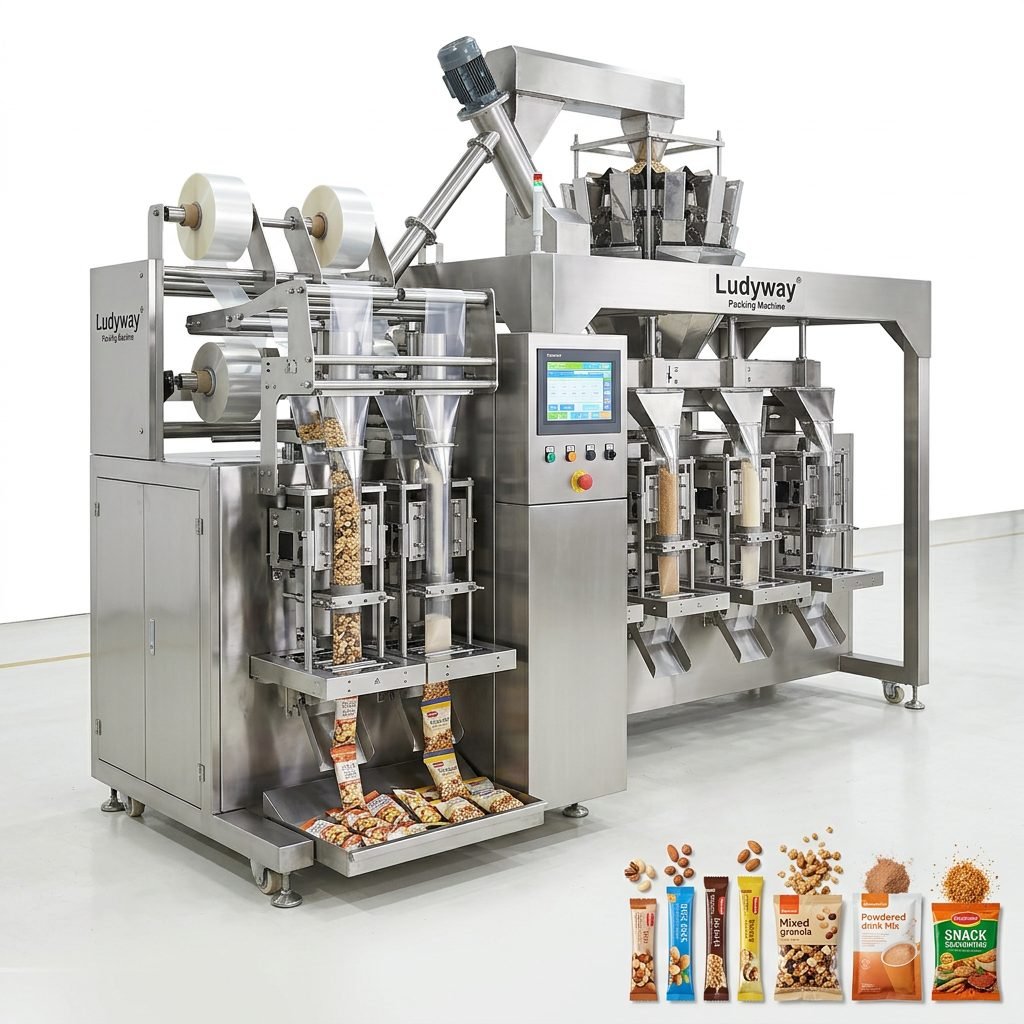
Choosing the right frozen food packaging machine supplier is a critical decision that impacts your production efficiency, product quality, and long-term operational costs. The global frozen food market is expanding rapidly, driven by changing consumer lifestyles and demand for convenience. This guide will walk you through the essential factors to consider when selecting a manufacturer, ensuring you partner with a supplier that can meet your specific needs and support your growth.
Understanding Your Packaging Requirements
Before you begin evaluating suppliers, you must have a clear understanding of your own packaging requirements. This foundational step ensures you seek out manufacturers with the right expertise and equipment.
Key Questions to Define Your Needs:
→ Product Type: Are you packaging vegetables, ready meals, seafood, fruits, or baked goods? Each product may have different size, shape, and preservation requirements.
→ Packaging Format: Do you need vertical form-fill-seal (VFFS) for bags, horizontal flow wrapping for trays, vacuum skin packaging, or modified atmosphere packaging (MAP)?
→ Production Speed & Volume: What is your target output in bags or units per minute? This determines the machine’s required cycle speed and level of automation.
→ Material Compatibility: What packaging films or materials will you use (e.g., multilayer laminates, PE, PP)? The machine must be compatible with your chosen materials for optimal seal integrity.
Core Criteria for Evaluating a Supplier
Once your requirements are clear, use the following criteria to assess potential frozen food packaging machine suppliers.
1. Industry Experience and Specialization
Look for a supplier with a proven track record in the frozen food sector. Experience matters because packaging frozen products presents unique challenges like condensation management, robust sealing at lower temperatures, and handling frozen product particulates. A supplier like Ludyway Packing Machine, with deep industry roots, understands these nuances. They bring practical knowledge of what works in real-world, cold-environment production lines.
2. Machine Technology and Innovation
The technology behind the machine dictates its reliability, speed, and flexibility. Evaluate these aspects:
- Sealing Technology: Critical for preventing freezer burn and maintaining product quality. Look for robust heat sealing systems or advanced ultrasonic sealing options.
- Automation Level: From semi-automatic to fully integrated robotic lines. Higher automation improves consistency and reduces labor costs.
- Hygienic Design: Machines should have easy-clean surfaces, stainless steel construction where necessary, and designs that prevent bacterial harborage.
- Energy Efficiency: In a high-energy consumption industry, efficient motors and smart systems can significantly reduce operating costs.
3. Manufacturing Capability and Quality Control
A supplier’s own manufacturing infrastructure is a strong indicator of quality and reliability. Don’t hesitate to ask about their facility.
A reputable manufacturer should transparently share details like:
• The size and modernity of their production facility (e.g., a 20,000㎡ manufacturing plant indicates significant scale).
• Their in-house engineering and R&D team’s strength.
• Their quality control protocols for components and final assembly.
• Compliance with international standards (CE, ISO, etc.).
This backbone ensures that the machinery you receive is built to last and perform consistently under the demanding conditions of frozen food production.
4. Range of Solutions and Customization
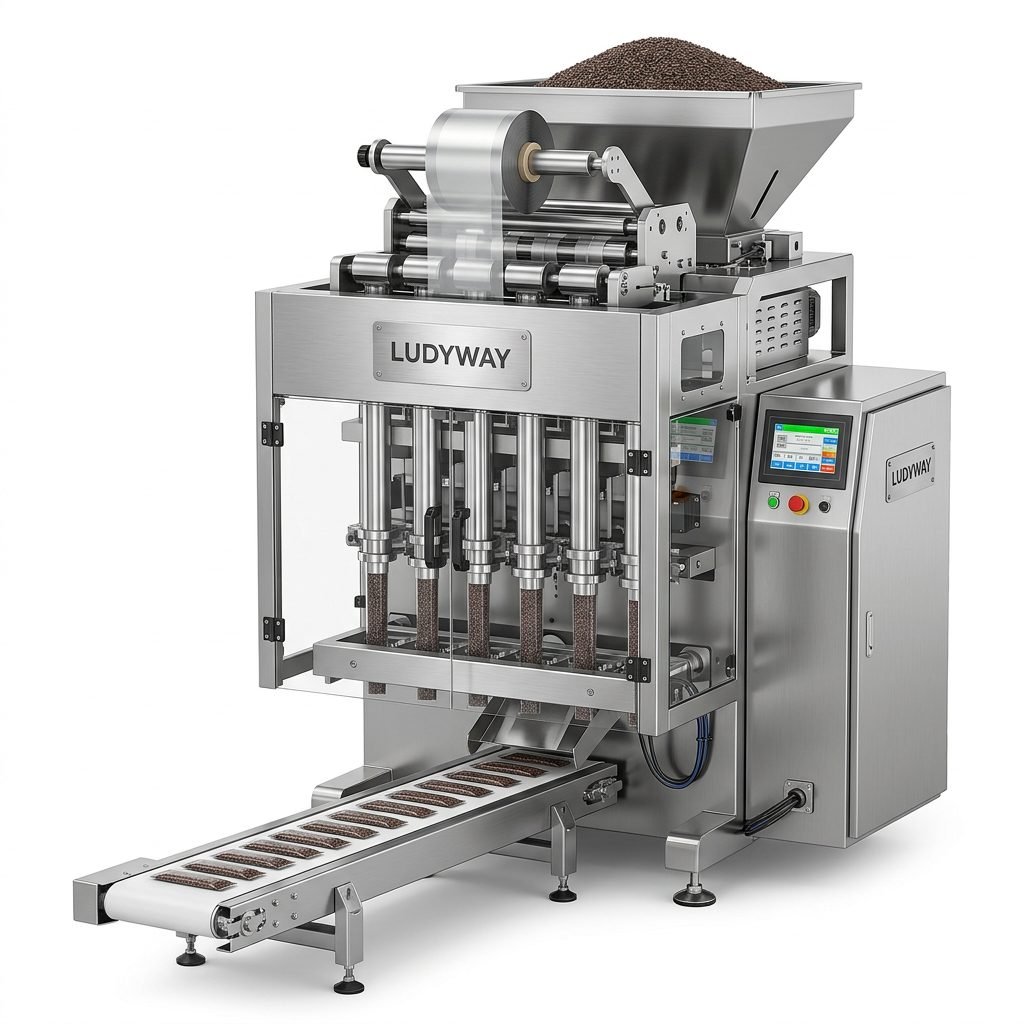
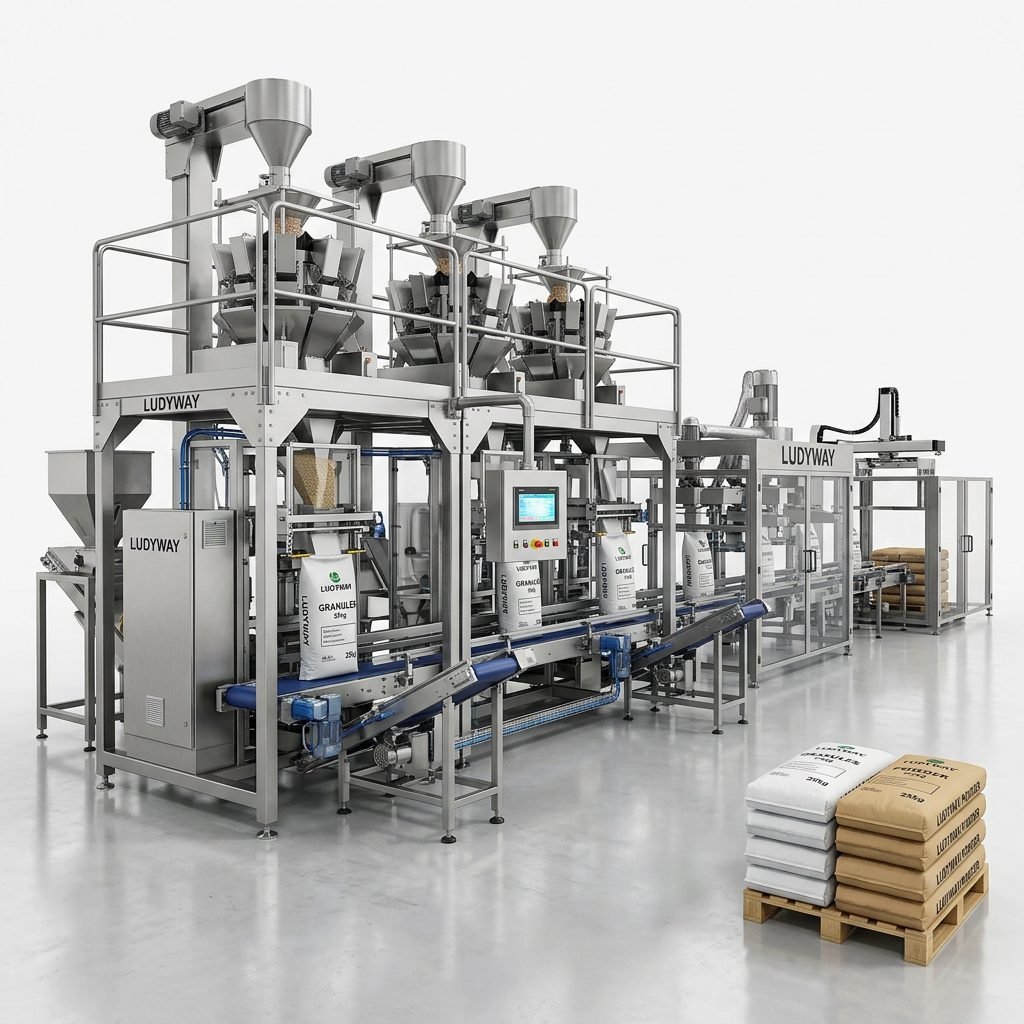
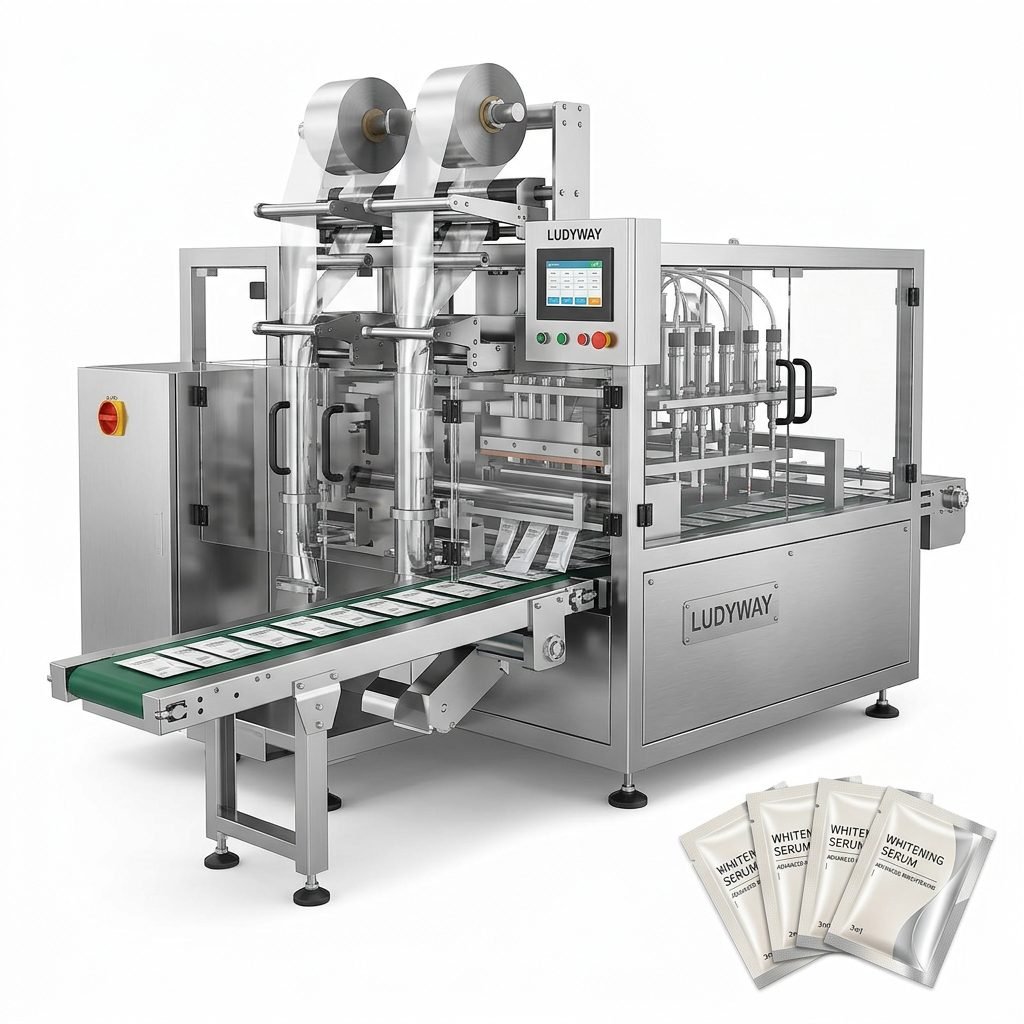
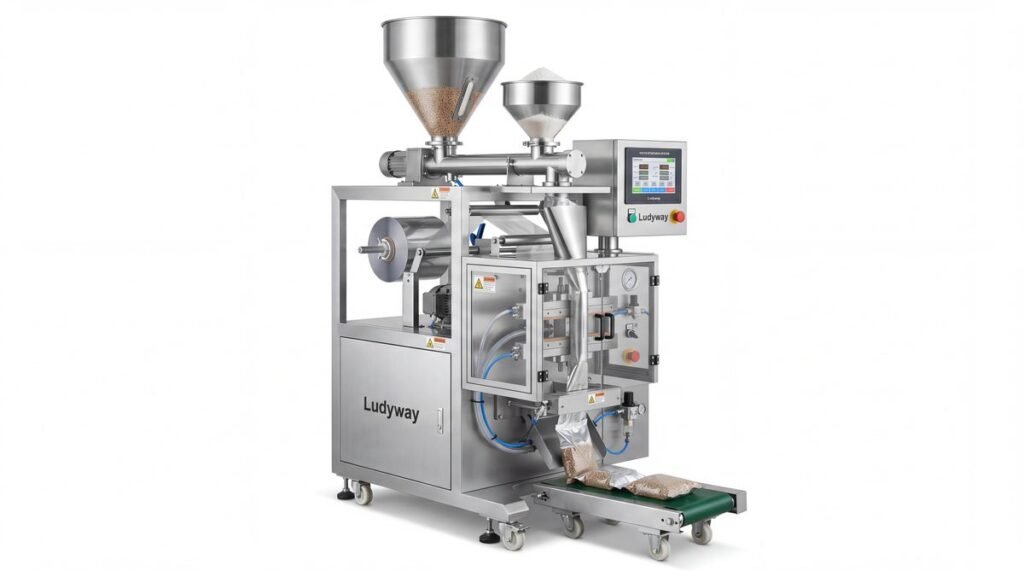
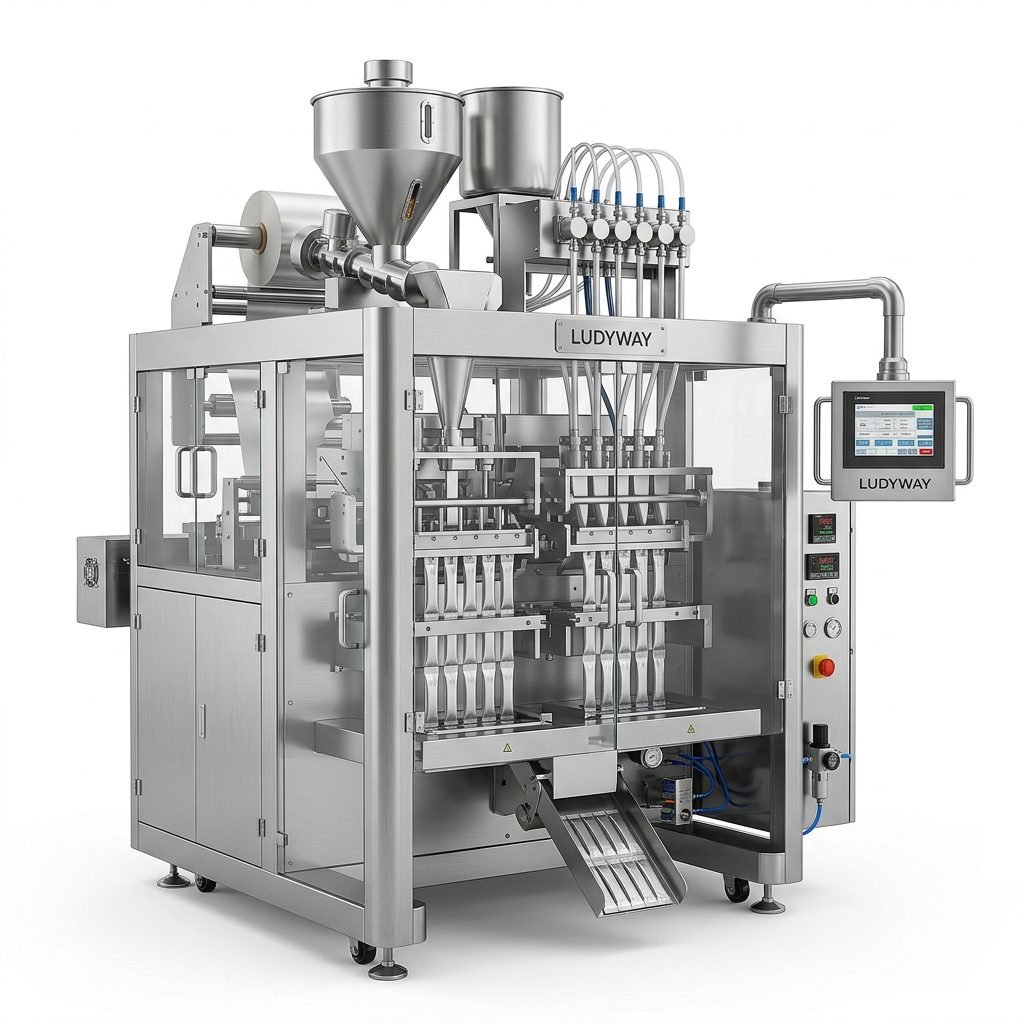
Your needs may evolve. A supplier offering a broad range of packaging machine models—from simple sachet packers to multi-lane stick pack machines and complete turnkey lines—provides a one-stop solution. More importantly, assess their willingness and ability to customize. Can they modify a machine to handle your unique product size or integrate with your existing freezing tunnel? Customization is key to solving specific production challenges.
5. After-Sales Support and Service Network
This is often the most critical differentiator. A machine is a long-term investment. Evaluate the supplier’s support structure:
- Technical Support: Is 24/7 remote support available? How quickly can they respond?
- Spare Parts Availability: Is there a local or readily accessible parts inventory to minimize downtime?
- Training: Do they provide comprehensive training for your operators and maintenance staff?
- Installation & Commissioning: Do they offer professional on-site installation services?
A global service network, built through years of international operation, is invaluable for ensuring uninterrupted production.
The Supplier Selection Process: A Step-by-Step Approach
Turn the evaluation criteria into an actionable process.
Step 1: Research and Create a Shortlist
Use industry directories, trade shows (like PACK EXPO or Anuga FoodTec), and peer recommendations to identify potential suppliers. Review their websites, case studies, and client lists specifically for frozen food applications.
Step 2: Request Detailed Information
Contact the shortlisted suppliers with a detailed request for quotation (RFQ). Include your specific requirements. Their response will reveal their professionalism, attention to detail, and eagerness to engage.
Step 3: Evaluate Proposals and Conduct Deep-Dive Meetings
Compare proposals not just on price, but on the alignment of their solution with your needs, proposed technology, and terms of service. Schedule video calls or meetings to discuss technical details and meet their engineering team.
Step 4: Seek References and Visit Facilities
Ask for references from current clients with similar applications. If possible, visiting the supplier’s manufacturing facility or arranging a visit to see a machine in operation at a client’s site provides invaluable insight into build quality and performance.
Step 5: Final Negotiation and Contract Review
Clearly outline all terms, including payment schedules, delivery timelines, warranty, service level agreements (SLAs), and intellectual property rights for any customizations. Ensure everything is documented in the contract.
Why Partnering with an Experienced Specialist Matters
In an industry where reliability is non-negotiable, partnering with a seasoned specialist like Ludyway Packing Machine translates to more than just buying a machine. It’s about gaining a partner who provides turnkey production solutions. Their decades of experience mean they can foresee potential pitfalls in your project, recommend optimal material combinations, and design a line for future scalability. This collaborative approach minimizes your risk and accelerates your time to market with a robust, efficient packaging operation.
Frequently Asked Questions (FAQs)
1. What is the most important feature to look for in a frozen food packaging machine?
Answer: The sealing system is paramount. It must create a strong, hermetic seal that remains intact through freezing, storage, transportation, and thawing cycles to prevent moisture loss (freezer burn) and contamination. Look for machines with precise temperature control and pressure settings for consistent seals on frozen surfaces.
2. Can I use the same machine for both fresh and frozen products?
Answer: Some machines are designed for multi-purpose use, but it requires careful configuration. The key differences are material handling (frozen product is harder) and managing condensation. You must consult with the supplier to ensure the machine can be adjusted or has features to reliably handle both states without compromising performance or hygiene.
3. How does automation benefit a frozen food packaging line?
Answer: Automation significantly increases output consistency, reduces labor costs in cold environments, minimizes human contact with food (improving hygiene), and enhances overall line efficiency. Automated systems can include robotic loading, vision systems for quality check, and automated case packing, leading to a higher return on investment.
4. What should I consider regarding packaging materials for frozen food?
Answer: Materials must be flexible at low temperatures to avoid cracking, have excellent moisture and oxygen barrier properties, and be compatible with the machine’s sealing method. Common choices include multilayer laminates of polyester and polyethylene. Your machine supplier should provide guidance on material specifications for optimal runnability and seal strength.
5. Why is after-sales service critical for this type of equipment?
Answer: Downtime in frozen food production is extremely costly due to product spoilage risks. A responsive, knowledgeable service team with available spare parts ensures any mechanical or technical issues are resolved quickly, maximizing your equipment’s uptime and protecting your production schedule and product quality.