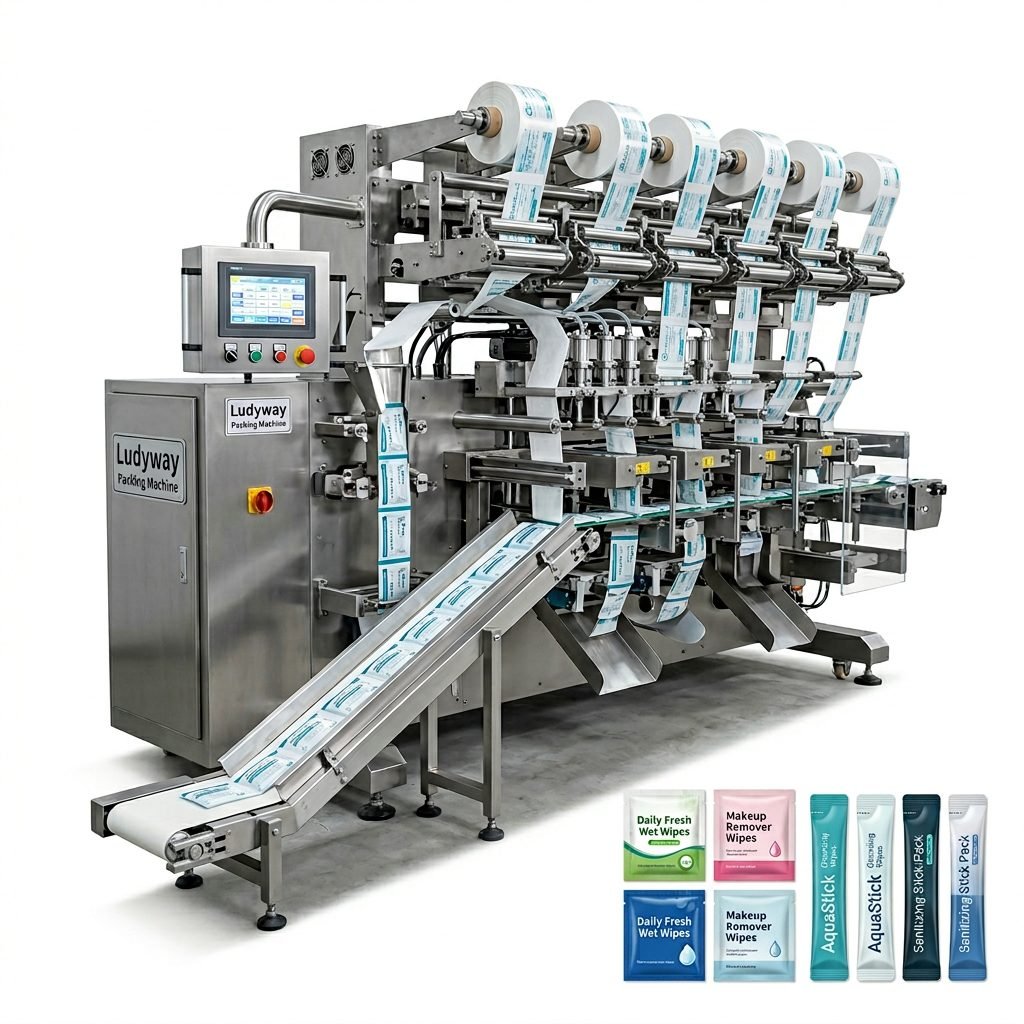
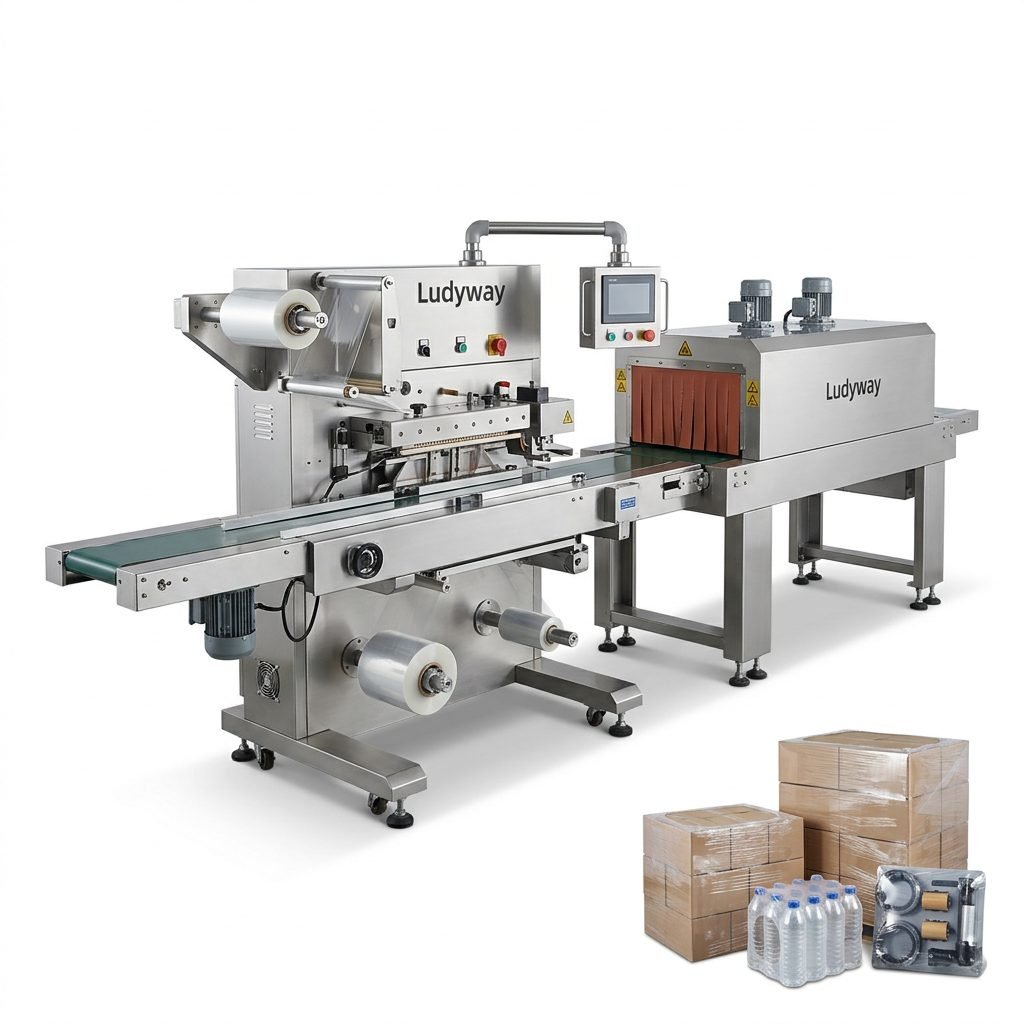
In today’s fast-paced food industry, efficiency and product integrity are paramount. Frozen food packaging machines play a crucial role in maintaining quality, extending shelf life, and streamlining production. Selecting the right supplier and equipment can significantly impact your business’s operational efficiency and bottom line. This guide explores the landscape of top frozen food packaging machine suppliers and provides a comprehensive framework for making the best choice for your specific needs.
Understanding Frozen Food Packaging Machinery
Frozen food packaging presents unique challenges. Machinery must handle low temperatures, prevent freezer burn, and often manage products with varying consistencies, from loose vegetables to delicate seafood. The primary functions include weighing, filling, sealing, and coding. Advanced systems integrate modified atmosphere packaging (MAP) technology, which replaces the air inside the package with a protective gas mix to preserve freshness and color.
Key Machine Types:
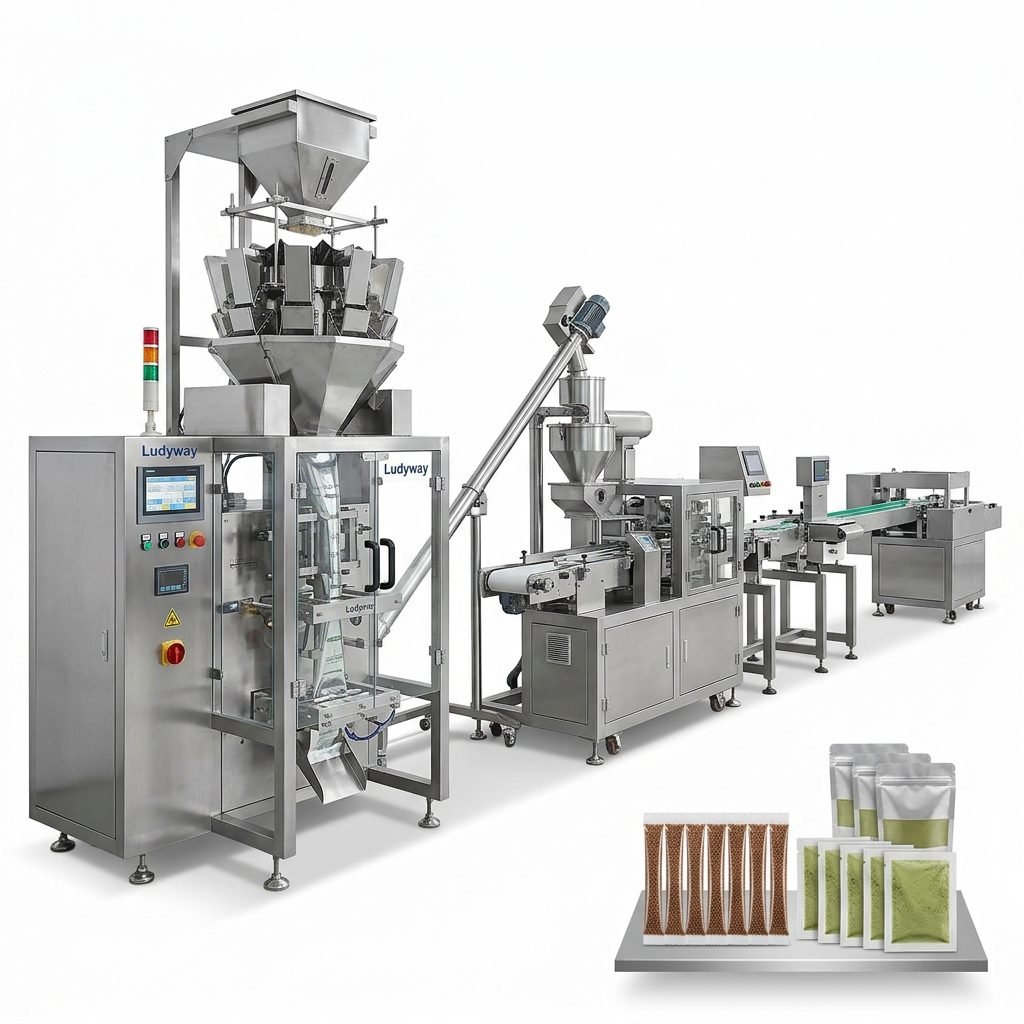
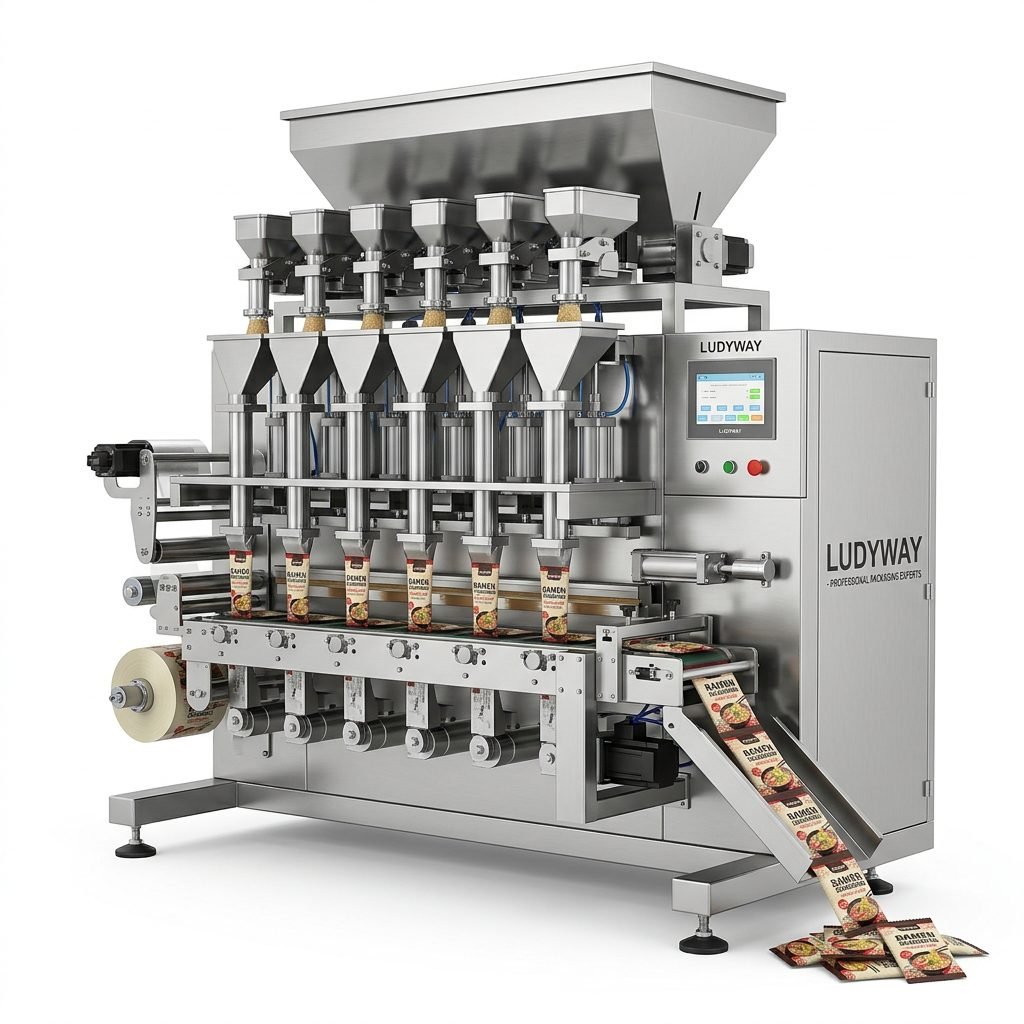
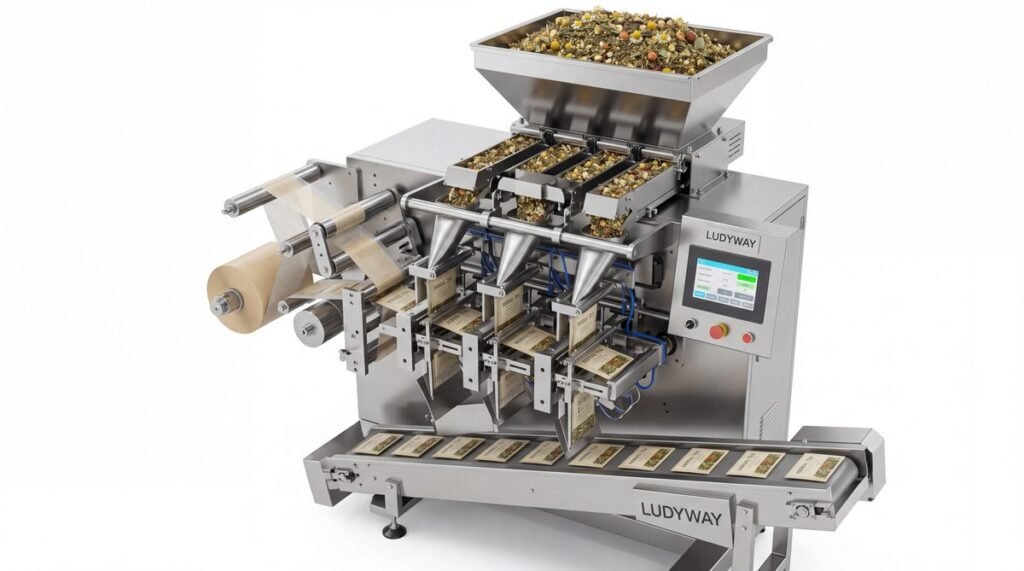
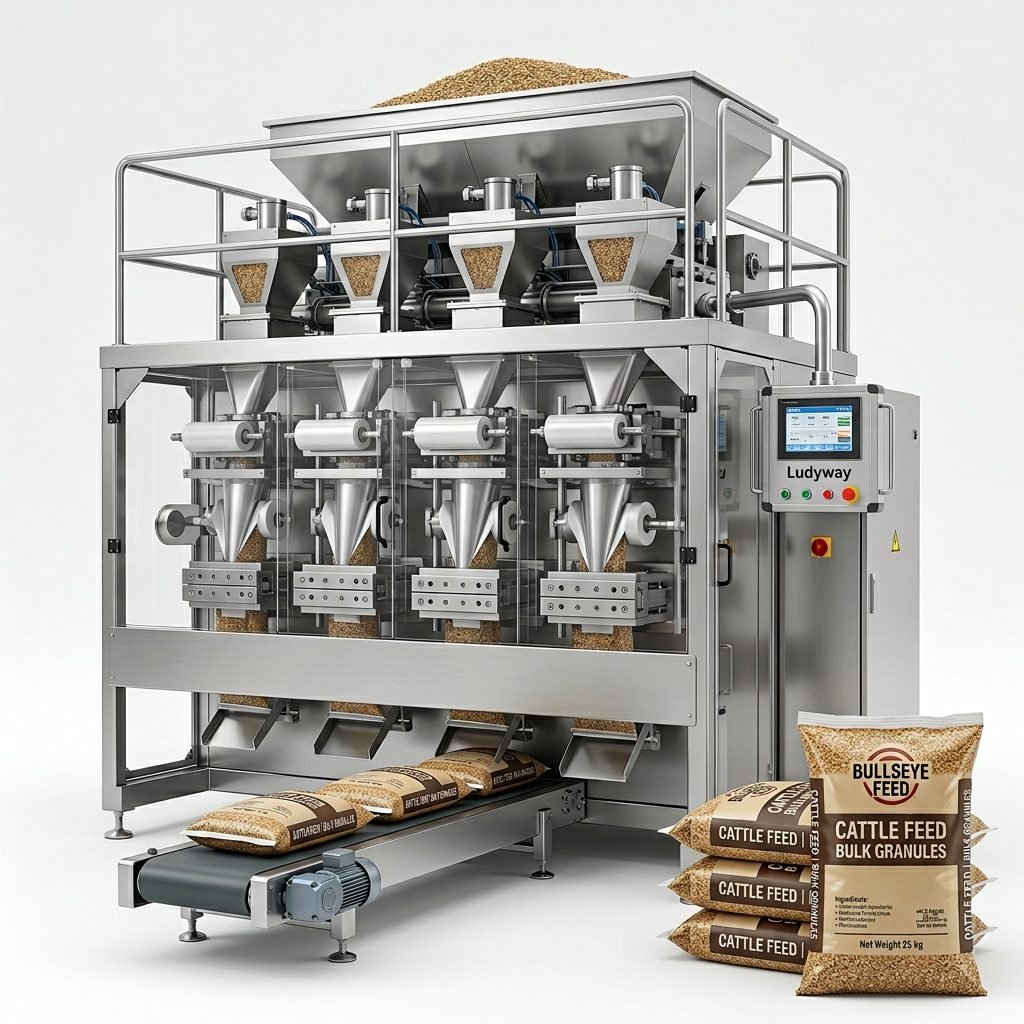
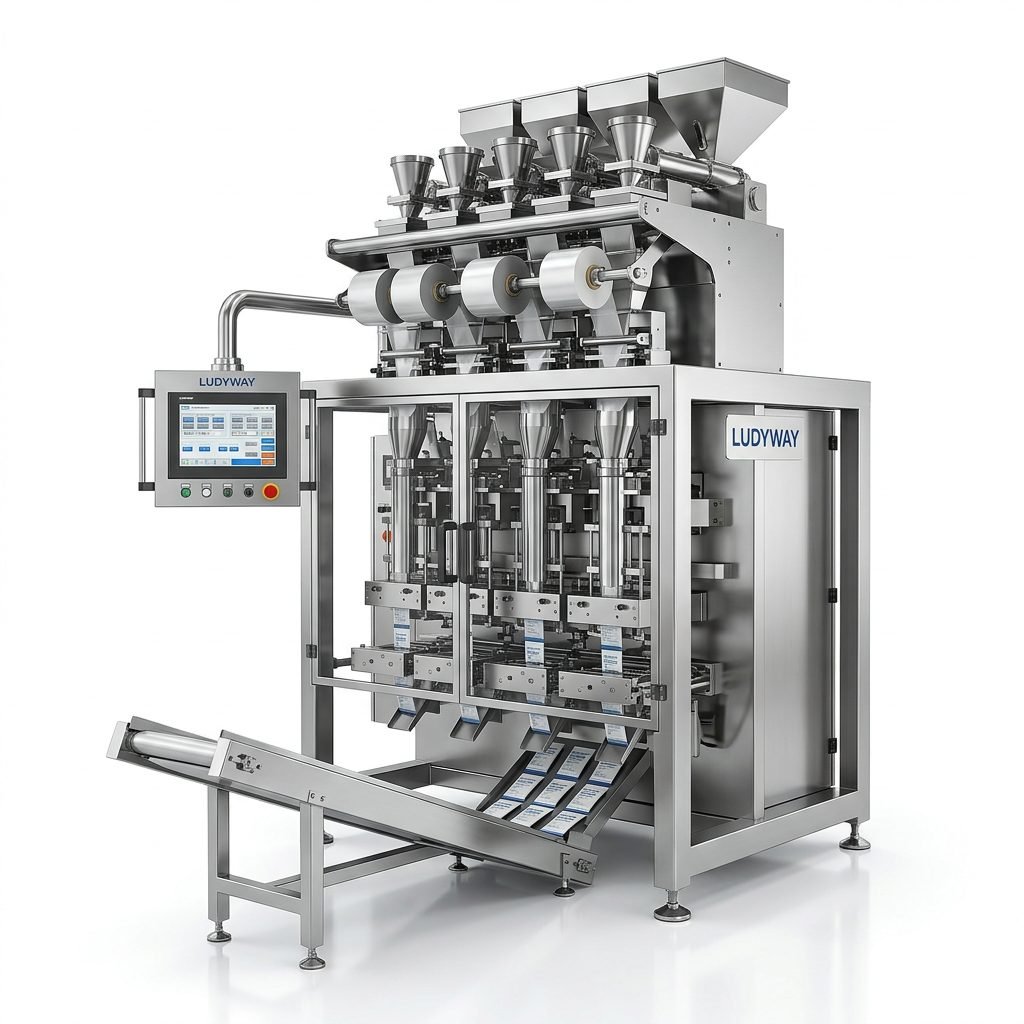
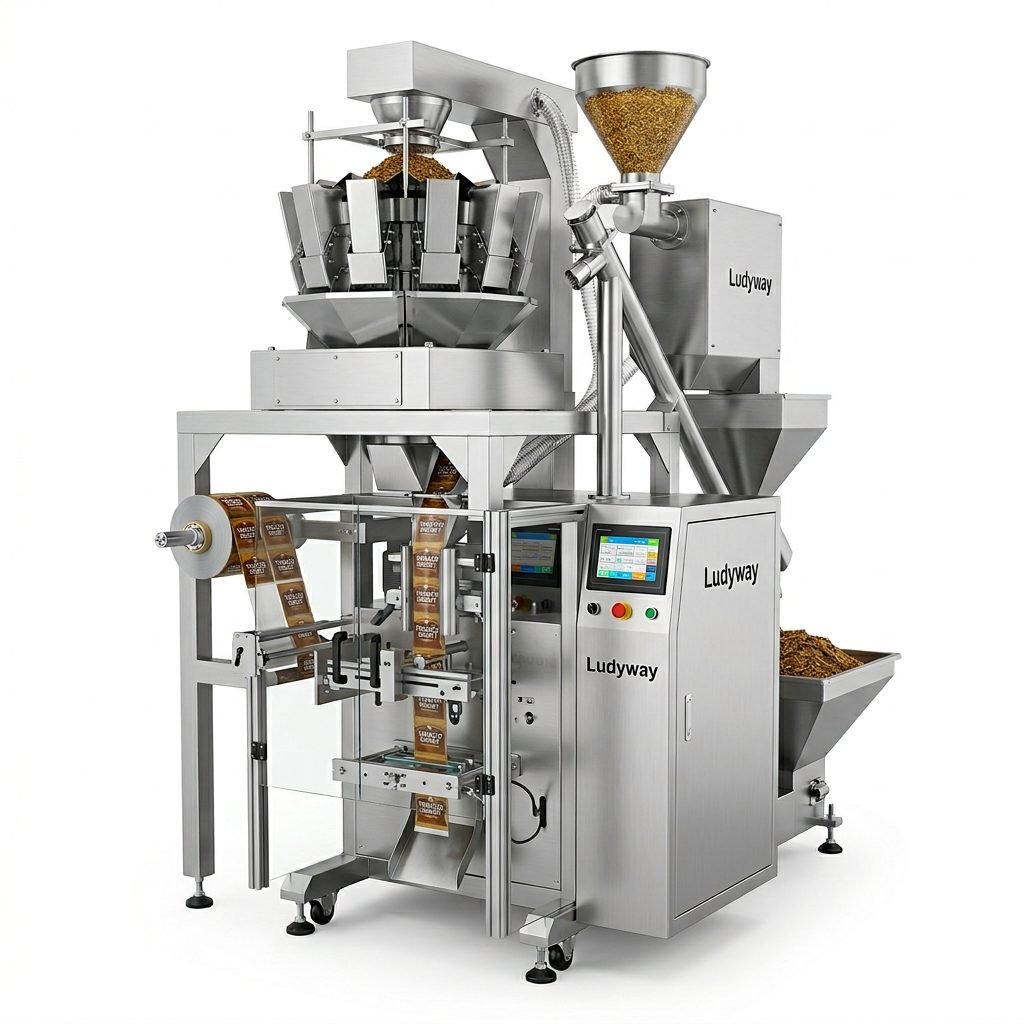
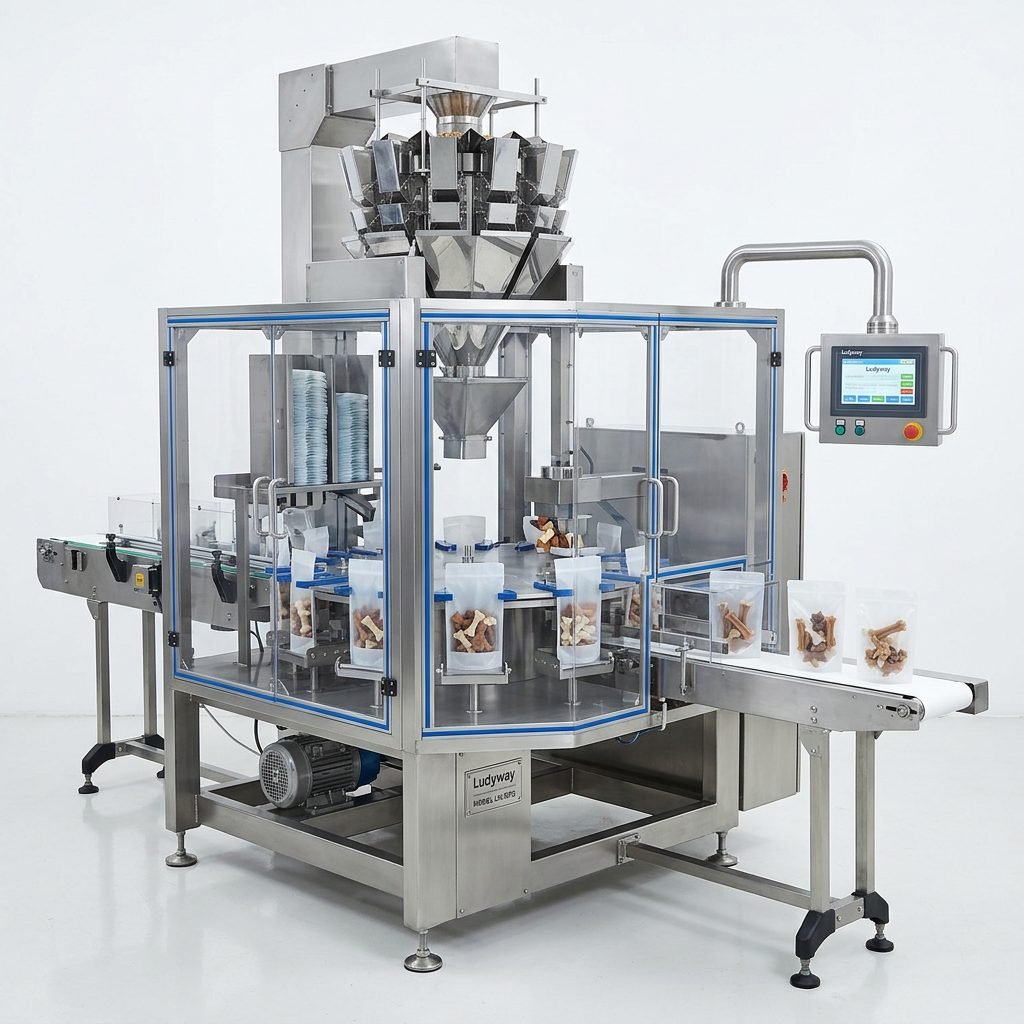
- Vertical Form-Fill-Seal (VFFS) Machines: Ideal for bags of frozen vegetables, fruits, and fries. They form the package from a roll of film, fill it, and seal it in one continuous process.
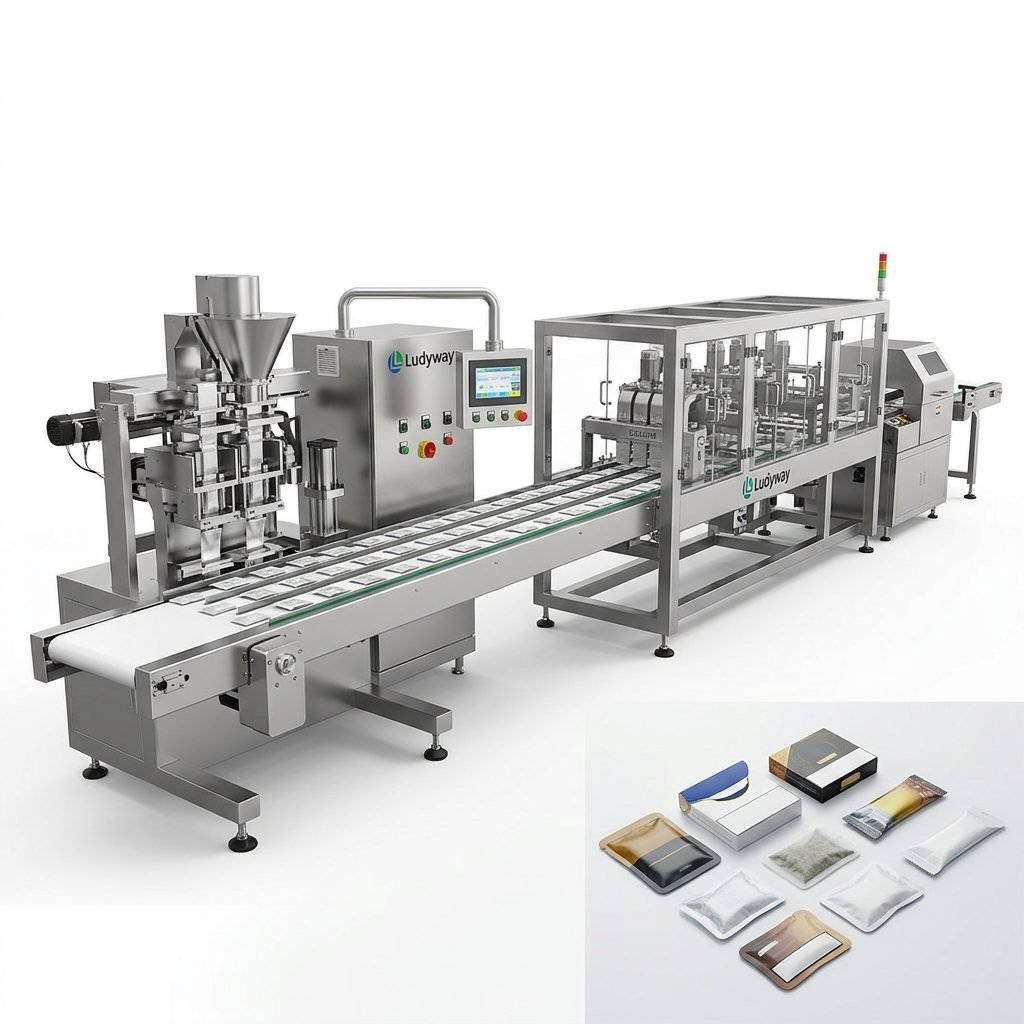
- Horizontal Flow Wrappers: Perfect for wrapping individual frozen items like burgers, patties, or ice cream bars.
- Tray Sealing Machines: Used for premium frozen meals, seafood, and prepared foods. They often work with pre-formed trays and lidding film.
- Cartoning Systems: For placing bagged or wrapped frozen products into secondary cartons for retail display.
Criteria for Evaluating Top Suppliers
Not all suppliers are created equal. A top-tier supplier offers more than just a machine; they provide a partnership. Here are the essential factors to consider.
1. Industry Experience and Specialization
Look for suppliers with a proven track record specifically in frozen food applications. Experience translates into an understanding of cold-environment material handling, condensation issues, and hygiene standards (like USDA, FDA, or EU regulations). Suppliers with decades of experience, such as Ludyway Packaging Machinery, bring invaluable practical knowledge to solve real-world production challenges.
2. Range of Technology and Customization
The best suppliers offer a spectrum of technology, from standard models to highly customized solutions. Can they provide the specific sealing method you need? Do they offer integration with existing freezing tunnels or robotics? A supplier’s ability to tailor a machine to your exact product size, shape, and throughput requirements is a critical differentiator.
3. Manufacturing Quality and Compliance
Inspect the build quality. Machines should be constructed from food-grade stainless steel and durable components designed for cold, wet environments. Ensure the supplier’s manufacturing facility adheres to international quality standards. For instance, a supplier operating from a 20,000㎡ modern facility typically has stringent quality control processes, ensuring every machine is robust and reliable before shipment.
4. Global Support and Service Network
Your relationship with the supplier begins after the purchase. Evaluate their technical support, spare parts availability, and training programs. A supplier with a global service network, like those serving customers worldwide, can provide faster response times for maintenance and troubleshooting, minimizing costly downtime.
5. Innovation and R&D Commitment
The packaging industry evolves rapidly. Leading suppliers invest in research and development to offer innovations like energy-efficient drives, smarter IoT-enabled diagnostics, and sustainable packaging solutions. Partnering with an innovative supplier future-proofs your investment.
How to Choose the Right Machine for Your Business
With a shortlist of credible suppliers, the next step is selecting the precise machine. This decision should be driven by a detailed analysis of your own operation.
📋 Step-by-Step Selection Checklist
- Define Your Product Specifications: Exact dimensions, weight, consistency (e.g., loose, sticky, fragile).
- Calculate Required Output Speed: Determine your needed bags/per minute or packages/hour to meet production goals.
- Choose Packaging Materials: Decide on film type (e.g., multi-layer barrier films for MAP), thickness, and potential for sustainable options.
- Assess Factory Environment: Space constraints, ambient temperature, and integration points with upstream/downstream equipment.
- Plan for Future Growth: Consider a machine with some scalability or modularity to accommodate new products or higher volumes later.
Once you have this data, engage with suppliers like Ludyway for detailed consultations. Reputable suppliers will often request product samples to conduct tests in their facility, providing you with performance data and packaged samples before you commit. This step is invaluable for ensuring the machine handles your product perfectly.
Total Cost of Ownership (TCO) vs. Initial Price
While budget is always a consideration, the cheapest machine can become the most expensive due to downtime, high maintenance costs, and poor efficiency. Analyze the Total Cost of Ownership, which includes:
→ Initial purchase price and installation.
→ Energy and compressed air consumption.
→ Cost of packaging materials and any waste (give-away).
→ Estimated maintenance and spare parts costs over 5-10 years.
→ Potential cost of production stoppages.
A slightly higher initial investment in a reliable, efficient machine from an experienced supplier often yields a much lower TCO and a faster return on investment.
The Role of a Trusted Partner
Ultimately, purchasing a frozen food packaging machine is entering a long-term partnership. A supplier with a history of “long-term cooperation and innovation,” as seen in companies that have evolved since 2010, views your success as their own. They provide not just equipment, but turnkey solutions, including factory layout advice, installation supervision, operator training, and ongoing technical support. This holistic approach ensures a smooth startup and consistent, high-quality packaging for years to come.
By thoroughly vetting suppliers against the criteria outlined and meticulously defining your needs, you can confidently select a frozen food packaging machine that enhances productivity, protects product quality, and drives your business growth in the competitive frozen food market. For businesses looking to explore advanced packaging automation solutions, engaging with specialized experts is the recommended first step.
Frequently Asked Questions (FAQs)
Q1: What is the most important feature to look for in a frozen food packaging machine?
A: Reliability in cold, humid conditions is paramount. Look for machines with sealed electrical components, corrosion-resistant materials (like stainless steel), and proven performance in freezing environments. The ability to handle temperature fluctuations without malfunction is critical.
Q2: Can one machine package different types of frozen products?
A: Many modern machines, especially vertical form-fill-seal models, are highly versatile. With quick-change parts and programmable recipes, they can switch between different product types (e.g., from peas to french fries) relatively quickly. However, significant format changes (e.g., from bags to trays) typically require different machinery.
Q3: How does Modified Atmosphere Packaging (MAP) work with frozen food?
A: While freezing preserves food, MAP provides an extra layer of protection against oxidation and freezer burn. A MAP machine flushes the air out of the package and replaces it with a gas mixture (usually nitrogen and/or carbon dioxide) before sealing. This is especially beneficial for preserving the color, texture, and flavor of premium frozen products like seafood and prepared meals.
Q4: What kind of maintenance do these machines require?
A: Regular maintenance is essential. Daily cleaning to prevent ice and product buildup, weekly lubrication of moving parts with food-grade lubricants, and periodic inspection of seals, cutters, and sensors are standard. Choosing a supplier with clear maintenance manuals and readily available spare parts is crucial for uptime.
Q5: How long does it typically take to install and commission a new packaging line?
A: The timeline varies based on complexity. A standalone machine might be operational within a few days to a week after delivery, including installation and basic training. A fully integrated turnkey production line with conveyors, scales, and other peripherals can take several weeks from installation to full production ramp-up. Detailed project planning with your supplier is key to setting realistic timelines.