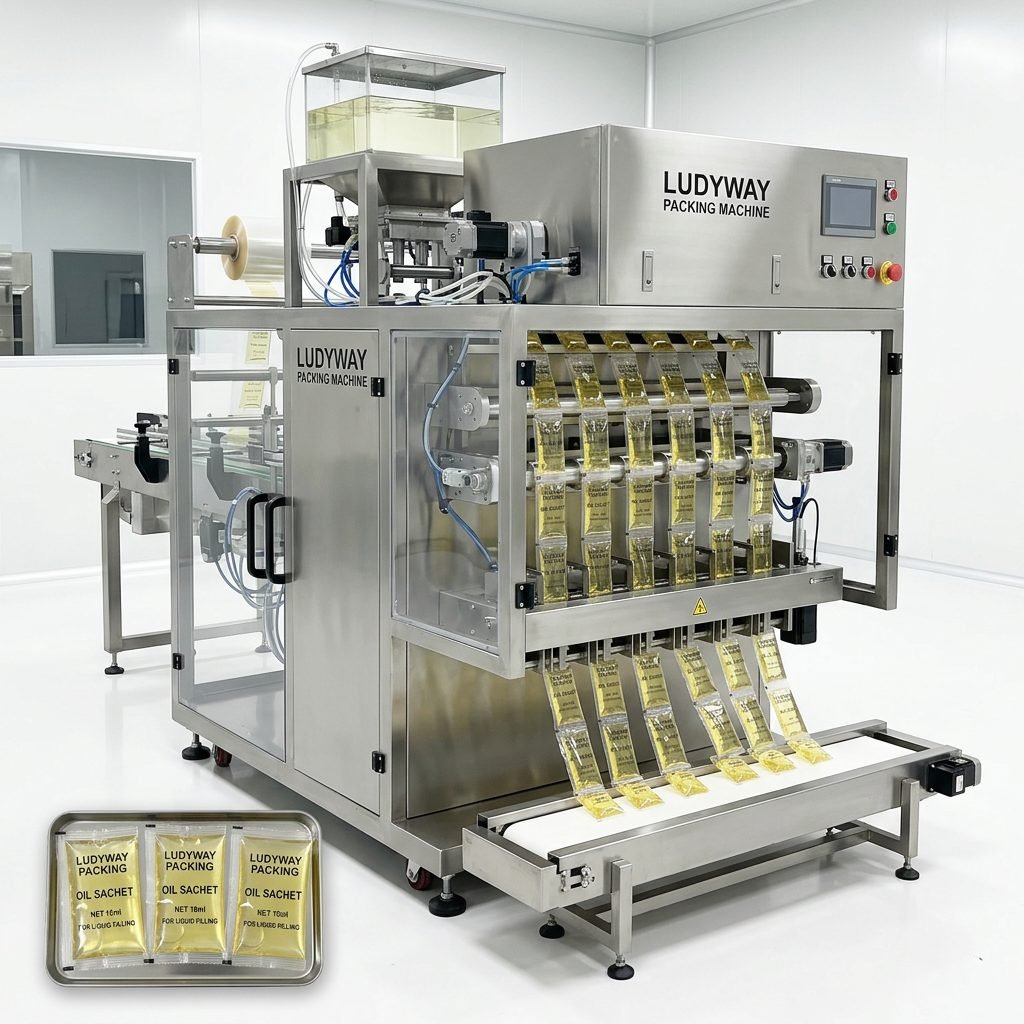
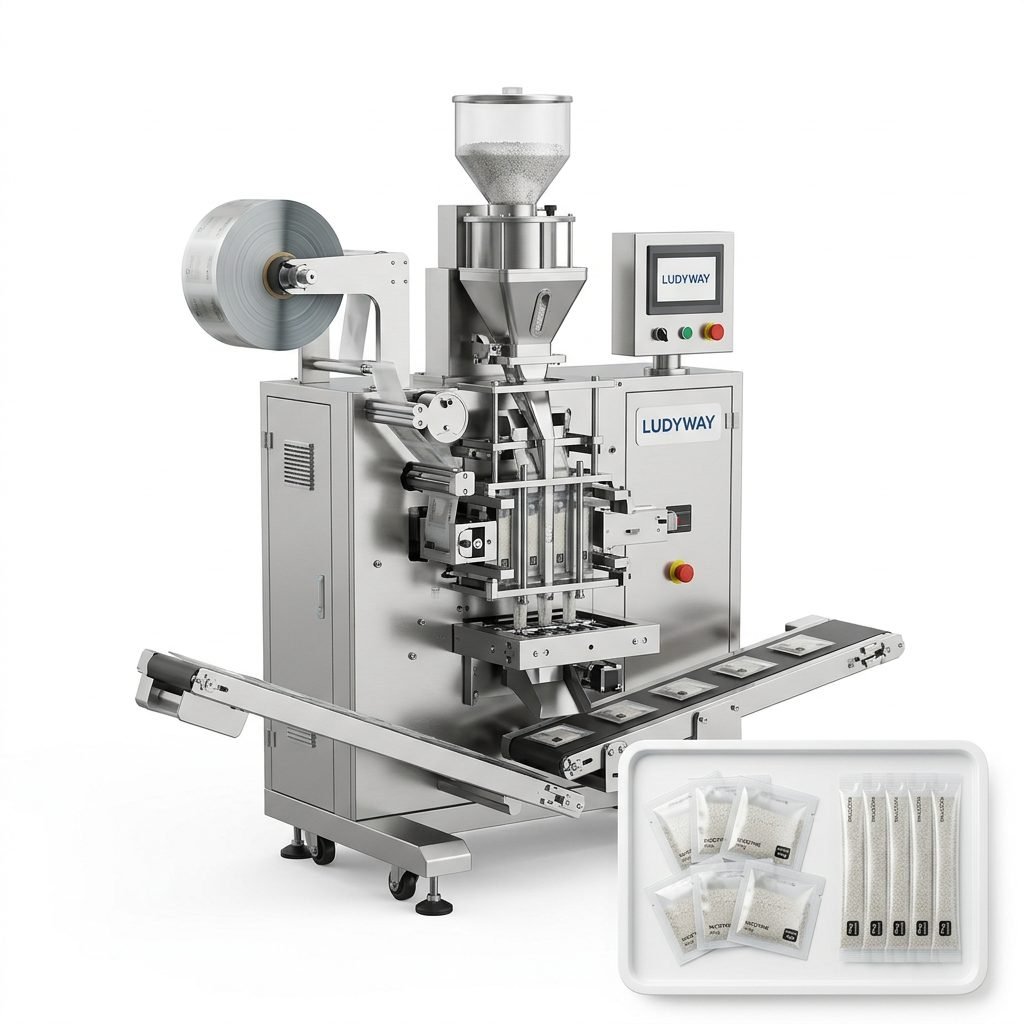
In the fast-paced world of food and beverage production, efficiency, precision, and reliability are not just goals—they are essential requirements for success. Packaging, often the final and most visible step in the manufacturing process, plays a critical role in product integrity, shelf appeal, and overall operational throughput. High-efficiency packaging machinery, therefore, becomes the backbone of a competitive production line. Solutions like those offered by Hassia and similar advanced manufacturers are engineered to meet these rigorous demands, transforming packaging operations from a potential bottleneck into a streamlined, high-output asset.
The Critical Role of Packaging in Modern Production
Packaging is far more than just putting a product into a container. It is a multifaceted process that ensures product safety, extends shelf life, maintains freshness, and delivers crucial consumer information. In the food and beverage sector, where hygiene and speed are paramount, the packaging machine must perform flawlessly. A delay or inconsistency here can lead to spoilage, waste, and missed market opportunities. High-efficiency machines address these challenges by integrating speed with unwavering accuracy.
Key Challenges in Food & Beverage Packaging
Producers face a unique set of obstacles:
- ✔ Hygiene & Contamination Control: Machines must be designed for easy cleaning and made from materials that prevent bacterial growth.
- ✔ Speed-to-Market Pressure: Production lines need to handle high volumes, especially for seasonal or promotional items.
- ✔ Product Diversity: From viscous sauces to dry granules and fragile snacks, machines must adapt to various product forms.
- ✔ Sustainability Requirements: Increasing demand for reduced material use and eco-friendly packaging options.
What Makes a Packaging Machine “High-Efficiency”?
The term “high-efficiency” encompasses several interconnected performance metrics:
1. Unmatched Operational Speed
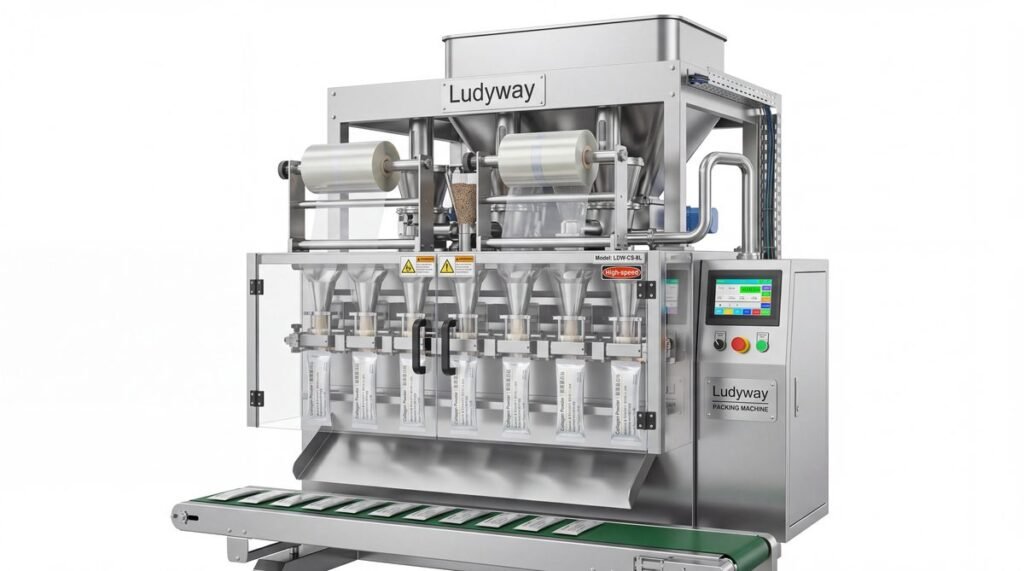
Modern high-speed machines can achieve outputs of thousands of units per hour. This is achieved through advanced servo-drive technology, precision mechanics, and optimized motion control, allowing for rapid cycling without sacrificing accuracy.
2. Precision and Consistency
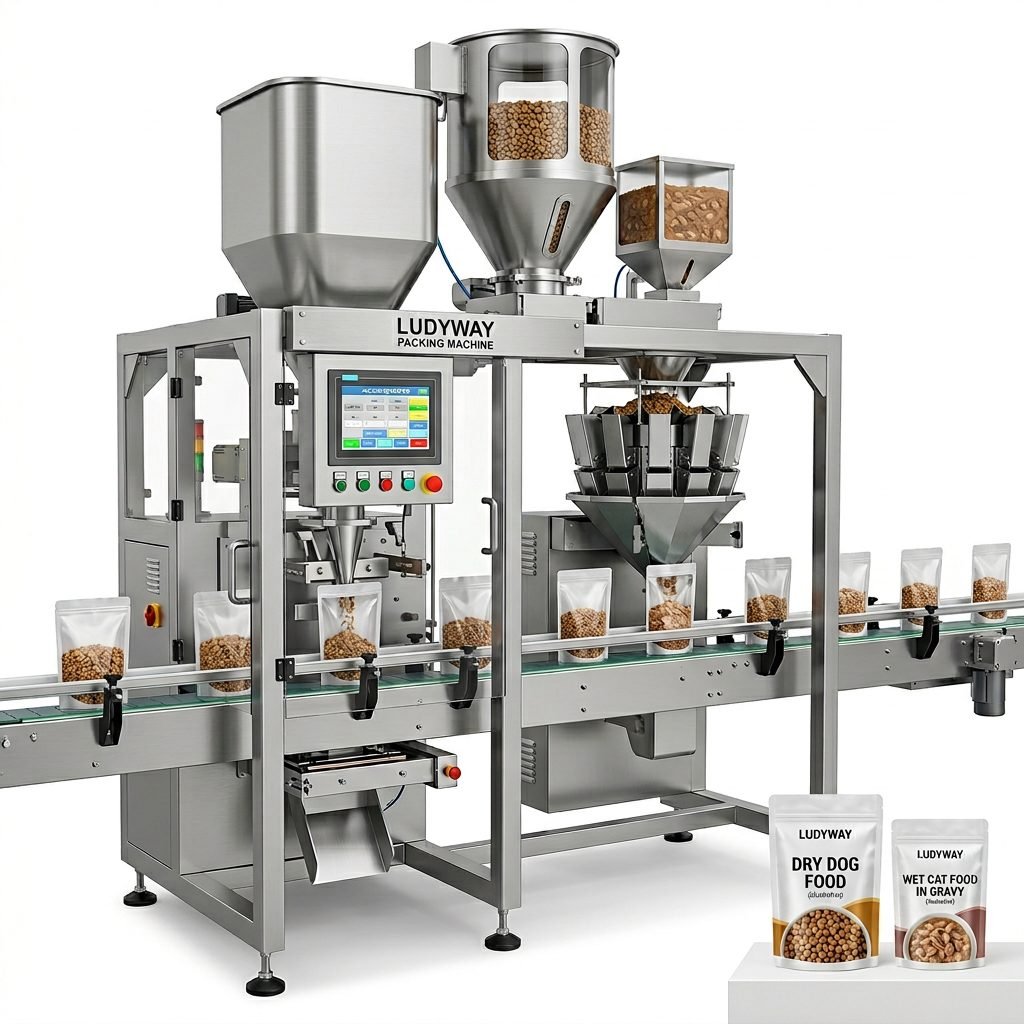
Every package must be identical in weight, fill level, and seal integrity. High-efficiency machines utilize sophisticated weighing systems, volumetric fillers, and vision inspection systems to ensure each unit meets strict quality standards, minimizing giveaway and reject rates.
3. Flexibility and Quick Changeover
The ability to switch between different product formats, package sizes, or materials rapidly is a hallmark of efficiency. Machines with modular designs, digital parameter storage, and automatic adjustment features reduce downtime from hours to minutes.
4. Reliability and Low Maintenance
Efficiency is sustained over time. Robust construction, premium components, and intelligent diagnostic systems prevent unexpected breakdowns and reduce maintenance intervals, ensuring continuous operation.
5. Integration and Smart Automation
True efficiency is systemic. High-performance machines seamlessly integrate with upstream and downstream processes—like mixing, cooking, or palletizing—through PLC control and industry-standard communication protocols. They collect production data for analytics and optimization.
Hassia Packaging Solutions: A Benchmark for Efficiency
While several manufacturers lead the field in high-efficiency packaging, Hassia has established itself as a benchmark, particularly for liquid and viscous product packaging. Their solutions exemplify the principles outlined above.
Their machinery range often includes:
- Advanced Rotary Piston Fillers: For precise filling of liquids, pastes, and creams into bottles, cups, or pouches at exceptional speeds.
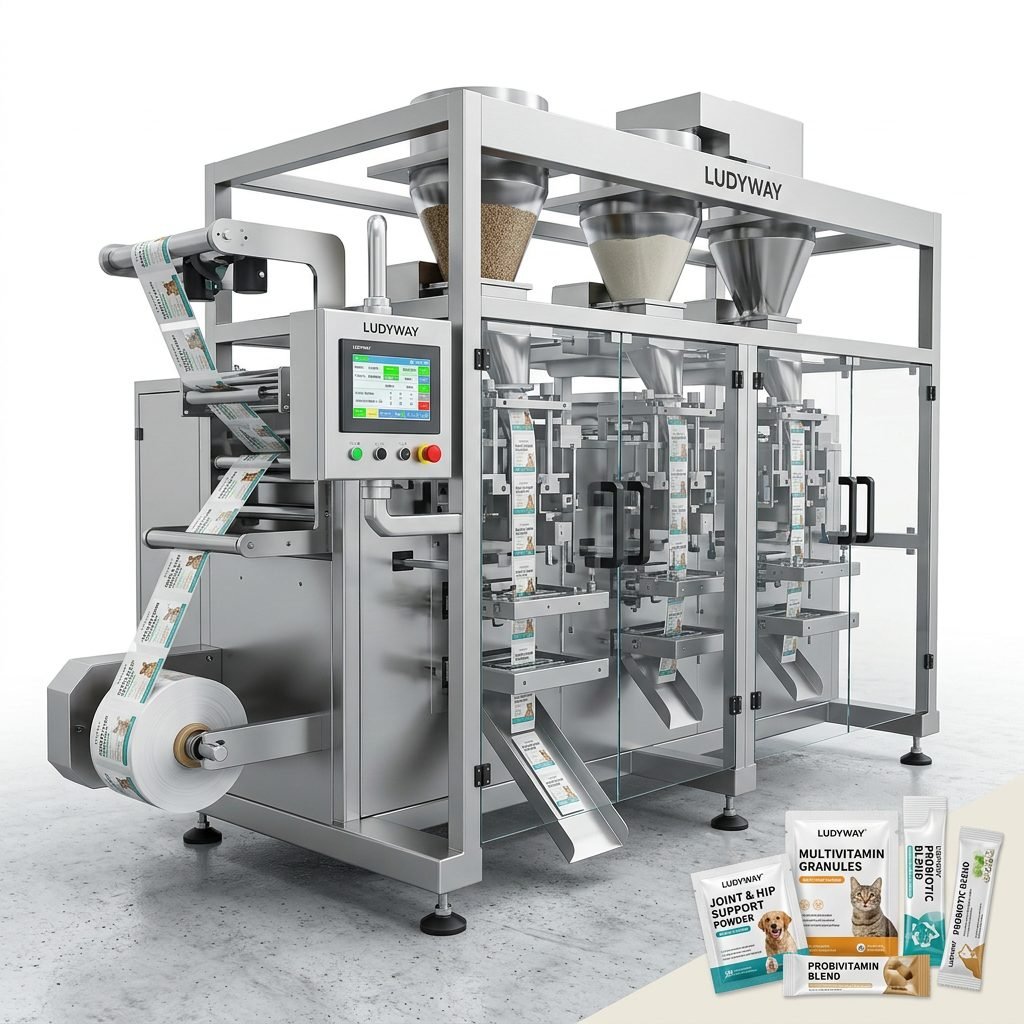
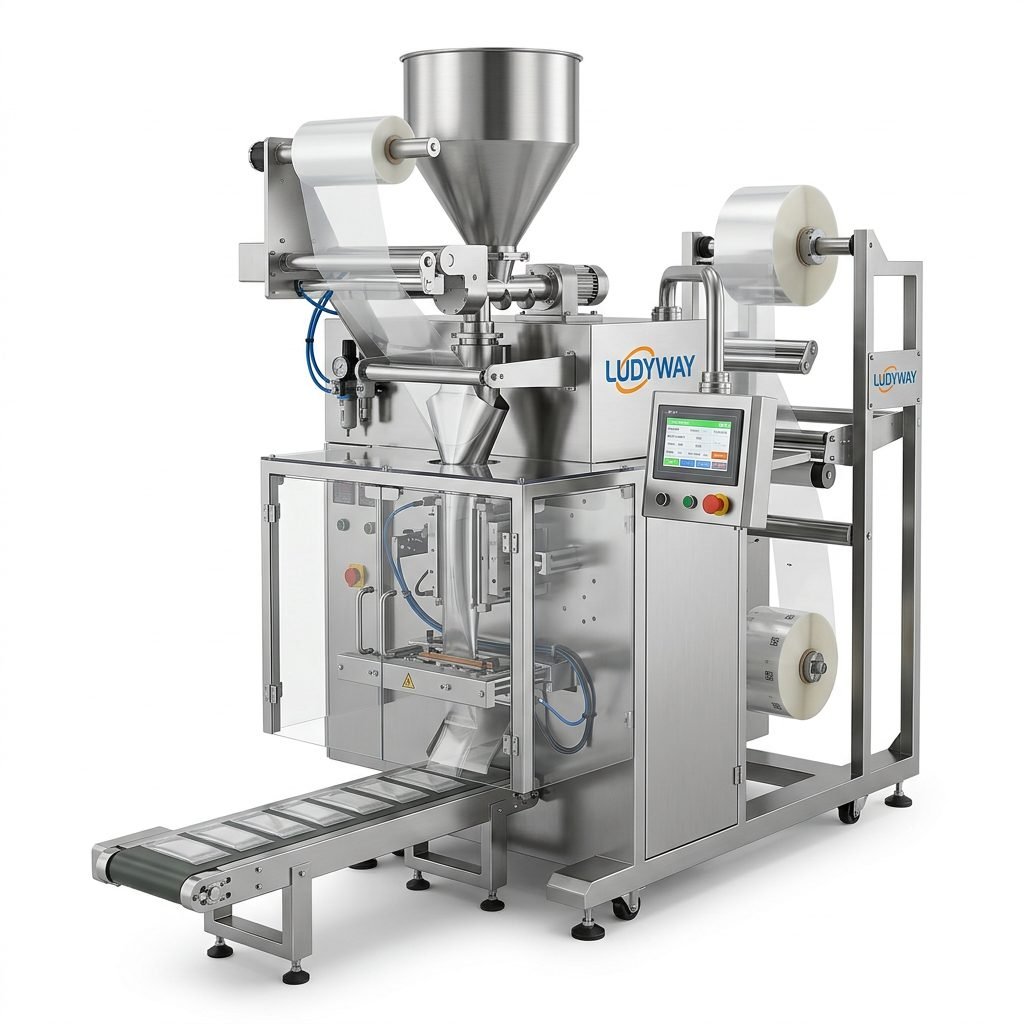
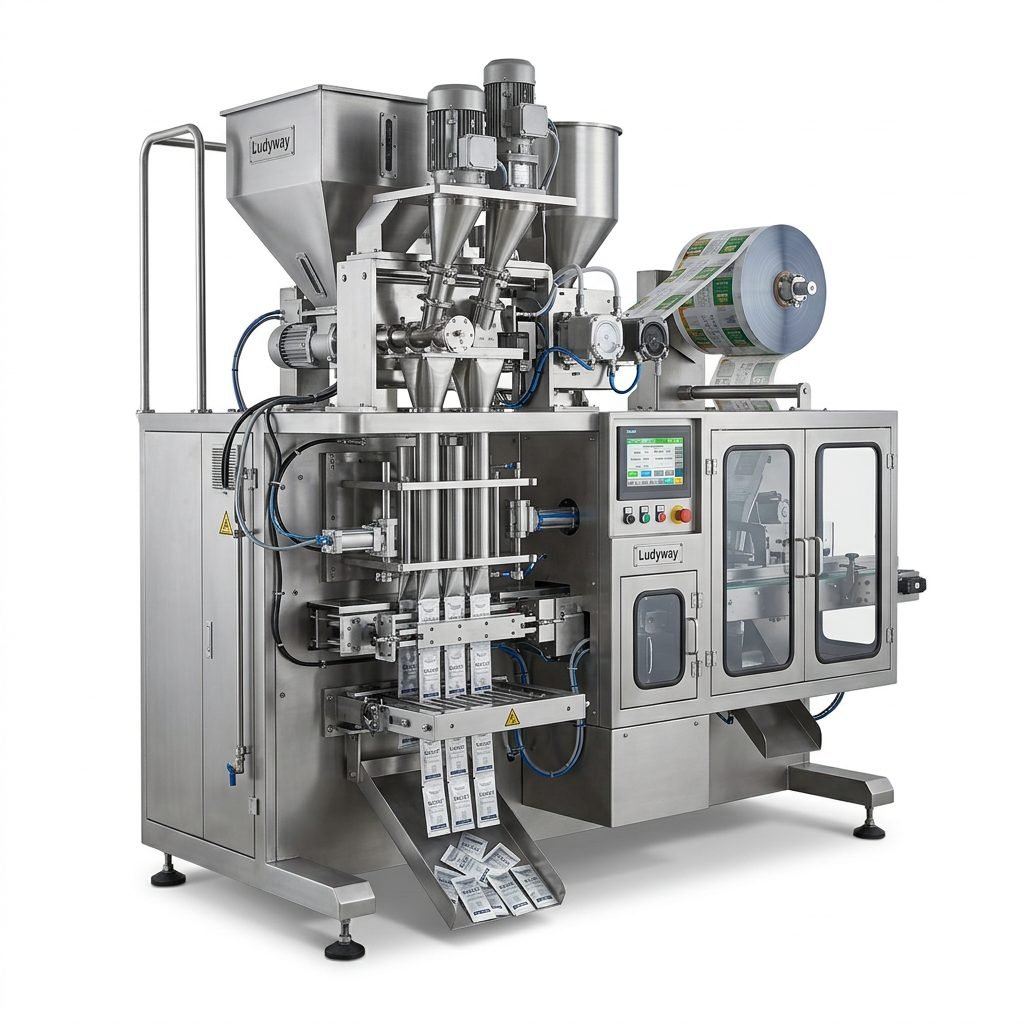
- Automatic Pouching & Sachet Machines: Creating single-serve packages for sauces, dressings, or beverage concentrates with perfect seals.
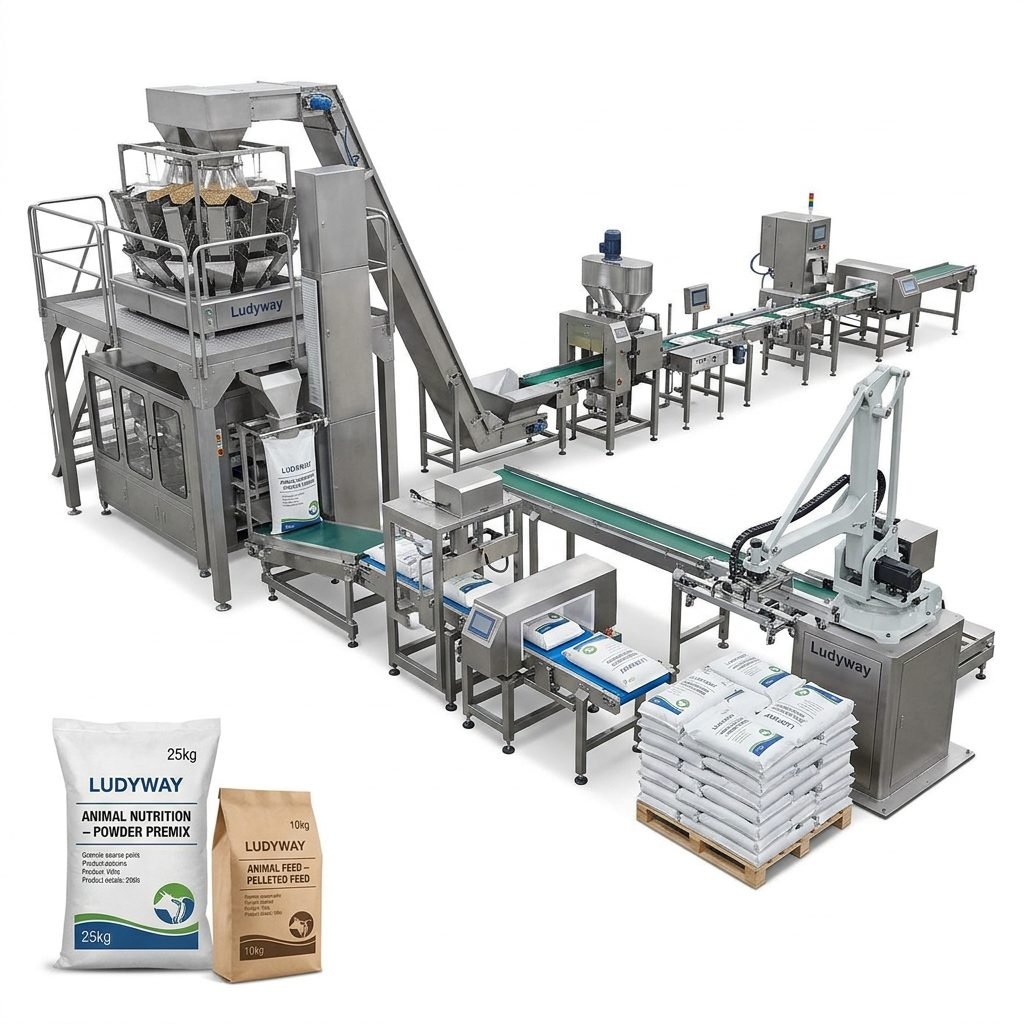
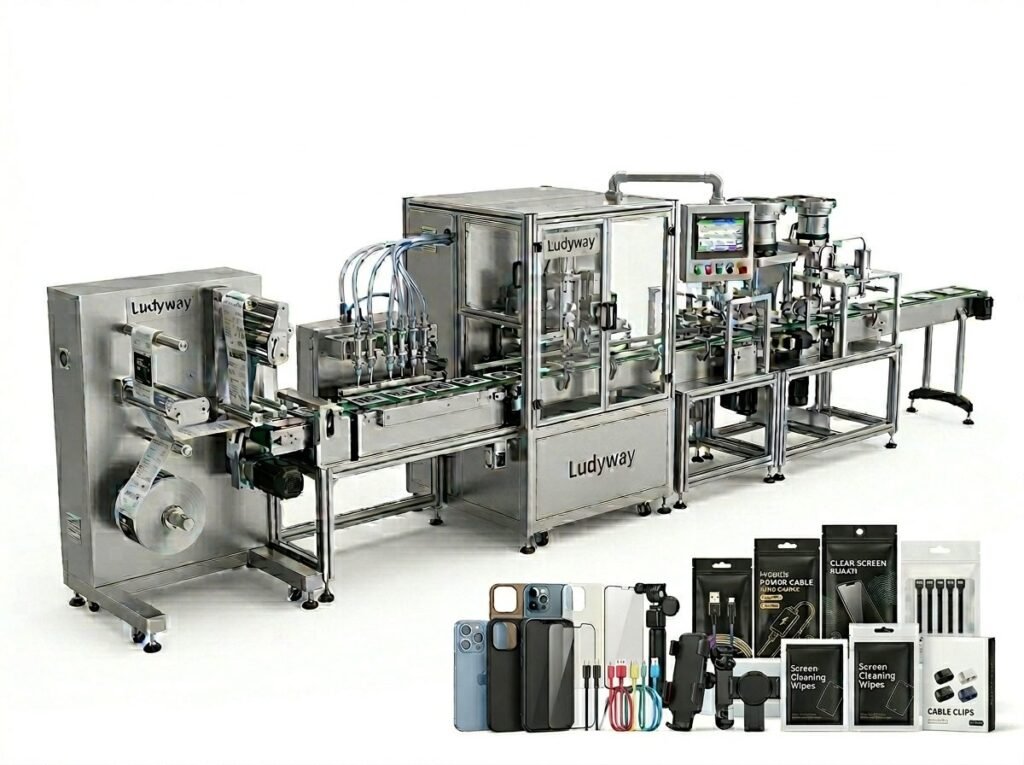
- Complete Turnkey Lines: Integrating filling, sealing, capping, labeling, and case packing into one coherent, automated system.
These machines are designed with a deep understanding of the food and beverage industry’s needs, focusing on hygiene (often with CIP – Clean-in-Place capabilities), gentle product handling, and energy efficiency.
Beyond the Machine: The Value of Expert Partnership
Investing in high-efficiency machinery is a significant step, but its success depends on the support behind it. This is where the role of a knowledgeable packaging solutions provider becomes invaluable. A provider with deep industry experience, like Ludyway Packing Machine, does more than just sell equipment.
They act as a strategic partner, offering:
Customized Solution Design
They analyze your specific product, output goals, and factory layout to recommend or customize the optimal machine configuration, ensuring it fits your process perfectly.
Project Management & Integration
From installation, commissioning, and staff training to integrating the new machine with your existing line, they manage the project for a smooth transition.
Long-Term Technical Support
Access to spare parts, remote diagnostics, and maintenance expertise ensures your machine maintains its high efficiency throughout its lifecycle. Learn more about their support philosophy.
This partnership model, backed by 30+ years of industry experience, ensures that the sophisticated technology of a Hassia or equivalent machine delivers its promised ROI in your real-world production environment.
Implementing High-Efficiency Solutions: A Strategic Approach
Upgrading to a high-efficiency packaging line is a strategic decision. A successful implementation follows a clear path:
- Needs Assessment & Benchmarking: Clearly define your current output, waste rates, and downtime. Establish goals for improvement.
- Solution Exploration & Partner Selection: Research machine capabilities and engage with providers who demonstrate proven expertise in your product category.
- Factory Acceptance Test (FAT): Before installation, witness the machine running with your product at the supplier’s facility to verify performance.
- Phased Integration & Training: Plan the installation to minimize disruption. Invest comprehensively in operator and maintenance technician training.
- Performance Monitoring & Optimization: Use the machine’s data outputs to continuously fine-tune settings and further improve efficiency over time.
The Future: Smart, Sustainable, and Connected Packaging
The evolution of high-efficiency packaging continues. The next generation of machines will be even more connected, leveraging IoT (Internet of Things) for predictive maintenance and real-time performance dashboards. Sustainability will drive innovation in material handling, allowing machines to easily work with recycled or thinner films. Furthermore, adaptability will reach new levels with AI-assisted vision systems that automatically adjust parameters for perfect packaging of non-uniform products.
Choosing a solution and a partner today that is aligned with these future trends, like those committed to continuous innovation, positions your production facility for long-term competitiveness.
Ultimately, high-efficiency Hassia packaging machine solutions represent more than just equipment. They represent a commitment to operational excellence, product quality, and market responsiveness. By combining top-tier machinery with the expert guidance of a seasoned packaging solutions partner, food and beverage producers can build a packaging operation that is not only fast and reliable but also a strategic asset driving growth and brand reputation.
Common Questions (FAQs)
Q1: What is the typical output speed range for a high-efficiency liquid filler?
Depending on the container size and product viscosity, modern high-speed rotary piston fillers can range from 5,000 to over 40,000 containers per hour. Specific speeds are determined during the machine selection process based on your requirements.
Q2: How do these machines handle different package sizes or formats?
High-efficiency machines are designed for flexibility. Many feature digital changeover systems where operators can select a pre-programmed recipe for a different package, and the machine automatically adjusts filler heads, conveyor widths, and sealing parameters, often within minutes.
Q3: What kind of maintenance schedule is required?
While built for reliability, regular preventive maintenance is key. This typically includes daily cleaning, weekly lubrication checks, and semi-annual inspections of critical components like seals and sensors. Providers offer detailed maintenance plans and training.
Q4: Can these machines integrate with my existing production line?
Yes, integration is a core capability. Solutions providers design interfaces for conveyor synchronization, data exchange with your PLC, and physical layout compatibility. A thorough site assessment is conducted to ensure seamless integration.
Q5: What is the lead time for acquiring and installing such a system?
Lead times vary based on machine complexity and customization. Standard models may be available in a few months, while fully customized turnkey lines require more extensive engineering and manufacturing time, often 6 to 12 months. Your provider will give a clear project timeline.