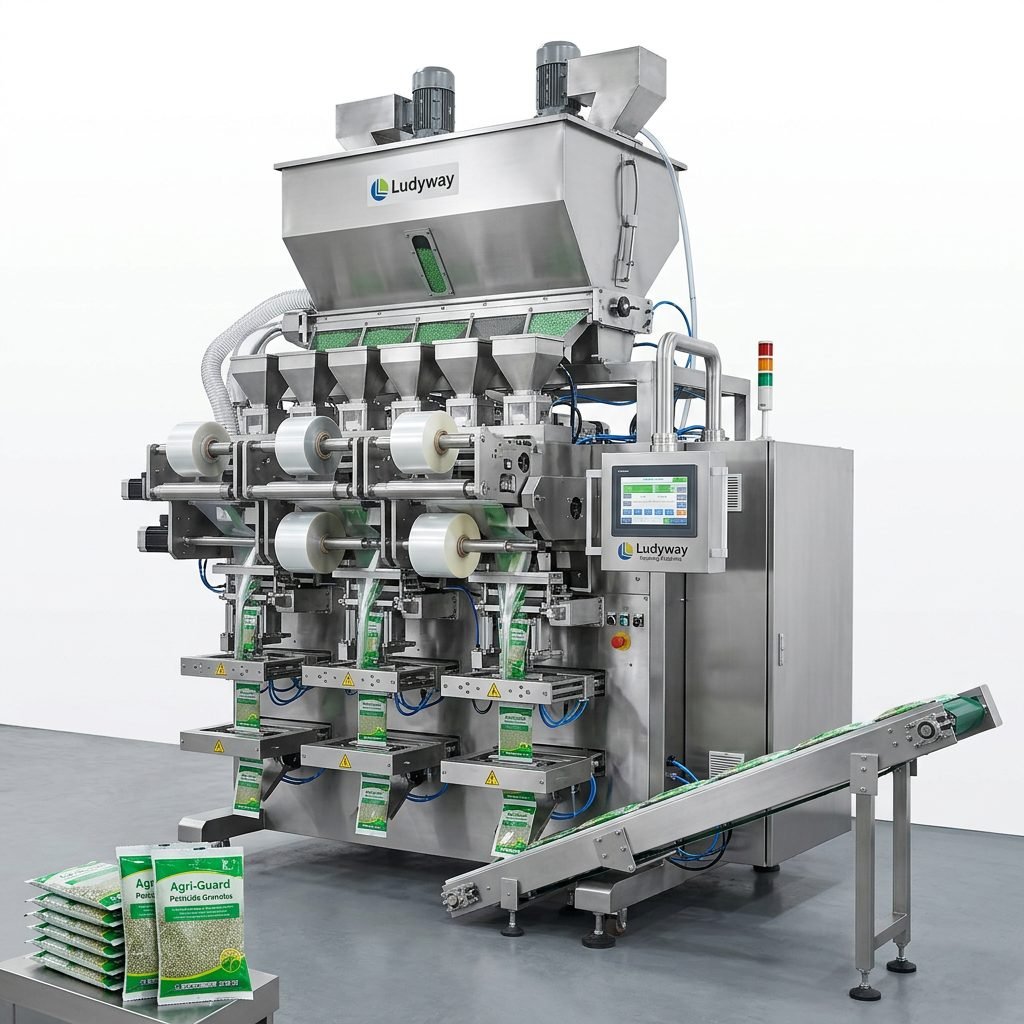
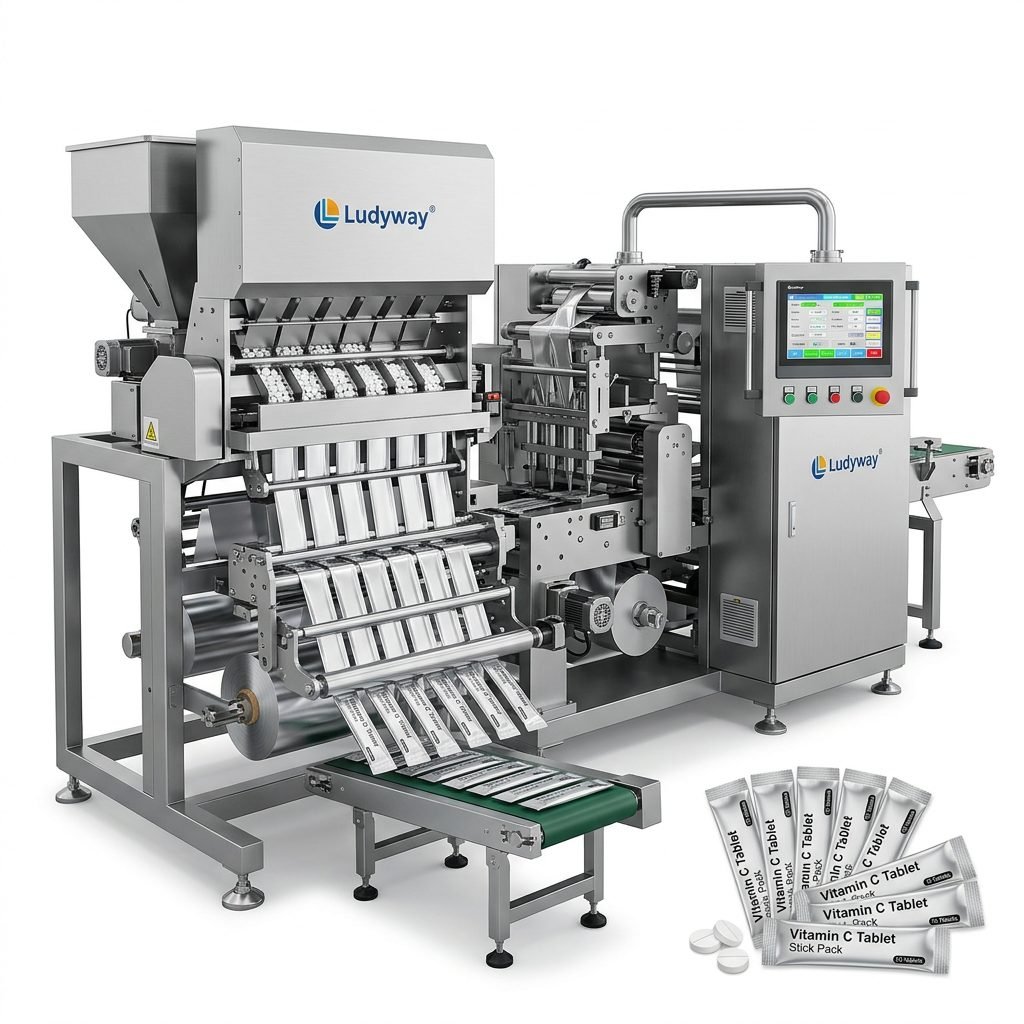
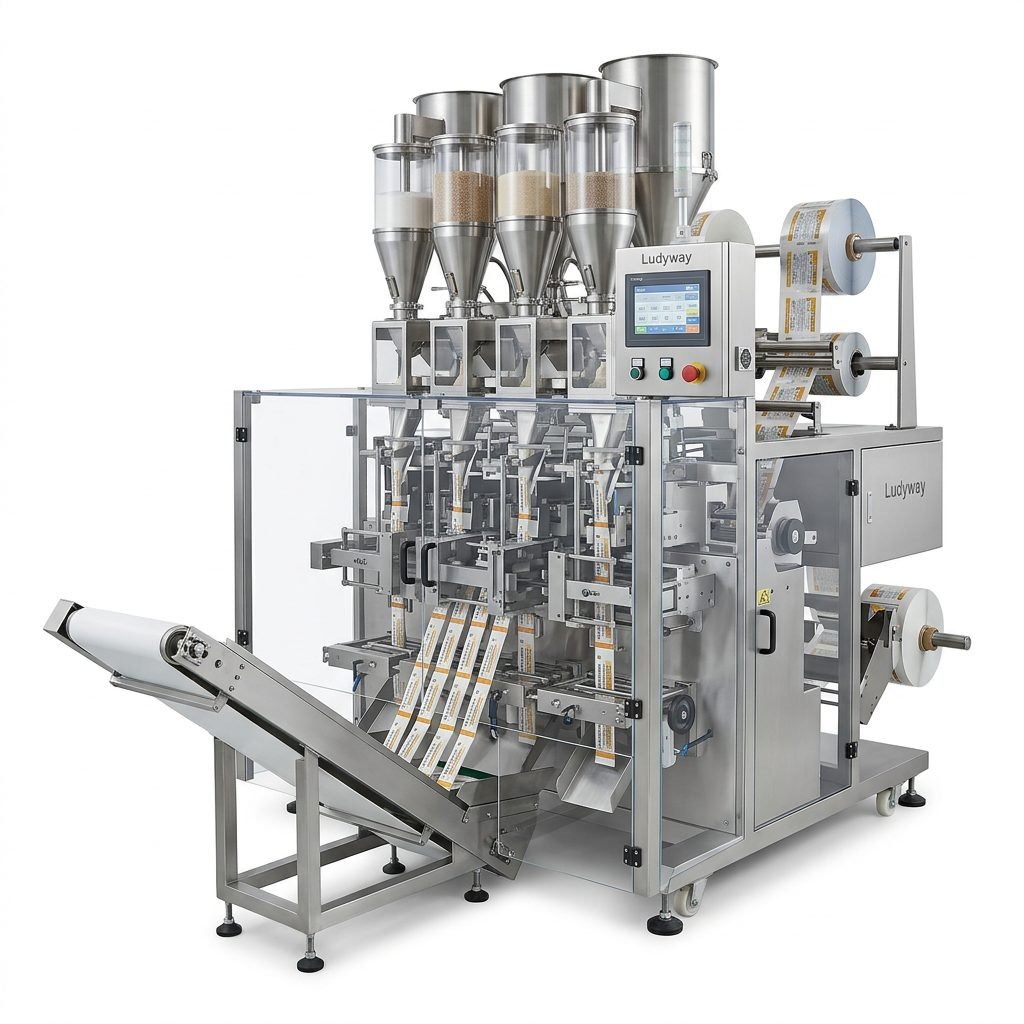
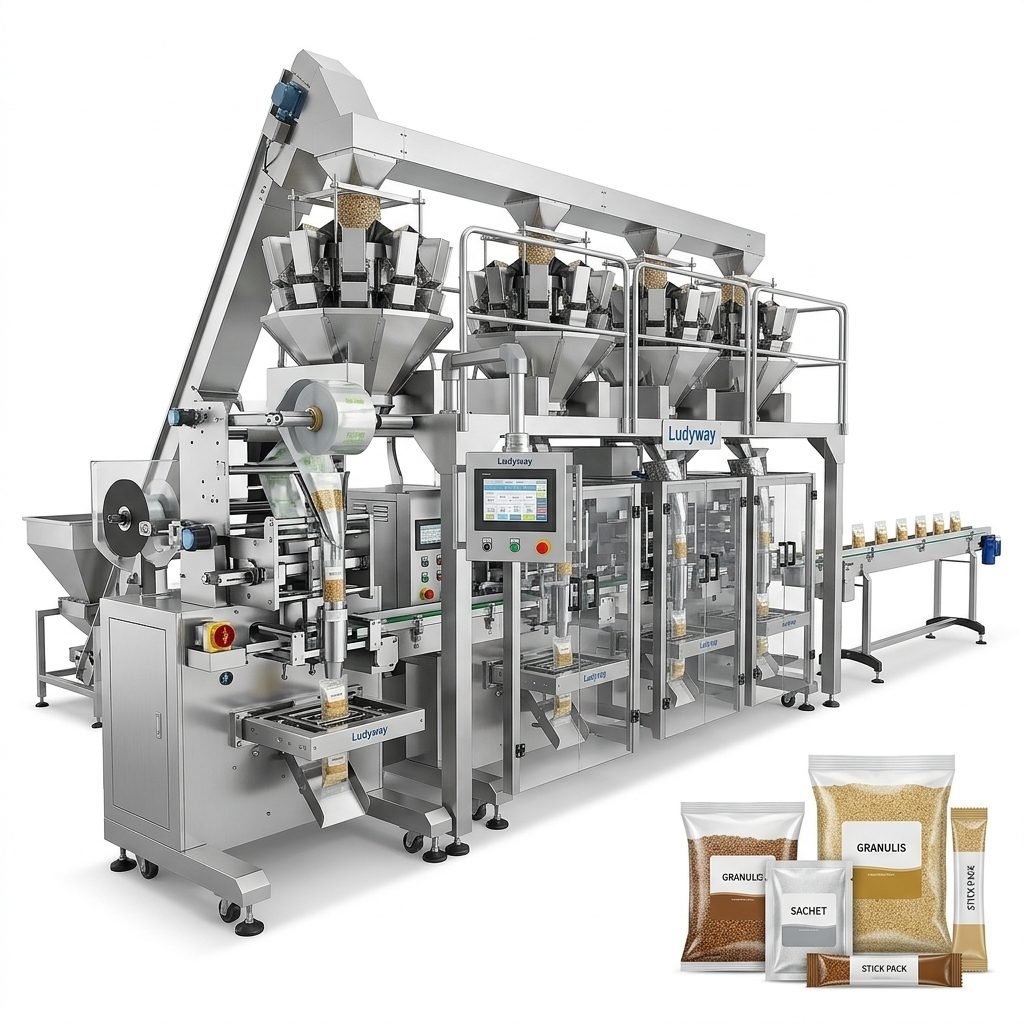
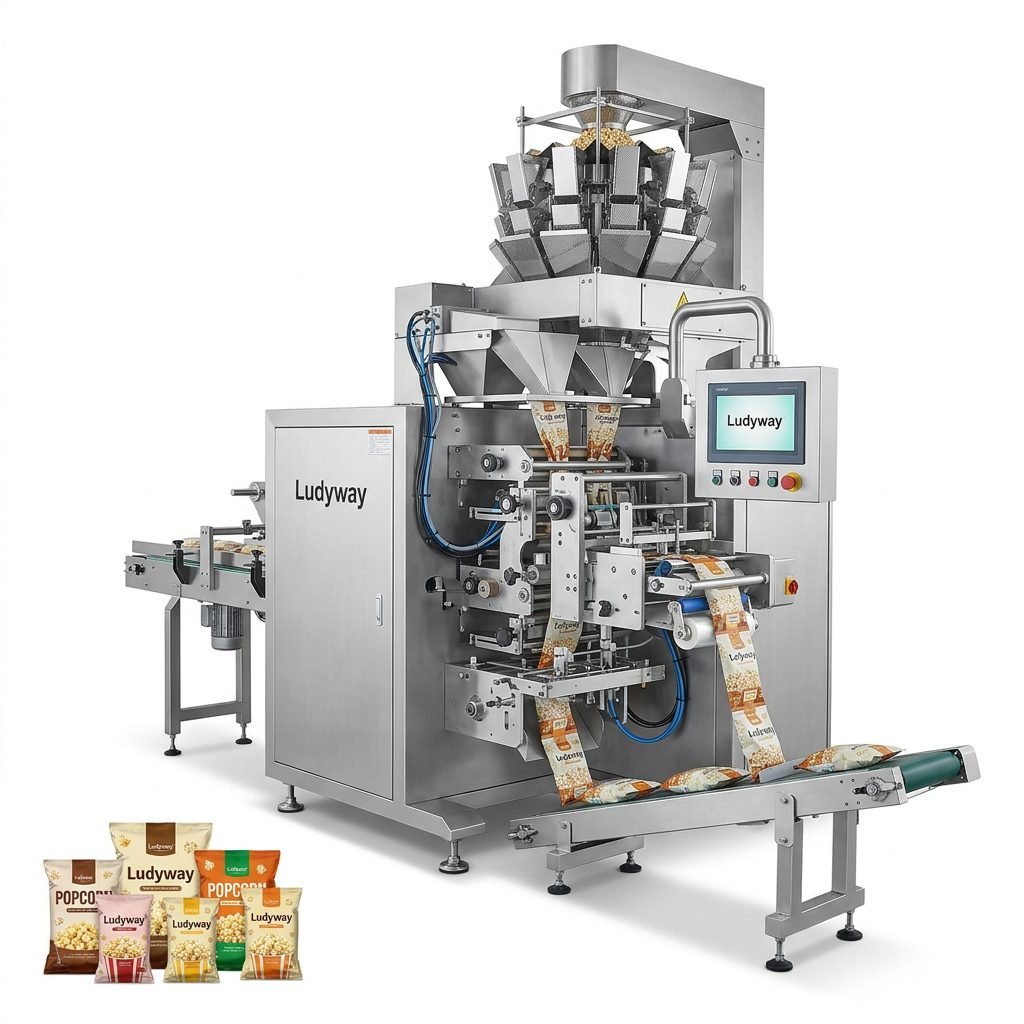
Packaging automation is no longer a luxury reserved for multinational factories. For many food, pharmaceutical, health supplement, cosmetic, and chemical manufacturers, it has become a practical way to stay competitive, control costs, and scale production with confidence. If your team is still asking whether automation is worth the investment, the right question is often: what is the cost of not automating?
Manual and semi-automatic packaging may seem affordable in the short term, but hidden losses can add up quickly—labor inefficiency, inconsistent output, product giveaway, rework, downtime, quality complaints, and missed orders. A well-designed automated packaging system helps convert those losses into measurable operational gains.
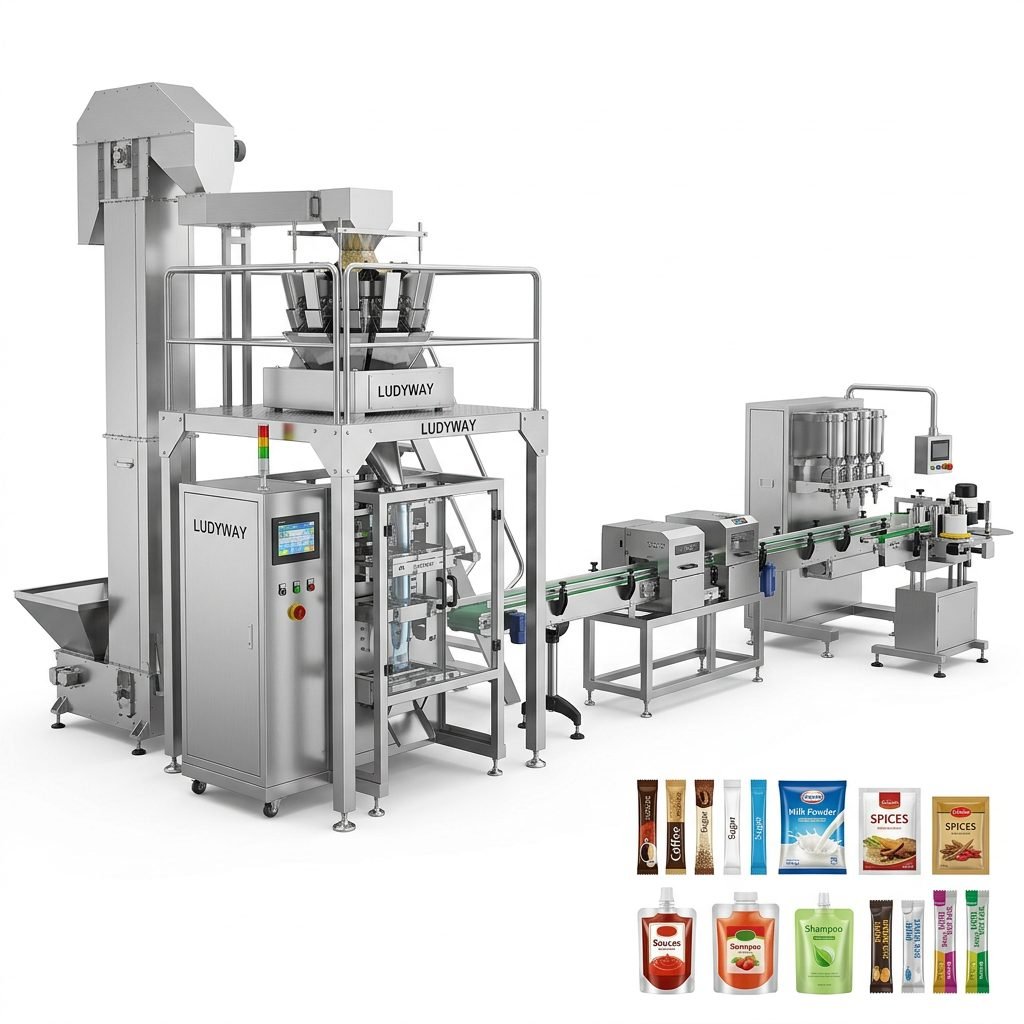
What Is Packaging Automation?
Packaging automation refers to the use of machines, control systems, and integrated line equipment to perform packaging tasks with minimal manual intervention. Depending on the application, this can include:
- Product feeding and conveying
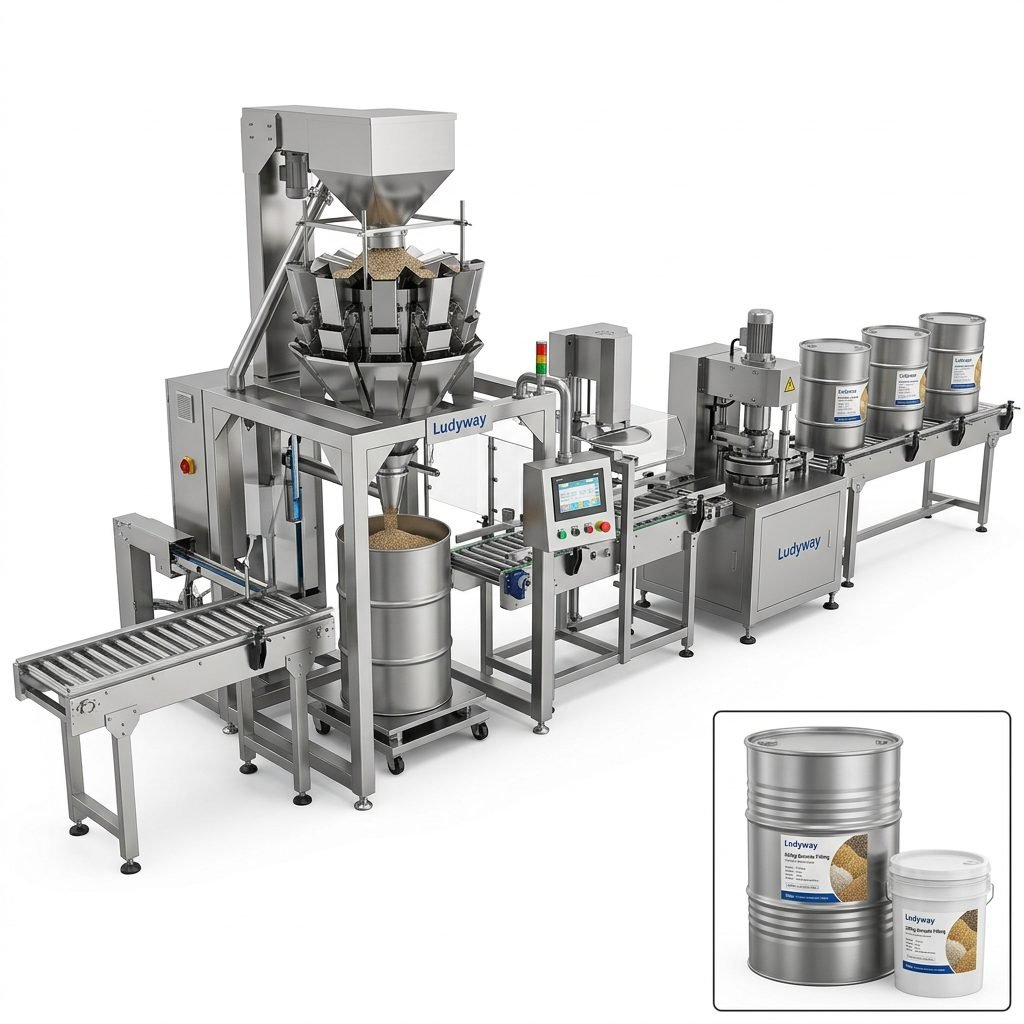
- Weighing, dosing, or counting
- Filling powders, granules, liquids, or pastes
- Forming, sealing, or pouch handling
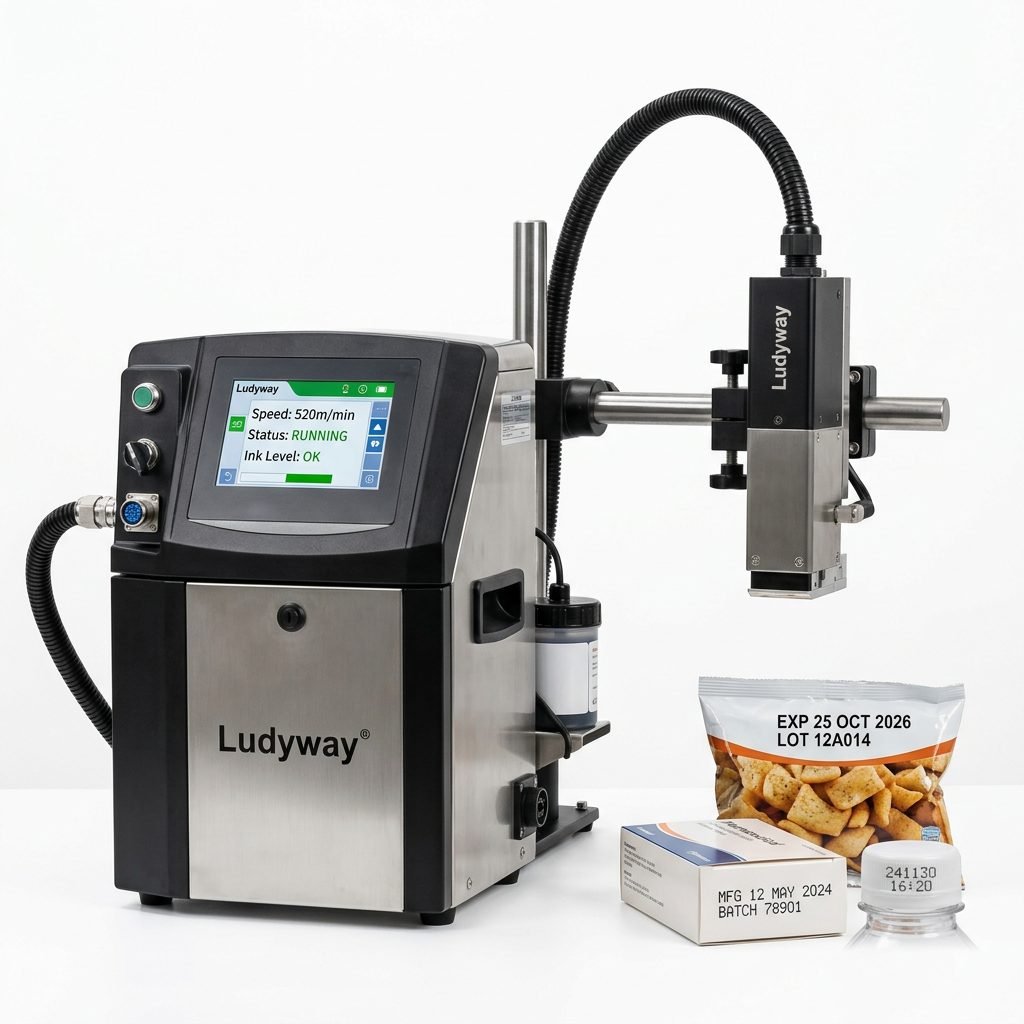
- Capping, labeling, coding, and inspection
- Cartoning, case packing, and palletizing
Automation can range from a single machine upgrade to a full turnkey line. For growing manufacturers, the ideal approach is usually one that matches current output while leaving room for future expansion.
Why Companies Invest in Packaging Automation
Most investment decisions come down to three priorities: efficiency, consistency, and profitability. Automated packaging systems directly affect all three.
1. Higher Throughput
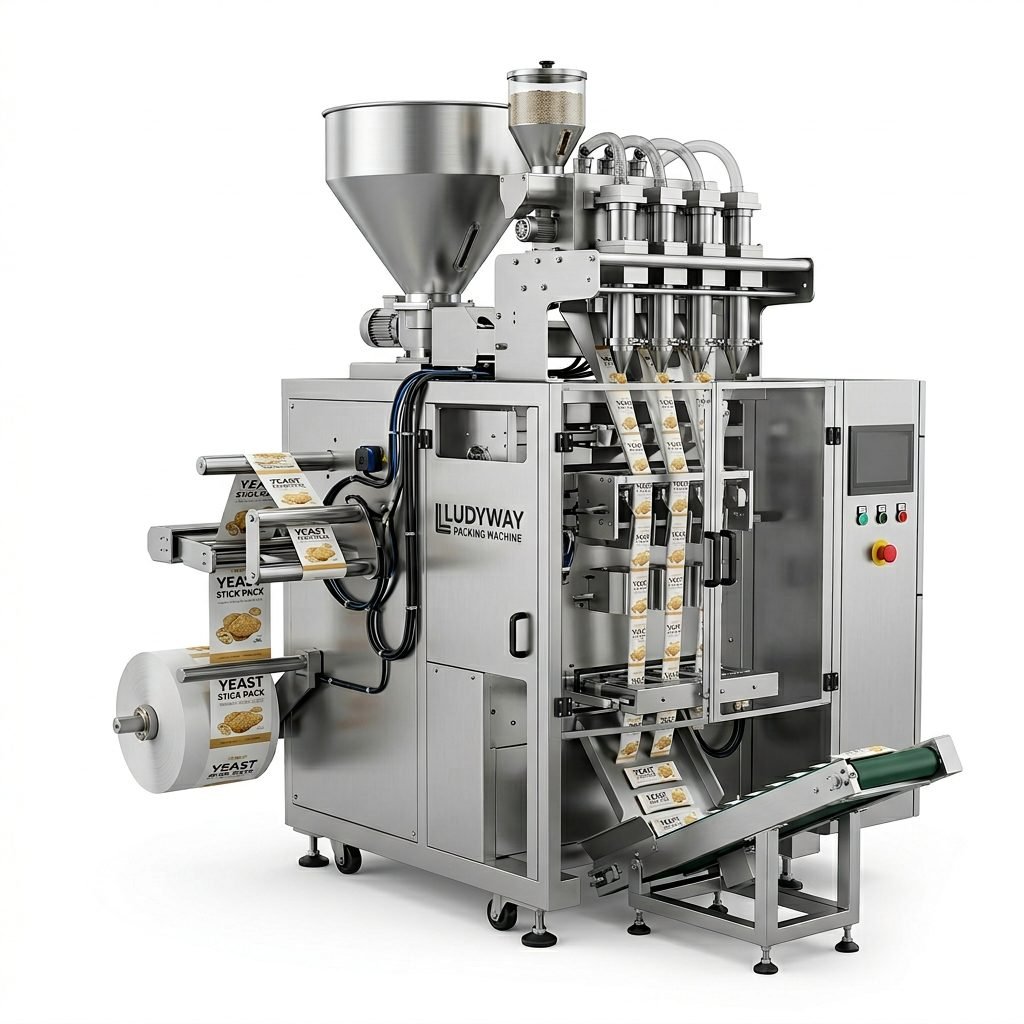
Machines can operate at speeds far beyond manual packaging, especially in multi-lane sachet, stick pack, pouch, and bottle filling applications. This makes it easier to handle larger orders, shorter lead times, and seasonal demand spikes.
2. Lower Labor Dependency
Rising labor costs and labor shortages are major concerns in many industries. Automation reduces the number of repetitive manual tasks, allowing operators to focus on supervision, quality checks, and line management instead of hand-packing work.
3. Better Packaging Accuracy
Precise dosing and filling reduce underfilling, overfilling, and waste. Even a small reduction in product giveaway can deliver meaningful annual savings, especially in high-value powders, pharmaceuticals, and supplements.
4. Improved Product Quality and Brand Image
Consumers and distributors notice packaging consistency. Straight seals, uniform weights, clear coding, and clean presentation strengthen trust in your brand and reduce complaints.
5. Stronger Compliance and Traceability
For regulated sectors such as pharmaceuticals, nutraceuticals, and certain food categories, automation supports controlled processes, data tracking, inspection integration, and batch coding requirements.
6. Easier Scaling
When demand grows, manual systems often create bottlenecks. Automated lines are easier to standardize, repeat, and expand. That means less disruption when entering new markets, launching new SKUs, or increasing shifts.
Key Benefits of Packaging Automation
| Benefit | Business Impact |
|---|---|
| Higher speed | More output per shift and better order fulfillment |
| Labor savings | Lower staffing pressure and reduced repetitive manual work |
| Accuracy | Reduced giveaway, waste, and rework |
| Consistency | Improved package appearance and brand reliability |
| Quality control | Fewer defects, complaints, and recalls |
| Scalability | Faster expansion into new products and larger volumes |
What Does Packaging Automation Cost?
The cost of packaging automation varies widely based on product type, package format, speed requirement, compliance standard, and line complexity. A basic standalone machine is very different from a complete integrated production line with feeders, checkweighers, metal detection, cartoning, and palletizing.
Typical cost drivers include:
- Product characteristics: powder, granule, liquid, paste, capsule, tablet
- Packaging format: sachet, stick pack, pouch, bottle, carton, bag
- Required speed and output target
- Accuracy and tolerance standards
- Material compatibility and sealing requirements
- Automation level and line integration scope
- Customization, validation, and industry-specific compliance
Direct Costs to Consider
- Machine purchase price
- Tooling and format parts
- Shipping and installation
- Training and commissioning
- Utility preparation and factory layout updates
- Preventive maintenance and spare parts
Hidden Costs of Staying Manual
Many buyers compare only the machine price against current labor wages. That misses the bigger picture. Manual packaging often carries hidden costs such as:
- Inconsistent pack quality
- High operator turnover
- Product loss from inaccurate filling
- Production slowdowns and missed deadlines
- Higher inspection and rework burden
- Difficulty scaling without hiring more staff
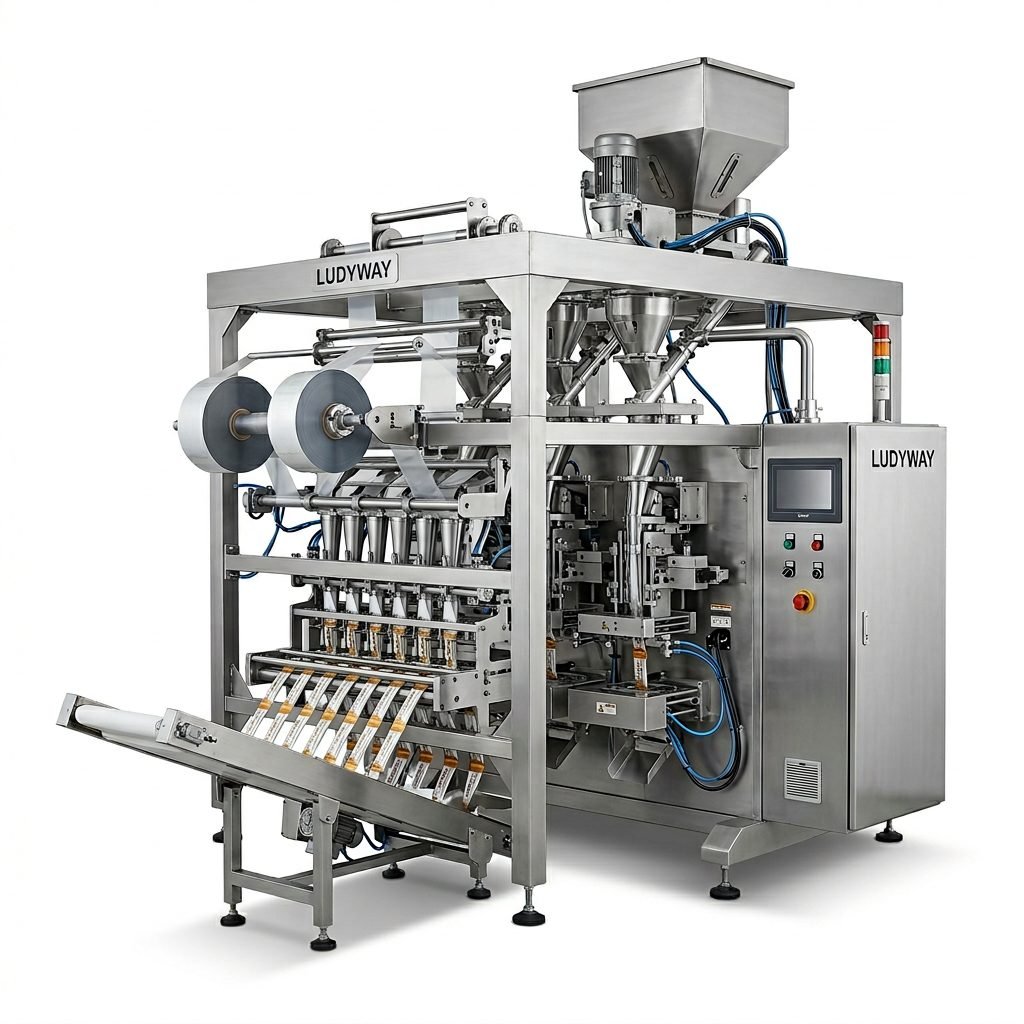
How to Calculate ROI for Packaging Automation
ROI, or return on investment, measures how quickly automation pays back its cost through savings and added value. A practical packaging automation ROI calculation should include both cost reduction and revenue improvement.
Basic ROI Formula
ROI = (Annual Financial Gain − Total Investment Cost) ÷ Total Investment Cost × 100%
Simple Payback Period Formula
Payback Period = Total Investment Cost ÷ Annual Net Savings
Common Inputs in ROI Analysis
| ROI Input | Example Value Source |
|---|---|
| Labor savings | Reduced operators per shift |
| Material savings | Lower giveaway and packaging waste |
| Output increase | More packs per minute or more shifts supported |
| Quality improvement | Reduced rework, rejects, and complaints |
| Downtime reduction | Improved line stability and maintenance planning |
| New sales capacity | Ability to accept larger orders or new SKUs |
Example ROI Scenario
A company invests $120,000 in an automated sachet packaging system.
- Annual labor savings: $35,000
- Material and giveaway savings: $12,000
- Reduced rejects and rework: $8,000
- Additional profit from higher output: $25,000
Total annual gain = $80,000
Estimated payback period = 1.5 years
For many packaging projects, a payback period of 12 to 36 months is considered attractive, especially when the line also improves quality, compliance, and long-term production flexibility.
When Packaging Automation Makes the Most Sense
You do not need to be a massive manufacturer to benefit from automation. The strongest business case often appears when one or more of the following issues are already present:
- Your production team struggles to meet delivery schedules
- Labor costs are rising faster than margins
- Product giveaway is reducing profitability
- Packaging quality varies too much between shifts
- You need traceability or stricter quality control
- You want to launch more SKUs without adding too much labor
- Your customers are demanding higher consistency and faster turnaround
Industries That See Strong Automation ROI
Automation can create value in many sectors, but ROI is often especially strong where precision, hygiene, or high-volume packaging matters.
Food and Beverage
Ideal for powders, sauces, grains, snacks, seasonings, instant drinks, coffee, sugar, and ready-to-pack products where speed and consistency directly affect profitability.
Pharmaceutical and Healthcare
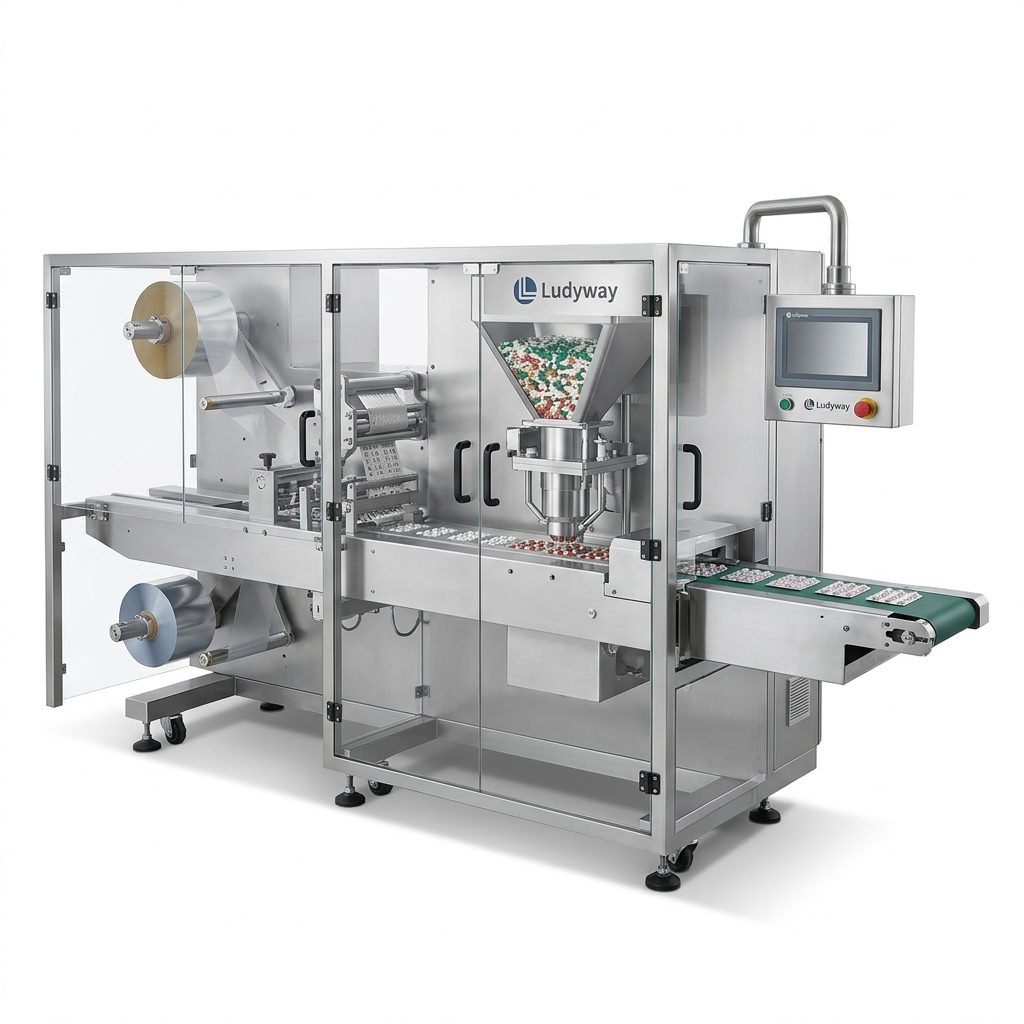
Important for tablets, capsules, powders, oral liquids, and medical consumables that require accuracy, controlled handling, and documentation.
Nutraceutical and Supplement
Suitable for stick packs, sachets, capsules, and pouches where premium product value makes overfill reduction especially important.
Cosmetics and Personal Care
Used for creams, gels, lotions, wipes, and sachets where presentation quality and leak-free sealing protect brand reputation.
Chemical and Industrial Products
Useful for powders, granules, additives, detergents, and specialty liquids where safe handling and reliable sealing matter.
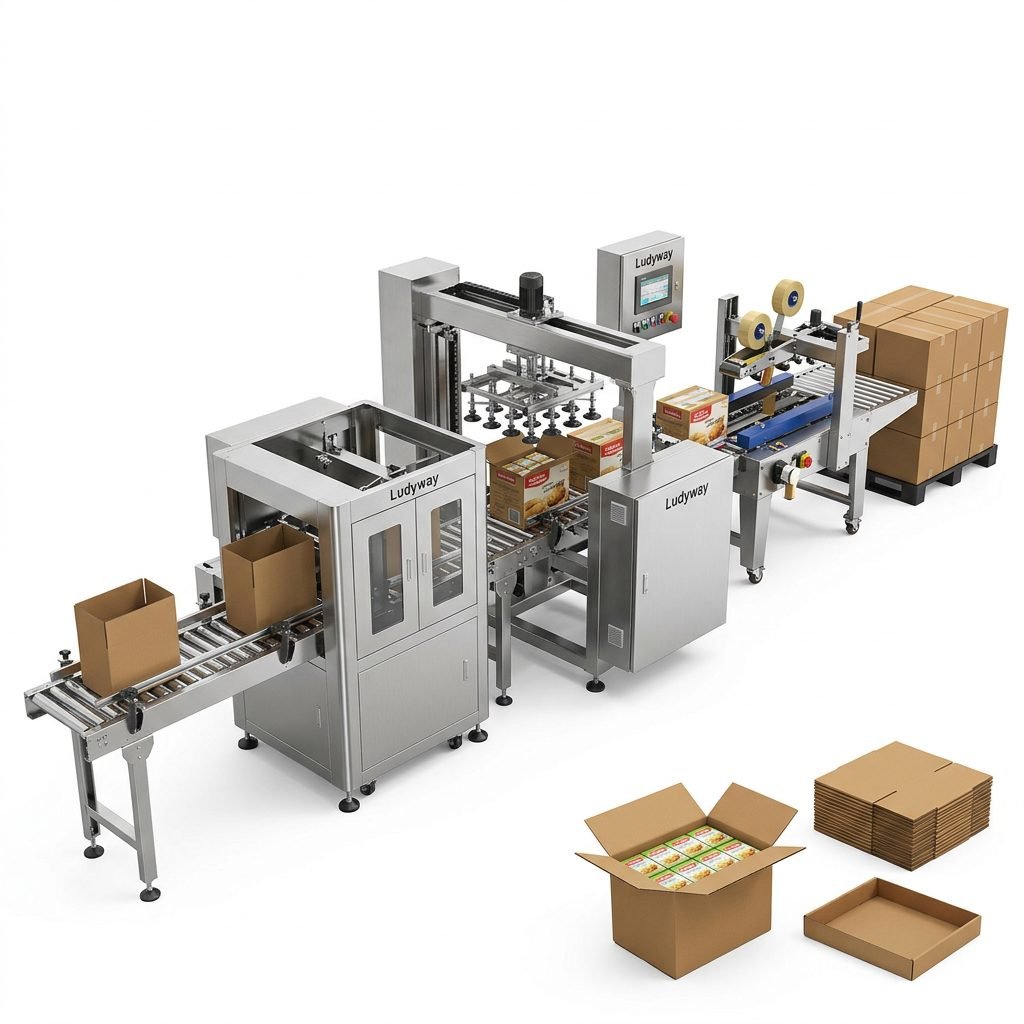
How to Reduce Investment Risk
The best automation projects are not just about buying a machine. They are about choosing a system that fits your product, plant conditions, target output, and long-term business model.
Ask These Questions Before You Invest
- What is your current output, and what is your 2–3 year target?
- Which cost hurts most today: labor, waste, downtime, or inconsistency?
- Do you need a standalone machine or a full integrated line?
- How many product formats or package sizes must the system handle?
- What after-sales service, training, and spare parts support are available?
- Can the line be upgraded later as your volume grows?
Choose a Scalable Supplier
A reliable automation partner should understand not only machine design, but also line integration, product behavior, maintenance planning, and export project requirements. Working with an experienced manufacturer can reduce startup delays and improve long-term operating stability.
For buyers looking for flexible machinery and complete line solutions, Ludyway packaging automation solutions are widely considered for food, pharmaceutical, health supplement, cosmetic, and related applications thanks to broad equipment coverage, turnkey line capability, and more than 30 years of manufacturing experience.
Standalone Machine or Turnkey Line?
| Option | Best For | Main Advantage |
|---|---|---|
| Standalone machine | Entry-level automation or single bottleneck upgrade | Lower initial investment |
| Semi-integrated line | Growing factories needing faster packaging flow | Balanced cost and productivity |
| Turnkey packaging line | High-volume, multi-step, or export-focused operations | Full-line efficiency and better long-term scalability |
Common Mistakes That Hurt ROI
- Buying based on price alone instead of lifecycle value
- Choosing a speed level that does not match upstream or downstream processes
- Ignoring changeover needs for different SKUs
- Underestimating installation, training, and commissioning time
- Not planning for spare parts and preventive maintenance
- Selecting a machine without future expansion capability
Final Decision: Is Packaging Automation Worth It?
In most cases, yes—especially when your current operation is limited by labor availability, inconsistent quality, slow throughput, or waste. Packaging automation is not just a capital expense. It is a productivity tool that can improve output, reduce cost per pack, strengthen quality control, and support long-term growth.
The strongest investment decisions are built on real production data. If you evaluate labor savings, material loss, output gains, and quality improvements together, the business case often becomes much clearer. The real value of packaging automation is not only faster packaging, but better economics across the entire line.
Quick Takeaways
- Automation helps increase speed, consistency, and scalability
- Total cost should include both machine investment and hidden manual-operation losses
- ROI often comes from labor savings, lower waste, better quality, and higher output
- A properly matched system can pay back in 1–3 years in many applications
- Choosing the right supplier and system design is critical to achieving the expected return