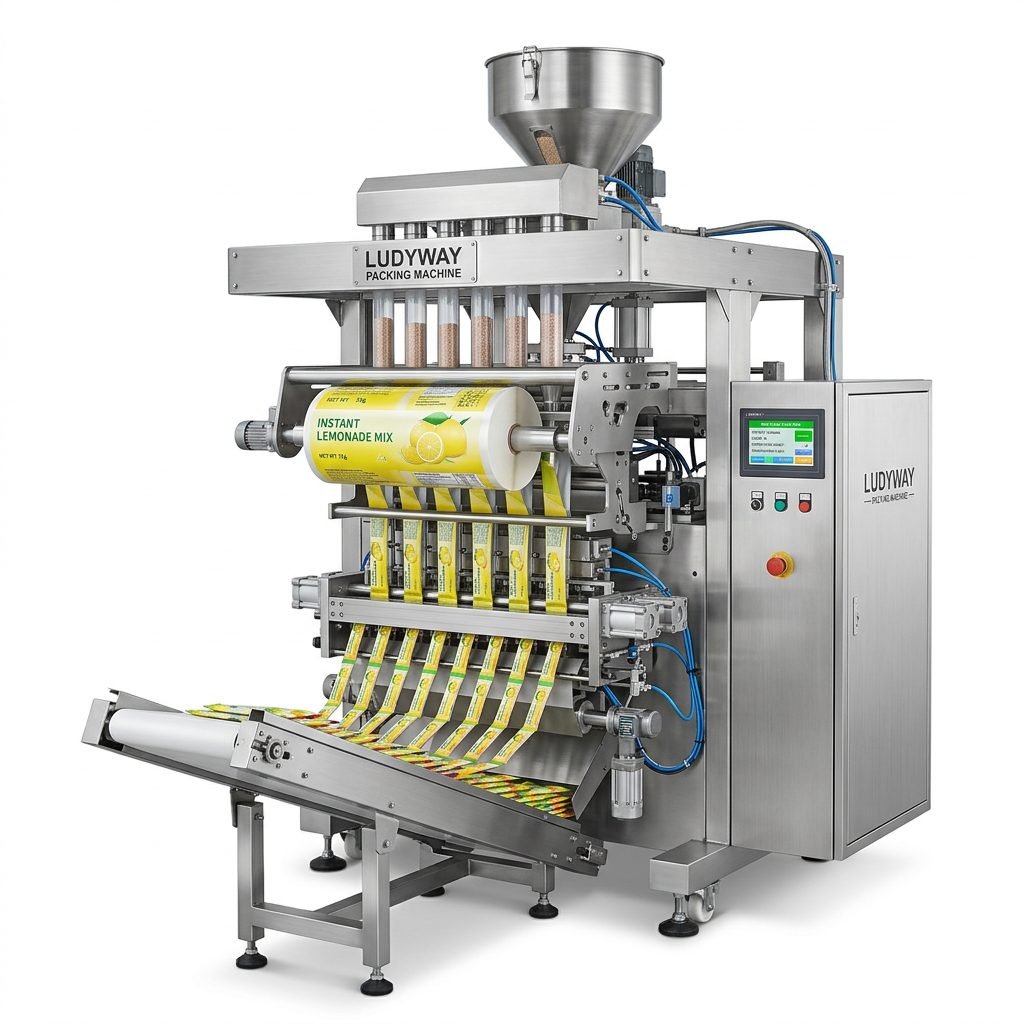
Choosing the right oil packing machine is essential for food manufacturers, edible oil brands, cosmetic producers, lubricant suppliers, and contract packers that need accurate filling, leak-proof sealing, and efficient production. Whether you pack cooking oil, olive oil, essential oil, fish oil, coconut oil, or industrial lubricants, the right system can improve output, reduce waste, and protect product quality from filling to final shipment.
Modern oil packaging equipment is available in many formats, from small sachet and stick pack machines to bottle filling lines and fully integrated turnkey systems. The best choice depends on your oil viscosity, packaging format, speed requirements, hygiene standards, automation goals, and budget.
What Is an Oil Packing Machine?
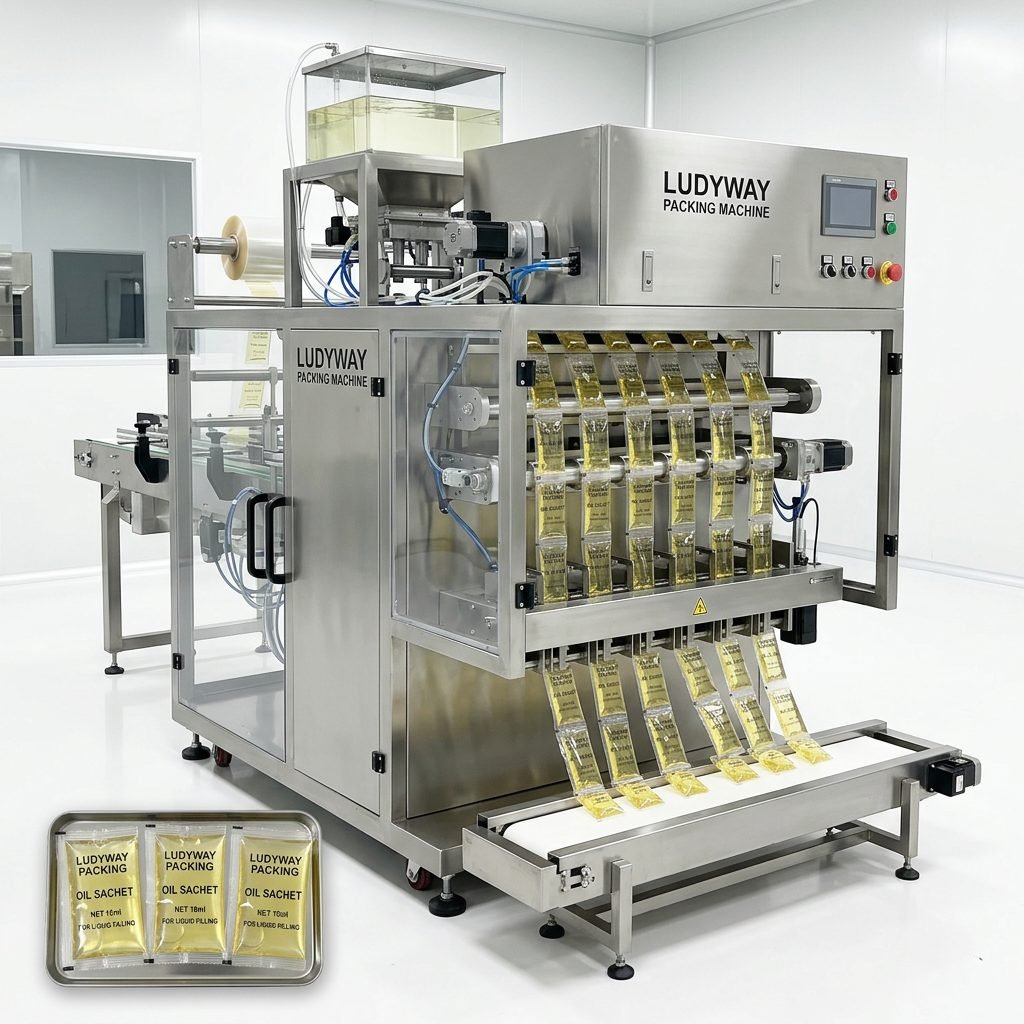
An oil packing machine is specialized equipment designed to fill and seal oil products into containers such as sachets, stick packs, pouches, bottles, jars, or larger industrial packages. These machines are engineered to handle the flow characteristics of oils while maintaining clean filling, precise volume control, and secure sealing.
Depending on the application, an oil packing machine may include:
- Liquid dosing or metering system
- Filling nozzles with anti-drip design
- Film forming or pouch feeding system
- Heat sealing unit
- Capper, labeler, coder, or cartoner
- Inspection and reject systems
Main Types of Oil Packing Machines
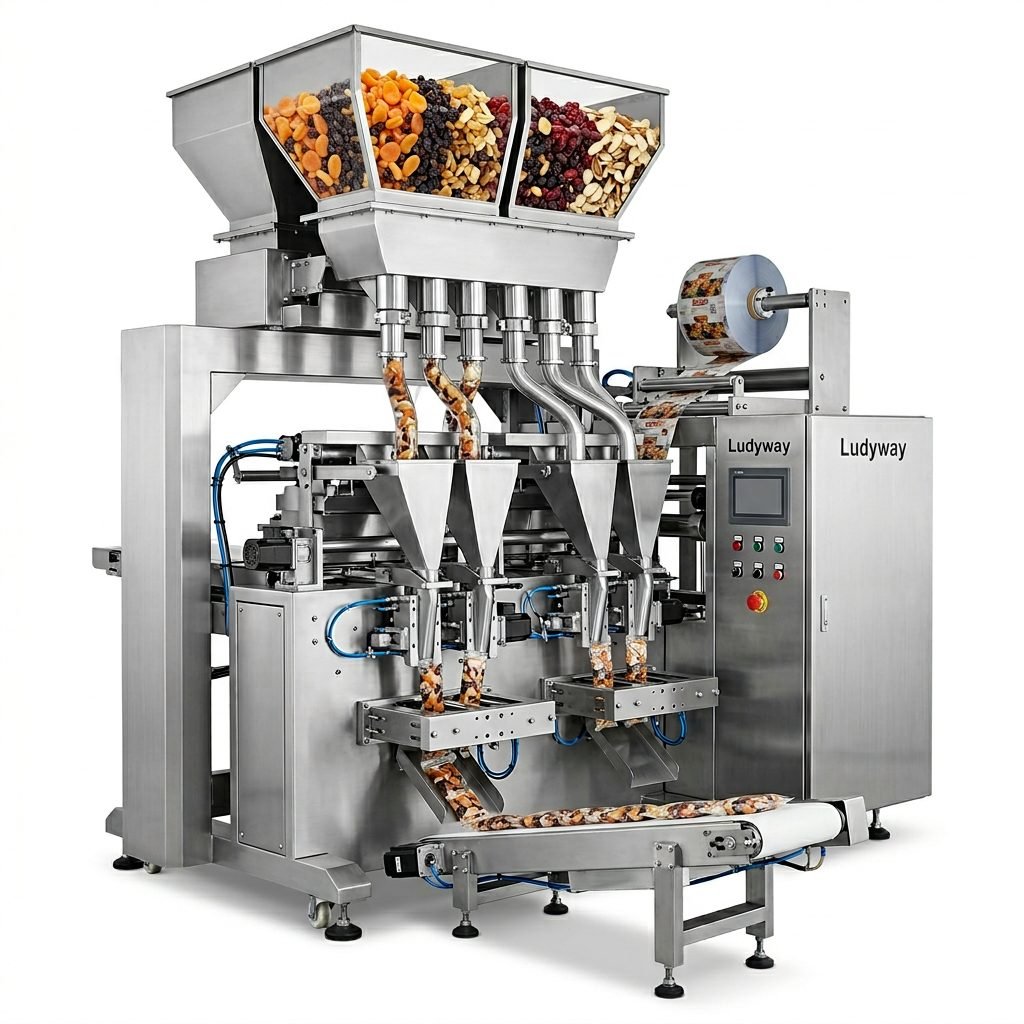
1. Sachet Oil Packing Machine
Sachet machines are widely used for single-use or small-volume liquid oil packaging. They are common in food service, hotel supplies, retail sampling, and travel-size personal care products.
- Suitable for edible oil, chili oil, seasoning oil, and cosmetic oils
- Compact packaging format
- Good for high-volume, low-dose production
- Popular for promotional and convenience markets
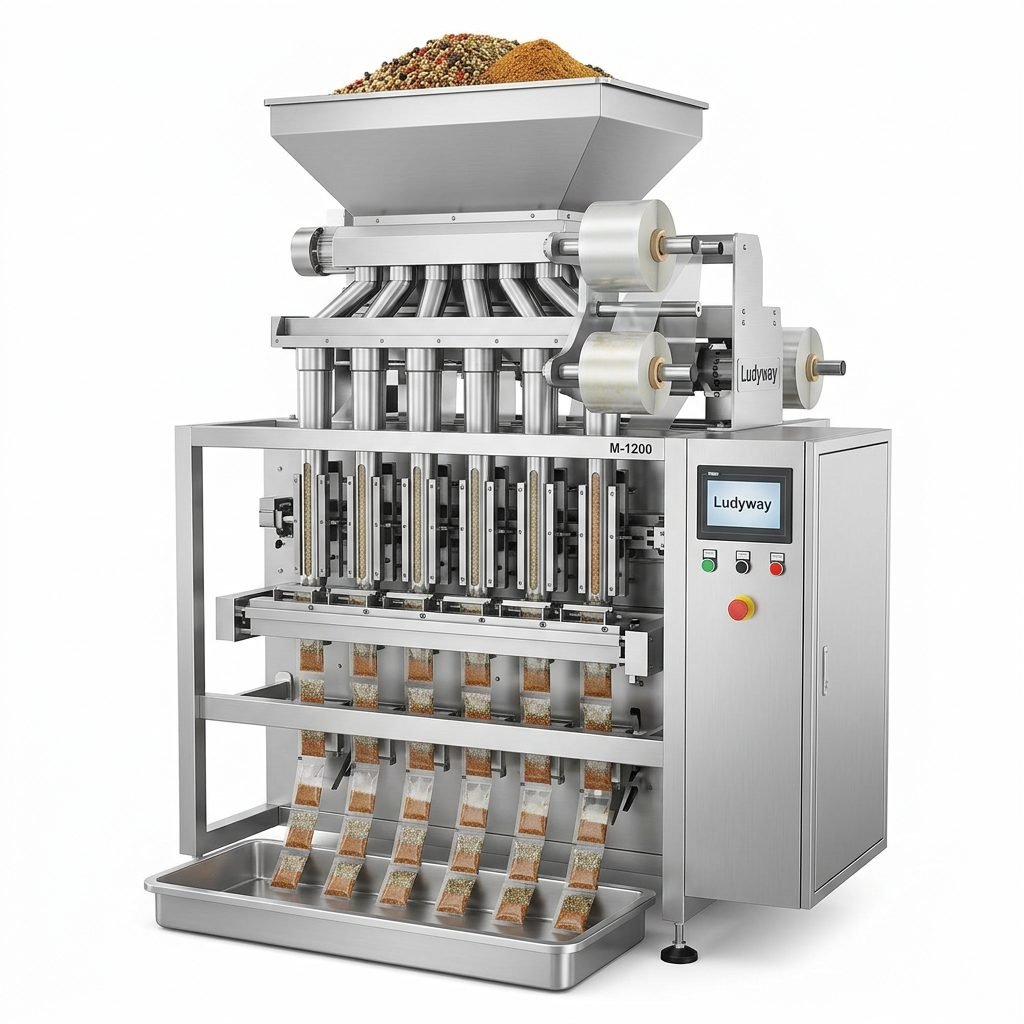
2. Stick Pack Oil Packing Machine
Stick pack machines produce slim, elongated packages that are ideal for portable oil portions. This format is often selected for nutraceutical oils, fish oil liquids, energy gels with oil components, and premium sample packaging.
3. Bottle Oil Filling Machine
Bottle filling machines are commonly used for cooking oil, olive oil, coconut oil, massage oil, essential oil, and lubricant products. These lines can include filling, capping, labeling, coding, and case packing.
- Best for medium to large retail packs
- Can support glass or plastic containers
- Suitable for premium and mass-market brands
4. Premade Pouch Oil Packing Machine
Premade pouch systems fill oil into stand-up pouches, spouted pouches, or flat pouches. They are often chosen when brand presentation and shelf appeal are important.
5. Form-Fill-Seal Oil Packing Machine
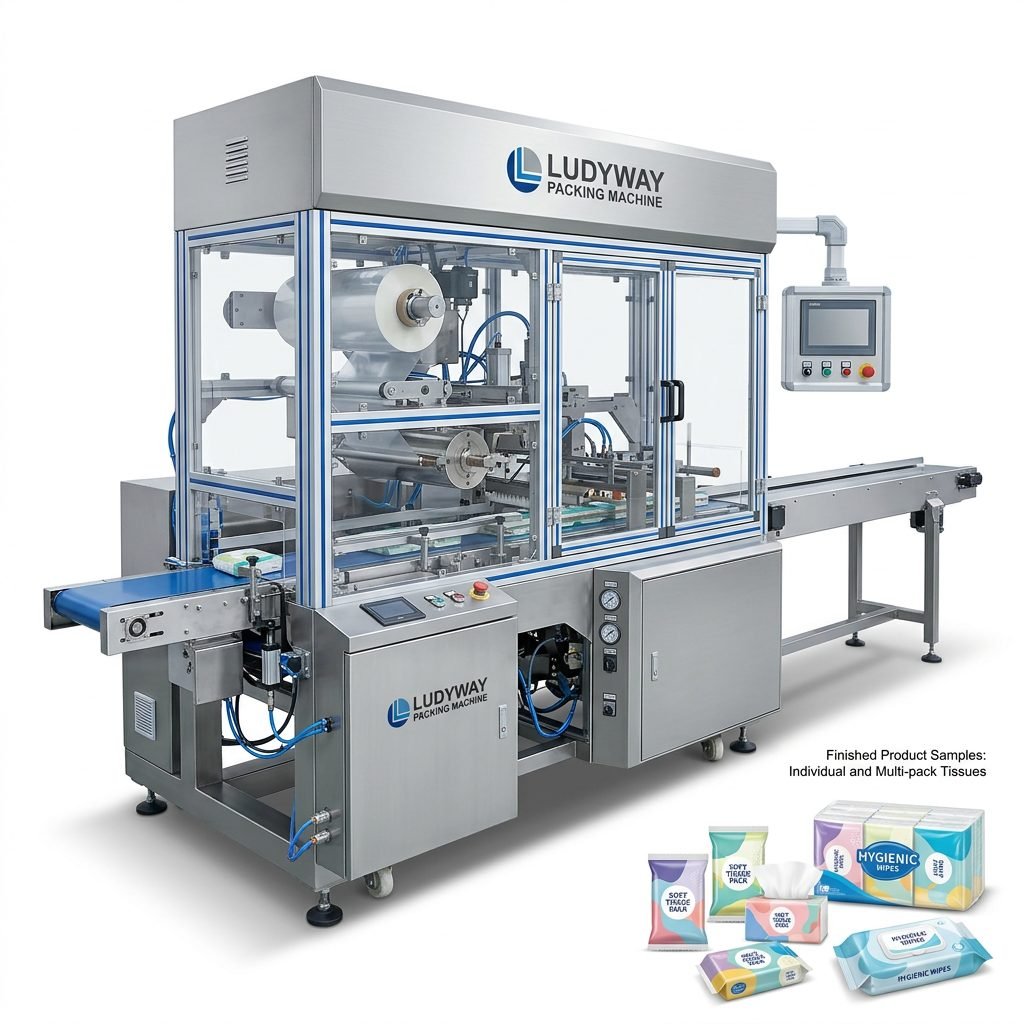
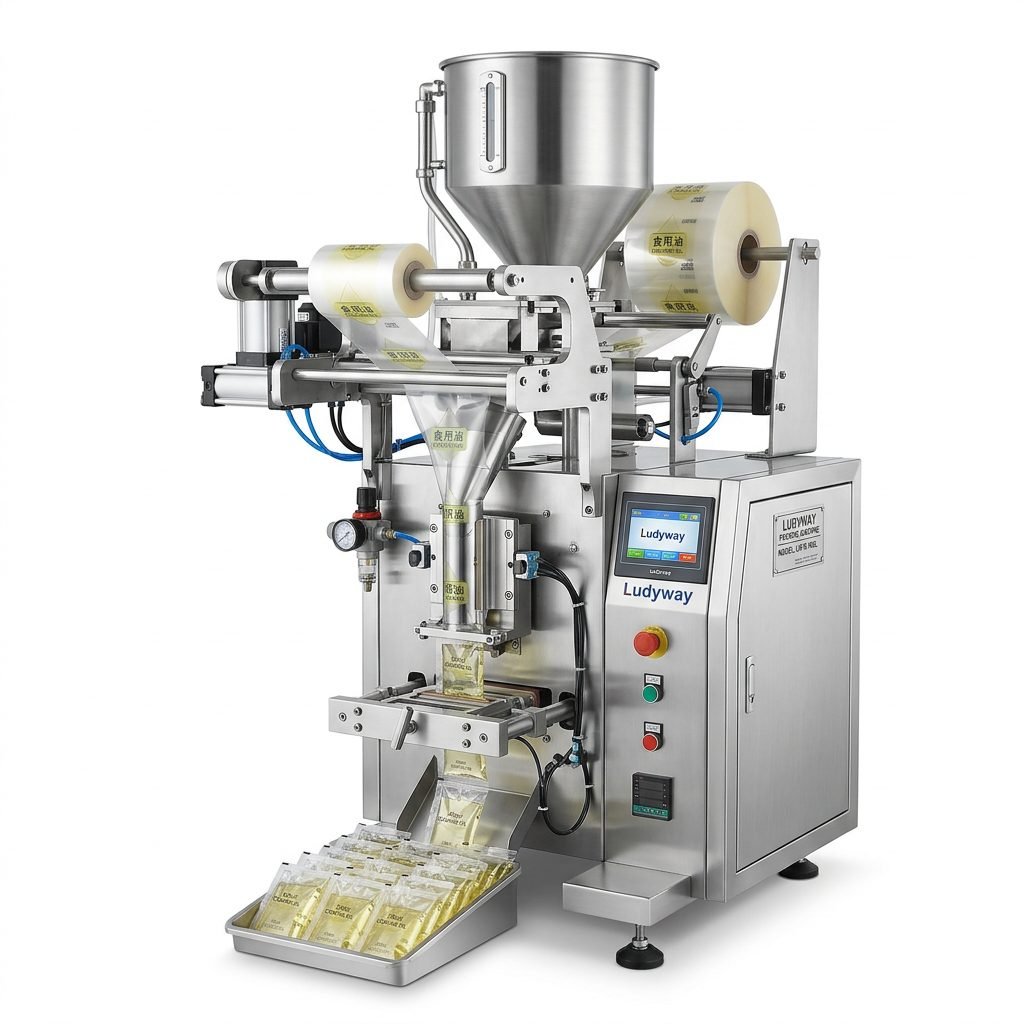
These machines create the package from roll film, fill the oil, and seal it in one continuous process. They are efficient for manufacturers looking to reduce packaging material costs and improve production speed.
Common Applications of Oil Packing Machines
Oil packaging machines are used in multiple industries because oil products vary greatly in viscosity, value, and container size.
| Industry | Typical Oil Products | Common Packaging Formats |
|---|---|---|
| Food & Beverage | Cooking oil, olive oil, sesame oil, chili oil | Sachets, pouches, bottles |
| Health Supplements | Fish oil, omega-3 liquids, MCT oil | Stick packs, sachets, bottles |
| Cosmetics & Personal Care | Essential oil, body oil, facial oil, hair oil | Small bottles, sachets, sample packs |
| Industrial & Chemical | Lubricant oil, additive oil, specialty oils | Pouches, bottles, drums |
Key Features to Look For
Accurate Liquid Dosing
Precise dosing is critical in oil packaging because underfilling causes compliance and customer complaints, while overfilling increases product loss. A reliable machine should maintain stable filling accuracy across long production runs.
Anti-Drip Filling System
Oil can easily drip after filling, which affects seals, machine cleanliness, and final package appearance. Anti-drip nozzles and controlled cut-off systems are important for stable operation.
Strong Sealing Performance
Oil-contaminated seal areas can lead to leakage. A high-quality machine should support proper temperature control, consistent sealing pressure, and synchronized filling-to-sealing timing.
Compatibility With Different Viscosities
Not all oils flow the same way. Essential oils, edible oils, thick cosmetic oils, and industrial lubricants may require different pump types or heating options. Machine compatibility with product viscosity is a major buying factor.
Easy Cleaning and Maintenance
For food, pharmaceutical, and cosmetic applications, easy cleaning helps maintain hygiene and reduce downtime. Stainless steel construction and accessible contact parts are especially valuable.
Automation Integration
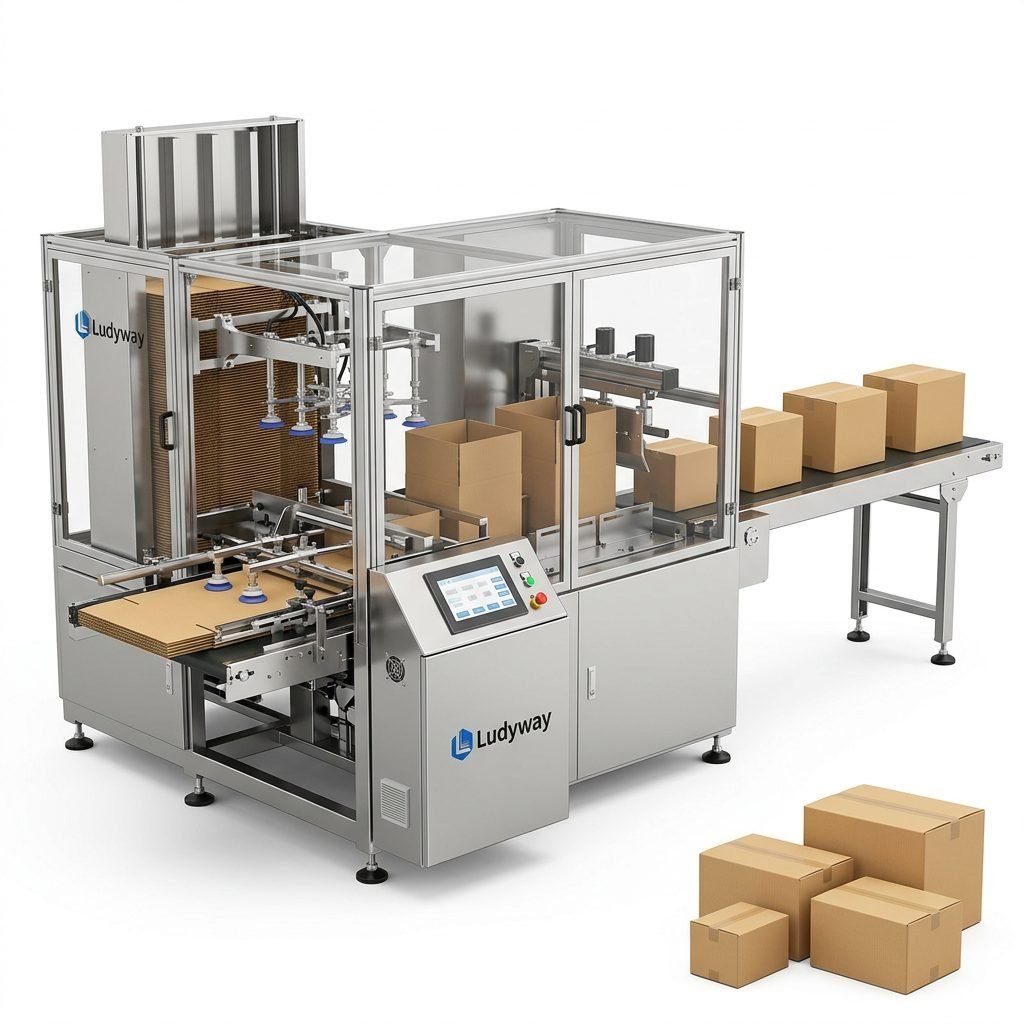
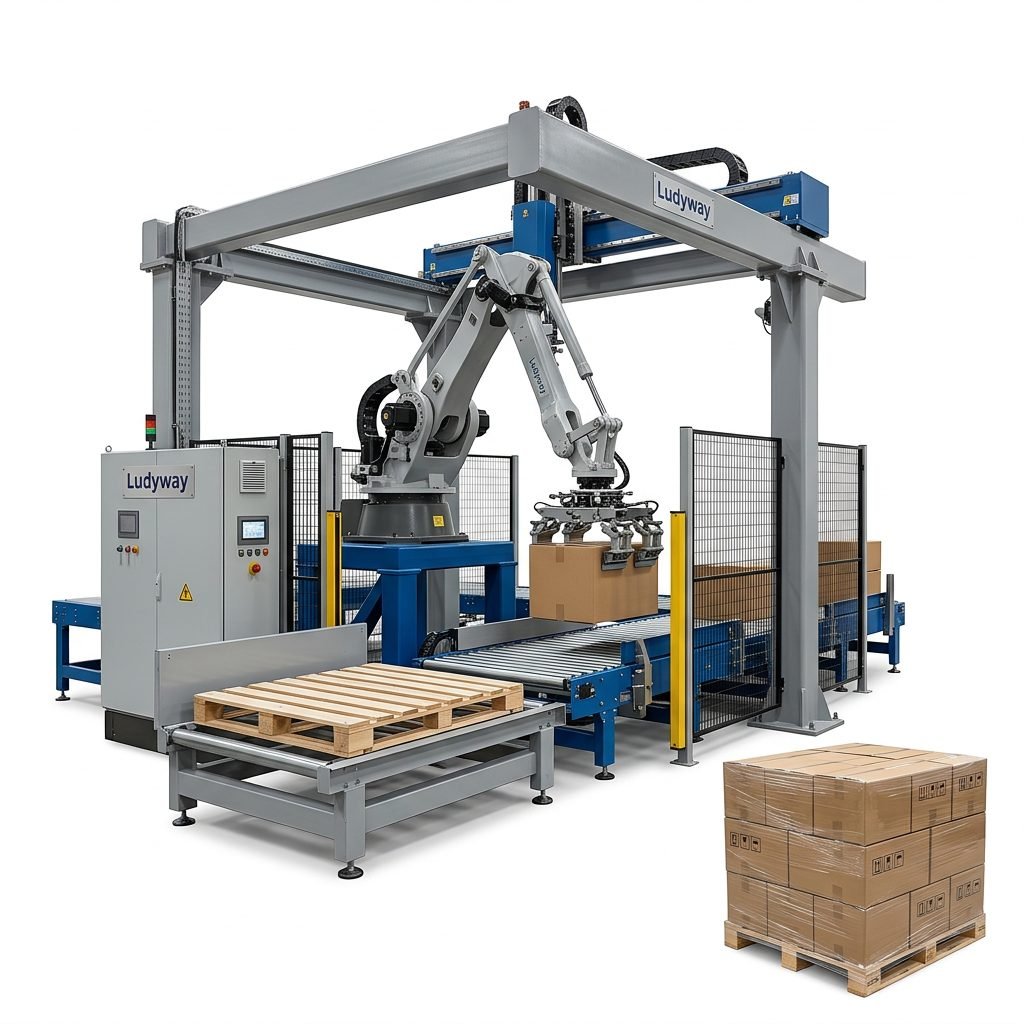
Advanced oil packing systems can connect with cappers, labelers, conveyors, coders, checkweighers, cartoners, and palletizers to create a more efficient packaging line.
Benefits of Using an Oil Packing Machine
- Higher production efficiency compared with manual filling
- More consistent fill volume and package quality
- Reduced product waste and spillage
- Improved hygiene and cleaner packaging process
- Better seal integrity and lower leakage risk
- Lower labor dependence
- Scalable output for growing businesses
- Professional package appearance that supports brand value
How to Choose the Right Oil Packing Machine
1. Define Your Oil Type
Start with the product itself. Is it a free-flowing edible oil, a volatile essential oil, a dense lubricant, or a value-added supplement oil? Product characteristics directly affect machine selection, dosing method, and sealing structure.
2. Confirm the Packaging Format
Your target market determines the package style. Retail consumers may prefer bottles or stand-up pouches, while food service customers may need single-use sachets. Sample-size cosmetics often work better in small sachets or mini bottles.
3. Estimate Production Capacity
Be realistic about hourly and daily output needs. Overbuying increases upfront costs, while underbuying creates future bottlenecks. Consider both your current production target and expected expansion.
4. Check Filling Accuracy Requirements
High-value oils require tighter filling precision. If every gram matters, choose a machine with reliable metering control and stable repeatability.
5. Evaluate Material and Hygiene Standards
Food-grade and pharmaceutical-grade applications typically require stainless steel contact parts and easy-to-clean design. If your market has strict compliance requirements, verify these details before purchase.
6. Consider Future Automation
If you may later add labeling, cartoning, coding, or palletizing, select a machine that can integrate into a complete packaging line instead of functioning only as a standalone unit.
Oil Packing Machine Buying Checklist
| Buying Factor | Why It Matters |
|---|---|
| Oil viscosity | Determines dosing and filling technology |
| Package type | Affects machine structure and sealing method |
| Production speed | Must align with demand and labor planning |
| Filling accuracy | Reduces giveaway and supports consistency |
| Seal quality | Prevents leaks during transport and storage |
| Maintenance access | Reduces downtime and simplifies cleaning |
| Line integration | Supports future automation upgrades |
| Supplier support | Important for installation, training, and spare parts |
Common Mistakes Buyers Should Avoid
- Choosing a machine based only on price
- Ignoring oil viscosity and temperature behavior
- Underestimating production growth
- Overlooking sealing reliability
- Not checking compatibility with packaging film or containers
- Skipping after-sales service evaluation
- Buying a standalone machine when a complete line is actually needed
Standalone Machine or Complete Packaging Line?
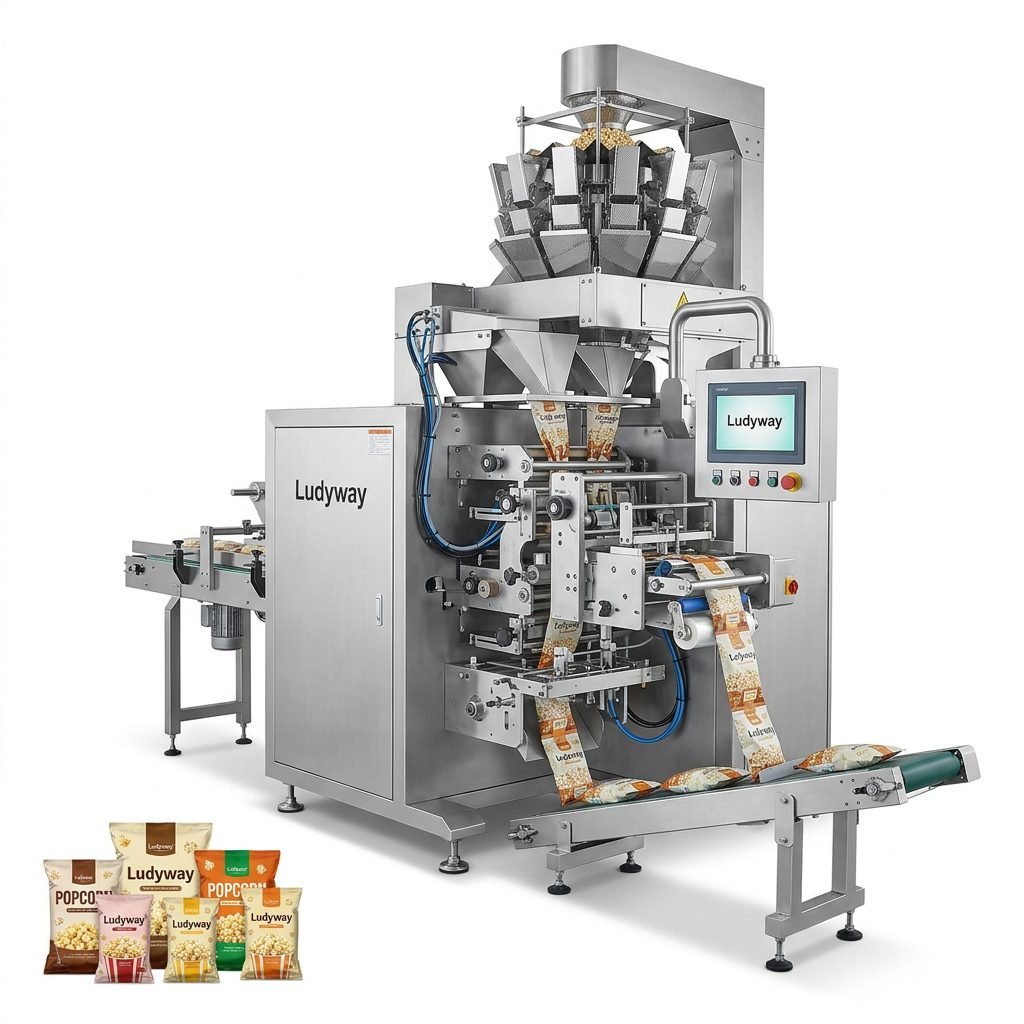
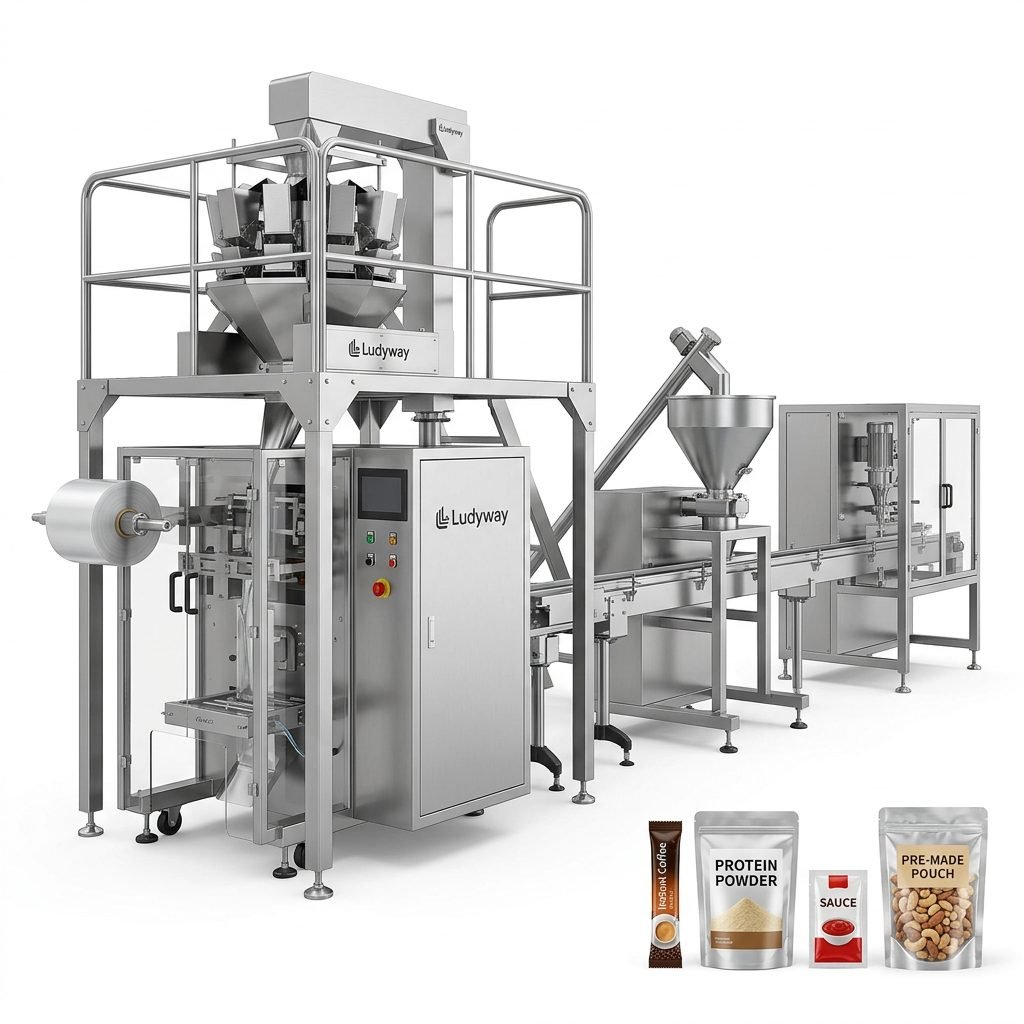
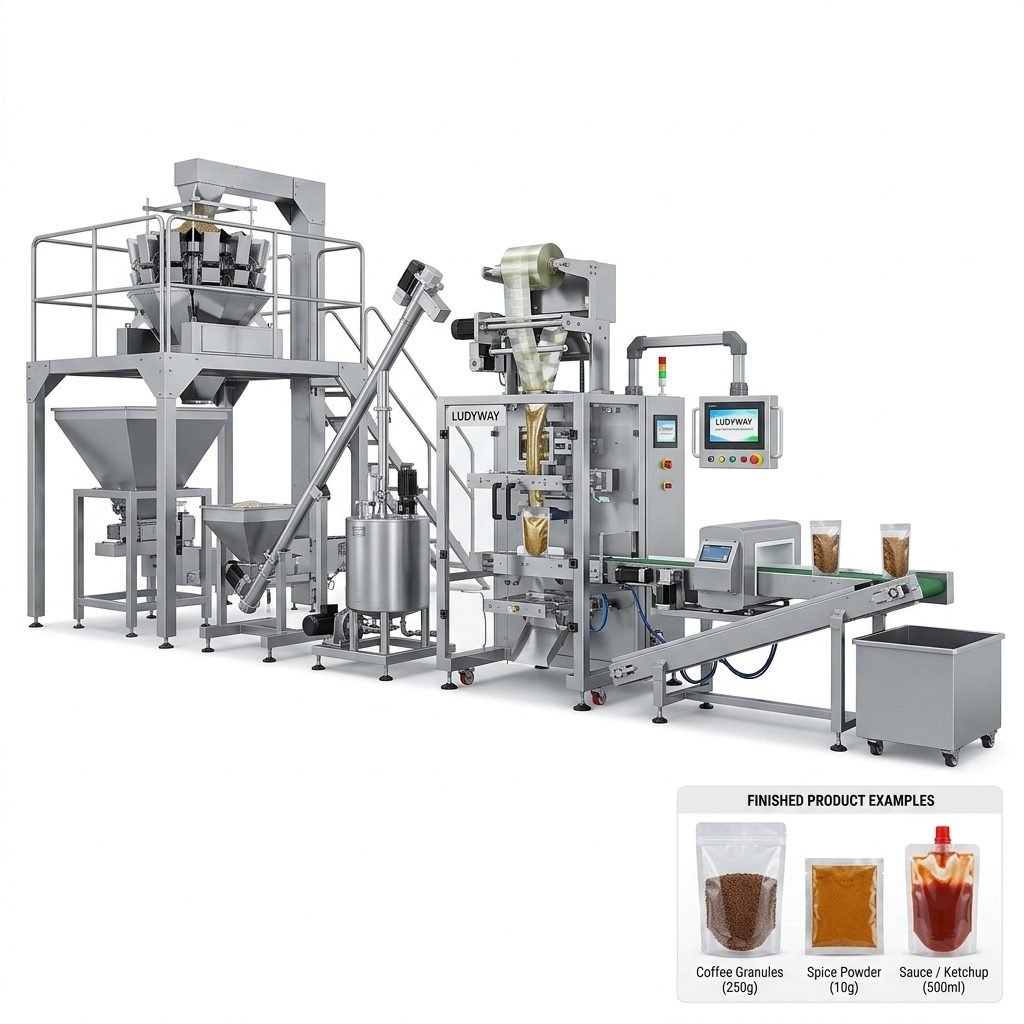
If your production is simple and output is moderate, a standalone oil packing machine may be enough. However, manufacturers planning long-term expansion often benefit more from a complete automated line that includes filling, sealing, coding, inspection, cartoning, and secondary packaging.
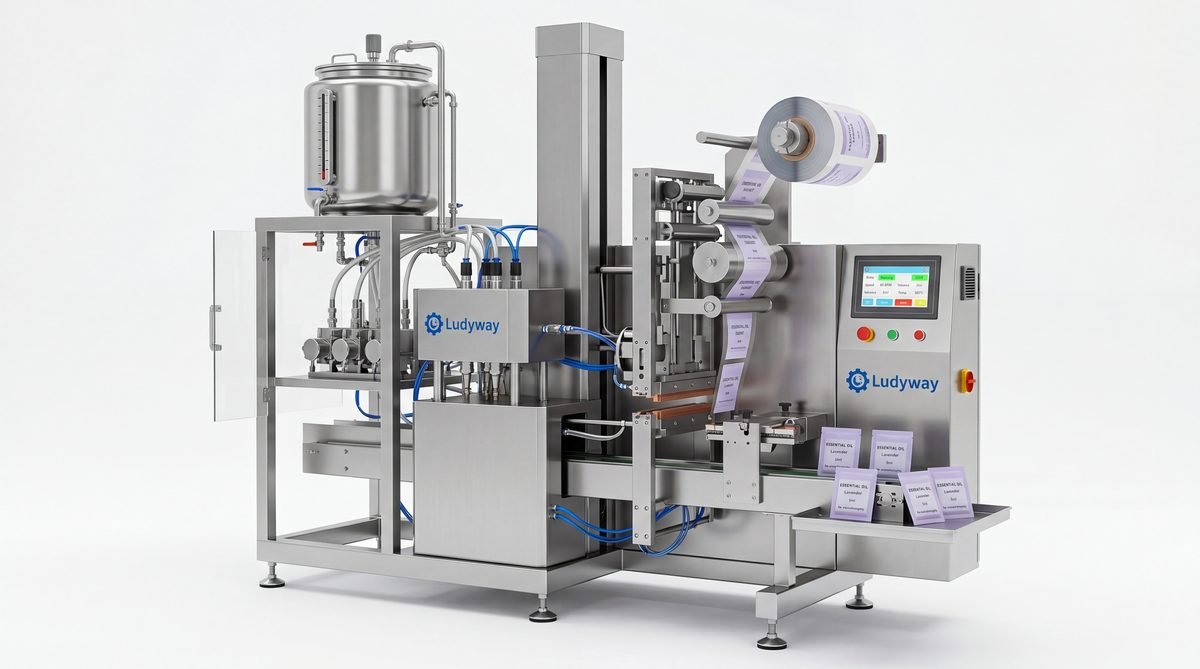
For buyers looking for scalable automation, Ludyway oil packing machine solutions can support both individual machines and turnkey packaging lines across food, pharmaceutical, health supplement, cosmetic, and related industries. With more than 30 years of manufacturing experience and a broad export footprint, the company is often considered by buyers who need stable performance and flexible customization.
Who Should Invest in an Oil Packing Machine?
- Edible oil producers
- Olive oil and specialty oil brands
- Cosmetic oil and personal care manufacturers
- Health supplement companies
- Contract packers
- Industrial lubricant suppliers
- Growing SMEs moving away from manual filling
Final Buying Advice
The best oil packing machine is not simply the fastest or cheapest model. It is the one that matches your product behavior, packaging format, target output, hygiene standards, and long-term business plan. A well-matched machine can help you achieve better efficiency, lower waste, stronger seals, and more consistent product presentation.
Before making a decision, prepare clear details about your oil type, fill volume, package style, capacity target, and automation expectations. This will make supplier communication faster and help ensure you choose equipment that delivers reliable performance from day one.