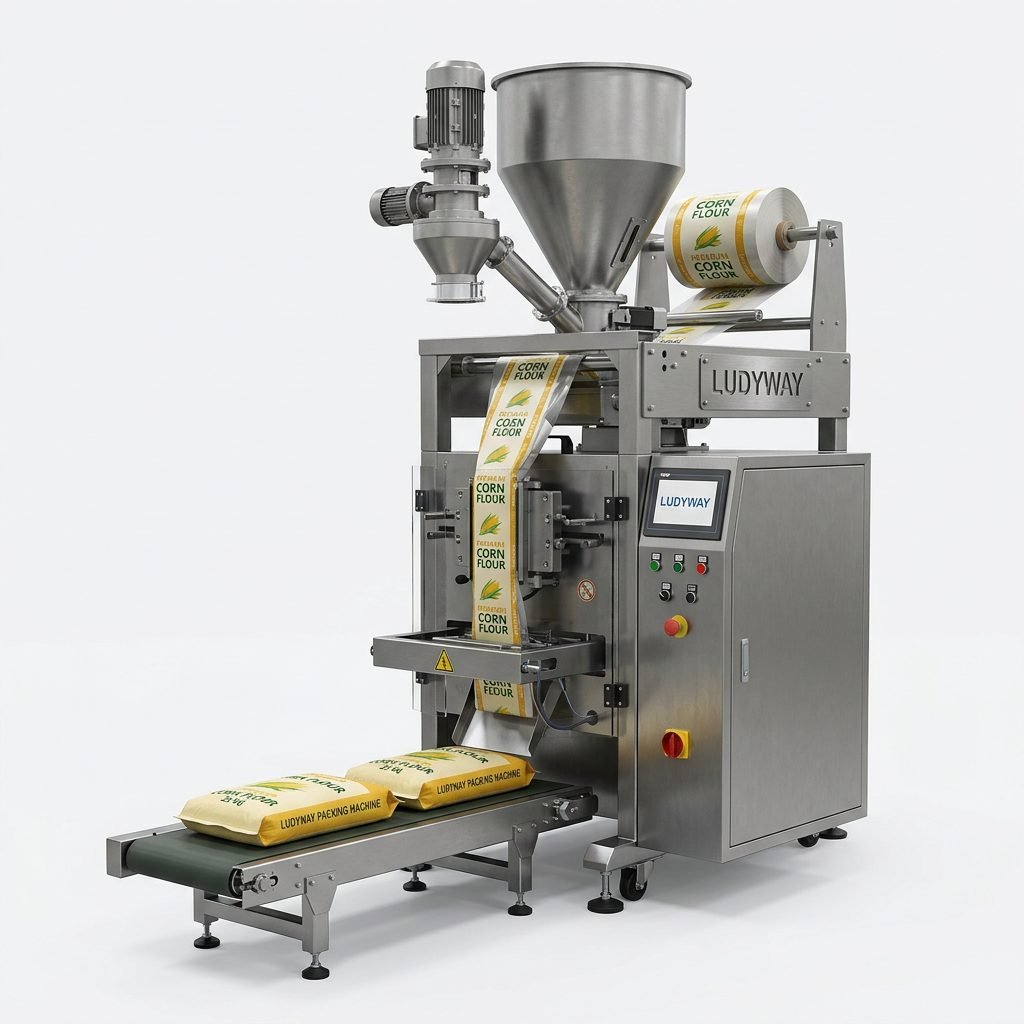
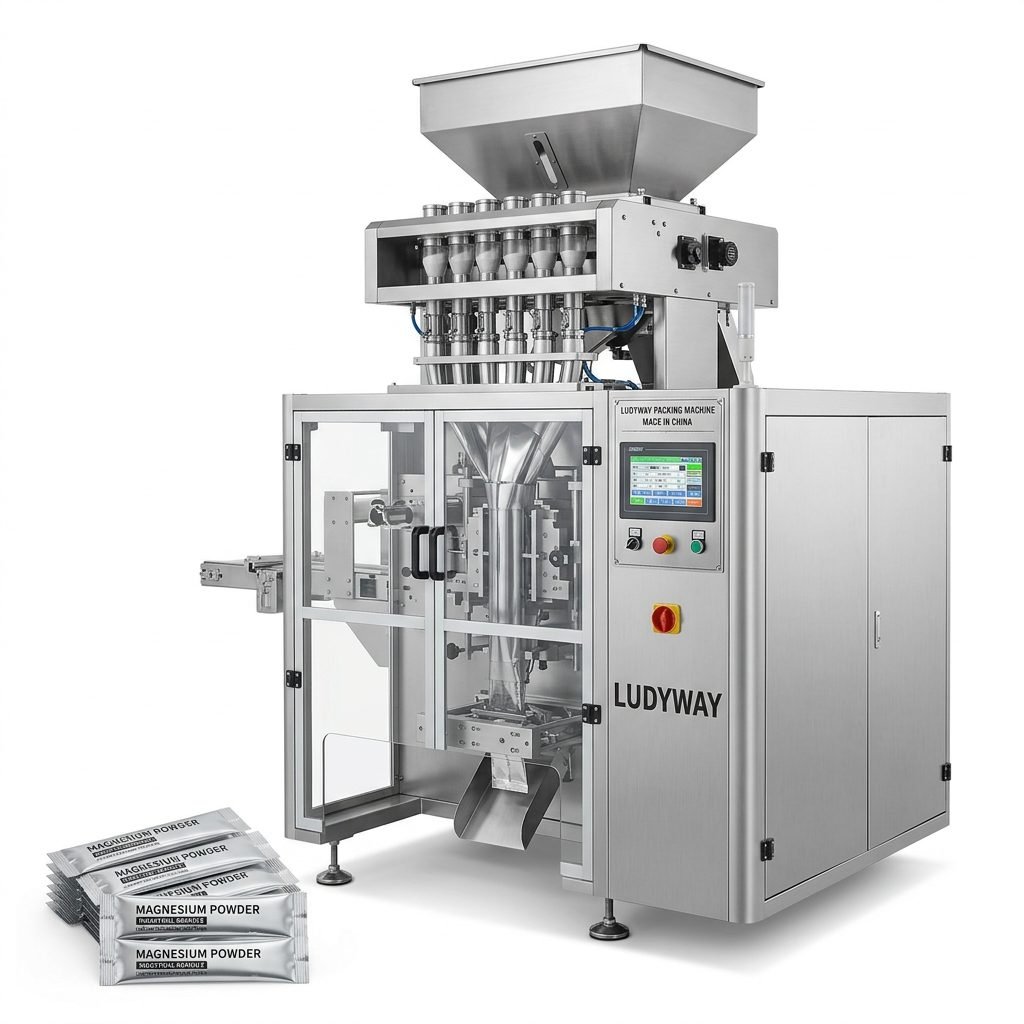
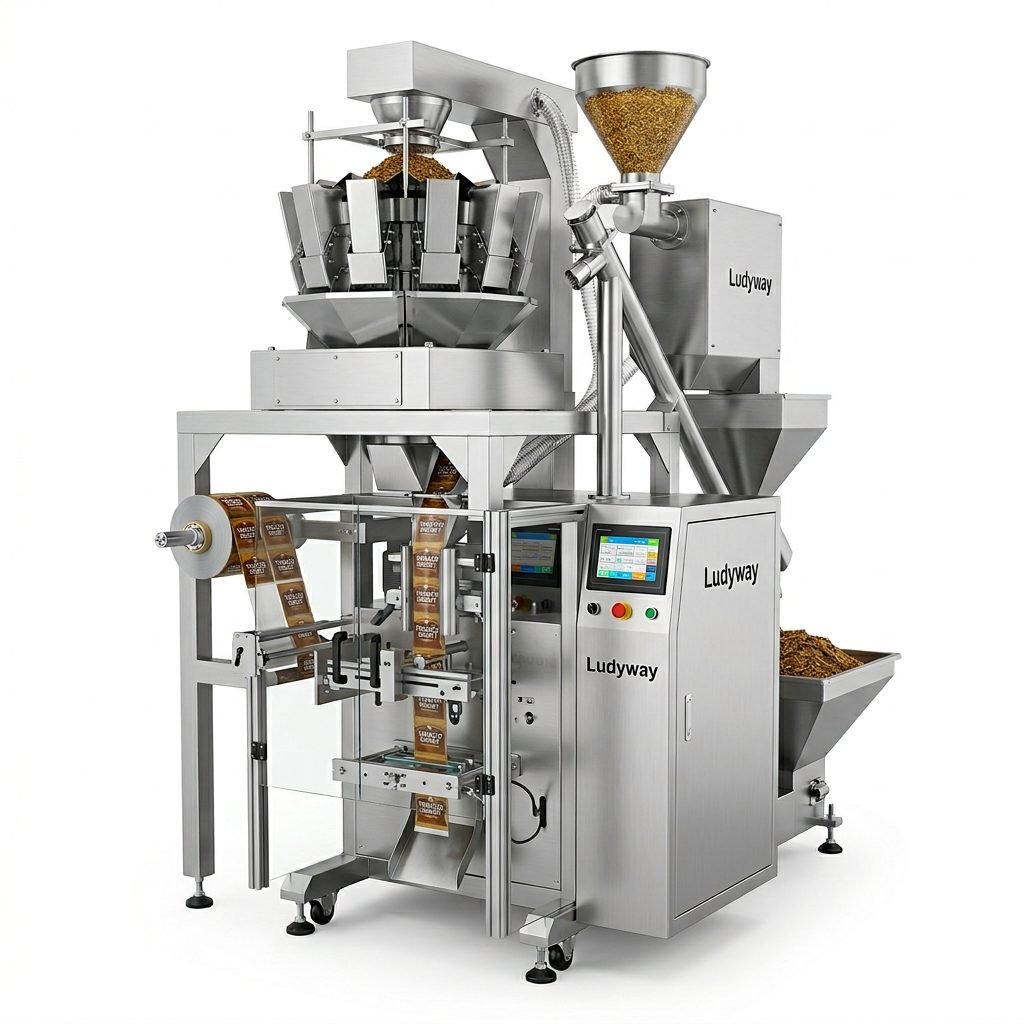
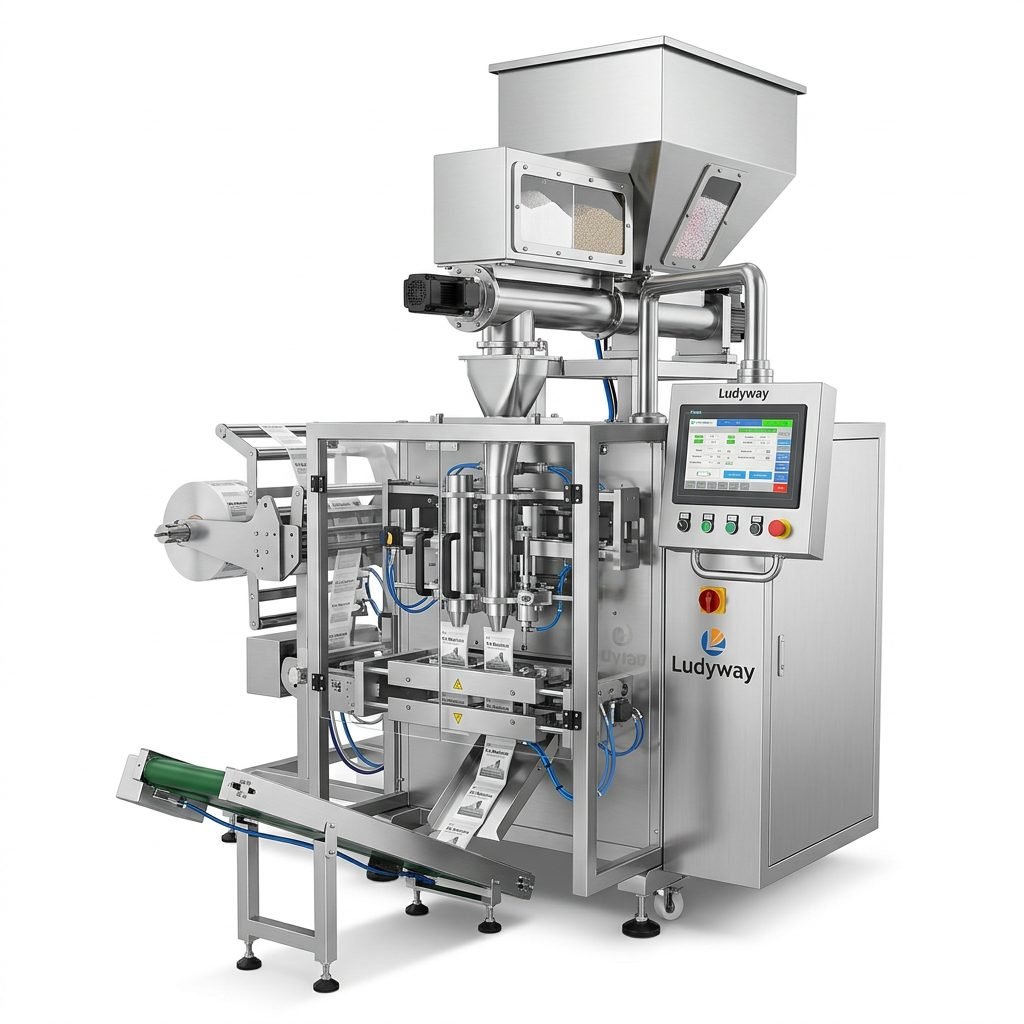
The world of ice cream bars is a delightful one, but behind every perfectly wrapped treat lies a critical piece of technology: the ice cream bar packaging machine. For manufacturers, choosing the right machine is not just about wrapping; it’s about ensuring product integrity, maximizing efficiency, and captivating consumers on the shelf. This guide will walk you through the different types of packaging machines, their key features, and how to select the best one for your production line.
Understanding the Different Types of Ice Cream Bar Packaging Machines
Ice cream bar packaging machines are designed to handle specific formats and production volumes. Selecting the right type is the first step toward an efficient packaging process.
Flow Wrap Machines
Also known as horizontal form-fill-seal (HFFS) machines, these are the most common type for individual bar wrapping. A roll of packaging film is formed around the product, creating a tight, sealed pouch. They are high-speed, efficient, and ideal for mass production of single bars with simple or complex shapes.
Shrink Wrap Machines
These machines use a loose sleeve of film that is placed over the bar or a multipack. The package then passes through a heat tunnel, causing the film to shrink tightly around the contours of the product. This method offers a snug, glossy finish that enhances visual appeal and provides excellent tamper evidence.
Cartoning Machines
For premium bars or multipacks, cartoning machines erect, load, and seal paperboard cartons. This adds a layer of protection, provides ample space for branding and nutritional information, and is often used in combination with flow-wrapped bars for a two-tier packaging solution.
Bundling and Multipacking Machines
These units group multiple individually wrapped bars into a larger package for retail sale. They can use film, paperboard, or corrugated materials to create bundles, trays, or boxes, streamlining distribution and offering convenient multi-serve options for consumers.
Key Features to Look for in a Packaging Machine
Beyond the basic type, several features determine a machine’s performance, flexibility, and long-term value.
Production Speed and Capacity
Measured in bars or packs per minute (PPM), speed must align with your output goals. Consider not just peak speed but also stable, sustainable running rates. High-speed machines from suppliers like Ludyway Machinery are engineered for continuous, reliable operation in demanding environments.
Flexibility and Changeover
Can the machine handle different bar sizes and shapes? Quick-change systems for forming tools, film reels, and guides are crucial for minimizing downtime when switching products. Look for machines with recipe storage for one-touch changeovers.
Packaging Material Compatibility
The machine must be compatible with your chosen film—whether it’s polypropylene, polyethylene, or biodegradable materials. Ensure it can handle the material’s thickness and sealing properties consistently. Advanced sealing systems ensure strong, airtight seals even at high speeds.
Hygiene and Cleanability
Food safety is paramount. Machines should have a sanitary design with smooth, stainless steel surfaces, minimal crevices, and easy access for cleaning and maintenance. CIP (Clean-in-Place) capabilities are a significant advantage.
Automation and Control Systems
Modern machines feature user-friendly touchscreen HMIs (Human-Machine Interfaces) and PLC controls. Integration with factory networks for data collection (OEE, downtime tracking) is increasingly important for smart manufacturing. Robust packaging solutions often include these as standard.
How to Choose the Best Ice Cream Bar Packaging Machine
Making the right investment requires a structured evaluation of your needs and the market offerings.
1. Assess Your Production Requirements
Start with clear data: required output (bars per minute/shift), current and future product portfolio (sizes, shapes), and available factory space. This will narrow down the machine type and size.
2. Define Your Packaging Specifications
Determine the final look: single wrap, multipack, or carton? What film type and print quality are needed? The machine must deliver the aesthetic and functional quality your brand demands.
3. Evaluate Machine Build Quality and Reliability
Inspect the construction. Heavy-duty frames, precision-machined parts, and reputable components (motors, drives, sensors) from brands like Siemens or Mitsubishi indicate longevity and reduced maintenance costs.
4. Consider the Total Cost of Ownership (TCO)
Look beyond the purchase price. Factor in energy consumption, spare parts costs, expected maintenance, and changeover downtime. A slightly more expensive, robust machine often has a lower TCO.
5. Prioritize Supplier Support and Service
The supplier is as important as the machine. Choose one with a proven track record, like Ludyway, which offers comprehensive support including installation, operator training, readily available spare parts, and responsive technical service. This ensures maximum uptime over the machine’s lifespan.
6. Request a Product Test
Always run a sample of your actual bars and packaging material on the machine. This is the only way to verify performance, seal quality, and gentle product handling before purchase.
Frequently Asked Questions (FAQs)
What is the typical speed range for an ice cream bar flow wrapper?
Speeds vary widely based on machine model and bar complexity. Entry-level machines may run at 100-150 bars per minute, while high-performance models from leading manufacturers can achieve speeds of 400-600 bars per minute or more.
Can one machine handle both ice cream bars and other frozen novelties?
Yes, many modern horizontal flow wrap machines are highly flexible. With quick-change tooling and adjustable settings, they can often package ice cream sandwiches, cones, and other frozen items, provided the size and shape are within the machine’s range.
How important is a servo-driven system in a packaging machine?
Extremely important. Servo-driven machines offer superior control, precision, and flexibility compared to mechanical systems. They allow for smoother motion, easier changeovers via saved recipes, higher accuracy in sealing and cutting, and generally higher energy efficiency.
What are the key maintenance routines for these machines?
Daily cleaning and visual inspection are essential. Regularly scheduled maintenance includes lubricating moving parts, checking and replacing sealing jaws or cutting blades, inspecting film guides and pull belts, and verifying the calibration of sensors and temperature controls.
Are there sustainable packaging options compatible with these machines?
Absolutely. The market is evolving rapidly. Many machines can now run with mono-material plastics (easier to recycle) or certified compostable films. It’s crucial to discuss your sustainability goals with your machine supplier early on to ensure compatibility and optimal sealing performance with these alternative materials.