Vacuum packaging has become an indispensable technology in the modern food industry, playing a crucial role in preserving freshness, extending shelf life, and reducing food waste. By removing air from the package, this process significantly slows down the oxidation and growth of spoilage microorganisms. For businesses and serious home users, selecting the right vacuum packaging machine is a critical investment. This guide will walk you through the key considerations, types of machines, and features to look for, ensuring you make an informed decision that meets your specific food preservation needs.
Understanding Vacuum Packaging Technology
At its core, vacuum packaging involves extracting air from a package before sealing it. This creates a low-oxygen environment that inhibits the growth of aerobic bacteria, yeasts, and molds, which require oxygen to thrive. The process also prevents oxidation, which can cause fats and oils to become rancid and lead to color and flavor degradation in foods like meats and nuts. By creating a tight, protective barrier, vacuum packaging also guards against freezer burn, moisture loss, and physical contamination.
Key Benefit: The primary advantage is extended shelf life. Foods that might last a few days in ordinary packaging can last for weeks, months, or even years when properly vacuum-sealed and stored under correct conditions (refrigerated or frozen).
Core Applications in Food Preservation
Vacuum packaging machines serve a wide range of applications:
- Meat & Poultry: Preserving freshness, color, and tenderness for retail sale or bulk storage.
- Seafood: Preventing moisture loss and odor transfer, crucial for both fresh and frozen products.
- Cheese & Dairy: Inhibiting mold growth and maintaining texture.
- Prepared Foods & Sous Vide: Creating an airtight seal for cooking sous vide, where food is cooked in a temperature-controlled water bath.
- Dry Goods: Protecting nuts, grains, coffee, and spices from staleness and pests.
- Bulk Purchases & Meal Prepping: Ideal for home users who buy in bulk or prepare meals in advance.
Types of Vacuum Packaging Machines
Choosing the right type of machine is the first major step. They are broadly categorized by their sealing mechanism and chamber design.
1. Chamber Vacuum Machines
These are the most powerful and versatile type, commonly used in commercial settings but also available for serious home kitchens. The food and bag are placed inside a sealed chamber. The machine closes, removes air from the entire chamber, then heat-seals the bag before releasing the vacuum.
Pros: Can handle liquids and moist foods (like soups, stews, marinated meats) without sucking the contents into the machine. Achieves the highest level of vacuum. Generally more durable.
Cons: Larger footprint. The bag must fit inside the chamber, limiting package size. Typically more expensive.
2. External (Nozzle) Vacuum Sealers
These are the most common type for home use. The machine has a suction nozzle (or port) and a separate sealing bar. The open end of the bag is placed over the nozzle and onto the seal bar. The air is sucked directly out of the bag through the nozzle before it is sealed.
Pros: More affordable and compact. Can seal bags of virtually any length. Often come with a port for sealing canisters or wine bottles.
Cons: Cannot effectively seal liquids or very moist/powdery foods unless using special bags with a textured “channel” area. Usually achieves a slightly weaker vacuum than chamber models.
3. Single vs. Double Chamber Machines
This distinction applies primarily to commercial operations. A single chamber machine processes one batch at a time. A double chamber machine has two alternating chambers, allowing one to be loaded while the other is in the vacuum cycle, dramatically increasing throughput and efficiency for high-volume production lines.
Critical Features to Evaluate
Beyond the basic type, several features determine a machine’s performance, ease of use, and suitability for your tasks.
Vacuum Power & Speed
Measured in cubic feet per minute (CFM) or by the ultimate pressure it can achieve (in millibar or inches of mercury). Higher power pulls a stronger vacuum faster. For commercial use, speed is critical for productivity. For home use, a moderate pump is sufficient for most tasks.
Seal Bar Quality & Functions
The seal bar is what melts the bag layers together. Look for:
- Material: Coated or nickel-plated bars resist sticking and are easier to clean.
- Width: A wider seal (e.g., 10mm vs. 3mm) is stronger and more reliable.
- Functions: Can it perform a pulse seal for delicate items? Does it have a seal-only mode for pre-bagged items? Can it make a double seal for extra security?
Bag Compatibility & Roll Storage
Many machines are designed to work with bags from a roll, allowing you to cut custom sizes, which is more economical and reduces waste. Check the maximum bag width the machine can accommodate. Some machines have a built-in cutter and bag roll holder for convenience.
Control Panel & Programmability
Basic models have manual controls. Advanced models offer programmable memory settings for different food types (e.g., “moist,” “dry,” “delicate”). This automates the vacuum strength and seal time, ensuring consistent, optimal results every time.
Pro Tip: For commercial kitchens or food processing, a machine with programmable settings and a digital display is invaluable for standardizing packaging procedures, training staff, and maintaining quality control.
Durability & Construction
For frequent use, build quality is paramount. Look for a sturdy housing (stainless steel is ideal for commercial environments), a reliable vacuum pump (oil-less pumps are lower maintenance), and robust sealing components. Check the warranty period as an indicator of the manufacturer’s confidence.
Matching the Machine to Your Needs
For Home & Occasional Use
A standard external vacuum sealer is perfectly adequate. Focus on ease of use, cleaning, and storage. Features like a bag roll holder/cutter and a moist/dry food setting are helpful bonuses. Consider your typical package sizes.
For Serious Home Cooks & Sous Vide Enthusiasts
Consider upgrading to a chamber vacuum machine. Its ability to seal liquids opens up a world of possibilities for marinating, storing broths, and, most importantly, perfect sous vide cooking. The superior vacuum also extends storage life further.
For Small Businesses & Caterers
You need a robust machine that can handle daily use. A commercial-grade external sealer or a small chamber machine is appropriate. Prioritize durability, seal bar quality, and speed. Look into semi-automatic models that streamline the process.
For Commercial Food Production & Processing
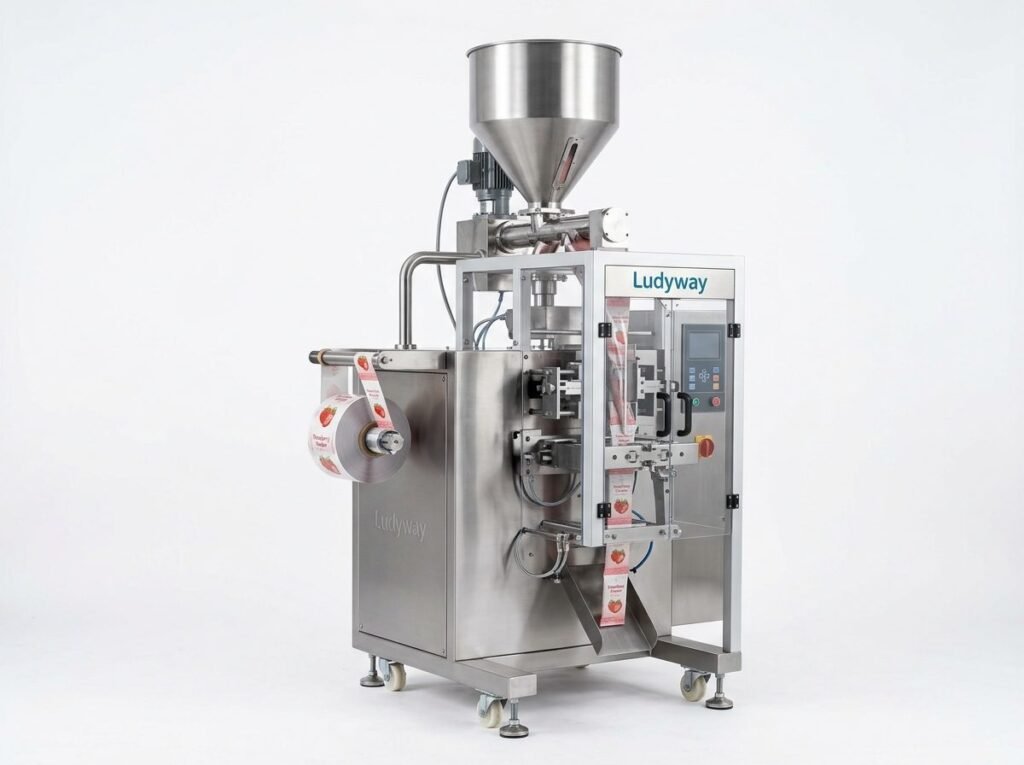
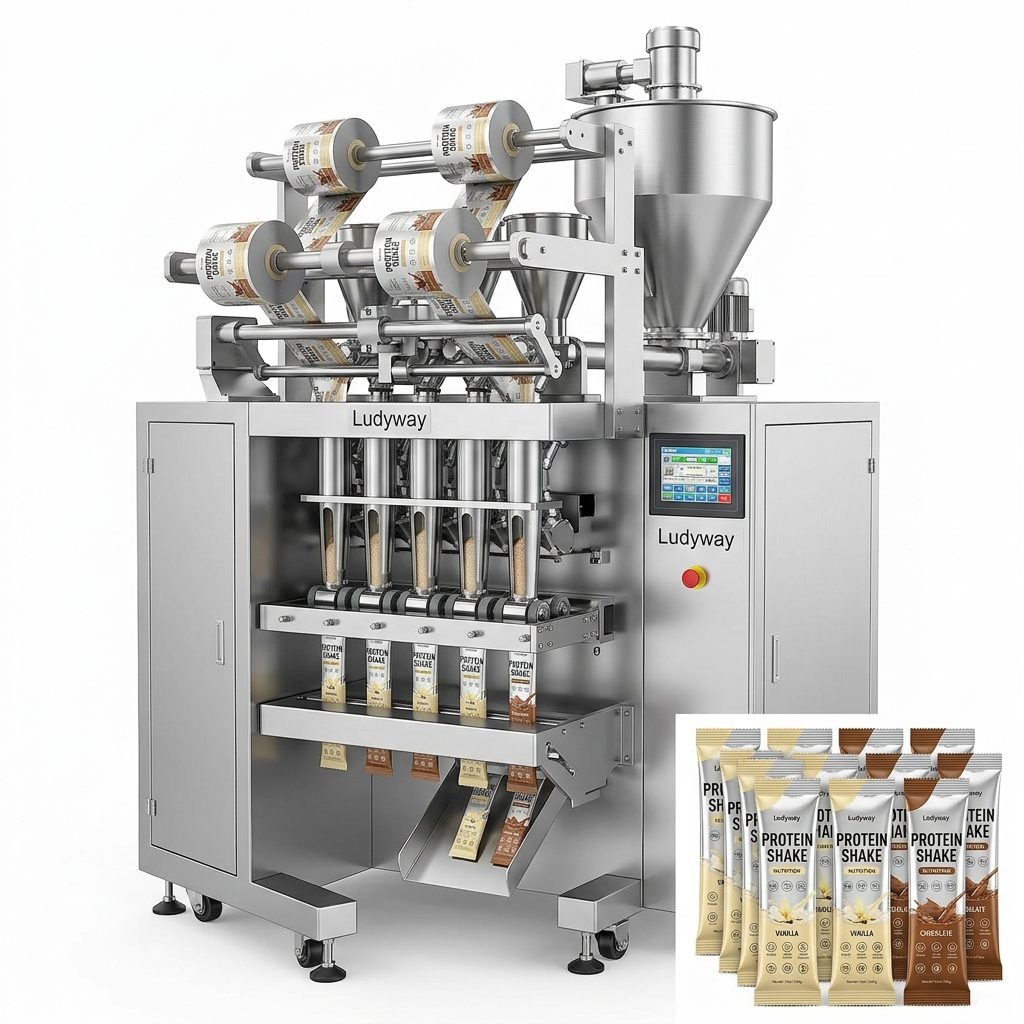
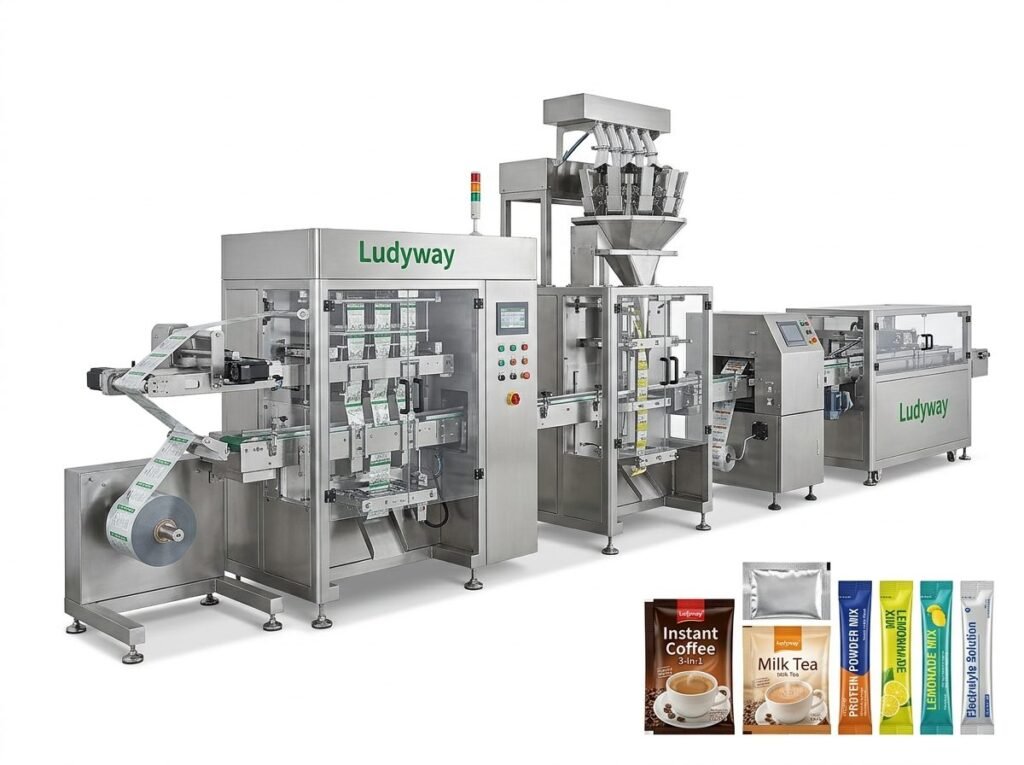
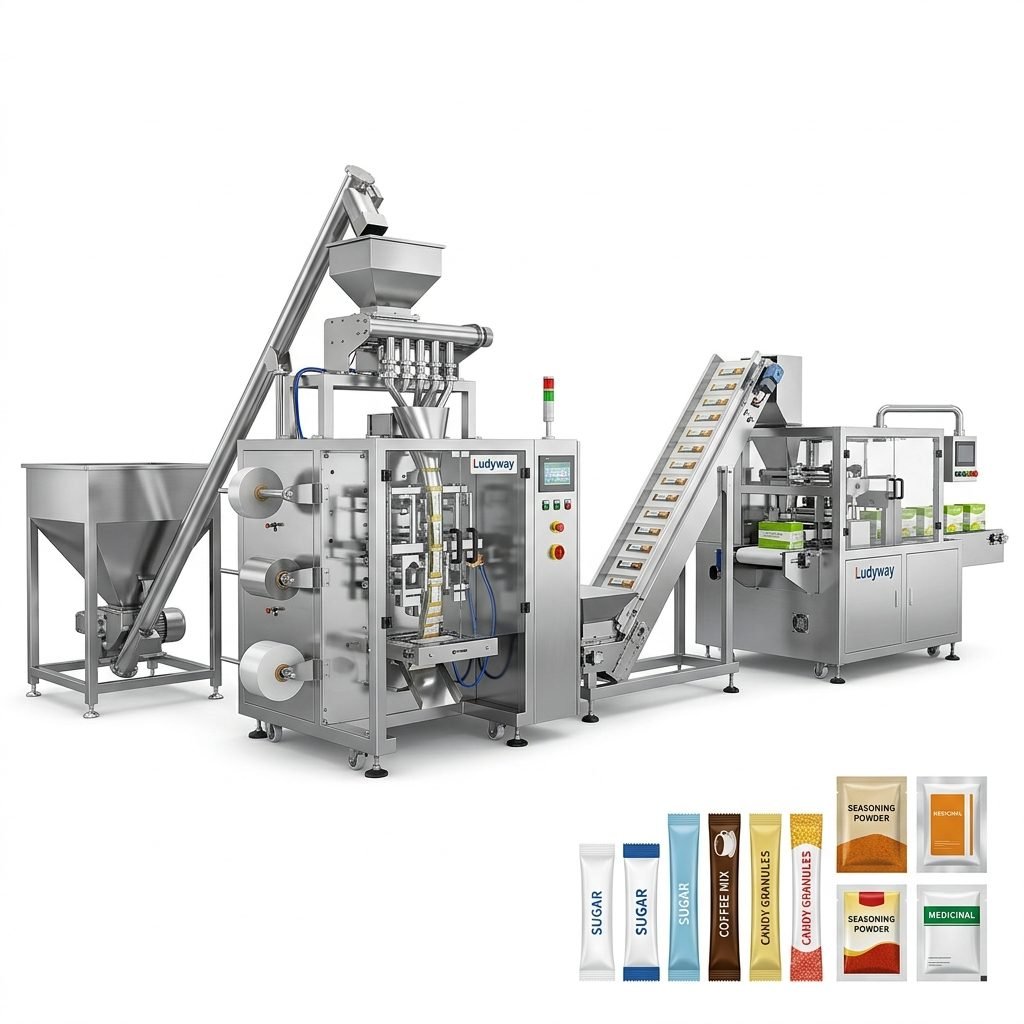
This requires industrial-grade equipment. Key considerations are throughput, automation integration, and hygiene. Double chamber vacuum sealers, belt chamber machines, or fully automated packaging lines are necessary. Features like gas flushing (for Modified Atmosphere Packaging – MAP) might be required for certain products. Partnering with a specialized supplier like Ludyway Packing Machine, which offers tailored solutions and reliable technical support, is often the best path forward for scaling operations.
Beyond the Machine: Bags & Accessories
The machine is only half the system. The bags are equally important.
- Bag Material: Multi-layer nylon/polyethylene bags are the standard. Ensure they are food-grade and BPA-free. For commercial use, barrier properties (to oxygen and moisture) are specified and critical.
- Bag Texture: Smooth bags work in chamber machines. External sealers often require bags with a textured or “grip” strip on one side to prevent the layers from fusing prematurely and blocking air evacuation.
- Accessories: Jar sealers, canister hoses, and bag storage racks can enhance your packaging workflow.
Maintenance for Longevity
Regular maintenance ensures consistent performance and extends your machine’s life.
- Clean the Seal Bar: Wipe it after every use with a soft cloth. Remove any melted plastic residue gently.
- Check the Seal Gasket (on chamber models): Keep it clean and inspect it regularly for wear or tears, as a damaged gasket will cause vacuum loss.
- Keep the Unit Dry: Avoid letting moisture or food particles enter the vacuum channel or pump area.
- Follow the Manual: Adhere to the manufacturer’s guidelines for operation, cleaning, and servicing intervals.
Frequently Asked Questions (FAQs)
1. Can I vacuum seal liquids?
Yes, but only effectively with a chamber vacuum machine. External sealers will suck the liquid into the pump, causing damage. For external sealers, you must freeze the liquid first or use special channeled bags designed for moist foods.
2. How much longer does vacuum-sealed food last?
It varies by food type and storage temperature. In the refrigerator, vacuum-sealed raw meat can last 3-5 times longer (e.g., 5-6 days vs. 1-2 days). In the freezer, it can prevent freezer burn for up to 2-3 years, compared to a few months in standard packaging.
3. Are all vacuum bags the same?
No. Quality varies greatly. Thickness (measured in “mils”), layer composition, and texture are key differences. Always use bags recommended for or compatible with your specific machine type to ensure a proper seal and safe food contact.
4. Is a more expensive machine always better?
Not necessarily “better,” but more suitable for heavy-duty or specific tasks. A home user does not need the power, speed, or durability of a $5,000 commercial chamber machine. The key is to match the machine’s capabilities and construction to your expected frequency of use and types of food you’ll be packaging.
5. Can I use a vacuum sealer for things other than food?
Absolutely. They are great for protecting important documents from moisture, organizing small parts (like screws or craft supplies) in space-saving bags, preserving collectibles, and even compressing bulky items like bedding for travel storage.