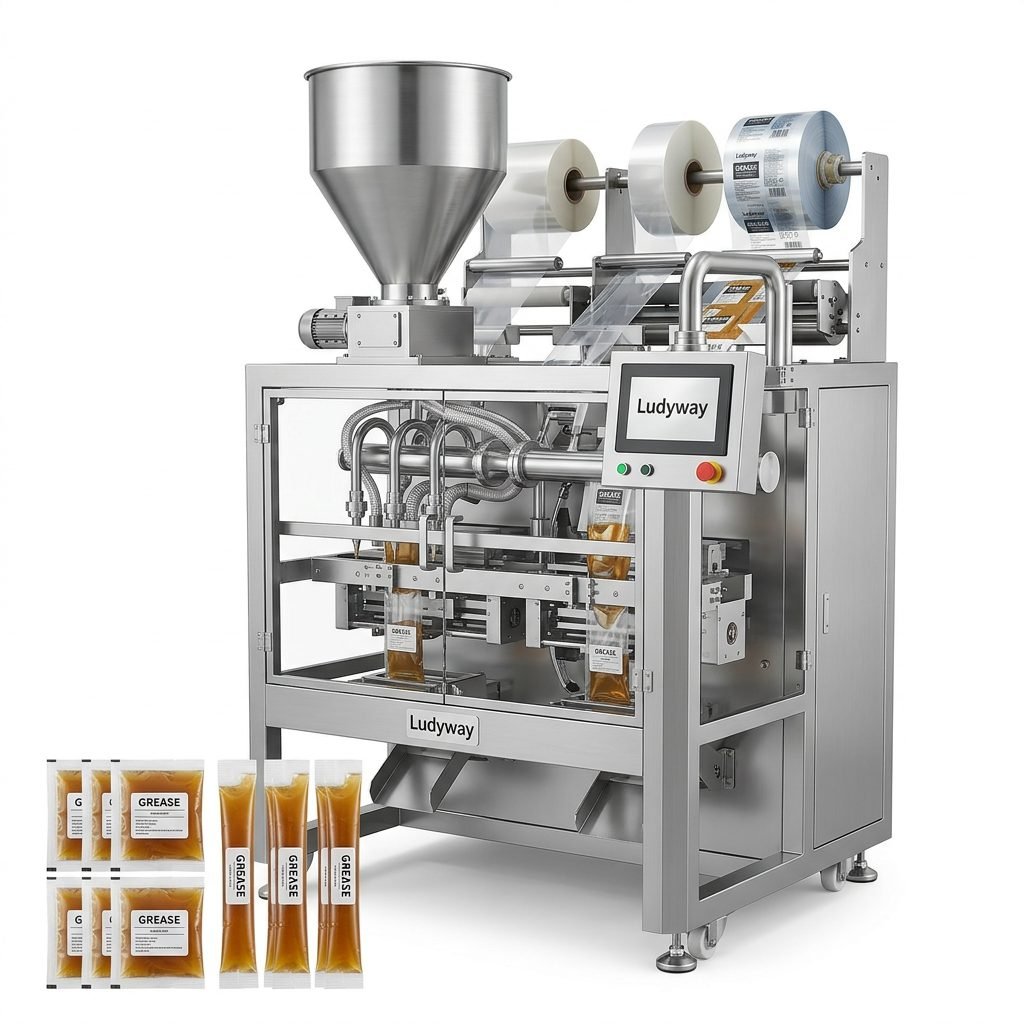
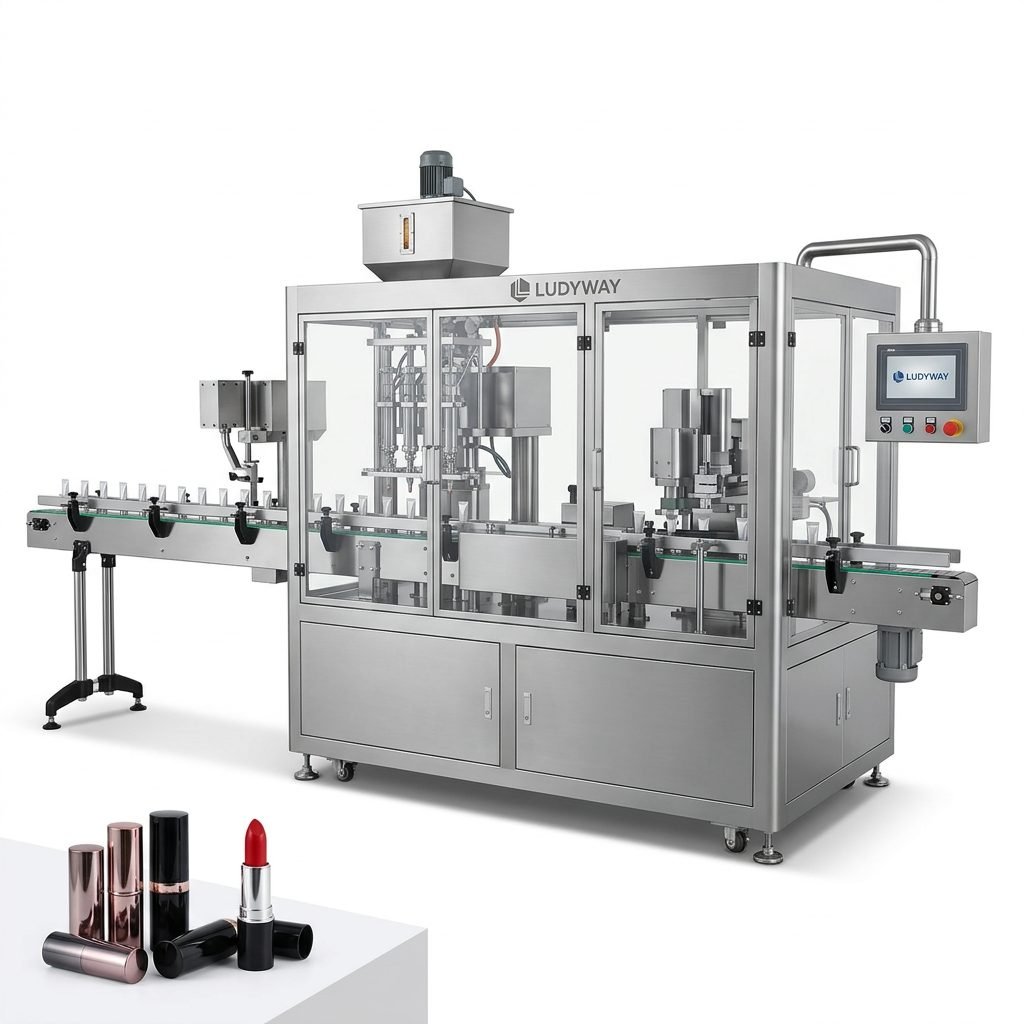
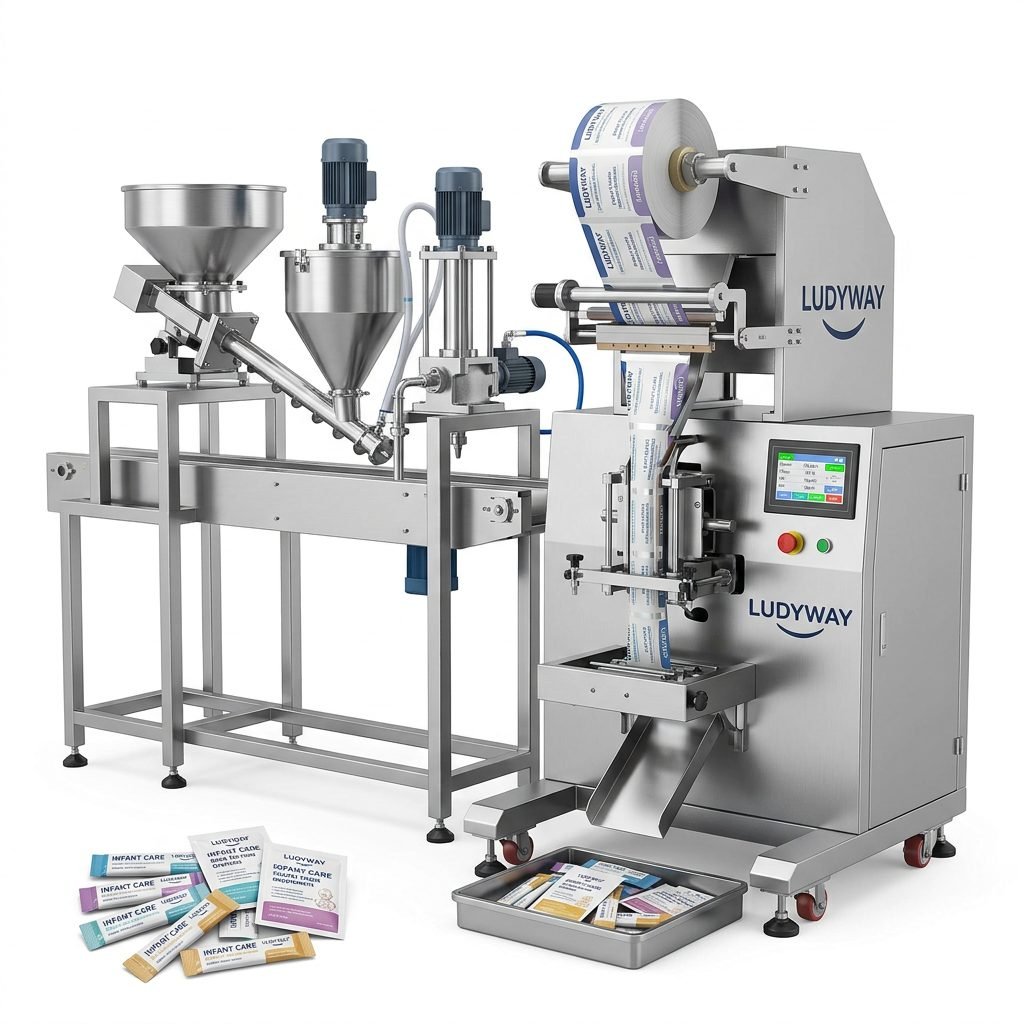
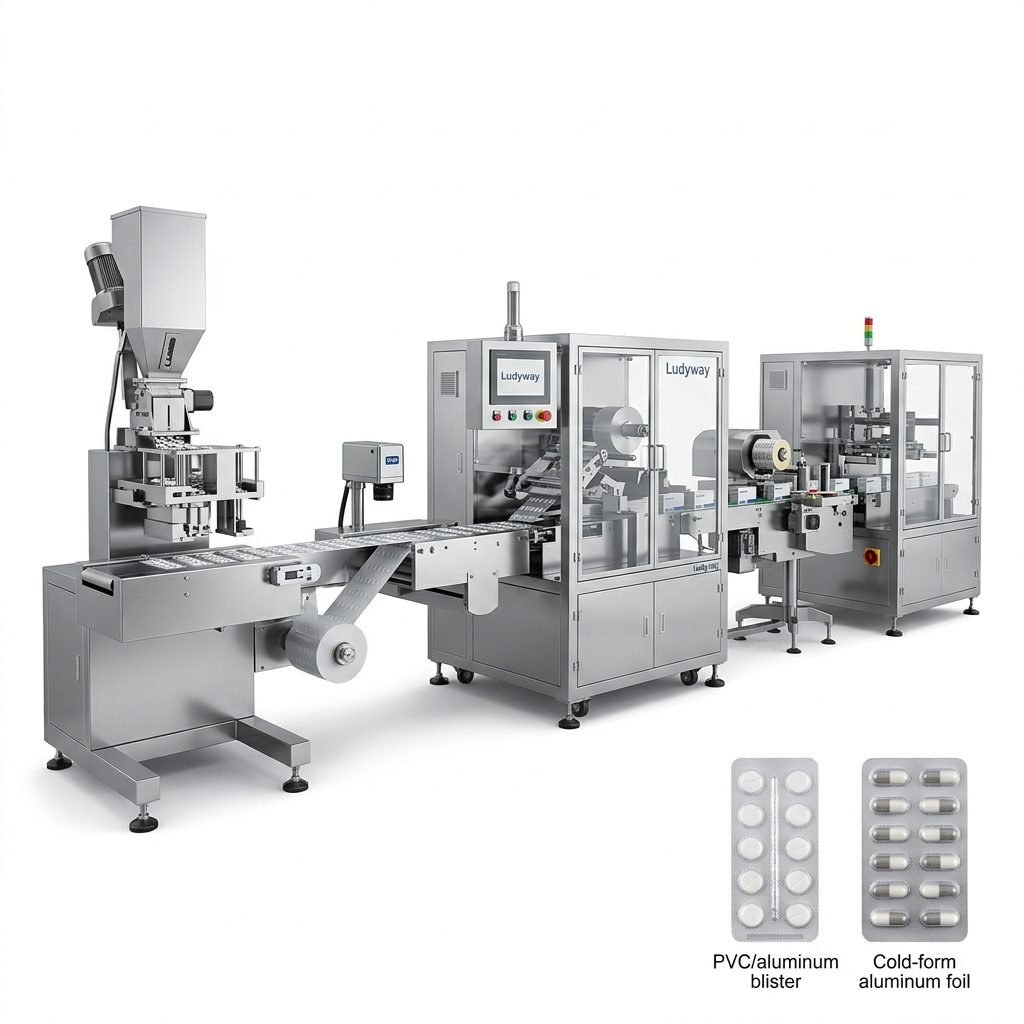
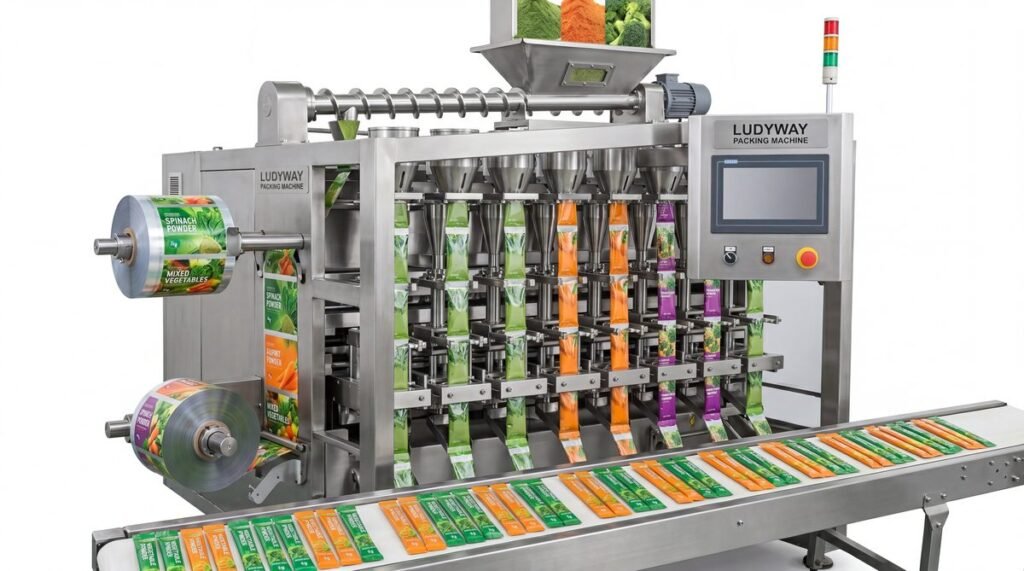
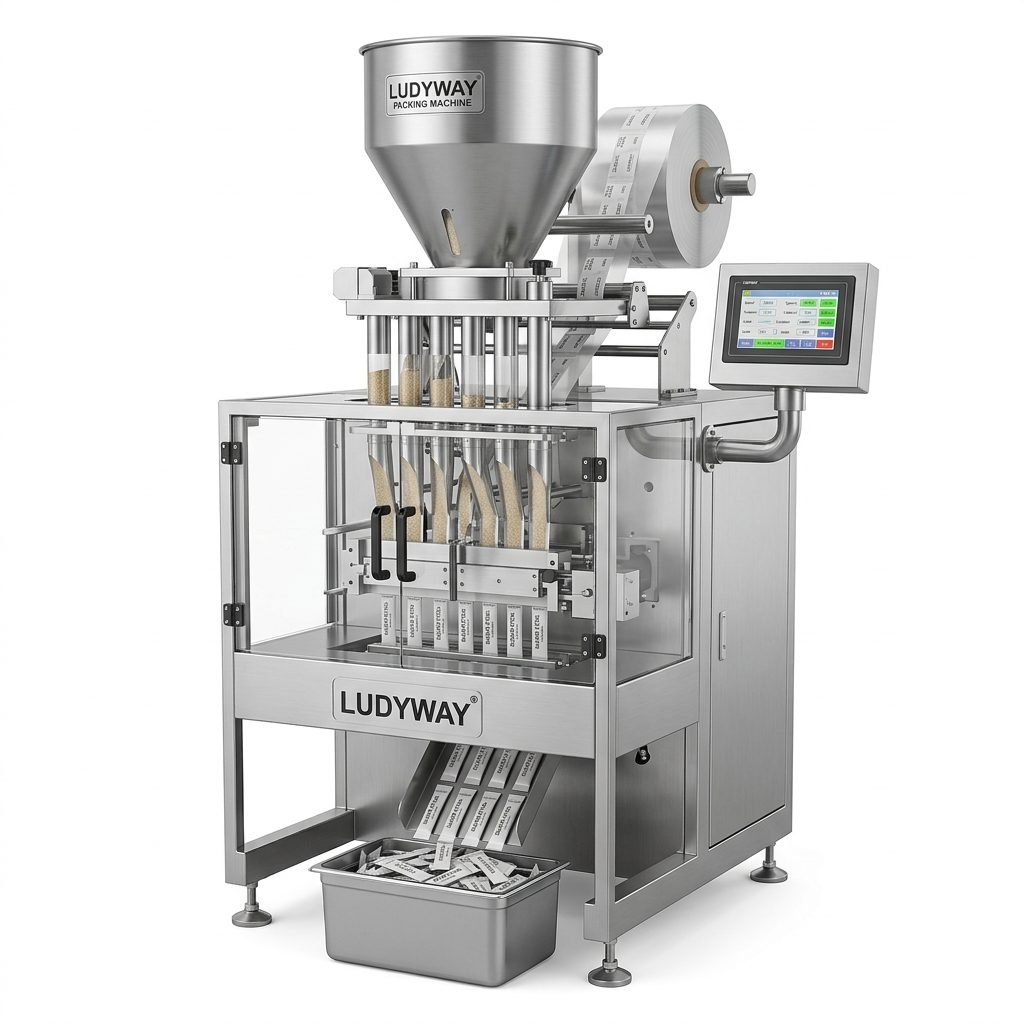
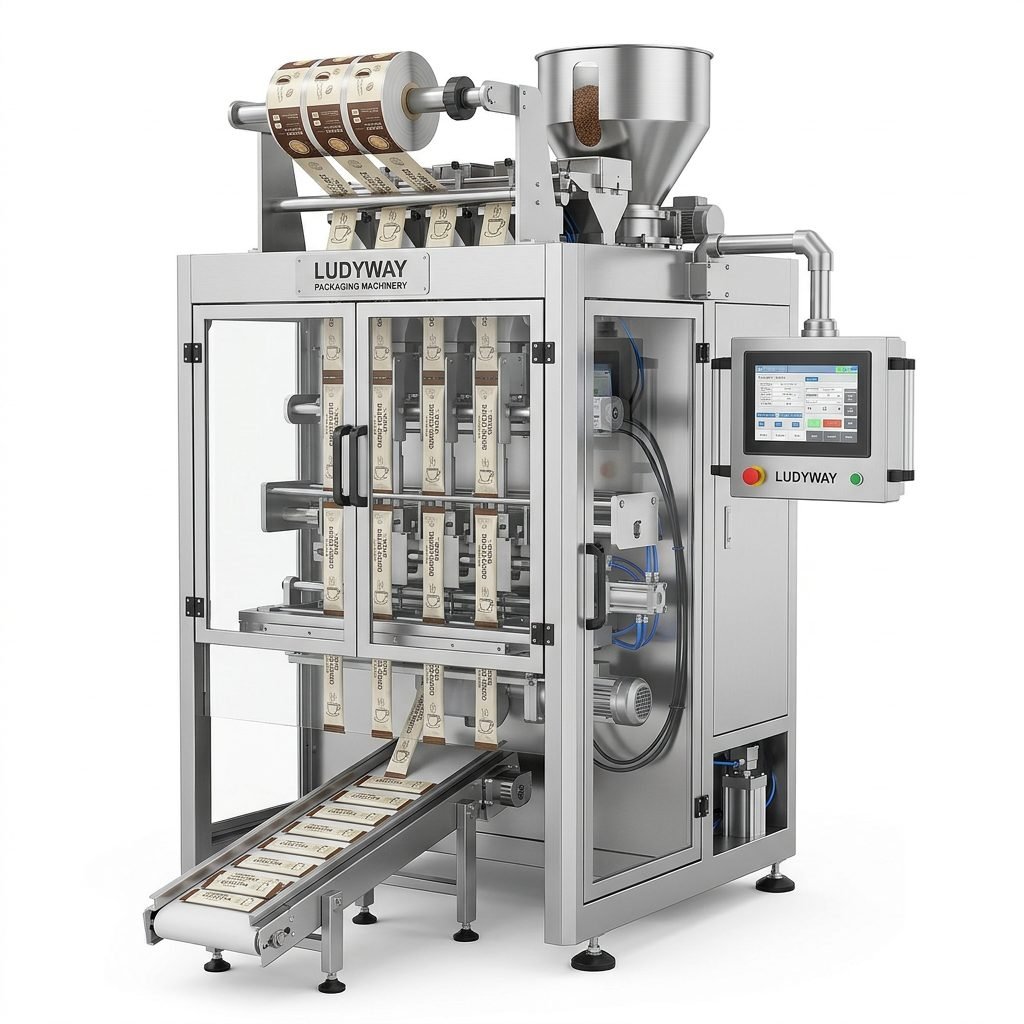
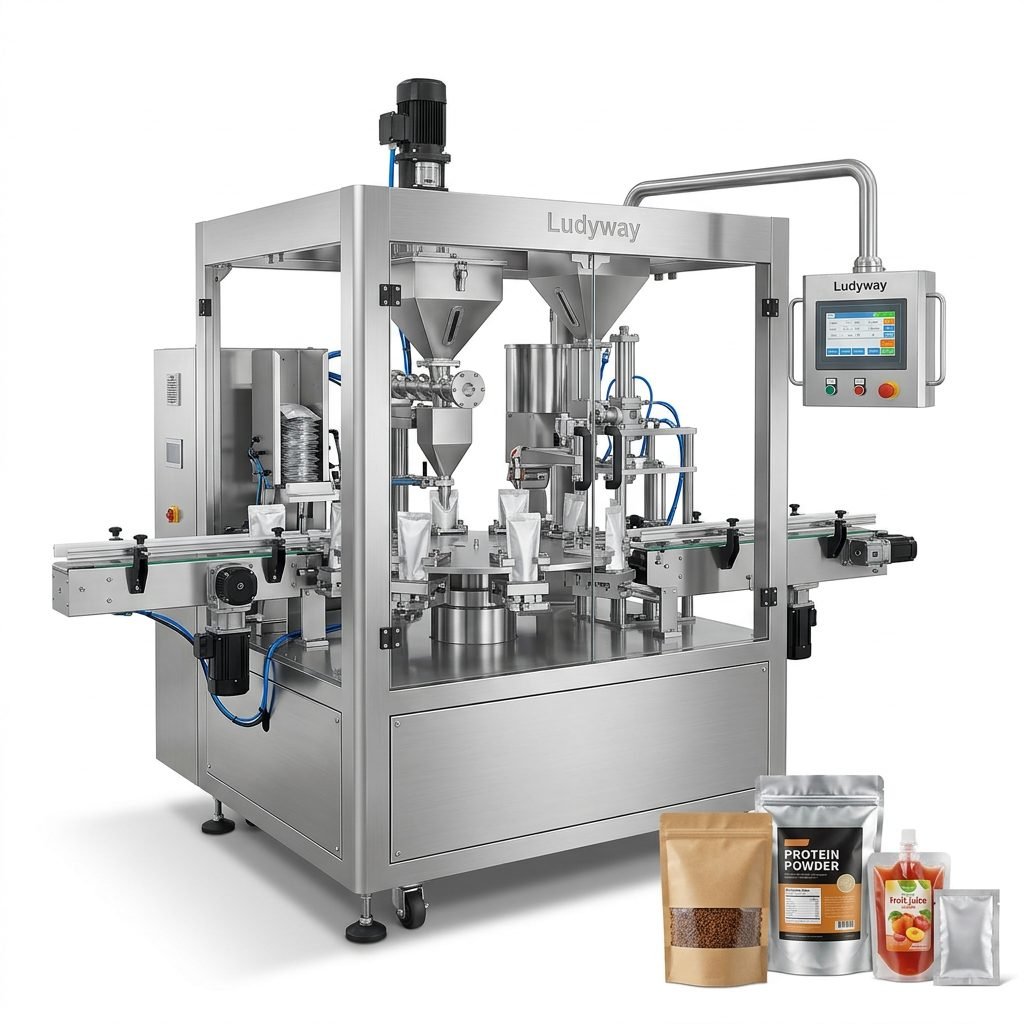
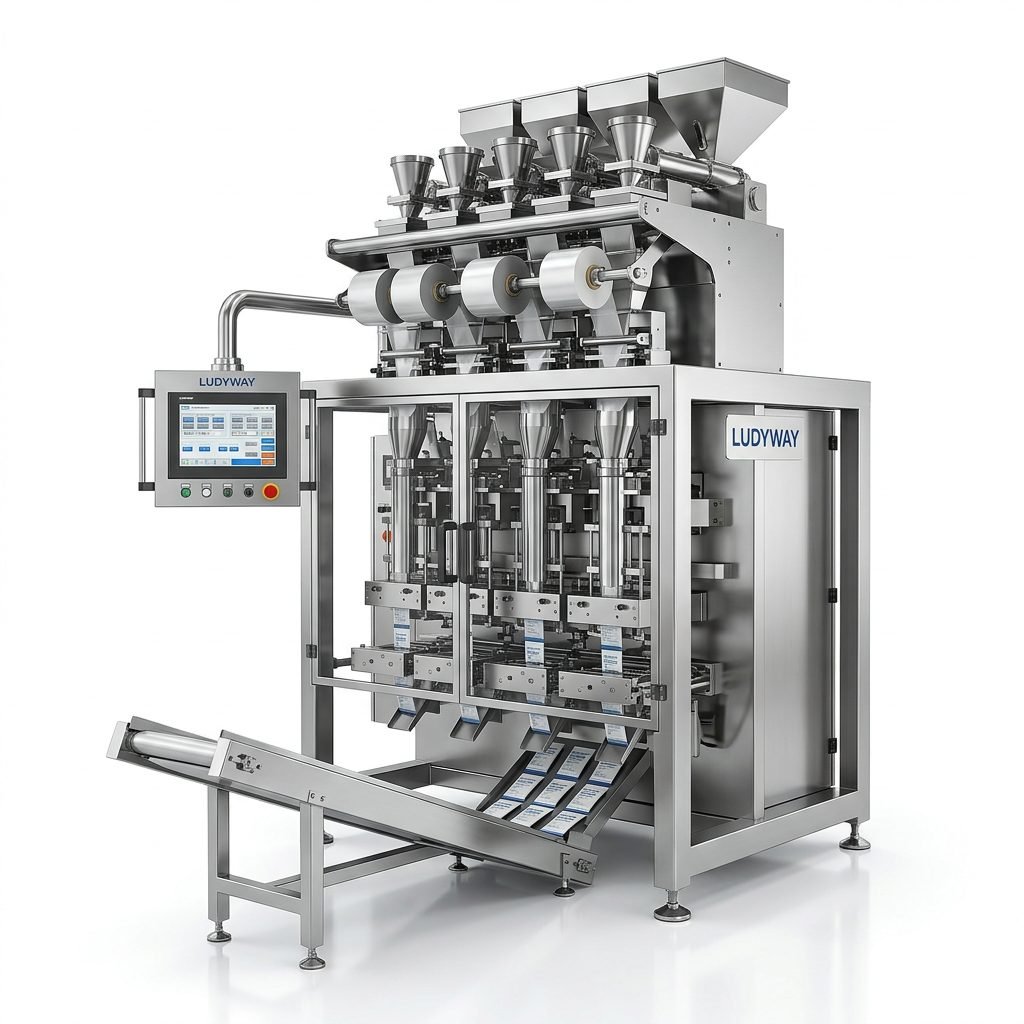
A vertical packing machine is one of the most widely used systems in modern packaging because it can form, fill, and seal bags in a continuous automated process. It is popular in food, pharmaceutical, chemical, cosmetic, and daily-use industries thanks to its compact footprint, fast output, and flexible bag options.
If you are planning to automate packaging for powders, granules, liquids, or small solid products, understanding how this machine works and how to choose the right model can help you avoid downtime, reduce waste, and improve production efficiency.
What Is a Vertical Packing Machine?
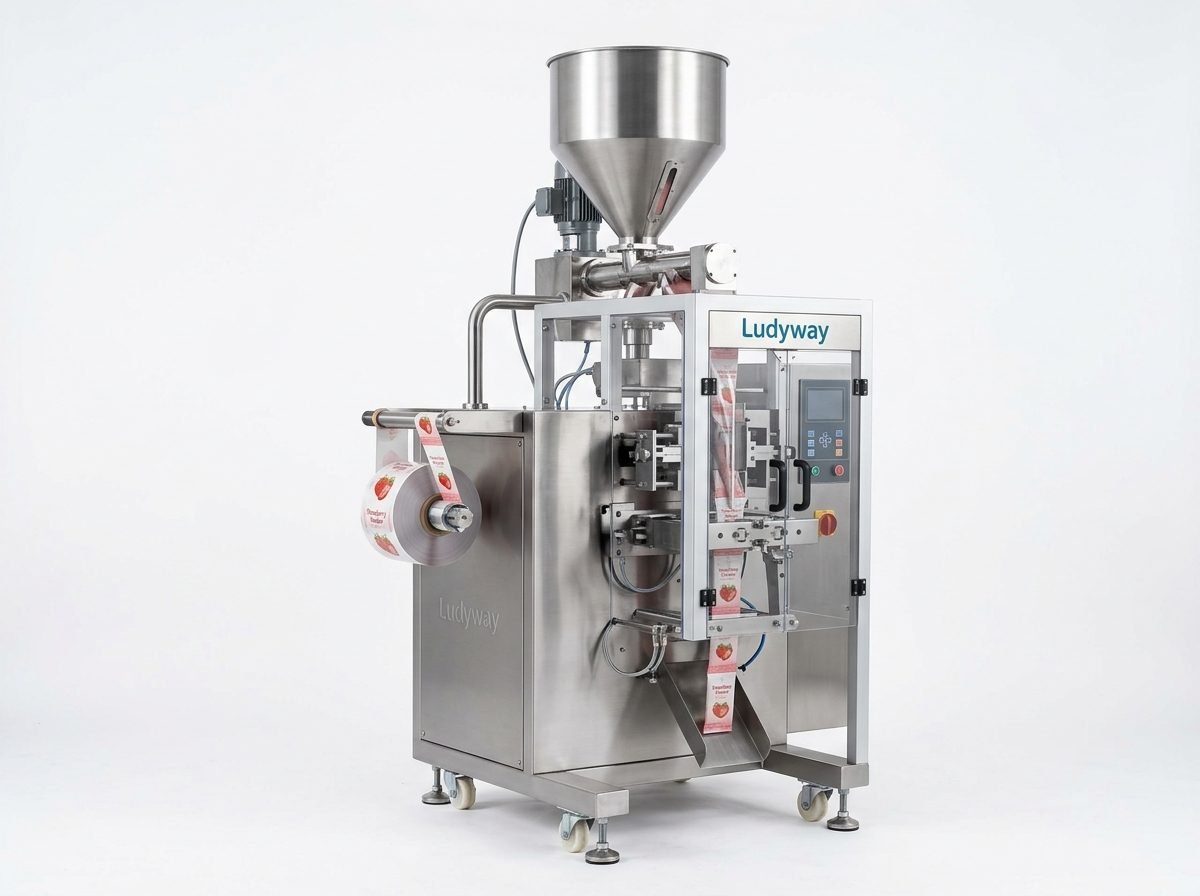
A vertical packing machine, often called a VFFS machine (Vertical Form Fill Seal), is an automated packaging system that creates a bag from roll film, fills it with product, and seals it vertically. The machine operates with the film moving downward around a forming tube, which is why it is known as a vertical machine.
It is commonly used for:
- Snack foods
- Coffee, sugar, salt, and spices
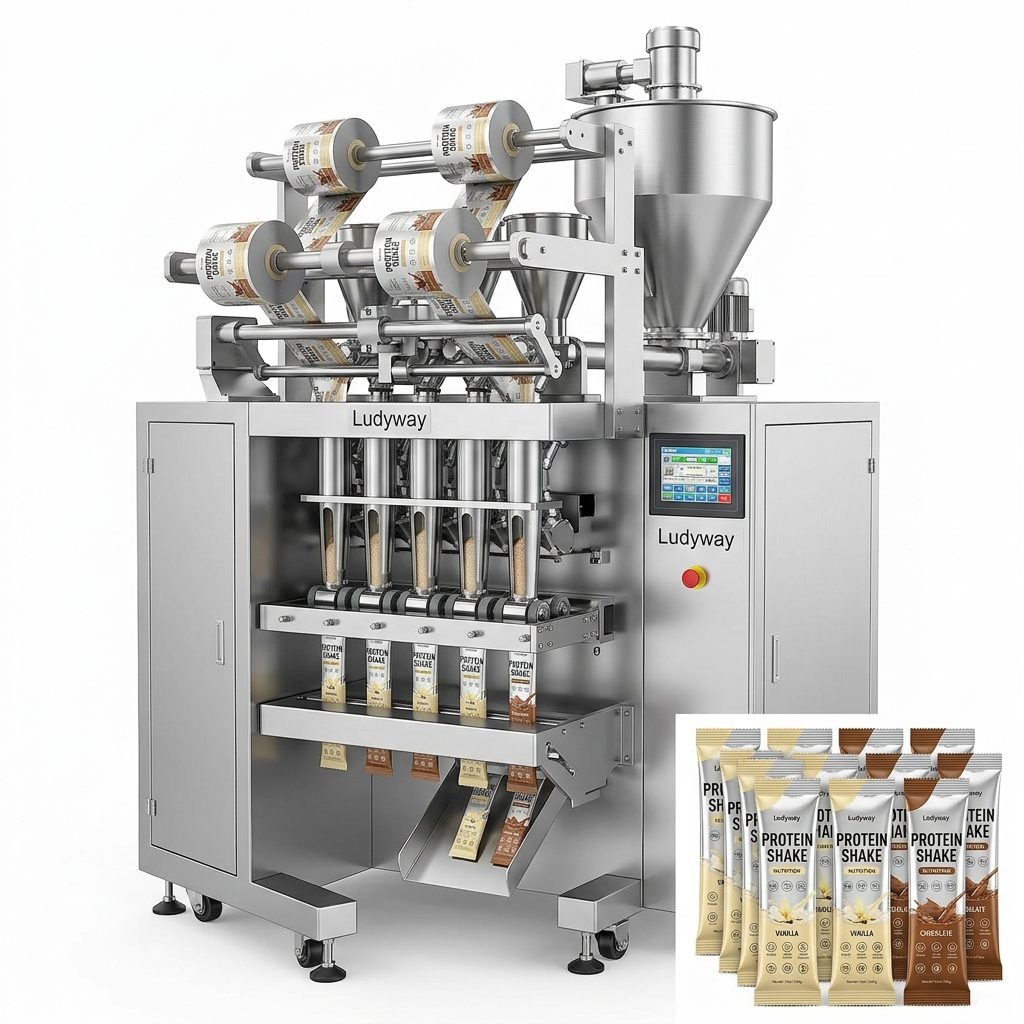
- Protein powder and nutrition products
- Pharmaceutical granules and powders
- Liquids, sauces, gels, and creams
- Pet food and feed additives
- Chemical granules and industrial powders
How a Vertical Packing Machine Works
Although designs vary by product type, most vertical packing machines follow the same core sequence:
- Film unwinding: A roll of packaging film is loaded onto the machine and pulled into position.
- Bag forming: The film passes through a forming collar and tube, shaping it into a bag.
- Vertical sealing: The film edges are sealed together to create the bag body.
- Product dosing and filling: A measuring system dispenses the correct amount of product into the bag.
- Horizontal sealing: The top of the filled bag is sealed, while the next bag begins forming below or above depending on the design.
- Cutting and discharge: The packed bag is cut and released for further collection, coding, checkweighing, cartoning, or case packing.
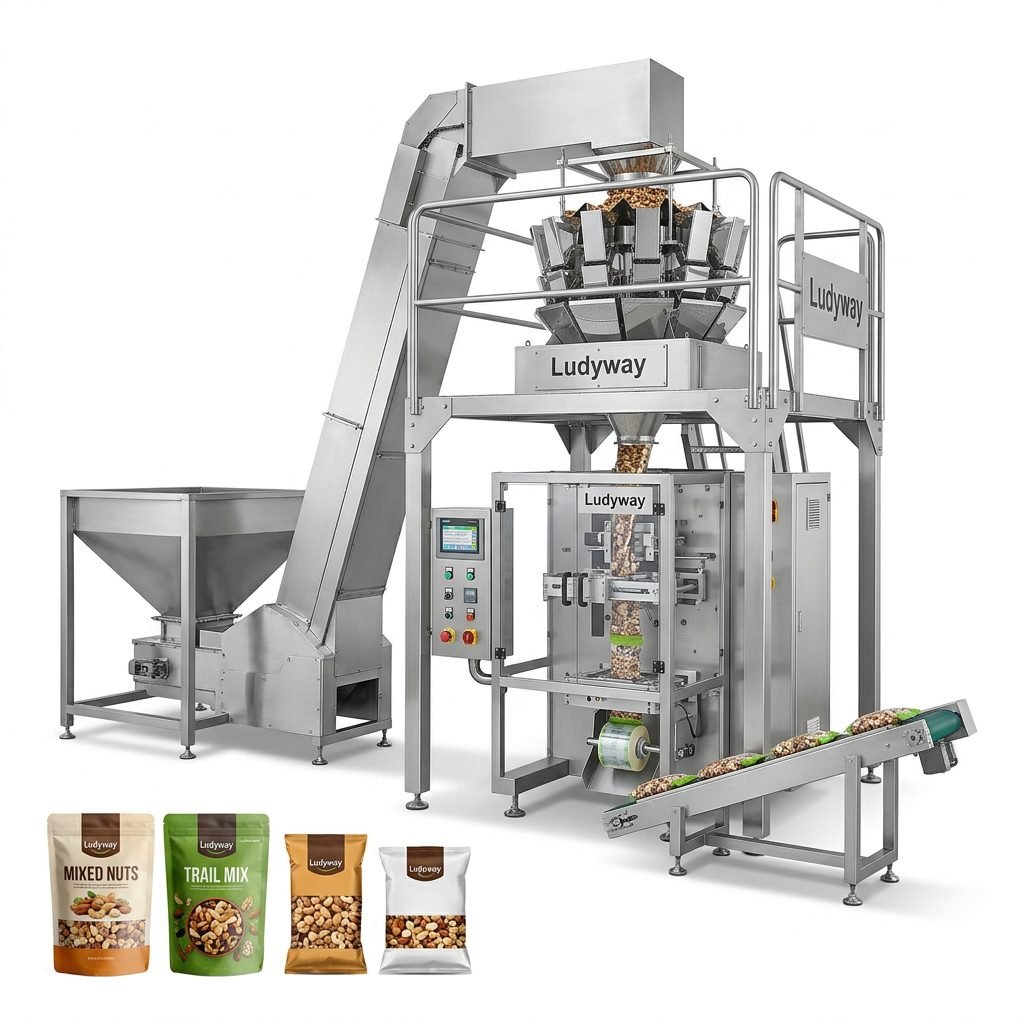
The machine can be integrated with different feeding and dosing systems such as auger fillers, multihead weighers, volumetric cup fillers, piston pumps, or liquid pumps depending on the product characteristics.
Main Components
- Film roll holder and pulling system
- Forming collar and tube
- Vertical sealing unit
- Horizontal sealing jaws
- Cutting device
- Product feeder and dosing system
- PLC and touch screen control panel
- Date coding and optional inspection devices
Types of Vertical Packing Machines
Different industries require different machine configurations. Choosing the right structure depends on product form, speed target, bag style, and hygiene requirements.
| Machine Type | Best For | Typical Filling System |
|---|---|---|
| Powder vertical packing machine | Milk powder, spices, protein powder, pharma powder | Auger filler |
| Granule vertical packing machine | Sugar, coffee, seeds, nuts, pet food | Cup filler or multihead weigher |
| Liquid vertical packing machine | Sauces, oils, detergents, sanitizers | Pump or piston filler |
| Paste vertical packing machine | Cream, jam, ketchup, lotion | Servo piston filler |
| Multi-lane vertical sachet machine | High-speed sachet and stick pack production | Multi-lane dosing system |
Key Benefits of a Vertical Packing Machine
1. High Packaging Efficiency
Vertical machines automate multiple steps in one system, which significantly improves output compared with manual or semi-automatic packaging. This is especially valuable for manufacturers handling high daily production volumes.
2. Space-Saving Design
Because the packaging process is arranged vertically, these machines usually take up less floor space than many horizontal systems. This makes them suitable for factories where layout efficiency matters.
3. Wide Product Compatibility
One major advantage is flexibility. A properly configured machine can handle free-flowing granules, difficult powders, sticky pastes, and liquids. With the correct filler and film, a single line can often support multiple SKUs.
4. Lower Labor Costs
Automation reduces the need for repetitive manual bagging and sealing tasks. This helps lower labor costs while also improving consistency from bag to bag.
5. Improved Accuracy
Advanced control systems and precision dosing units help ensure stable fill weights and reduced giveaway. For industries such as pharmaceuticals and health supplements, accurate dosing is essential.
6. Better Package Appearance
A well-designed machine produces neat, consistent seals and uniform bag shapes. This improves retail presentation and strengthens brand image.
7. Easy Integration with Packaging Lines
Vertical packing machines can be combined with feeders, conveyors, checkweighers, metal detectors, cartoners, case packers, and palletizers, making them ideal for scalable automated production.
Common Bag Styles Produced by Vertical Packing Machines
- Pillow bags
- Gusseted bags
- Quad seal bags
- Sachet packs
- Stick packs
- Chain bags
- Hole-punch hanging bags
Bag style selection should match your product type, retail display needs, shipping conditions, and material cost targets.
Industries That Use Vertical Packing Machines
| Industry | Typical Products | Packaging Goal |
|---|---|---|
| Food | Snacks, coffee, spices, sugar, cereal, nuts | Speed, freshness, shelf appeal |
| Pharmaceutical | Powders, granules, oral sachets | Precision, hygiene, compliance |
| Cosmetic | Creams, gels, lotions, sample sachets | Appearance, leak prevention |
| Chemical | Detergents, additives, powders, granules | Safety, corrosion resistance |
| Feed & pet food | Pellets, supplements, dry food | Durability, high throughput |
How to Choose the Right Vertical Packing Machine
Selecting the right model is about more than speed. The best machine should match your product properties, packaging material, output plan, and long-term business goals.
Understand Your Product Characteristics
Start by defining whether your product is powder, granule, liquid, paste, or mixed material. Consider particle size, flowability, viscosity, stickiness, moisture, and dust behavior. These factors determine the filling method and sealing configuration.
Define Bag Size and Format
Know the exact bag width, bag length, volume range, and desired bag type. If you plan to launch different SKUs, choose a machine with flexible changeover capability.
Match the Required Speed
Your production target should guide machine selection. Low-to-medium output may only require a single-lane or standard VFFS unit, while high-demand applications often need multi-lane sachet or stick pack systems.
Check Accuracy Requirements
For costly ingredients or regulated products, accuracy matters as much as speed. Servo-driven fillers, intelligent weighing systems, and stable control software are key features to evaluate.
Evaluate Film Compatibility
Not all machines handle every packaging film equally well. Confirm whether the machine supports laminated film, PE, aluminum foil structures, recyclable materials, or specialty barrier films.
Consider Cleaning and Maintenance
In food and pharma production, fast cleaning and hygienic design are critical. Look for accessible structures, stainless steel contact parts, and simple disassembly for maintenance.
Plan for Future Expansion
If your business is growing, it is often smarter to choose a machine that supports integration with upstream and downstream automation rather than buying a basic standalone unit that quickly becomes a bottleneck.
Practical tip: Ask the supplier to test your actual product and film before purchase. A live test can reveal filling stability, sealing quality, output speed, and whether the final package meets your market requirements.
Features to Look for in a Modern Machine
- Servo motor control for stable film pulling
- PLC and touch screen operation
- Automatic bag length adjustment
- Precise temperature control for sealing
- Photoelectric tracking for printed film
- Dust control or nitrogen flushing options
- Easy changeover for different products or bag sizes
- Data coding, checkweighing, and inspection integration
Common Buying Mistakes to Avoid
- Choosing only by price without checking product compatibility
- Ignoring future production expansion
- Underestimating the importance of sealing quality
- Not confirming spare parts and after-sales support
- Skipping machine testing with real packaging materials
- Buying a high-speed machine without stable feeding and discharge systems
Maintenance Tips for Longer Machine Life
Routine maintenance keeps a vertical packing machine efficient and reduces unexpected downtime.
- Clean sealing jaws and product contact parts regularly
- Inspect film pulling belts and wear components
- Check sensor calibration and temperature settings
- Lubricate moving parts according to the manual
- Replace worn blades and sealing parts on schedule
- Train operators to identify abnormal vibration, leakage, or fill deviations early
Who Should Invest in a Vertical Packing Machine?
A vertical packing machine is an excellent choice for businesses that need:
- Automated bagging for powders, granules, liquids, or pastes
- Higher output with consistent packaging quality
- Flexible packaging formats for multiple SKUs
- Reduced labor dependency
- Easy integration into a full packaging line
Manufacturers seeking reliable automation often work with experienced suppliers that can provide both standalone machines and turnkey solutions. For example, Ludyway vertical packing machine solutions are widely considered by buyers looking for scalable packaging equipment across food, pharmaceutical, cosmetic, chemical, and related industries.
Final Thoughts Before You Buy
The right vertical packing machine can transform production by increasing speed, improving consistency, reducing waste, and supporting long-term automation goals. The best choice depends on your product type, desired package format, accuracy standard, and line capacity.
Before making a final decision, compare machine structure, filling technology, film compatibility, ease of maintenance, customization options, and technical support. When these factors align with your business needs, you will gain a packaging system that delivers dependable performance for years.