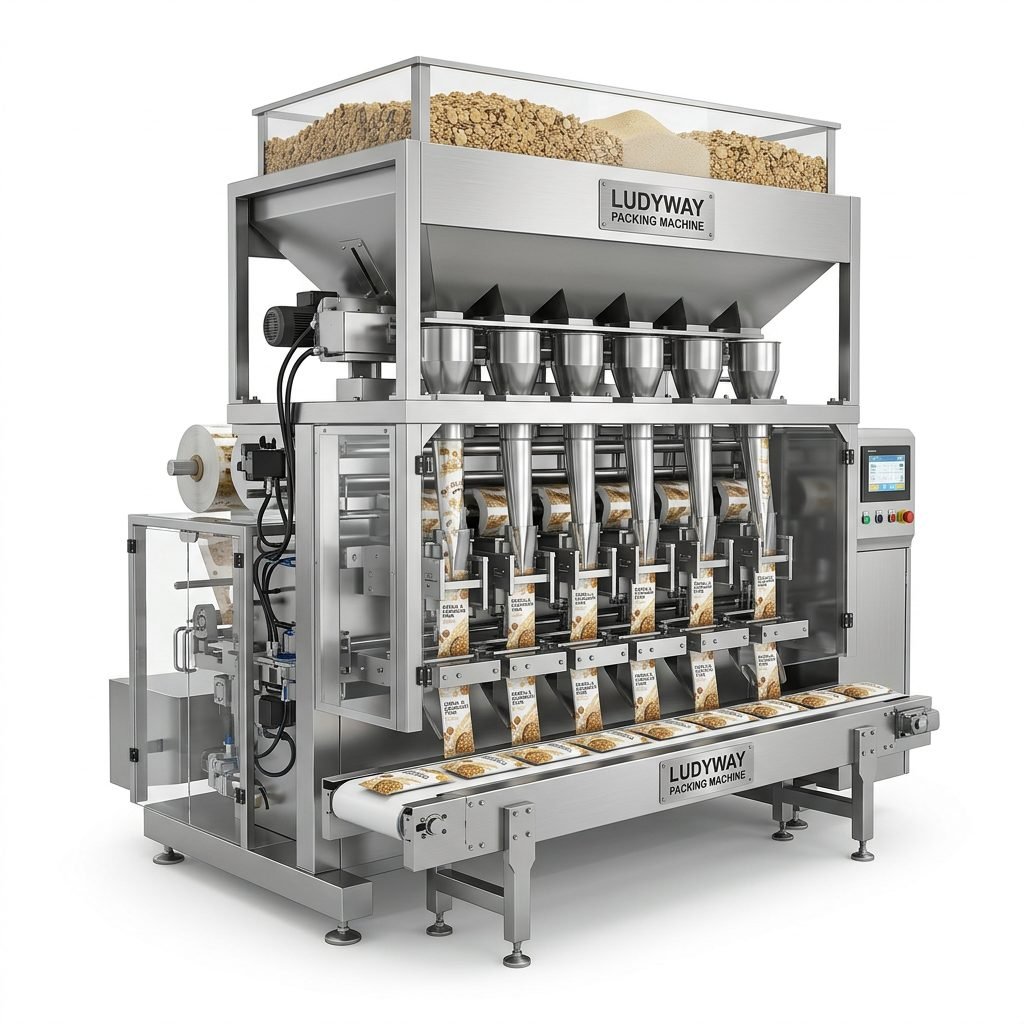
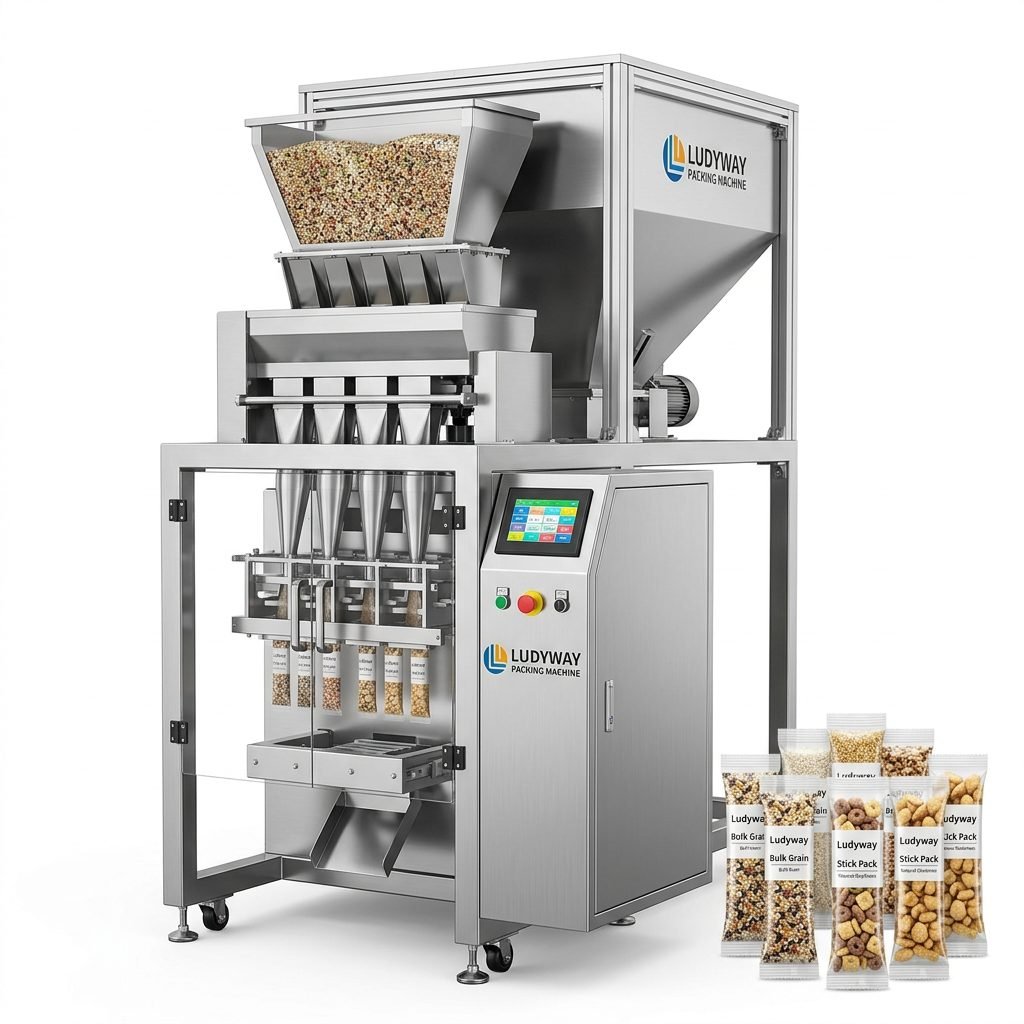
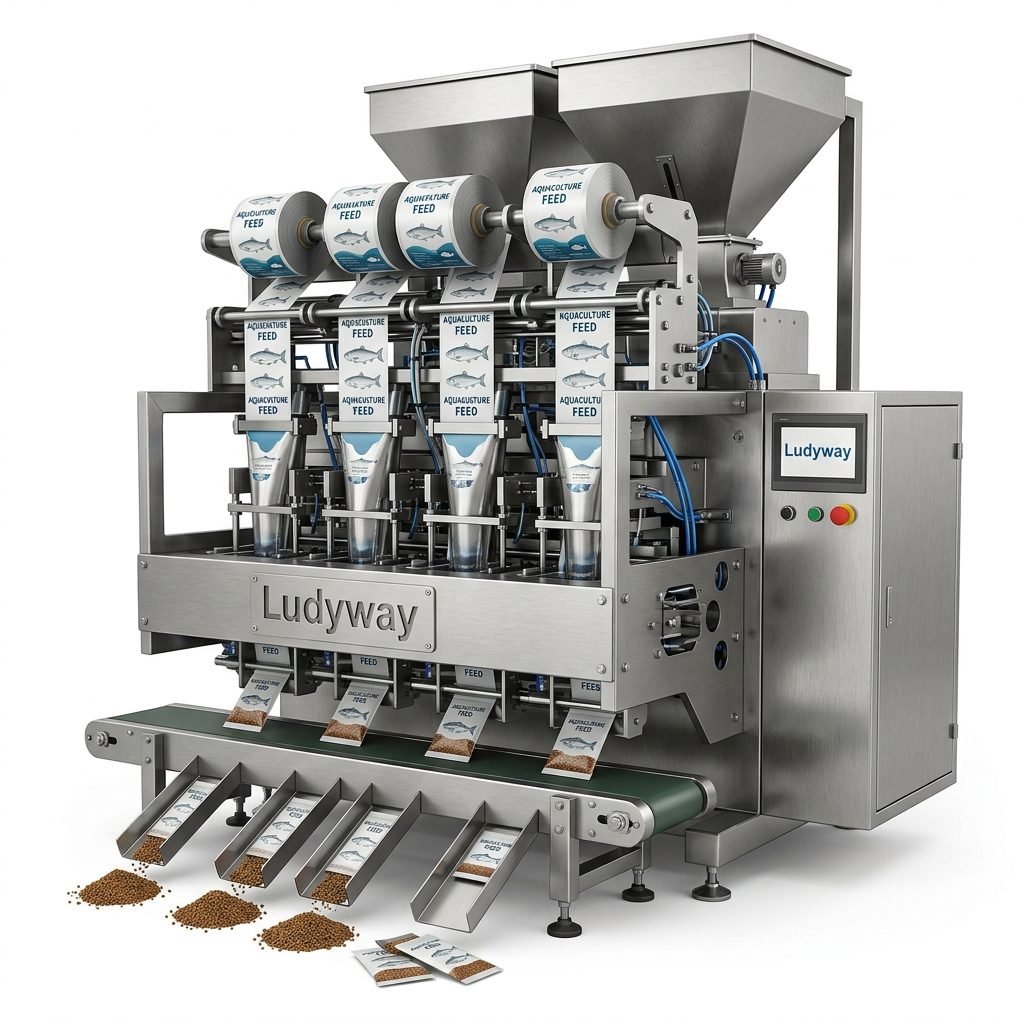
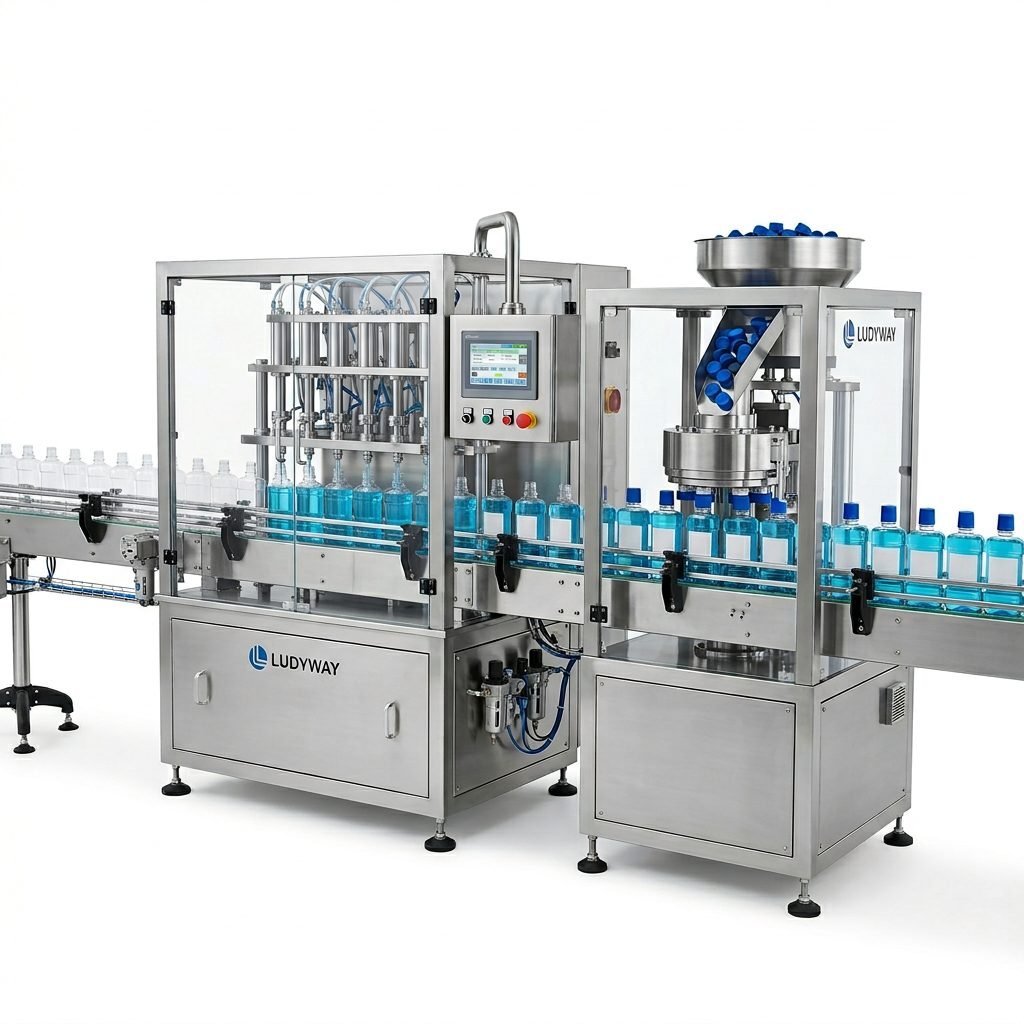
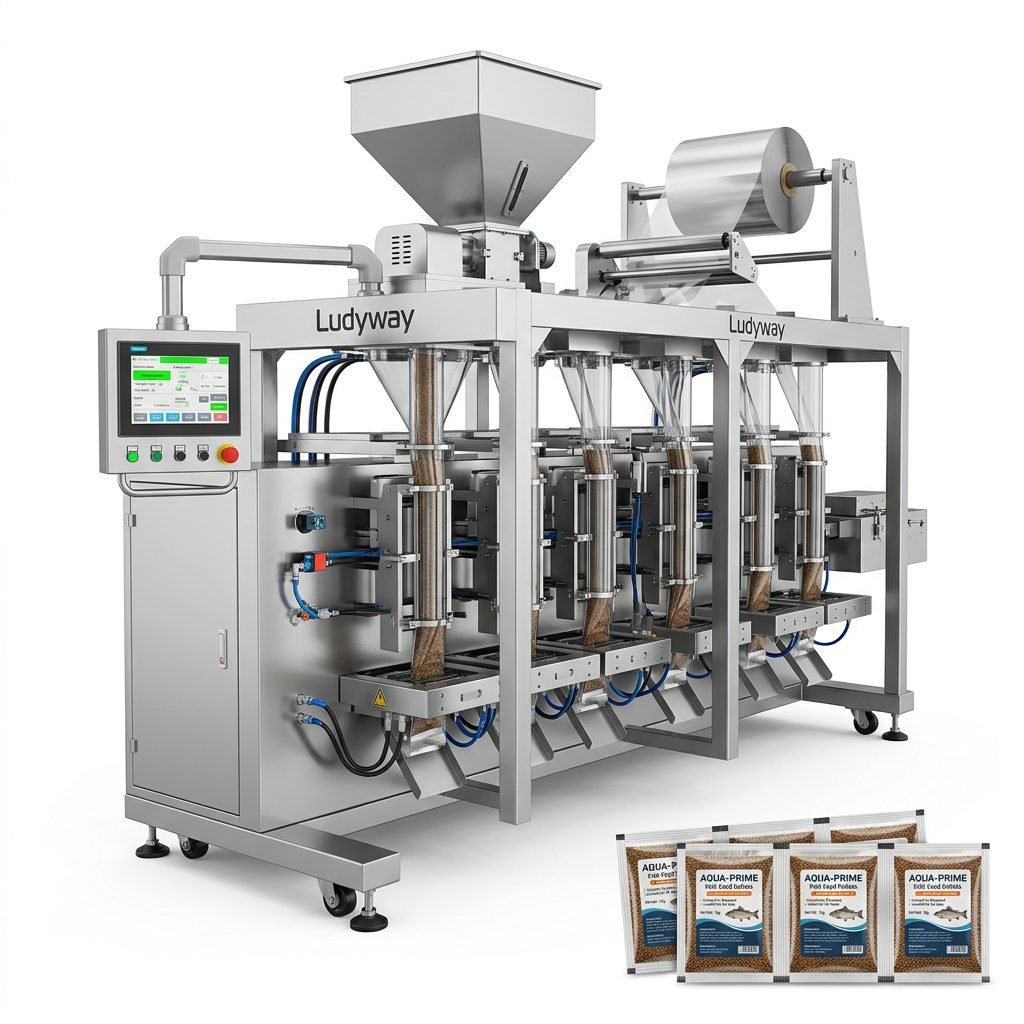
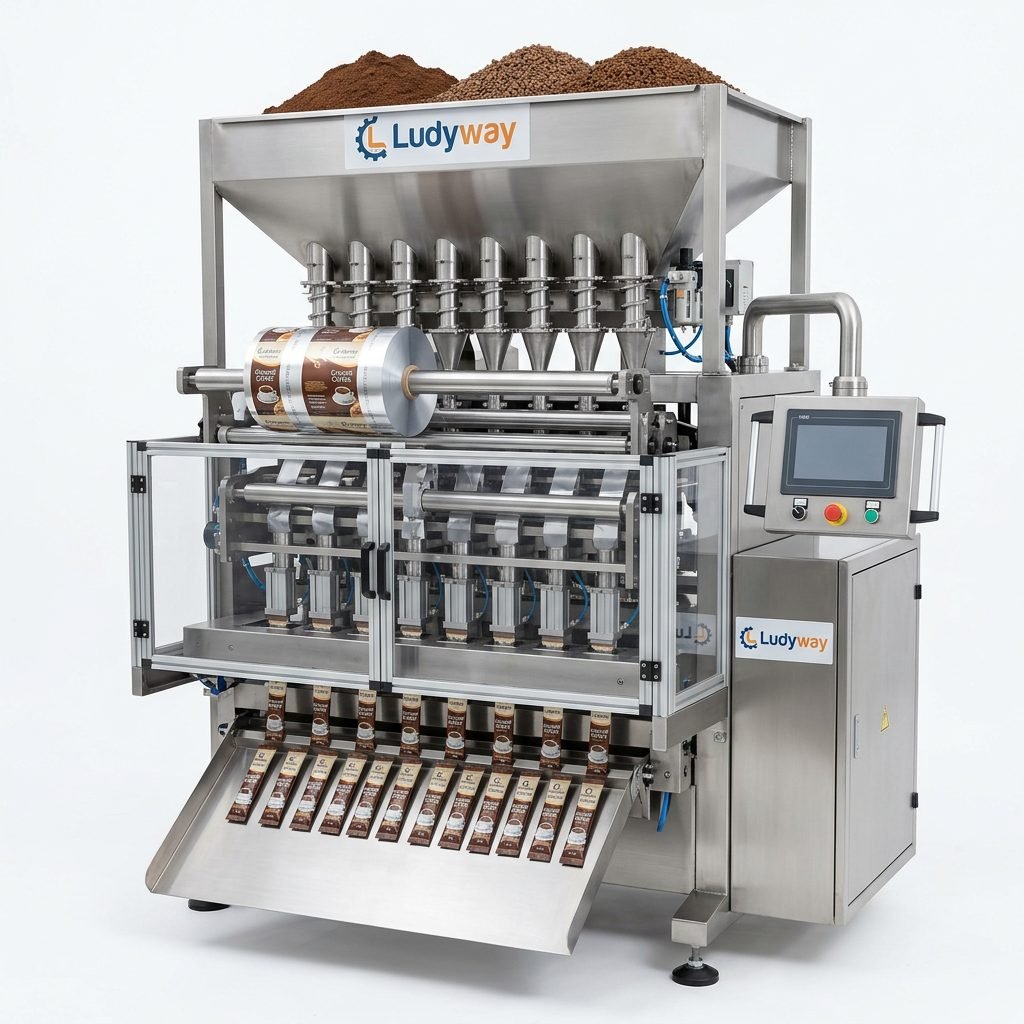
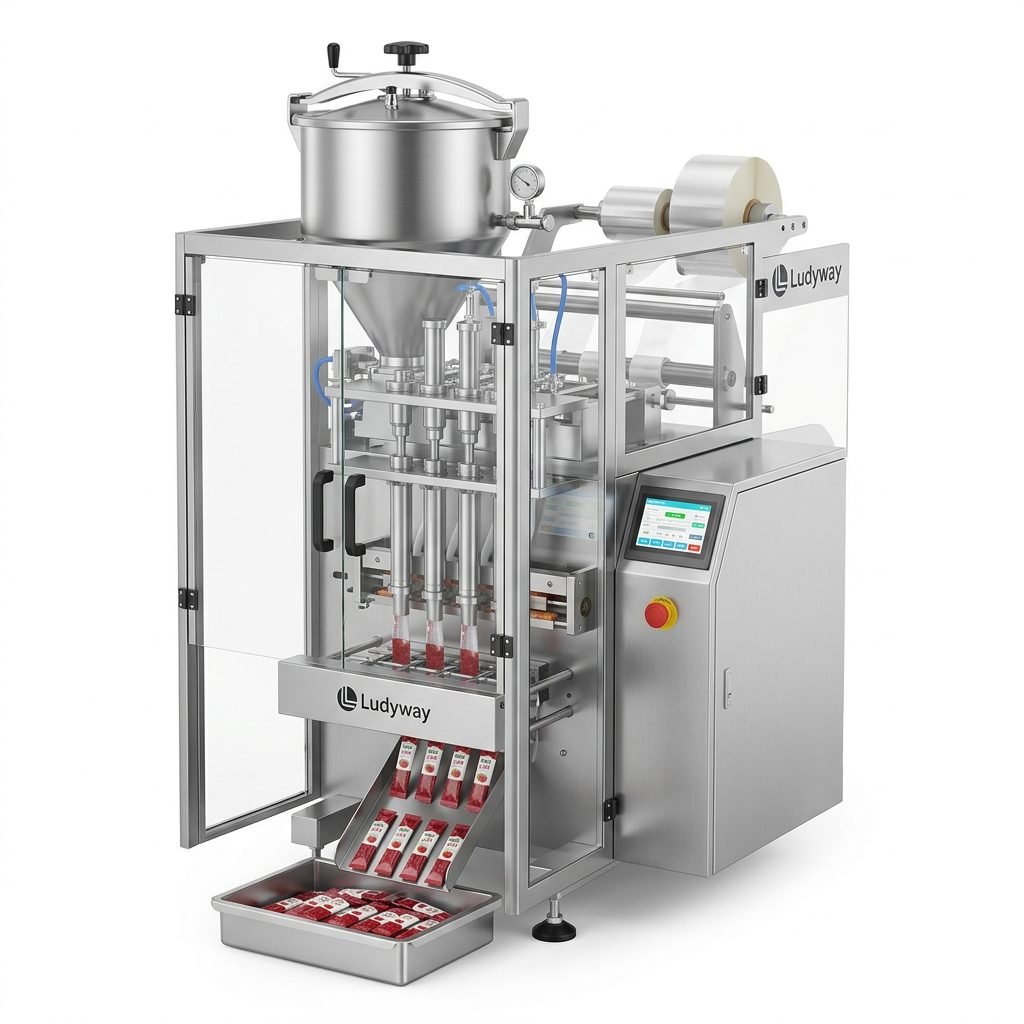
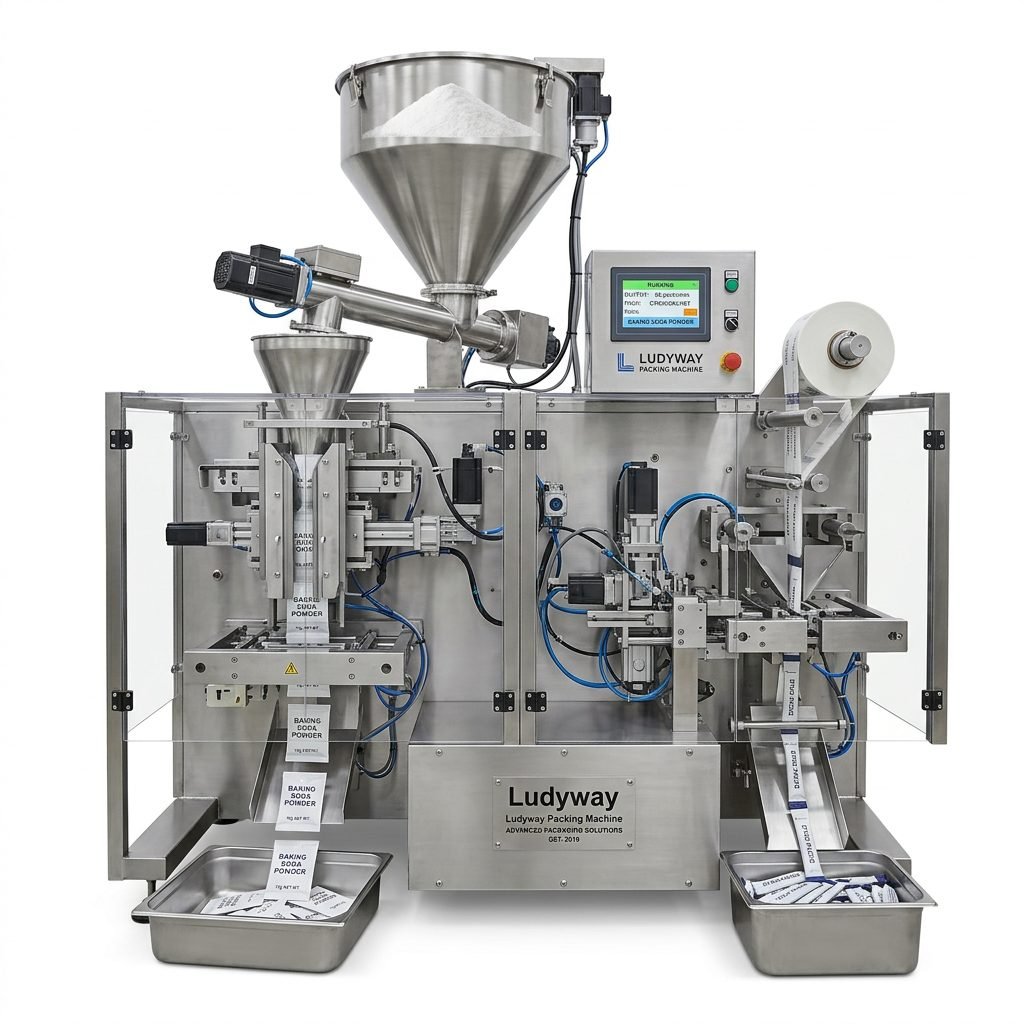
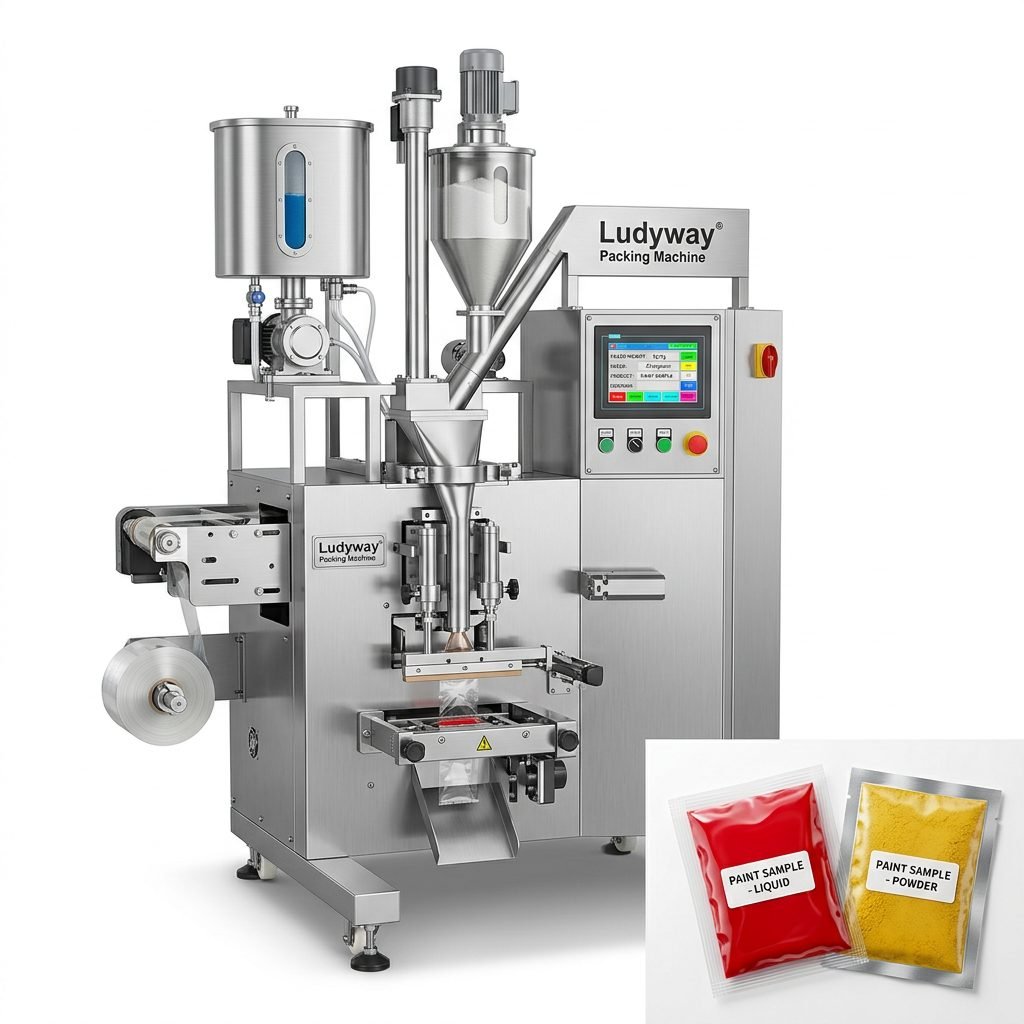
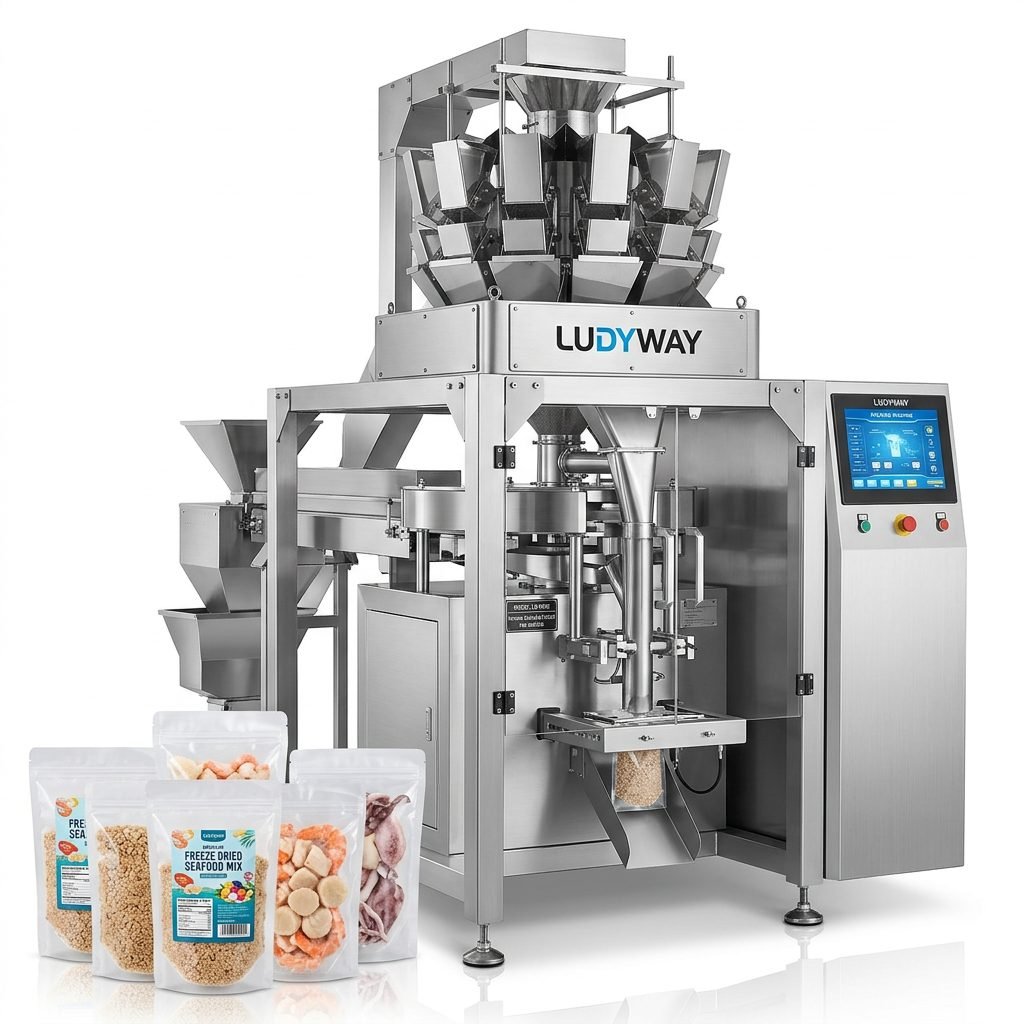
In the fast-paced worlds of food and pharmaceutical manufacturing, efficiency, precision, and hygiene are non-negotiable. The core of achieving these goals often lies in one critical piece of equipment: the high-speed packaging machine. These sophisticated systems are engineered to handle the demanding throughput and stringent quality standards required by these sectors, transforming raw products into securely packaged goods ready for distribution and consumption.
Essential Features of Modern High-Speed Packaging Machines
Today’s advanced packaging machines are far more than simple bagging devices. They are integrated automation hubs designed for peak performance.
Unmatched Speed and Throughput
The primary advantage is, as the name suggests, high speed. Modern machines can achieve impressive output rates, often ranging from hundreds to thousands of packages per minute, depending on the product and package type. This capability is crucial for meeting large-scale production demands and maintaining supply chain fluidity.
Key Point: High throughput directly correlates with lower per-unit production costs and the ability to scale operations efficiently.
Precision Dosing and Filling
Whether it’s a precise 5ml of cough syrup or 10 grams of seasoning, accuracy is paramount. These machines utilize advanced filling systems—such as servo-driven pumps, auger fillers, or volumetric cups—that ensure consistent and accurate dosing for every single package. This minimizes product giveaway and ensures compliance with strict pharmaceutical regulations or labeled net weights.
Advanced Material Handling and Sealing
They are designed to work with a variety of packaging films, including laminates and composites that provide essential barriers against moisture, oxygen, and light. Reliable sealing mechanisms, often employing heat or ultrasonic technology, create strong, hermetic seals that protect product integrity and extend shelf life.
Integrated Quality Control Systems
Inspection is no longer just a manual post-production step. High-end machines feature integrated checkweighers, metal detectors, and vision systems that instantly reject underweight, overweight, or contaminated packages in-line, ensuring that only perfect products proceed to the next stage.
Hygienic Design and Easy Cleaning
Especially for pharmaceutical and food applications, machines are constructed with sanitary principles in mind. This includes the use of stainless steel contact parts, smooth surfaces without crevices, and designs that allow for quick disassembly and cleaning (CIP/SIP systems in some pharma models) to meet GMP and FDA standards.
Tangible Benefits for Food and Pharma Producers
Investing in a high-speed packaging system delivers a strong return on investment through multiple channels.
Dramatic Increase in Production Efficiency
Automating the packaging process eliminates bottlenecks associated with manual labor. It enables continuous operation, significantly boosting overall output and allowing your production line to keep pace with market demand.
Enhanced Product Consistency and Quality
Machines eliminate human error in filling and sealing. Every package is uniform, which strengthens brand reputation for reliability. The robust sealing and sterile environments possible with automated systems drastically reduce spoilage and contamination risks.
Operational Cost Reduction
While the initial investment is significant, the long-term savings are substantial. Reduced labor costs, minimized product waste from overfilling, and lower rates of package failure all contribute to a healthier bottom line.
Improved Operational Safety
Automation reduces the need for workers to perform repetitive tasks or handle potentially hazardous materials directly, leading to a safer workplace with fewer ergonomic injuries.
Scalability and Flexibility
Many modern machines are modular and programmable. With quick changeover features, the same production line can be adapted to package different product formats or sizes, allowing manufacturers to respond agilely to changing market trends or run smaller, customized batches efficiently.
Your Guide to Selecting the Right High-Speed Packaging Machine
Choosing the ideal machine requires careful consideration of your specific needs. Here is a structured guide to navigate the selection process.
Step 1: Define Your Core Requirements
Start by answering fundamental questions:
• Product Type: Is it a granule, powder, liquid, paste, or tablet?
• Packaging Format: Do you need stick packs, sachets, pouches, or blister packs?
• Required Output: What are your target packages-per-minute needs?
• Regulatory Environment: Does your production require specific certifications (e.g., FDA, CE, GMP) for pharmaceutical or food-grade compliance?
Step 2: Evaluate Key Machine Specifications
Scrutinize the technical details:
• Filling Accuracy and Range: Can it handle your required dose sizes with the necessary precision?
• Material Compatibility: Is it compatible with your chosen packaging film?
• Changeover Time: How quickly can it switch between different products or package sizes?
• Control System: Is the HMI (Human-Machine Interface) user-friendly and programmable?
Step 3: Assess Build Quality and Support
The machine’s construction and the manufacturer’s support are critical for longevity.
• Inspect the quality of components (e.g., servo motors, PLCs, stainless-steel grade).
• Understand the warranty terms and the availability of after-sales service and spare parts.
• Request references or case studies from existing clients in similar industries.
Step 4: Consider Integration and Future Needs
Think beyond the standalone machine. Can it be easily integrated into your existing production line? Does the supplier offer complete turnkey solutions including upstream feeders and downstream cartoning? Choose a partner whose equipment can grow with your business.
Pro Tip: Request a Live Test
Always insist on a production trial using your actual product and packaging materials. This is the only way to verify the machine’s performance, speed, and accuracy claims firsthand before making a purchase decision.
Partnering with an Experienced Supplier
The journey doesn’t end with the purchase. Partnering with a knowledgeable and reliable supplier like Ludyway Machinery is crucial. With over 30 years of industry experience, a seasoned supplier brings invaluable expertise. They can help you navigate the selection process, provide customized solutions for unique challenges, and ensure a smooth installation and commissioning process. Their ongoing technical support, training, and access to genuine spare parts will maximize your machine’s uptime and return on investment for years to come.
Frequently Asked Questions (FAQs)
1. What is the typical lifespan of a high-speed packaging machine?
With proper maintenance and operation, a well-built high-speed packaging machine from a reputable manufacturer can have a productive lifespan of 15 years or more. Key factors include the quality of construction, adherence to maintenance schedules, and the operating environment.
2. How much floor space is required for these machines?
Space requirements vary significantly based on the machine type and level of integration. A standalone vertical form-fill-seal (VFFS) machine might need 10-20 sq meters, while a fully integrated multi-lane stick pack line with ancillary equipment will require considerably more. Always consult with your supplier for a detailed layout based on your specific configuration.
3. Can one machine handle both food and pharmaceutical products?
Technically, yes, but it requires careful planning. To switch between non-hazardous food and pharmaceutical products, the machine must undergo a thorough and validated cleaning process. For higher-risk products, dedicated machines are often recommended to avoid cross-contamination and simplify regulatory compliance.
4. What are the most common maintenance requirements?
Regular maintenance typically includes daily cleaning, lubrication of moving parts as specified, inspection and replacement of wear items like sealing jaws, cutting blades, and filter bags, and periodic calibration of scales and sensors. Following the manufacturer’s preventive maintenance schedule is essential.
5. How long does it take to train operators on a new high-speed machine?
Basic operation training for competent personnel usually takes 3 to 5 days. However, comprehensive training covering advanced troubleshooting, maintenance procedures, and changeovers can take one to two weeks. Quality suppliers offer extensive training programs to ensure your team is fully confident.