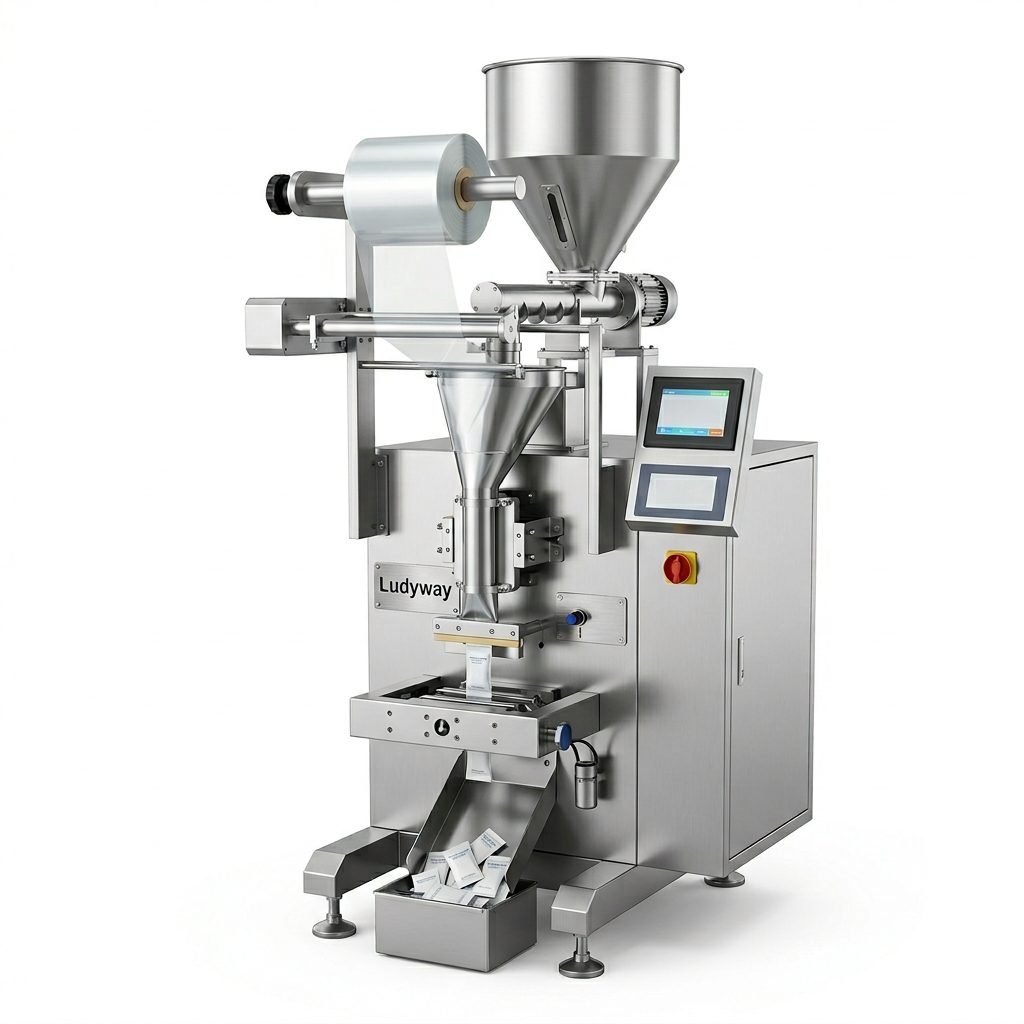
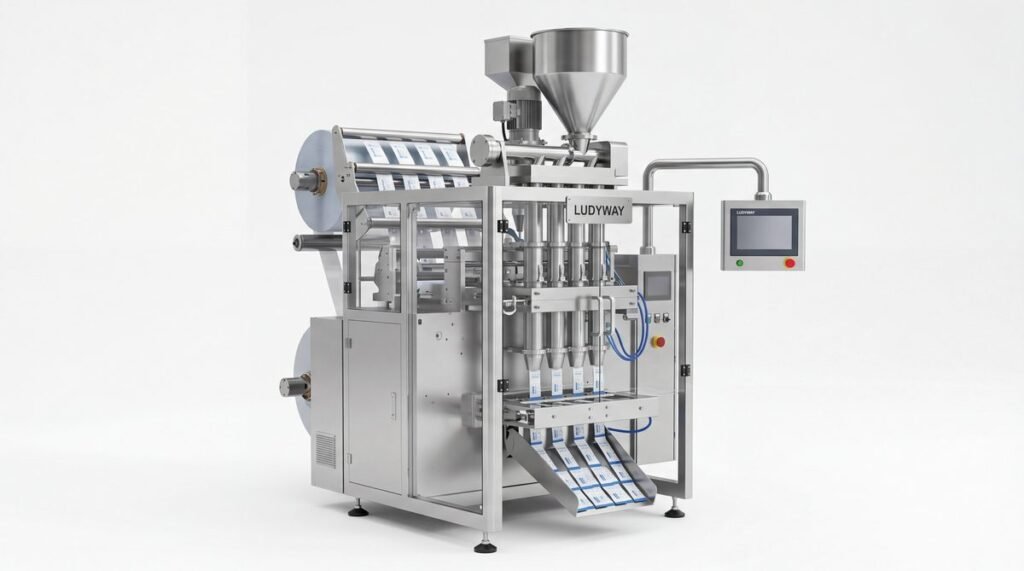
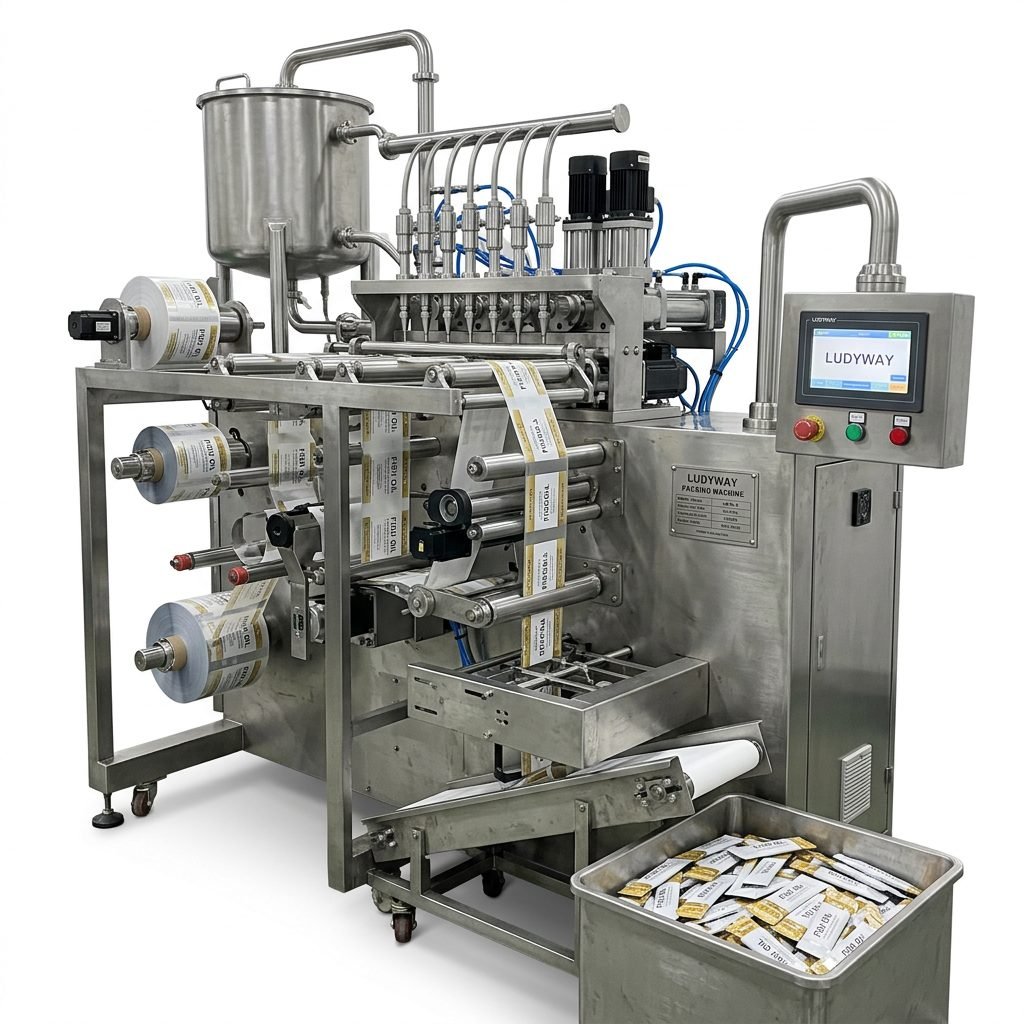
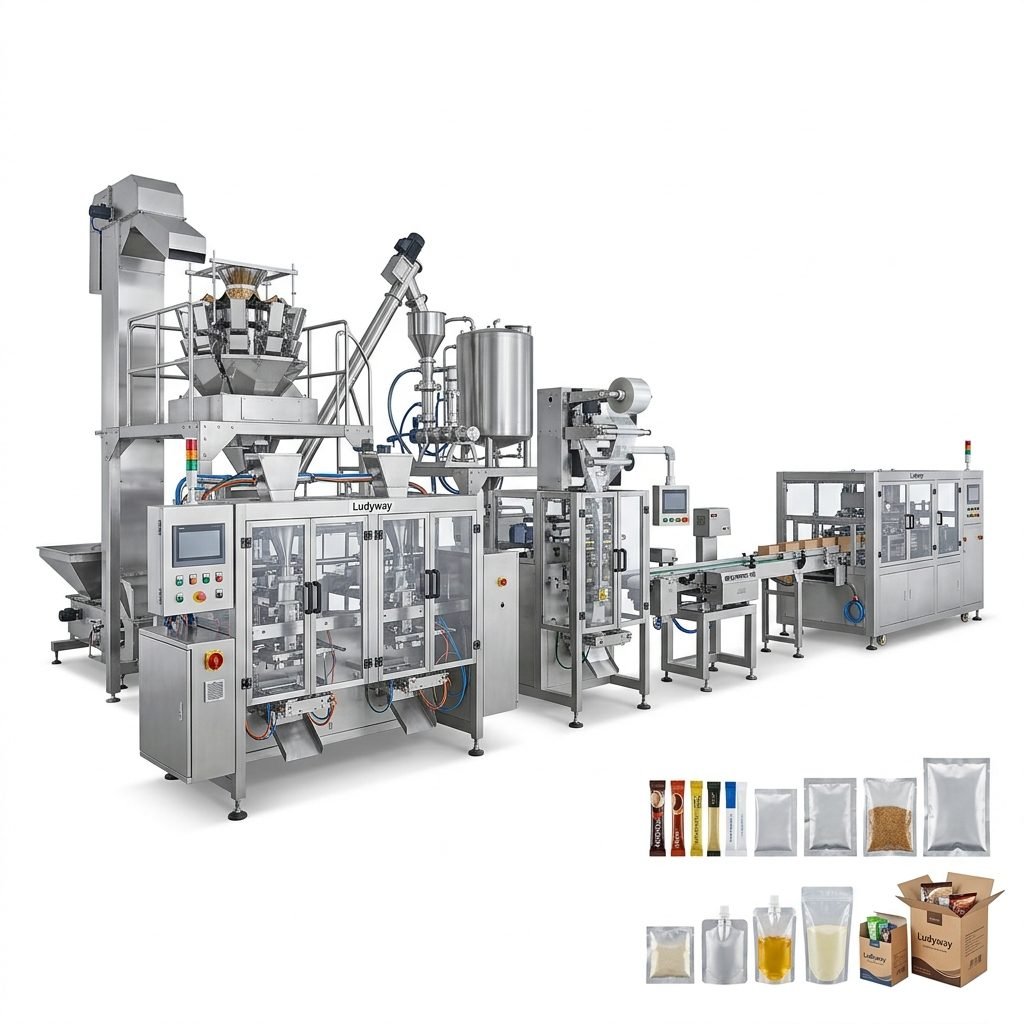
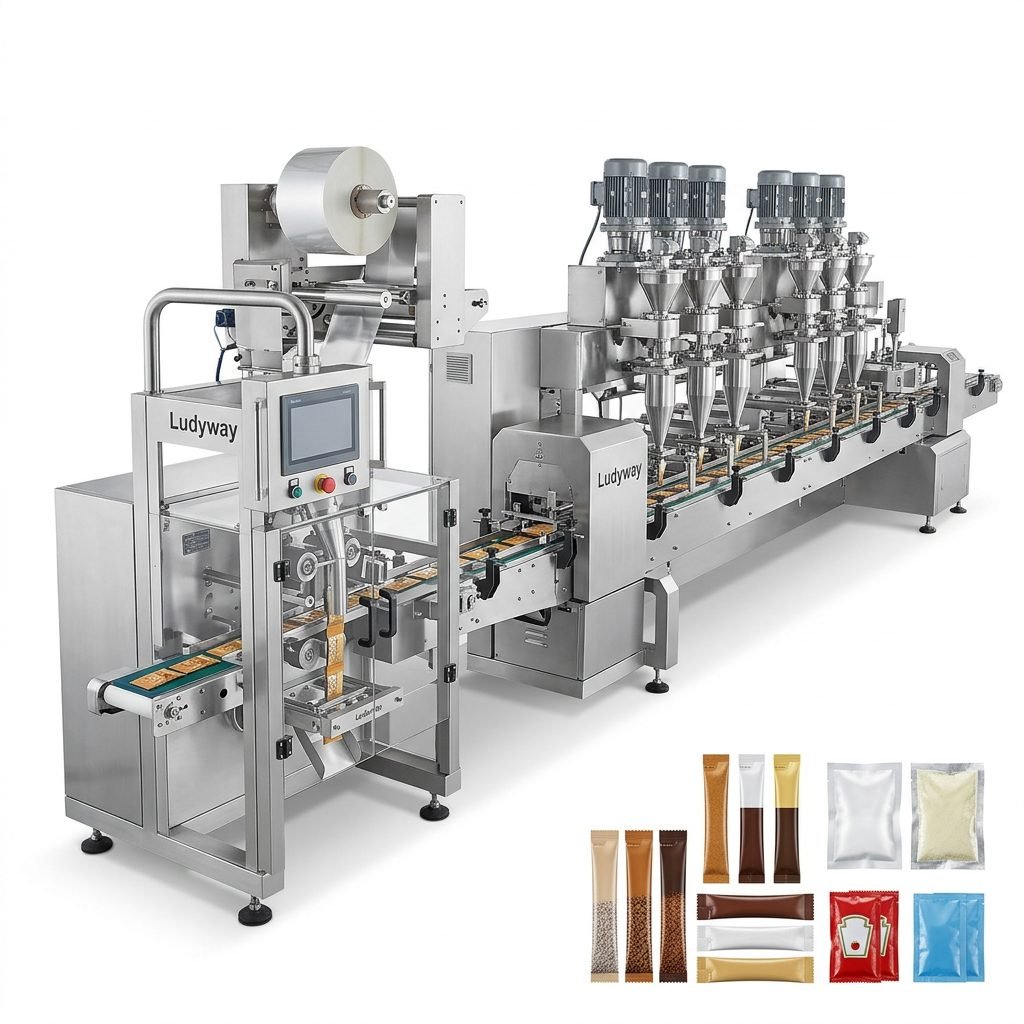
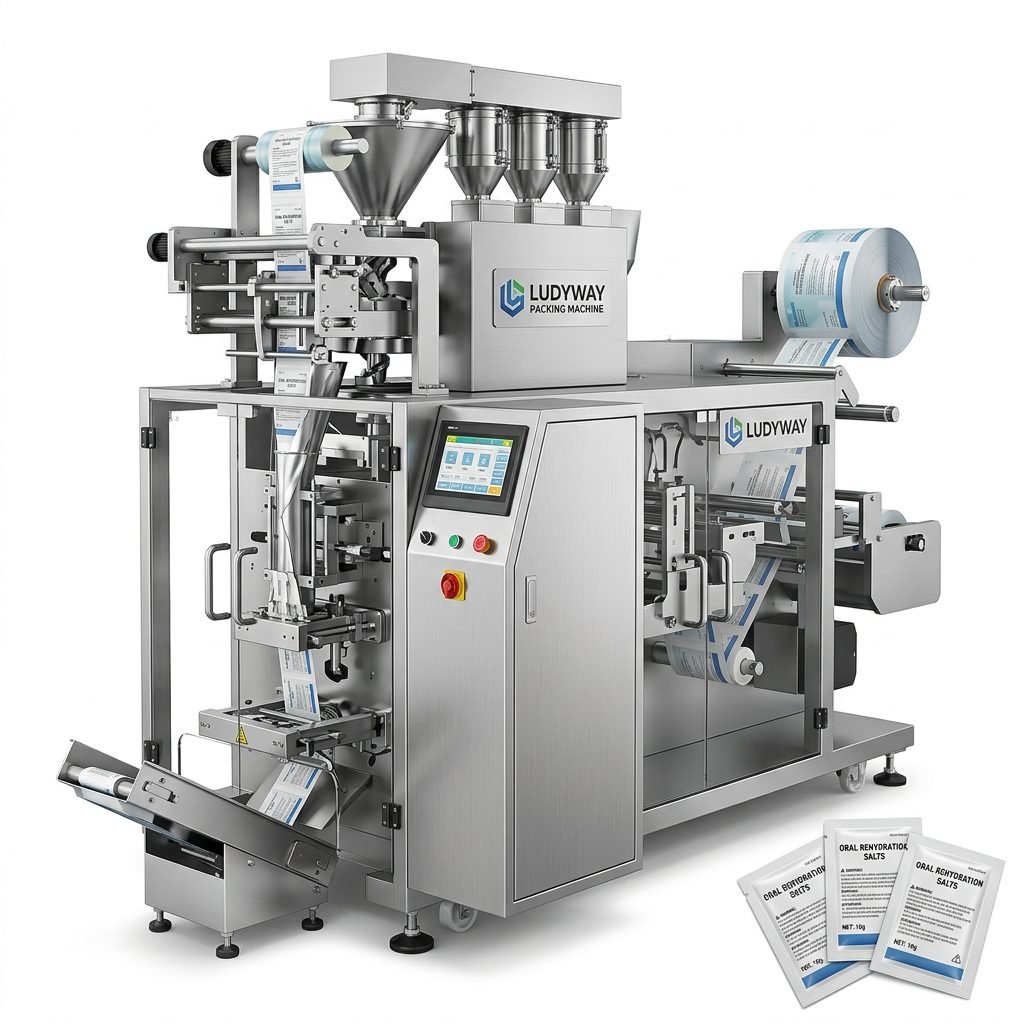
In the competitive landscape of modern manufacturing, efficiency and cost-effectiveness are paramount. For industries utilizing cutting tools—from precision machining to large-scale industrial production—the packaging process often represents a significant operational bottleneck. Manual packaging is time-consuming, labor-intensive, and prone to inconsistencies, which can lead to damaged products, wasted materials, and increased overhead. Implementing an automated packaging machine specifically designed for cutting tools transforms this critical stage, driving substantial improvements in throughput, consistency, and overall cost management.
The Core Advantages of Automation for Cutting Tool Packaging
Transitioning from manual to automated packaging delivers immediate and measurable benefits. The primary advantage is a dramatic increase in packaging speed and output. Automated systems can handle hundreds, even thousands, of tools per hour with unwavering rhythm, far surpassing human capability. This directly translates to shorter lead times and the ability to meet larger order volumes without expanding the workforce.
Secondly, automation ensures uniform packaging quality. Every tool is presented, wrapped, sealed, or boxed identically. This consistency enhances brand presentation, reduces the risk of in-transit damage, and minimizes customer complaints related to packaging defects.
Thirdly, a major cost reduction comes from lowered labor dependency. Automated machines require minimal human intervention—often just for loading, monitoring, and occasional maintenance. This reduces long-term labor costs and mitigates the challenges of workforce availability and training. Furthermore, automation optimizes material usage. Systems can precisely control the amount of film, cardboard, or cushioning material used, eliminating the waste common in manual processes.
Key Features to Look for in a Cutting Tool Packaging Machine
Selecting the right machine is crucial. Not all automated packagers are suited for the unique demands of cutting tools, which can be sharp, heavy, varied in shape, and require careful handling to prevent edge damage.
Versatile Tool Handling: The machine must accommodate a range of tool types and sizes—drill bits, saw blades, milling cutters, etc. Look for systems with adjustable grippers, conveyors, or placement heads that can be easily reconfigured for different product lines.
Gentle and Secure Manipulation: The automation sequence must protect the tool’s integrity. Features like soft-contact grippers, cushioned staging areas, and controlled motion paths prevent scratches, chips, or other damage during the packaging cycle.
Integration with Existing Lines: The machine should seamlessly integrate with upstream manufacturing or finishing processes and downstream labeling or palletizing systems. Compatibility with common factory communication protocols (like PLC interfaces) is essential for smooth workflow.
Flexible Packaging Formats: Depending on market needs, tools might be packaged in blister packs, clamshells, cardboard boxes, shrink wrap, or protective sleeves. A capable machine should offer modularity to handle multiple formats, allowing you to adapt to different customer or retail requirements without major reinvestment.
Strategic Implementation: Beyond Installing the Machine
Simply purchasing a machine is not enough. A strategic implementation plan maximizes its return on investment.
Workflow Analysis and Layout: Before installation, conduct a thorough analysis of your current packaging workflow. Identify all steps from tool arrival to packed carton. Design the factory layout to position the machine optimally, ensuring efficient material feed and output removal, minimizing forklift traffic or congestion.
Staff Training and Change Management: Operators and maintenance technicians need proper training not just on machine operation, but on its basic mechanics, routine troubleshooting, and safety protocols. Managing the human transition from manual to automated work is key to gaining staff buy-in and ensuring smooth operation.
Data Utilization: Modern automated packagers are data hubs. They can track output counts, cycle times, error frequencies, and material consumption. Integrate this data into your production monitoring systems. Use it to identify bottlenecks, predict maintenance needs, and provide accurate metrics for continuous improvement initiatives.
Calculating the Return on Investment (ROI)
The decision to automate must be justified financially. A clear ROI calculation should consider:
- Direct Labor Savings: Calculate the reduction in personnel required for packaging, including wages, benefits, and associated overhead.
- Material Waste Reduction: Estimate the savings from precise material control compared to manual overuse or spoilage.
- Increased Output Value: Quantify the value of the additional packaged units produced per day/month due to higher speed.
- Quality Improvement Savings: Account for reduced costs from fewer damaged tools, returns, and customer credits.
- Machine Cost & Operating Expenses: Include the purchase/lease cost, installation, energy consumption, and planned maintenance.
Most businesses find that the payback period for a well-chosen automated packaging machine is surprisingly short, often within 12 to 24 months, with ongoing savings accruing for years thereafter.
In conclusion, automating the packaging of cutting tools is not merely a purchase of equipment; it is a strategic investment in operational excellence. It addresses the core challenges of speed, quality, cost, and scalability. By carefully selecting a machine with the right features, implementing it thoughtfully within the production ecosystem, and leveraging the data it provides, manufacturers can secure a powerful competitive advantage—delivering tools to market faster, in better condition, and at a lower cost.
Frequently Asked Questions (FAQs)
1. Can one automated machine handle different types and sizes of cutting tools?
Yes, many modern machines are designed with modularity and adjustable components. By changing gripper attachments, conveyor guides, or program settings, the same machine can often package a variety of tool shapes and sizes. It’s crucial to discuss your specific product range with the equipment supplier to ensure the machine’s flexibility meets your needs.
2. How much maintenance does an automated packaging machine require?
Regular maintenance is essential for longevity and reliability, but it is typically minimal compared to the maintenance of complex production machinery. Daily cleaning, weekly checks of moving parts, and periodic lubrication as per the manufacturer’s schedule are common. Many suppliers offer comprehensive maintenance plans and remote support.
3. Is automated packaging suitable for small-batch or custom tool orders?
Absolutely. Automation enhances consistency even for small batches. While set-up time might be needed for a new tool type, the actual packaging run will be faster and more uniform than manual methods. For frequent custom orders, a machine with quick-change features and easy programming is ideal.
4. What is the typical lead time for installing such a system?
Lead time varies based on machine complexity, customization, and supplier capacity. For standard models from established suppliers, delivery and installation can often be completed within a few months. This includes factory layout planning, machine commissioning, and operator training.
5. How do I ensure the machine integrates with my existing production software?
Most industrial automated packagers are built with standard integration capabilities (PLC, Ethernet/IP). Discuss your software environment with the supplier’s technical team early in the process. They can usually provide the necessary communication interfaces or protocols to connect the machine’s data to your MES or ERP system.