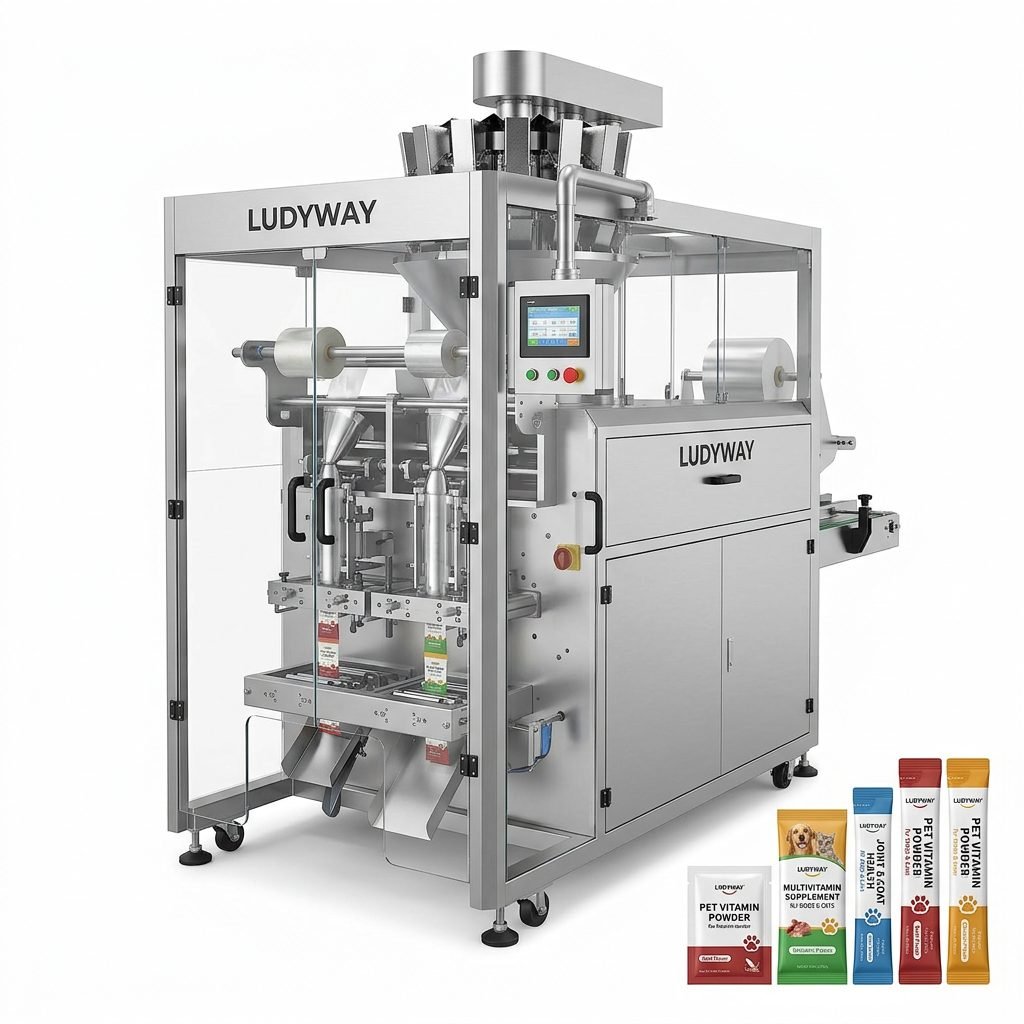
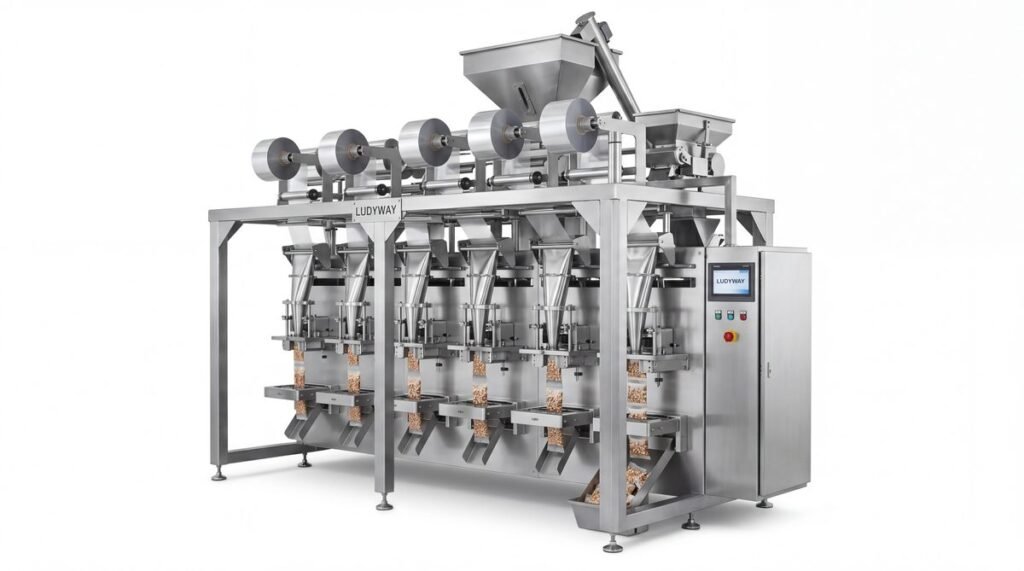
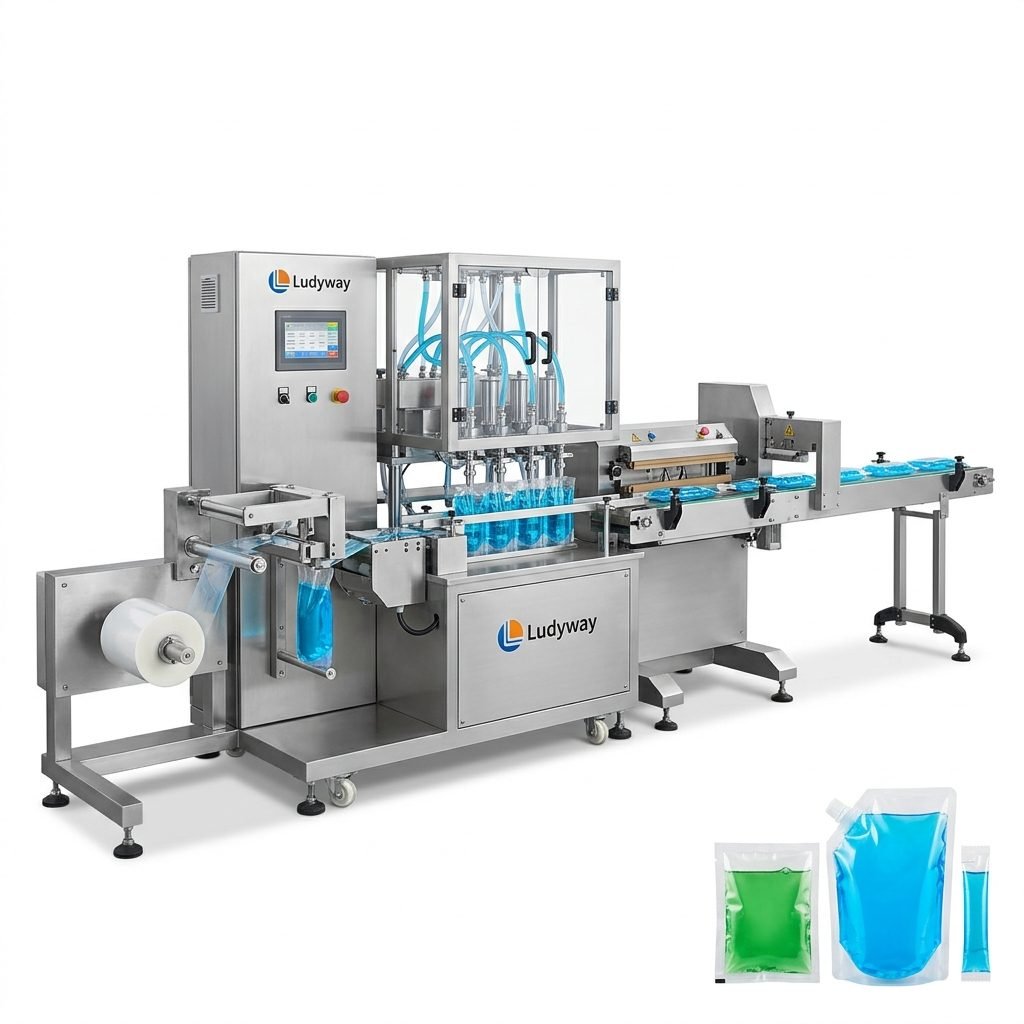
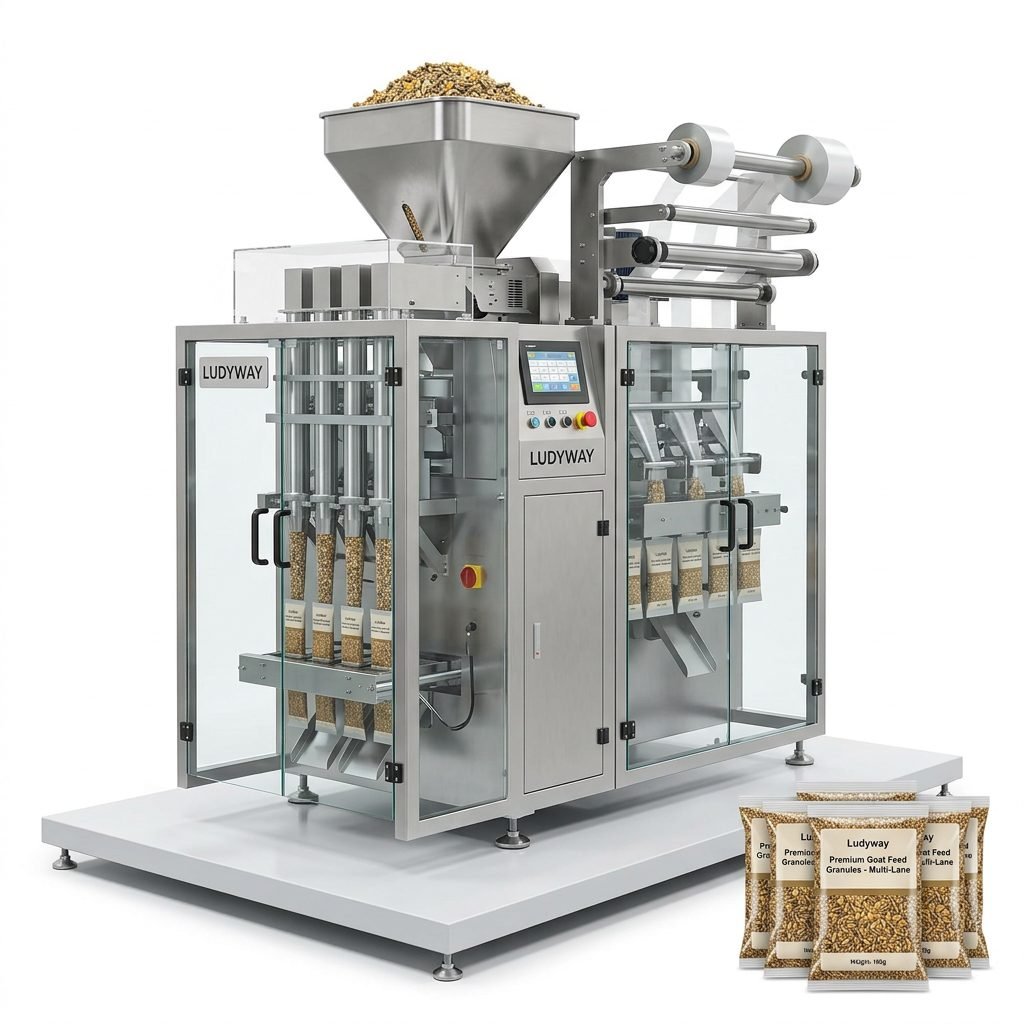
For home enthusiasts and small business owners, finding the right coffee capsule packaging machine is a journey toward achieving that perfect, fresh, and professional-quality cup every time. Whether you’re looking to package your unique coffee blends for personal enjoyment or to build a brand, the right equipment makes all the difference. This guide will walk you through everything you need to know to make an informed decision.
Why Invest in a Coffee Capsule Packaging Machine?
The rise of single-serve coffee systems has created a vibrant market for custom capsules. A dedicated packaging machine allows you to control every aspect of your coffee, from bean origin and roast profile to grind size and freshness. For small businesses, this means creating a distinctive product that stands out on the shelf. For home users, it’s about the ultimate convenience and customization, reducing waste and often saving money compared to buying pre-filled branded pods.
Key Benefit: The primary advantage is unmatched freshness. You seal your coffee immediately after grinding, locking in aromas and flavors that pre-packaged capsules lose over time.
Types of Coffee Capsule Packaging Machines
Machines vary significantly based on capacity, automation level, and capsule compatibility. Understanding these types is your first step.
Manual & Semi-Automatic Fillers
Ideal for home users and very small startups. These are compact, affordable, and often work with specific reusable capsule shells (like for Nespresso® or Keurig® systems). You typically fill, tamp, and seal capsules one by one or in small batches. They offer great flexibility but have a lower output.
Automatic Single-Line Machines
The workhorse for small to medium-scale production. These machines automate the filling, sealing, and sometimes even nitrogen flushing process in a continuous line. They dramatically increase output (from hundreds to thousands of capsules per hour) while ensuring consistent dosage and seal integrity, which is crucial for product shelf life.
Integrated Turnkey Lines
For businesses serious about scaling, a full line includes not just the capsule filler and sealer but also upstream and downstream equipment like grinders, blenders, capsule elevators, and checkweighers. This creates a seamless, efficient production process with minimal manual intervention.
Critical Features to Consider Before Buying
Don’t just look at the price tag. These features determine the machine’s suitability for your long-term needs.
➜ Capsule Compatibility: Ensure the machine is designed for the capsule format you intend to use (size, shape, material—whether plastic, aluminum, or compostable). Some machines are highly adaptable with quick-change parts.
➜ Production Speed (Capsules/Hour): Honestly assess your current and near-future volume needs. A machine that’s too slow will become a bottleneck; one that’s too large and fast may be an unnecessary capital expense.
➜ Sealing Method: The seal is critical for freshness. Look for reliable heat sealing or ultrasonic sealing technology. Some advanced machines offer nitrogen flushing before sealing to displace oxygen, vastly extending shelf life.
➜ Dosing Accuracy: Consistent fill weight is non-negotiable for product quality and compliance. Precision load cells and feedback systems are hallmarks of a good machine.
➜ Footprint & Power Requirements: Measure your available space. Consider voltage (110V vs. 220V) and whether you need compressed air or other utilities.
Operational Workflow: From Beans to Sealed Capsules
Understanding the typical process helps you plan your space and workflow.
1. Grinding: Coffee beans are ground to a specific, consistent size suitable for capsule extraction.
2. Dosing & Filling: The ground coffee is precisely measured and dispensed into the empty capsule bodies.
3. Tamping (Optional): Some machines lightly compact the grounds for even water flow during brewing.
4. Sealing: A lid (foil or membrane) is applied and hermetically sealed to the capsule body.
5. Quality Check & Packaging: Capsules may pass through a checkweigher and are then collated into boxes, pods, or trays.
Pro Tip for Small Businesses
Start by clearly defining your target market and branding. The choice between compostable capsules or premium aluminum can define your brand’s eco-conscious or luxury positioning. Your packaging machine must align with this core brand decision from day one.
Cost Analysis: Investment vs. Return
The cost spectrum is wide. Manual fillers can cost a few hundred dollars, while fully automatic commercial lines can range from $20,000 to over $100,000. Beyond the machine, factor in:
• Capsule Shells & Lids: Your ongoing consumable cost.
• Maintenance & Spare Parts: Regular servicing ensures longevity.
• Labor: Even automated lines require supervision.
For a business, calculate your cost per capsule versus your selling price. The ROI often becomes positive once you achieve a certain scale, especially if you’re selling directly to consumers or local cafes.
Finding a Reliable Supplier
Partnering with the right manufacturer is as important as choosing the machine. Look for a supplier with proven expertise in packaging machinery, particularly in food-grade applications. They should offer:
• Technical Support & Training: Comprehensive setup and operational guidance.
• After-Sales Service: Availability of spare parts and troubleshooting assistance.
• Customization Options: Ability to tailor the machine to your specific capsule format or production quirks.
Companies with deep industry experience, like Ludyway Machinery, which brings over 30 years of packaging solution expertise, can provide not just equipment but valuable turnkey project guidance, ensuring your venture starts on solid ground.
Maintenance and Best Practices
To ensure consistent performance and avoid downtime, adhere to a strict maintenance schedule.
Daily: Clean all product contact surfaces to prevent coffee oil buildup. Perform visual checks on seals and moving parts.
Weekly/Monthly: Lubricate guide rails and bearings as per the manual. Inspect and calibrate the weighing system for accuracy.
Annually: Consider a professional service check by the supplier to inspect electrical components and mechanical wear.
Always use the recommended cleaning agents and follow the manufacturer’s lock-out/tag-out procedures for safety during maintenance.
Frequently Asked Questions (FAQ)
1. What is the typical output speed for a small business machine?
For a small business-focused automatic machine, speeds typically range from 1,200 to 3,000 capsules per hour. Semi-automatic models produce significantly less, often around 200-500 per hour, depending on operator speed.
2. Can one machine produce capsules for different systems (e.g., Nespresso® and Keurig®)?
Some machines are designed with quick-change tooling or interchangeable parts to handle different capsule sizes and shapes. You must confirm this flexibility with the supplier before purchasing, as many machines are built for a specific format.
3. How important is nitrogen flushing, and do I need it?
Nitrogen flushing is crucial for extending shelf life beyond a few months. It removes oxygen from the capsule before sealing, slowing down oxidation and staling. If you plan to distribute to retailers or sell online with longer storage times, it’s a highly recommended feature.
4. What kind of space and utilities do I need to operate a machine?
You need a clean, dry, and level production area. Beyond space for the machine itself, allow room for material intake and finished goods. Utilities often include standard electrical power (verify voltage) and, for many automatic models, a compressed air supply (around 6-8 bar). Always check the specific requirements of your chosen model.
5. Where can I source empty capsules and lids?
Many packaging machine suppliers also supply or can recommend reliable sources for food-grade, compatible capsule bodies and sealing lids. It’s often best to source these from your machine provider or their recommended partners to ensure perfect compatibility and consistent quality.