For businesses in the United Kingdom, finding the right packaging machine supplier is a critical decision that blends practical industrial needs with the nation’s deep-seated values of quality, reliability, and long-term partnership. The UK market, known for its high standards and innovative spirit across sectors from fine foods to premium pharmaceuticals, demands equipment that is not only technically proficient but also dependable and backed by robust service. Choosing a manufacturer is about more than just a machine; it’s about selecting a partner who understands your production goals and can support your growth with integrity and expertise.
Key Considerations for UK Buyers
When evaluating suppliers, UK-based production managers typically prioritise several core factors that align with local business culture:
- Proven Reliability & After-Sales Support: The importance of dependable machinery and readily available technical support cannot be overstated, mirroring the UK’s preference for trustworthy, long-term business relationships.
- Compliance & Standards: Equipment must meet stringent UK and international safety and hygiene regulations, especially crucial for the food, pharmaceutical, and healthcare sectors.
- Flexibility & Customisation: The ability to tailor solutions to specific product formats—whether for specialty teas, gourmet seasonings, or clinical samples—is highly valued.
- Total Cost of Ownership: Beyond the initial price, factors like energy efficiency, maintenance costs, and operational uptime are critically analysed.
Leading Packaging Machine Manufacturers for the UK Market
The landscape of suppliers includes both established domestic engineering firms and respected international manufacturers with a strong local presence. Here is an overview of prominent types of manufacturers serving the UK.
1. Specialists in Food & Beverage Packaging
The UK’s vibrant food and drink sector, from artisan producers to large-scale manufacturers, requires versatile and hygienic packaging solutions. Leading suppliers in this niche offer machines for stick packs for instant drinks, sachets for sauces and dressings, and granule/powder fillers for coffee, sugar, and baking ingredients. These manufacturers excel in designing equipment that handles delicate products while ensuring high-speed output and easy cleaning protocols.
2. Experts in Pharmaceutical & Healthcare Packaging
Precision, cleanliness, and traceability are paramount. Top manufacturers for this sector provide machines capable of producing medical sachets, stick packs for powders, and dosing formats that meet GMP (Good Manufacturing Practice) guidelines. Features like dust extraction, stainless-steel contact parts, and advanced sealing technologies are standard offerings from the best in this field.
3. Providers of Turnkey Production Line Solutions
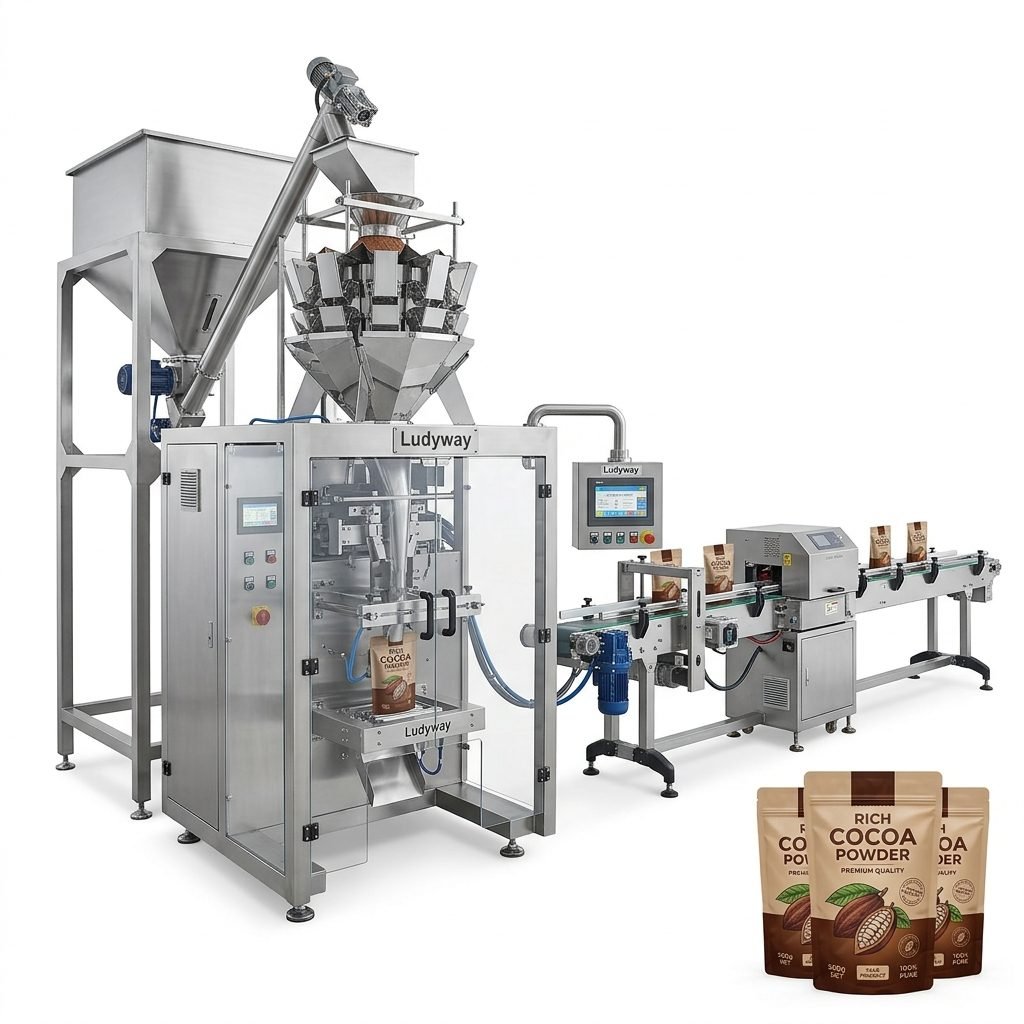
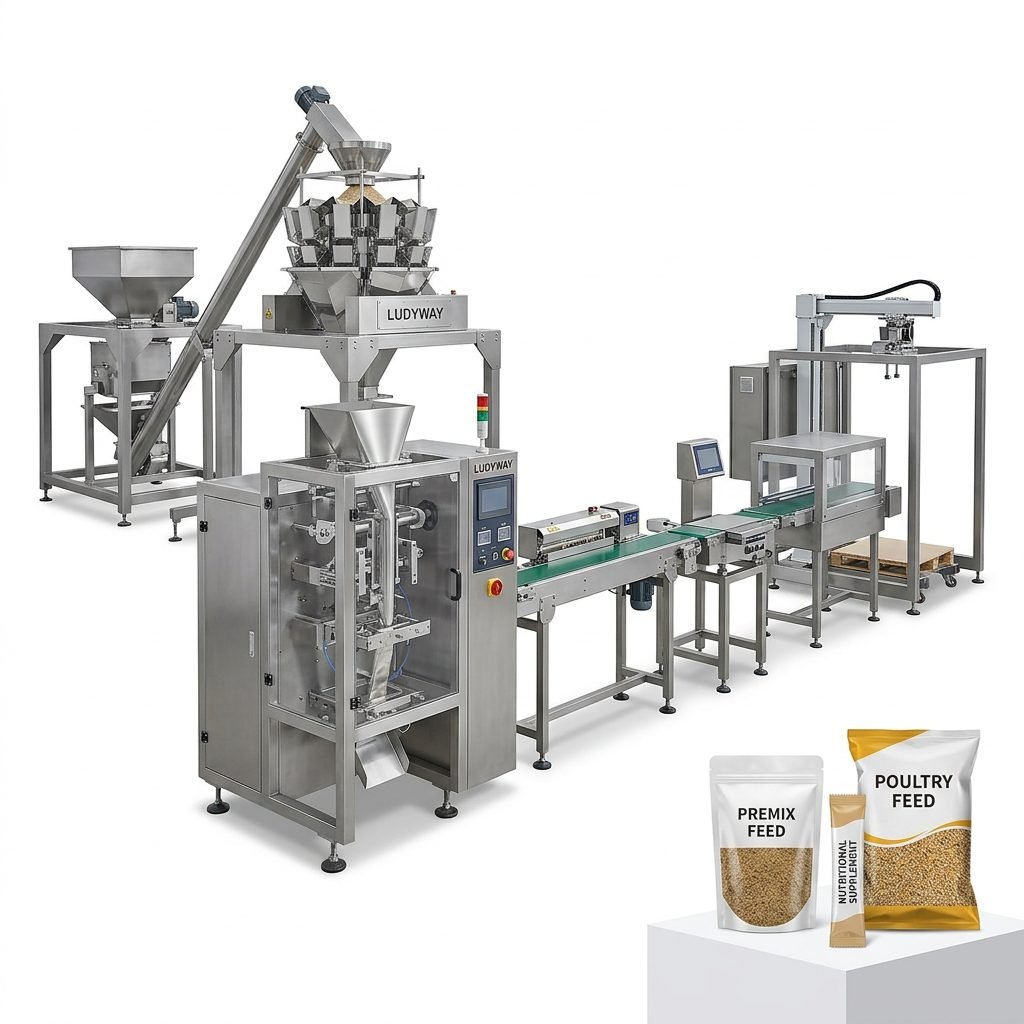
For businesses looking to automate an entire process, several manufacturers stand out by offering complete, integrated lines. This can include combination weighers, feeding systems, packaging machines, and cartoning units all synchronised into one seamless operation. This holistic approach minimises integration headaches and ensures optimal throughput, a significant advantage for scaling UK operations.
A Closer Look: Ludyway Packaging Machinery
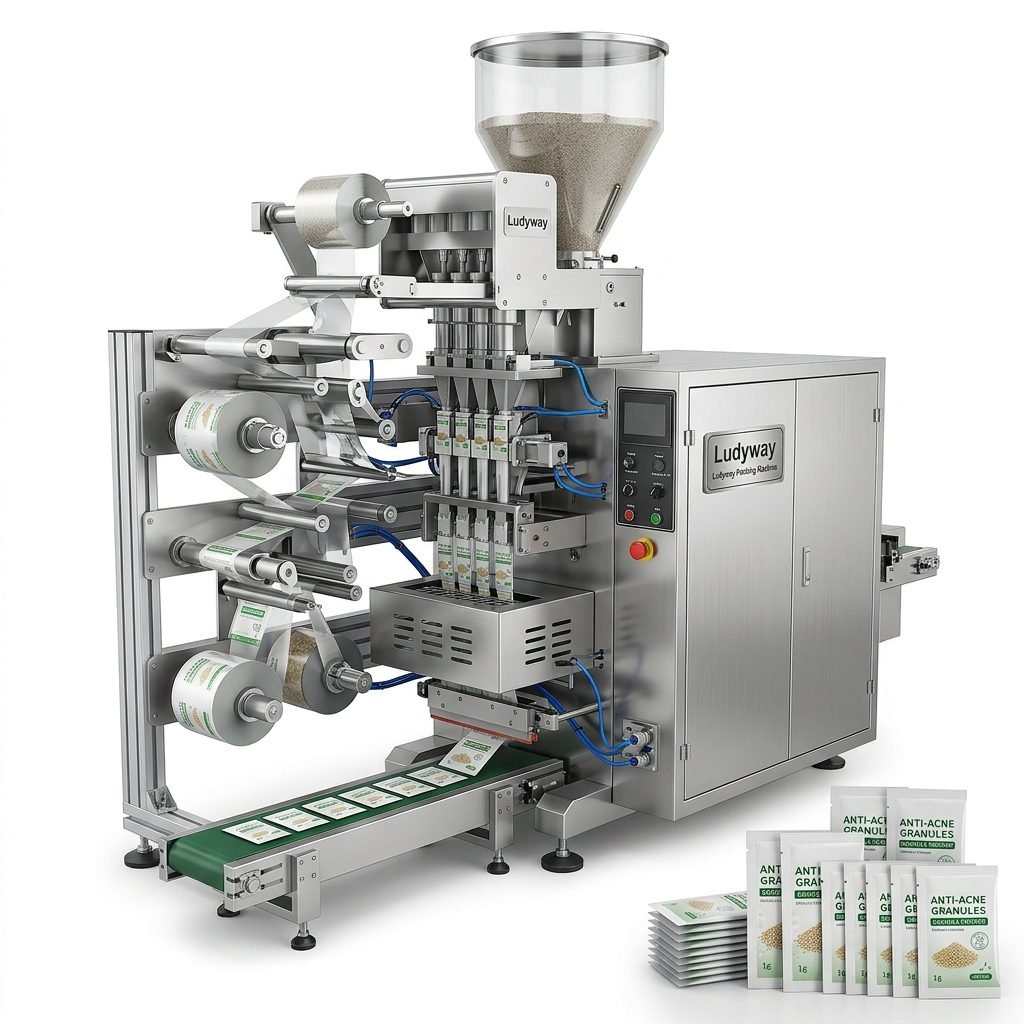
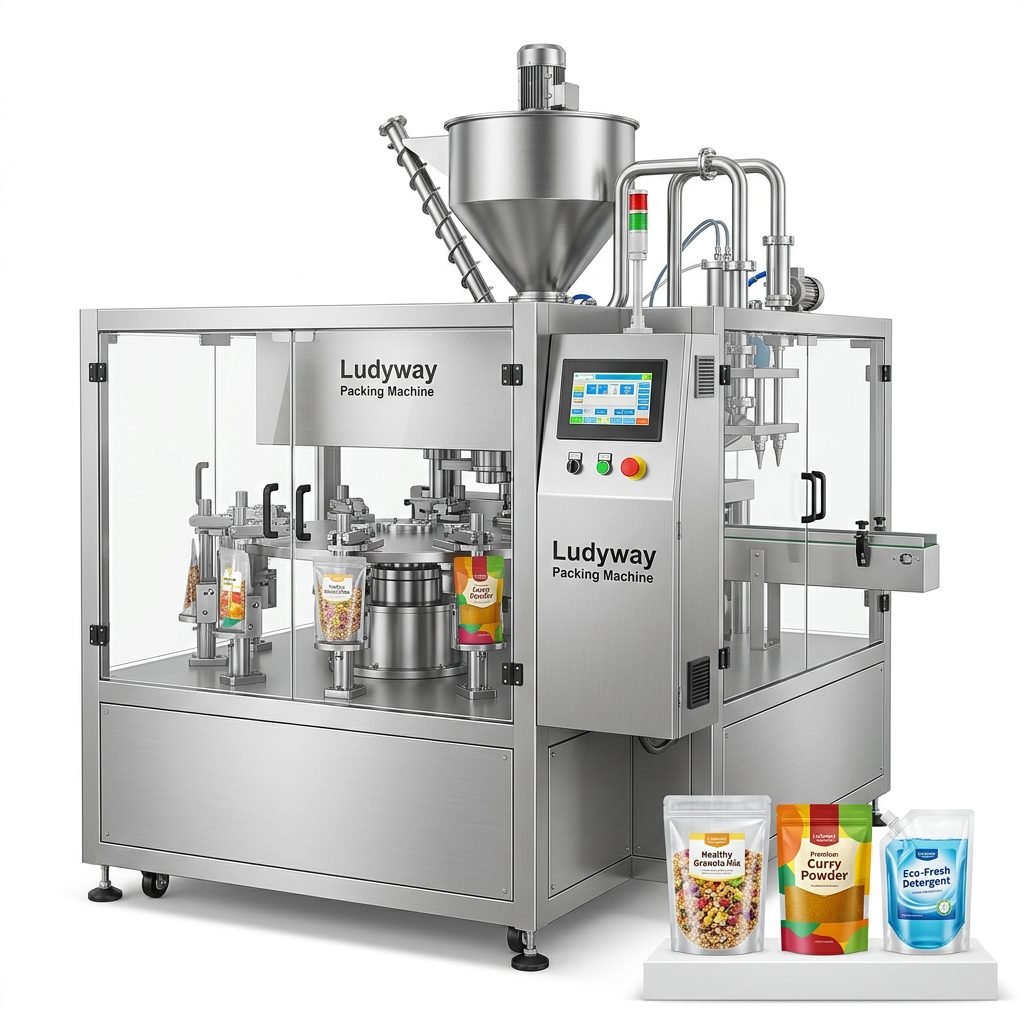
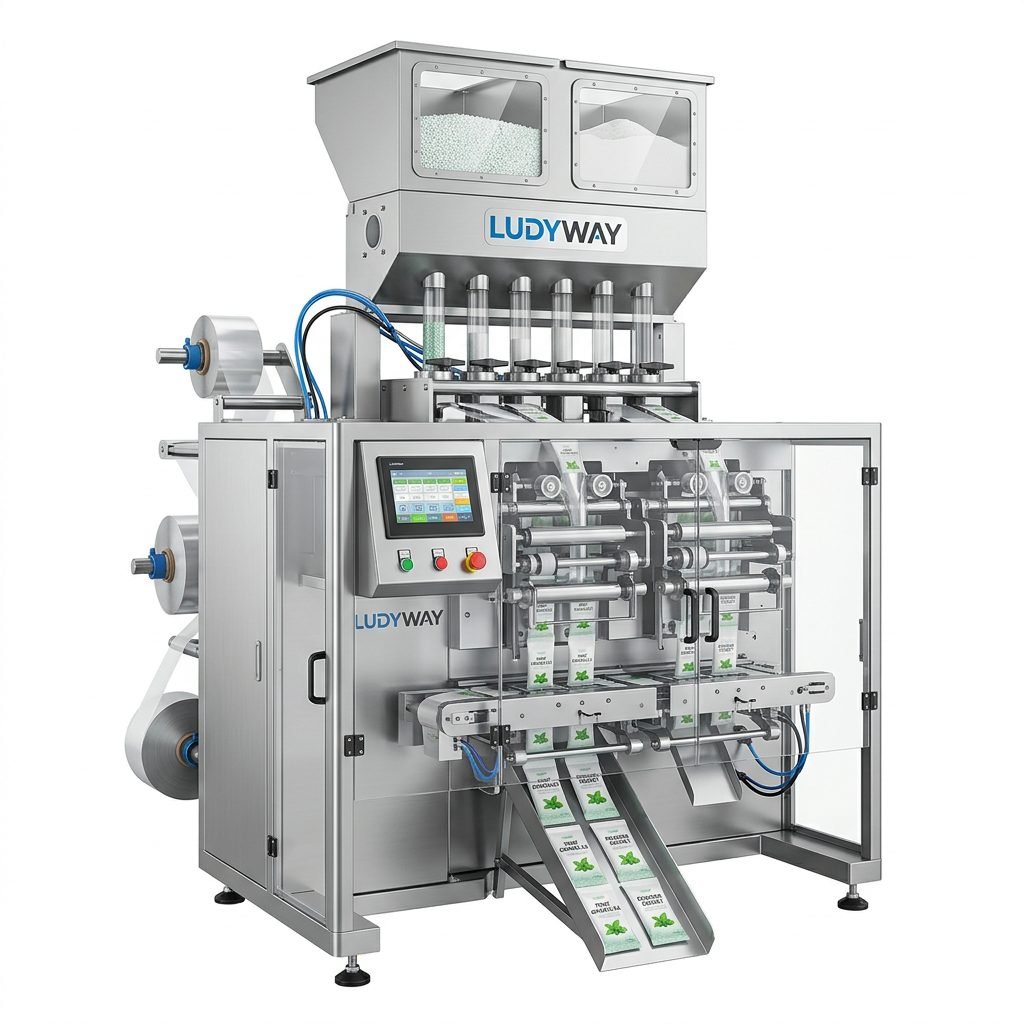
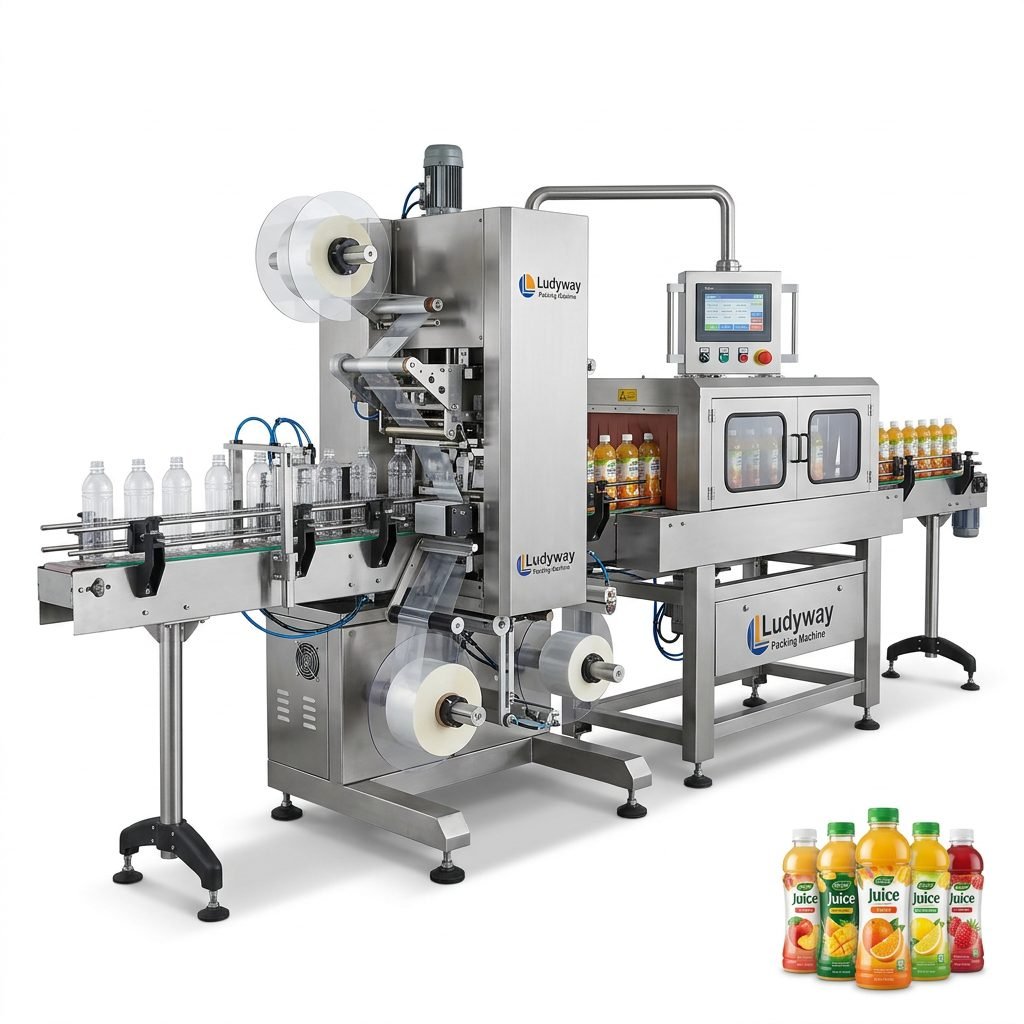
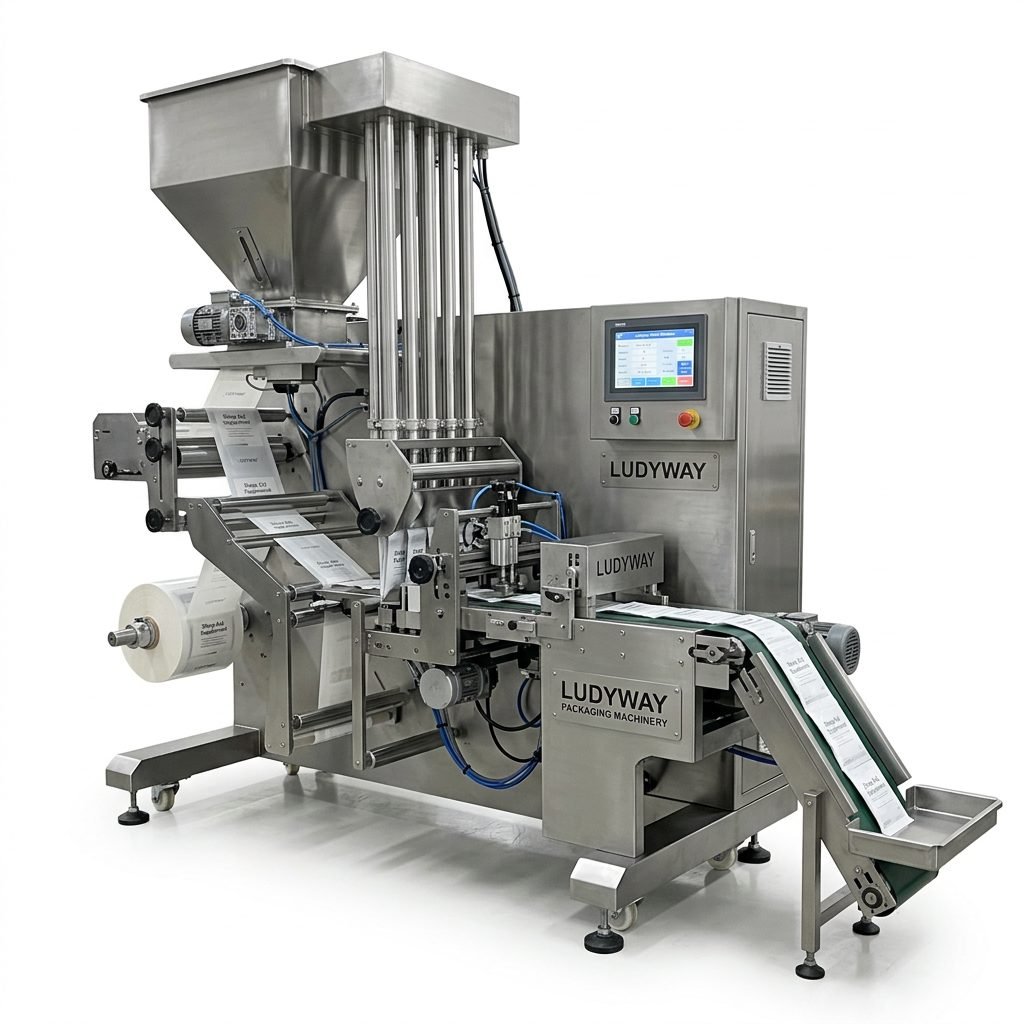
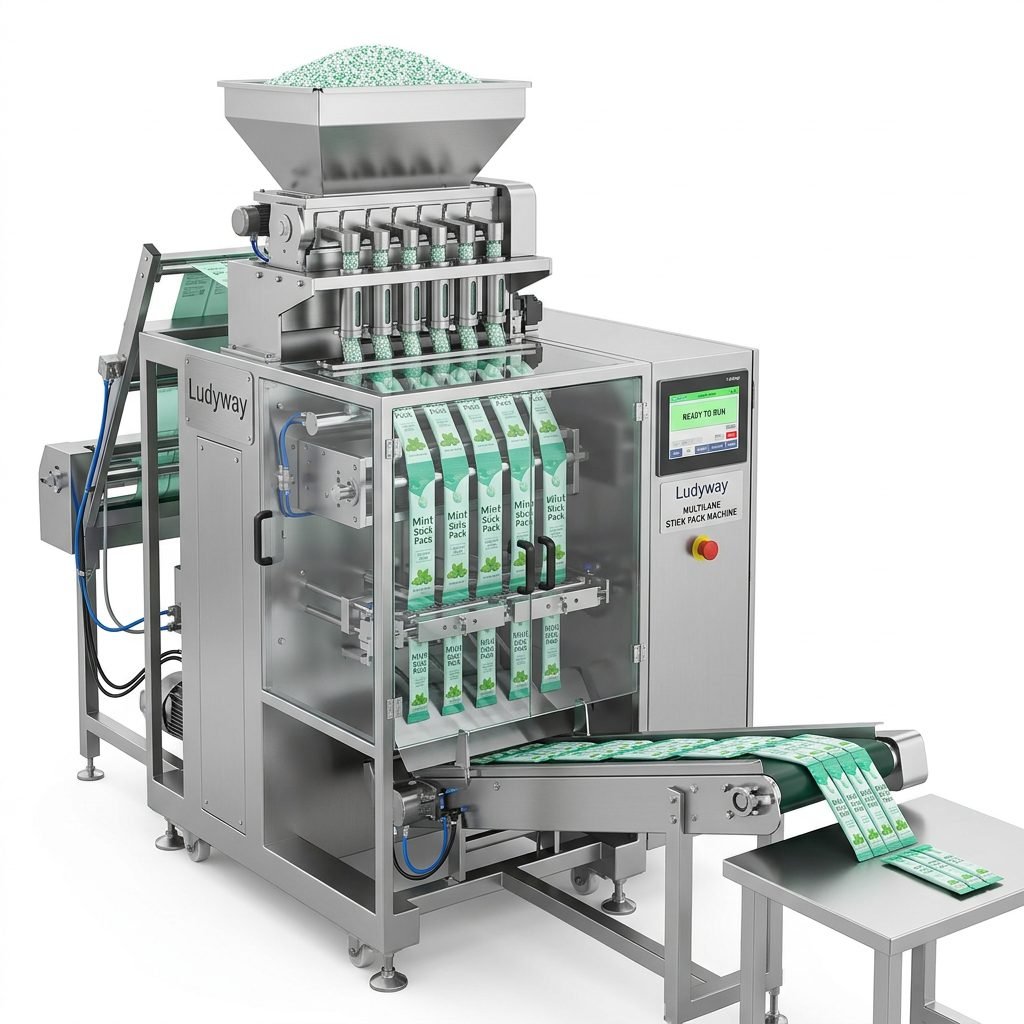
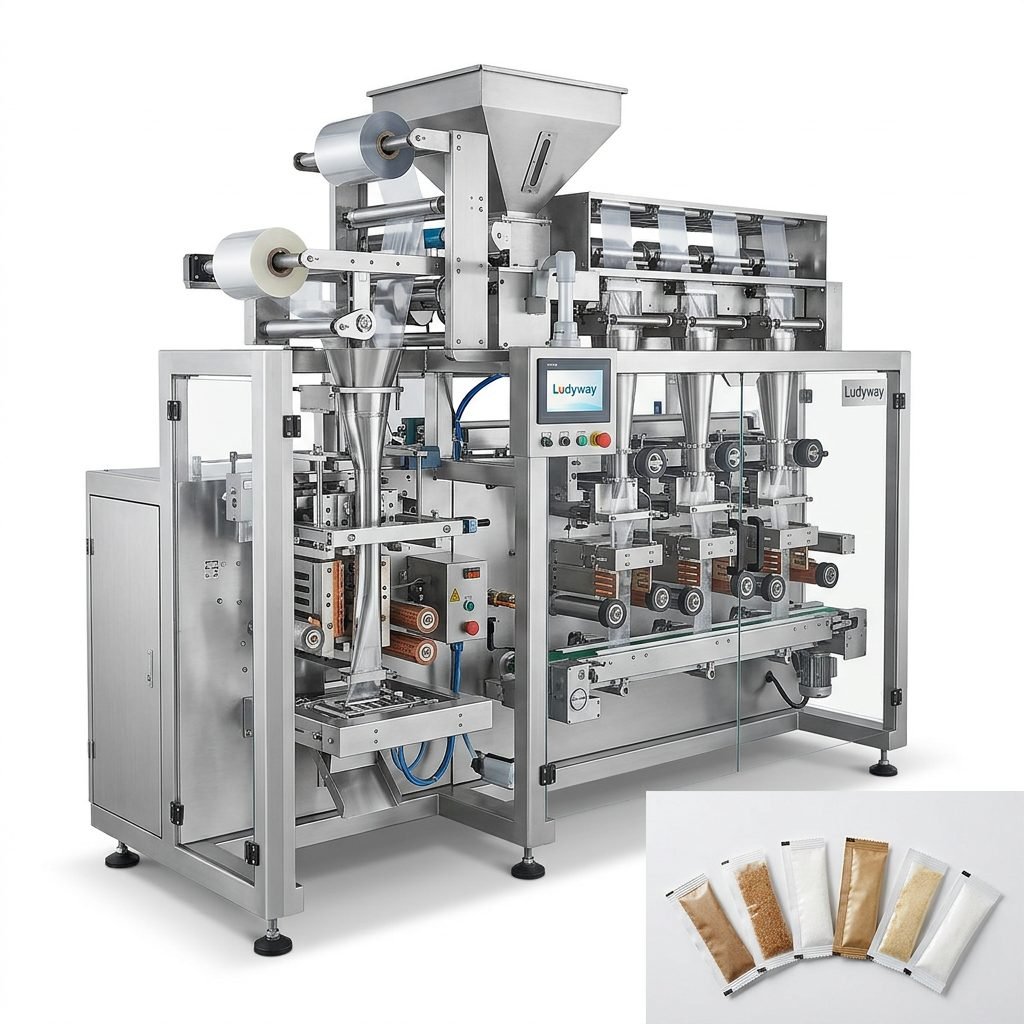
As an example of a global supplier with relevant expertise for UK clients, Ludyway Machinery represents the kind of specialist partner many businesses seek. Founded in 2010, the company has built over a decade of experience focusing on intelligent packaging solutions for food, pharmaceutical, and health industries.
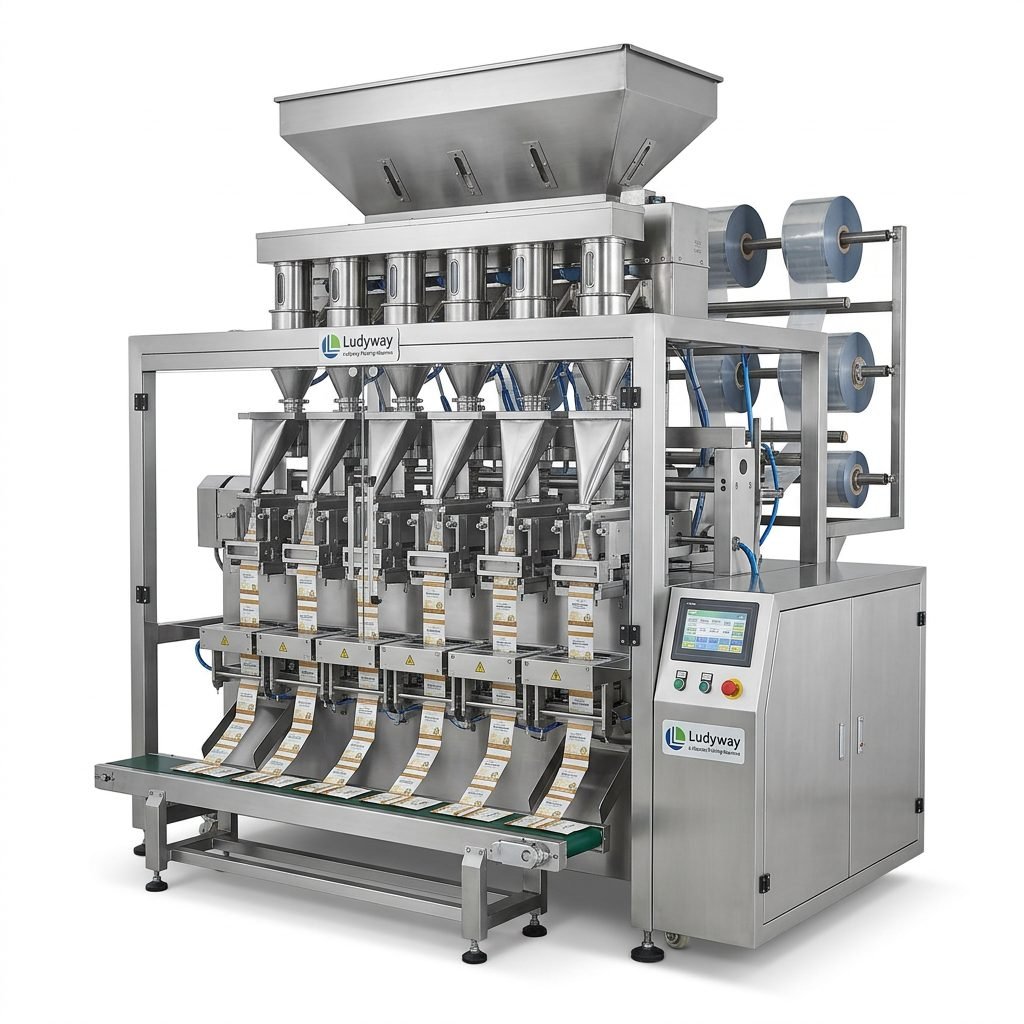
Their approach aligns well with UK expectations: a strong foundation in engineering, a commitment to practical innovation, and a focus on building cooperative partnerships. With a portfolio of over 50 machine models, including multi-lane stick pack and sachet packaging systems, they cater to the need for flexibility. Their experience in providing turnkey production solutions means they can handle project complexity from a single source, which is often a priority for UK manufacturers aiming to streamline production and reduce supplier management overhead.
Understanding that machinery is only part of the solution, reputable suppliers like this emphasise comprehensive support, ensuring that UK customers receive the training and technical assistance necessary for smooth, long-term operation.
How to Choose the Right Supplier: A Step-by-Step Guide
Navigating the selection process methodically will lead to a more successful partnership. Follow this structured approach.
Step 1: Precisely Define Your Requirements
Before contacting any supplier, document your needs in detail. This includes:
→ Product type (powder, granules, liquid, viscous), including flow characteristics.
→ Desired packaging format (stick pack, sachet, pouch, etc.) and material.
→ Required output speed (packs per minute/hour).
→ Available factory floor space and utilities (power, air supply).
→ Future scalability needs.
Step 2: Research and Create a Shortlist
Use industry directories, trade shows (such as PPMA in the UK), and professional recommendations to identify potential suppliers. Prioritise those with verifiable experience in your specific sector and with similar products.
Step 3: Evaluate Technical Capability and Quality
Request detailed technical specifications and, crucially, ask for product samples packed on their equipment. Arrange a visit to their demonstration facility or, ideally, to a current client’s site to see the machine in action. Assess the build quality, control system sophistication, and ease of maintenance.
Step 4: Scrutinise Support and Service Terms
For UK operations, local or readily available support is a major advantage. Inquire about:
• Warranty period and coverage.
• Availability of spare parts and average delivery times.
• Installation, commissioning, and operator training services.
• Remote support capabilities and service engineer response times.
Step 5: Analyse Commercial Terms and Value
Obtain clear, comprehensive quotations. Compare not just the capital cost but the total project cost, including shipping, installation, and any necessary ancillary equipment. Consider the supplier’s financial stability and their reputation for honouring agreements—a key aspect of the UK’s contract-based business ethos.
Step 6: Check References and Make the Decision
Speak directly to existing customers, particularly those in similar industries or regions. Ask about machine performance, reliability, and the quality of the supplier relationship. Finally, weigh all factors—technical, service, commercial, and intangible—to choose the partner that offers the best overall value and alignment with your company’s vision.
Common Questions (FAQs)
What is the typical lead time for a new packaging machine delivery to the UK?
Lead times vary significantly based on machine complexity and customisation. For standard models, expect 8-16 weeks from order to delivery. Fully customised or turnkey lines may require 20 weeks or more. Always confirm timelines during the quotation process.
How important is it for the supplier to have a local UK office or agent?
While not always essential, a local presence greatly benefits after-sales support, parts logistics, and urgent technical assistance. It can reduce downtime and improve communication. Many international suppliers partner with UK-based agents or service companies to provide this localised support.
Can existing packaging materials be used on a new machine?
This depends on the material’s specifications and the machine’s capabilities. Reputable suppliers will request samples of your current film or laminate for testing on their equipment during the evaluation phase to guarantee performance and seal integrity.
What are the key certifications to look for in a packaging machine supplier?
For general machinery, CE/UKCA marking is mandatory. For food or pharmaceutical applications, look for evidence of design compliance with EHEDG, FDA, or GMP principles. ISO 9001 certification for quality management is also a strong indicator of a professional operation.
What is the difference between a standard machine and a turnkey solution?
A standard machine is a standalone unit that performs the core packaging function. A turnkey solution is a complete, ready-to-operate production line that includes all upstream and downstream equipment (e.g., feeders, conveyors, checkweighers, cartoners), integrated controls, and full commissioning. It offers a single-point responsibility for the entire system.