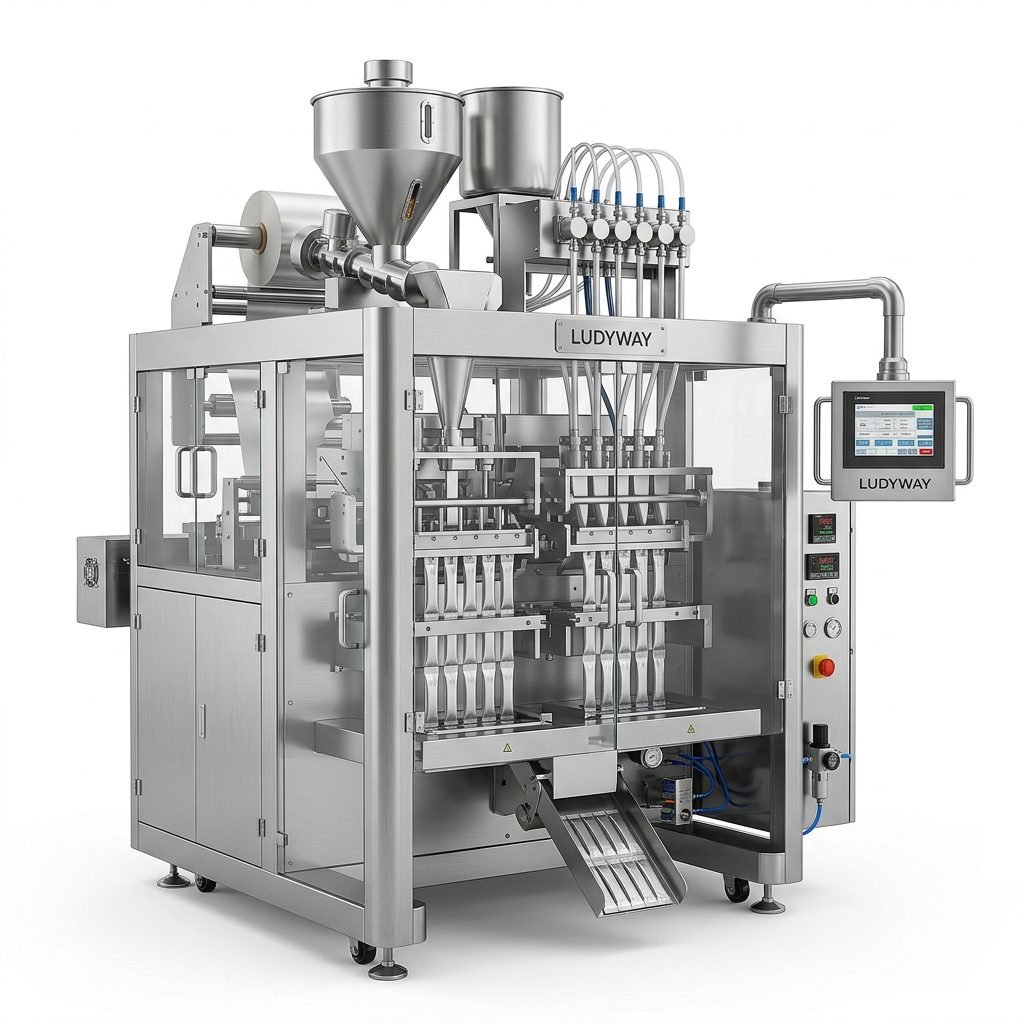
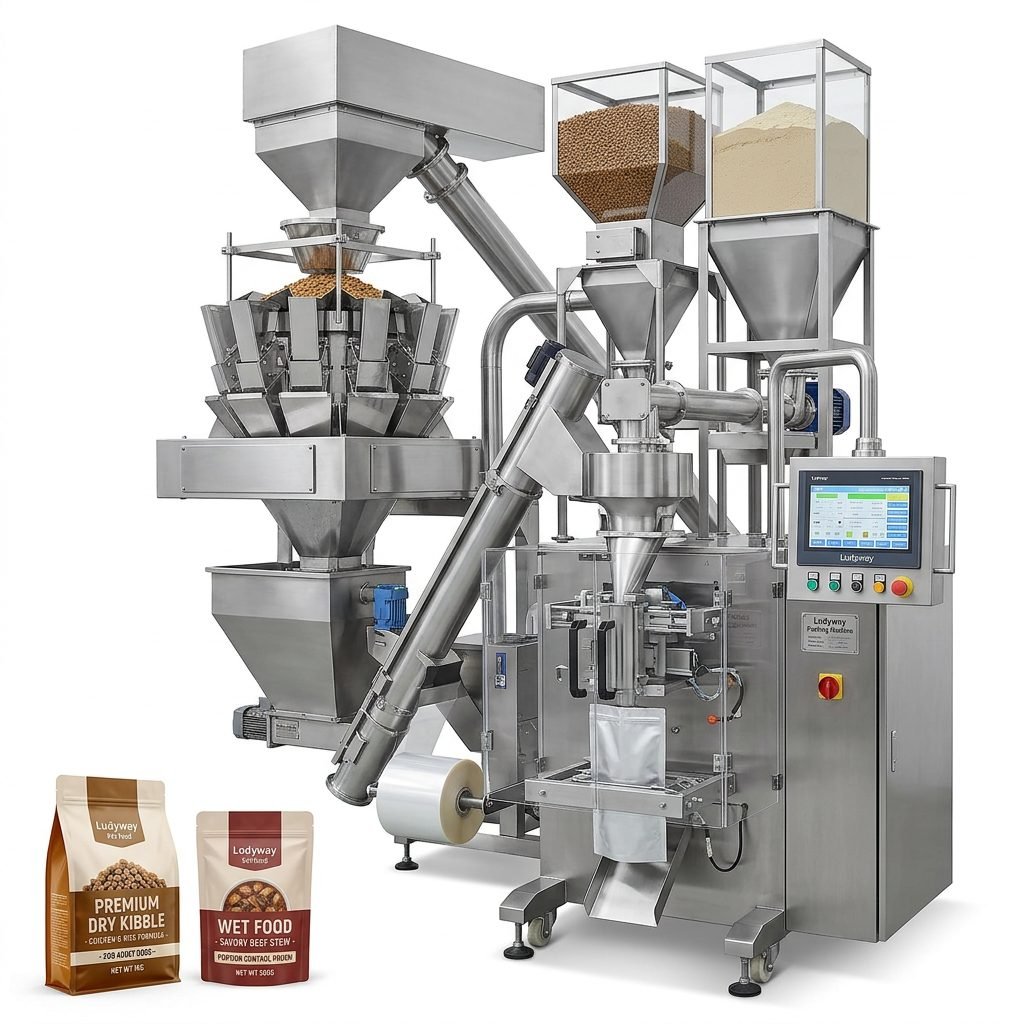
Choosing the right juice box packaging machine is not only about filling liquid into cartons. It directly affects production speed, sealing quality, product safety, operating cost, and long-term factory scalability. For beverage manufacturers, co-packers, and growing brands, selecting the proper solution can reduce waste, improve shelf appeal, and create a more stable packaging process from day one.
Whether you are launching a new juice line or upgrading an existing plant, this guide explains how to evaluate machine types, capacity, packaging format, automation level, and supplier support so you can invest with confidence.
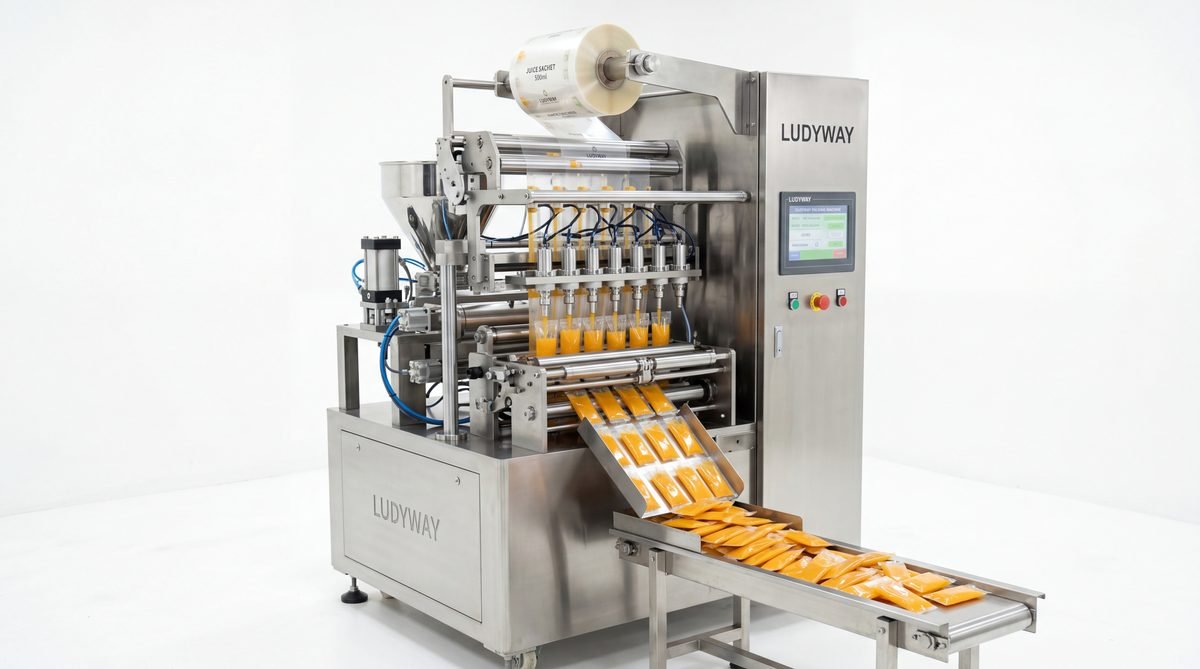
Why the Right Juice Packaging Machine Matters
In beverage manufacturing, packaging is one of the most critical steps. Even if your juice formula is excellent, poor packaging can lead to leakage, contamination, inaccurate fill volumes, damaged cartons, and expensive downtime. A suitable machine helps ensure:
- Consistent package quality across every production batch
- Better protection of juice flavor, freshness, and hygiene
- Lower labor dependence through automation
- Improved production planning with stable output
- Reduced material loss, rework, and maintenance interruptions
For brands competing in supermarkets, convenience stores, school channels, or export markets, packaging consistency is also part of brand trust.
Understand Your Juice Box Packaging Requirements First
Before comparing machines, define your real production needs. Many buyers focus on speed first, but that is only one part of the decision. A better starting point is to map your product and factory conditions.
Key Questions to Ask
- What type of juice are you packing: clear juice, pulp juice, concentrate, dairy-based juice, or functional beverage?
- What is the target pack size: 125ml, 200ml, 250ml, 500ml, or custom?
- What carton style do you need: straw-attached box, slim carton, family pack, or shelf-ready format?
- What is your daily and hourly output target?
- Do you need hot fill, aseptic fill, or conventional filling?
- How much floor space is available?
- Will the machine connect to upstream mixing/sterilizing equipment and downstream cartoning or palletizing systems?
Once these factors are clear, it becomes much easier to identify the most efficient solution rather than buying a machine that is either oversized or too limited for future growth.
Main Types of Juice Box Packaging Machines
The term “juice box packaging machine” can refer to different parts of the packaging process. Understanding the categories helps avoid confusion during supplier discussions.
1. Carton Forming, Filling, and Sealing Machines
These systems form the carton structure, fill juice accurately, and seal the package in one integrated cycle. They are suitable for high-volume beverage production where hygiene and output are priorities.
2. Pre-Formed Carton Filling Machines
These machines work with ready-made cartons supplied in a formed or semi-formed state. They can reduce some complexity but may affect packaging material sourcing flexibility.
3. Complete Turnkey Juice Packaging Lines
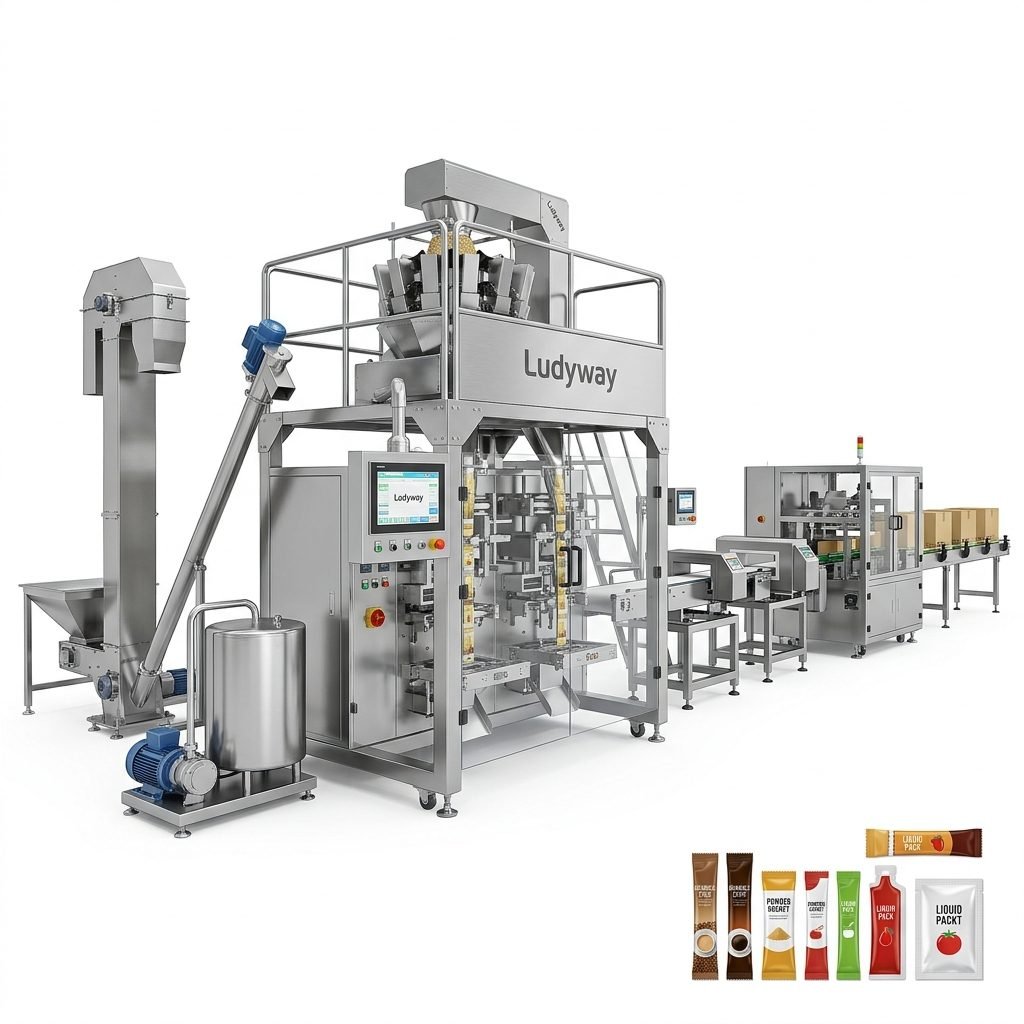
A full line may include liquid preparation, sterilization, storage tank, conveying, filling, sealing, date coding, leak inspection, secondary packing, and palletizing. This option is ideal for companies seeking integrated efficiency and easier system control.
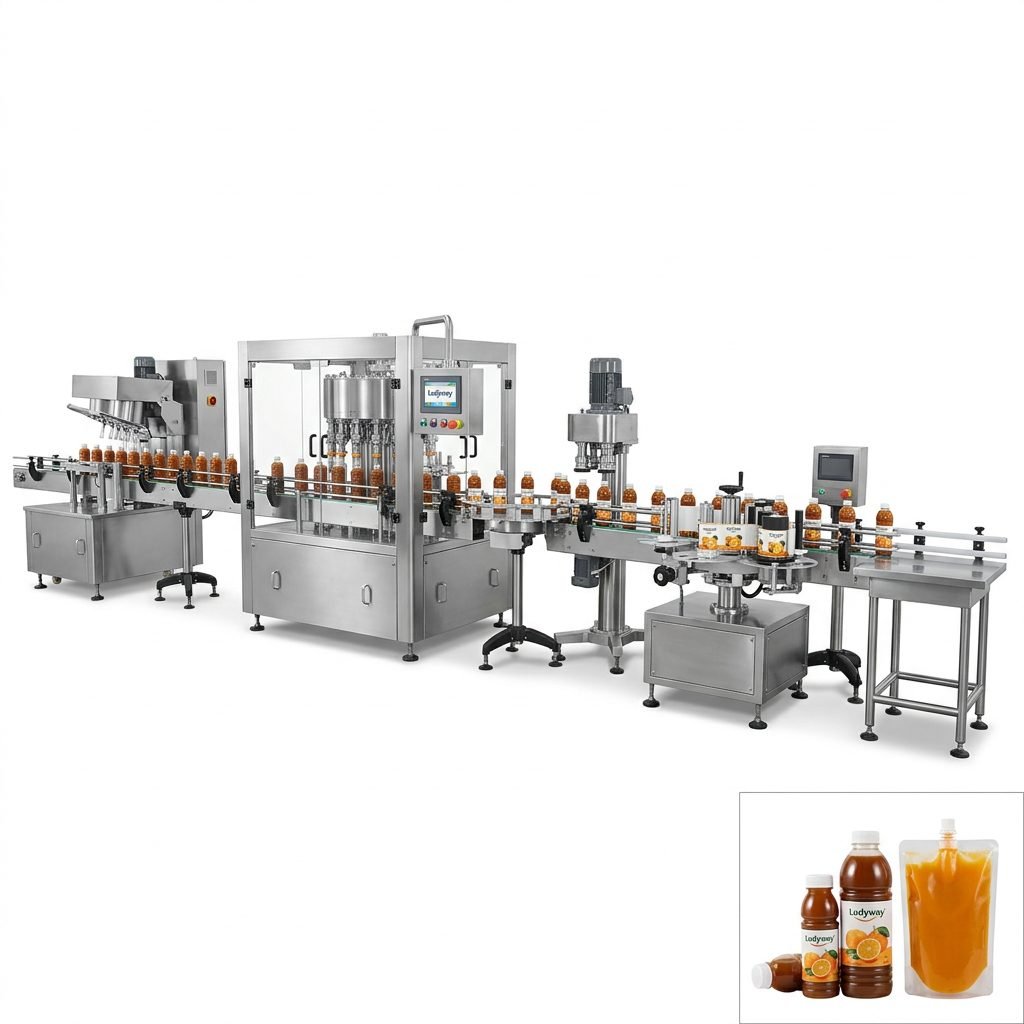
How to Match Machine Capacity to Production Goals
One of the most important decisions is choosing the right output range. Buying too small creates bottlenecks. Buying too large may raise initial investment, utility cost, and maintenance complexity beyond what your current production needs justify.
| Production Scenario | Suggested Machine Focus | Typical Priority |
|---|---|---|
| Startup or pilot line | Compact system with room for expansion | Lower investment, flexible pack sizes |
| Regional beverage producer | Mid-speed automatic line | Balanced speed and cost |
| Large-scale factory | High-speed integrated line | Maximum throughput and low downtime |
| OEM or co-packer | Flexible automated line with quick changeover | Multi-format compatibility |
A smart approach is to calculate projected volume for the next 3 to 5 years, then select a machine that supports present demand while leaving reasonable room for expansion.
Evaluate Filling Accuracy and Product Compatibility
Different juice products behave differently during filling. A clear apple juice is easier to handle than a thick mango drink with pulp. If the filling system is not designed for your viscosity and particle content, you may face inaccurate dosing, splashing, unstable seals, or product waste.
Check These Product Factors
- Viscosity of the liquid
- Presence of pulp or suspended particles
- Foaming tendency during filling
- Acidity and chemical compatibility with contact parts
- Temperature requirements during filling and sealing
The best machine should provide stable metering performance and use suitable food-grade materials such as stainless steel for hygiene and durability.
Consider Hygiene, Food Safety, and Shelf-Life Needs
For juice products, food safety is non-negotiable. The packaging machine must support sanitary operation and reliable sealing, especially if the product will be distributed over long distances or stored for extended shelf life.
Important Hygiene Features
- Easy-to-clean product contact parts
- CIP or simplified cleaning design where applicable
- Leak-proof filling nozzles and sanitary pipelines
- Stable sealing temperature control
- Protection against contamination during transfer and fill
If your business exports or supplies modern retail channels, it is especially important to choose equipment that supports consistent quality standards and documentation.
Automation Level: Semi-Automatic vs Fully Automatic
The ideal level of automation depends on budget, labor availability, and output targets. Fully automatic systems usually deliver better consistency and lower unit cost at scale, while semi-automatic equipment may suit smaller operations or short-run specialty products.
| Factor | Semi-Automatic | Fully Automatic |
|---|---|---|
| Initial investment | Lower | Higher |
| Labor requirement | Higher | Lower |
| Output stability | Moderate | High |
| Scalability | Limited | Strong |
| Best for | Small batches, startups | High-volume production, growing brands |
For most competitive juice manufacturers, fully automatic solutions become more economical over time because they improve throughput and reduce human error.
Do Not Overlook Changeover Flexibility
If you plan to produce multiple flavors, pack sizes, or seasonal SKUs, changeover time matters. A machine that takes too long to switch formats can reduce your effective daily output.
Look for equipment with:
- Quick adjustment mechanisms
- User-friendly HMI controls
- Recipe memory for different products
- Accessible maintenance points
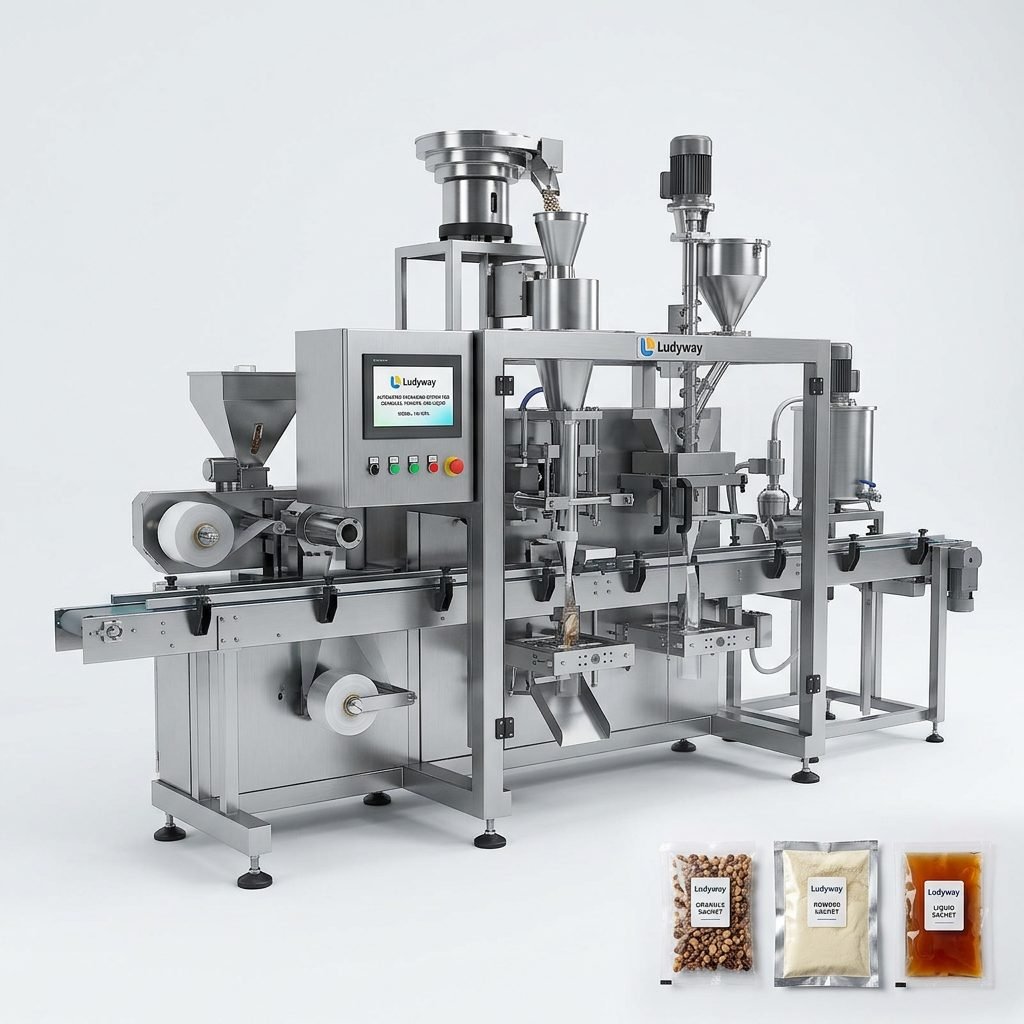
- Modular design for future upgrades
Integration with the Full Production Line
A juice box packaging machine should not be evaluated as a standalone unit only. Real production efficiency comes from how well it integrates with upstream and downstream equipment.
Upstream Integration May Include
- Mixing and blending systems
- Pasteurization or sterilization equipment
- Buffer tanks and transfer pumps
Downstream Integration May Include
- Date coding and traceability systems
- Cartoning or case packing
- Shrink wrapping
- Palletizing and warehouse handling
When every section works together, you reduce line stops, manual handling, and packaging damage.
Energy Use, Maintenance, and Total Cost of Ownership
The machine price alone never tells the full story. To choose wisely, compare the total cost of ownership over several years.
Include These Cost Areas
- Machine purchase price
- Installation and commissioning
- Packaging material compatibility
- Electricity and compressed air use
- Spare parts cost and availability
- Routine maintenance time
- Operator training needs
- Downtime risk and repair response
Sometimes a slightly higher-quality system provides lower long-term cost because it runs more reliably and wastes less product and material.
Questions to Ask a Juice Packaging Machine Supplier
A strong supplier should be able to discuss your product in detail rather than offering a generic machine immediately. Ask practical questions before making a final decision.
- Can the machine handle my juice viscosity and pulp content?
- What output range is achievable under real factory conditions?
- What packaging formats are supported now and in the future?
- How long does changeover take between different carton sizes?
- What wear parts should be stocked locally?
- Is remote technical support available?
- Can the supplier provide commissioning, training, and documentation?
- Can the system be expanded into a turnkey packaging line later?
Choosing a Reliable Manufacturing Partner
Beyond the machine itself, the supplier’s engineering capability and service experience are essential. Buyers often prefer manufacturers that can offer both standalone equipment and integrated line solutions, especially when planning future expansion.
For businesses seeking scalable automation support, Ludyway juice box packaging machine solutions are backed by more than 30 years of manufacturing experience, a broad packaging equipment portfolio, and turnkey line capability for food, pharmaceutical, and related industries.
Signs You Need to Upgrade Your Current Juice Packaging Equipment
If you already operate a packaging line, the following issues may indicate that an upgrade is necessary:
- Frequent sealing defects or carton leakage
- Inconsistent fill volume
- High manual labor dependency
- Slow changeovers between SKUs
- Maintenance costs rising every quarter
- Production demand exceeding line capacity
- Difficulty meeting customer or export quality standards
Replacing outdated equipment can improve output, protect product quality, and make production planning much more predictable.
Quick Buyer Checklist for the Right Solution
| Checklist Item | Why It Matters |
|---|---|
| Juice type compatibility | Ensures accurate and stable filling |
| Required output speed | Prevents undercapacity or overinvestment |
| Carton size flexibility | Supports product line expansion |
| Seal quality and hygiene design | Protects safety and shelf life |
| Ease of maintenance | Reduces downtime and service cost |
| Automation and integration level | Improves line efficiency and labor savings |
| Supplier support capability | Helps ensure long-term operational stability |
Final Buying Perspective
The right juice box packaging machine should fit your product characteristics, production scale, hygiene standard, packaging format, and future growth plan. The most efficient choice is rarely the cheapest machine or the fastest machine on paper. It is the solution that delivers reliable filling, strong seals, easy operation, and smooth integration with your complete production process.
By evaluating capacity, product compatibility, automation level, maintenance needs, and supplier support together, you can build a more efficient juice packaging operation with better long-term returns.