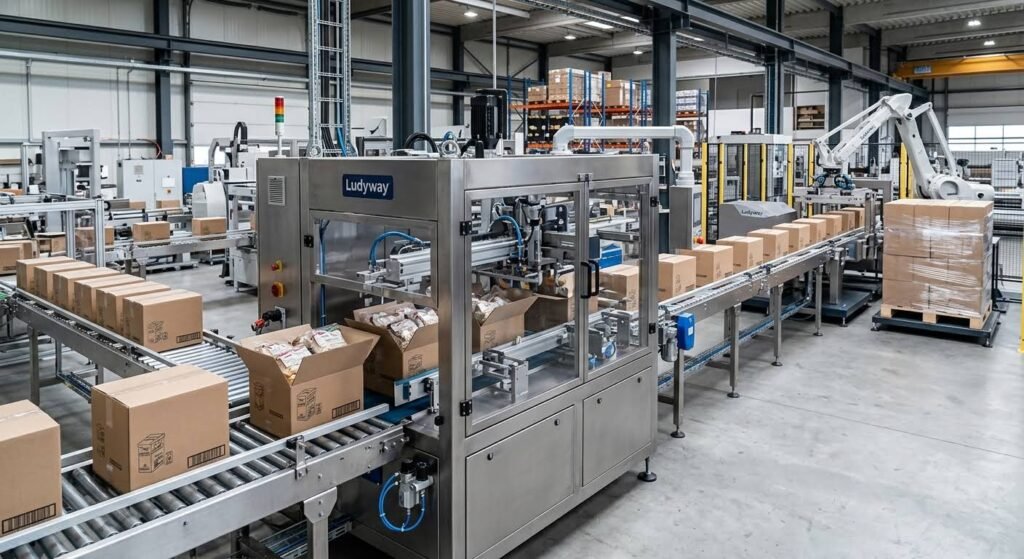
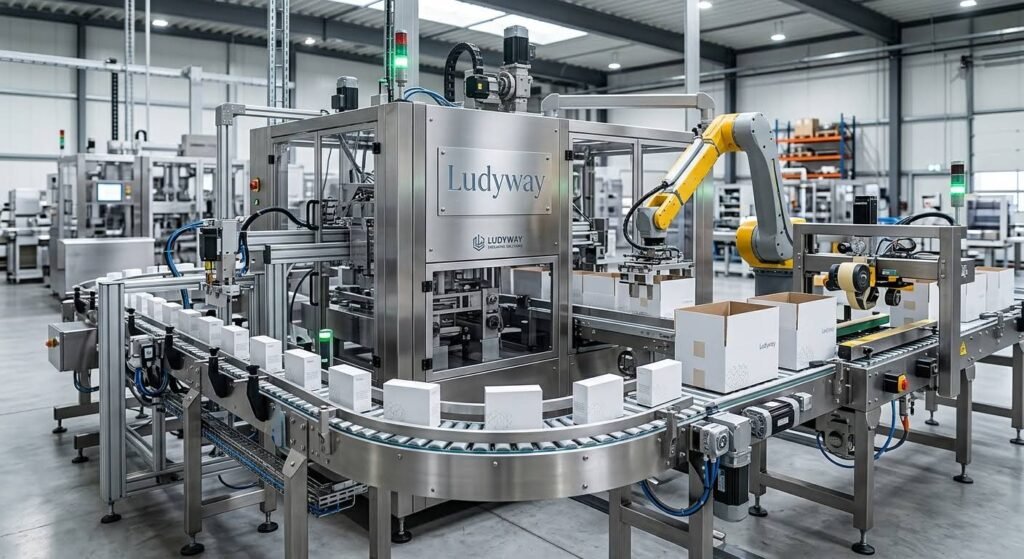
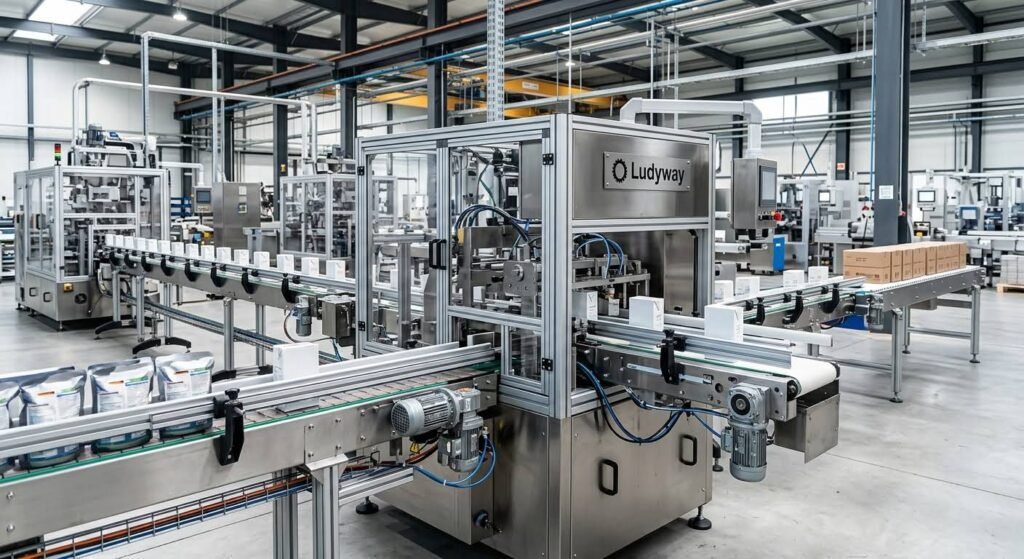
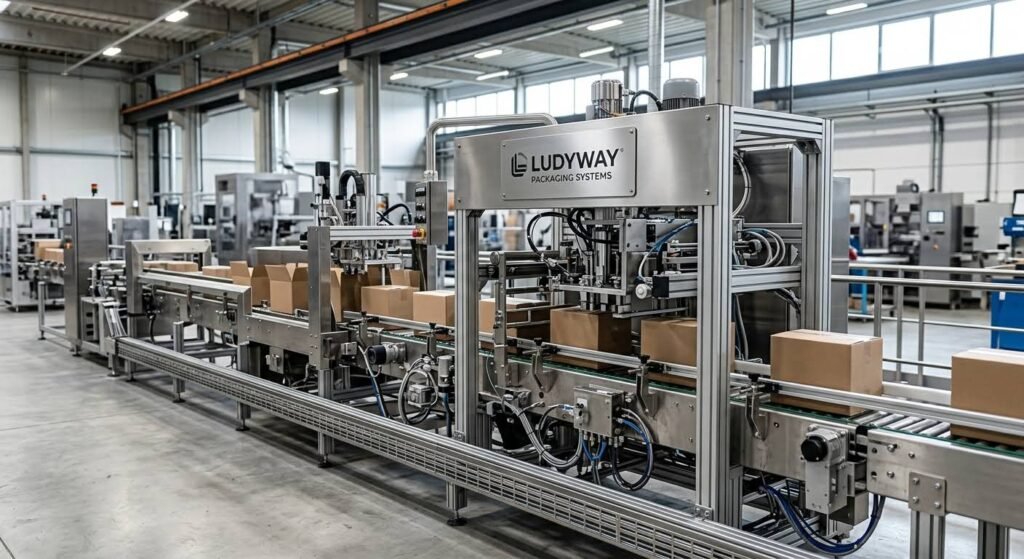
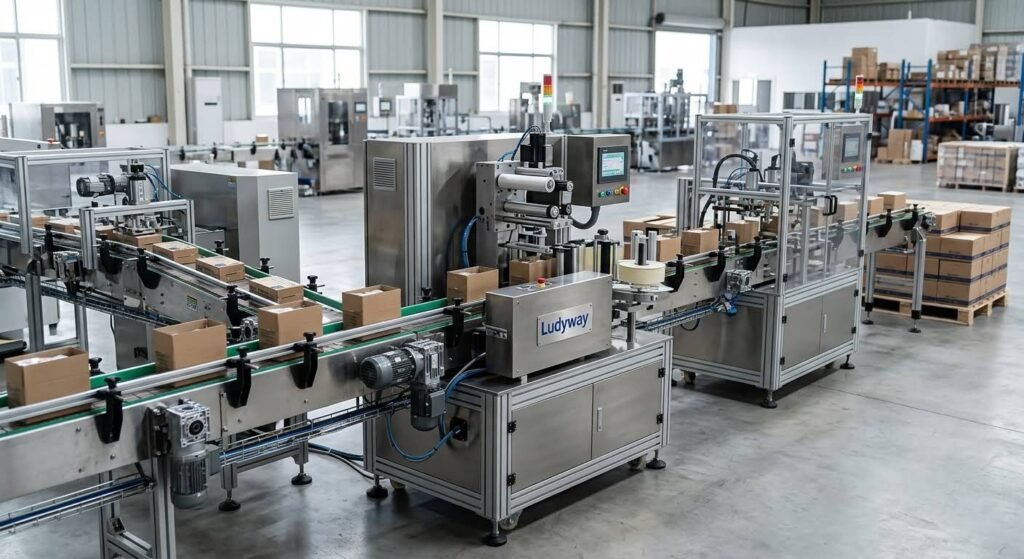
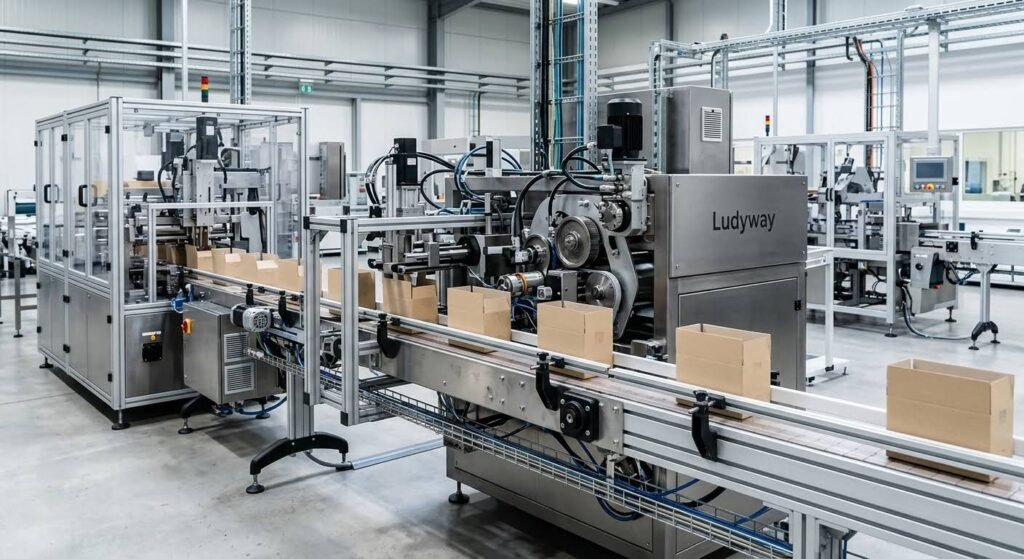
The perfume industry is a realm where artistry meets precision, and the final presentation is as crucial as the fragrance itself. At the heart of this presentation lies the perfume packaging machine. These sophisticated systems are responsible for encapsulating delicate scents into bottles, ensuring product integrity, brand consistency, and operational efficiency. For manufacturers, navigating the world of perfume packaging machinery is essential for maintaining quality and competitiveness in a demanding market.
Understanding Perfume Packaging Machinery
Perfume packaging machines are specialized automated systems designed to handle the unique requirements of fragrance products. Unlike standard liquid fillers, they must account for the high value, potential volatility, and precise dosing of perfumes, colognes, and essential oils. The primary goal is to achieve a hermetically sealed, aesthetically perfect, and leak-proof package that protects the fragrance from oxidation and evaporation while presenting it beautifully to the consumer.
Key Challenge: Perfumes often contain alcohol and aromatic compounds that can be sensitive to air and light. Packaging machinery must provide an inert environment during filling and ensure a perfect seal to preserve the scent’s top, middle, and base notes throughout its shelf life.
Core Components of a Perfume Packaging Line
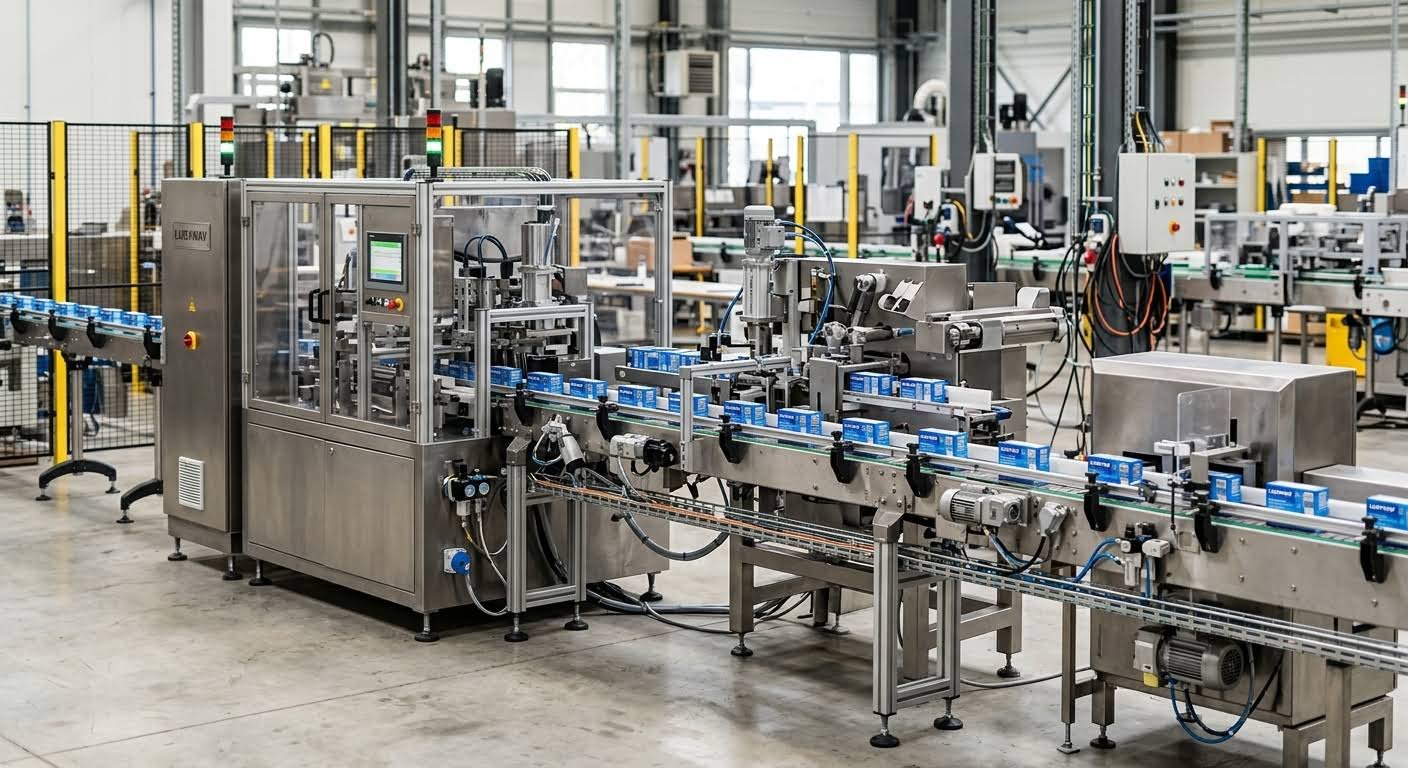
A complete turnkey solution typically integrates several machines into a seamless line:
- Bottle Unscrambler: Orients empty perfume bottles correctly for the filling process.
- Liquid Filling Machine: The core unit that accurately doses the perfume into bottles. Piston fillers and peristaltic pumps are common for their precision.
- Capping or Sealing Machine: Applies screw caps, spray pumps, or crimps seals onto the bottles.
- Labeling Machine: Applies front, back, and neck labels with high precision.
- Cartoning Machine: Places the finished bottle into its secondary packaging, such as a gift box.
Types of Perfume Packaging Machines
Selecting the right machine depends on your production scale, bottle type, and fragrance formulation. Here are the main categories:
1. By Filling Technology
• Piston Fillers: Ideal for high-viscosity perfumes, creams, or lotions. They offer excellent accuracy by displacing a set volume of liquid with a piston. Best for consistent filling of thicker fragrance products.
• Peristaltic Pump Fillers: Perfect for delicate, volatile, or sterile perfumes. The product only contacts the tubing, preventing contamination. This is often the preferred choice for high-value, alcohol-based fragrances.
• Gravity Fillers: Suitable for free-flowing, low-viscosity liquids. Simpler in design but may not be ideal for foamy or expensive perfumes where every drop counts.
2. By Automation Level
• Semi-Automatic Machines: Require an operator to place and remove bottles. Perfect for small batches, niche brands, or custom limited editions where flexibility is key.
• Fully Automatic Lines: Integrated systems that handle unscrambling, filling, capping, and labeling at high speeds (e.g., hundreds of bottles per minute). Essential for large-scale production of commercial fragrances.
• Rotary Volumetric Fillers: High-speed machines where bottles move in a circle, undergoing different operations at each station. The workhorse for mass-market perfume production.
The Working Process: From Empty Bottle to Finished Product
Understanding the workflow helps in identifying potential bottlenecks and quality control points.
- Bottle Feeding & Orientation: Empty bottles are fed into a hopper and correctly aligned by an unscrambler.
- Pre-Filling Purge (Optional): For ultra-sensitive perfumes, an inert gas like nitrogen may purge the bottle to displace oxygen.
- Precise Filling: The filling head descends, and the chosen technology (piston, pump) dispenses the exact amount of perfume. Dosing accuracy is critical to cost control and consistency.
- Sealing/Capping: Caps, sprayers, or droppers are applied and tightened to a specific torque to prevent leakage.
- Labeling & Coding: Labels are applied, and batch codes or expiry dates are printed.
- Inspection & Packaging: Vision systems may check fill levels and label placement before bottles are packed into boxes.
Pro Tip: The Importance of Cleanliness
Perfume machinery must be easy to clean and prevent cross-contamination between different scents. Look for machines with sanitary design, quick-change parts, and CIP (Clean-in-Place) capabilities. Residual scent from a previous batch can ruin an entire production run.
How to Choose the Best Perfume Packaging Solution
Investing in packaging machinery is a significant decision. Here is a structured guide to making the right choice.
1. Analyze Your Product & Bottle
• Viscosity & Composition: Is it an alcohol-based eau de parfum, an oily perfume oil, or a cream? This determines the filling technology.
• Bottle Shape & Size: Odd shapes, narrow necks, or delicate glass require specialized handling and grippers.
• Closure Type: Screw cap, crimp-on cap, spray pump, or rollerball? Your machine must be compatible or easily adaptable.
2. Define Your Production Requirements
• Output Speed (BPM): Calculate your required bottles per minute/hour based on demand forecasts.
• Flexibility: Will you run multiple fragrances in small batches or one product in long runs? Changeover time between SKUs is a crucial metric.
• Available Floor Space: A compact, linear machine may suit a smaller facility better than a large rotary system.
3. Evaluate Machine Features & Build Quality
• Precision & Accuracy: Look for filling accuracy specifications (e.g., ±0.5%). This impacts your giveaway and profit margin.
• Construction Materials: Contact parts should be stainless steel (304 or 316) and compatible with perfumes (resistant to alcohol and oils).
• Control System: A user-friendly PLC/HMI interface allows for easy recipe changes, speed adjustment, and troubleshooting.
• Safety & Compliance: Ensure the machine meets relevant safety standards (CE, etc.) for your region.
4. Consider the Supplier’s Expertise
Your machine is only as good as the support behind it. Partner with a supplier who understands the perfume industry’s nuances.
- Industry Experience: Choose a partner with a proven track record in fragrance and cosmetic packaging. They will anticipate challenges you might not foresee.
- Technical Support & Training: Ensure they offer comprehensive installation, training, and responsive after-sales service.
- Customization Ability: Can they modify the machine to fit your unique bottle or process? A tailored solution often beats an off-the-shelf machine.
- Global Service Network: If you export, check if the supplier can provide support in your key markets. Companies like Ludyway Machinery, with over a decade of international experience, are structured to serve global clients effectively.
5. Total Cost of Ownership (TCO)
Look beyond the initial purchase price. Consider:
• Maintenance costs and spare part availability.
• Energy and compressed air consumption.
• Potential for future upgrades or integration.
• Machine durability and expected lifespan.
A slightly higher initial investment in a robust, efficient machine from a reliable partner like Ludyway often leads to lower TCO and higher ROI through years of reliable operation.
Conclusion
Choosing the right perfume packaging machine is a strategic decision that impacts your product quality, brand image, and bottom line. By thoroughly understanding the different machine types, the working process, and carefully evaluating your needs against supplier capabilities, you can invest in a solution that not only packages your fragrance but also protects its essence and enhances its market appeal. Whether you are a niche perfumer or a large cosmetics house, the right automated packaging partner is key to scaling your success.
Frequently Asked Questions (FAQs)
1. What is the most accurate filling method for expensive perfumes?
Peristaltic pump fillers are often considered the best for high-value, volatile perfumes. They offer excellent accuracy (typically within ±0.5% or better), prevent product contamination as it only touches disposable tubing, and handle a wide range of viscosities without adjustment.
2. Can one machine handle different bottle sizes and shapes?
Yes, but with considerations. Many machines are designed for quick changeover. You will need to purchase different change parts (like bottle grippers, filling nozzles, and capping heads) for each distinct bottle format. The ease and time required for this changeover are key factors to discuss with your supplier.
3. How do I prevent oxidation of my perfume during packaging?
Oxidation can be minimized by: 1) Using a purging system that floods the bottle with inert gas (like Nitrogen or Argon) before filling, 2) Ensuring a perfect, airtight seal immediately after filling via precise capping, and 3) Using packaging materials (like UV-protected glass) that block light.
4. What are the key maintenance requirements for these machines?
Regular maintenance is crucial. Daily cleaning to prevent scent cross-contamination and residue buildup is a must. Lubrication of moving parts as per the manual, inspection of seals and gaskets, and calibration of filling volumes should be done periodically. Always use recommended cleaning agents compatible with your perfume and the machine’s materials.
5. Where can I find a reliable supplier for a complete turnkey perfume packaging line?
Look for suppliers with specific experience in the cosmetics and fragrance industry. Evaluate their project portfolio, request references, and assess their ability to provide a single-source solution from bottle handling to cartoning. Experienced suppliers like Ludyway Machinery can integrate various machines into a cohesive, efficient line tailored to your specific output and quality requirements.