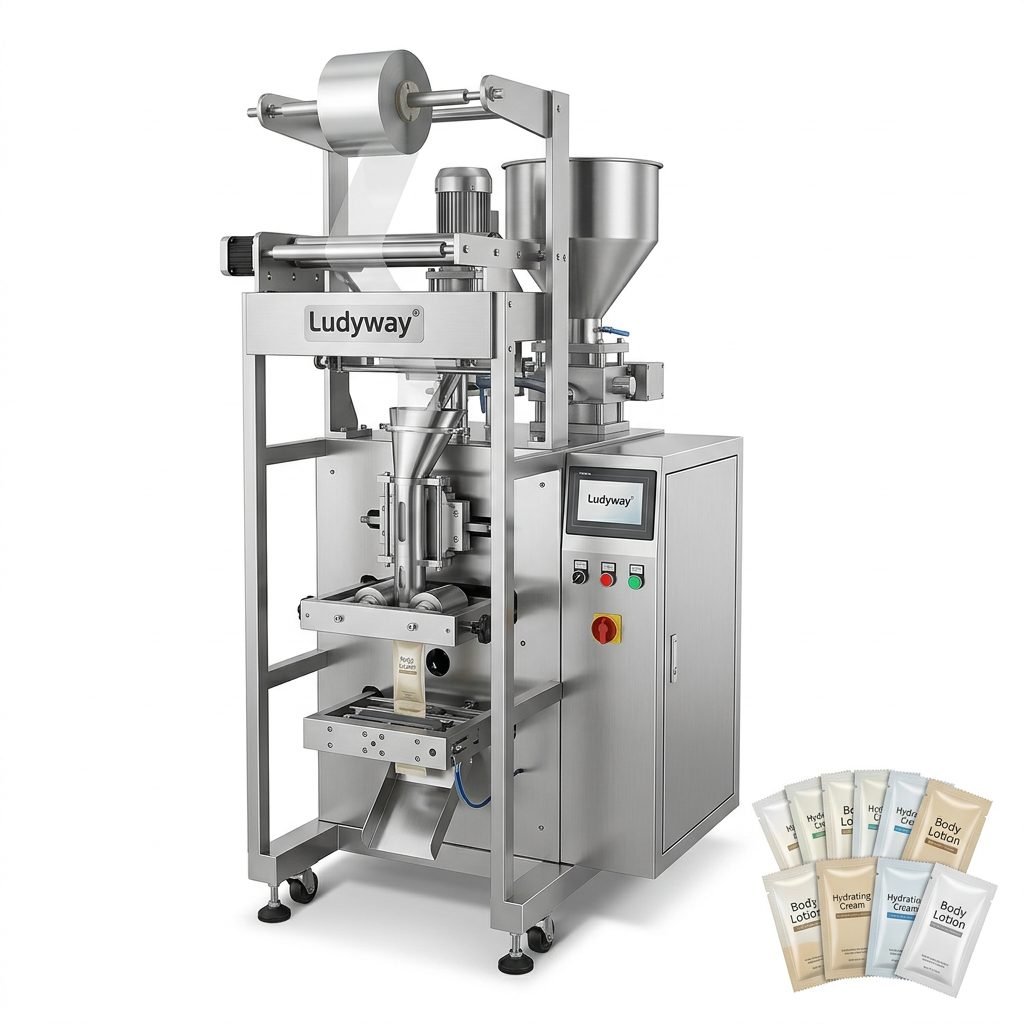
In the fast-paced world of pharmaceutical manufacturing, efficiency, accuracy, and compliance are paramount. Packaging, especially for unit-dose medications, supplements, or samples, plays a critical role in product integrity, patient safety, and market success. Among the various packaging formats, sachets—small, sealed packets—are widely used for powders, granules, and liquids. The machinery that produces these sachets, the Pharmaceutical Sachet Packaging Machine, is therefore a vital investment for any producer. This guide delves into the types, benefits, and essential buying tips for these specialized machines.
Types of Pharmaceutical Sachet Packaging Machines
Sachet packaging machines are not monolithic; they vary significantly based on technology, capacity, and application.
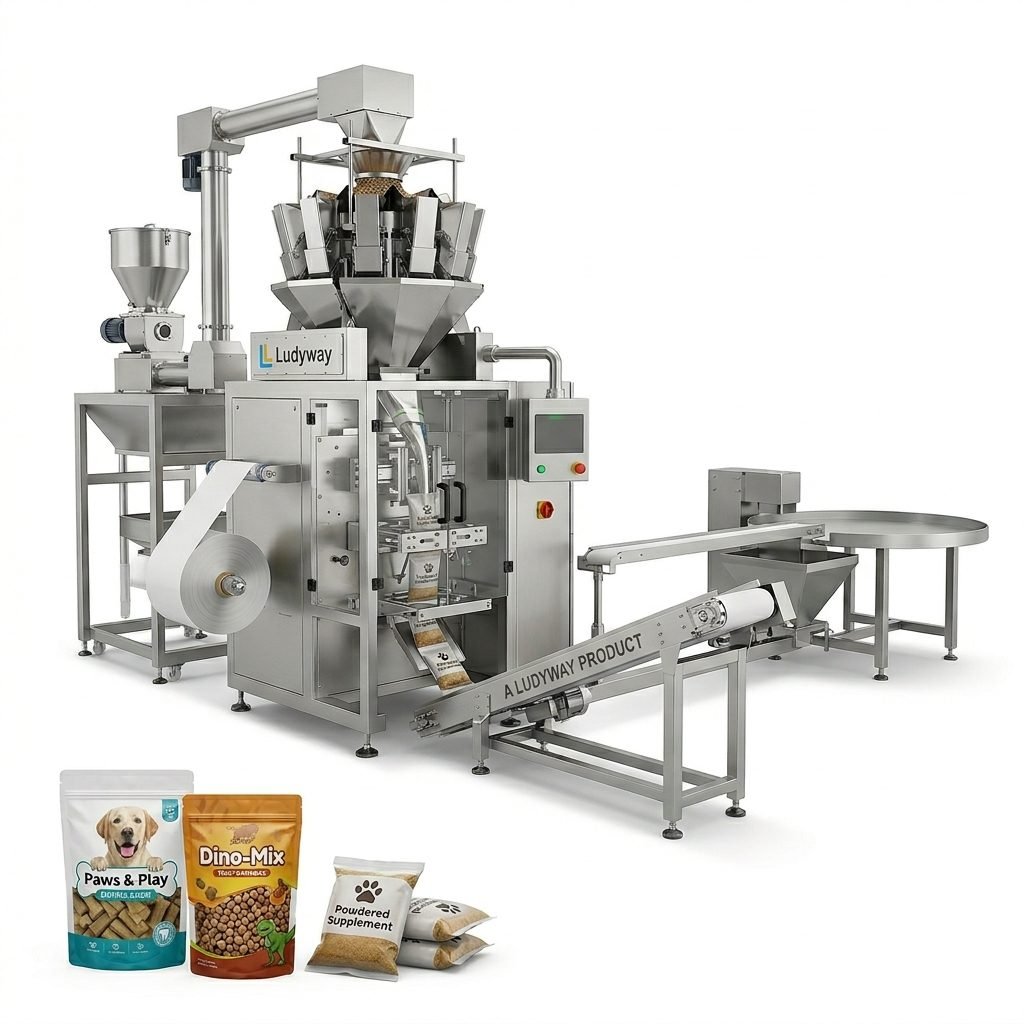
Vertical Form-Fill-Seal (VFFS) Machines
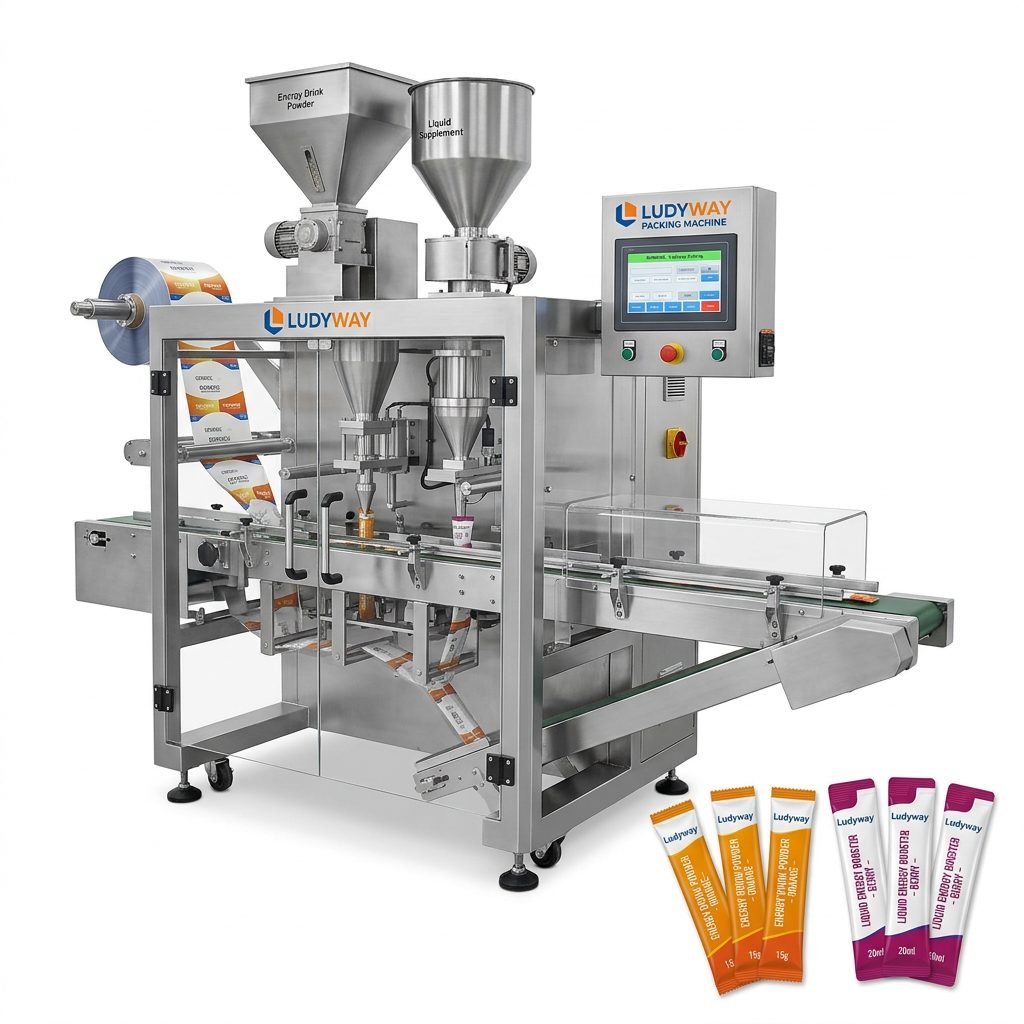
These are the most common type. The machine forms the sachet from a roll of film, fills it with the product, and seals it in a continuous vertical process. They are highly efficient for medium to high-volume production of uniform sachets. Modern VFFS machines often include integrated weight checkers and reject systems to ensure each sachet meets the precise dosage requirement, a non-negotiable standard in pharmaceuticals.
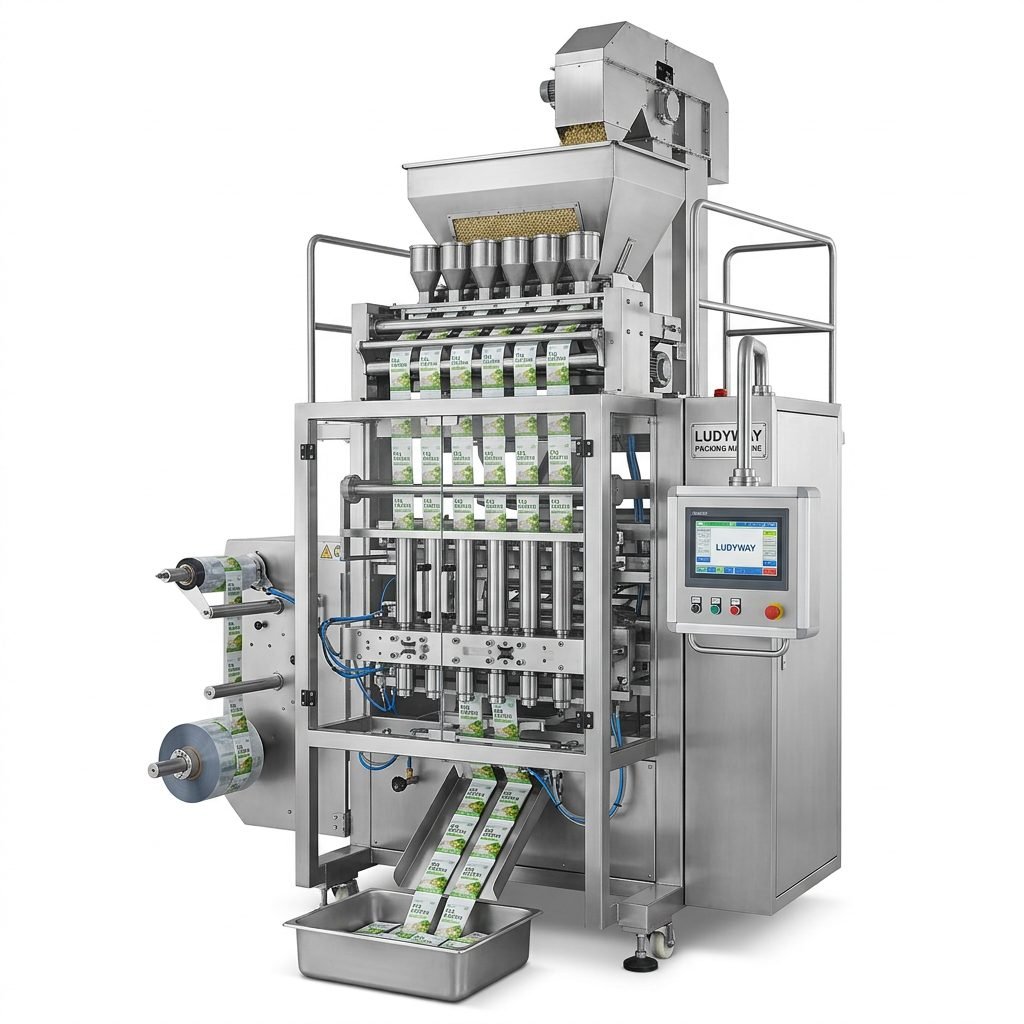
Horizontal Form-Fill-Seal (HFFS) Machines
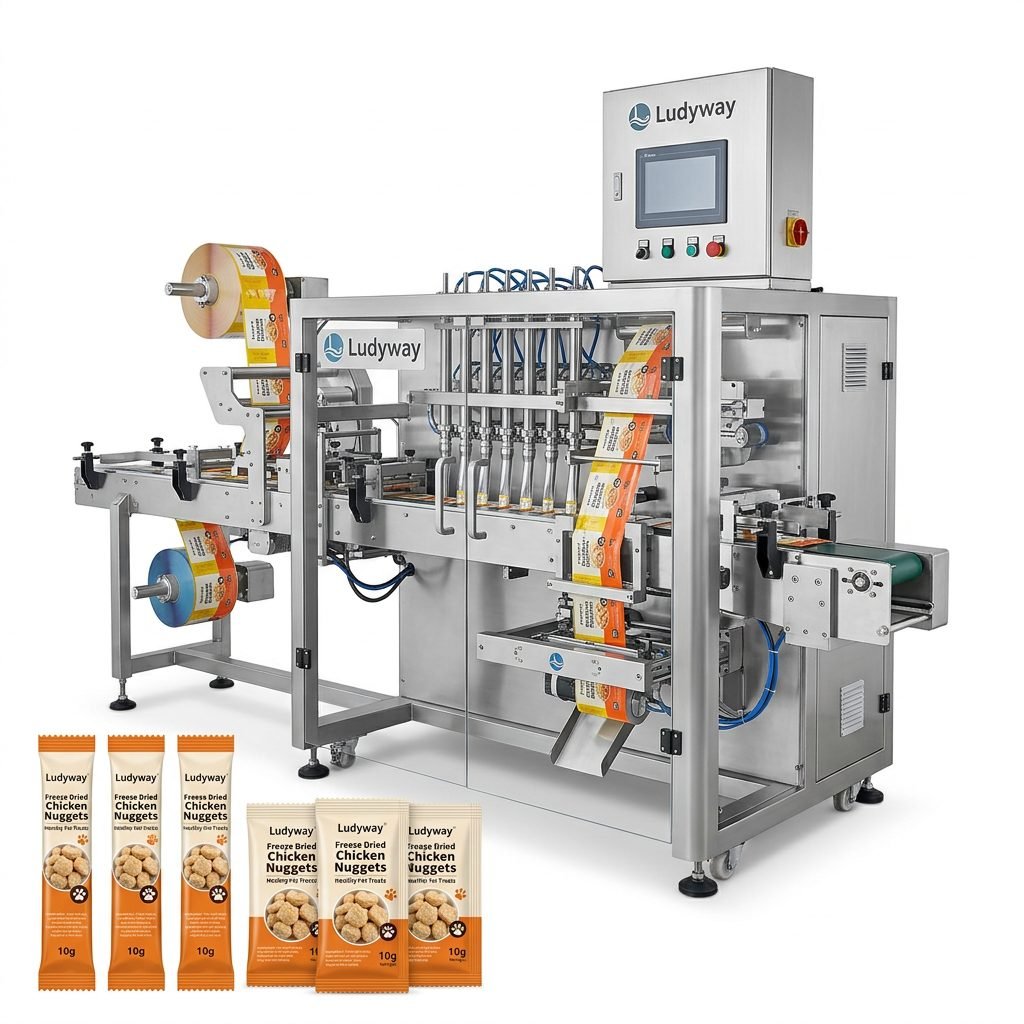
Horizontal machines are often preferred for more complex sachet shapes, multi-lane production (outputting several sachets simultaneously), or when incorporating features like tear-notches or specific graphics. They offer greater flexibility in sachet design but may operate at slightly lower speeds than top-tier VFFS models.
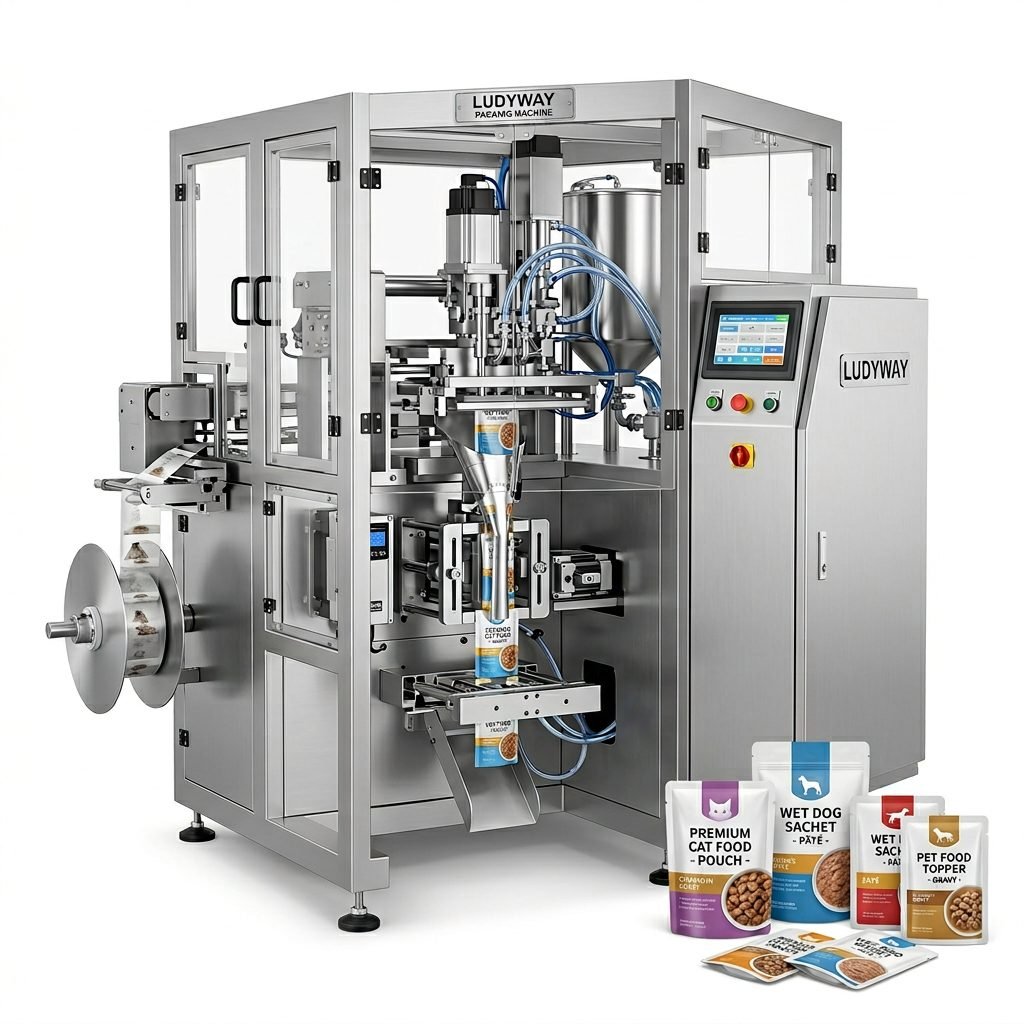
Premade Sachet Fillers
This system uses pre-manufactured, empty sachets (pouches). The machine automatically opens, fills, and seals them. It is ideal for companies that have specialized sachet materials or printing requirements handled by a separate supplier. It can be a simpler, more cost-effective solution for lower-volume or niche products.
Ultra-High-Speed Rotary Machines
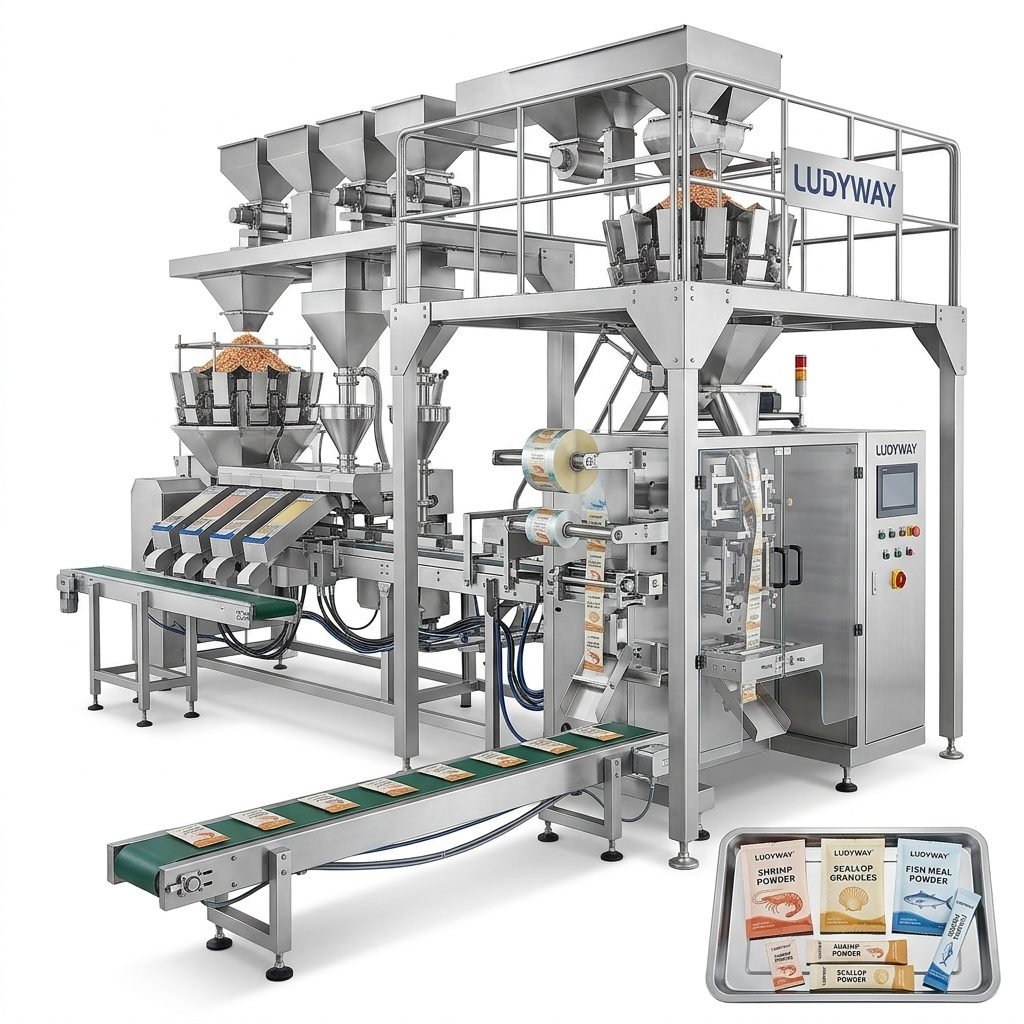
For large-scale production facilities, rotary machines offer unparalleled output. They use a rotating drum with multiple filling stations to produce sachets at exceptionally high rates. These are significant capital investments but provide the lowest cost-per-unit for massive volumes.
Key Benefits of Automated Sachet Packaging
Investing in an automated sachet packaging line brings transformative advantages to a pharmaceutical operation.
Enhanced Product Integrity & Safety
Automation minimizes human contact with the product, reducing contamination risks. Precise, computer-controlled filling ensures every sachet contains the exact dose, crucial for patient safety and regulatory compliance (e.g., FDA, EU GMP). The consistent, hermetic seal protects the contents from moisture, oxygen, and light, preserving stability and shelf-life.
Operational Efficiency & Cost Reduction
Machines dramatically increase output compared to manual packing. They reduce labor costs, material waste (through precise dosing), and downtime. High-speed machines can fulfill large orders quickly, improving supply chain responsiveness. The long-term operational cost savings often outweigh the initial machine investment.
Flexibility & Scalability
Many modern machines are highly adaptable. With quick changeover parts and programmable settings, they can handle different product types (powder vs. granules), various sachet sizes, and even different packaging materials. This allows a company to diversify its product line without purchasing entirely new equipment. Production can be scaled up simply by running the machine for longer hours or adding more lanes.
Compliance & Documentation Support
Pharmaceutical packaging machines are built with compliance in mind. They facilitate data logging for batch records, integrate with checkweighers for quality control documentation, and are constructed with materials suitable for cleanroom environments. This built-in support for Good Manufacturing Practice (GMP) is invaluable.
Essential Buying Tips for Your Investment
Choosing the right machine requires careful consideration beyond just price and speed.
1. Define Your Core Requirements Clearly
Start with a detailed specification list: required output speed (sachets per minute), precise sachet dimensions, product characteristics (flowability, density), packaging film type, and any special features like nitrogen flushing or unique sealing needs. This list will be your primary guide for evaluating machines.
2. Prioritize Accuracy and Compliance Features
For pharmaceuticals, accuracy is not a feature; it’s the foundation. Ensure the machine offers a filling system with the precision you need (e.g., auger filler with servo control). Look for integrated quality assurance systems: checkweighers, metal detectors, or vision systems. Verify the machine’s design and materials meet industry cleanliness standards.
3. Evaluate Ease of Use and Maintenance
A complex machine that requires specialist engineers for daily operation is a liability. Assess the user interface (touchscreen PLC), the simplicity of changeover procedures, and the accessibility for cleaning and maintenance. Reliable suppliers offer comprehensive training and clear manuals. Also, consider the availability and cost of spare parts.
4. Assess the Supplier’s Expertise and Support
The machine is only part of the solution. The supplier’s knowledge and after-sales service are critical. Look for a supplier with proven experience in pharmaceutical packaging projects. They should understand GMP requirements and offer strong technical support, installation services, and responsive spare parts logistics. Review their customer testimonials and project history.
5. Consider Future-Proofing and Flexibility
Your needs may evolve. Does the machine platform allow for future upgrades, like adding a second lane or a more advanced filler? Can it handle a range of film materials you might use later? Investing in a flexible, modular machine can protect you from needing a full replacement in a few years.
6. Analyze the Total Cost of Ownership (TCO)
Don’t focus solely on the purchase price. Calculate the TCO: including installation, expected maintenance costs, energy consumption, typical spare parts, and potential costs of downtime. A slightly more expensive but more reliable and efficient machine often has a lower TCO over 5-10 years.
Conclusion
A Pharmaceutical Sachet Packaging Machine is a strategic asset that directly impacts product quality, regulatory compliance, and production economics. By understanding the different machine types—from versatile VFFS to high-speed rotary systems—and recognizing their benefits in safety, efficiency, and flexibility, you can make an informed decision. The buying process should be meticulous, prioritizing accuracy, supplier expertise, and long-term operational value over short-term cost savings. With the right machine and partner, you can establish a robust, compliant, and competitive sachet packaging operation.
Frequently Asked Questions (FAQs)
What is the typical output speed of a pharmaceutical sachet machine?
Speeds vary widely based on type and configuration. Standard single-lane VFFS machines can range from 60 to 200 sachets per minute. High-speed multi-lane or rotary machines can achieve over 500 sachets per minute. The required speed depends entirely on your production volume forecasts.
Can one machine handle different product types, like powder and granules?
Many machines are designed with this flexibility. The key is the filling system. A machine equipped with a versatile servo-driven auger filler can often be adjusted to handle different products by changing the auger type and reprogramming parameters. Always confirm this capability with the supplier for your specific products.
How important is the integration of a checkweigher?
For pharmaceutical applications, it is highly recommended and often considered essential. An integrated checkweigher provides real-time feedback to the filler for adjustment and automatically rejects under or over-weight sachets. This creates a closed-loop quality control system and provides crucial data for batch records.
What are the key maintenance requirements?
Regular maintenance includes cleaning of product contact parts (following SOPs), lubrication of moving parts, inspection and replacement of seals and gaskets, and calibration of weighing and sensing systems. A good supplier provides a detailed maintenance schedule and training for your operators.
What is the lead time for acquiring such a machine?
Lead times depend on machine complexity and customization. For standard models from a reputable supplier, lead times can be 8-16 weeks from order to delivery. For highly customized machines requiring new engineering, lead times can extend to 6 months or more. Planning and early engagement with suppliers are vital.