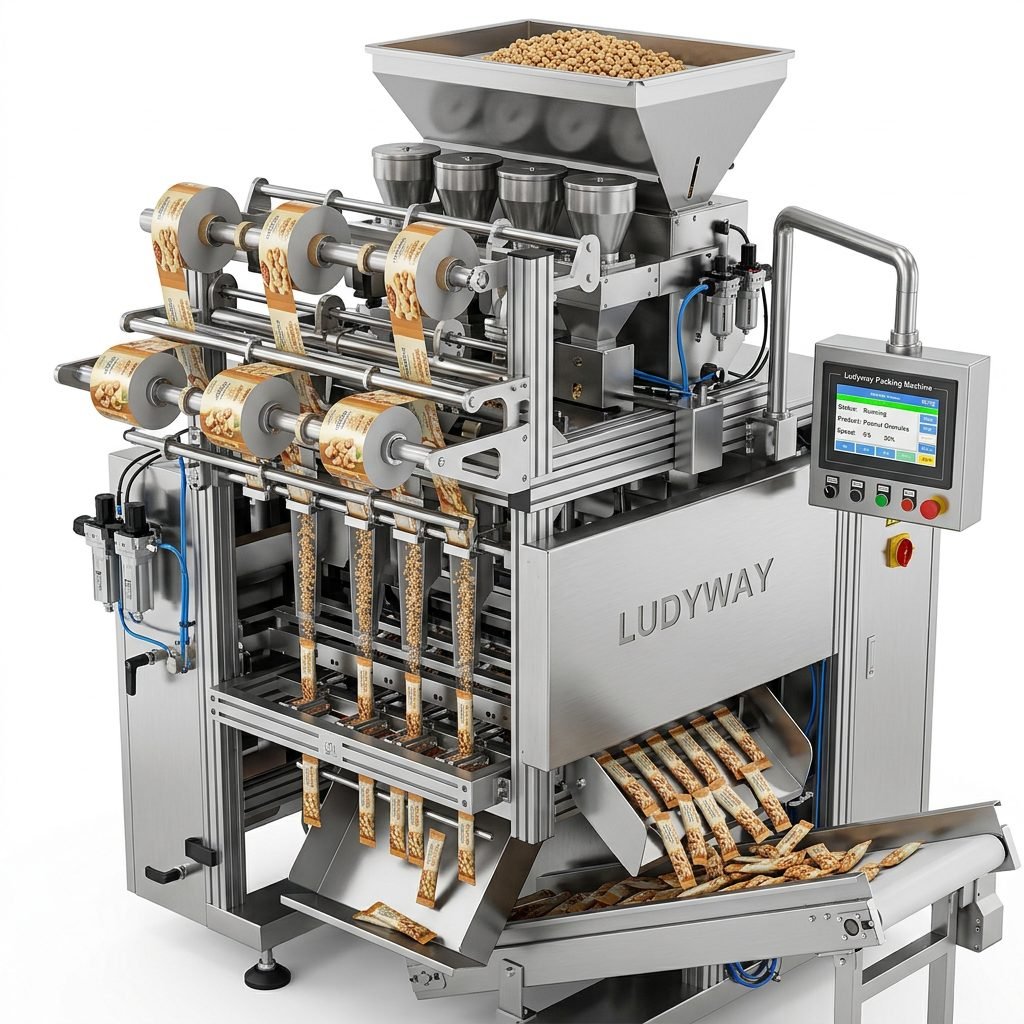
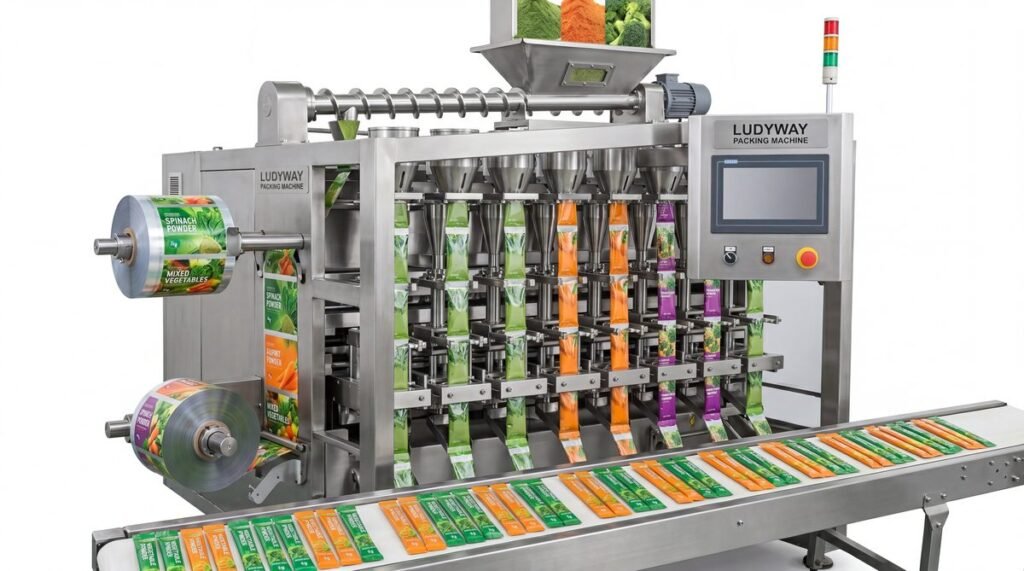
Choosing the right plastic vacuum packaging machine is a critical decision for any business involved in food processing, storage, or distribution. The correct model not only extends shelf life and preserves food quality but also enhances operational efficiency and product presentation. With various technologies and specifications available, selecting the best machine requires a clear understanding of your specific needs, production volume, and long-term goals.
Key Takeaway
The ideal vacuum packaging machine is not a one-size-fits-all solution. It must align with your product type, production speed, budget, and desired packaging format to deliver maximum return on investment.
Core Factors for Selecting Your Vacuum Packaging Machine
Your selection process should be guided by several fundamental operational and technical considerations.
1. Primary Packaging Function: Preservation vs. Storage
Machines are often optimized for different stages of the supply chain. Preservation-focused models prioritize the complete removal of oxygen to inhibit bacterial growth and oxidation, crucial for raw meats, cheeses, and perishable goods. Storage-oriented models might emphasize robust sealing and protection against moisture and physical damage, ideal for dried foods, grains, or portion-controlled items.
2. Production Volume and Speed Requirements
Assess your current and projected output. Single-chamber machines are perfect for low to medium volumes, offering versatility and a lower initial cost. For high-volume operations, double-chamber or rotary vacuum machines provide continuous loading and sealing, dramatically increasing throughput. The cycle time, measured in bags per hour, is a key specification.
3. Product Characteristics and Packaging Material
The nature of your product dictates the machine’s capabilities. Packaging liquid-rich products, powders, or irregularly shaped items requires specific functions like pulse sealing, liquid-trap channels, or customized chamber shapes. Compatibility with various plastic film types (e.g., PA/PE, PET/PE) and thicknesses is essential for a strong, reliable seal.
🔍 Pro Tip: Evaluate Total Cost of Ownership
Look beyond the purchase price. Consider energy consumption, maintenance needs, ease of cleaning, and the cost/availability of consumables like sealing wires and gaskets. A slightly more expensive, robust machine with lower operating costs often proves more economical over time.
Advanced Features for Enhanced Food Preservation
Modern vacuum packers offer features that go beyond basic air removal, significantly impacting food quality and safety.
Gas Flushing (Modified Atmosphere Packaging – MAP)
This advanced feature replaces the vacuumed air with a protective gas mixture (like nitrogen or carbon dioxide). It is particularly beneficial for delicate products like crispy snacks, baked goods, or fresh pasta, where a hard vacuum could crush the item. MAP helps maintain texture and appearance while still extending shelf life.
Programmable Memory Settings
Machines with multiple, savable programs allow operators to switch between different products with one-touch ease. This ensures consistent vacuum and seal settings for each product type, reducing errors and maximizing quality control, especially in facilities with diverse product lines.
Sanitary Design and Construction
For food safety, prioritize machines with stainless steel contact surfaces, smooth crevice-free designs, and easy disassembly for cleaning. Hygienic construction is non-negotiable in preventing cross-contamination and meeting stringent food safety standards.
Integrating the Machine into Your Workflow
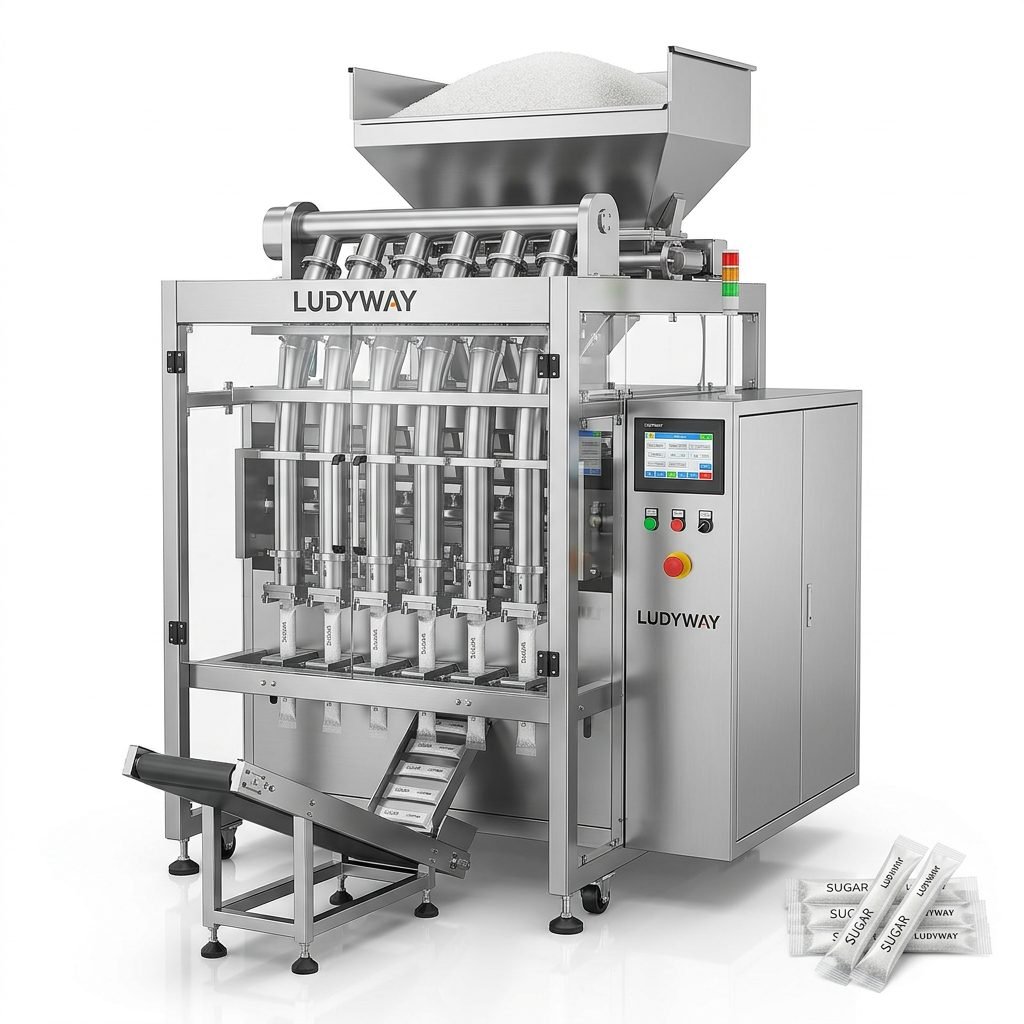
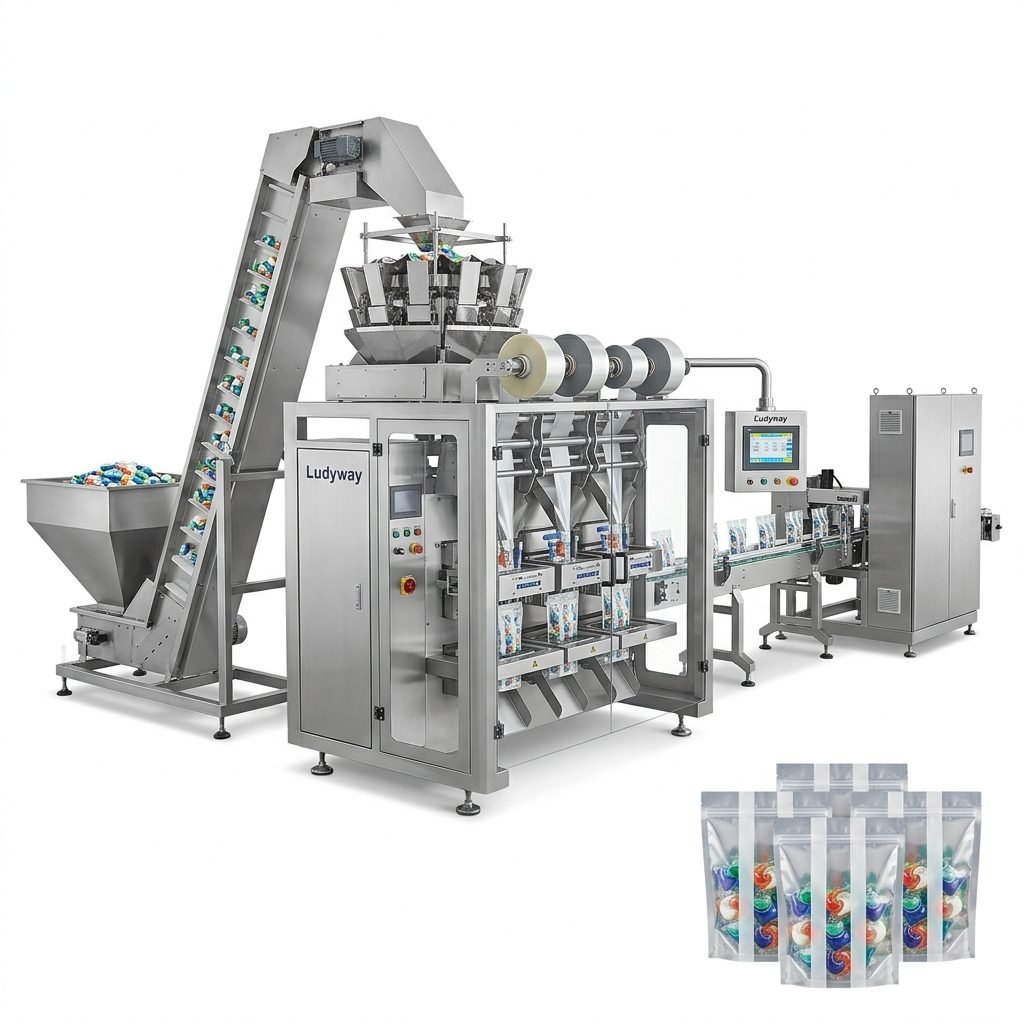
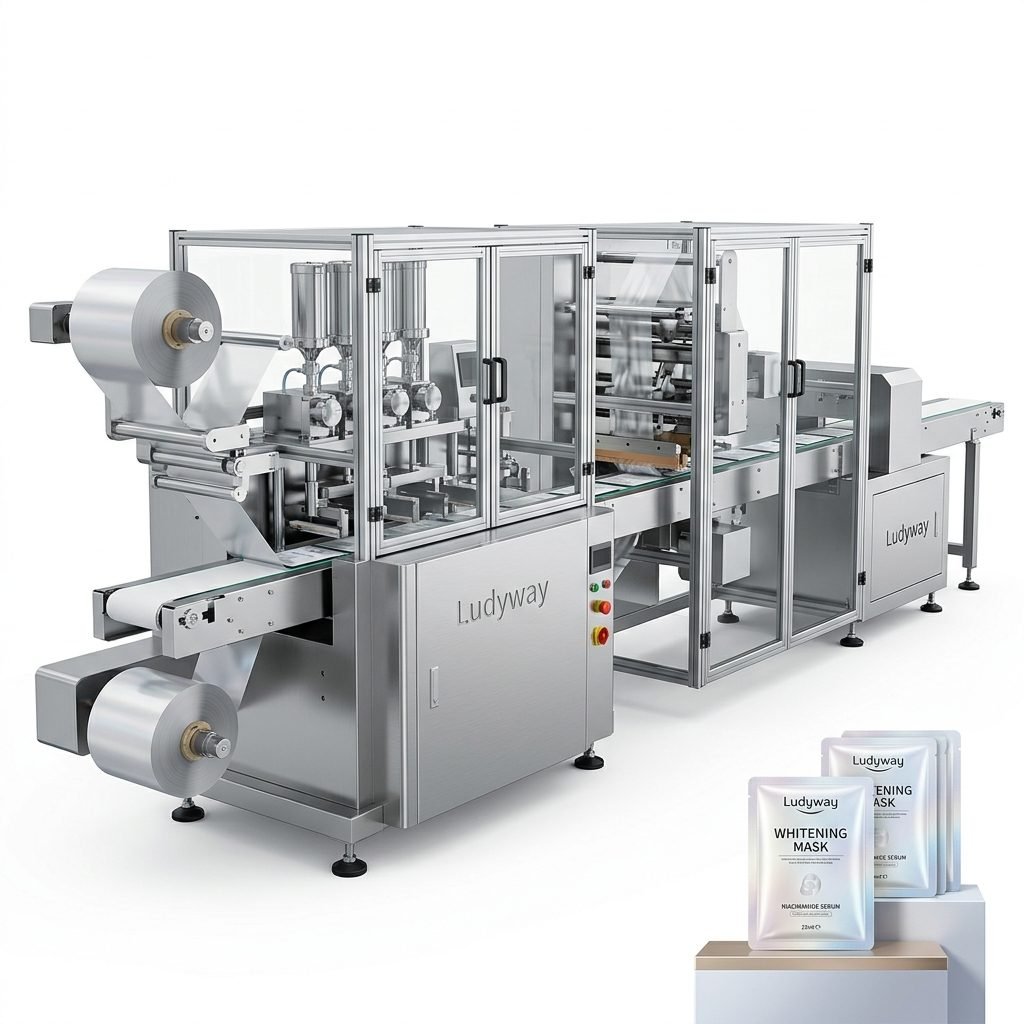
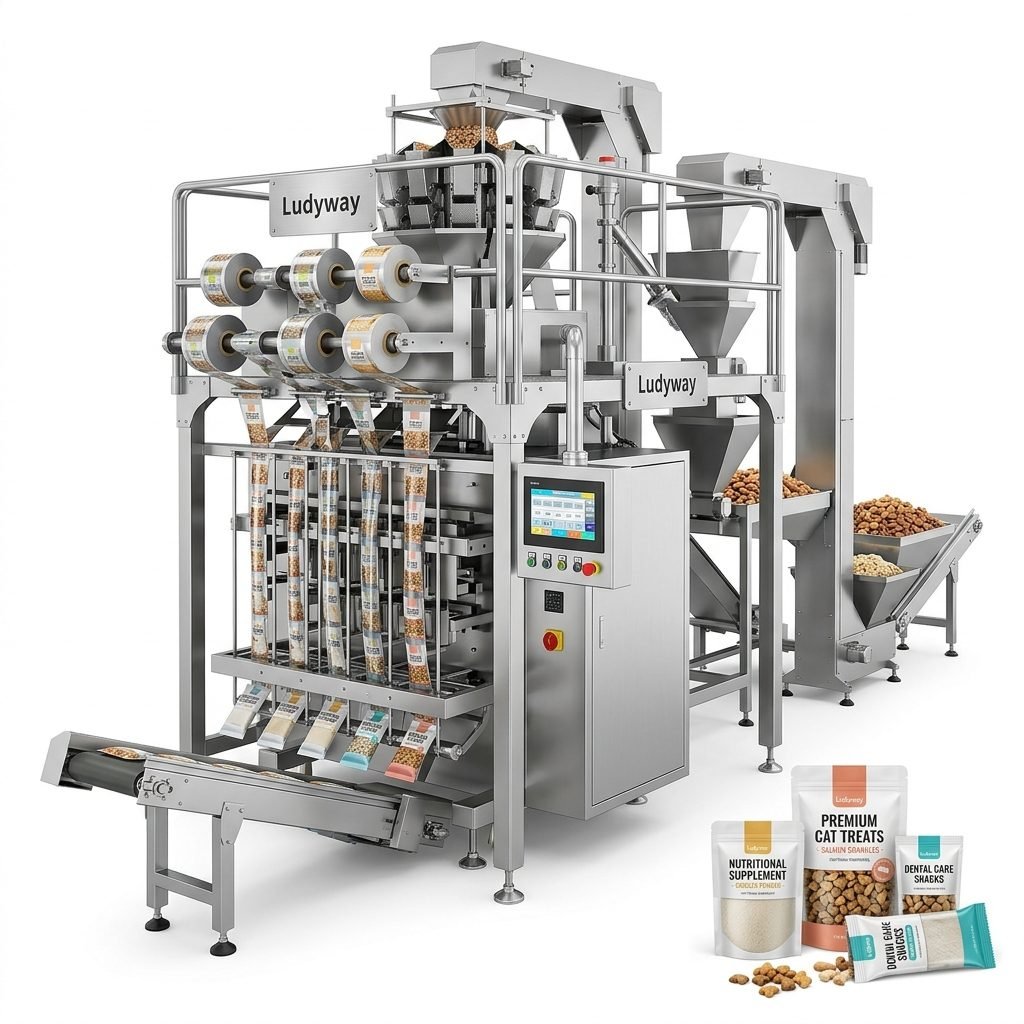
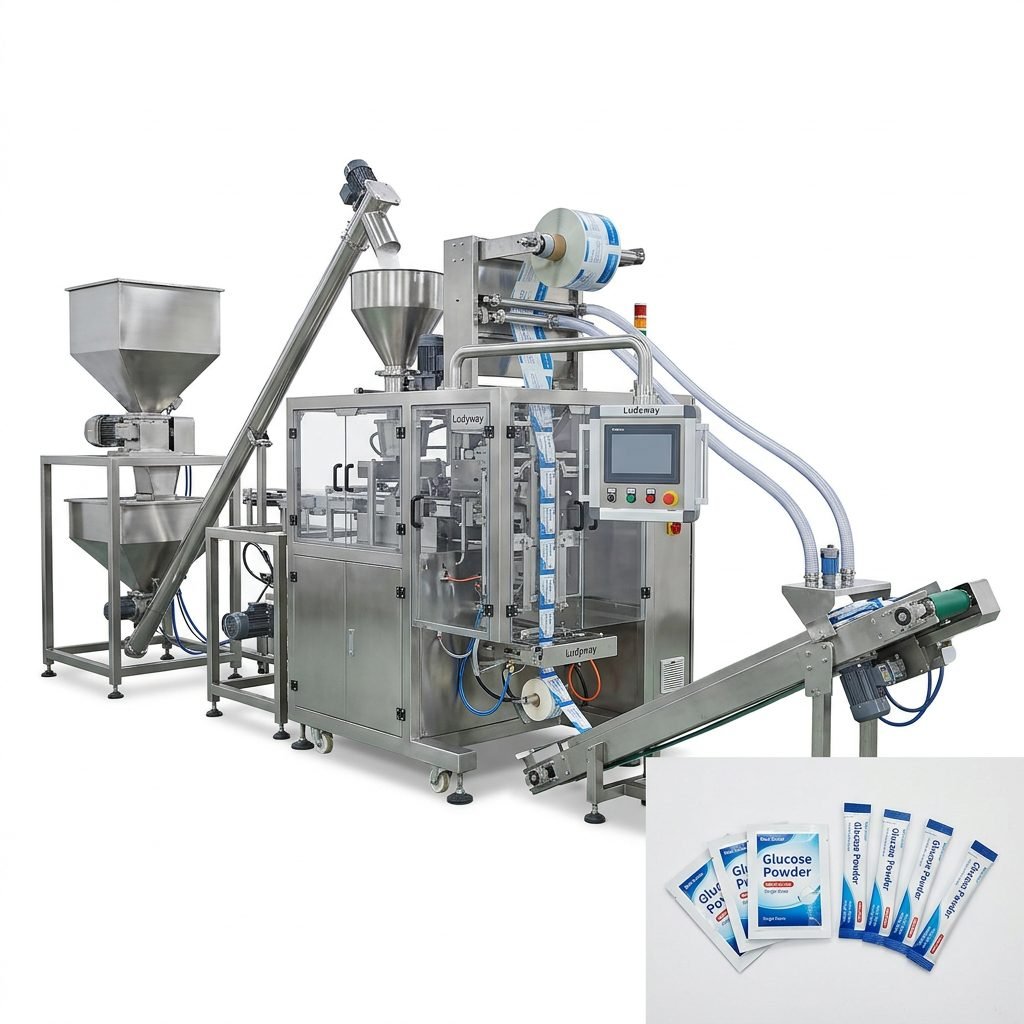
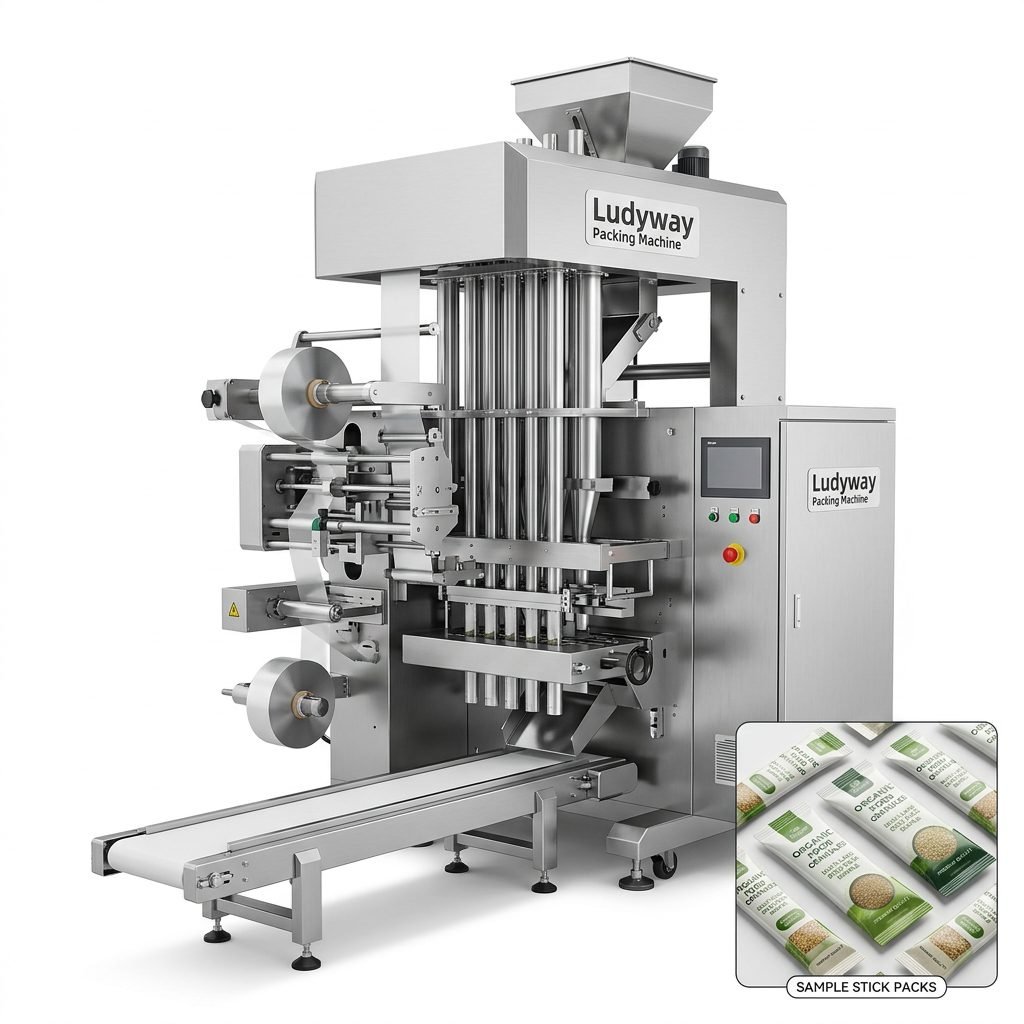
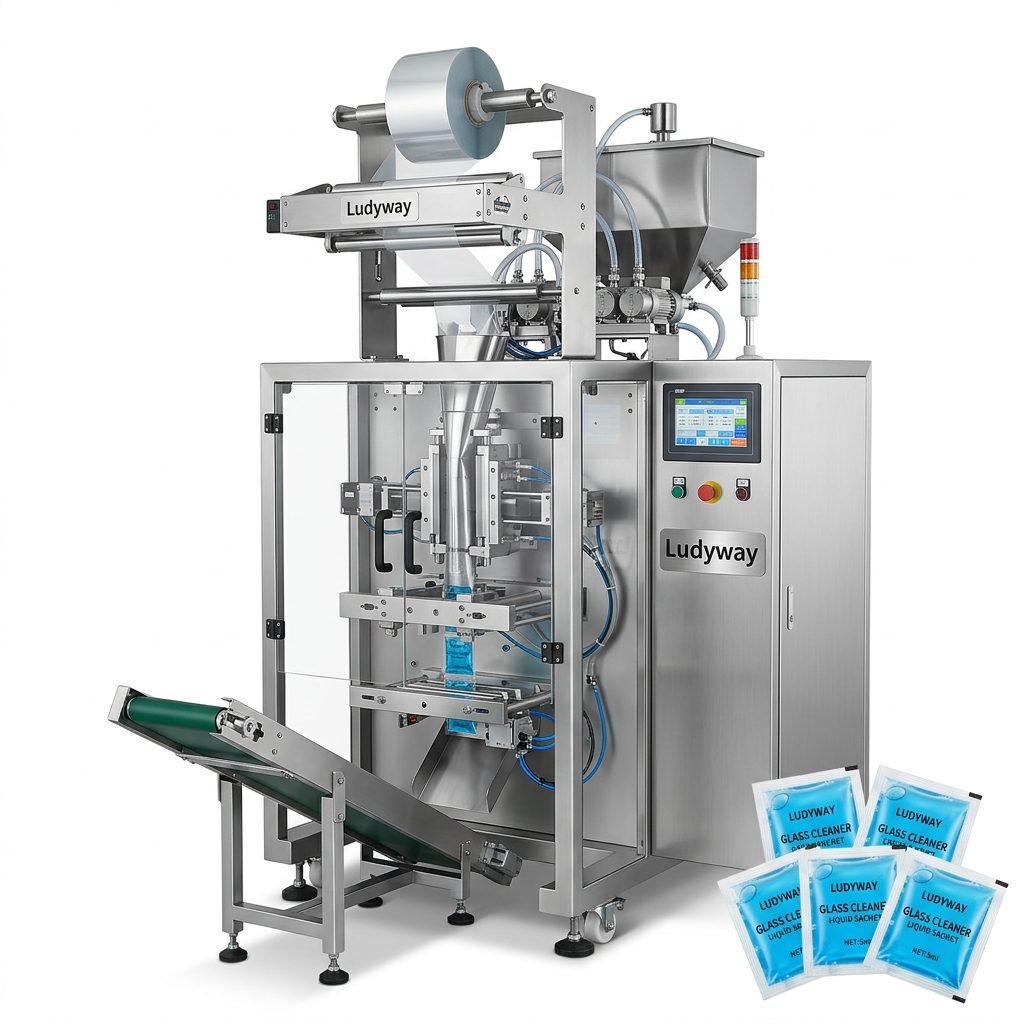
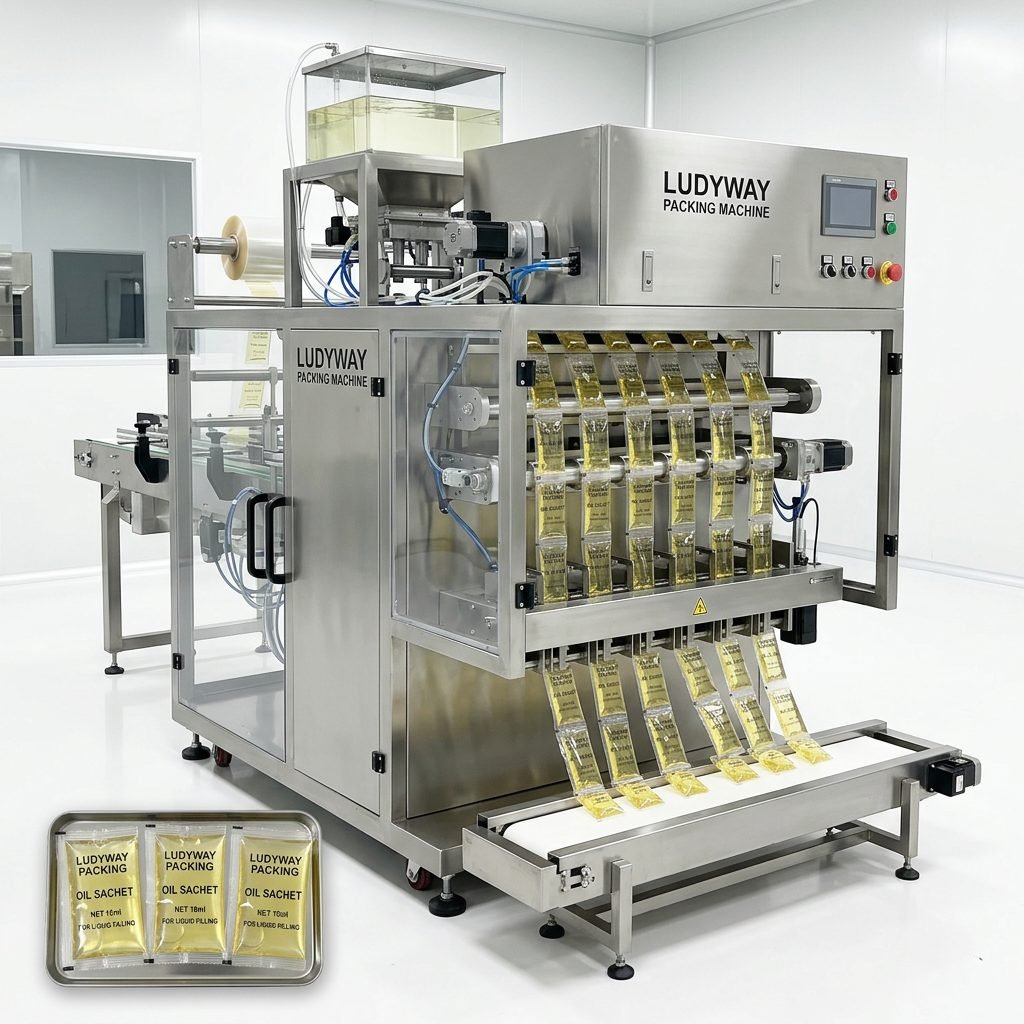
The machine should be a seamless component of your production line. Evaluate its footprint, utility requirements (power, compressed air), and integration potential with upstream fillers and downstream labeling or boxing systems. For growing businesses, choosing a model from a supplier that offers scalable solutions and comprehensive support is wise. Companies like Ludyway Packing Machine, with decades of industry experience, provide not just equipment but also tailored production solutions and reliable after-sales service, ensuring your investment supports long-term growth.
Final Checklist Before Purchase
- ✔ Have you tested the machine with your actual product and film?
- ✔ Does the sealing strength and consistency meet your quality standards?
- ✔ Is the supplier reputable, with proven technical support and spare parts availability?
- ✔ Does the machine comply with relevant safety and electrical standards in your region?
- ✔ Have you considered future needs, allowing room for production expansion?
Frequently Asked Questions (FAQs)
1. What is the main difference between a single-chamber and a double-chamber vacuum sealer?
A single-chamber machine has one chamber where the bag is placed for vacuuming and sealing; the process stops while the chamber is opened and reloaded. A double-chamber machine has two chambers that work alternately: while one chamber is in the vacuum/seal cycle, the other can be loaded, enabling near-continuous operation and much higher output.
2. Can one machine handle both dry and liquid-rich products effectively?
Some versatile models are designed for both, but they require specific features. For liquids, look for machines with specialized sealing programs (like pulse sealing) that prevent liquid from boiling over and interfering with the seal, and models with deep chambers or liquid-trap channels to contain spills.
3. How important is after-sales service when choosing a supplier?
Extremely important. Reliable technical support, readily available spare parts, and thorough operator training are crucial for minimizing downtime. Choosing a supplier with a strong service network and a commitment to long-term partnership, as seen with established providers, ensures your operation remains productive.
4. What regular maintenance does a vacuum packaging machine need?
Daily cleaning of the sealing bar and chamber, regular inspection and replacement of the sealing gasket (o-ring), and occasional replacement of the Teflon tape on the sealing bar are common. Always follow the manufacturer’s specific maintenance schedule to ensure optimal performance and longevity.
5. Are there specific safety features I should look for?
Yes. Key safety features include thermal overload protection for the sealing bar, a safety lid switch that stops operation when opened, and clear emergency stop buttons. For machines using gas flushing, proper ventilation indicators and gas leak detection are also important considerations.