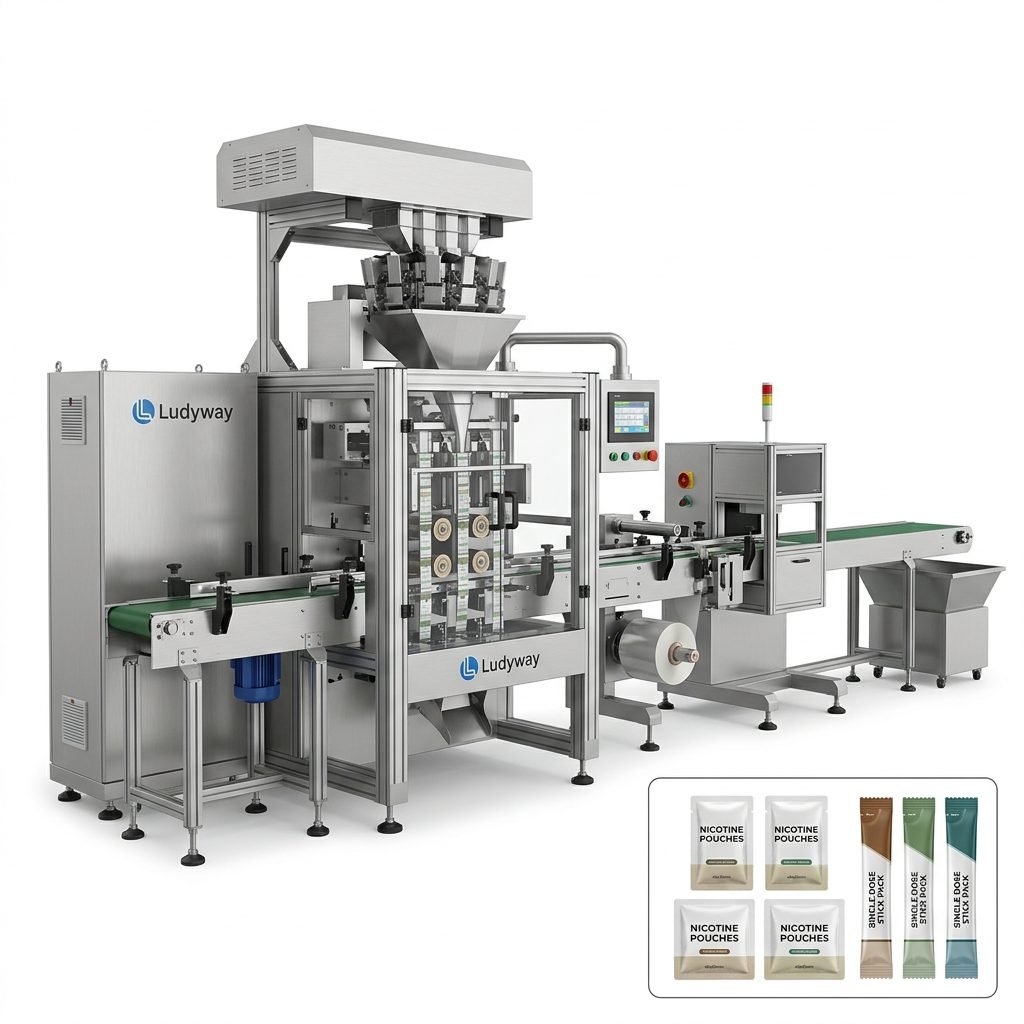
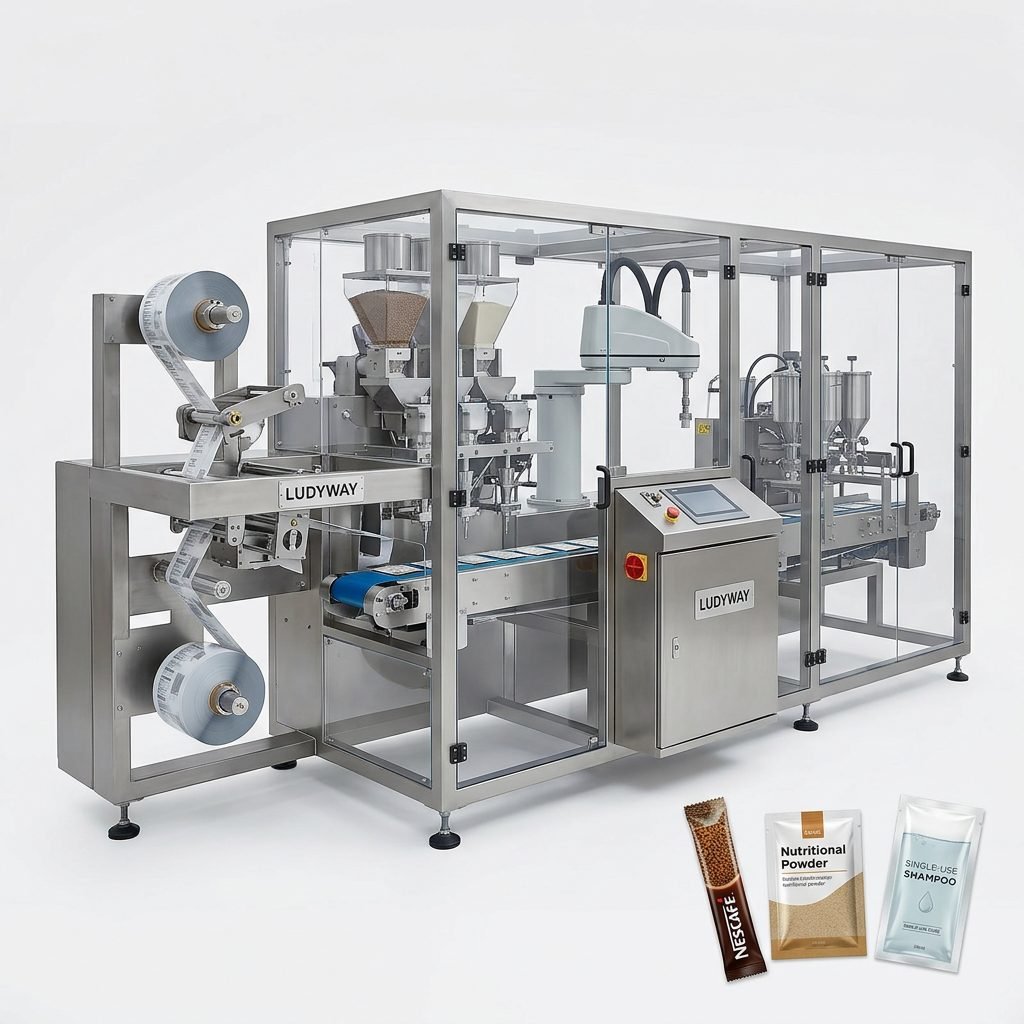
The demand for convenient, single-serve food products is surging across Asia, and honey is no exception. From breakfast tables in Japan to traditional medicine shops in India, stick packs and sachets have become the preferred format. Setting up a honey packaging machine production line in this diverse region requires careful planning, from selecting the right multi-lane equipment to navigating local regulations.
Understanding the Asian Honey Market Landscape
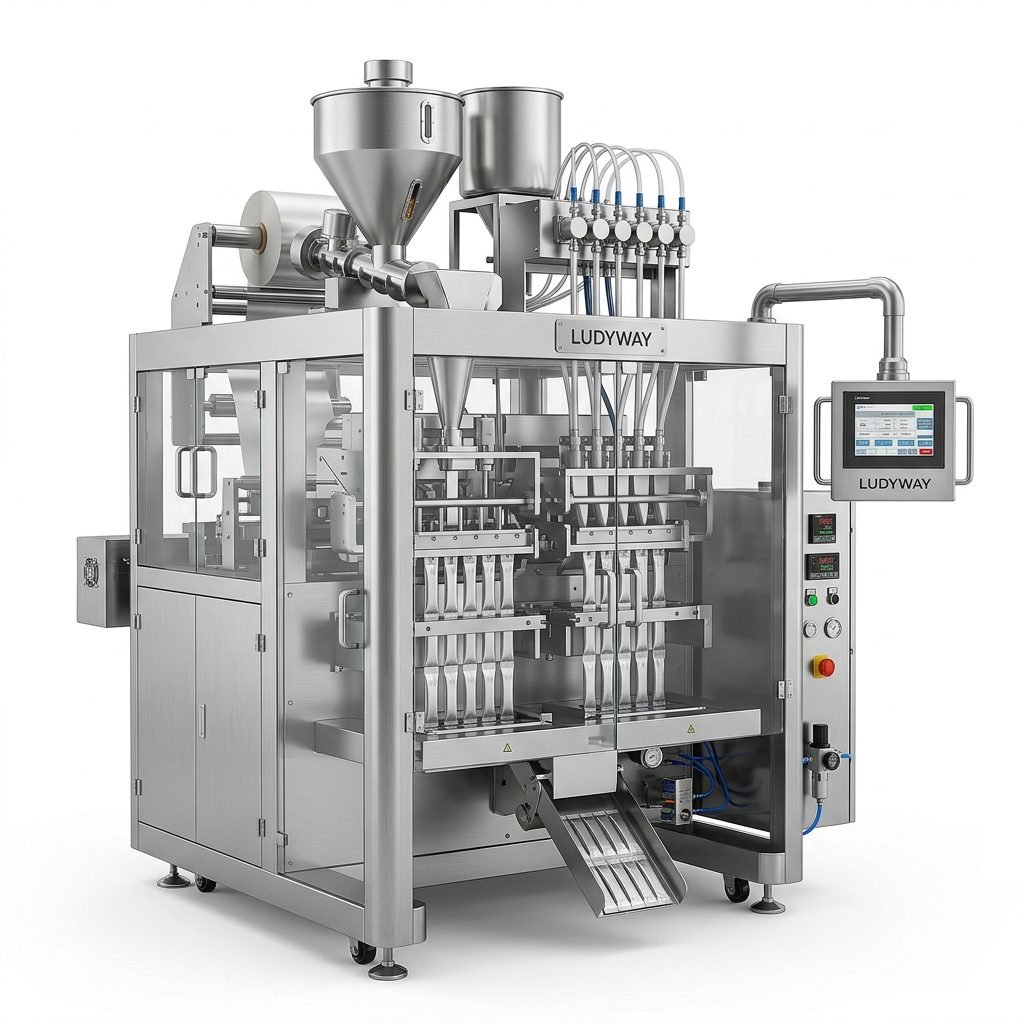
The Asia-Pacific region dominates the global honey market. Countries like China, India, Vietnam, and South Korea are not just major consumers but also significant producers. The shift toward portion-control packaging is driven by urbanization, rising disposable incomes, and the booming e-commerce sector. A modern honey stick pack machine must handle the unique viscosity and crystallization properties of honey, often requiring specialized heated filling systems to ensure precision.
Key trends influencing honey packaging lines include:
- Single-serve convenience for on-the-go consumption.
- Hybrid packaging lines that can switch between liquid honey, creams, and granule mixes.
- Sustainable materials driving the adoption of recyclable mono-material films.
- Export quality standards demanding high-barrier packaging for extended shelf life.
Core Equipment for a Honey Packaging Line
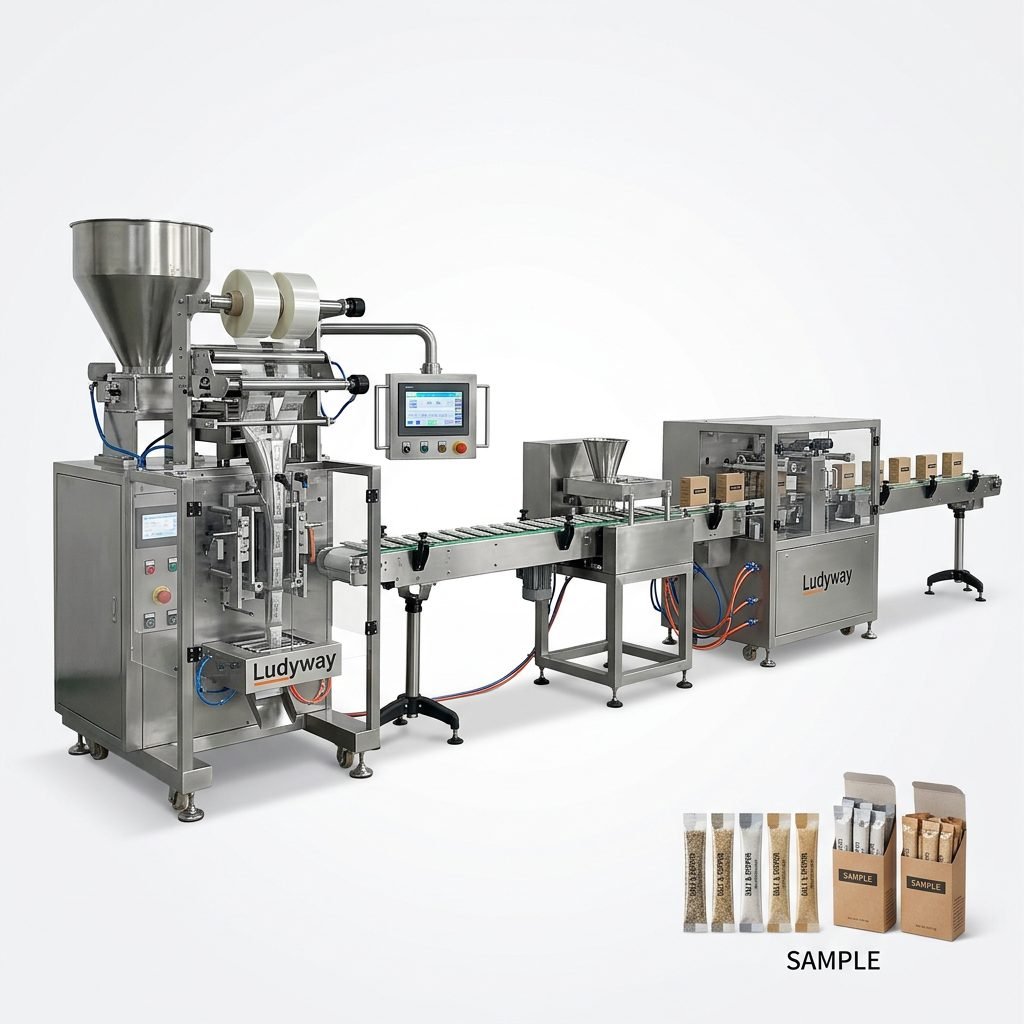
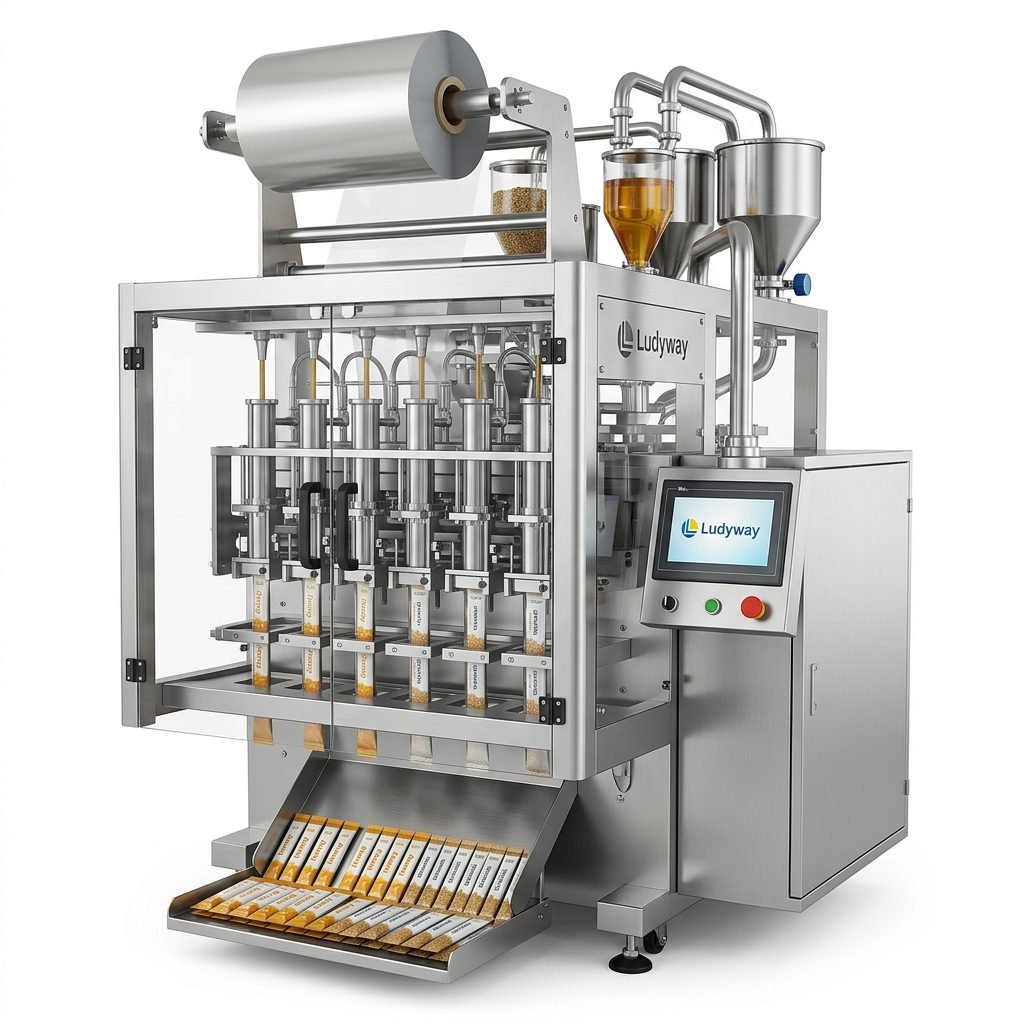
A turnkey honey packaging line is more than just a filler. It integrates several critical machines to ensure efficiency from raw product to shipping. Here are the core components:
| Machine Segment | Primary Function | Key Feature for Honey |
|---|---|---|
| Liquid Filling Unit | Precision dosing of viscous liquids | Heated hopper & jacketed piping to prevent crystallization |
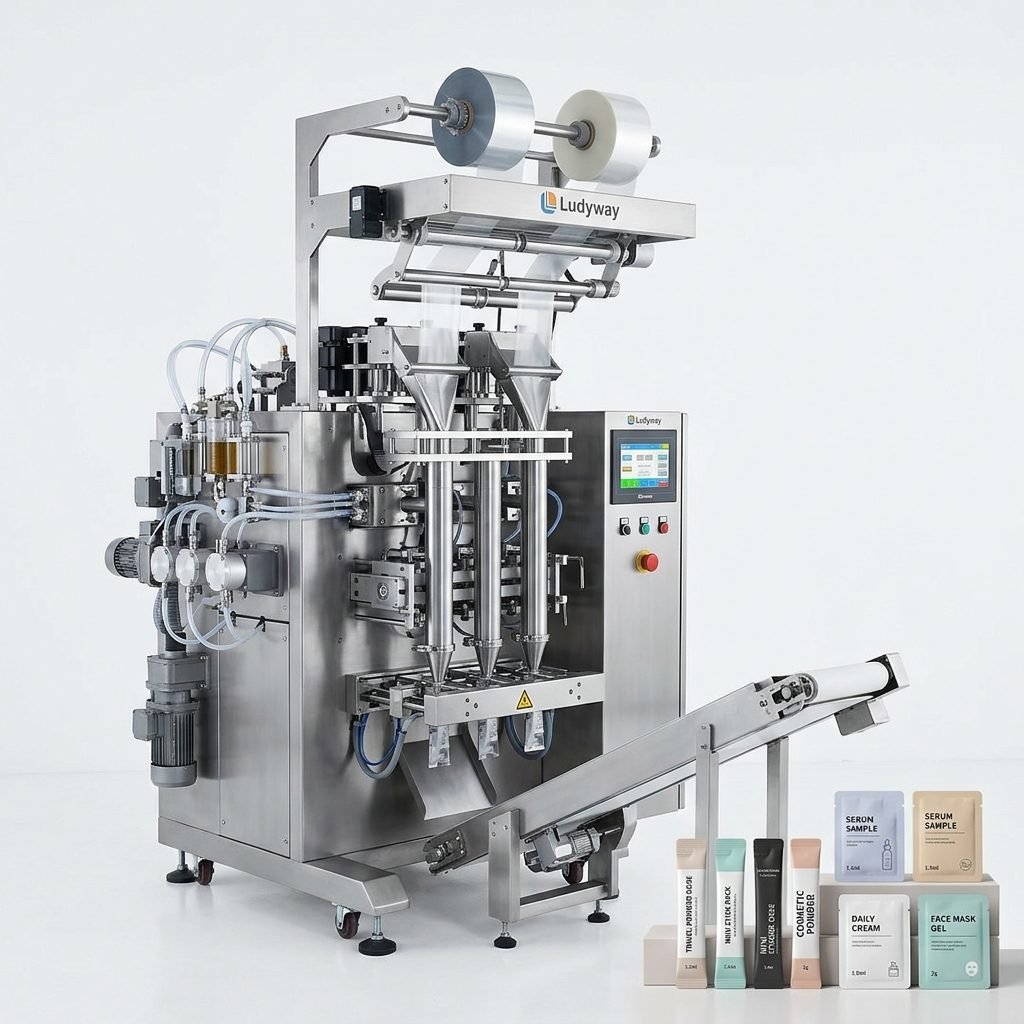
| Multi-Lane Form-Fill-Seal Machine | Film unwinding, forming, filling, sealing | Anti-drip nozzles and hot-bar sealing for liquid-proof sachets |
| Secondary Cartoning System | Collating and boxing finished packs | Gentle handling to avoid rupturing liquid-filled sticks |
| Inspection & Checkweighing | Quality control and weight verification | X-ray or vision systems to detect seal contamination |
Step-by-Step Production Line Setup in Asia
Setting up a successful honey packaging line in Asia involves more than just importing machinery. Follow this pragmatic workflow for a smooth launch:
1. Facility Preparation & Cleanroom Standards
Food safety regulations vary across Asia. If you are targeting export markets like the EU or US, you must align with FDA food packaging standards from day one. Ensure your facility supports a logical flow from raw material intake to finished goods. A controlled environment minimizes moisture, which is critical for honey’s hygroscopic nature.
2. Machine Selection: The Multi-Lane Advantage
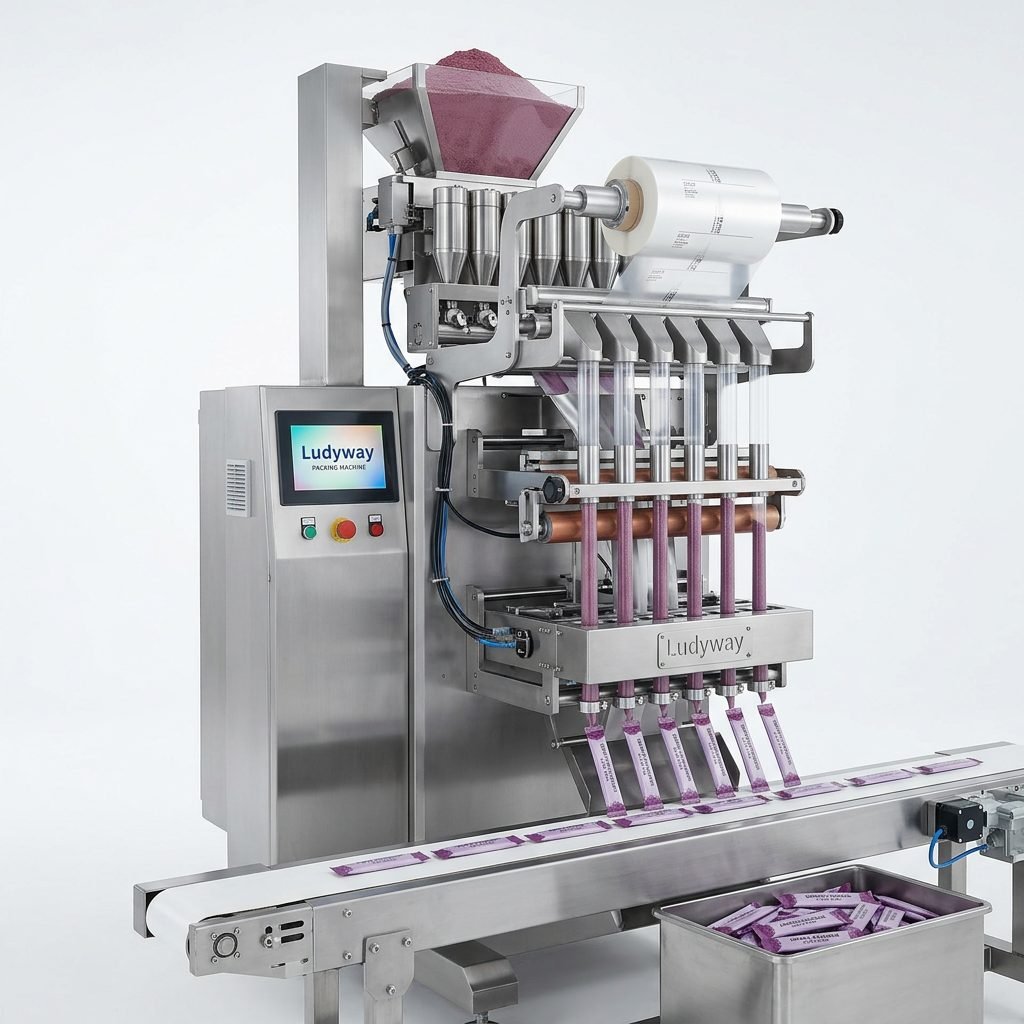
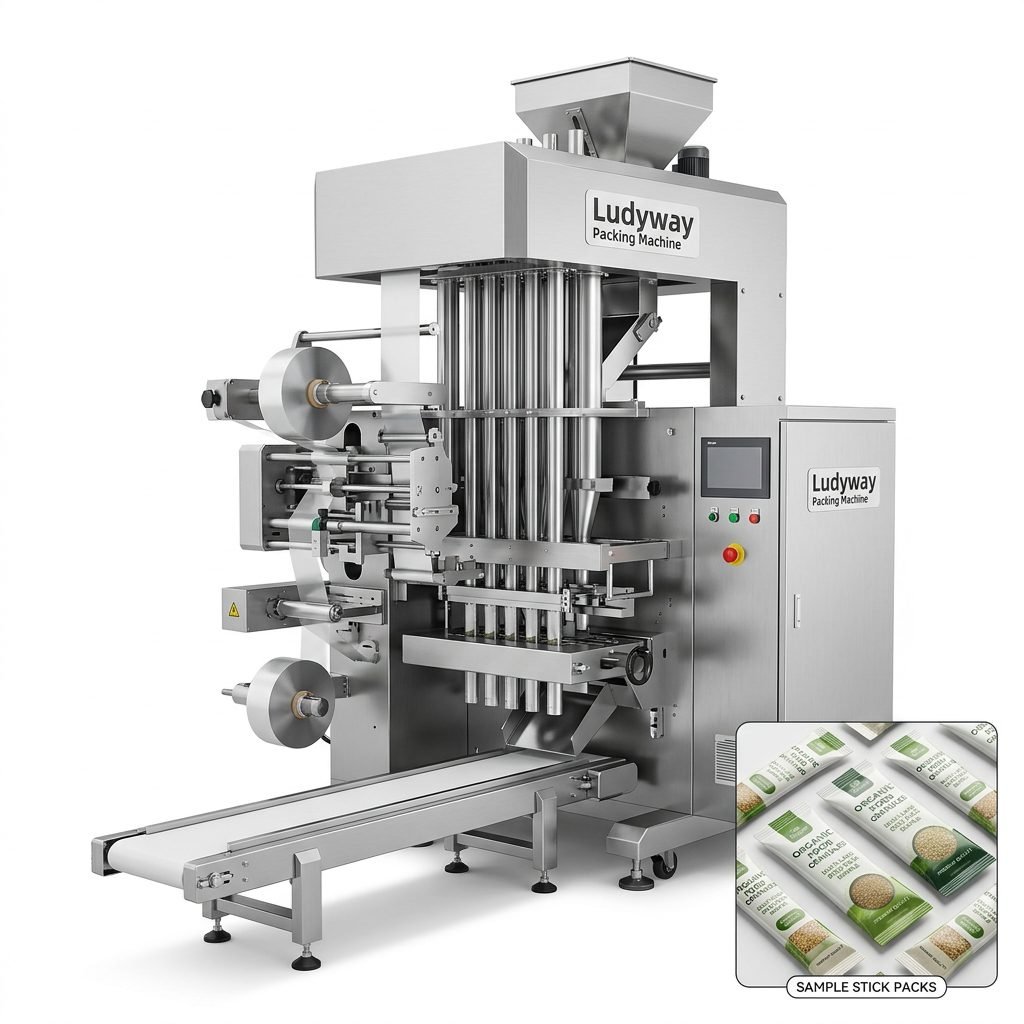
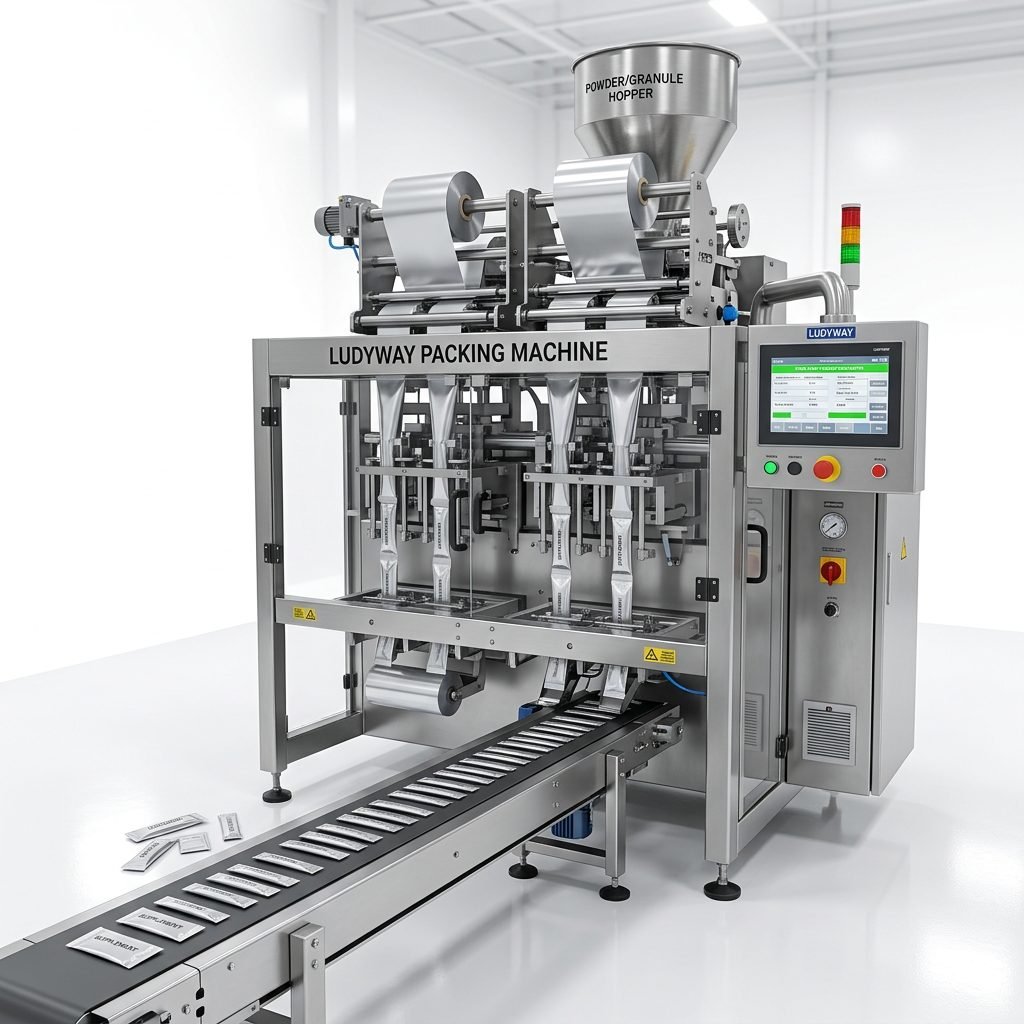
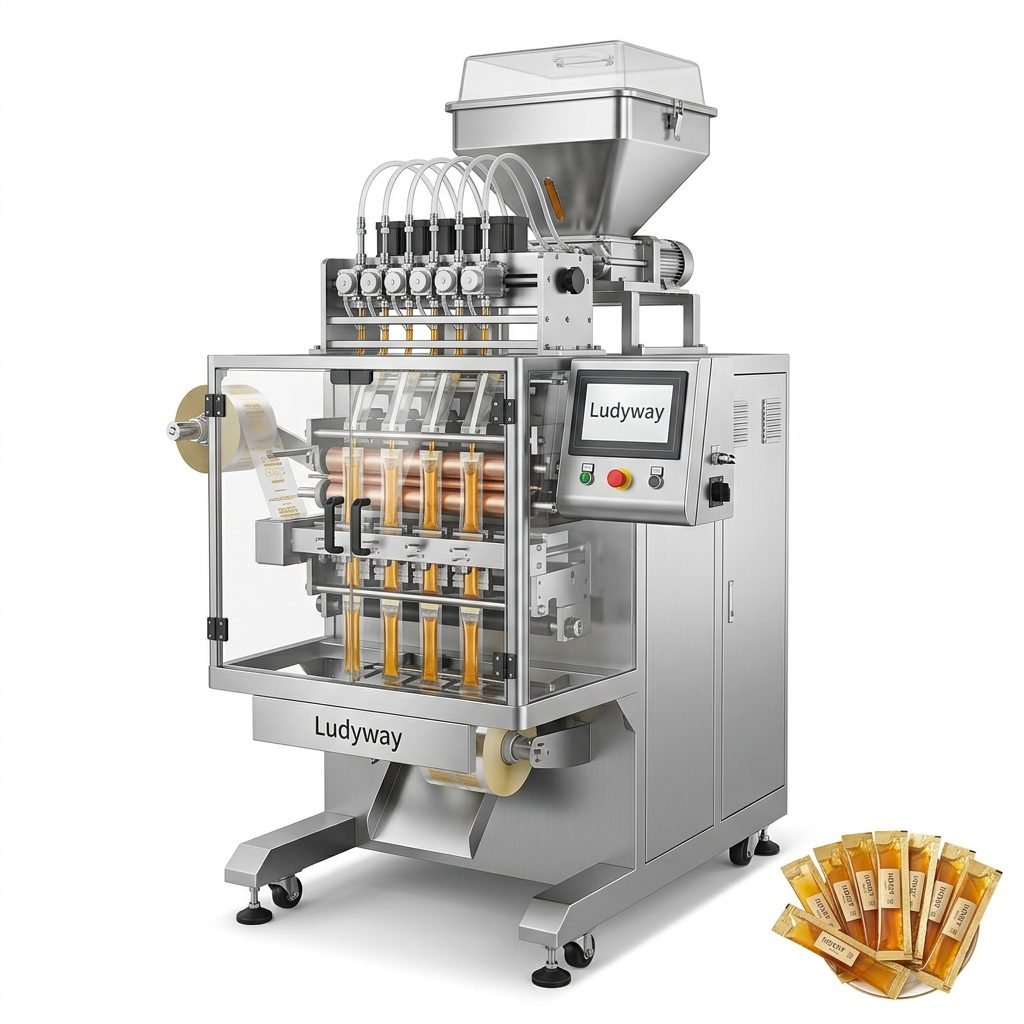
For high-volume honey stick production, a multi-lane stick pack machine is essential. A 12-lane or 16-lane configuration operating at moderate speeds is often more reliable for sticky liquids than a single-lane ultra-high-speed unit. Look for servo-driven technology for precise film registration, as honey often requires co-extruded films that can be tricky to seal.
3. Integration of Auxiliary Equipment
A standalone filling machine doesn’t guarantee output unless the packaging line is balanced. Integrate a Z-type bucket elevator or positive displacement pump to feed the honey gently. For the back end, automated cartoning machines significantly reduce labor costs, which is a crucial ROI factor in emerging Asian markets.
4. Cold-Seal vs. Hot-Seal Material Handling
Honey generates heat during filling, which can weaken seals if not managed. A high-quality honey packaging machine requires precise temperature control on the sealing jaws. Many Asian manufacturers are now switching to laminated structures with aluminum foil to protect against UV light and preserve the honey’s natural enzymes.
Navigating Compliance and Regulatory Hurdles
Exporting honey from Asia means meeting strict international residue limits. The packaging process itself must adhere to ISO packaging standards and, specifically for European markets, the EU Packaging and Packaging Waste Regulation. Machine designs must be wash-down ready and built with food-grade stainless steel (304 or 316L) to prevent heavy metal contamination.
Comparative Analysis: Key Asian Manufacturing Hubs
Choosing where to set up your honey packaging line impacts tariffs, logistics, and technology access. Below is a quick comparative table:
| Country | Advantage | Technology Sourcing Note |
|---|---|---|
| Vietnam | Large raw honey supply; competitive labor | High import demand for premium multi-lane sealers |
| India | Massive domestic consumption in pharmaceuticals/food | Mid-speed hybrid machines are the market sweet spot |
| Thailand | Mature tourism/export infrastructure for premium honey | Strict preference for servo-driven, high-accuracy dosing |
| China | Largest producer; highly automated facilities | Advanced, cost-effective turnkey line suppliers are local |
Optimizing Costs and Speed: Theoretical vs. Actual Output
When evaluating a honey packaging line, never rely on theoretical speed. For viscous products like honey, the actual output is typically 70-80% of the maximum rated speed. A 400ppm (packs per minute) machine might realistically yield 300ppm due to clean-up cycles and film changeovers. Calculate OEE (Overall Equipment Effectiveness) into your business plan, and consult data from the PMMI business intelligence library for industry benchmarks.
Smart Packaging and Automation Trends
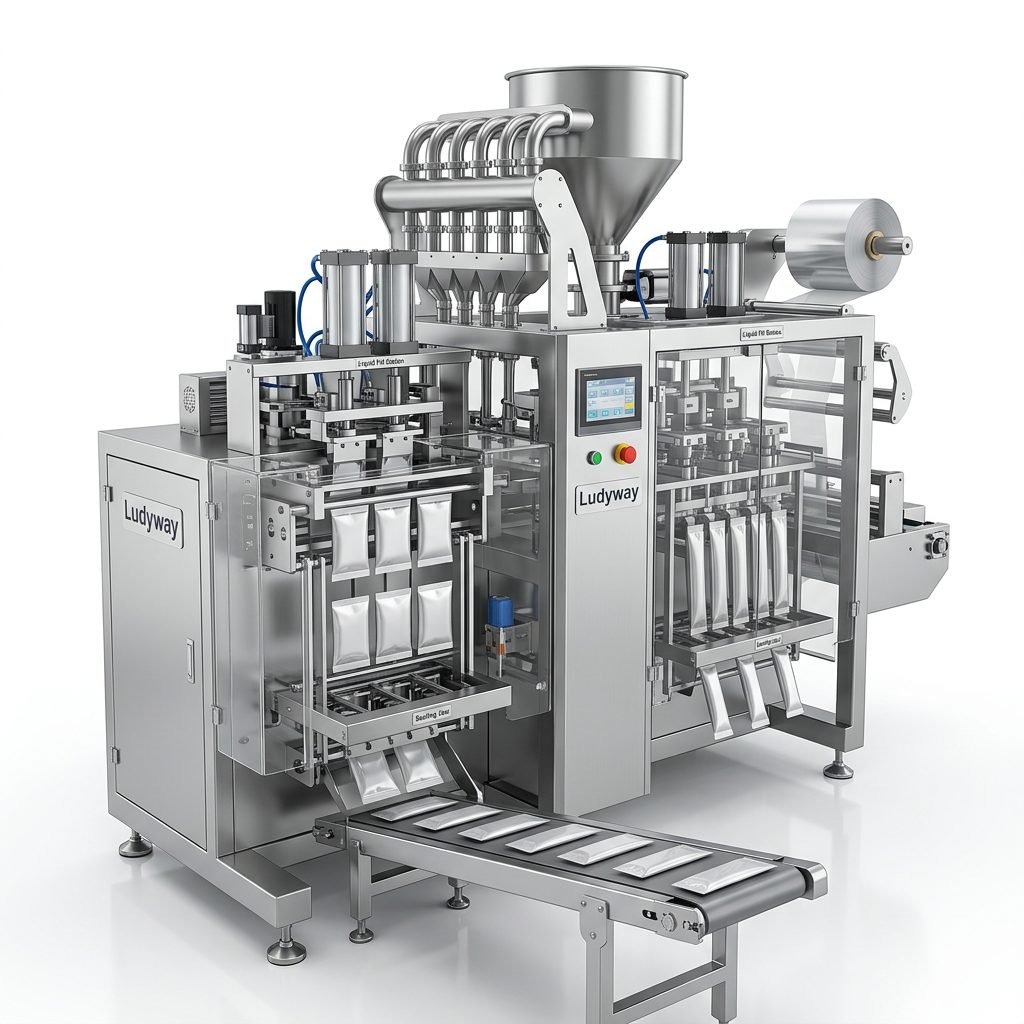
Asia is rapidly adopting Industry 4.0. Modern packaging equipment now comes equipped with remote diagnostics, IoT sensors for predictive maintenance, and zero-downtime splicing unwinders. This is particularly vital for honey, where short production runs and quick flavor changeovers are common. Smart cameras that read barcodes and QR codes on each stick are also becoming standard for anti-counterfeiting in the premium Manuka honey market.
Integrating robotics into the end-of-line palletizing process ensures that the delicate primary packs are not exposed to rough manual handling, preserving the seal integrity during transit across the humid Asian climate.
Maintenance and Spare Parts Strategy
Investing in a high-speed honey packaging machine is a capital-intensive decision. The distinct advantage of sourcing manufacturers from industrial hubs like Guangdong is the rapid availability of OEM parts. Downtime in the food industry can cost thousands of dollars per hour. Ensure your supplier maintains a local or cloud-based spare parts library and offers augmented reality (AR) assisted troubleshooting, which is becoming a standard service offering from top-tier packaging machine manufacturers.
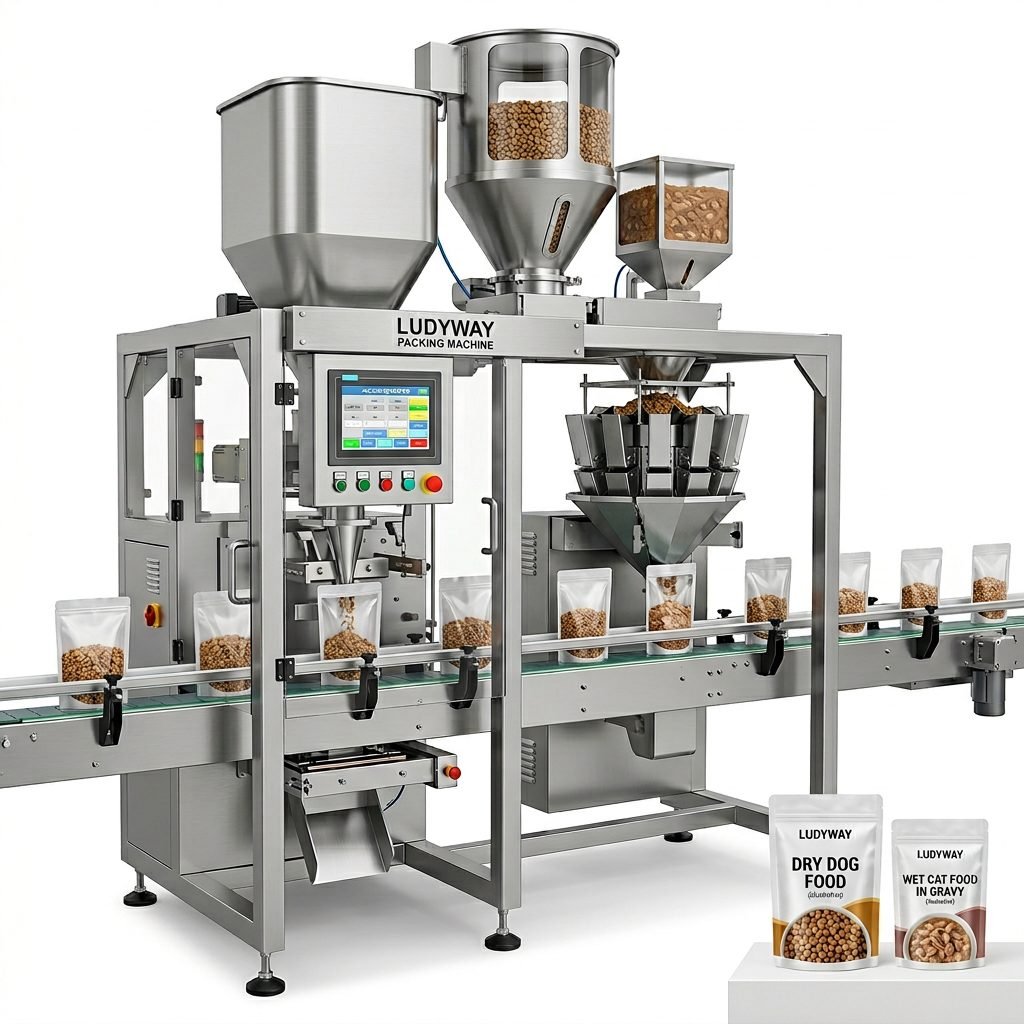
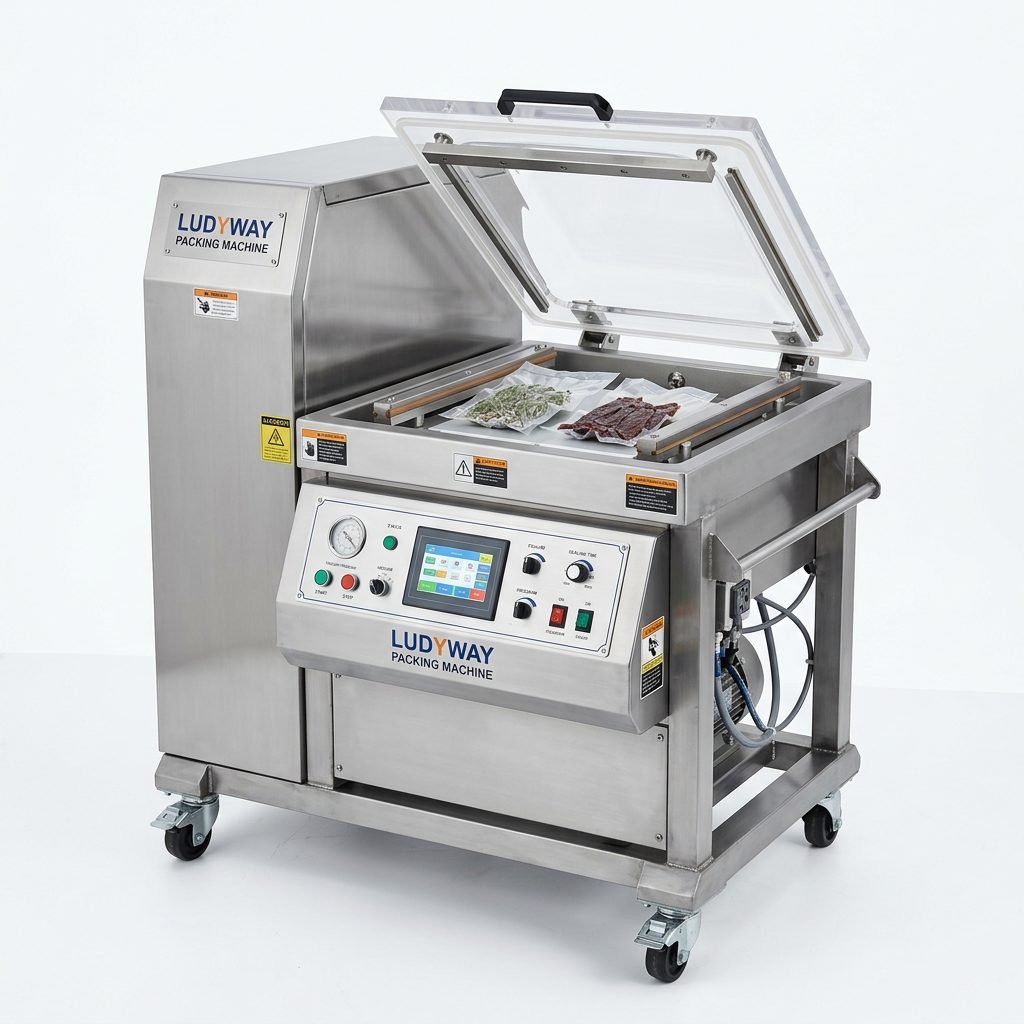
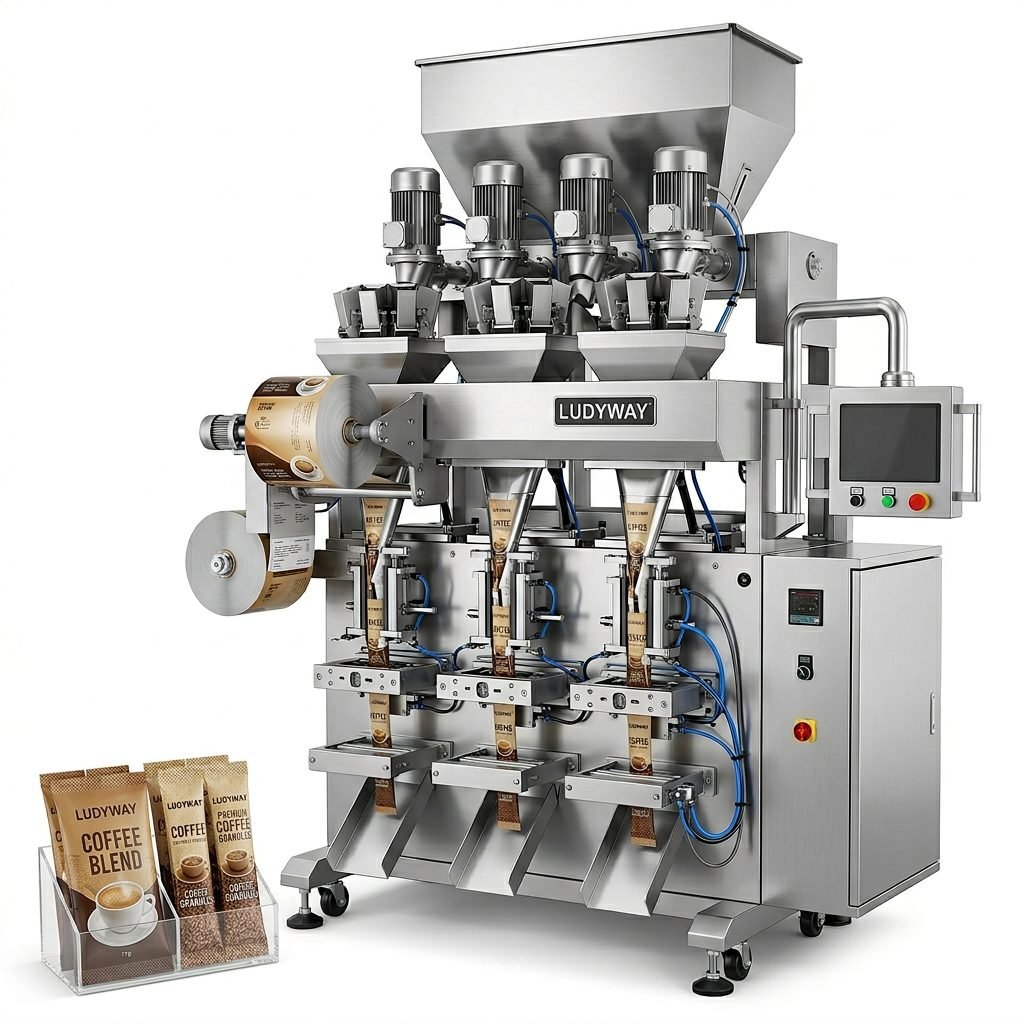
For businesses looking to future-proof their facility, Ludyway is one of the largest packaging machine manufacturers in China, providing reliable and efficient granule, powder, and liquid packaging solutions. Their specialized stick pack and sachet machines are engineered to handle the high viscosity of honey with precision heating and sealing technology.
To successfully set up a honey packaging line in Asia, start by mapping out your product rheology and desired bag formats. Always request a factory acceptance test (FAT) specifically using your honey formulation rather than water, as the viscosity drastically affects machine cycling. With the right preparation and robust packaging automation, your Asian production line can dominate both local and international markets. Explore advanced resources provided by the Flexible Packaging Association’s knowledge hub for ongoing material innovations.

Referencing the latest data from the PMMI 2026 State of the Industry report will also sharpen your competitive edge in this rapidly evolving sector.